Outdoor LED Wall Light Engineering Guide: Architectural Facade Lighting, IP Protection & Optical Design
1. Introduction: The Wall Light as an Architectural Instrument
In architectural lighting design, the humble wall-mounted luminaire is far more than a utilitarian source of pathway illumination. It is a precision instrument that defines the visual rhythm of a building's facade, shapes pedestrian perception at street level, and reinforces the architectural identity of the entire structure. From luxury hotel corridors to commercial plaza colonnades and high-end residential entranceways, outdoor LED wall lights operate at the critical intersection of safety, aesthetics, and engineering durability.
However, specifying wall lights for an architectural project is not simply a matter of selecting a wattage and a shape. Engineers and lighting designers must navigate a matrix of interdependent decisions: optical distribution pattern (Up/Down, wall washing, direct), ingress protection for exposed elevations, material compatibility with coastal or urban environments, beam angle selection relative to mounting height, and compliance with dark-sky ordinances. A misstep in any one of these variables can result in uneven facade illumination, premature corrosion, or costly reinstallation — failures that our 15-year manufacturing team has spent over a decade helping project stakeholders avoid.
This guide provides a comprehensive engineering framework for selecting, specifying, and installing outdoor LED wall lights for professional architectural applications. Drawing on real-world project experience and the technical specifications of Synno's wall light portfolio — spanning 12 distinct models across Up/Down, square, round bulkhead, hardscape wall washer, and rotatable-head configurations — we examine the critical design parameters that separate a durable, visually compelling installation from one that underperforms.
2. Optical Distribution Types: Choosing the Right Light Pattern
The single most consequential decision in wall light specification is the optical distribution pattern. Unlike ceiling-mounted luminaires that primarily emit light downward, wall-mounted fixtures interact directly with the vertical surface to which they are attached — and the choice of distribution fundamentally alters how the building is perceived after dark.
2.1 Up/Down Bidirectional (Symmetrical Facade Grazing)
Up/Down wall lights project beams simultaneously upward and downward along the facade plane, creating a dramatic hourglass or butterfly-shaped light pattern. This distribution is the preferred choice for accentuating textured wall surfaces such as natural stone cladding, brickwork, and architectural concrete, as the grazing light exaggerates surface relief through shadow contrast.
Key design parameters for Up/Down fixtures:
- Beam symmetry: The upward and downward beams should be optically balanced. Asymmetrical output — where one beam is significantly brighter than the other — creates visual imbalance that undermines the architectural intent.
- Cut-off angle: In Up/Down installations near residential windows, the upward beam must be controlled to prevent light trespass. Narrow beam angles (15°–30°) are preferred for tall facades; wider beams (45°–60°) suit lower mounting heights where broader wall coverage is desired.
- Fixture spacing rhythm: For colonnades and corridor walls, spacing between fixtures should follow the building's structural grid (typically 2.5–4 meters) to create a consistent visual cadence.
Synno's SL-WL-63R series exemplifies precision Up/Down engineering with selectable beam angles (15°, 30°, 45°, 60°) and an IP65-rated aluminum housing. The cylindrical form factor integrates cleanly into modern architectural language, while the dual-head configuration delivers symmetrical 3W–36W output scalable to facade height.
2.2 Wall Washing (Uniform Flood Distribution)
Wall washing — also referred to as hardscape or paver lighting — delivers a broad, even flood of light across a vertical or near-vertical surface. Unlike grazing, which emphasizes texture, wall washing prioritizes uniform luminance, making it the preferred technique for illuminating large planar surfaces such as rendered concrete walls, signage backdrops, and landscape retaining walls.
The critical metric here is the spacing-to-mounting-distance ratio. Wall washers should be positioned at a distance from the wall equal to approximately one-third to one-half of the wall height to achieve even coverage without hot spots at the fixture location. For low-profile installations such as paver step lights, the SL-WL-B7 hardscape wall washer delivers linear wash distribution from a compact form factor, ideal for integrating into masonry joints and stair risers.
2.3 Bulkhead & Direct Downlight Distribution
Round and square bulkhead wall lights (such as Synno's SL-WL-B4R and SL-WL-B2S) provide primarily downward-directed illumination with a subtle ambient halo. These are the workhorses of functional outdoor lighting — pathway safety, entrance illumination, and perimeter security. The round bulkhead form factor (historically associated with marine and industrial applications) brings robust IP protection and high mechanical impact resistance (IK rating), making it suitable for public infrastructure, parking structures, and coastal installations.
3. Ingress Protection: What IP65 and IP66 Actually Mean for Wall-Mounted Fixtures
Wall-mounted exterior luminaires face a unique environmental challenge: they are exposed to direct rain impact on vertical surfaces, where water can be driven horizontally by wind into seams and gaskets. This is a fundamentally different stress condition than ceiling-mounted downlights or ground-recessed uplights. As discussed in our structural waterproofing engineering guide, the IP rating must be understood not as a simple pass/fail label but as a function of sealing methodology under dynamic conditions.
3.1 IP65: The Minimum Standard for Exterior Walls
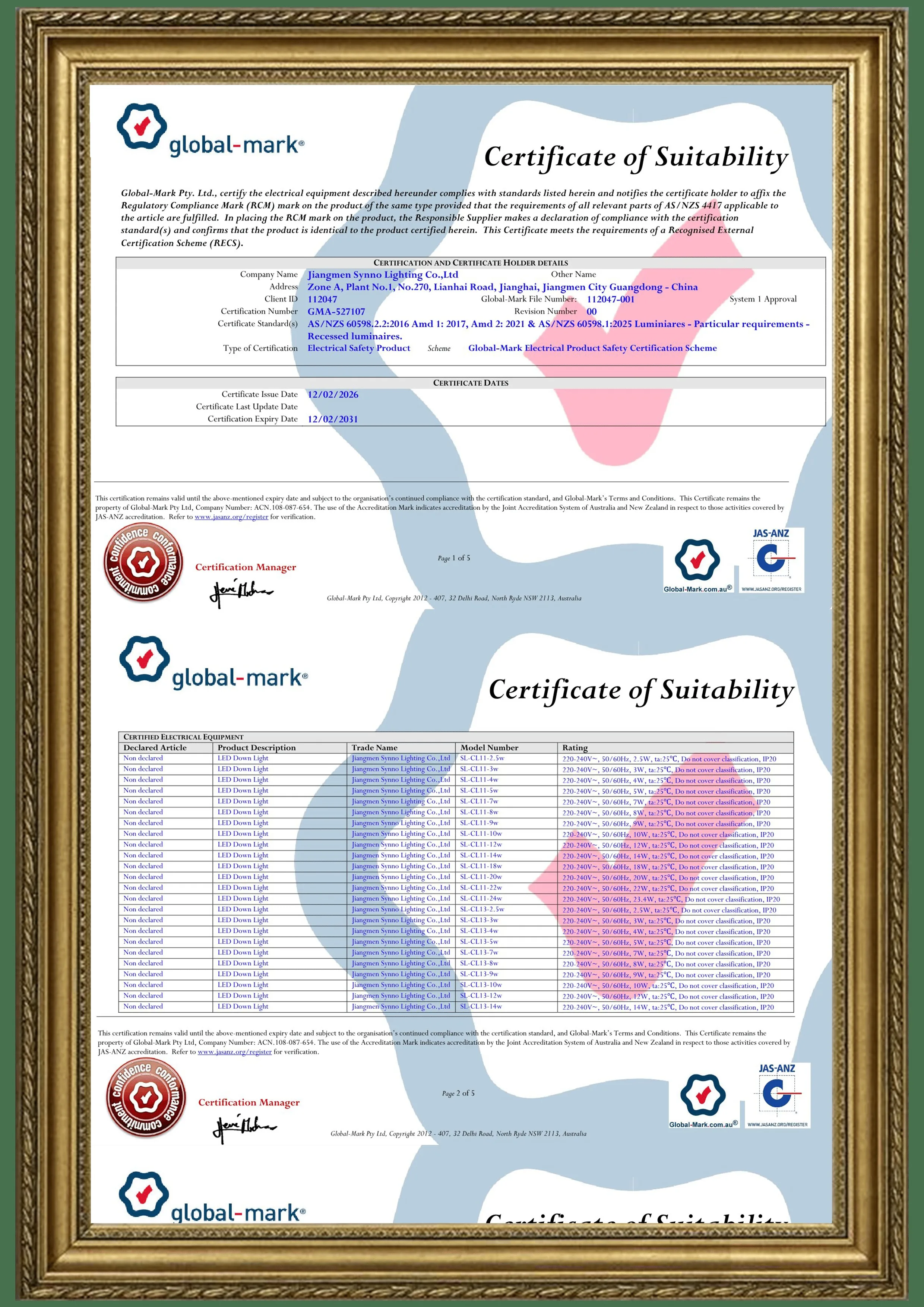
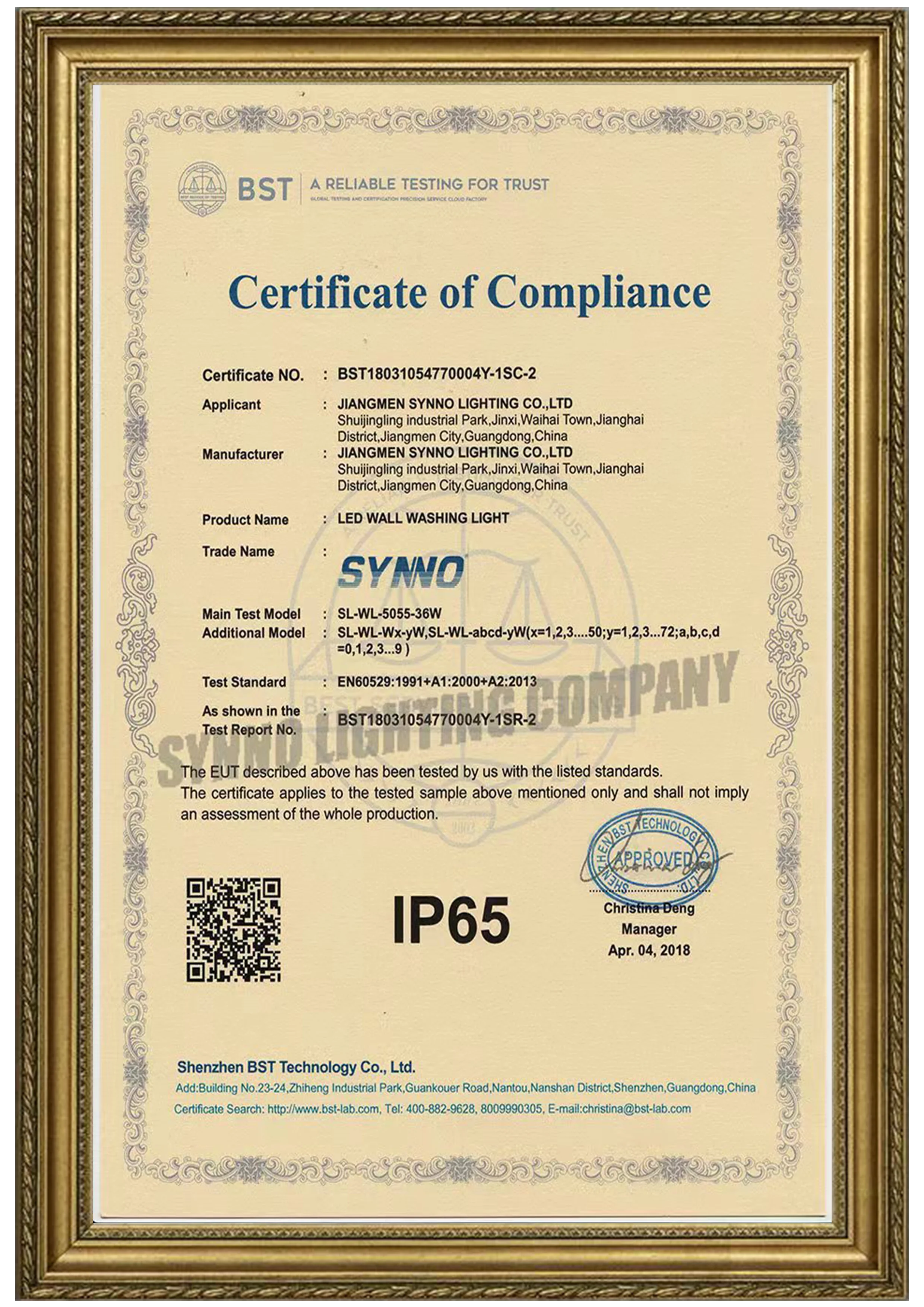
IP65 certification guarantees protection against low-pressure water jets from any direction (6.3mm nozzle, 12.5 L/min at 30 kPa from 3 meters) and complete dust ingress protection. For most architectural wall light applications — hotel entrances, residential facades, commercial building perimeters — IP65 is the engineering baseline. All 12 wall light models in Synno's portfolio carry IP65 certification as a minimum standard.
3.2 When IP66 Is Warranted
IP66 upgrades protection to powerful water jets (12.5mm nozzle, 100 L/min at 100 kPa from 3 meters). This level is recommended for:
- Coastal installations: Where wind-driven salt spray acts as a high-pressure water jet combined with corrosive chemistry. Our 316 stainless steel material guide addresses the material selection side of this challenge.
- High-rise facades: Above approximately 20 meters, wind speeds increase exponentially, driving rainwater horizontally against fixture seals at pressures approaching IP66 test conditions.
- Public infrastructure: Bridge abutments, tunnel entrances, and transit stations where fixtures may be subjected to pressure washing during maintenance cycles.
3.3 The Triple-Layer Sealing Architecture
Achieving reliable IP65/IP66 performance in wall-mounted fixtures requires a multi-layer defense strategy that our bollard light engineering analysis also validates for vertical-mount outdoor fixtures:
- Primary barrier — Silicone compression gasket: Precision-molded silicone rubber gaskets compressed between the housing and faceplate/lens assembly. The gasket must maintain its elastic memory across a -40°C to +120°C temperature range to prevent cold-flow deformation that creates leak paths over time.
- Secondary barrier — Internal driver potting: The LED driver compartment is resin-potted (encapsulated) to create a secondary waterproof barrier. Even if the primary gasket is compromised during installation or maintenance, the driver remains protected against moisture-induced short circuits.
- Tertiary barrier — Pressure-equalizing breather: A Gore-Tex or sintered-metal breather vent equalizes internal and external air pressure during temperature cycling. Without this component, the vacuum created when a warm fixture cools draws moisture-laden air through microscopic seal gaps — a leading cause of internal condensation and premature failure.
4. Material Engineering: ADC12 Aluminum and Surface Protection
The material choice for an exterior wall light determines not only its aesthetic lifespan but also its thermal performance — and these two factors are intimately linked. A corroded housing compromises the heat-sink pathway to ambient air, accelerating LED junction temperature rise and lumen depreciation.
4.1 Why ADC12 Die-Cast Aluminum
Synno's wall light housings are manufactured from ADC12 aluminum alloy (Al-Si-Cu), the industry-standard material for high-volume die-cast LED luminaires. ADC12 offers an optimal balance of:
- Thermal conductivity: Approximately 96 W/m·K — sufficient to wick heat away from the LED PCB to the housing exterior without requiring separate heat-pipe assemblies.
- Castability: Excellent flow characteristics enable thin-wall (2–3mm) designs that reduce material cost without compromising structural integrity.
- Dimensional stability: Low shrinkage during solidification ensures consistent gasket compression surfaces — critical for IP integrity.
4.2 The 7-Stage Surface Pre-Treatment Process
Raw aluminum — even ADC12 — will oxidize and pit when exposed to urban pollutants and coastal salt. The difference between a wall light that looks new after five years and one that shows visible corrosion after 18 months lies almost entirely in the surface treatment process:
- Alkaline degreasing — removes machining oils and release agents
- Acid etching — micro-roughens the surface for coating adhesion
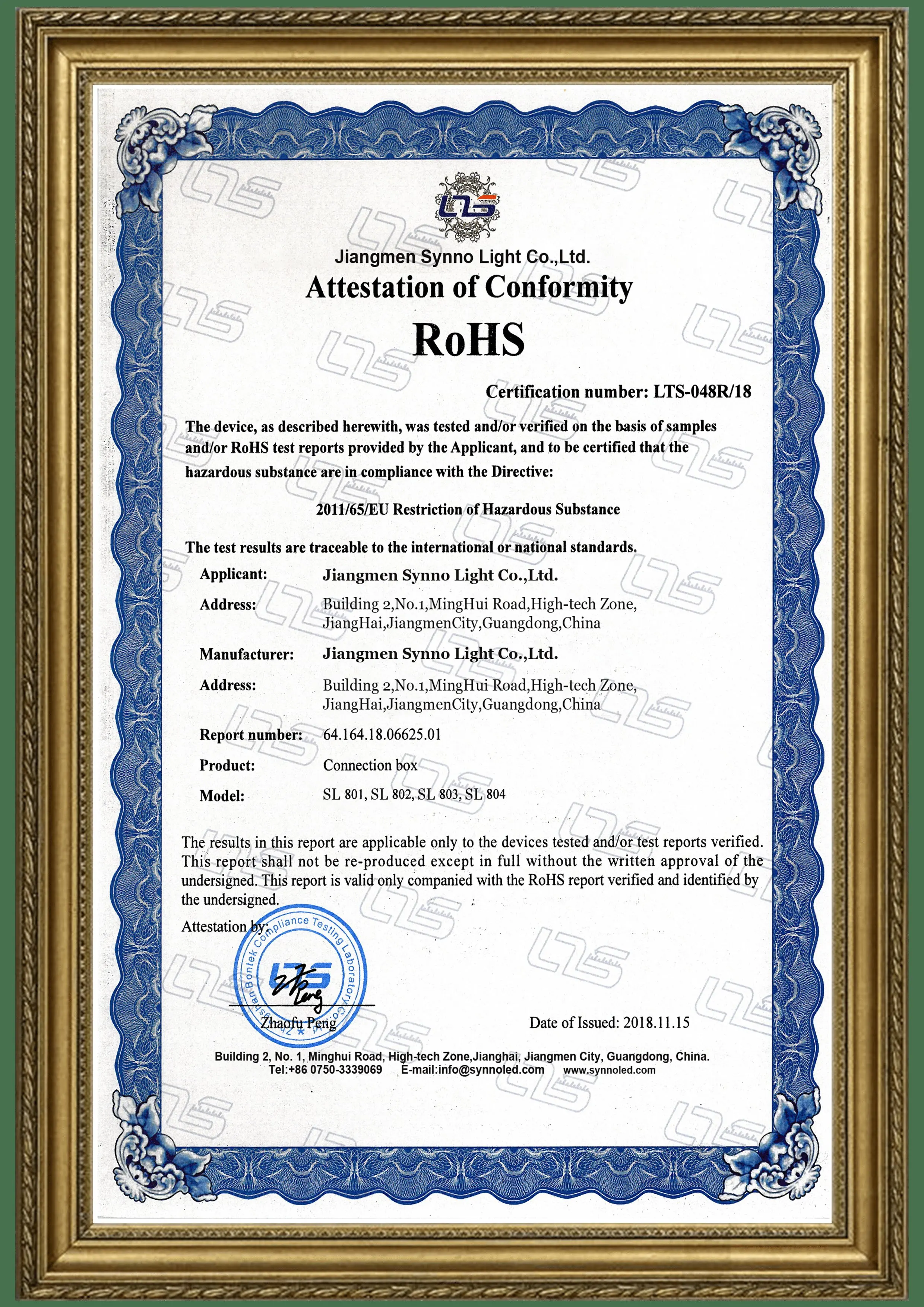
- Chromate conversion coating — provides a corrosion-resistant base layer (compliant with RoHS hexavalent-chromium-free formulations)
- Deionized water rinsing — eliminates ionic contaminants that would cause under-film corrosion
- Electrostatic powder coating — AkzoNobel architectural-grade polyester powder, applied at 60–80 kV for uniform thickness (60–80 μm)
- Thermal curing — 180–200°C oven curing cross-links the polymer structure for hardness and UV resistance
- Quality inspection — Cross-hatch adhesion testing (ISO 2409) and salt-spray resistance verification (ISO 9227, minimum 500 hours)
For projects in Category C5 coastal/marine environments (ISO 12944-2), Synno offers upgraded 316 stainless steel hardware and marine-grade powder coating formulations as optional specifications.
5. Beam Angle Selection: Matching Optics to Architecture
Beam angle is not merely a photometric specification — it is an architectural design parameter that determines the perceived height, width, and texture of the illuminated facade. Selecting the wrong beam angle can render a carefully specified fixture ineffective, regardless of its build quality.
| Beam Angle | Best Application | Mounting Height | Synno Model Example |
|---|---|---|---|
| 15° (Narrow Spot) | Tall columns, vertical architectural fins, high-rise accent | 3–6 m | SL-WL-63R (15° option) |
| 30° (Medium Spot) | Standard facade grazing, entrance pillars | 2.5–4 m | SL-WL-100S, SL-WL-B2S |
| 45° (Wide Flood) | Low-height walls, pathway illumination, texture washing | 1.5–2.5 m | SL-WL-B4R (bulkhead) |
| 60° (Very Wide) | Low-level security lighting, stair risers, perimeter | 0.5–1.5 m | SL-WL-B7 (hardscape) |
Engineering rule of thumb: For Up/Down facade grazing, the beam angle should produce a light cone that covers approximately 60–70% of the wall height between fixtures. Overlapping cones create hot spots; gaps create dark bands. The relationship between beam angle (θ), mounting height (h), and wall coverage follows: Coverage width ≈ 2 × h × tan(θ/2).
6. Installation Standards & Best Practices
6.1 Mounting Height Guidelines
Mounting height is the dominant variable governing both the visual impact and the functional performance of architectural wall lights:
- Pathway & safety lighting: 0.6–1.2 m above finished floor level (AFFL). At this height, the fixture provides ground-level illumination for pedestrian navigation. Use wide-beam (45°–60°) bulkhead or square fixtures (SL-WL-B4R, SL-WL-B2S).
- Architectural accent (entrances, columns): 1.8–2.4 m AFFL. This is the "human scale" zone where the fixture itself becomes a visible architectural element. Up/Down models (SL-WL-63R, SL-WL-B2) are most effective here.
- Facade rhythm lighting: 2.5–4.0 m AFFL. The fixture serves to delineate the building's vertical structure. Spacing should align with the structural bay grid or window mullion pattern to create visual coherence.
6.2 Cable Entry & Drainage
A frequently overlooked detail in wall light installation is cable entry positioning. The cable entry should always be positioned on the bottom face of the fixture (or rear face with a downward-angled compression gland) to prevent water from following the cable into the housing via capillary action. For coastal installations, we recommend marine-grade nickel-plated brass cable glands (included as standard on all Synno wall light models) rather than standard nylon glands, which degrade under UV exposure.
Additionally, wall-mounted fixtures should include a small (2–3mm) weep hole at the lowest point of the housing to allow any condensation that forms despite sealing to drain outward rather than accumulating inside the driver compartment.
6.3 Wiring & Electrical Safety
All outdoor wall light circuits must be protected by a 30mA Type A RCD (Residual Current Device) per IEC 60364-7-714. For metal-housed fixtures, supplementary equipotential bonding to the building's earth system is mandatory. Synno's wall lights support wide-range input voltage (AC 85–265V) with Class I electrical insulation, accommodating voltage fluctuations common in large-scale commercial and municipal installations.
7. Project Application Matrix: Matching Fixture Type to Project Type
| Project Type | Recommended Fixture | Key Specification | Synno Model |
|---|---|---|---|
| Luxury Hotel Facade | Up/Down Cylindrical | CCT 2700K–3000K, CRI 90+, 15°/30° beam | SL-WL-63R |
| Commercial Office Plaza | Square Up/Down or Cube | CCT 3000K–4000K, IP65, DALI dimming | SL-WL-B2S / SL-WL-100S |
| Residential Development | Round Bulkhead / Up/Down Square | CCT 3000K, IP65, anti-glare lens | SL-WL-B4R / SL-WL-B2 |
| Public Infrastructure | Round Bulkhead (high IK) | IP66, IK08+, vandal-resistant | SL-WL-B4R (IP66 config) |
| Landscape Retaining Walls | Hardscape Wall Washer | Wide flood distribution, low-profile | SL-WL-B7 |
| Coastal/Marine | 316 SS Hardware + Marine Coating | C5 corrosion class, IP66, salt-spray tested | Custom config (any model) |
8. Synno Lighting's Manufacturing Advantage for Wall Light Projects
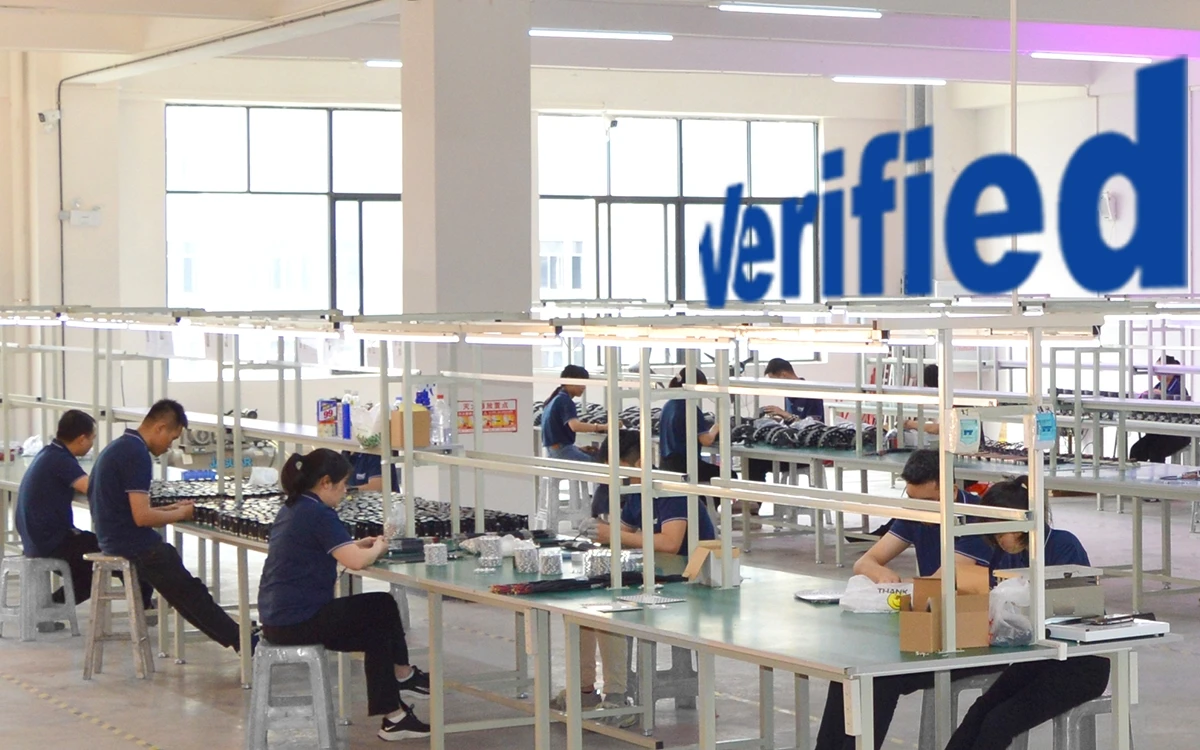
With 15 years of dedicated LED luminaire manufacturing at our Jiangmen, Guangdong facility, Synno Lighting brings engineering rigor to every wall light produced. Our 12-model wall light portfolio is designed not as standalone products but as a parametric system — consistent mounting footprints, shared driver platforms, and standardized optical chambers enable architects to specify a cohesive facade lighting scheme across an entire project.
What Sets Synno Wall Lights Apart:
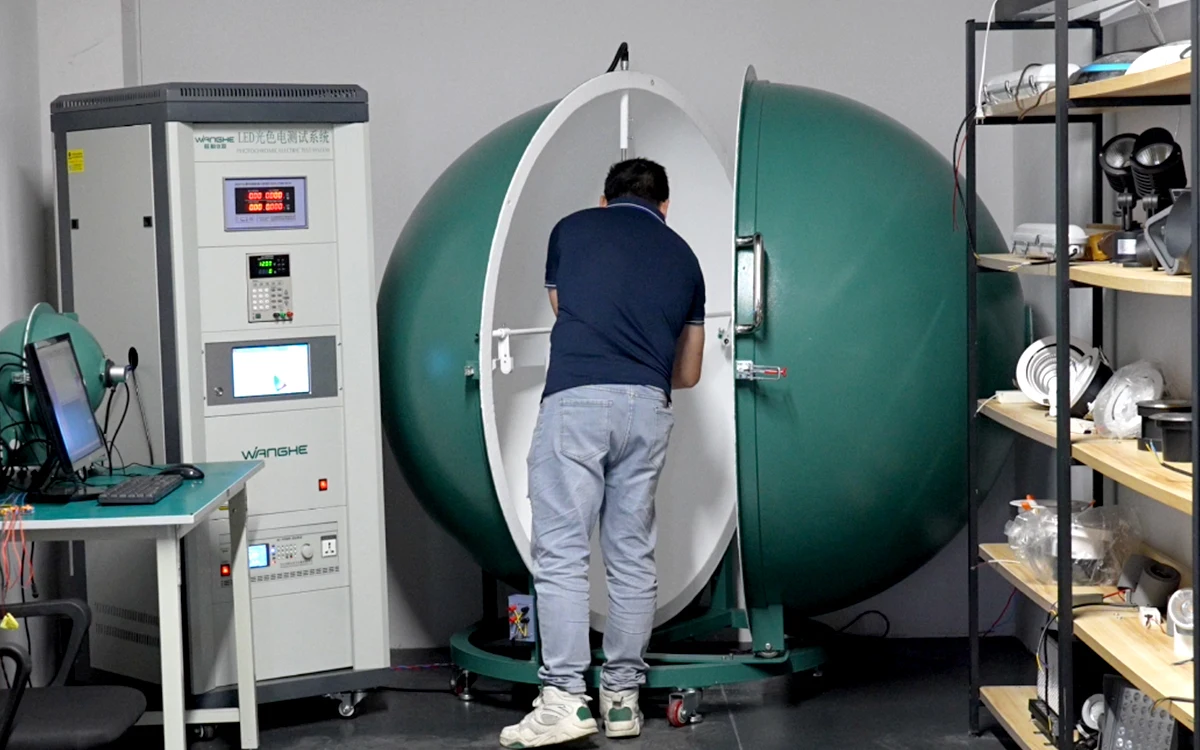
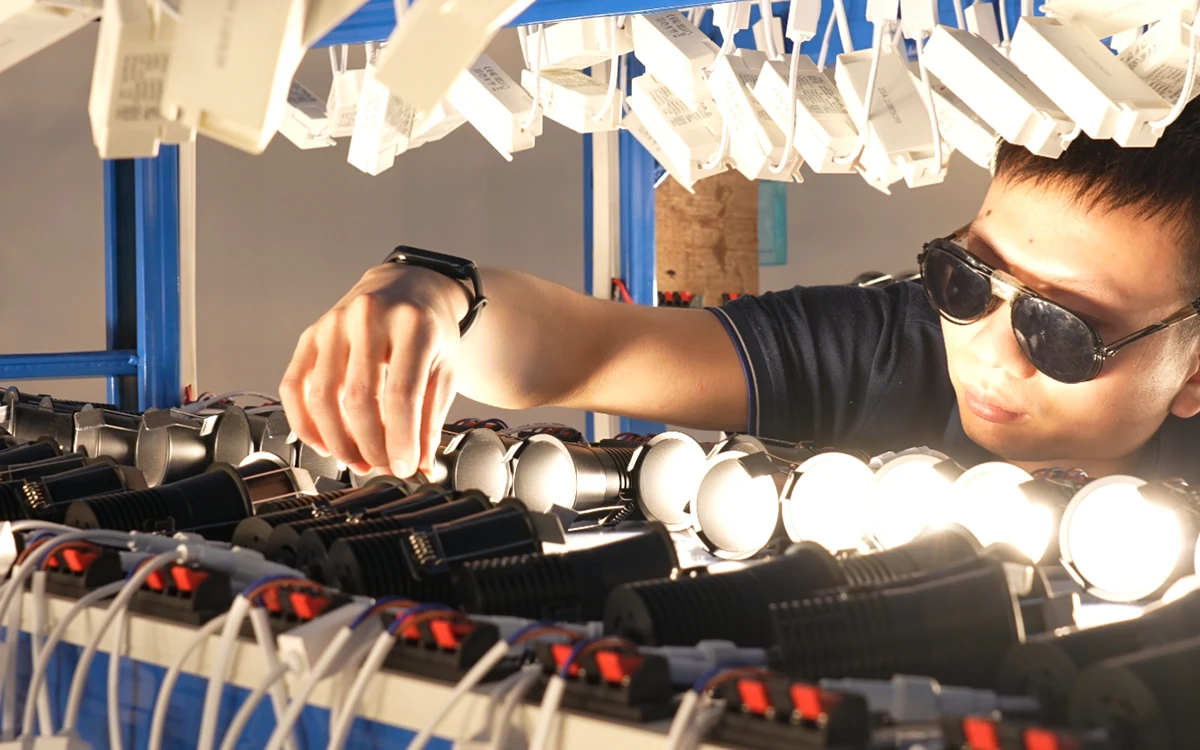
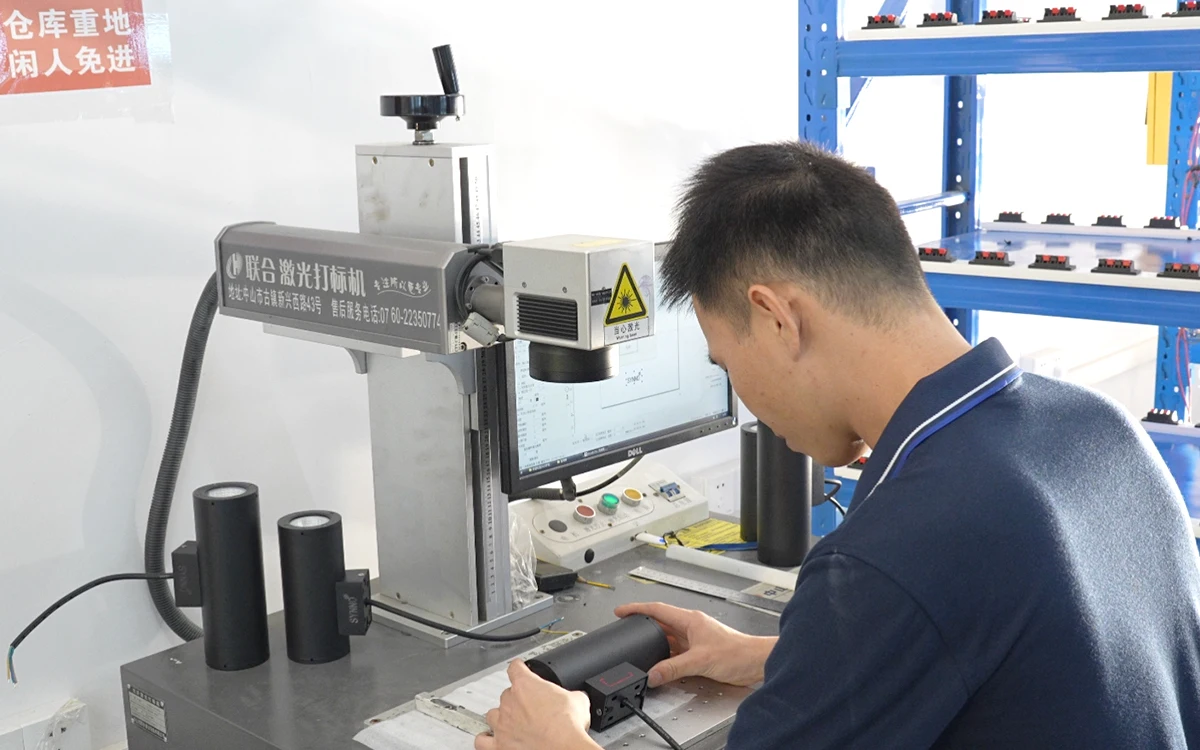
- 100% vacuum pressure testing: Every IP65/IP66-rated wall light undergoes individual pneumatic leak testing on our production line before packaging — not batch sampling. This guarantees that the sealing integrity verified in the certification lab is present in every unit shipped to your project site.
- Full IES photometric file library: We provide LM-79-compliant IES files for every beam angle variant, enabling accurate Dialux and Relux simulations before procurement. This eliminates the "specification gap" between catalog data and installed performance.
- 48-hour prototype capability: For projects requiring custom RAL color matching, bespoke beam angles, or modified housing dimensions, our in-house CNC machining and powder coating lines deliver prototype samples within two working days.
- 5-year project warranty: Backed by accelerated life testing (85°C/85% RH, 6,000-hour continuous operation) that simulates a decade of real-world exposure in compressed time.
9. Frequently Asked Questions (Engineering & Procurement)
Q: Can Synno wall lights be dimmed, and which protocols are supported?
A: Yes. Our wall light drivers support Triac (leading/trailing edge), 0-10V, and DALI-2 dimming protocols. For large-scale commercial projects requiring centralized control, we recommend DALI-2 for its bidirectional feedback and individual fixture addressing. See our comprehensive dimming solutions guide for protocol selection criteria.
Q: What is the minimum order quantity (MOQ) for custom RAL colors?
A: Standard MOQ for custom powder coating is 50 units per RAL code. For smaller quantities, our standard color palette includes Grey (RAL 7043), Black (RAL 9005), White (RAL 9016), and Dark Grey (RAL 7021) — available from 10 units.
Q: Are Synno wall lights compatible with building management systems (BMS)?
A: Yes. Our DALI-2-enabled wall lights integrate with any DALI-certified BMS gateway (ABB, Siemens, Schneider Electric, Lutron). We provide the DALI product database files for seamless commissioning.
Q: What is the LED lifespan and lumen maintenance (L70/B50) rating?
A: All Synno wall lights use branded LED chips (CREE, Osram, Bridgelux, or Lumileds) with an L70 rated lifespan of 50,000 hours at Ta = 25°C. Lumen maintenance testing follows IES LM-80 protocols, and our thermal design ensures junction temperatures remain below 85°C under worst-case ambient conditions.
Q: Do you provide material certifications for project documentation?
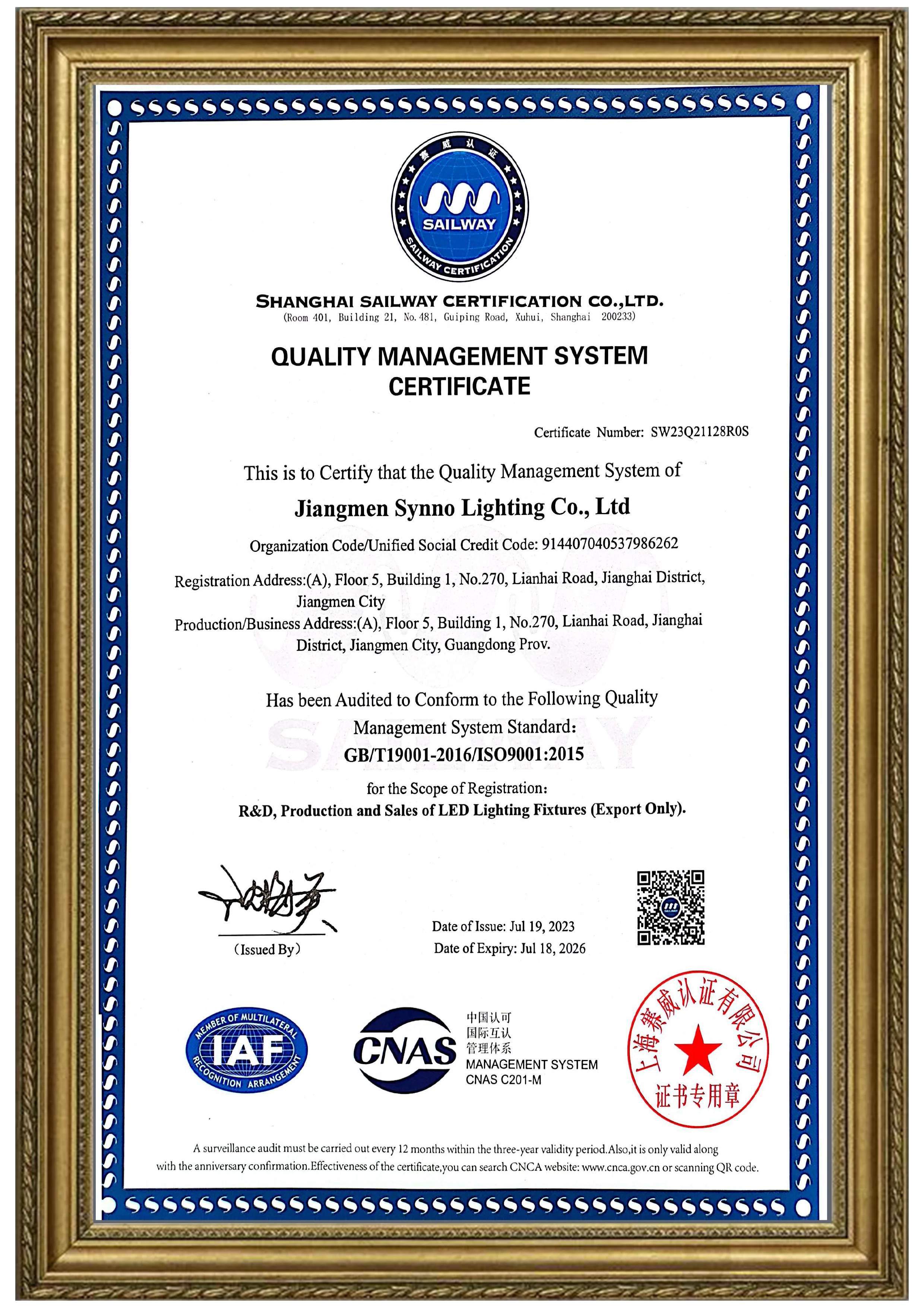
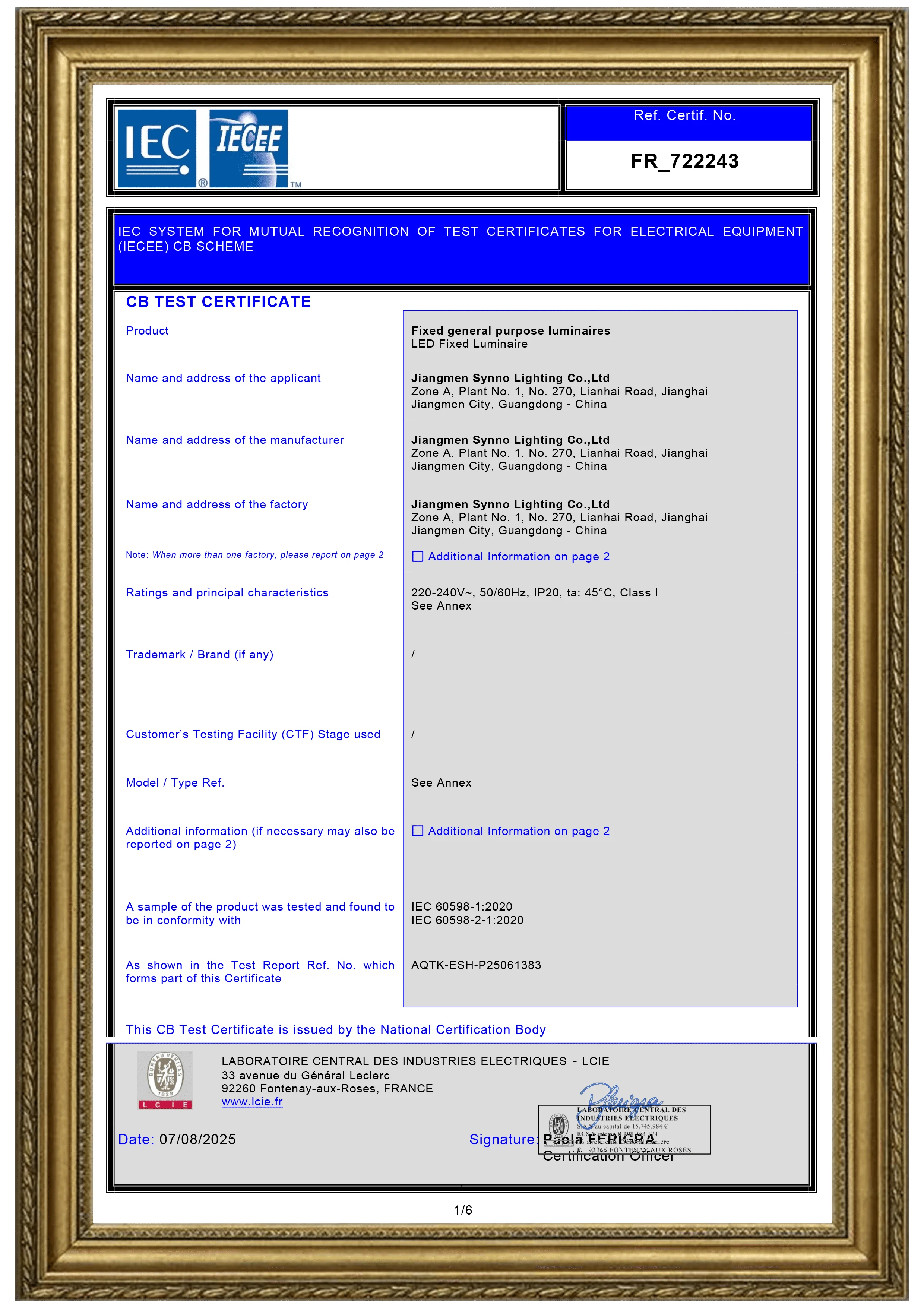
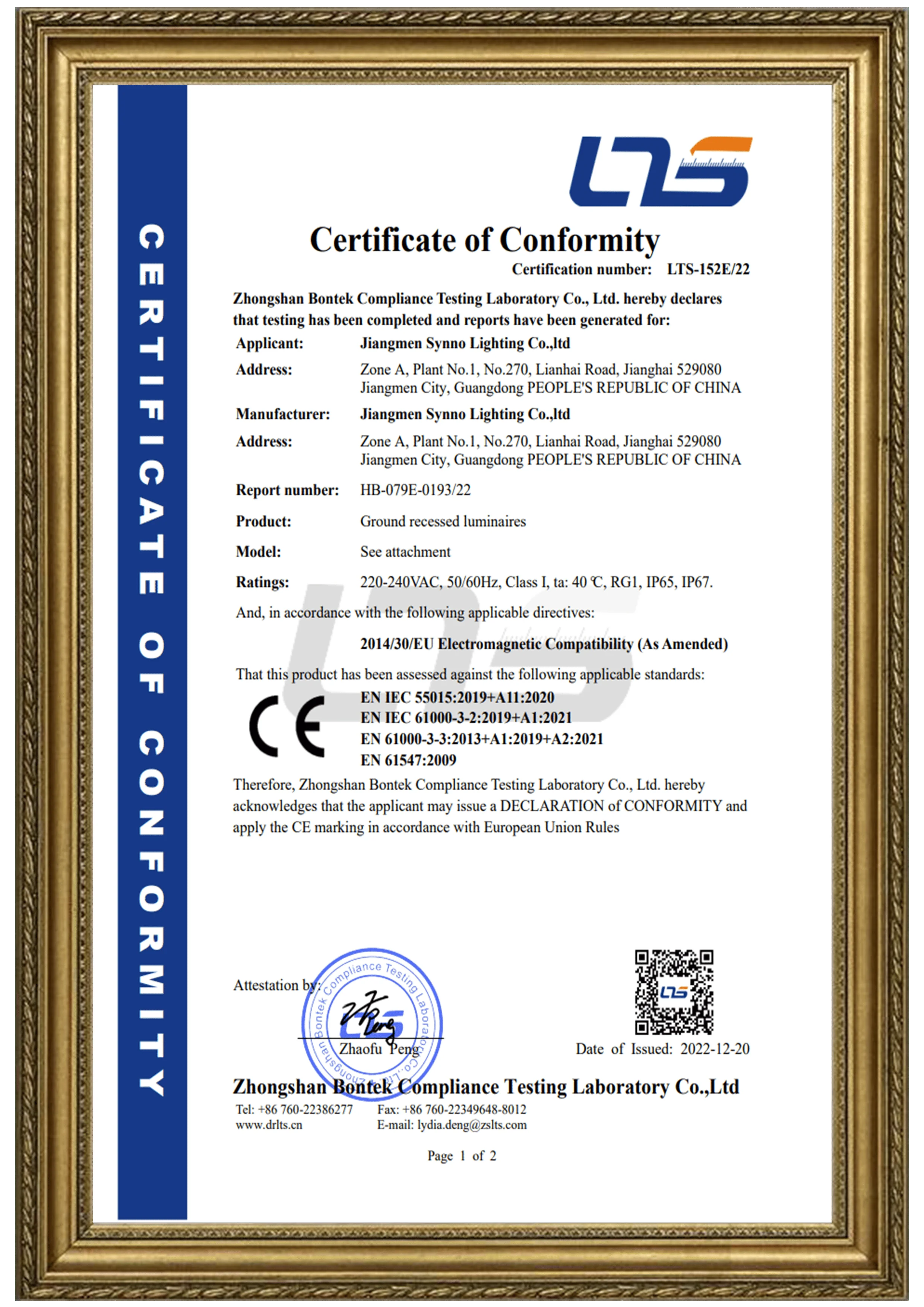
A: Yes. For bulk project orders, we supply material test reports (MTR) for aluminum alloy composition, powder coating adhesion test results (ISO 2409), and IP test certificates from accredited third-party laboratories (TUV, SGS, or Intertek).
Conclusion: Engineering the Facade Experience
The outdoor wall light is simultaneously the most visible and the most technically demanding luminaire in the architectural lighting toolkit. It operates at the building's skin — exposed to weather, scrutinized at close range by pedestrians, and tasked with conveying architectural intent through light alone. Selecting the right fixture demands fluency in optical distribution physics, ingress protection engineering, material corrosion science, and installation standards.
Synno Lighting's 15 years of B2B manufacturing experience, combined with a 12-model wall light portfolio engineered for parametric consistency, positions us as a reliable technical partner for architectural projects of any scale. From a single hotel entrance to a 500-unit residential development, our commitment to individual fixture testing, full photometric documentation, and rapid customization ensures that the specification on paper matches the performance on the wall.
Ready to Specify Wall Lights for Your Next Project?
Contact Synno's engineering team for free Dialux lighting simulations, complete IES photometric files, and technical datasheets for any model in our wall light portfolio. We respond to technical inquiries within 24 hours with project-specific recommendations.
Continue Reading — Related Technical Guides
- Structural Waterproofing vs. Resin Filling: IP Integrity for Outdoor LED Luminaires — Sealing methodologies, galvanic corrosion & 316-grade fastener selection
- Stainless Steel 316 vs. 304: The Ultimate Guide for Corrosion-Prone Environments — PREN values, passivation & material selection for coastal installations
- LED Bollard Light Engineering Guide: Cut-off Optics, IK Impact & Pathway Design — Complementary vertical-mount outdoor luminaire engineering
- Dimming Solutions for Commercial Lighting: DALI-2, 0-10V, Triac & Casambi — Control protocol selection for wall light projects
- Underground LED Light Installation Guide: Sleeves, Drainage & Cable Routing — Ground-level luminaire engineering for integrated outdoor schemes
Browse Synno's Complete Wall Light Portfolio
Explore all 12 models across Up/Down, square, round bulkhead, hardscape wall washer, and rotatable-head configurations — all IP65 certified with 5-year warranty.