
The Professional Guide to Commercial Track Lighting Systems: DALI Integration, Adjustable Beam Control, and Retail Design Strategy
Retail stores, galleries, museums, and corporate showrooms share one operational reality: their layouts change. A fashion retailer replaces wall displays every season. A museum rebuilds exhibitions several times a year. A static recessed downlight layout cannot respond to these changes without ceiling work, rewiring, and patching.
A professionally designed track lighting system takes a fundamentally different approach. The track becomes the electrical and mechanical skeleton—spotlights, floodlights, and wall-wash modules can be repositioned, replaced, or re-aimed as the commercial environment evolves. This flexibility transforms track lighting from a collection of adjustable spotlights into an ongoing infrastructure that connects electrical distribution, optical performance, individual addressing, scene control, and future store modifications.
At Synno Lighting, our SL-TL11 private mold series is engineered precisely for this demand. Available in track-mounted, surface-mounted, and suspended configurations (Figure 1), this COB spotlight platform combines published beam options of 15°, 24°, 38°, and 60° with control compatibility spanning on/off, DALI, 0/1-10V, and Triac. This guide examines commercial track lighting from the perspectives of optical engineering, system integration, and long-term project adaptability.

Figure 1: The SL-TL11 family — available as long pendant, medium pendant, and direct track-mount configurations.
1. Track Infrastructure: Magnetic vs. 3-Wire Systems
Before selecting wattage or beam angle, the designer must establish the track foundation itself. A high-performance spotlight installed on an unsuitable track cannot reliably deliver a professional project. Two common commercial approaches dominate: low-voltage magnetic track and traditional line-voltage 3-wire track.
Low-Voltage 48V Magnetic Track
Magnetic systems operate at 48V DC with a remote power supply. Fixtures are retained by magnetic force and a mechanical lock, enabling tool-free repositioning. This makes magnetic track particularly suited to premium boutiques, corporate lobbies, and hospitality interiors where visual integration matters—the track can accommodate spotlights, linear floods, and wall-wash optics within one narrow architectural channel.
However, the designer must account for total wattage per power supply, voltage drop along long runs, remote driver ventilation, and cross-manufacturer compatibility. A 48V track should be treated as a complete engineered system, not a random assembly of components.

Figure 2: Magnetic track offers tool-free fixture repositioning and clean ceiling aesthetics.
Traditional 3-Wire Line-Voltage Track
Traditional line-voltage track remains widely used because it is robust, familiar to installers, and capable of supporting higher-power commercial spotlights (20W, 30W, and above). It is the workhorse for large retail stores, exhibition halls, furniture showrooms, and high-ceiling commercial spaces. While its visual profile may be larger than compact magnetic systems, its strength lies in durability, direct line-voltage distribution, and broad compatibility with commercial spotlight formats.
A 220V track carrying twenty 30W spotlights draws approximately 600W (≈2.73A). The final electrical design must also consider driver power factor, inrush current, circuit-breaker characteristics, track derating, and future expansion. Good practice preserves spare capacity rather than operating near maximum rating continuously.
2. Optical Precision: Adjustable Spotlights and Beam Control
Mechanical flexibility has little value if the spotlight cannot control light accurately. As published in our technical datasheet (Figure 3), the SL-TL11 platform offers 15W, 20W, and 30W configurations with beam angles spanning 15°, 24°, 38°, and 60°—all built around a COB light source delivering 100-120LM/W with CRI 90 (95 Ra available for color-critical projects).

Figure 3: SL-TL11 product parameters — 15W/20W/30W, D60/D80/D100, AC100-265V, CRI 90/95 Ra.
Beam-Angle Strategy: Choosing the Right Optical Tool
The beam angle determines the relationship between illuminated area, center intensity, mounting height, and visual contrast. As illustrated in Figure 4:

Figure 4: Beam angle strategy — 15° for jewelry/sculpture, 24° for mannequins, 38° for shelving, 60° for ambient.
Jewelry, watches, sculptures, premium handbags. Creates concentrated intensity and strong visual hierarchy.
Mannequins, fashion displays, museum exhibits. The most versatile accent beam for commercial spaces.
Shelving, product tables, furniture displays. Softer transitions for continuous coverage.
Circulation zones, open retail floors, corporate lobbies. Broad ambient illumination.
CRI, R9, and Perceived Product Value
Color rendering directly influences how customers perceive merchandise. Our CRI 90 standard is a strong baseline; for fashion retail, cosmetics, and premium materials, CRI 95 with high R9 (saturated red rendering) is available on request. R9 is especially relevant for skin tones, red fabrics, leather, food, and warm wood. A luminaire can score well on general CRI while still rendering saturated red poorly—fashion and cosmetics projects should evaluate both metrics together.

Figure 5: High CRI (90+) restores true fabric colors and skin tones — critical for fashion retail and galleries.
Anti-Glare: Keeping the Spotlight Comfortable
Track spotlights are frequently aimed across customers' normal fields of view, making glare control essential. Our deep-recessed COB positioning (Figure 6) moves the LED source farther into the housing, shielding it from normal viewing angles. Optional accessories—honeycomb louvers, anti-glare rings, and black reflectors—further reduce direct source visibility. A honeycomb louver limits high-angle light and is particularly useful in galleries and low-ceiling retail, though it slightly reduces delivered output.

Figure 6: Deep-recessed COB with faceted reflector — the optical foundation of comfortable track lighting.
3. System Integration: DALI-2 and Smart Control
A conventional switched track treats all connected fixtures as one electrical group. A DALI-2 system transforms compatible spotlights into individually addressable control nodes—capable of grouping, scene recall, sensor integration, and schedule-based automation—provided the complete architecture (Figure 7) is engineered as one compatible network.

Figure 7: DALI-2 system architecture — Application Controller, Bus Power, sensors, and individually addressed spotlights.
Scene Programming for Commercial Operations
Track lighting scenes should be designed around real commercial rhythms. A "New Collection Launch" scene uses higher accent intensity and stronger mannequin emphasis. The "Daily Retail" scene balances customer comfort with clear merchandise visibility. An "Evening Reception" scene drops ambient intensity in circulation zones while maintaining focus on hospitality areas. None of this requires rewiring—only a DALI controller and correctly addressed drivers.
Occupancy and Daylight Integration
DALI-2 input devices—occupancy sensors and light sensors—provide movement or illuminance data to the control system. In retail projects, this can support reduced output in unoccupied support areas, daylight-responsive dimming near glazing, and scheduled shutdown. These functions support Title 24 and ASHRAE 90.1 control strategies, though final code compliance requires project-specific commissioning.
4. Why Private-Mold Mechanical Design Matters
Track lights can appear similar in photographs while behaving very differently after installation. Generic public-mold products are attractive to suppliers because tooling is already available—but the same housing may be sold by many factories with different LEDs, drivers, and quality-control standards. A private-mold platform like the SL-TL11 allows the manufacturer to develop the mechanical, optical, and thermal architecture as a coordinated product family.

Figure 8: SL-TL11 design blueprint — 355° horizontal rotation, 90° vertical tilt, D60×H140mm.
The Thermal Convection Path
LED lifetime depends on operating temperature. The SL-TL11's integrated die-cast aluminum body combines structural support with heat dissipation: COB → MCPCB → Thermal Interface → Aluminum Housing → Ambient Air. The adjustable gimbal, shown in our engineering drawings, is designed for repeatable friction—smooth during focusing, yet firmly locked after aiming. The 355° horizontal rotation and 90° vertical tilt cover every conceivable display angle without twisting internal conductors.
Finish Consistency Across Large Projects
Available in matte black, matte white, and custom RAL colors, the SL-TL11 maintains finish consistency across the track, adapter, housing, and accessories. Slightly different blacks or whites are immediately noticeable in premium projects. A private-mold platform gives the retailer the confidence that every fixture shares the same visual DNA.
5. Retail and Gallery Design Strategy: The Three-Layer Approach
A track system becomes effective when organized into lighting layers. Layer 1 (Ambient) uses wide-beam floods for safe circulation without overpowering merchandise. Layer 2 (Accent) deploys narrow and medium adjustable spotlights to create visual hierarchy on mannequins, artwork, and feature tables. Layer 3 (Wall Washing) uses wall-wash optics to illuminate vertical surfaces—making a store feel brighter and more spacious without relying solely on high horizontal illuminance.

Figure 9: Track lighting in a fashion boutique — layered accent spots and wall-wash modules create clear visual hierarchy.

Figure 10: Pendant track spotlights in an upscale restaurant — warm CCT pools define intimate dining zones.
Track Placement Geometry
Track position should respond to the target surface, not follow the ceiling grid automatically. Tracks placed too close to a wall produce steep, uneven beams. Tracks placed too far away create glare or cause customers to cast shadows on displays. A DIALux calculation establishes expected performance; on-site focusing responds to real merchandise, reflectance, and customer sightlines. Both are necessary—simulation alone cannot account for the nuances of a live commercial space.
A fashion boutique with mannequins near the entrance, wall-mounted garments, and daylight from the storefront: 3000K 24° spots on mannequins, 3000K 38° beams on product tables, 4000K 60° floods in circulation zones, and DALI scenes for daytime, launch events, and evening reception.
Engineering Selection Matrix
| Element | Option | Key Characteristic | Best Installation |
|---|---|---|---|
| Track Type | 48V Magnetic | Compact profile, modular, clean ceiling | Premium retail, hospitality |
| Track Type | 3-Wire Line-Voltage | Robust, high-power support | Large retail, exhibitions |
| Beam | 15° / 24° / 38° / 60° | Spot → Flood gradient | Per display type |
| Control | DALI / 0-10V / Triac / ON-OFF | Individually addressable | Flexible retail, museums |
| CRI | 90 Standard / 95 on Request | High R9 available | Fashion, cosmetics, galleries |
| Platform | Synno SL-TL11 (Private Mold) | 15/20/30W, D60-D100, 355° rotation | Retail, galleries, hospitality, corporate |
Conclusion: Design the System, Not Just the Spotlight
A professional track lighting project is defined not by a single luminaire, but by the relationship between track busbar quality, electrical load, adapter configuration, control conductors, driver compatibility, adjustable gimbal mechanics, beam angle, glare control, CRI, thermal convection, and commissioning. Magnetic track offers compact architectural integration; traditional line-voltage track provides mechanical robustness and higher-power flexibility. DALI-2 transforms compatible spotlights into individually addressable nodes—but only when the complete architecture is correctly engineered.
The SL-TL11 private-mold platform offers an additional advantage: the housing, optical chamber, gimbal, heat-dissipation structure, and driver interface are developed as one coordinated system rather than assembled around a generic shell. For retailers and designers, that coordination translates into more consistent beams, cleaner ceiling integration, better product presentation, and a lighting system that adapts as the commercial environment evolves.
Project Support — 15+ Years of Expertise
Planning a retail, gallery, or corporate lighting project?
Contact Synno Lighting for a professional DIALux layout simulation, OEM/ODM track lighting development, and project-specific DALI integration support.
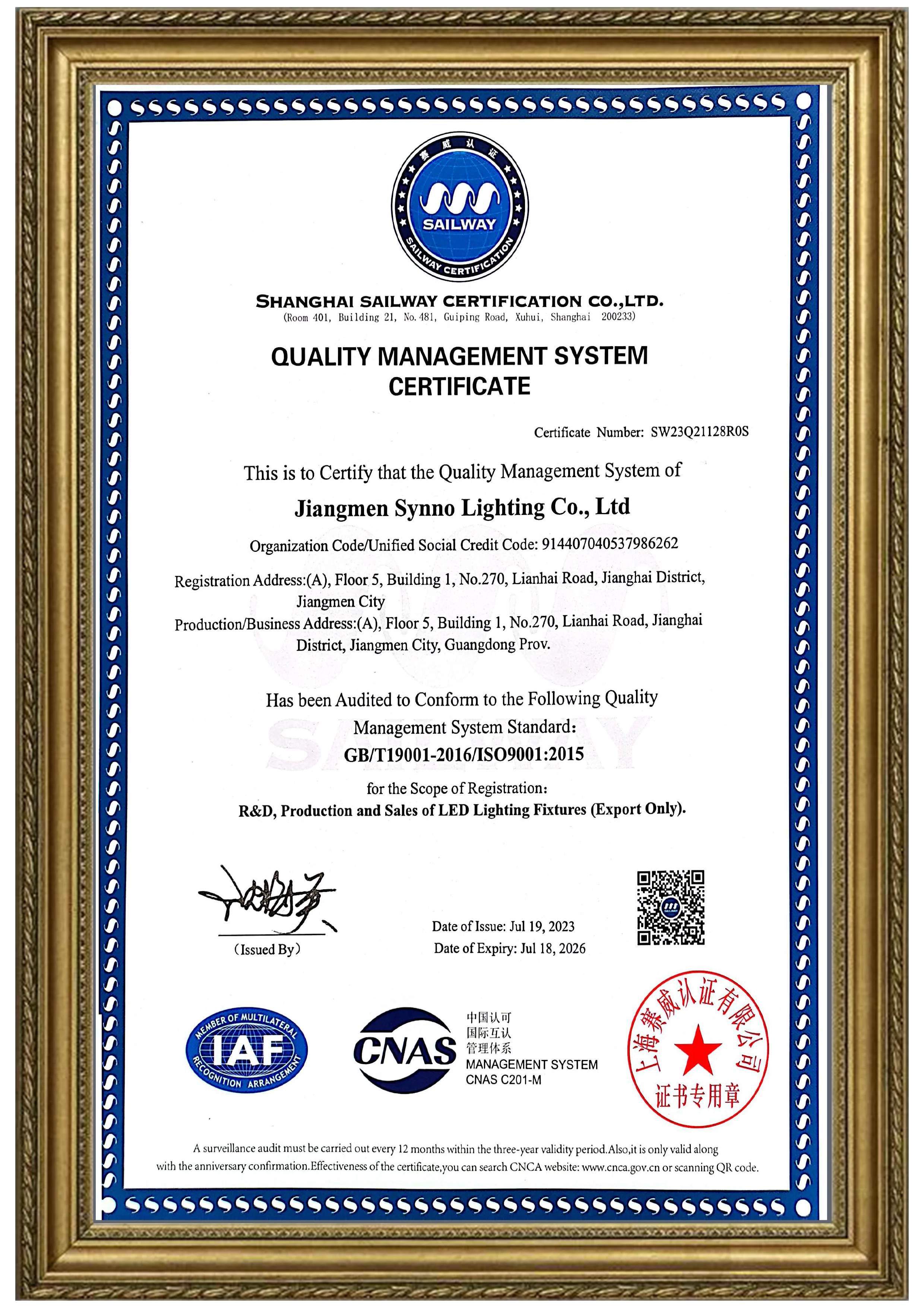
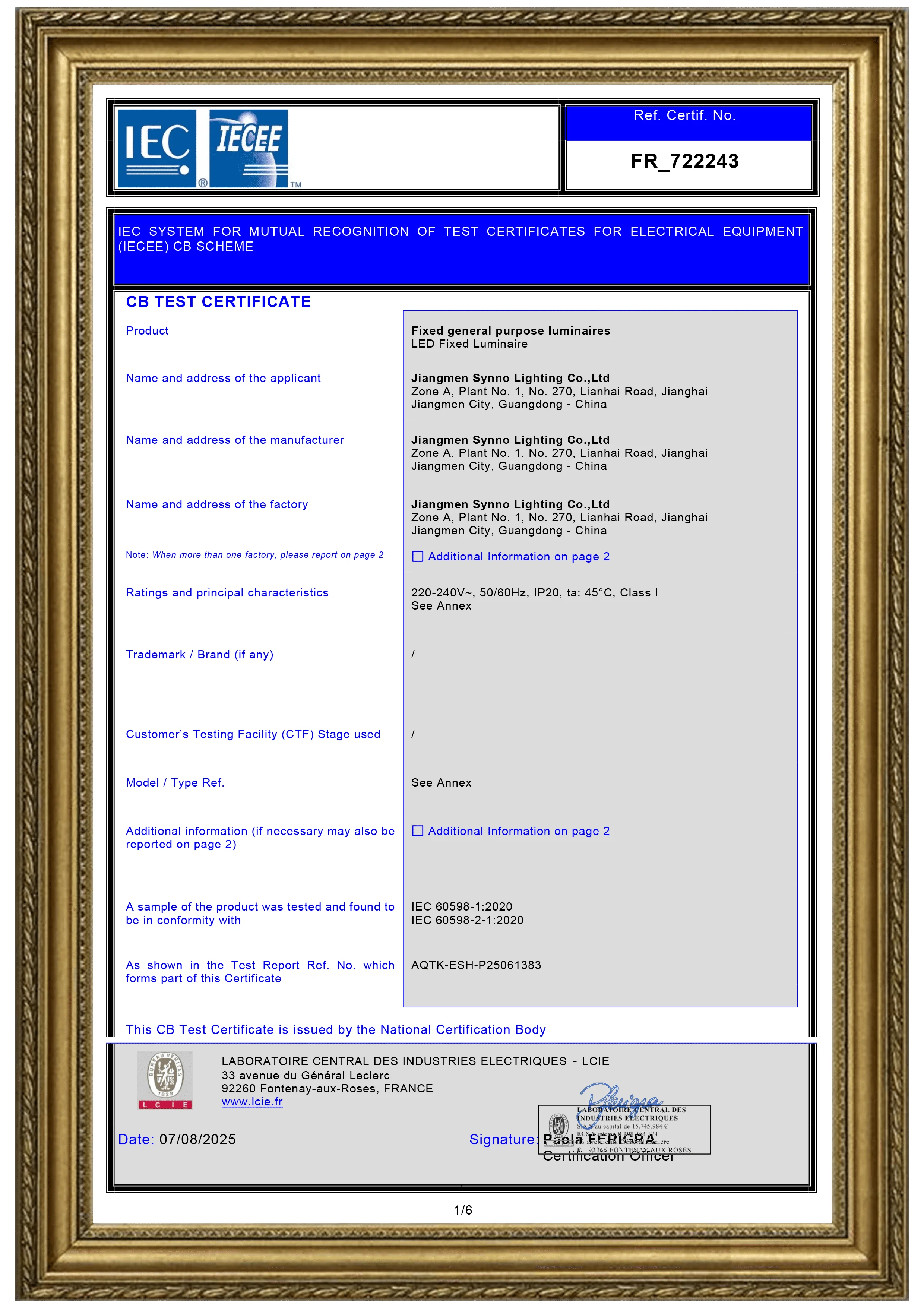
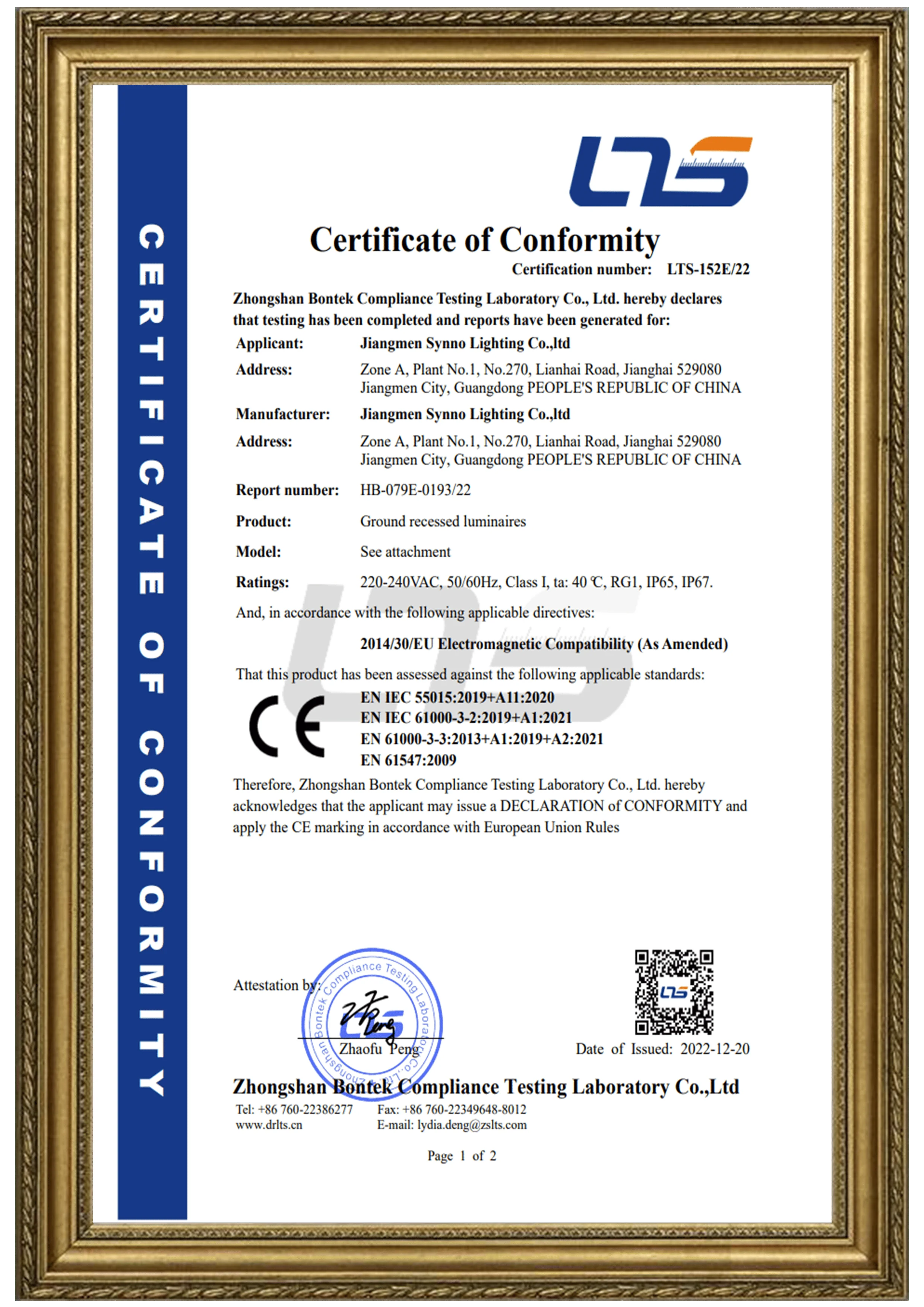
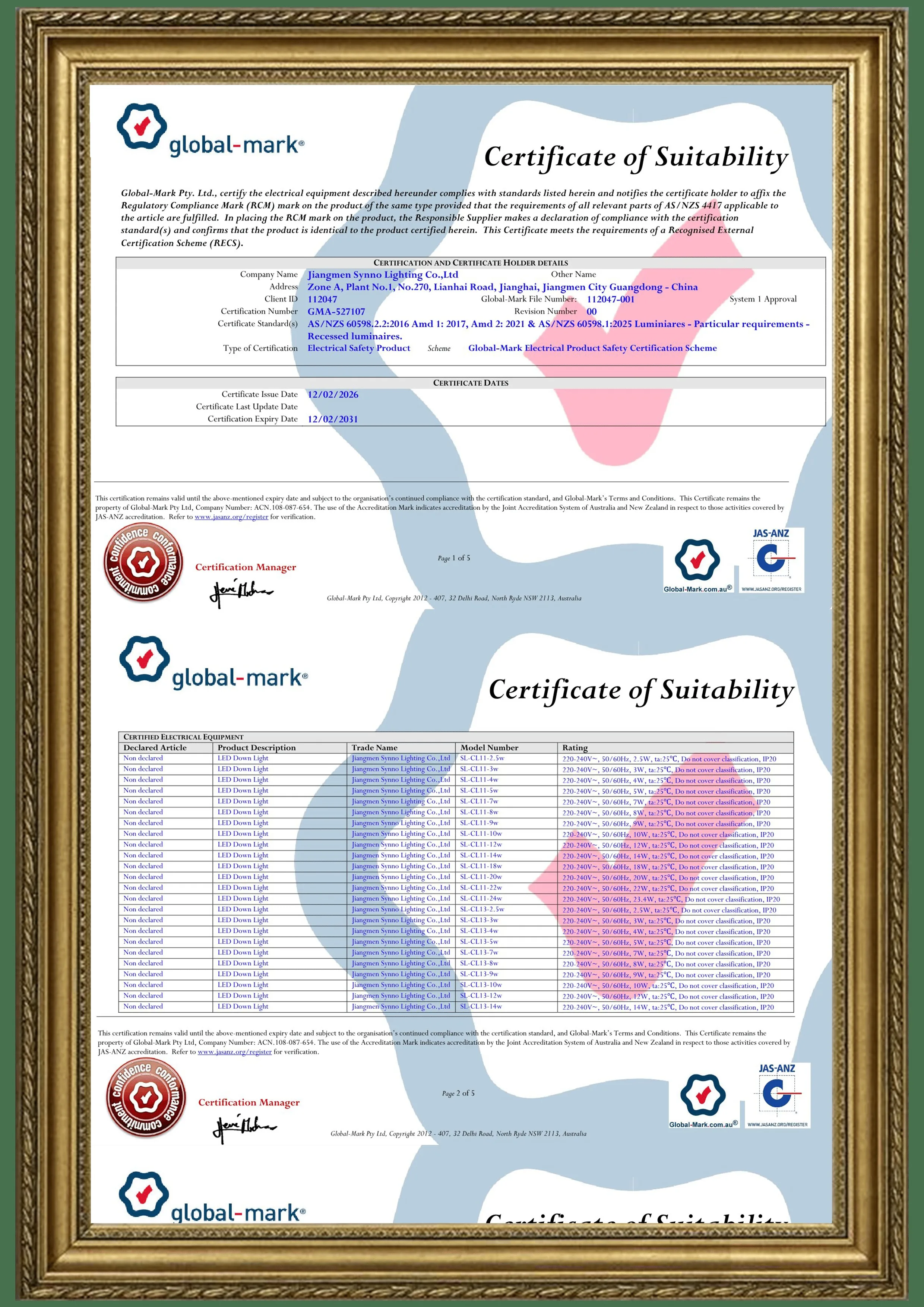
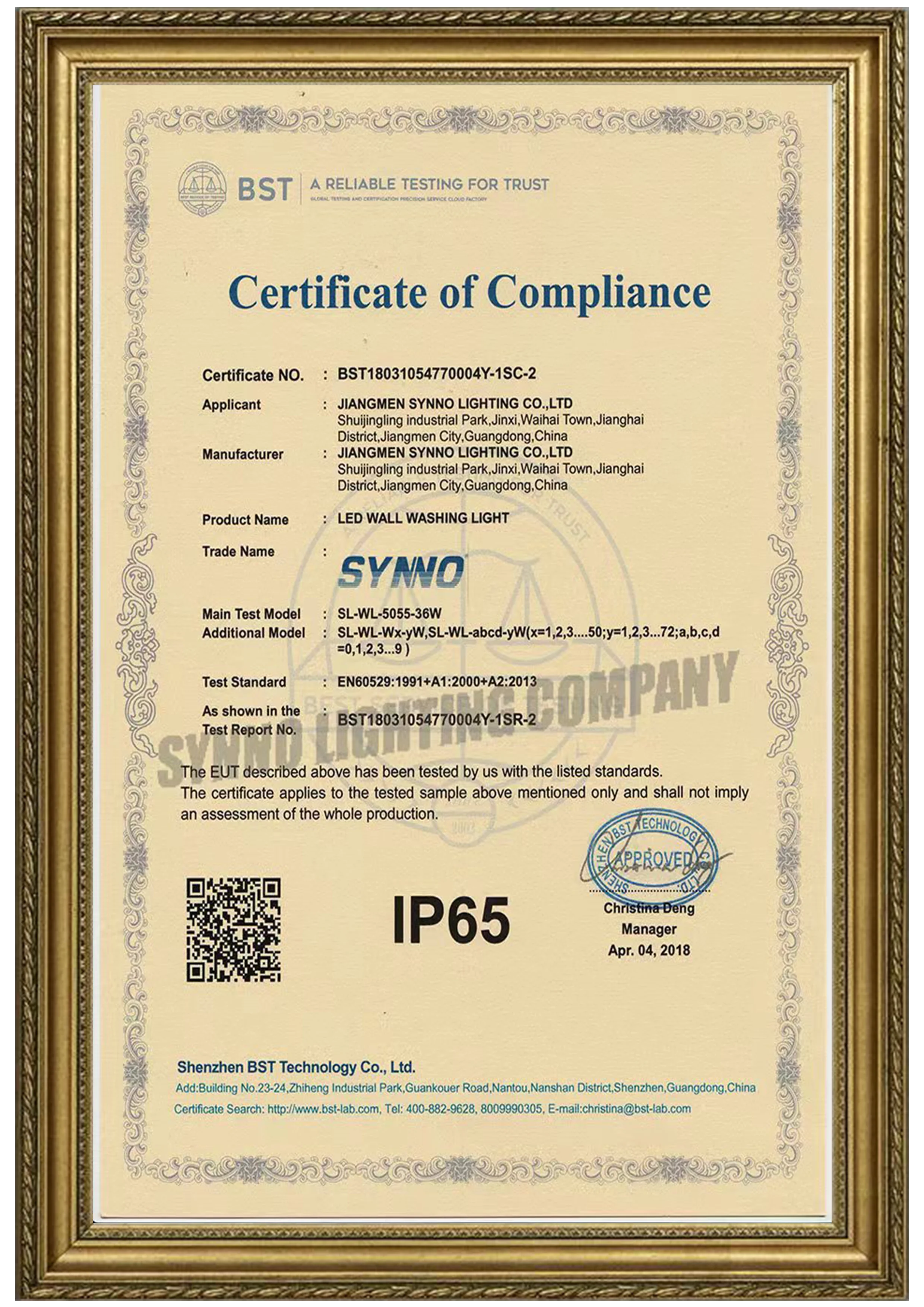
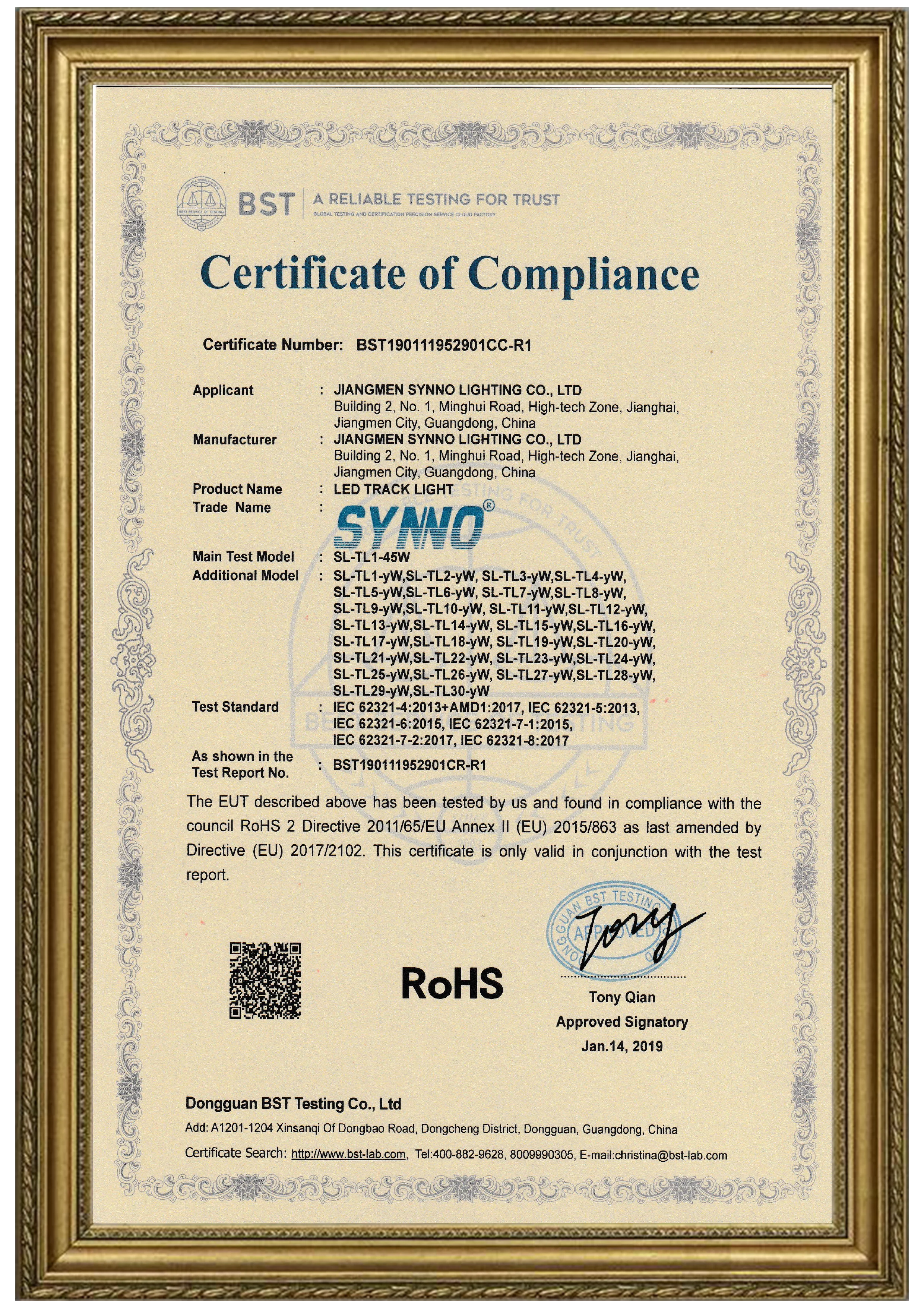
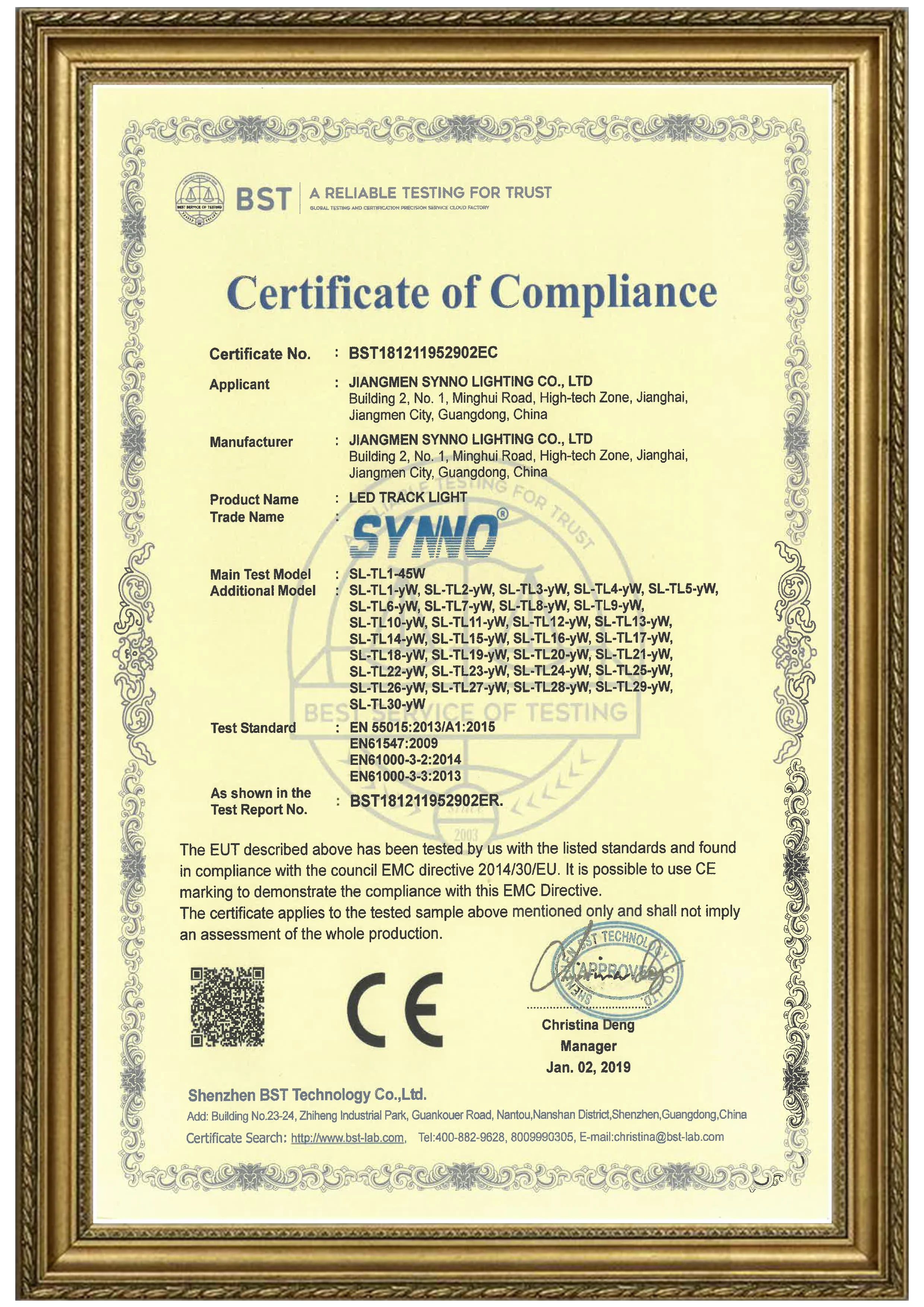
ISO 9001:2015 | RoHS | IECEE EN60598 | CE | CB | SAA Certified