The Masterclass of Window Sill Lighting: Transforming Architectural Facades with Private Mold 360° Blade Optics
Introduction: The Architectural Rhythm
In modern architectural lighting, the façade is no longer a flat surface to be saturated with light. Instead, contemporary design has shifted toward architectural storytelling—defining a building's identity through precision, restraint, and geometry. Today, window sill lighting, often termed "Blade Lighting," represents one of the most technically sophisticated ways to outline a building's rhythm. At Synno Lighting, with 15 years of manufacturing expertise, we have developed the SL-WL-C1 private mold series to solve the three critical challenges of façade contouring: delivering a razor-sharp 360° beam, ensuring 100% light spill control, and maintaining long-term reliability on high-rise surfaces.
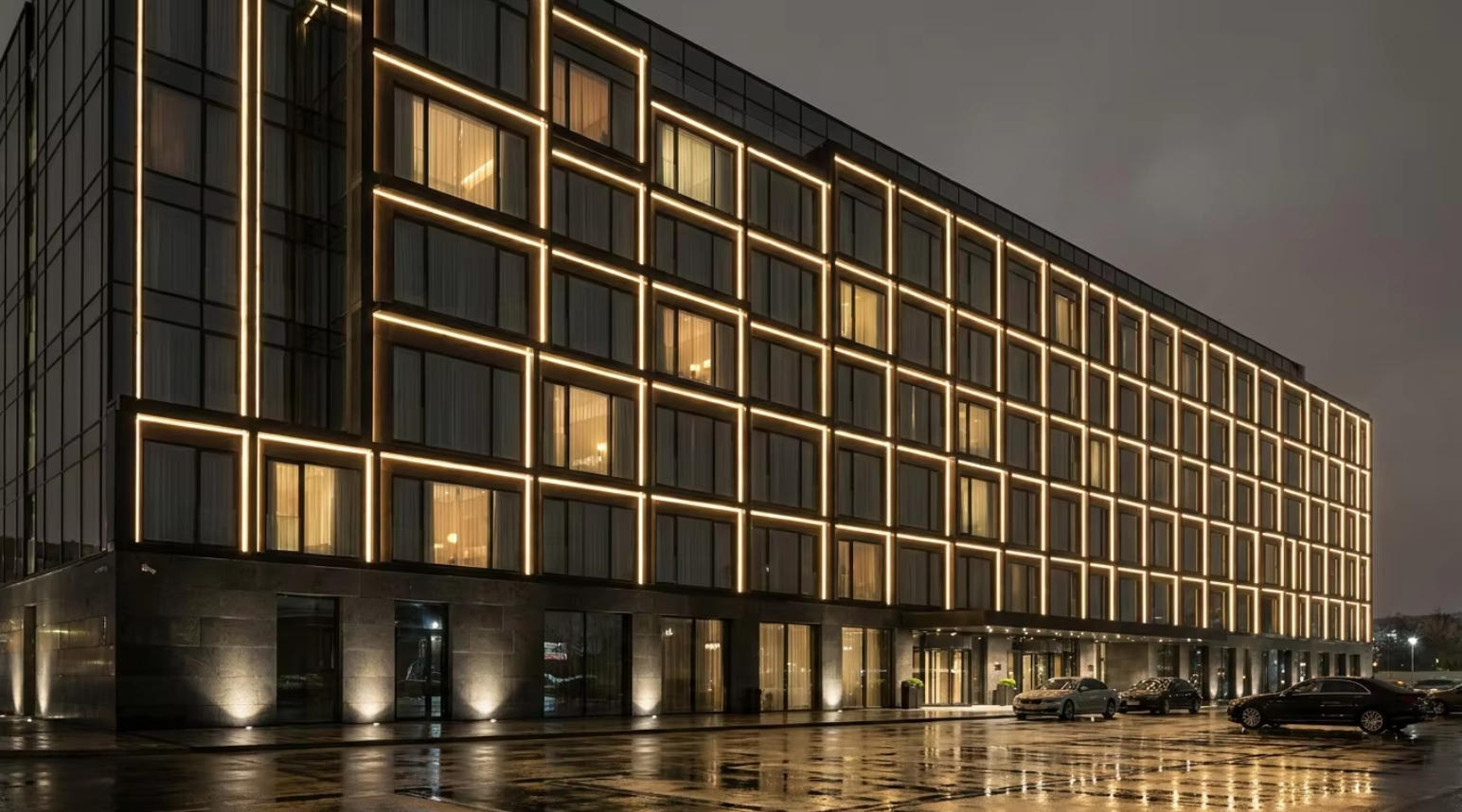
Figure 1: The SL-WL-C1 creates a continuous 360° luminous frame, transforming window sills into rhythmic architectural notes.
1. Optical Physics: The Science of the "360° Blade"
The defining characteristic of the SL-WL-C1 is its unique 360° beam profile. Unlike traditional circular optics, this application requires light to be compressed into an extremely narrow, continuous ribbon. Synno's private mold lenses utilize advanced ray-tracing simulations to ensure that the 8W high-power LED source is redirected into a razor-sharp blade that perfectly follows the window's contours.
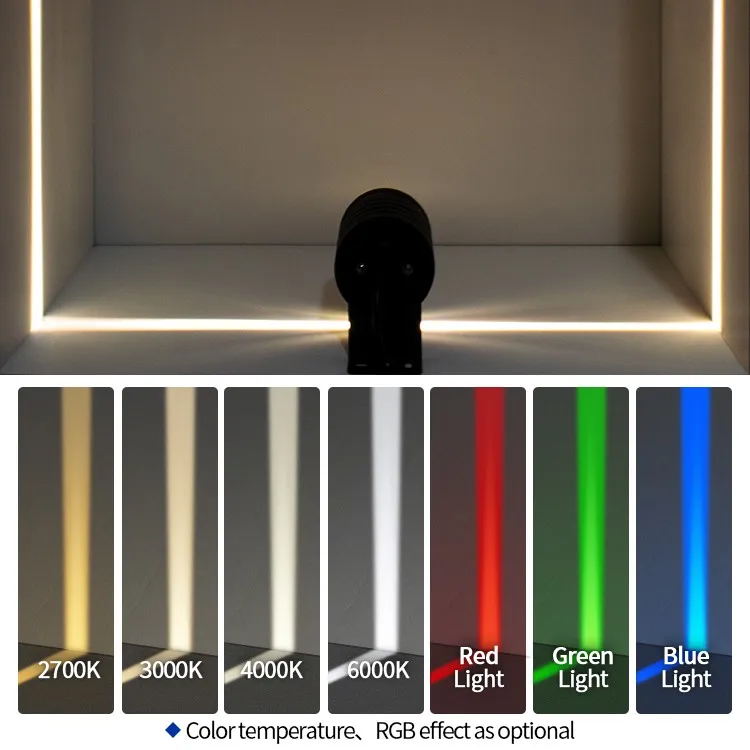
Figure 2: Versatile CCT options (2700K to 6000K) and RGB effects for dynamic facade identity.
Chromatic Aberration & CCT Fidelity
The optical precision required here mirrors the challenges of tree ring lighting optics, where beam uniformity across 360° is equally critical. One common failure in "public mold" window lights is the "rainbow effect" at the beam's edge. Our private mold lens ensures color consistency across the entire 360° spread. Whether your project specifies Warm White (3000K) for luxury hotels or RGB effects for commercial hubs (Figure 2), Synno's optics maintain uniform spectral power distribution, vital for high-end real estate branding.
2. Human-Centric Engineering: Solving the Light Spill Paradox
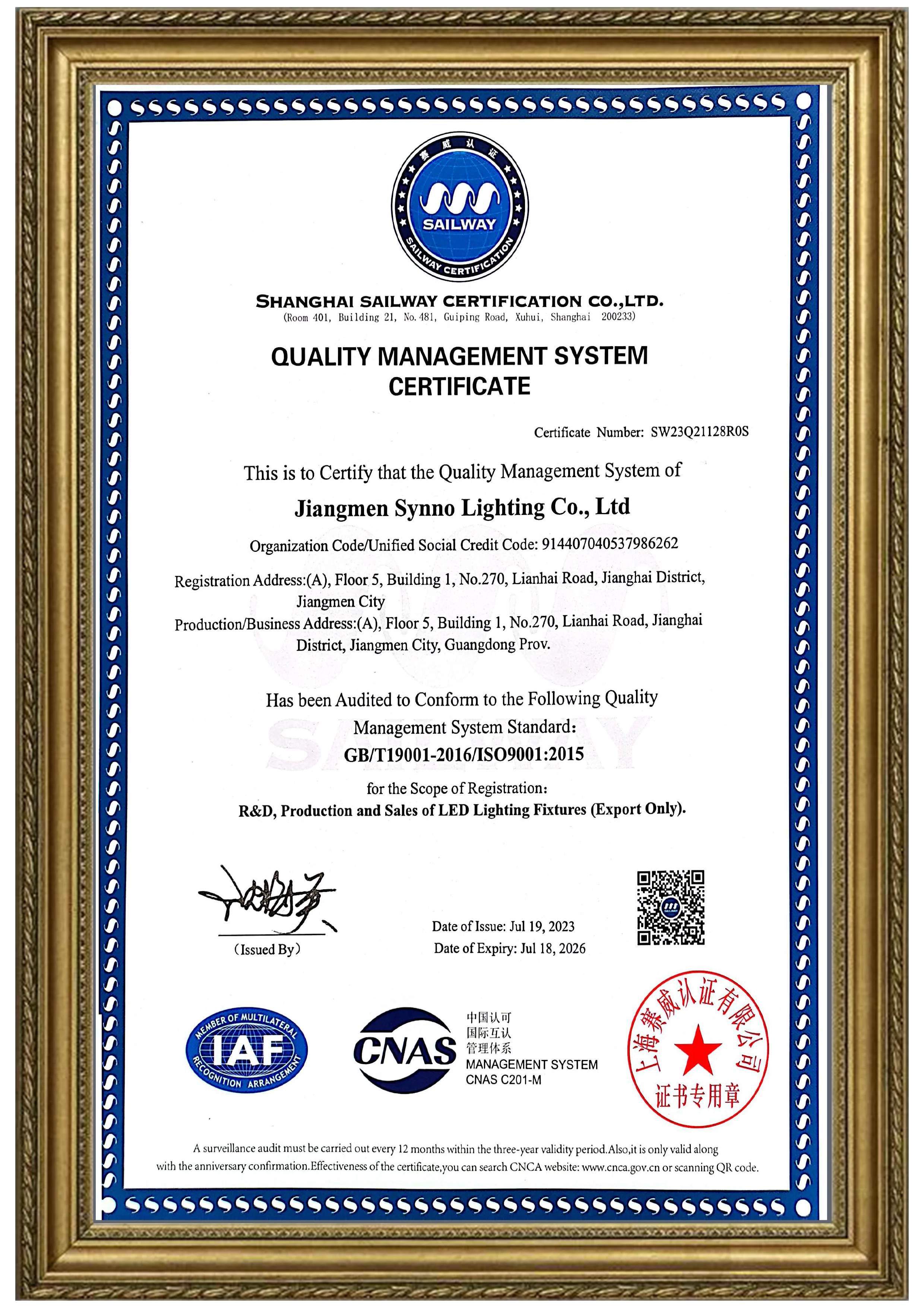
The biggest industry complaint regarding window sill lighting is Intrusive Spill. If stray light enters a room, it disrupts occupant sleep and privacy—a violation of LEED and WELL standards — criteria that our ISO-certified manufacturing facility rigorously adheres to. The SL-WL-C1 addresses this through Zero-Intrusion optics.
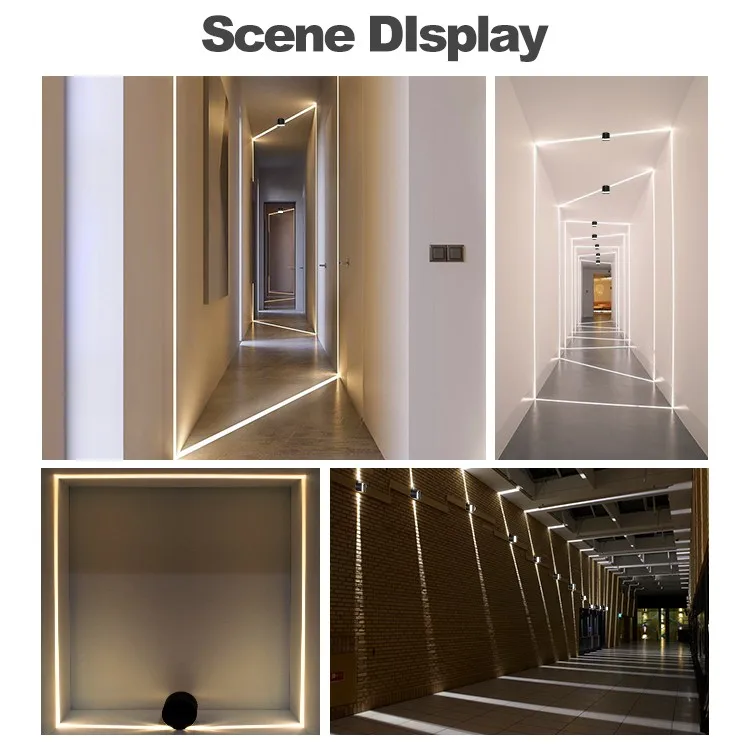
Figure 3: Interior application demo—showing how the blade light stays strictly on the frame, protecting occupant comfort.
By positioning the high-performance LED source deep within the die-cast housing and utilizing internal shielding, we ensure that light travels only along the architectural frame. This allows the building to glow externally while keeping the interior rooms dark and comfortable for residents or hotel guests.
3. Mechanical Excellence: Designing for High-Rise Endurance
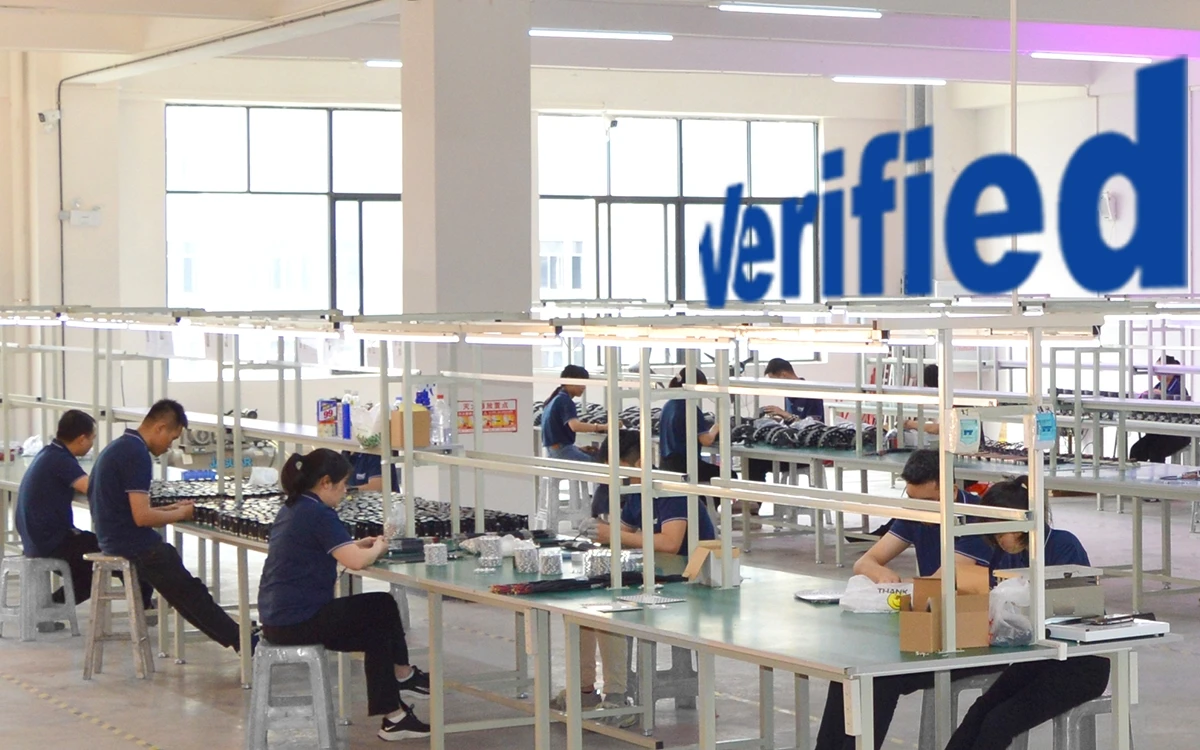
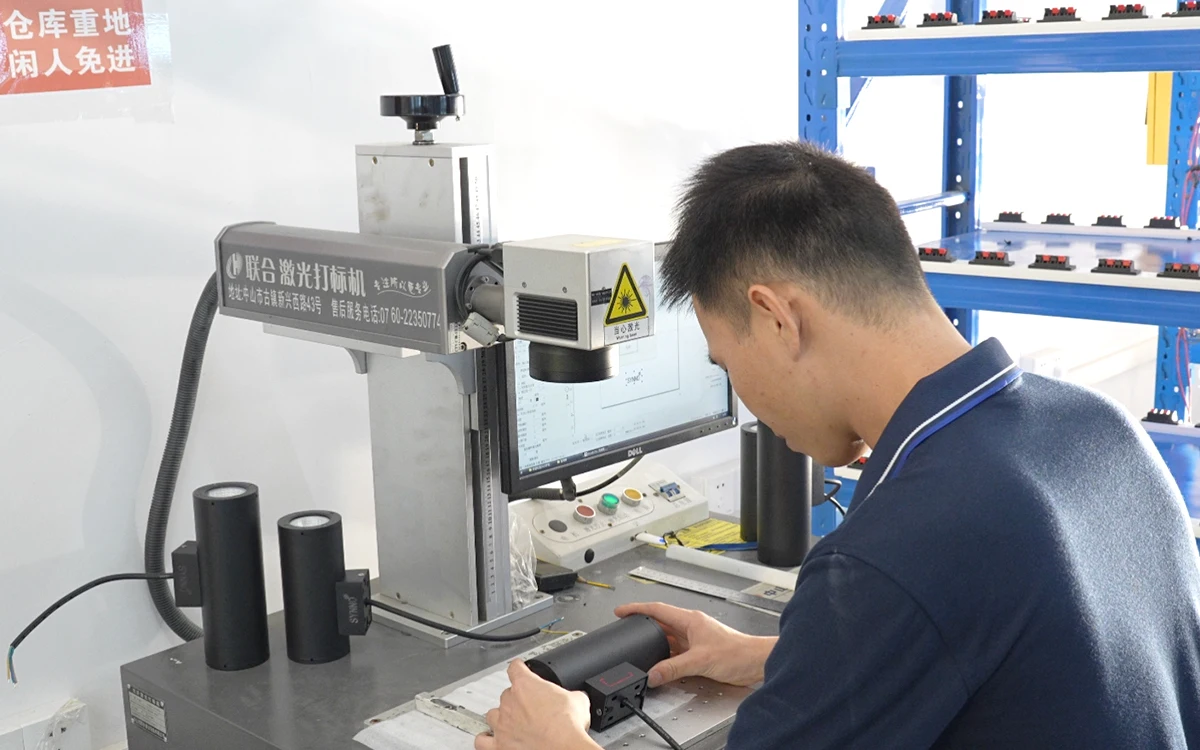
Fixtures installed on windows sills are exposed to the highest wind loads and moisture runoff. The SL-WL-C1 (Figure 4) is built with High-pressure Die-cast 6063 Aluminum, a material choice backed by 15 years of precision manufacturing at our Jiangmen facility. This grade ensures structural rigidity and superior corrosion resistance on windward facade surfaces.
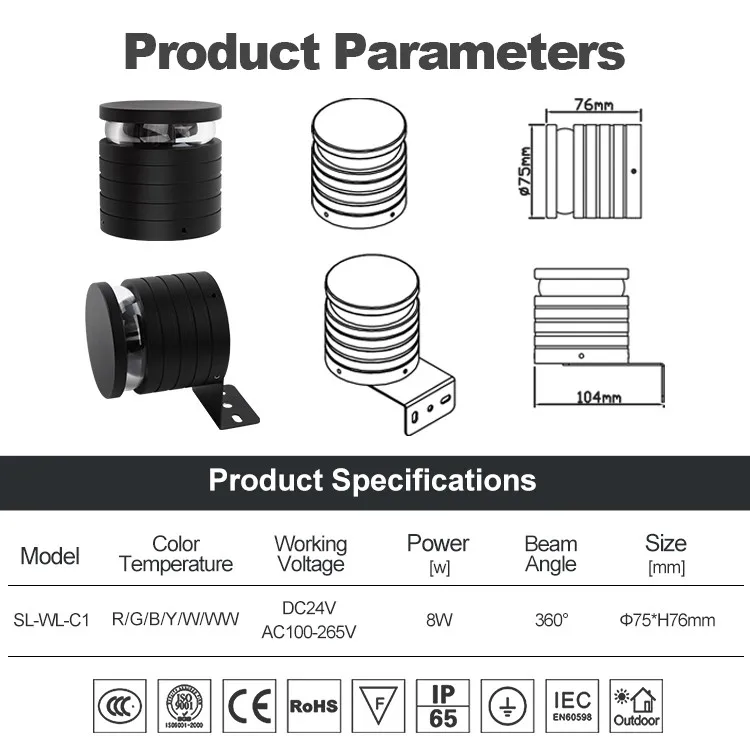
Figure 4: Professional technical datasheet including 640lm output and IP65 standards.
Aluminum Turbine Radiator & Thermal Management
As detailed in Figure 5, the SL-WL-C1 utilizes an Aluminum Radiator with a thickened heat sink and air convection design. This "turbine" style airflow prevents heat buildup at the LED junction, ensuring that the 640lm output remains stable throughout the luminaire's life. This thermal stability is critical for projects in extreme climates, from desert heat to tropical humidity.
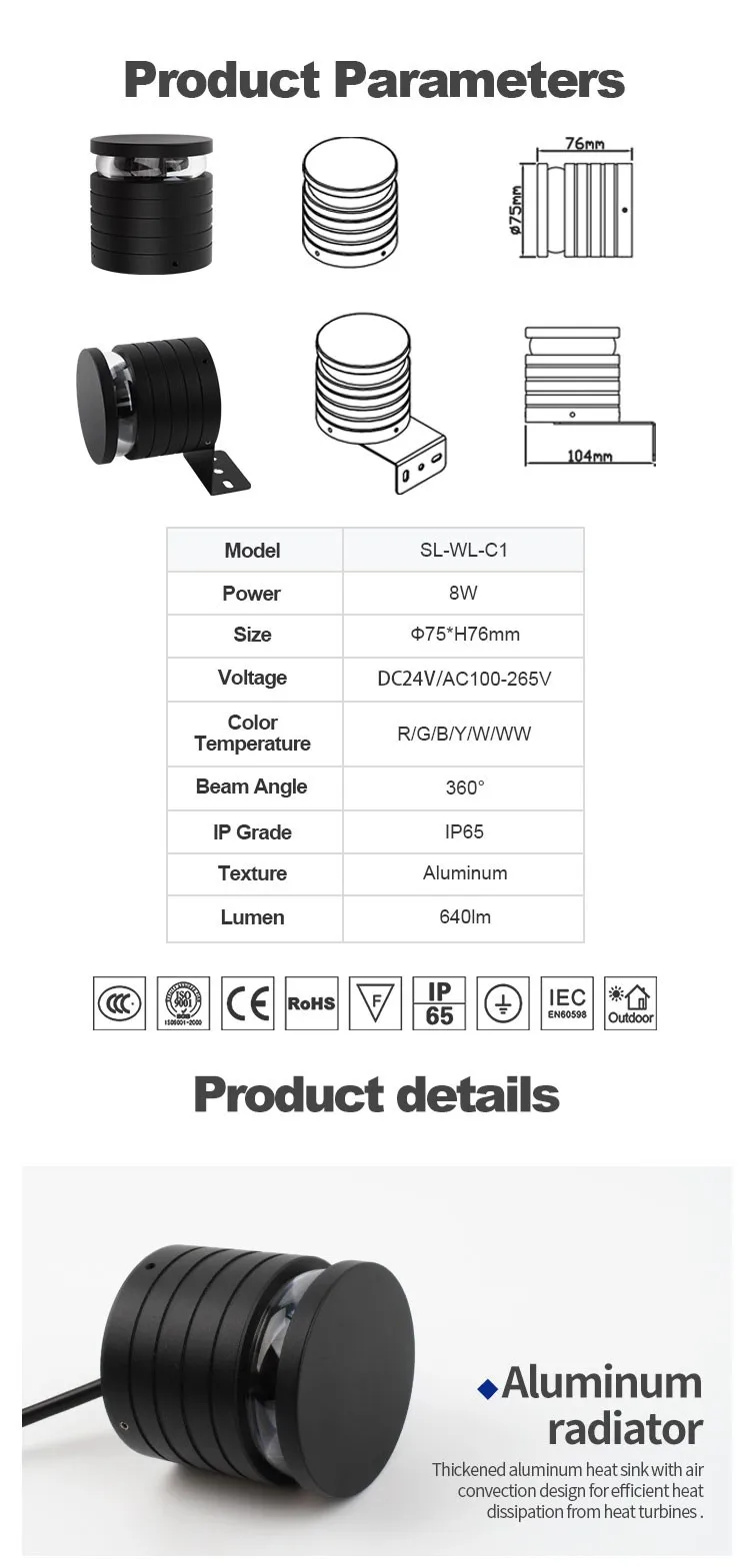
Figure 5: Thickened aluminum radiator design for efficient heat dissipation.
Professional Selection Matrix: Private Mold (SL-WL-C1) vs. Generic Molds
| Technical Feature | Synno Private Mold (SL-WL-C1) | Standard Industry Public Mold |
|---|---|---|
| Optical Output | Razor-sharp 360° Blade (Zero bleed) | Soft / Fuzzy edges with light spill |
| Heat Management | Thickened Aluminum Radiator (Turbine Convection) | Thin housing with poor convection |
| Voltage Support | Universal AC100-265V / Safe DC24V | Single voltage (Low flexibility) |
| IP Integrity | IP65 Waterproof Aluminum Gland & Nut | Plastic glands (UV degradation risk) |
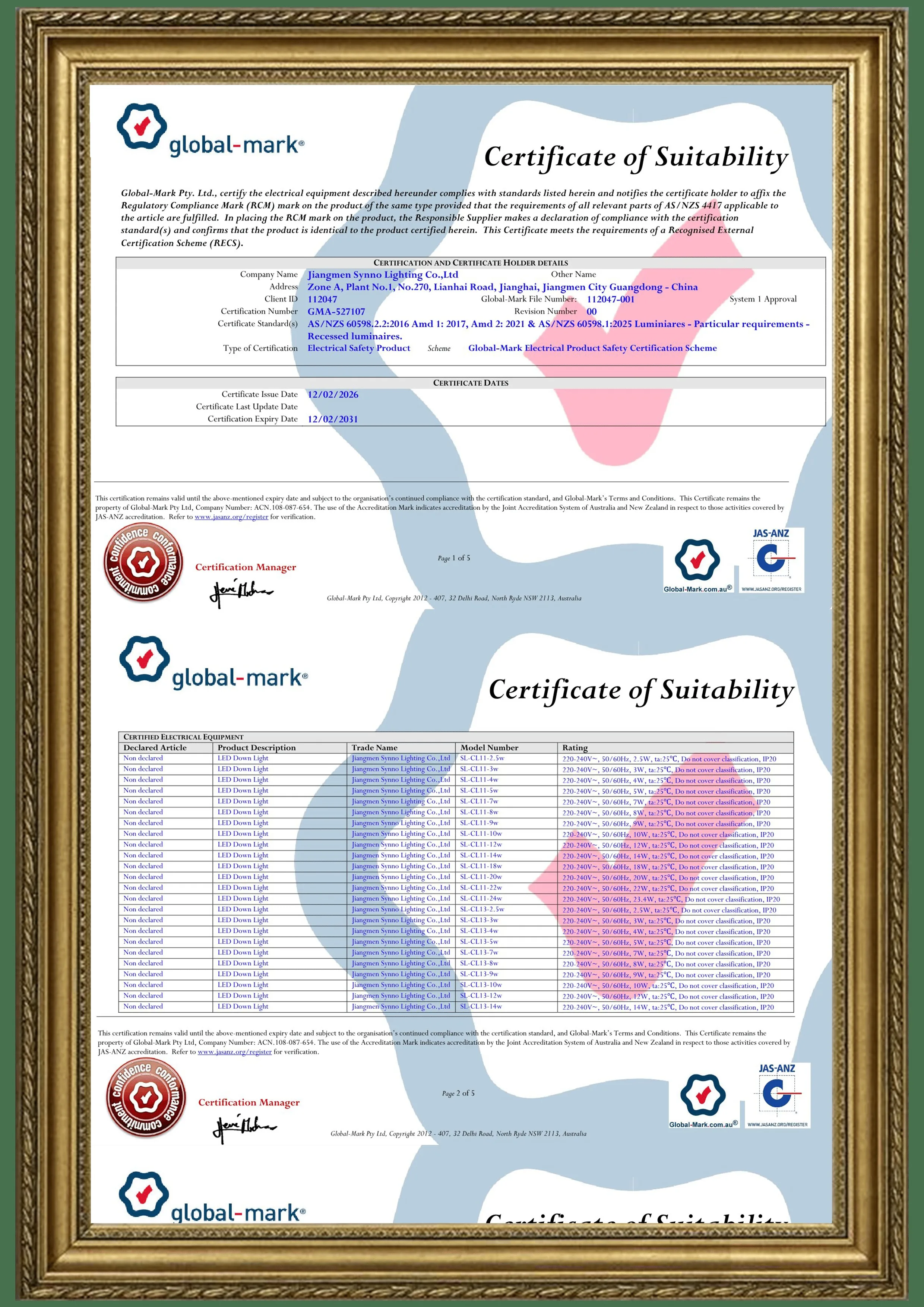
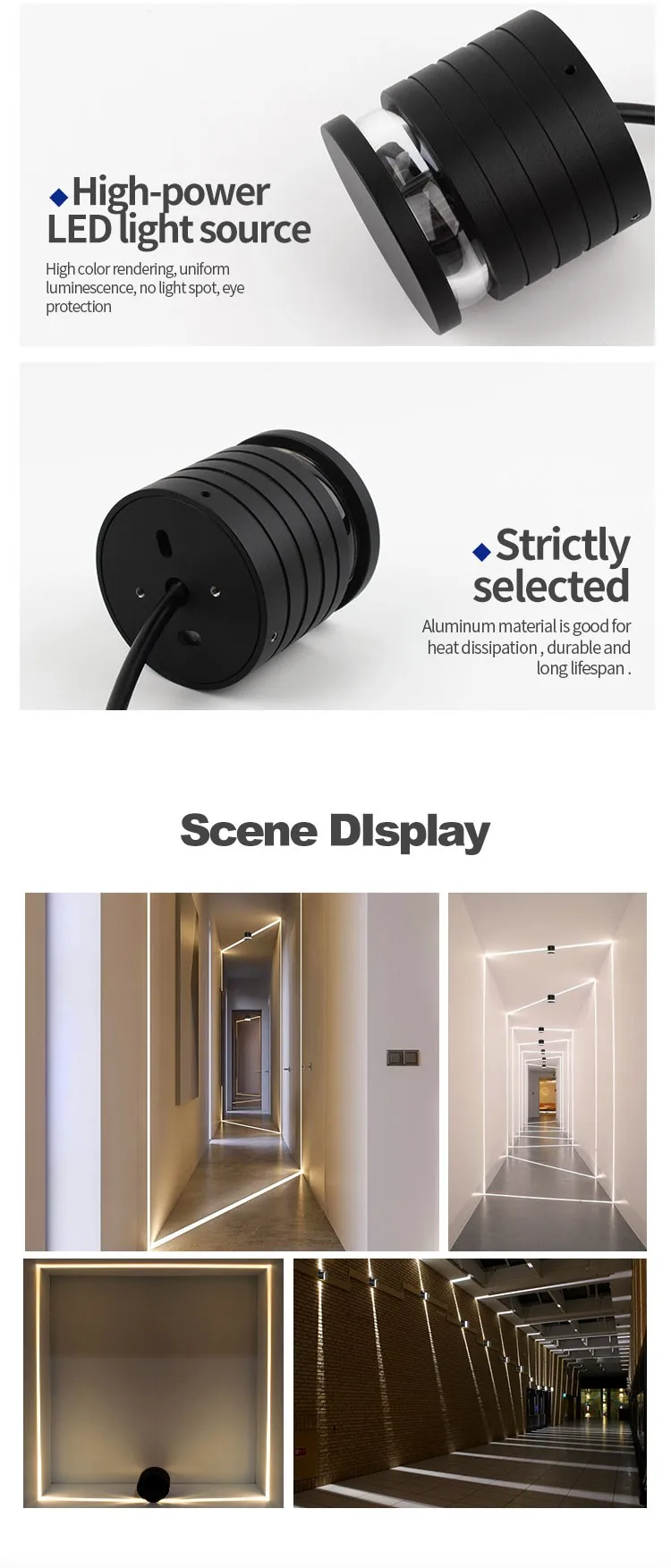
Reliability in architectural lighting is never accidental. Every Synno SL-WL-C1 luminaire utilizes high-color rendering LED chips and strictly selected aluminum materials (Figure 6). Our Jiangmen facility specializes in Project-Specific Customization, providing full IES file support and Dialux simulations to verify beam placement before production. For a technical deep-dive into how our structural waterproofing outperforms resin-filling methods in facade applications, see our engineering comparison guide. This technical commitment allows us to confidently provide a 5-year project warranty.
Secure Your Façade Strategy
Window sill lighting is where precision optics meet architectural rhythm. Partner with the technical team at Synno Lighting for a professional project evaluation or a professional Dialux simulation.
Consult Our Engineering TeamRelated Products — SL-WL-C1 Series
SL-WL-C1 360° Window Sill Light
IP65 · 8W · 640lm · AC100-265V / DC24V
View all window sill lighting solutions →
Complementary façade lighting for building contouring
Continue Reading — Related Technical Guides
- Engineering Tree Ring Lighting: Optics, Mechanics & Safety — 360° optical challenges in landscape applications
- Structural Waterproofing vs. Resin Filling — Why IP65 integrity depends on mechanical design
- Stainless Steel 316 vs. 304 — Material selection for corrosive outdoor environments