The Ultimate Technical Guide to Tree Ring Lighting Systems: Optical Physics, Mechanical Integration, and Biological Safety
Introduction: The Complexity of 360-Degree Illumination
Tree lighting has evolved significantly over the past decade. What was once dominated by conventional spike spotlights has become a highly specialized discipline requiring advanced optical engineering. At Synno Lighting, we define the core objective of a ring system as creating a "Luminous Cocoon." This technique surrounds the trunk with multi-directional, layered illumination that enhances bark texture and canopy volume while treating the tree as a living infrastructure.
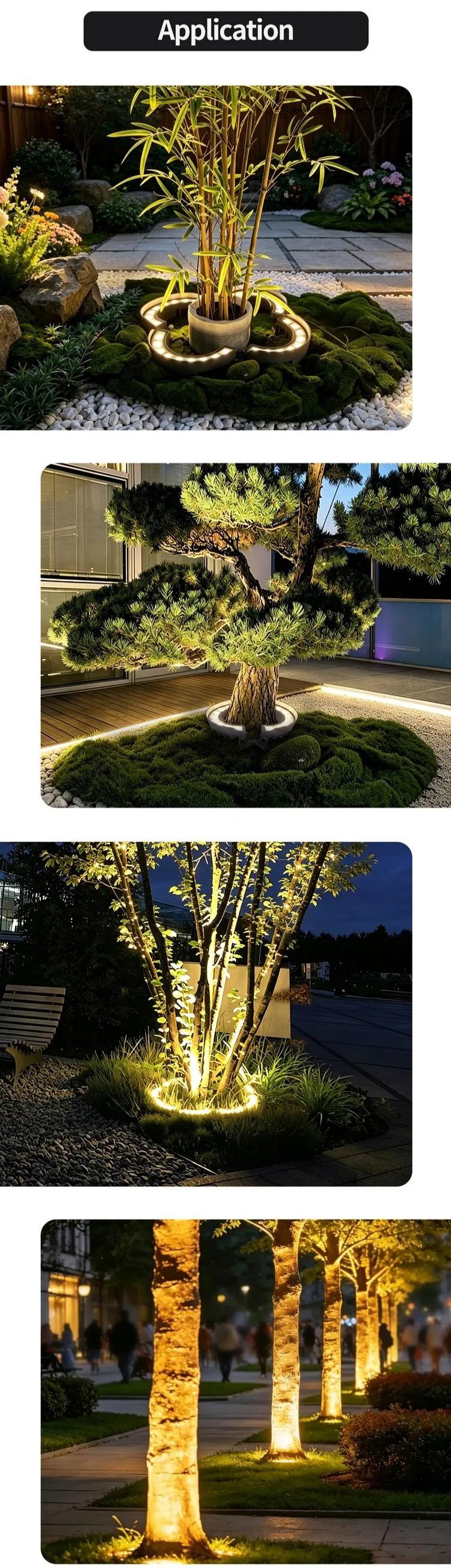
Figure 1: Professional tree ring application across various species, from bamboo to mature pines.
However, engineering such a system is not simple. It requires balancing optical uniformity with Biological Safety. Poorly designed fixtures can lead to uneven "zebra-striping" on the trunk, excessive glare for pedestrians, or even thermal damage to the tree's vascular system. In this guide, we analyze the engineering behind our SL-FL-F37N series to help project managers achieve maximum ROI through precision manufacturing.
1. Optical Engineering: The Physics of Beam Control
Achieving 360-degree uniformity depends entirely on the Beam Overlap Coefficient (BOC). As shown in our SL-FL-F37N technical specifications, optical precision starts with the choice of beam angles ranging from 8° ultra-narrow spot to 90° wide flood.
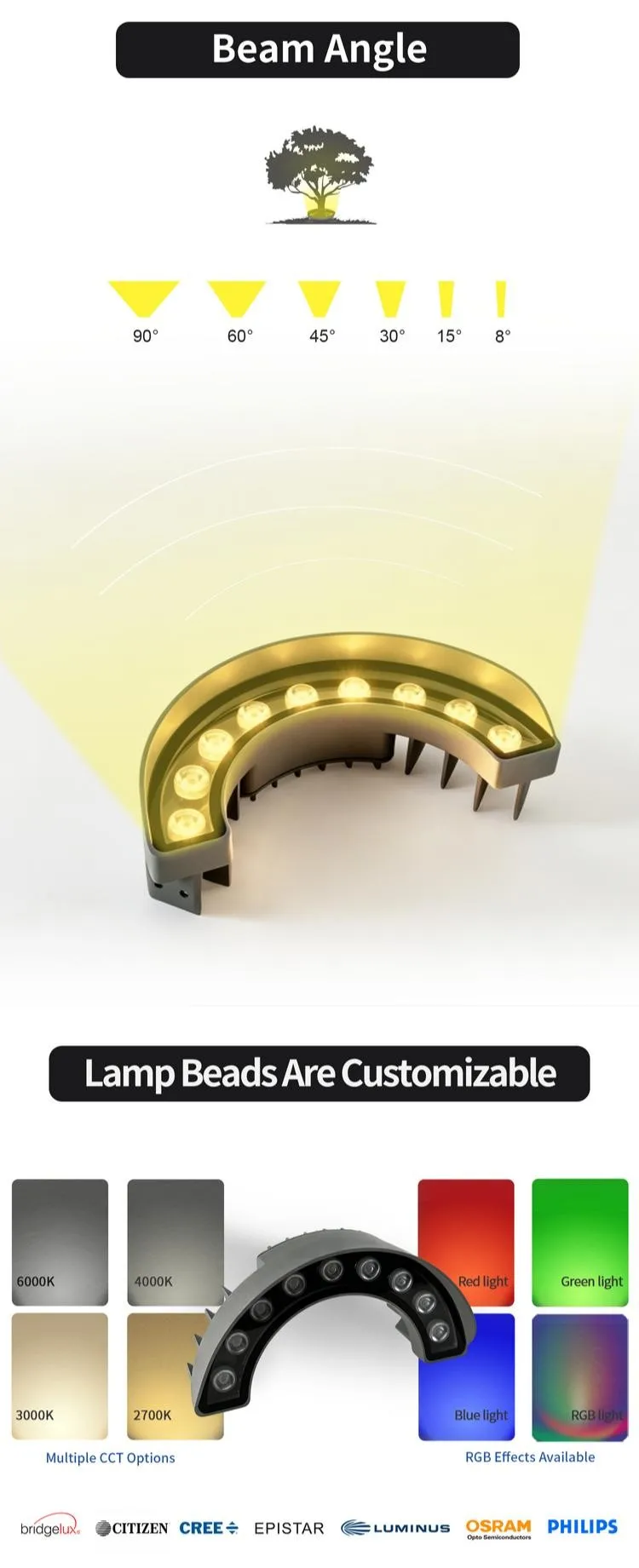
Figure 2: Versatile beam angles (8° to 90°) for different canopy structures.
For tall, slender trees like palms, an 8°-15° narrow beam is essential to carry luminous flux to the top of the fronds without excessive light spill. Conversely, for wide-reaching deciduous trees, a 45°-60° beam ensures the inner canopy is washed in soft, even light. By utilizing high-efficiency COB light sources (100-120LM/W), we ensure that the system provides maximum punch with minimum energy consumption.
CRI and Color Fidelity (The 95 Ra Standard)
In high-end projects, the goal is to make the landscape look natural. Low-quality LEDs often make green leaves appear "muddy" or gray. Synno utilizes premium chips from Cree, Osram, and Philips (Figure 3), a standard made possible by our 15-year supply chain partnerships, supporting CRI levels up to 95 Ra. This high color rendering index is vital for highlighting the rich browns of bark and the vibrant greens of foliage, ensuring the nighttime view is as spectacular as the daytime.
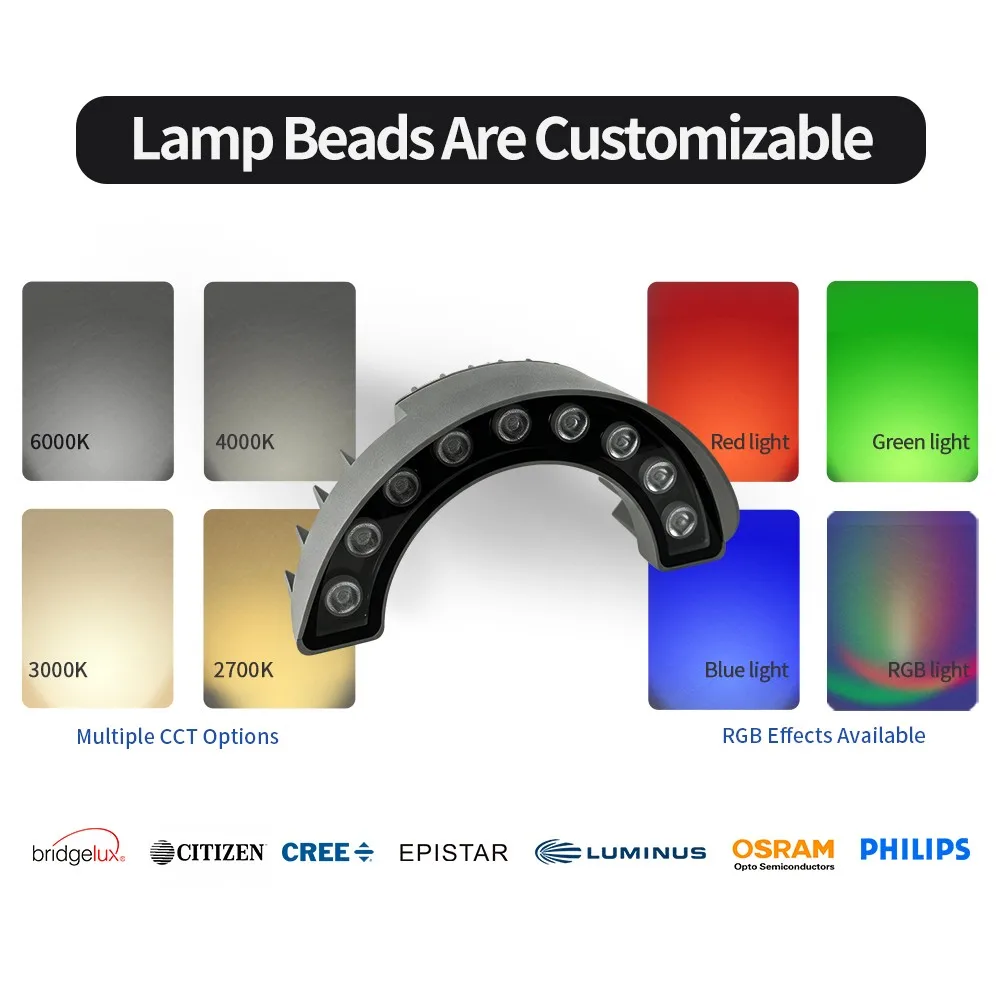
Figure 3: Support for industry-leading LED chips and multiple CCT options (2700K to 6000K + RGB).
2. Mechanical Mechanics: Durability in Subterranean Environments
Outdoor tree ring fixtures face constant exposure to irrigation water, soil acidity, and fertilizers. Structural integrity is the only defense against premature failure.
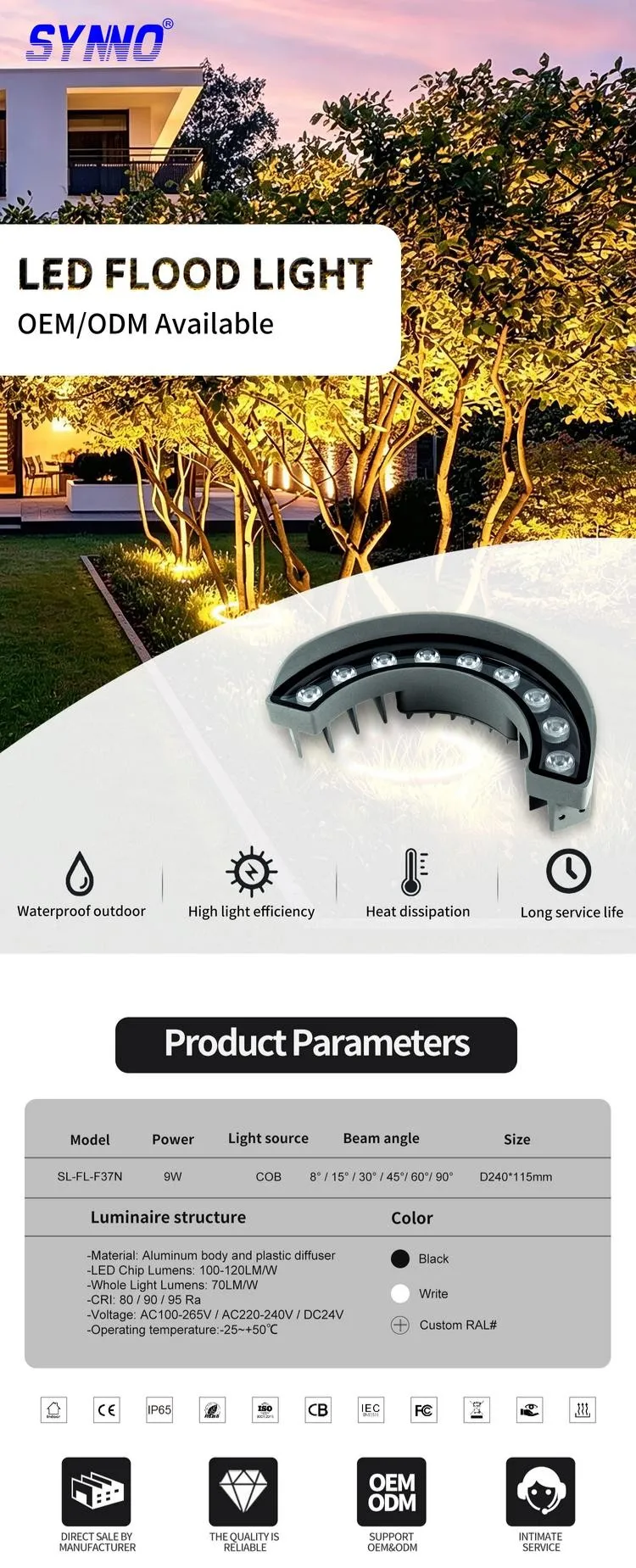
Figure 4: SL-FL-F37N series technical parameters and 9W COB architecture.
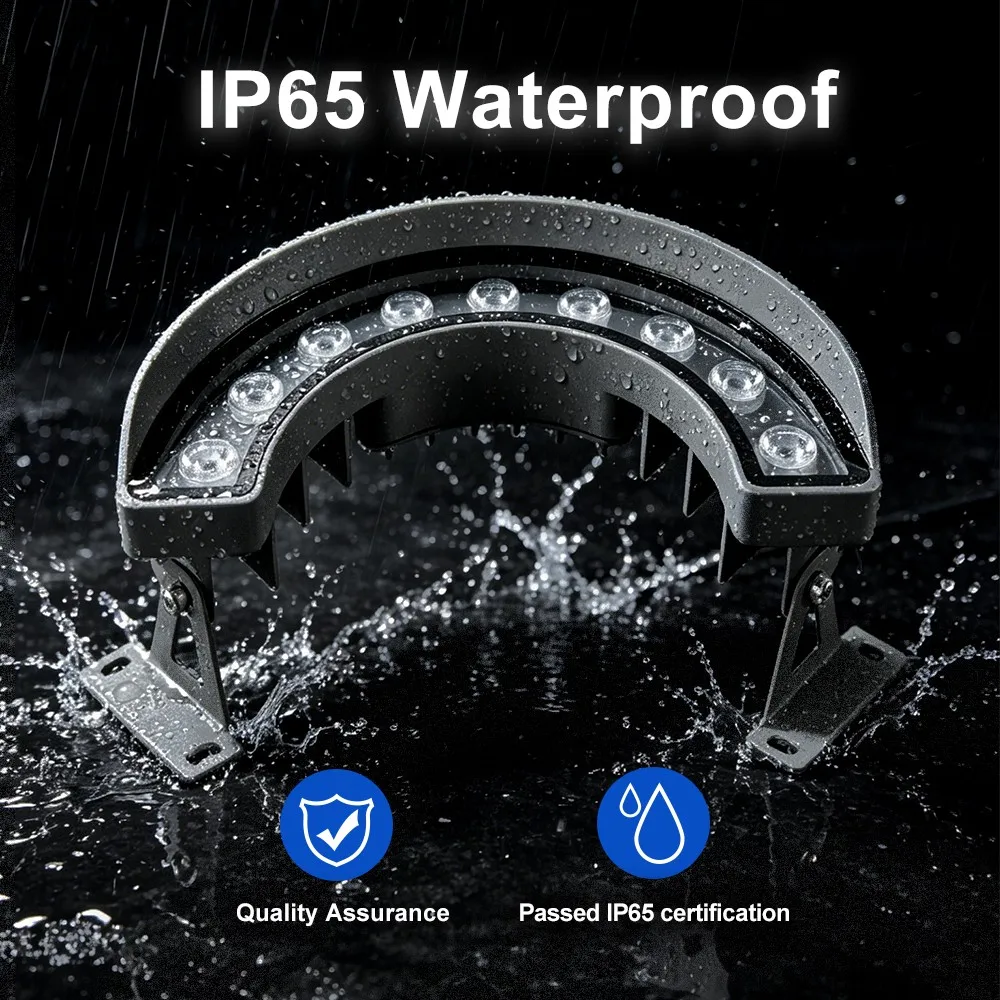
Figure 5: IP65 Outdoor Standard validation—engineered for continuous heavy rainfall.
The Anti-Corrosion Matte Finish
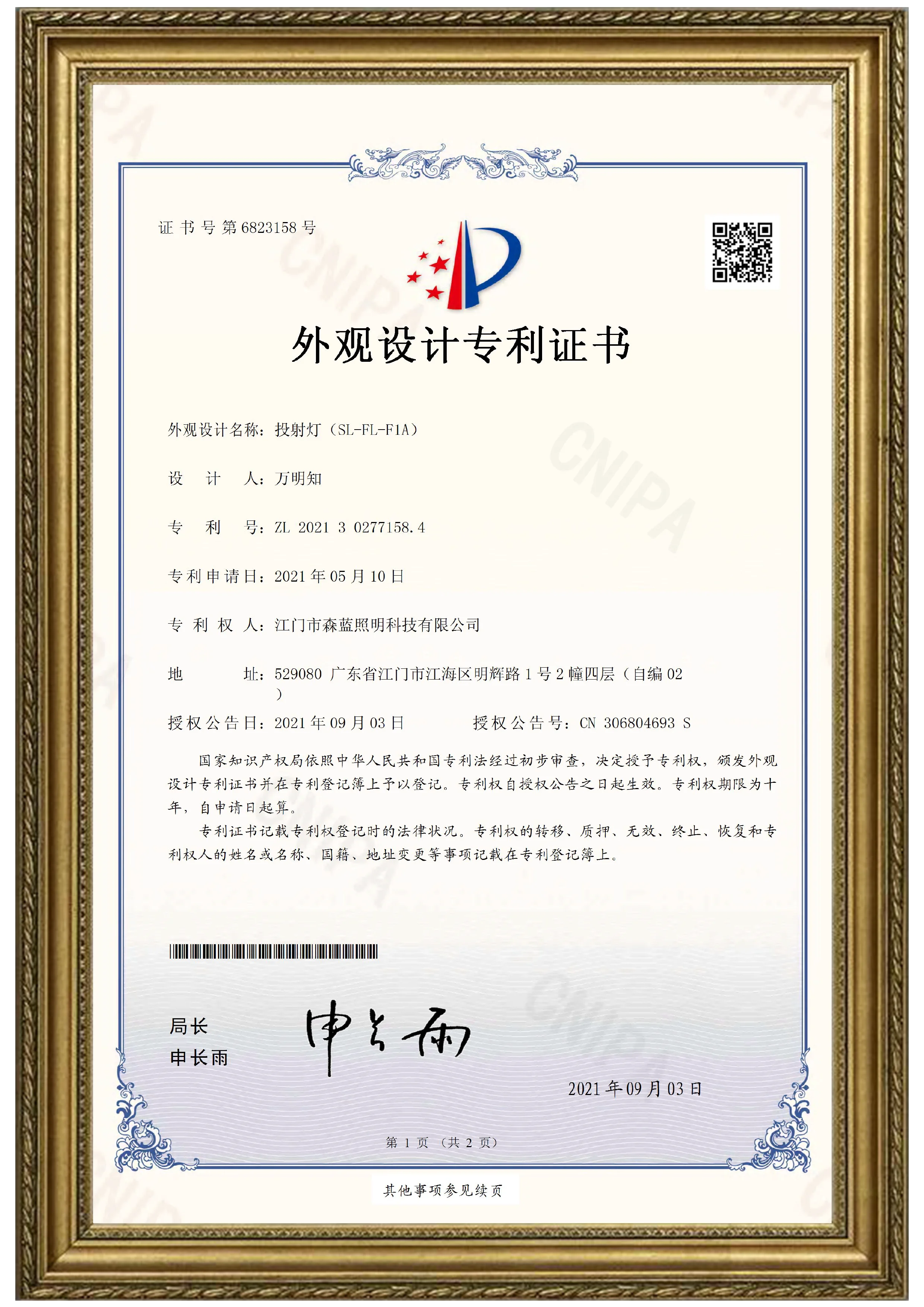
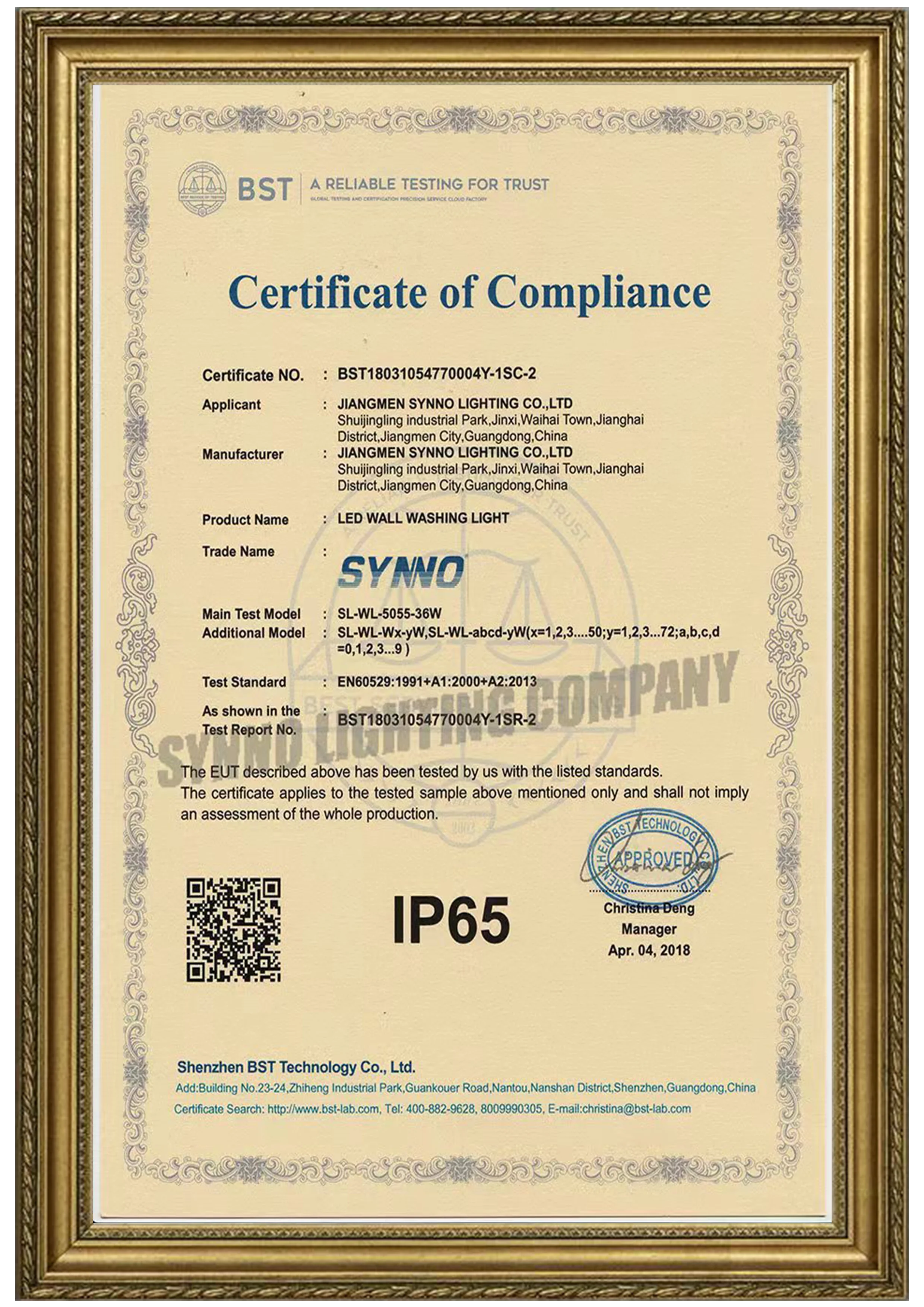
The SL-FL-F37N (Figure 6) features a thickened aluminum body with an Anti-Corrosion Matte Finish. This specialized coating is designed to resist the corrosive effects of common landscaping chemicals. Combined with an IP65-rated aluminum gland and nut, the system prevents moisture from entering the electronics via the "vacuum effect" — learn how this structural waterproofing approach outperforms resin-filling in our engineering comparison (the negative pressure created when the fixture cools down after operation).
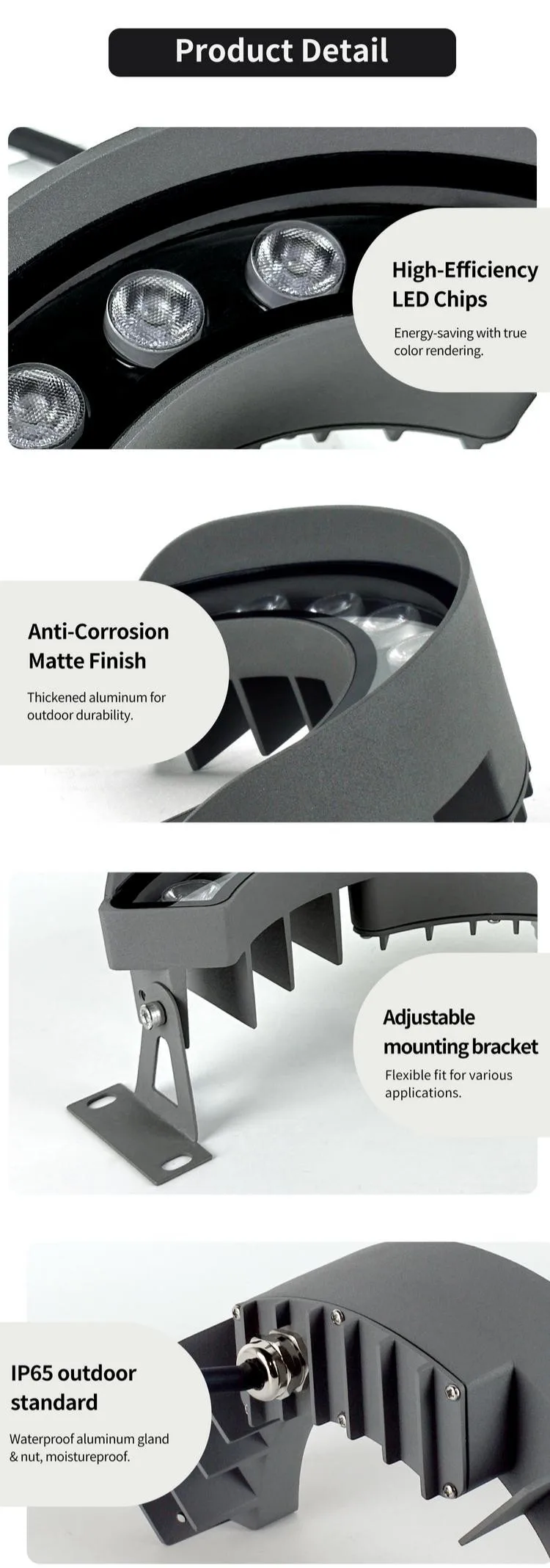
Figure 6: Structural breakdown showing adjustable brackets and integrated heat-dissipation fins.
3. Biological Safety: Protecting the Living Tree
One of the most overlooked areas in landscape lighting is the Thermal Impact on the tree's bark. The cambium layer, which transports nutrients, sits just beneath the bark and can be damaged by fixtures that run too hot. Synno's tree ring series is engineered with a ventilated, split-ring design to ensure ambient air flows freely between the fixture and the trunk. This keeps the back-plate temperature well below the 45°C safety threshold — the same thermal engineering principle we apply across our 360° blade optic product line.
The Expandable Split-Ring Advantage
Trees grow every season. A rigid, closed-loop ring is a "strangulation risk" that can kill a tree as the trunk expands. Our Adjustable Mounting Bracket system (shown in Figure 6) is designed for modular installation. By combining 1/4 or 1/2 circle segments, installers can leave a gap for future trunk expansion, ensuring the project remains sustainable for 5 to 10 years without manual adjustment.
SL-FL-F37N Engineering Matrix
| Technical Feature | Synno Specification (SL-FL-F37N) | Standard Industry Spike Light |
|---|---|---|
| Angular Coverage | True 360° Uniform Illumination | Single-point 60° Uplighting |
| Light Source | COB (Cree/Osram/Citizen) | Standard SMD |
| Control Options | DMX512 / RGBW / DALI / 24VDC | On/Off only |
| Trunk Growth Joint | Adjustable Modular Brackets | None |
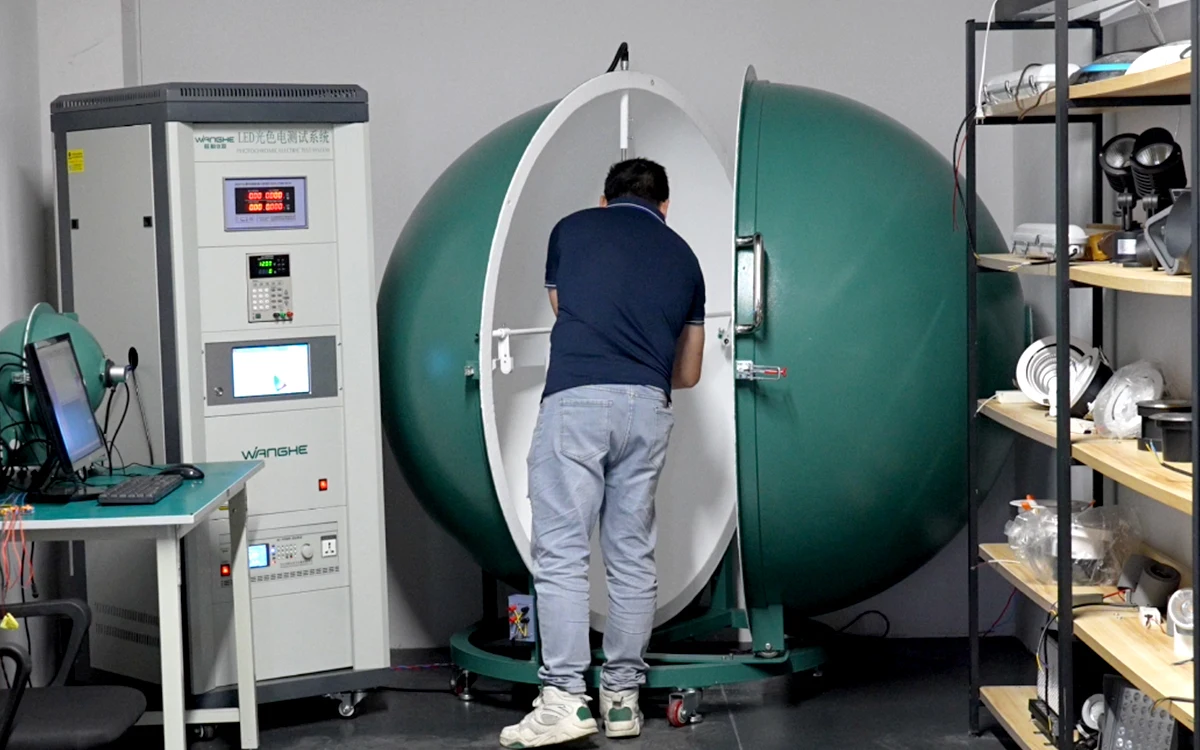
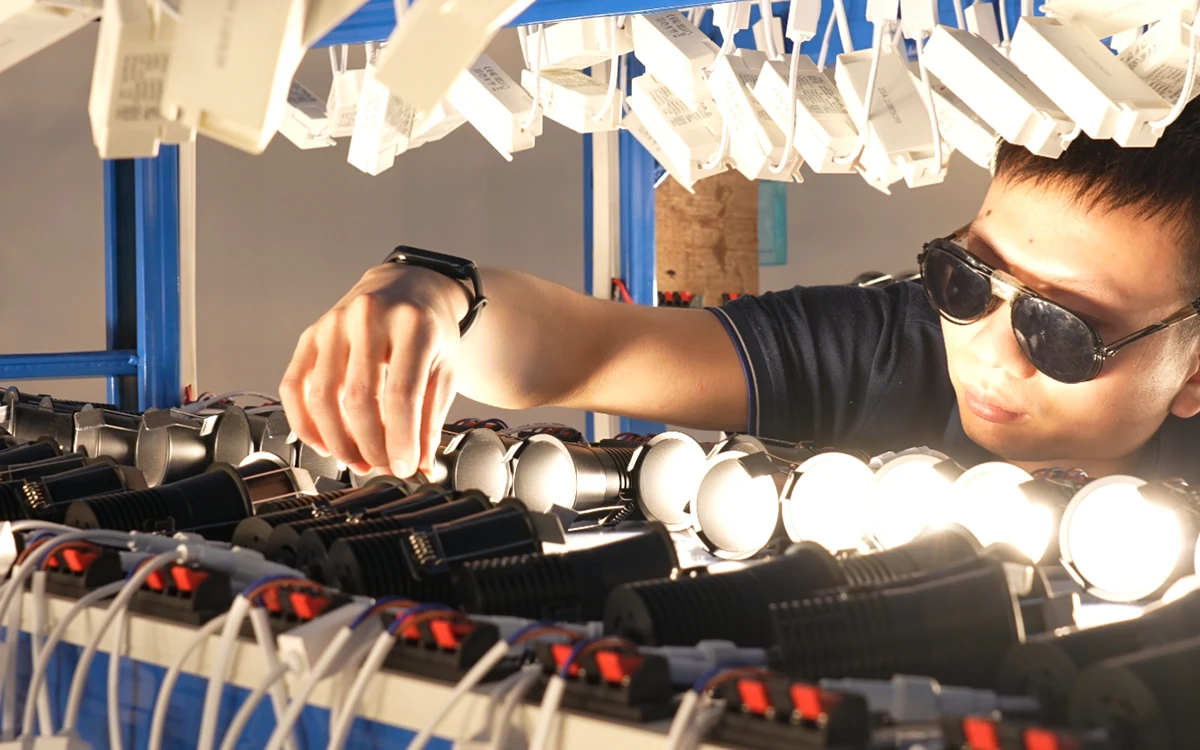
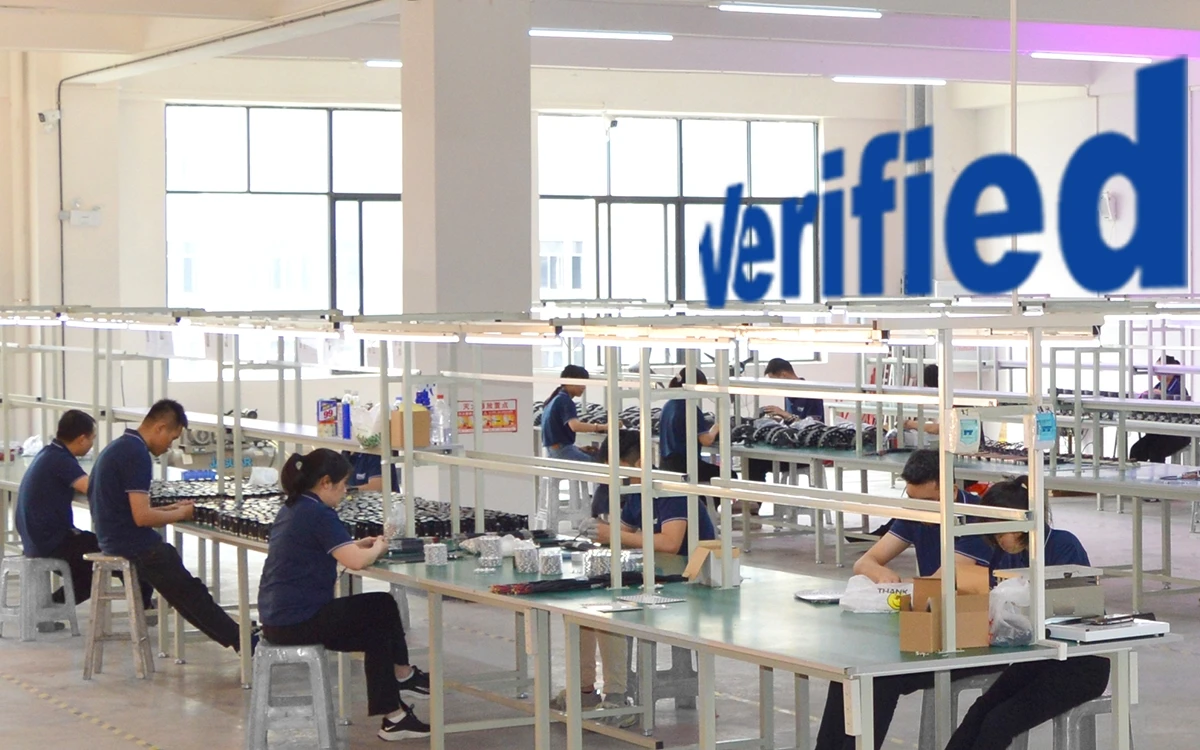
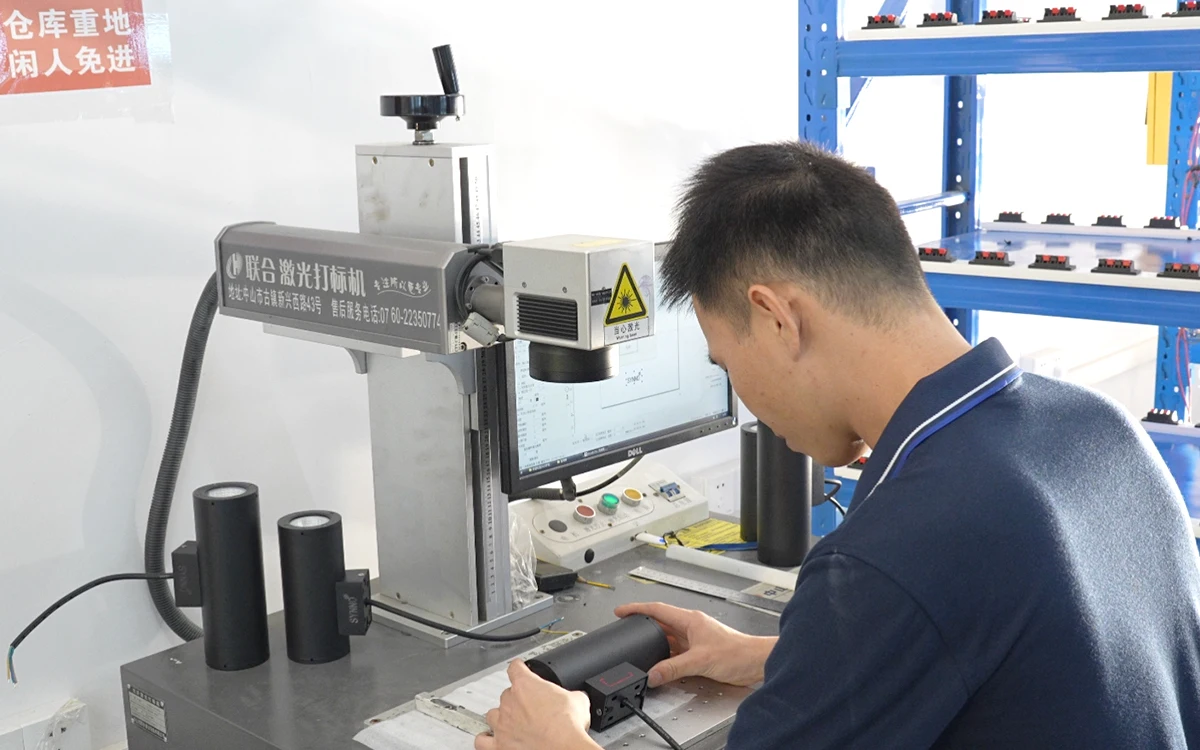
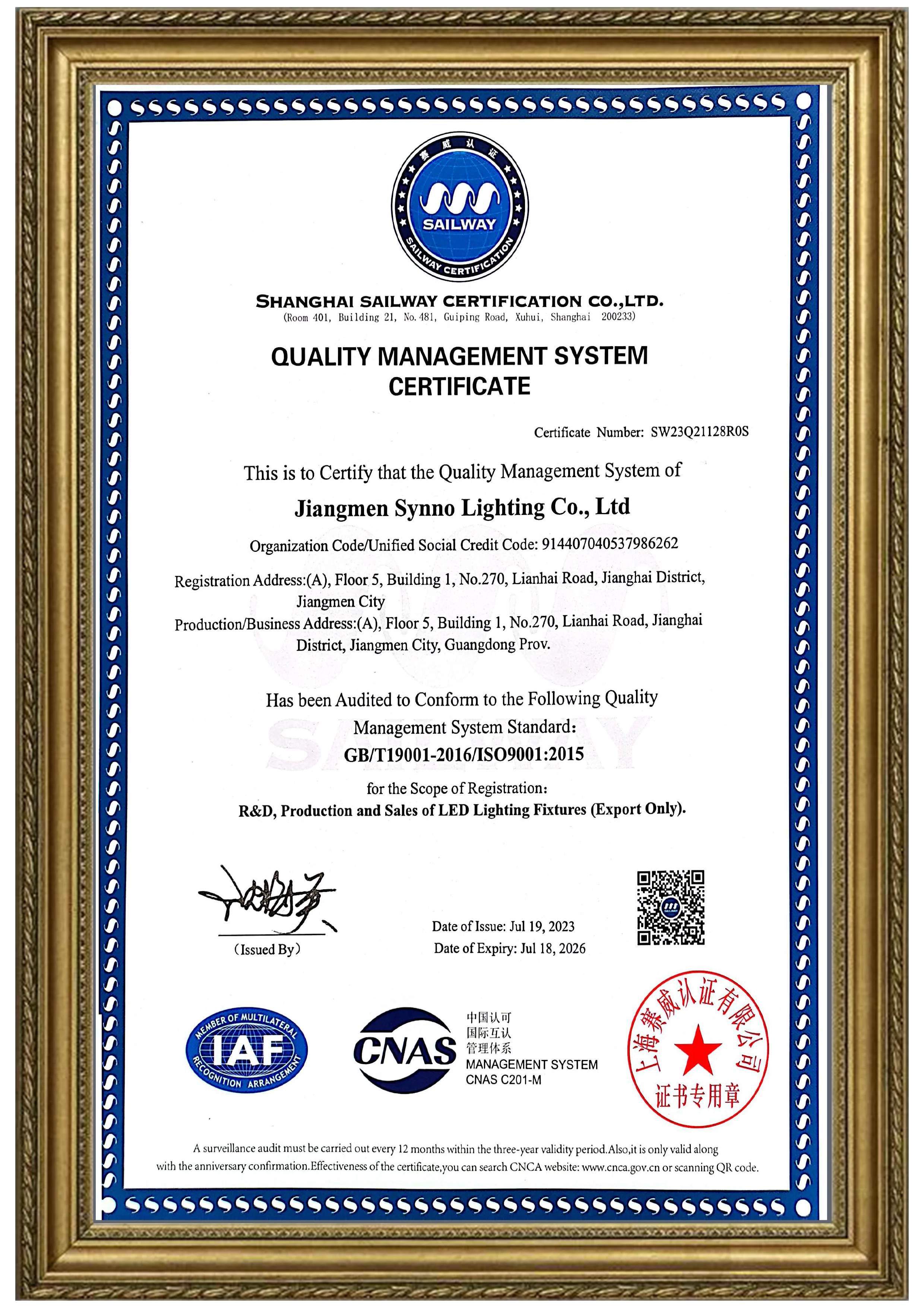
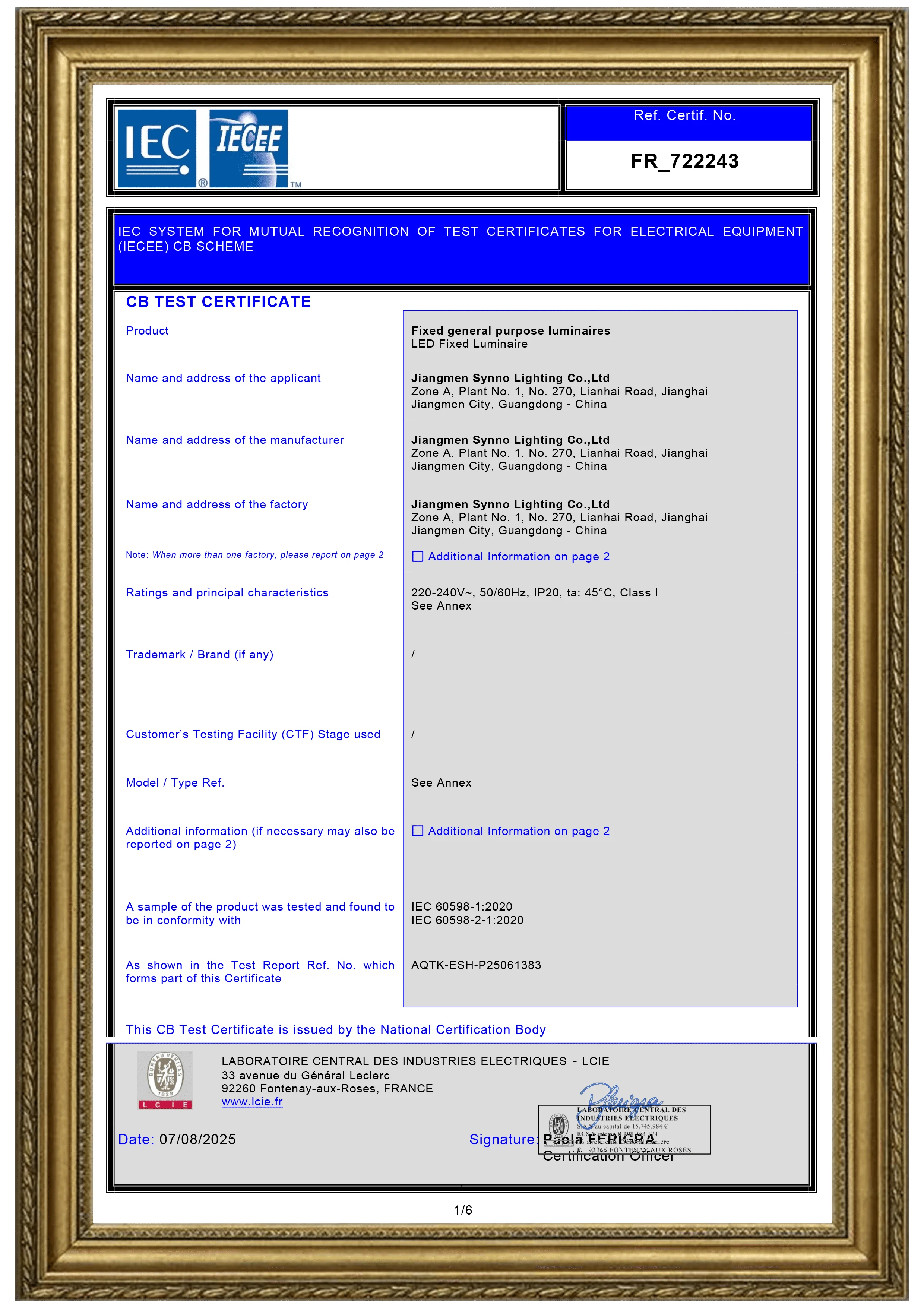
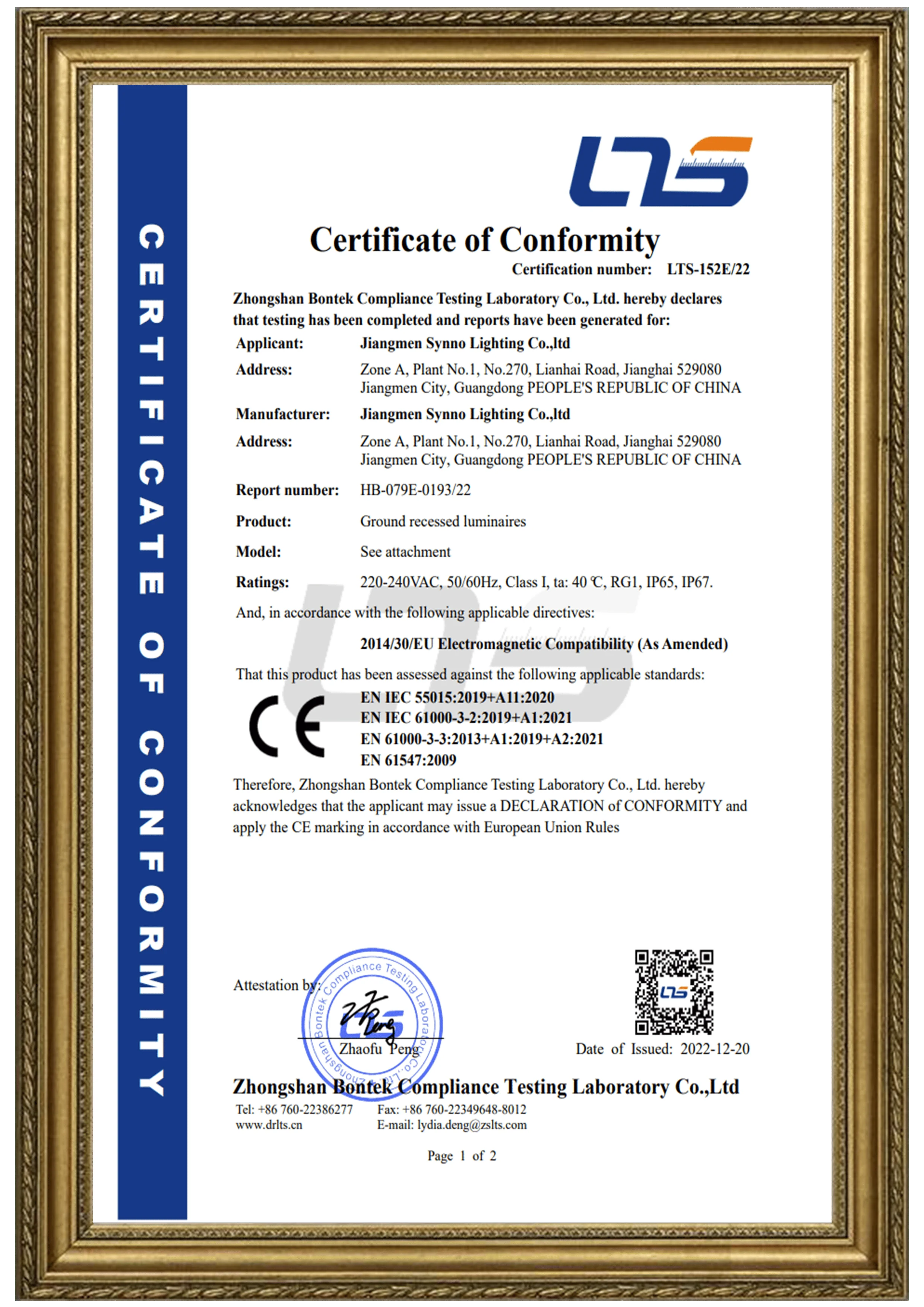
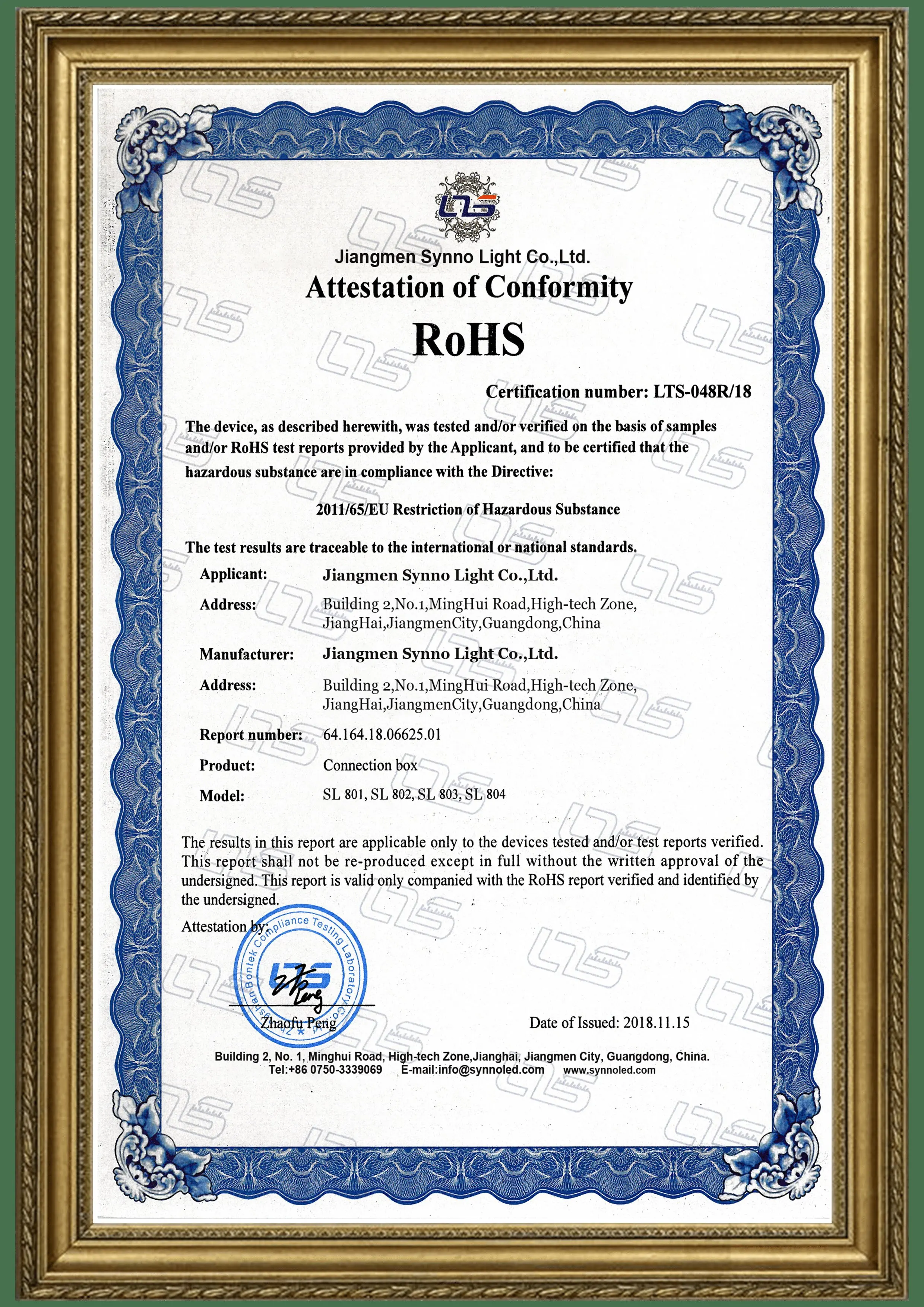
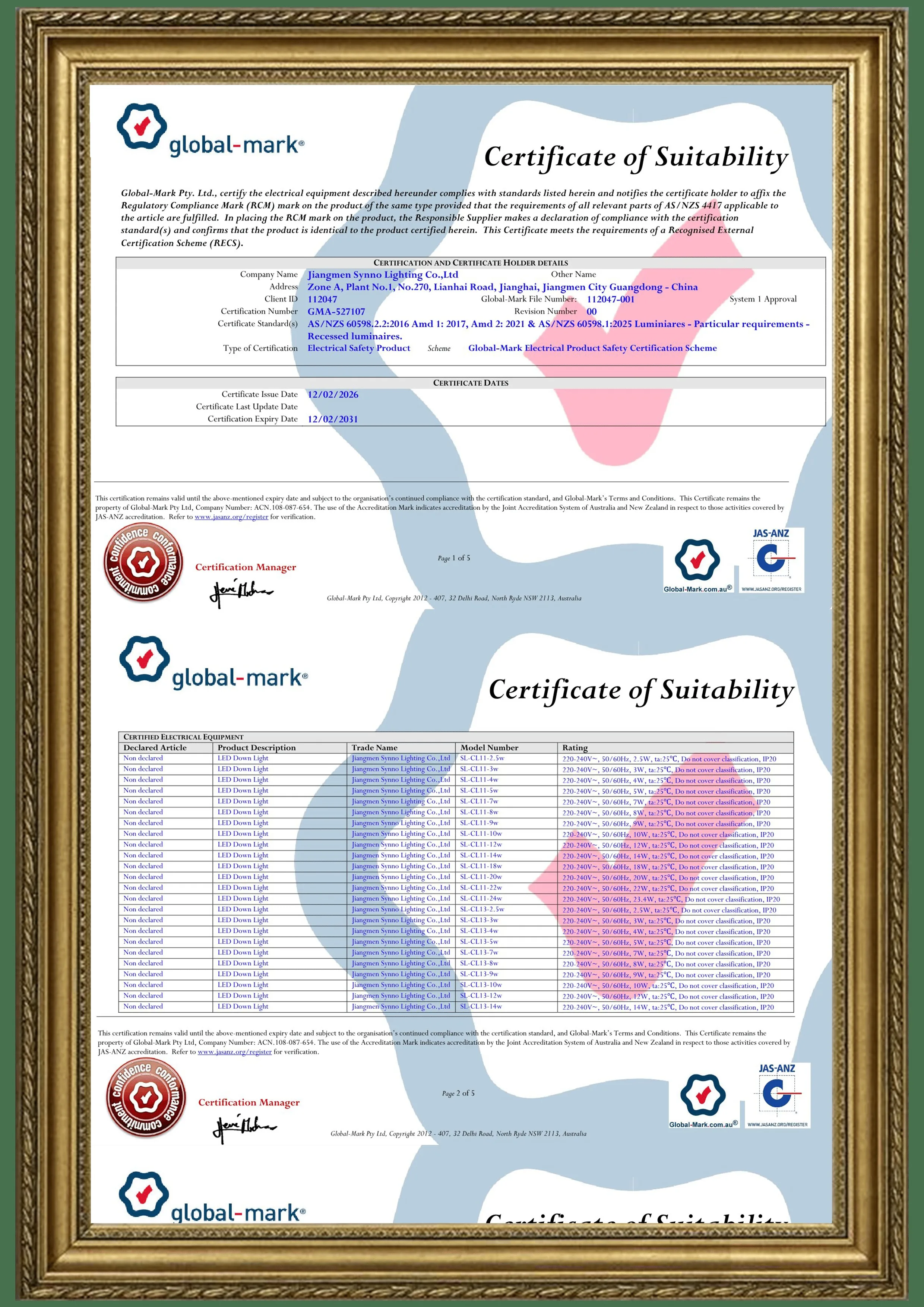
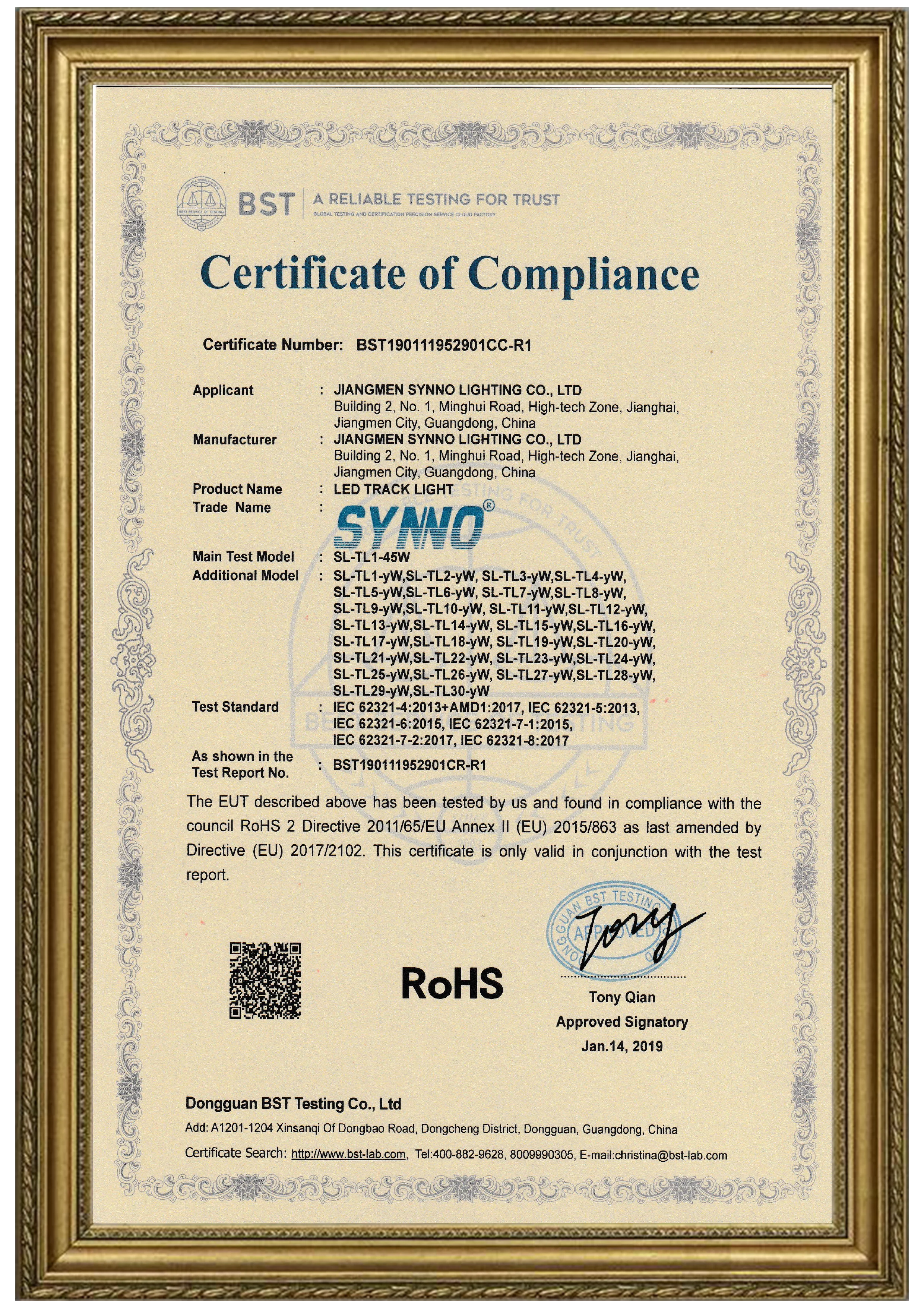
Our Jiangmen facility performs rigorous validation on every design, from Thermal Shock Tests to high-pressure submersion aging. We utilize only 6063-grade aluminum and high-transparency glass to ensure that our 9W tree ring lights deliver professional performance for years. Learn more about our quality assurance process and why we confidently offer a 5-year warranty on our landscape series.
Engineering the Future of Landscapes
Looking to implement professional 360-degree tree lighting for your next resort or architectural project? Contact the Synno Lighting technical team for a project evaluation or Dialux simulation.
Consult Our Engineering TeamRelated Products — SL-FL-F37N Series
360° tree ring uplighting — SL-FL-F37N
Adjustable beam angles for landscape accents
Wide-area illumination for canopy washing
Continue Reading — Related Technical Guides
- Mastering 360° Window Sill Lighting — Private mold blade optics for architectural facades
- Structural Waterproofing vs. Resin Filling — Why IP65 integrity depends on mechanical design
- Dimming Solutions for Commercial Lighting — DALI-2, 0-10V, Triac & Casambi compared