Beyond IP68: A Master Guide to Structural Waterproofing vs. Resin Filling in Outdoor LED Lighting
Introduction: The High Cost of Waterproofing Failure
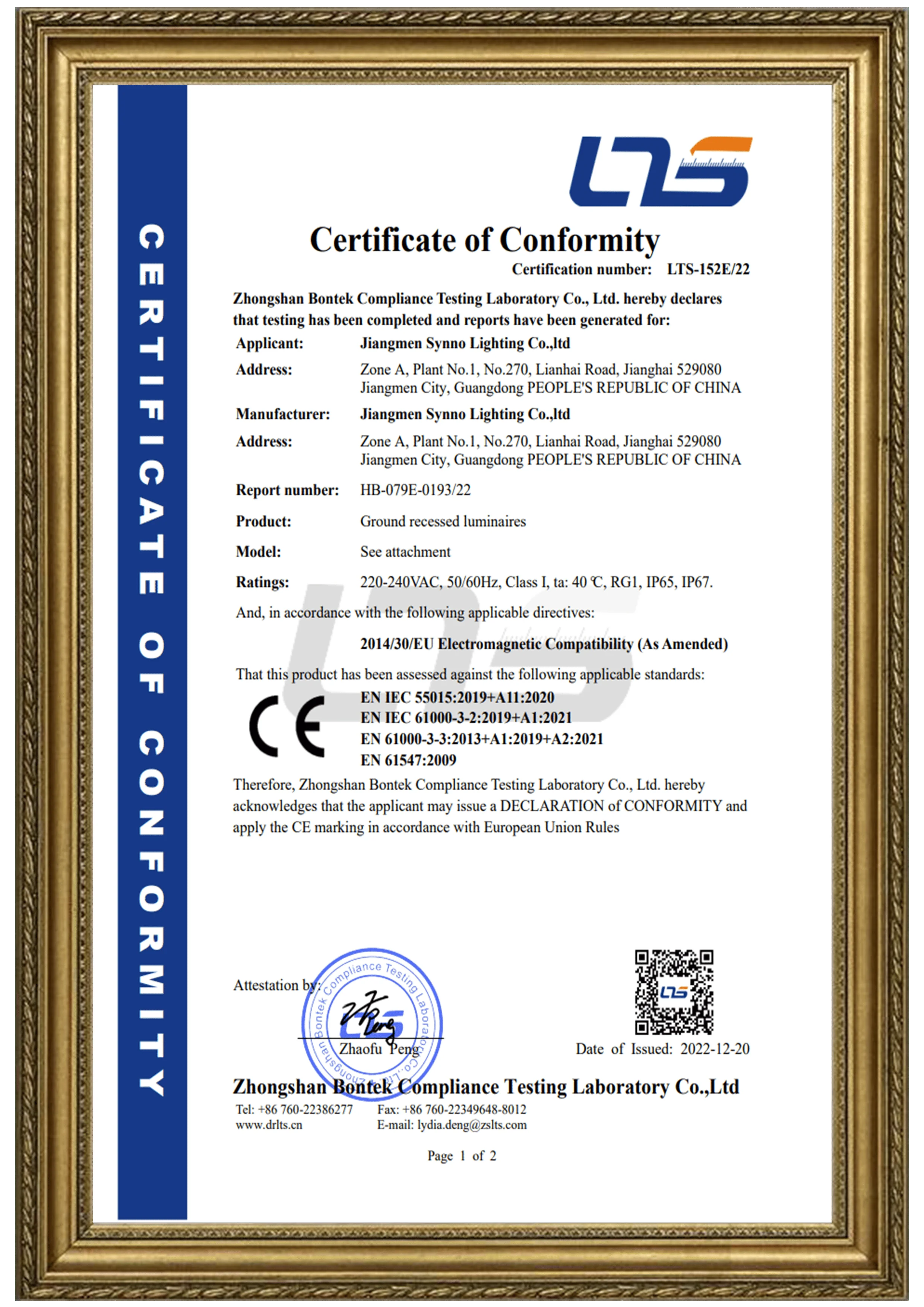
In the professional world of architectural and landscape lighting, the term "waterproof" is frequently reduced to a marketing buzzword on a datasheet. However, as a dedicated manufacturer with 15 years of project-driven experience in Jiangmen, Synno Lighting understands that true field reliability is a dynamic engineering challenge. Unlike indoor luminaires that reside in climate-controlled sanctuaries, outdoor LED fixtures are the "frontline infantry" of building infrastructure. They must survive decades of exposure to high-salinity coastal air, acidic soil moisture, intense UV radiation, and rapid thermal shocks.
For MEP engineers and landscape architects, the failure of a lighting system is rarely about luminous flux; it is almost always about the hermetic seal. When an inground light or a facade wall washer fails due to moisture ingress, the replacement cost—involving labor, specialized scaffolding, and project downtime—often exceeds the initial cost of the fixture by 500% or more. To mitigate this risk, premium manufacturers utilize two distinct engineering philosophies: Structural Waterproofing (Mechanical Compression) and Resin Filling (Chemical Potting). This guide dives into the physics of these methods to ensure your next project remains dry, clear, and operational for its entire lifecycle.
1. The IP Rating Illusion: Laboratory vs. Real-World Fatigue
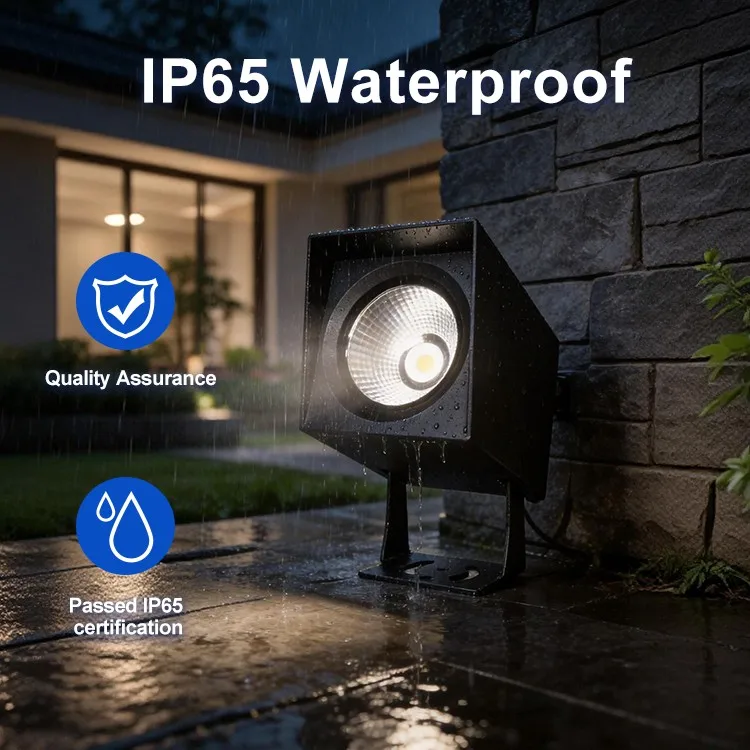
Figure 1: High-velocity spray testing—validating structural integrity against monsoon conditions.
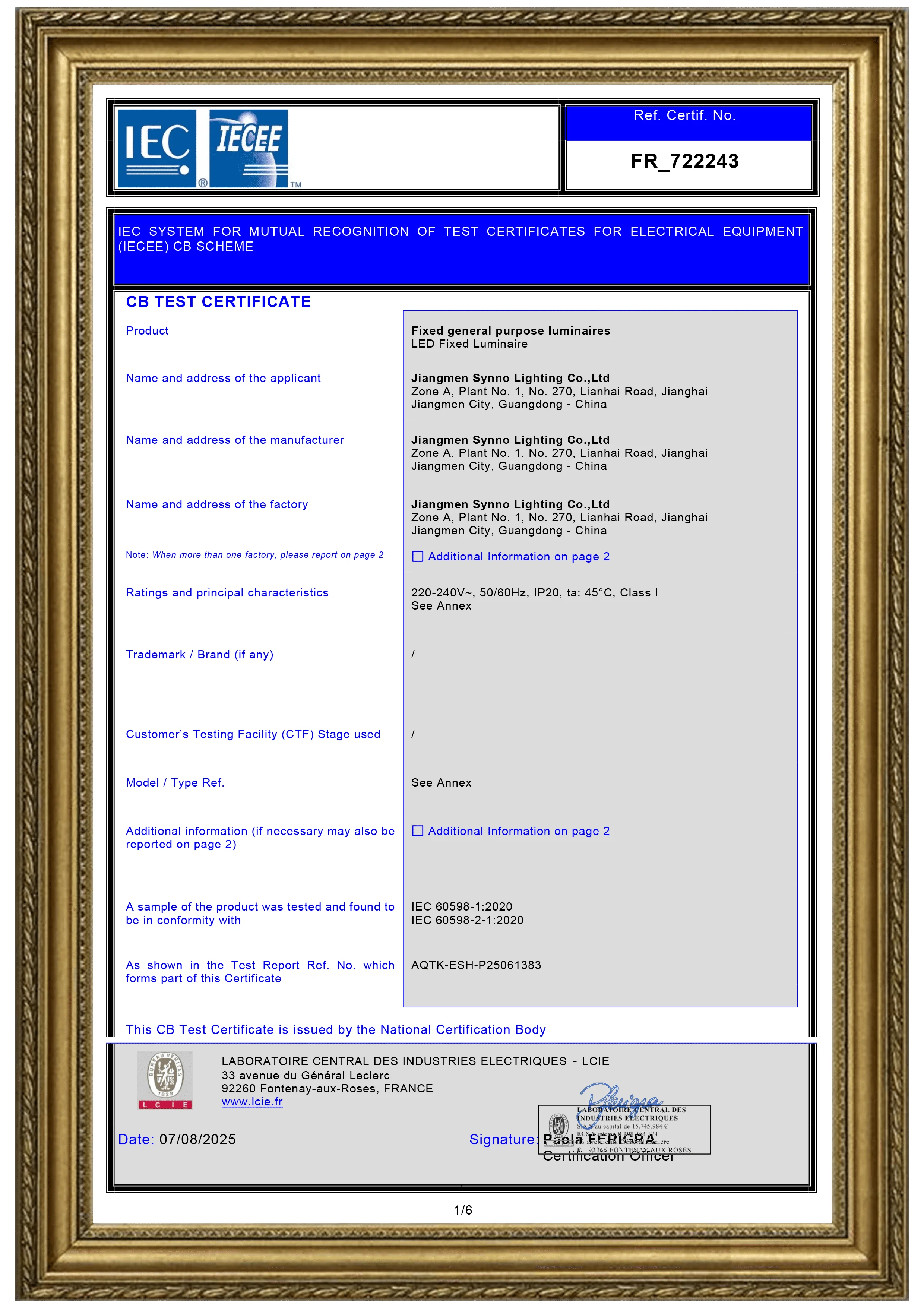
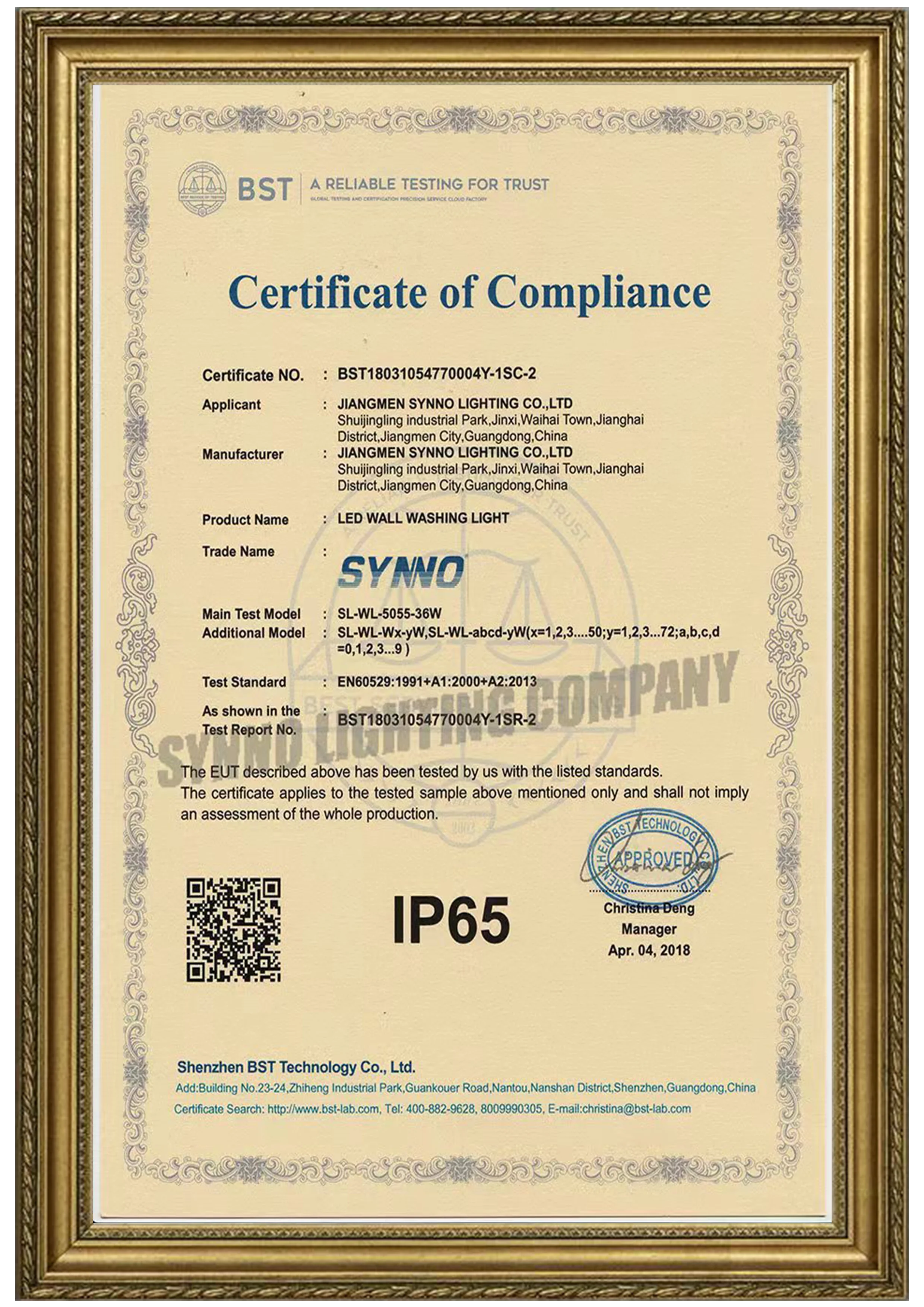
The Ingress Protection (IP) rating system defines a fixture’s ability to block solids and liquids. An IP68 rating implies the fixture can handle continuous submersion. Yet, a laboratory test conducted in clean, 20°C water for 48 hours is a snapshot in time. It fails to account for the "Vacuum Pumping Effect" caused by thermal cycling.
When an LED spotlight operates, the internal temperature can rise from 25°C to 65°C, causing the internal air to expand and build pressure. When the fixture is turned off during a cold night or a thunderstorm, the temperature drops rapidly, creating a powerful negative pressure (vacuum). This vacuum acts like a pump, pulling external moisture, humidity, and airborne contaminants through any microscopic fissure in the gaskets or even through the capillaries of the copper wires inside the power cable. True reliability requires a design that counters this physics-driven stress.
2. Structural Waterproofing: The Art of Precision Sealing
Structural waterproofing relies on high-precision mechanical compression to create an airtight barrier. This approach is highly valued in high-end facade lighting (Figure 2) and spotlights because it maintains fixture serviceability. In the circular economy, being able to replace an LED driver or a COB module without discarding the entire aluminum housing is a significant sustainability and cost-saving feature for large-scale developments.
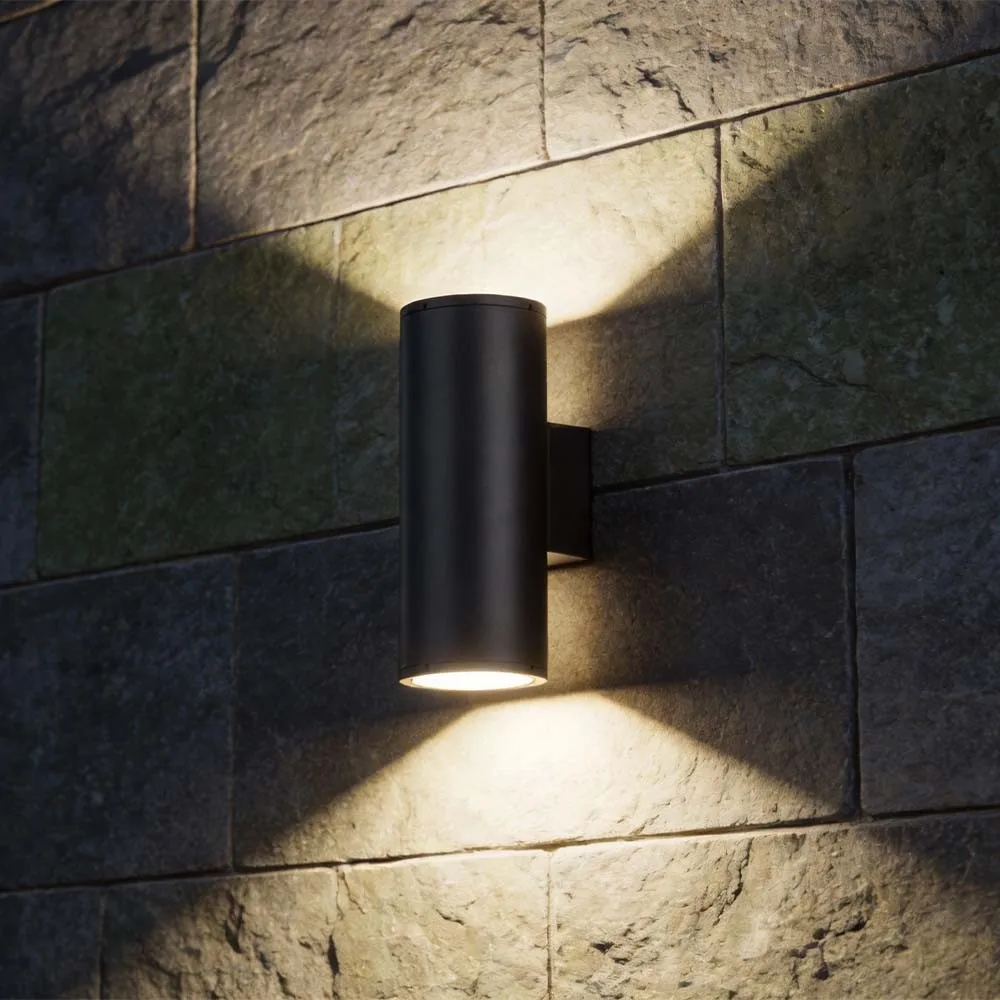
Figure 2: Architectural wall lamp—precision sealing ensures sharp beams and clear glass for years.
CNC Precision & Surface Roughness (Ra)
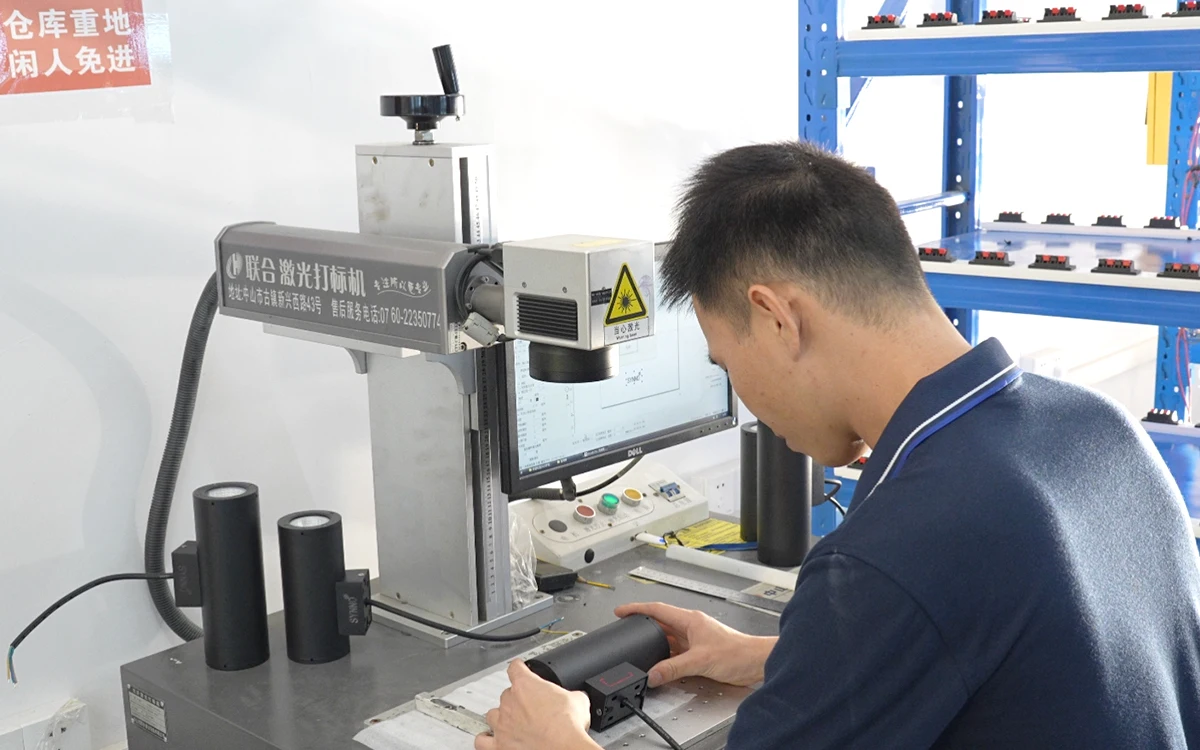
The success of a structural seal starts with the machining tolerance of the housing. At Synno, we utilize advanced CNC milling to control the Surface Roughness (Ra) of the sealing planes. If a housing plane has poor flatness (deviation > 0.1mm), the compression on the gasket will be non-uniform. Under thermal cycling, these "low-pressure zones" become the first entry points for moisture. We ensure that every sealing groove and glass-contact surface is machined to a mirror-like finish to maximize interfacial contact.
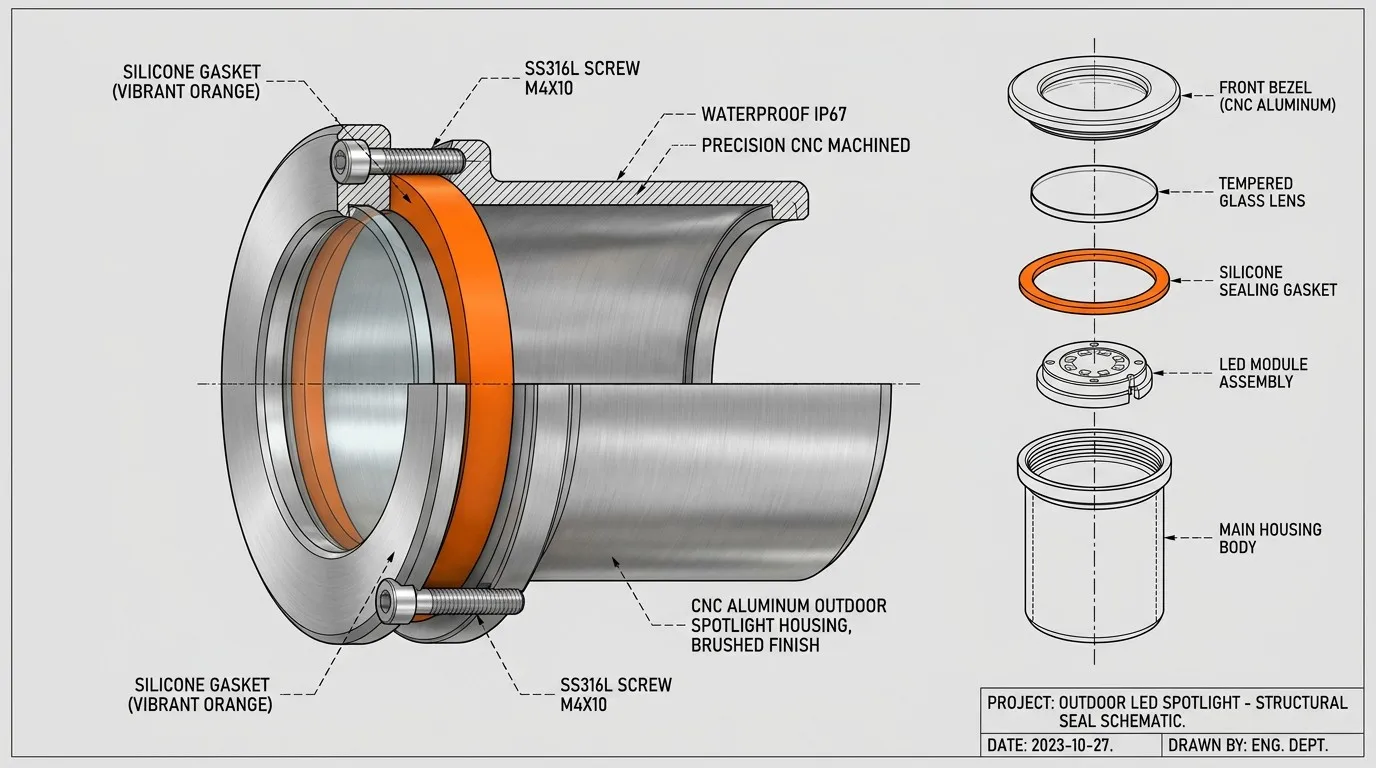
Figure 3: Technical exploded view showing the multi-layer seal: CNC housing + Shore A 60 Silicone Gasket + 316 Stainless Fasteners.
Gasket Material Science: Shore Hardness & Compression Set
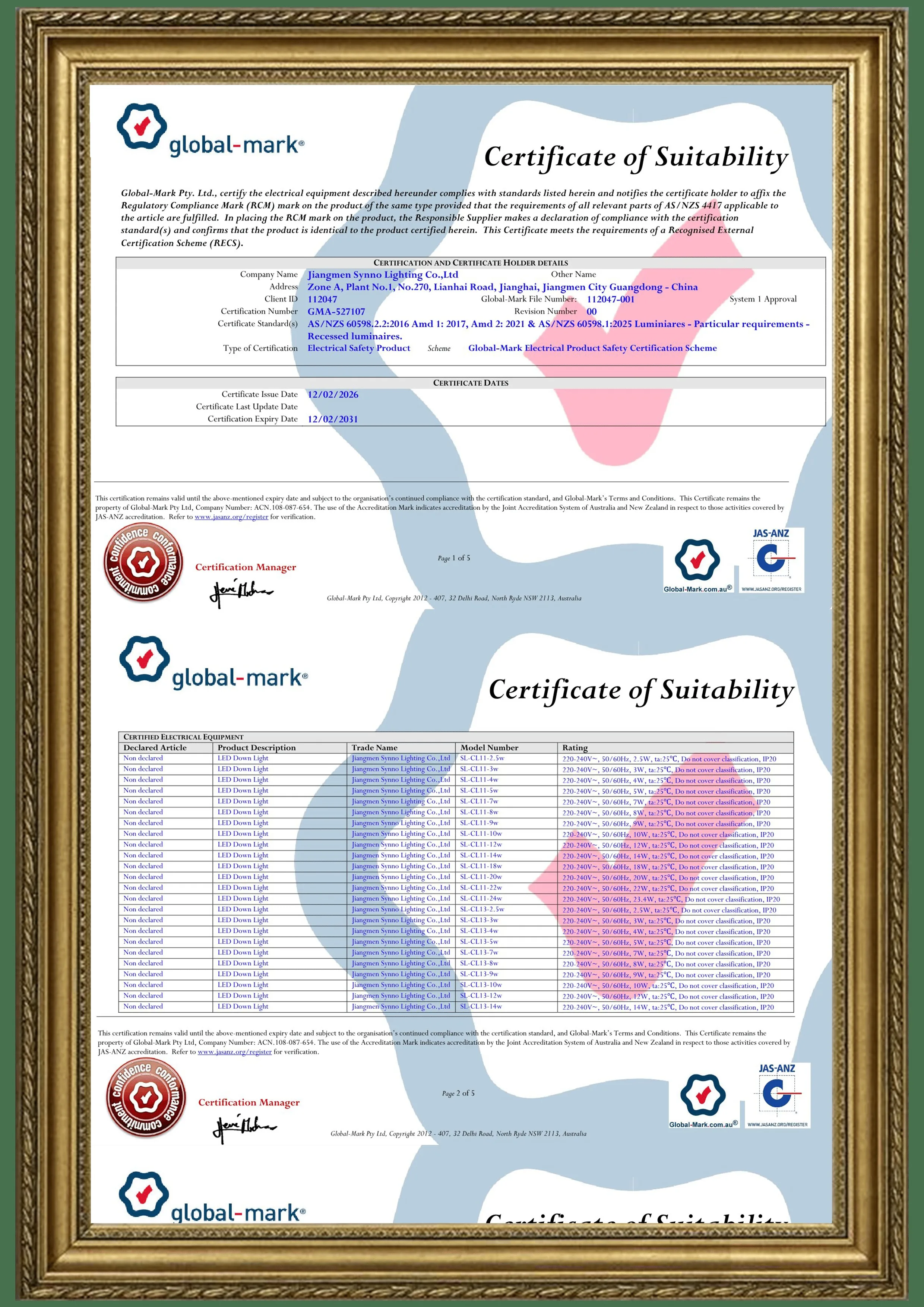
A gasket is more than just a piece of rubber. We primarily utilize Medical-grade Silicone or EPDM gaskets. However, the critical technical parameter is the Shore A Hardness (typically 55-65 for outdoor fixtures). If the material is too hard, it won't conform to the microscopic irregularities of the metal; if too soft, it will "relax" over time—a phenomenon called Compression Set. A high-quality Silicone gasket from Synno maintains its original shape and elasticity for over 50,000 hours, even in UV-heavy environments like Saudi Arabia or Australia.
Furthermore, we strictly utilize 316 Stainless Steel fasteners. Standard 304 steel can suffer from Galvanic Corrosion when in contact with aluminum in coastal air, eventually loosening the screws and compromising the mechanical pressure required to hold the seal airtight.
3. Resin Filling (Potting): The Gold Standard for Zero-Failure Isolation
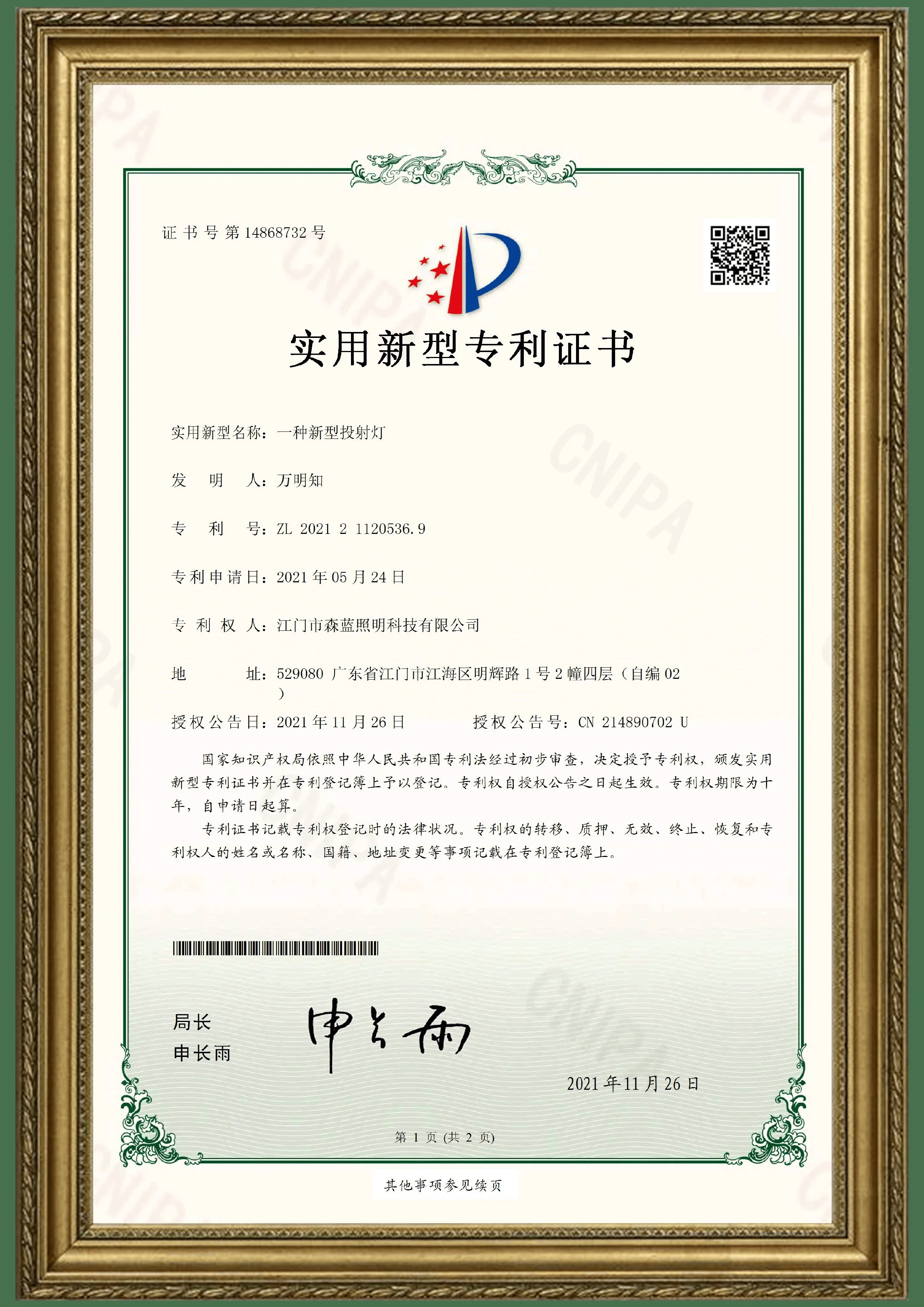
Resin potting takes a radical engineering approach by displacing all internal air with high-performance chemical polymers. By encapsulating every internal component—PCB, LED chips, wires, and drivers—we achieve absolute isolation from the external world. This is the only acceptable method for underwater applications (swimming pools, fountains) and subterranean burial lights (Figure 4) where the fixture is subject to constant hydrostatic pressure.
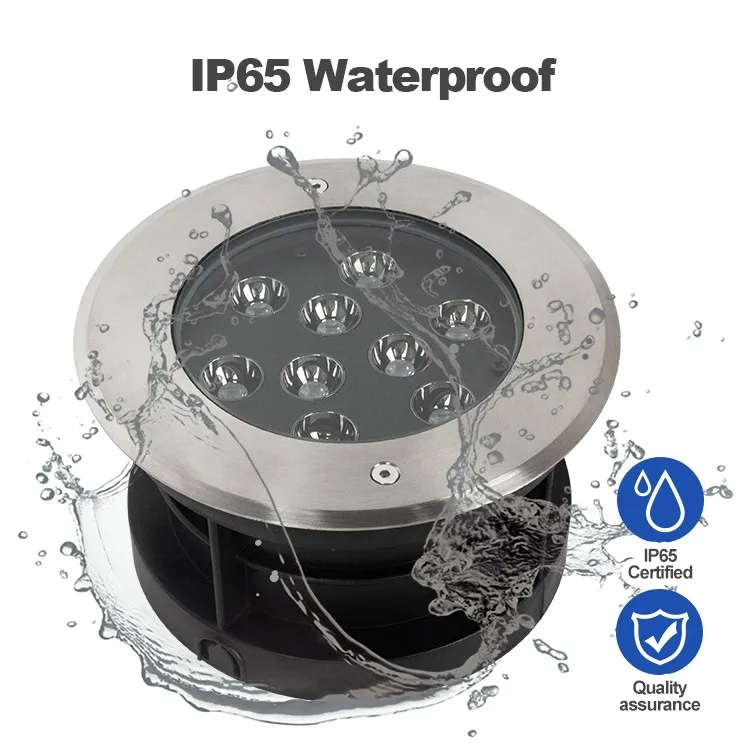
Figure 4: Inground burial light—resin potting prevents soil moisture and ground gases from corroding the PCB.
Polyurethane (PU) vs. Epoxy Resin
Not all potting resins are equal. Traditional Epoxy is very hard but brittle; it can develop micro-cracks during thermal expansion, allowing water to seep in via capillary action. At Synno, we utilize Polyurethane (PU) Potting for our premium outdoor series. PU remains flexible (rubbery) across its entire service life. This flexibility allows the resin to expand and contract alongside the metal housing without losing its bond (delamination). It acts as a shock absorber, protecting the electronics from both water and ground-borne vibrations.
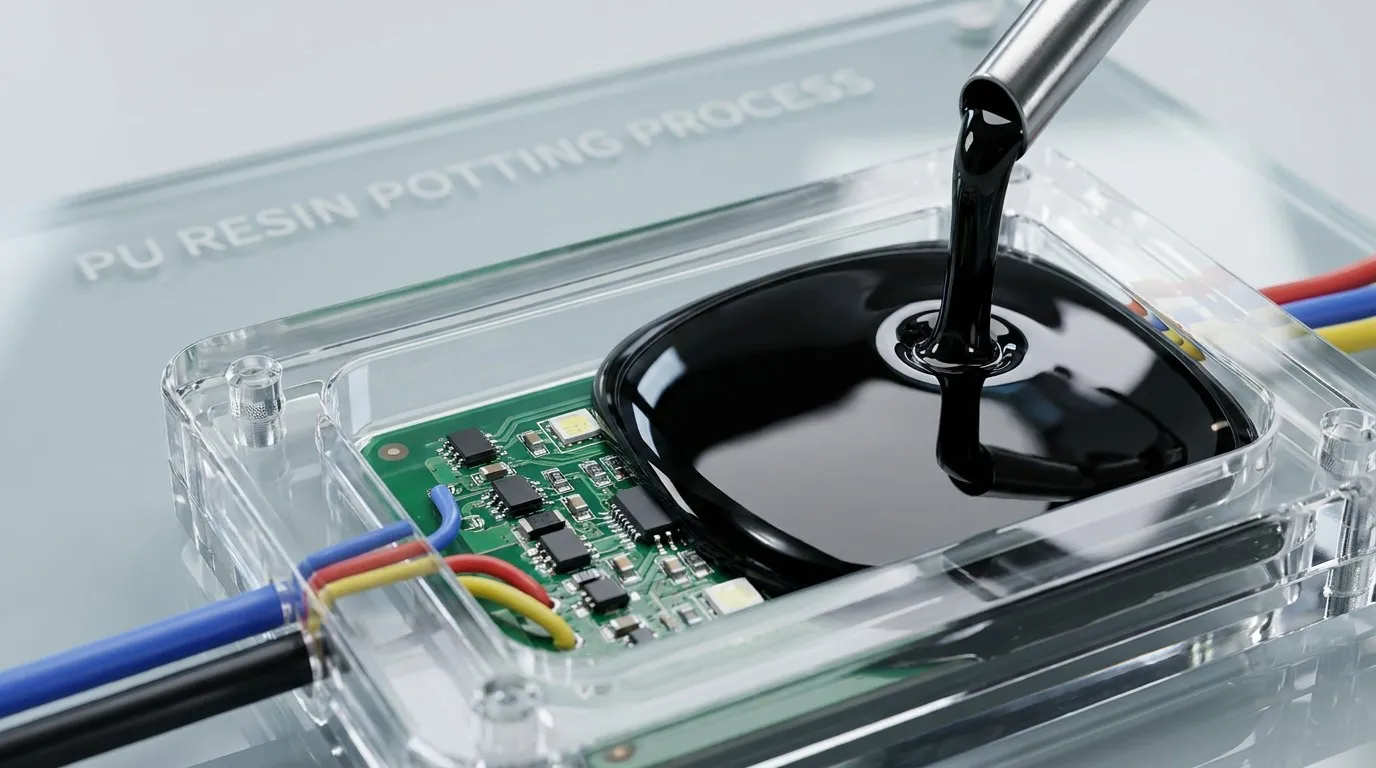
Figure 5: Professional visualization of the PU resin potting process—total encapsulation for zero-leakage performance.
Thermal Conductivity: The Hidden Benefit of Potting
A common misconception among architects is that resin traps heat and shortens LED life. In reality, high-end Thermal Potting Compounds (with conductivity > 1.0 W/m·K) are much more efficient at heat transfer than static air. In a potted Synno fixture, the resin acts as a conductive bridge, moving heat away from the LED junction directly to the outer aluminum shell. This lowers the operating temperature of the LED chip, resulting in superior lumen maintenance and color stability (Figure 6).
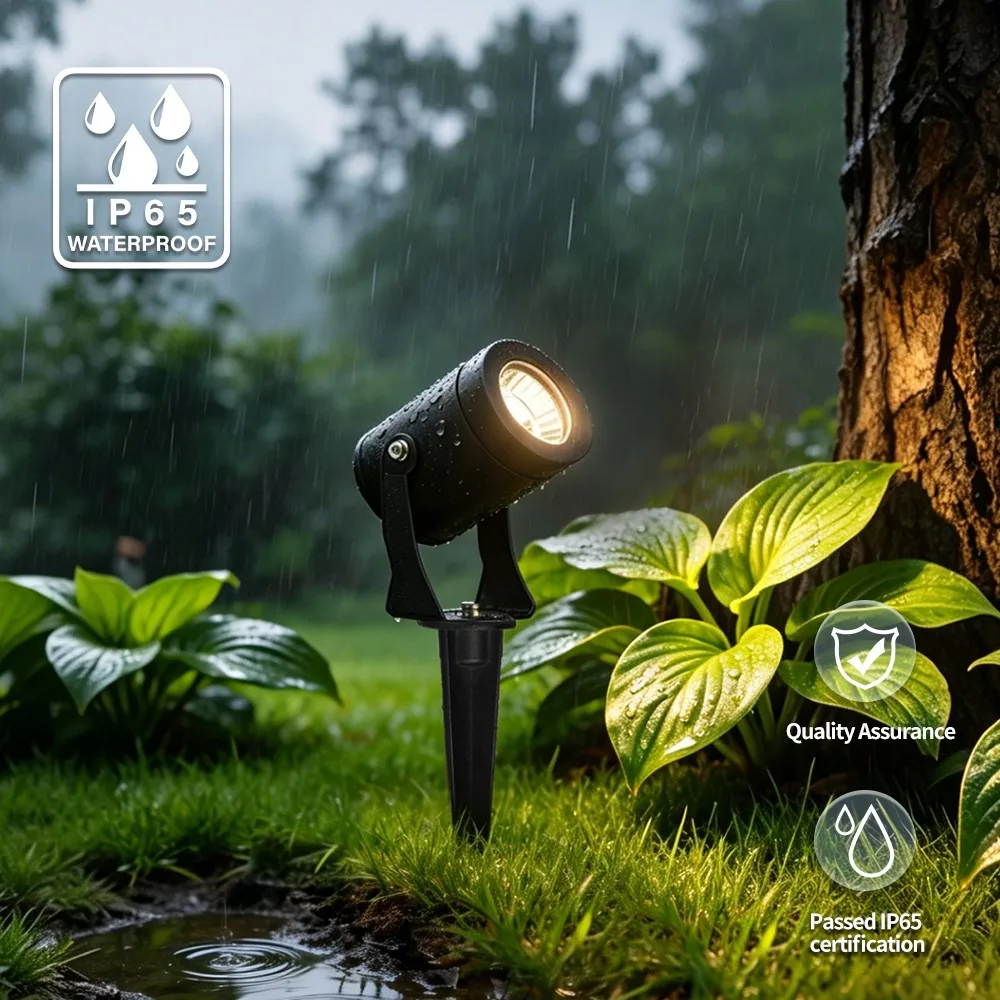
Figure 6: High-performance spike lights in a wet garden landscape—PU potting ensures the internal PCB remains dry and cool.
4. Professional Decision Matrix: Structure vs. Chemistry
| Technical Factor | Structural Waterproofing | Resin Filling / Potting |
|---|---|---|
| Maintenance / Repair | High (Components can be replaced) | Zero (Once set, it is permanent) |
| Waterproof Reliability | High (Dependent on CNC/Gasket quality) | Absolute (Eliminates the breathing effect) |
| Chemical Resistance | Moderate (Corrosive soil affects gaskets) | Superior (Resists chlorine/fertilizers) |
| Best Project Use Case | Facade Wall Washers, Spotlights, Post-top | Swimming Pools, Fountains, Underground |
For mission-critical projects where maintenance access is difficult—such as a facade light 50 meters high or an underwater fountain light—we often recommend a Hybrid Approach. This involves using structural seals as the primary defense and localized potting on the LED driver and cable entry points to provide a double layer of security.
5. Synno Manufacturing Excellence: Our Testing Philosophy
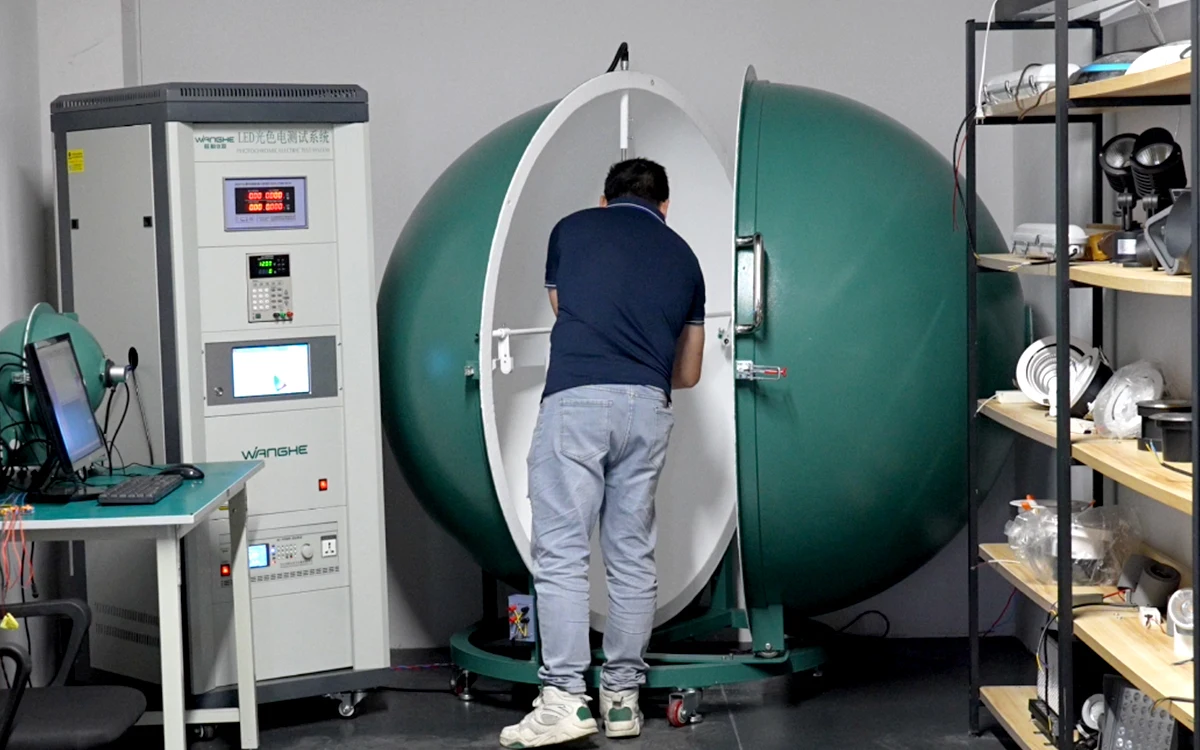
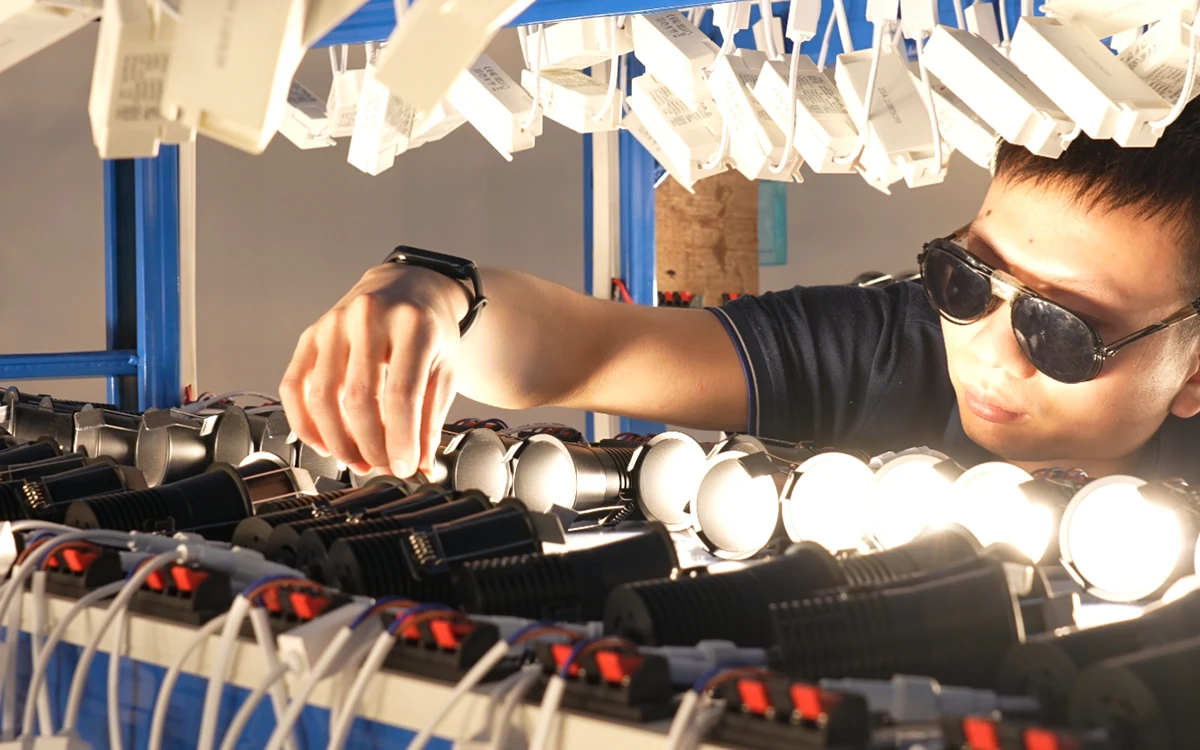
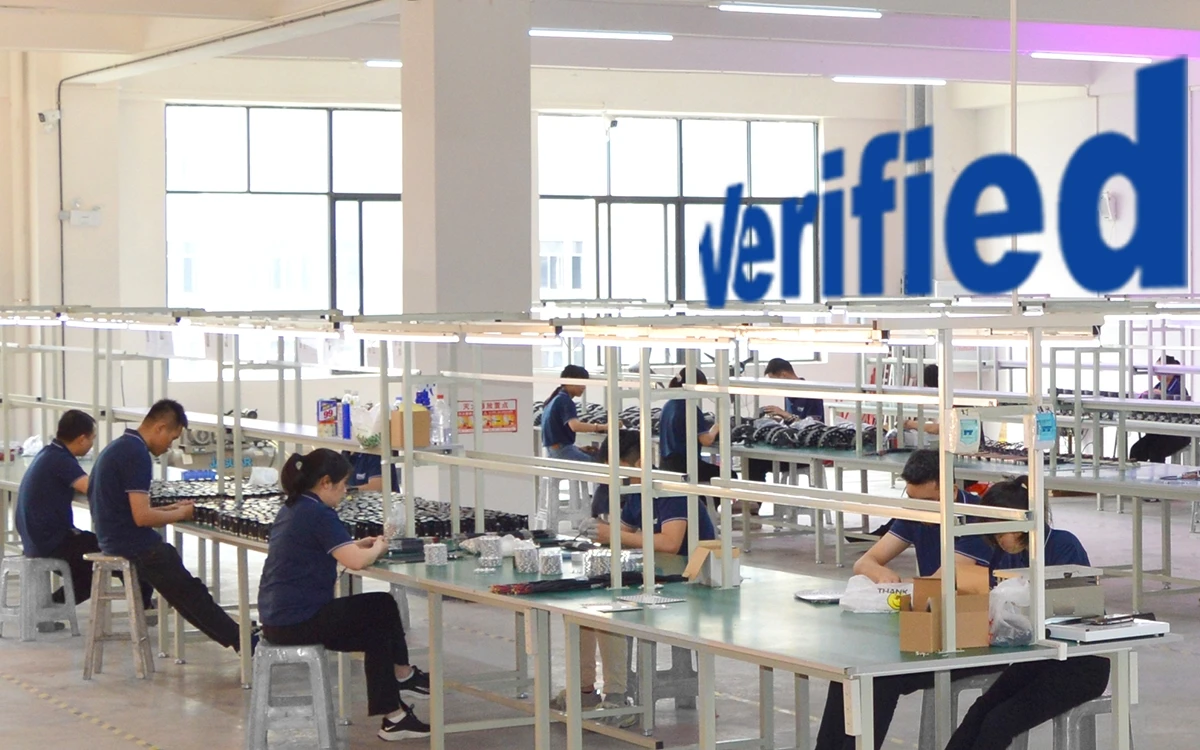
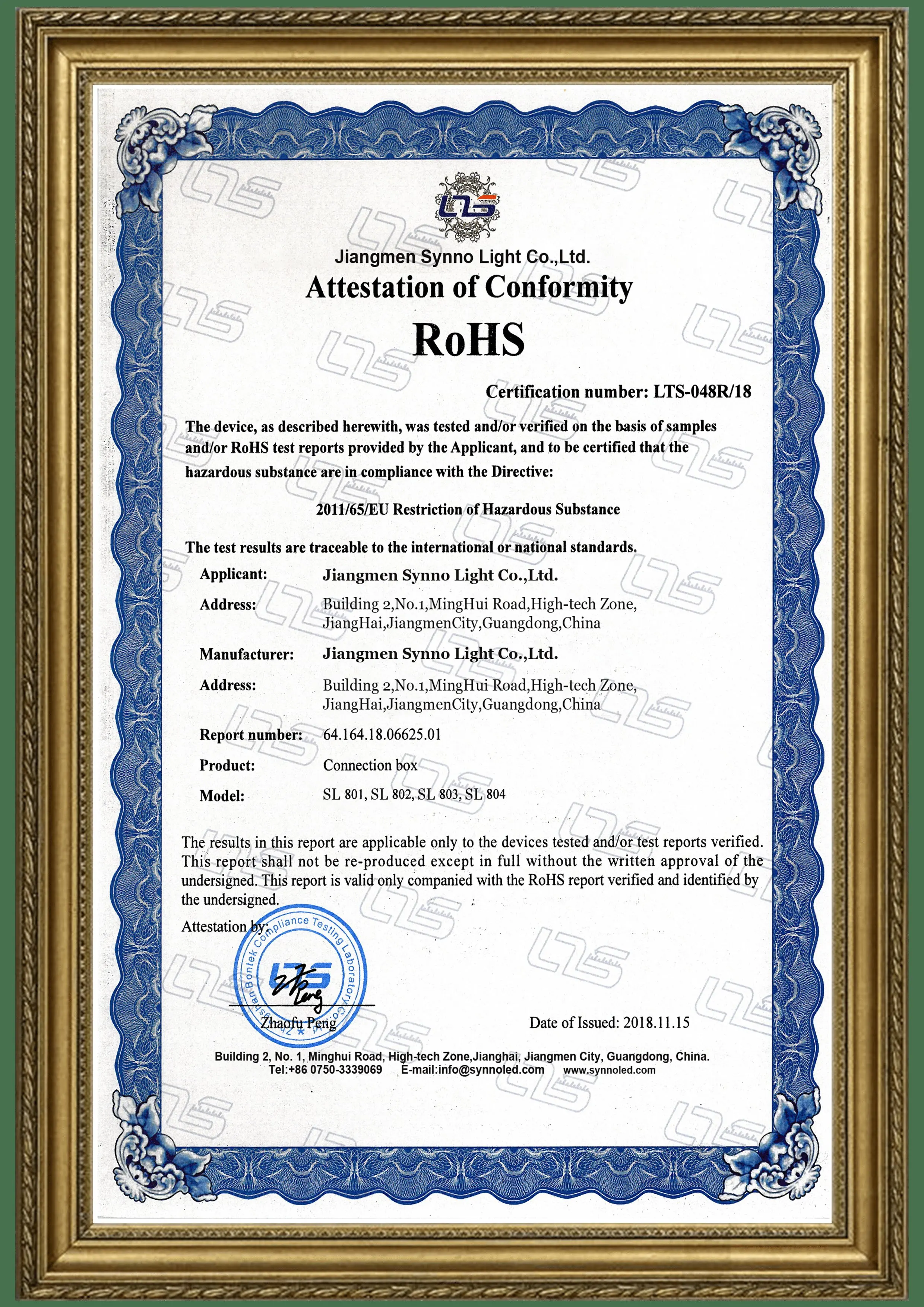
Reliability is not an accident; it is the result of rigorous validation. In our Jiangmen facility, every Synno outdoor luminaire undergoes a series of Factory Acceptance Tests (FAT) that exceed international standards. This includes the Thermal Shock Submersion Test: we heat the fixture to its maximum operating temperature and then immediately submerge it in 4°C water. This extreme test simulates a sudden summer thunderstorm on a hot evening—the exact moment many cheap luminaires fail due to the sudden vacuum suck.
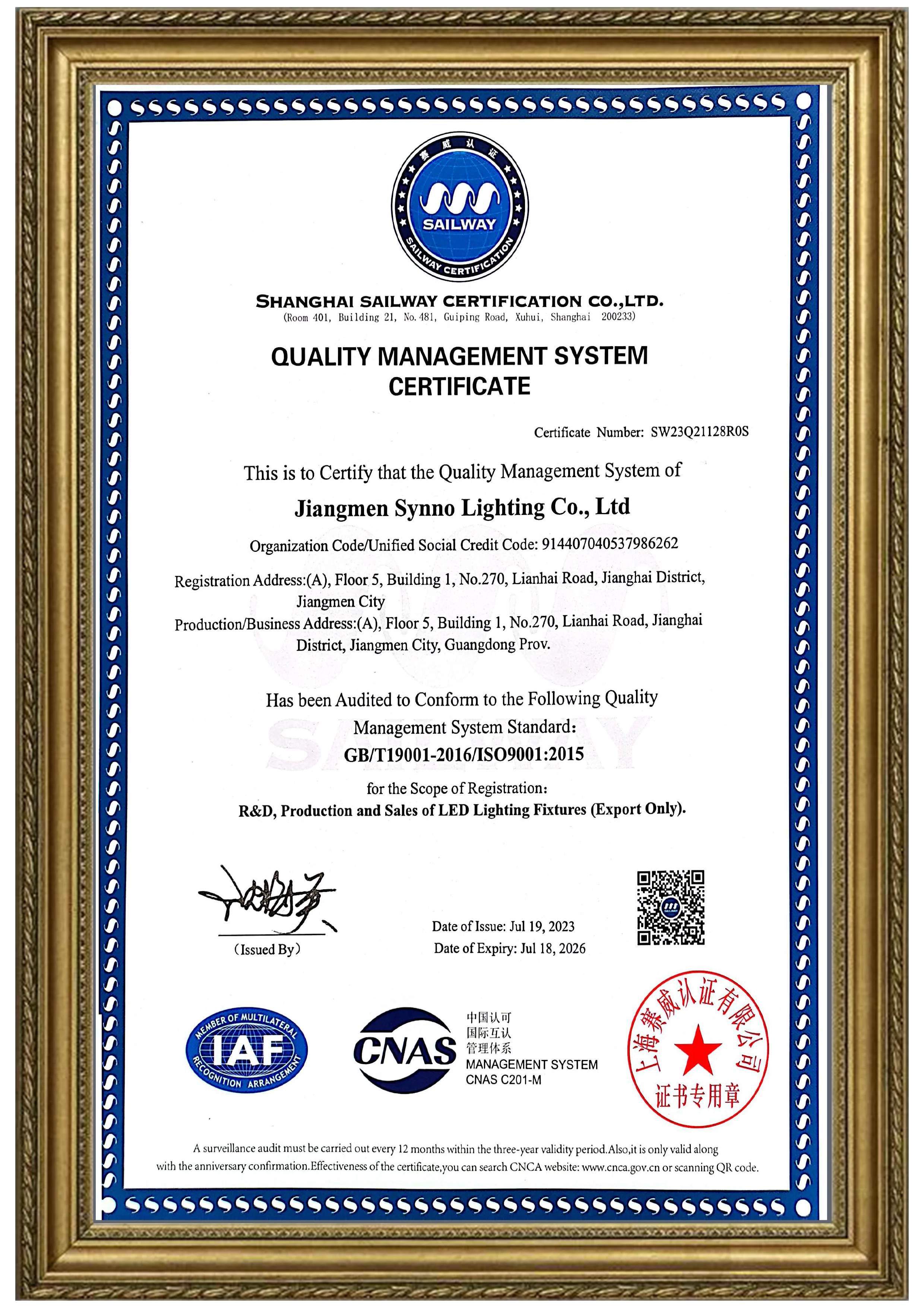
Our commitment to material science—selecting the right PU resin viscosity, the correct Shore hardness for gaskets, and 316-grade fasteners—is why we confidently provide a 5-year project warranty. When you specify Synno Lighting, you are investing in a decades-long legacy of engineering that refuses to leak.
Secure Your Landscape Lighting Project ROI
Don't let moisture compromise your architectural vision. Consult with our technical team to select the optimized waterproof solution for your specific environment.
Contact Our Engineering Team