The Ultimate Guide to Selecting Dimming Solutions for Commercial Indoor Lighting Projects
Introduction
Dimming is no longer an optional feature in modern commercial lighting design—it has become a critical component of intelligent building infrastructure. Across offices, retail environments, hotels, hospitals, educational facilities, and mixed-use commercial spaces, dimming systems now influence not only energy savings but also occupant comfort, circadian health, operational efficiency, and long-term facility management.
Modern building standards such as Title 24, ASHRAE 90.1, and various international green building codes increasingly require lighting systems to support adaptive control strategies. These include occupancy sensing, daylight harvesting, scheduled dimming, and scene-based automation. However, one of the most common mistakes in commercial lighting projects is assuming that all dimming solutions perform similarly. They do not.
Choosing the wrong dimming protocol can result in flickering luminaires, poor dimming smoothness, driver incompatibility, electromagnetic interference (EMC) issues, limited scalability, and high maintenance costs. This is particularly important in modern LED lighting systems because dimming performance is highly dependent on the interaction between LED drivers, control protocols, wiring topology, and fixture compatibility.
Additionally, dimming behavior is closely tied to LED control methodologies such as PWM (Pulse Width Modulation) and CCR (Constant Current Reduction). Both methods affect flicker performance and compliance with IEEE 1789-2015, the key flicker standard for LED systems. This guide provides a deep technical comparison of the four dominant technologies: Triac, 0/1-10V, DALI-2, and Casambi Wireless Mesh.
1. Triac Dimming: The Legacy Solution
Technical Overview
Triac dimming originated in incandescent lighting and remains one of the oldest dimming technologies still in use today. It works by chopping sections of the AC waveform to reduce power delivered to the load. Two main modes exist: Leading-edge (Forward Phase Cut), which is common in legacy systems but has higher electrical noise, and Trailing-edge (Reverse Phase Cut), which is far better for LED loads due to smoother dimming and lower EMI.
Wiring Logic
Triac systems use standard AC wiring (L, N). The dimmer is installed in series with the live line. Wiring path: Power Source → Triac Dimmer → LED Driver → Luminaire. Unlike digital systems, Triac dimming has no separate control bus, which simplifies initial installation but creates limitations in waveform quality and interference management.
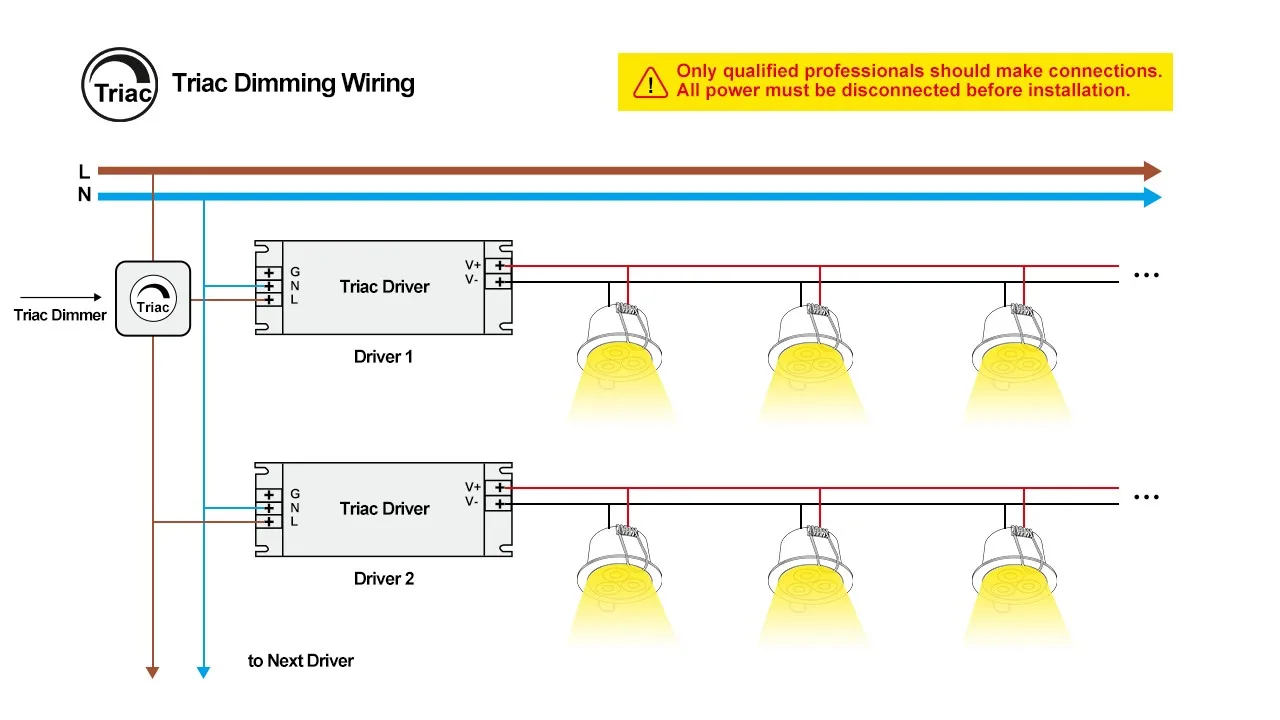
Figure 1: Triac Dimming Wiring Logic.
Technical Challenges with LED Systems
Modern LED fixtures are sensitive to waveform quality. Common issues include flickering at low dim levels and audible buzzing. A well-designed LED driver must interpret the chopped AC waveform accurately. While Triac is cost-effective for retrofits, it is rapidly declining in premium commercial office spaces due to its weak compatibility and poor scalability.
2. 0/1-10V Dimming: The Industry Standard
0-10V remains the workhorse of commercial lighting, separating power and control signals (L, N, Dim+, Dim-). This separation ensures that high-power electrical noise does not interfere with the dimming command, making it far more stable than Triac for large offices and warehouses.
Source vs Sink Logic
A critical point of failure in 0-10V systems is the misunderstanding of Source vs Sink logic. In a Source system, the controller supplies the voltage; in a Sink system, the driver supplies the reference voltage. Improper pairing leads to signal drift and inconsistent dimming levels across the project.
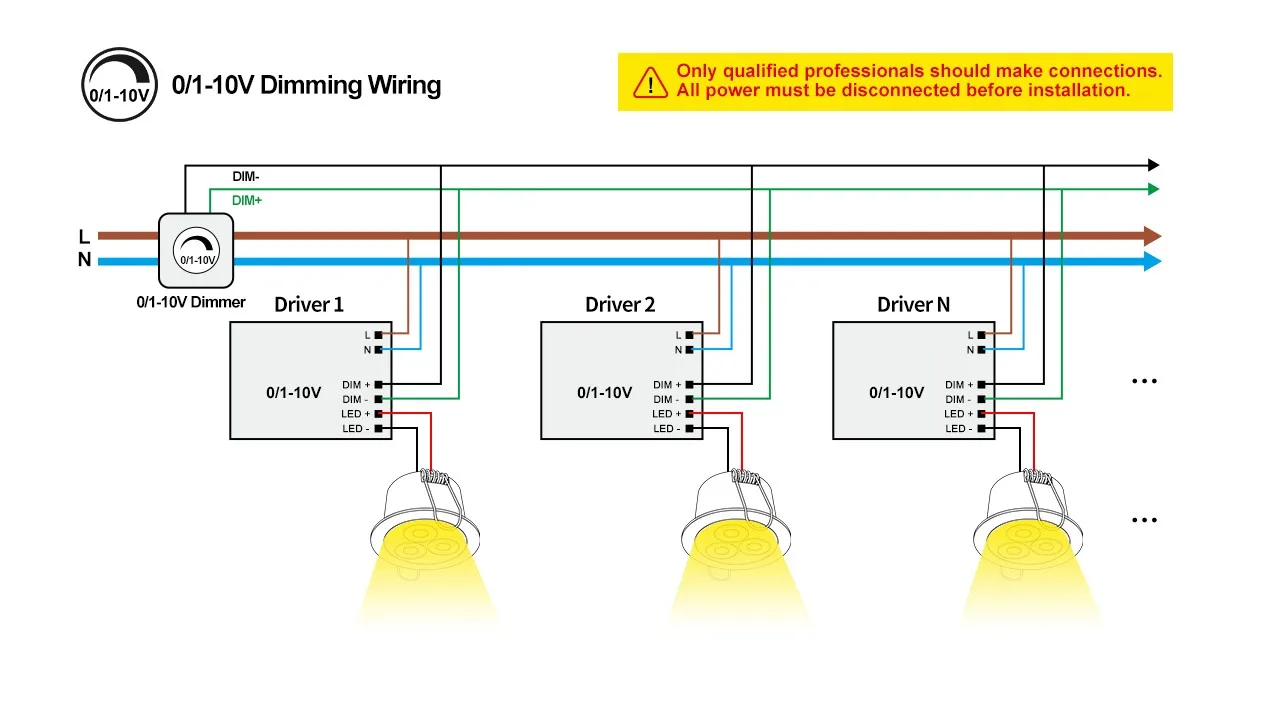
Figure 2: 0/1-10V Wiring Separation.
Critical Issue: Voltage Drop
In large-scale projects like airports or auditoriums, 0-10V faces the challenge of analog signal degradation. Over a 100-meter cable run, the signal voltage can drop from 10V to 8.5V, causing fixtures at the end of the line to appear significantly dimmer than those at the start. MEP engineers must carefully calculate wire gauge and run lengths to mitigate this.
3. DALI & DALI-2: The Digital Revolution
DALI (Digital Addressable Lighting Interface) is the preferred solution for premium smart buildings. Unlike analog methods, DALI uses digital commands, allowing for individual fixture addressing, bidirectional communication, and complex scene programming.
System Components & Topology
A DALI network requires an Application Controller and a Bus Power supply. As shown in Figure 3, the DALI bus is polarity-independent, which drastically reduces field installation errors. One DALI network supports 64 addresses, 16 groups, and 16 scenes, providing surgical control over large commercial zones.
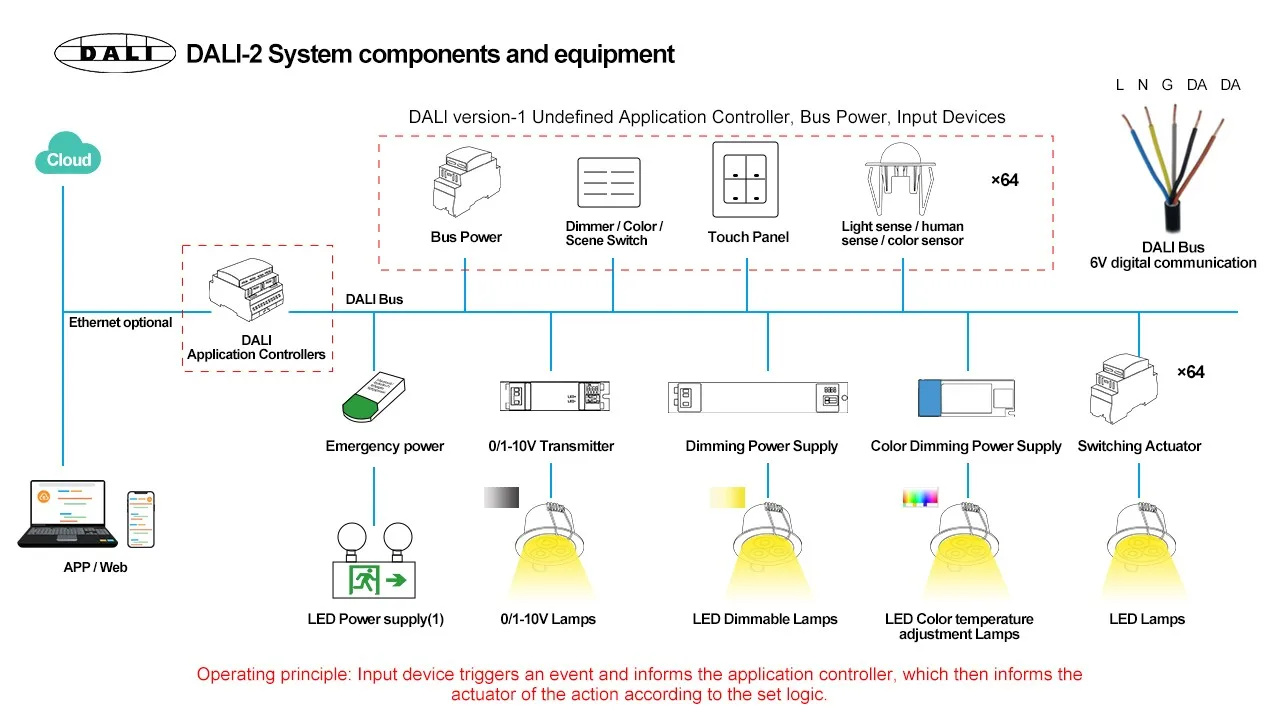
Figure 3: DALI-2 Ecosystem.
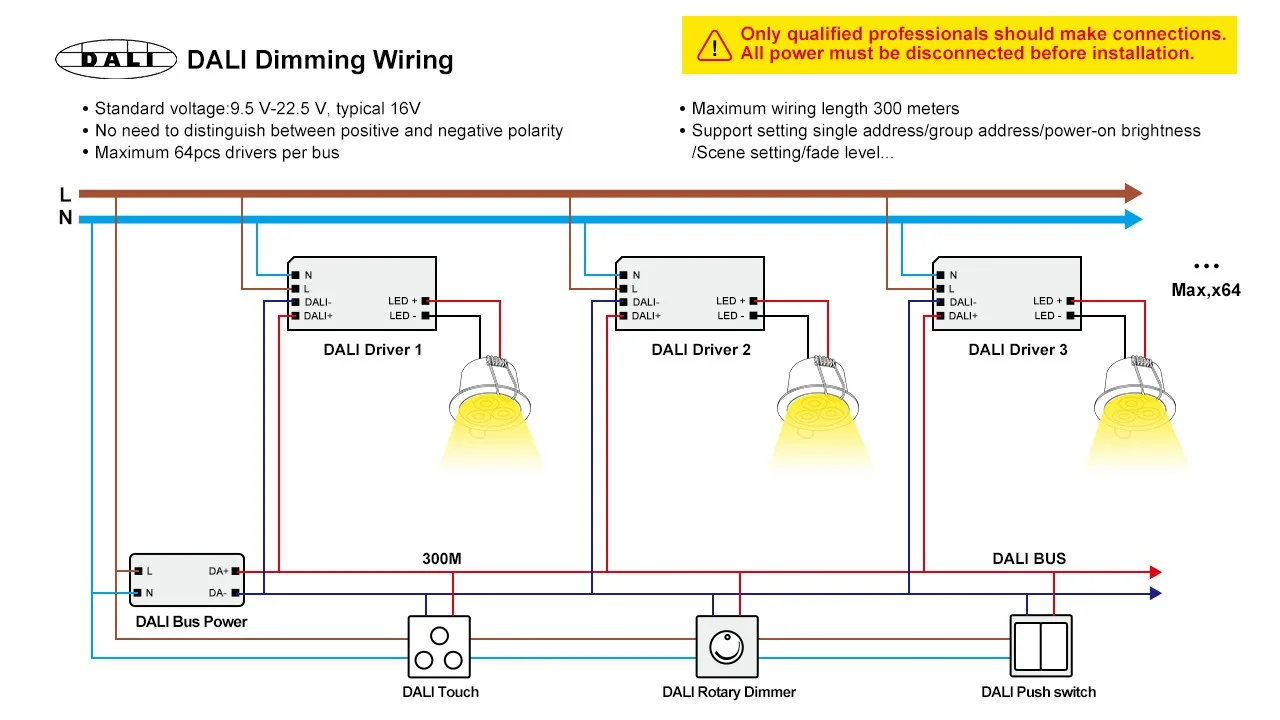
Figure 4: DALI Polarity Independence.
Bidirectional Benefits & Maintenance
DALI's greatest power lies in feedback. Drivers can report their status, failure modes, and energy consumption back to the facility manager. This allows for predictive maintenance in critical facilities like hospitals and corporate campuses, reducing downtime and operational costs.
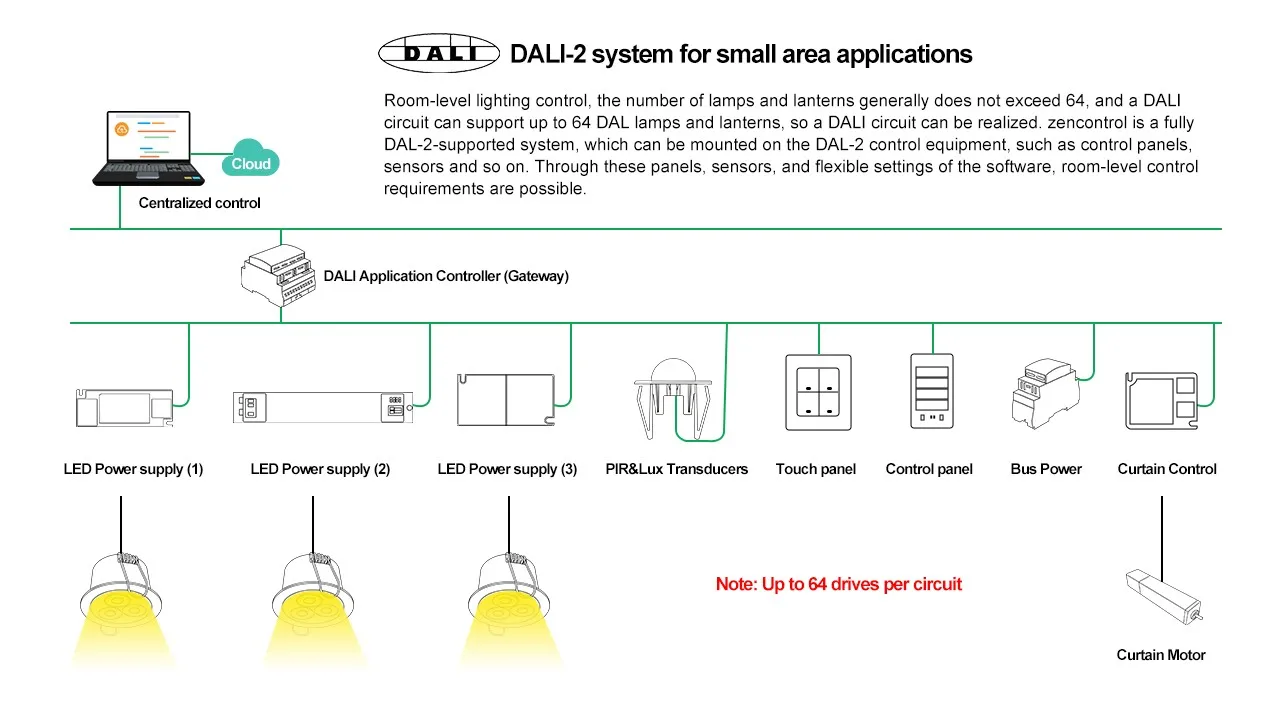
Figure 5: Small Area Application.
4. Casambi Wireless Mesh: The Future of Flexibility
Casambi uses a self-healing Bluetooth Low Energy (BLE) Mesh network, eliminating the need for any control cabling. In environments where layouts change frequently—like luxury retail or flexible offices—Casambi provides unmatched agility.
RGB and Tunable White Integration
As shown in Figure 6, Casambi excels at multi-channel control, supporting RGB and Tunable White (CCT tuning). This is vital for Human-Centric Lighting (HCL), where light color temperature adjusts dynamically to support the human circadian rhythm.
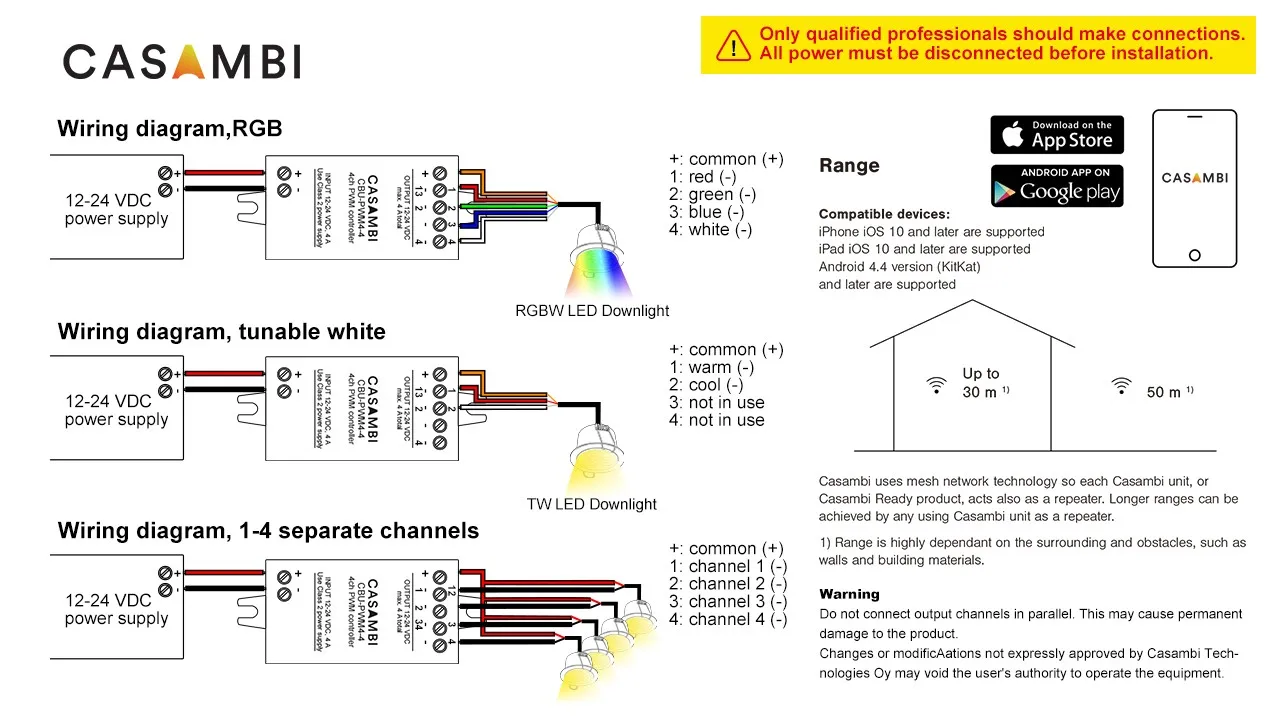
Figure 6: Multi-channel control.
Professional Comparison & Selection Matrix
| Feature | Triac | 0-10V | DALI-2 | Casambi |
|---|---|---|---|---|
| Wiring Complexity | Low | Medium | Medium-High | Lowest |
| Scalability | Low | Medium | High | Very High |
| Precision | Moderate | High | Superior (0.1%) | Very High |
| Best For | Retrofits | Offices/Schools | Smart Buildings | Flexible Retail |
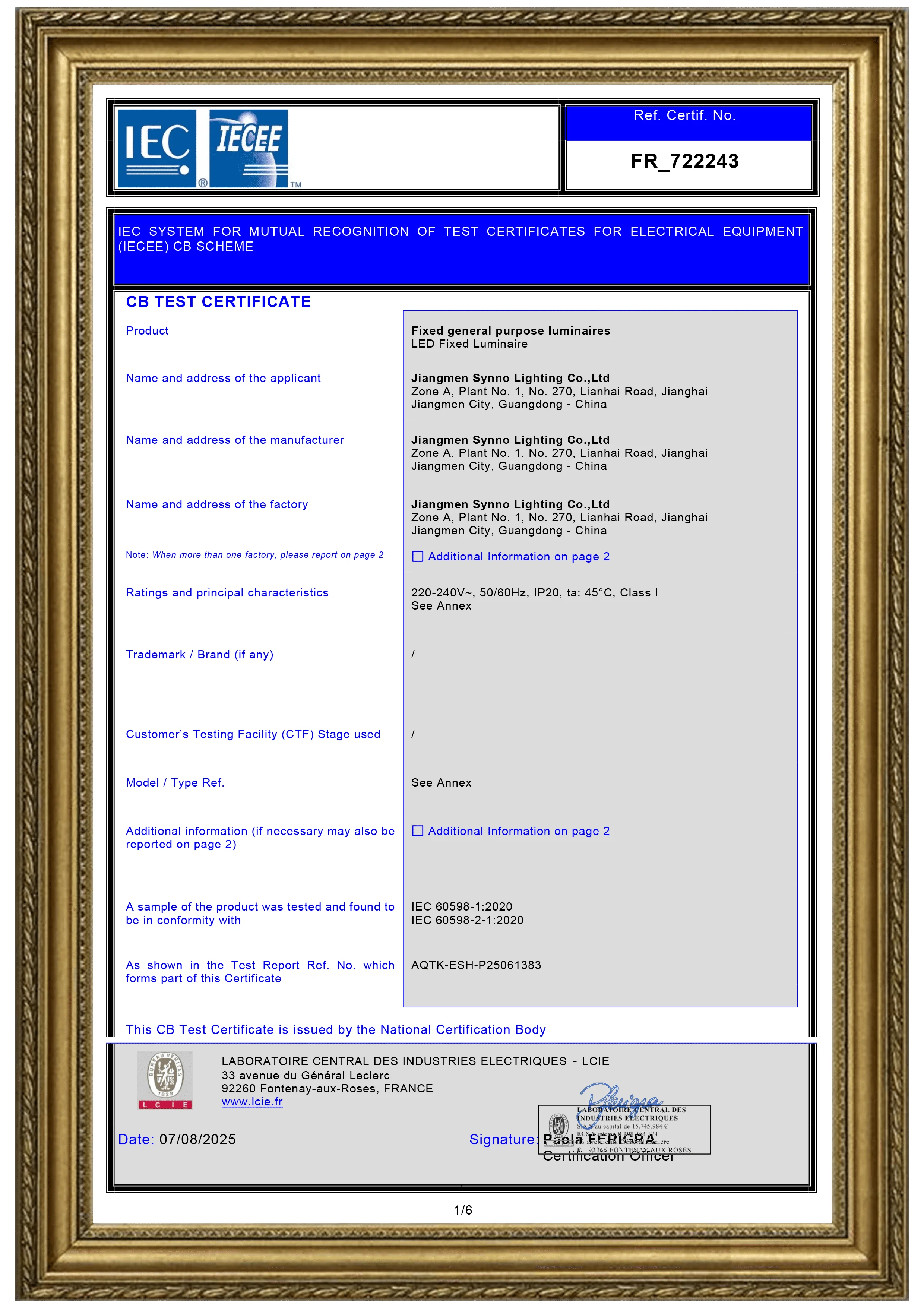
In all commercial indoor projects, flicker management is paramount. Low-quality PWM dimming can cause headaches and eye strain. At Synno Lighting, we engineer our drivers to meet or exceed IEEE 1789-2015 standards, providing a "flicker-free" experience across the entire dimming range, ensuring occupant comfort in high-focus environments like hospitals and corporate headquarters.
Synno Lighting’s Manufacturing Advantage
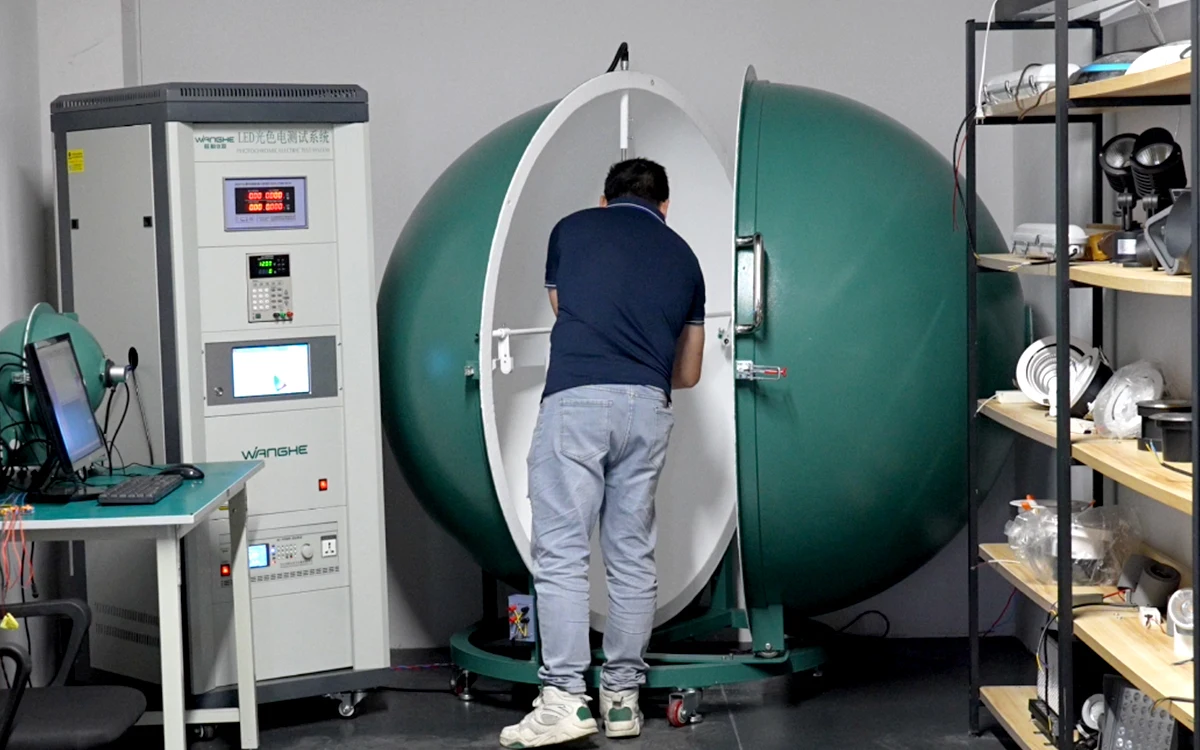
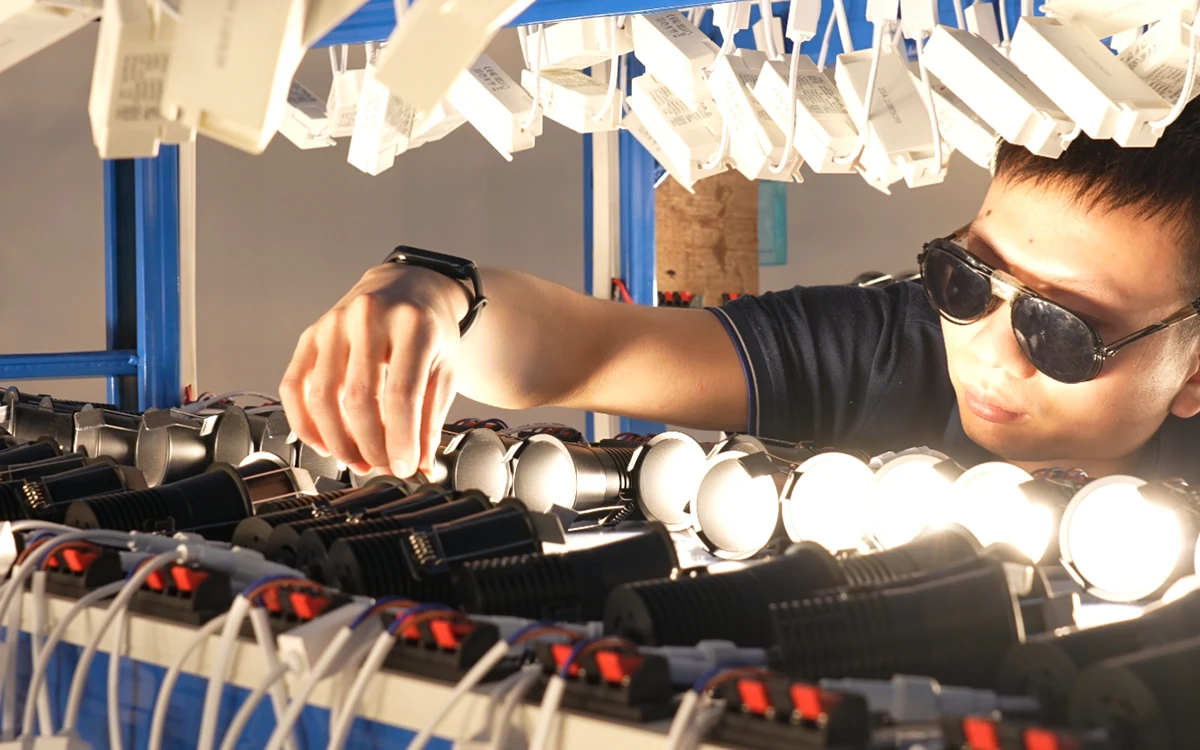
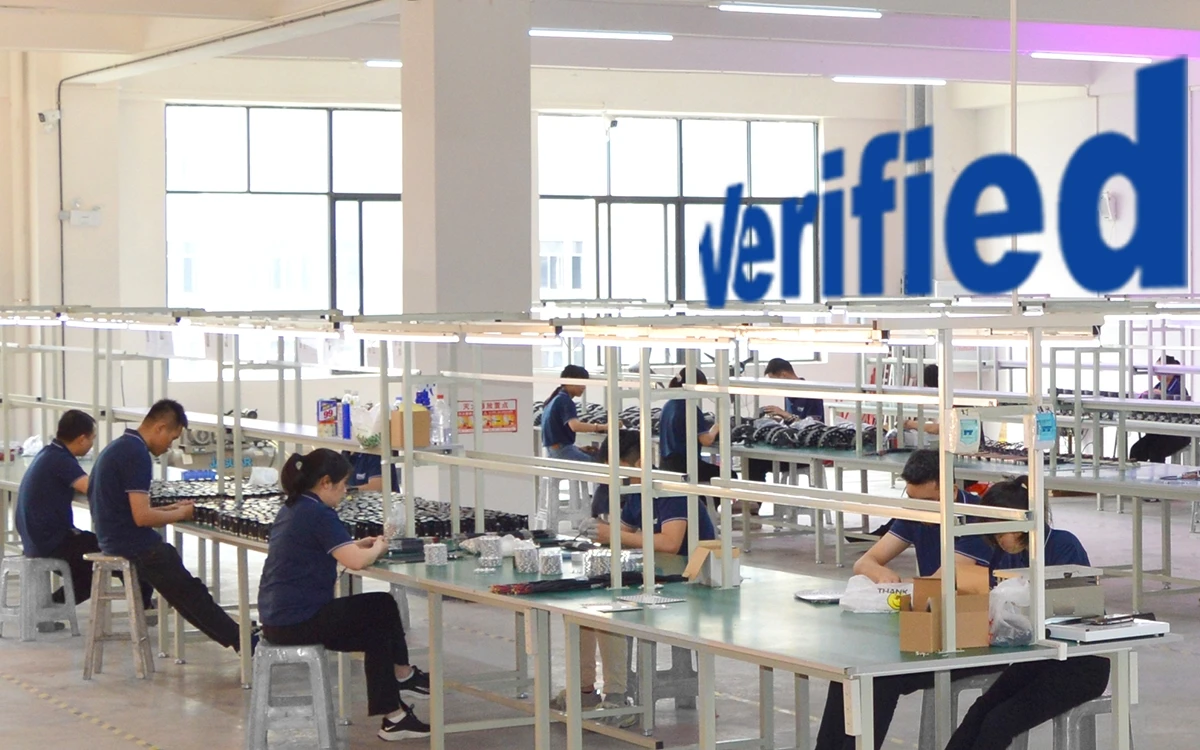
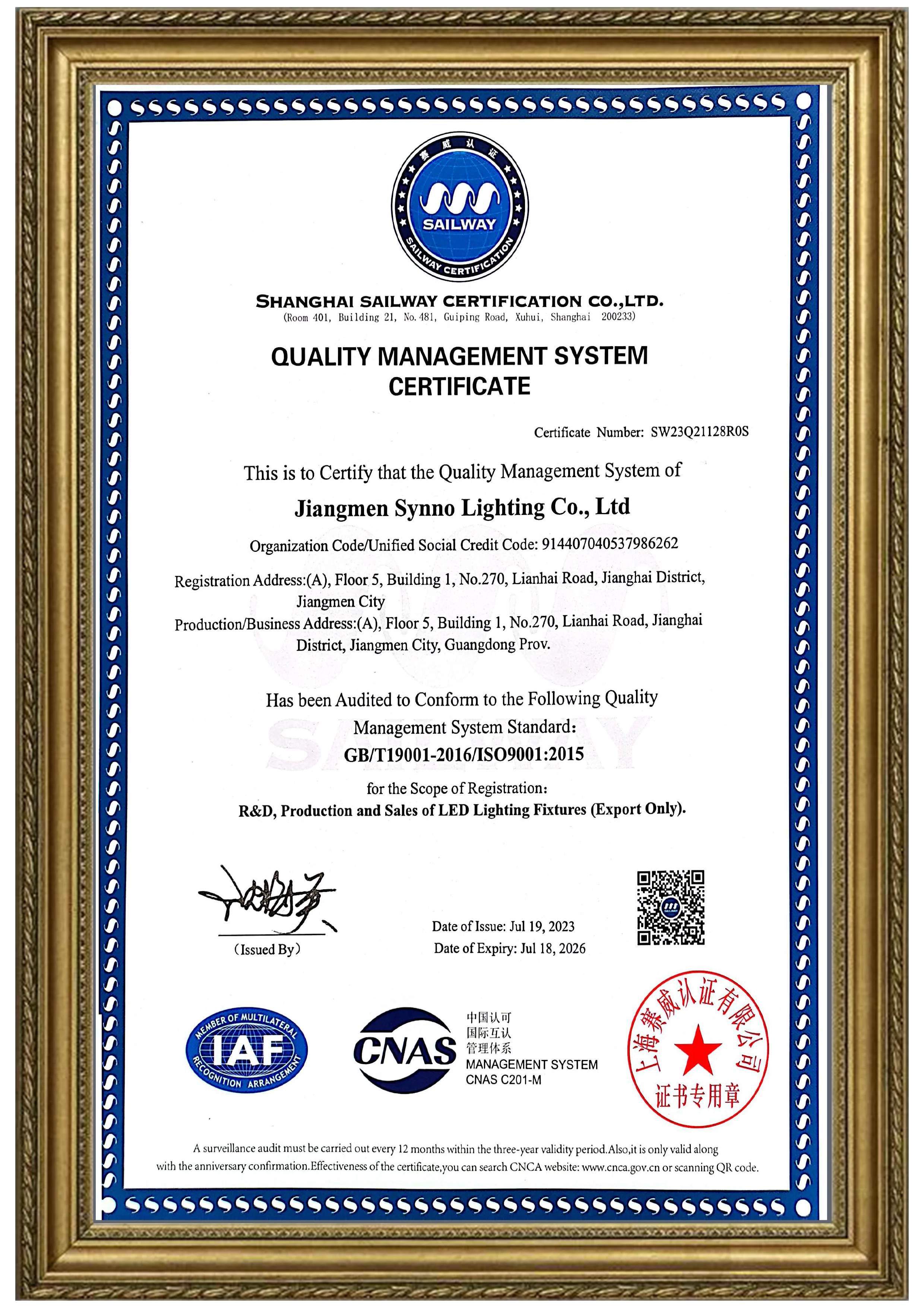
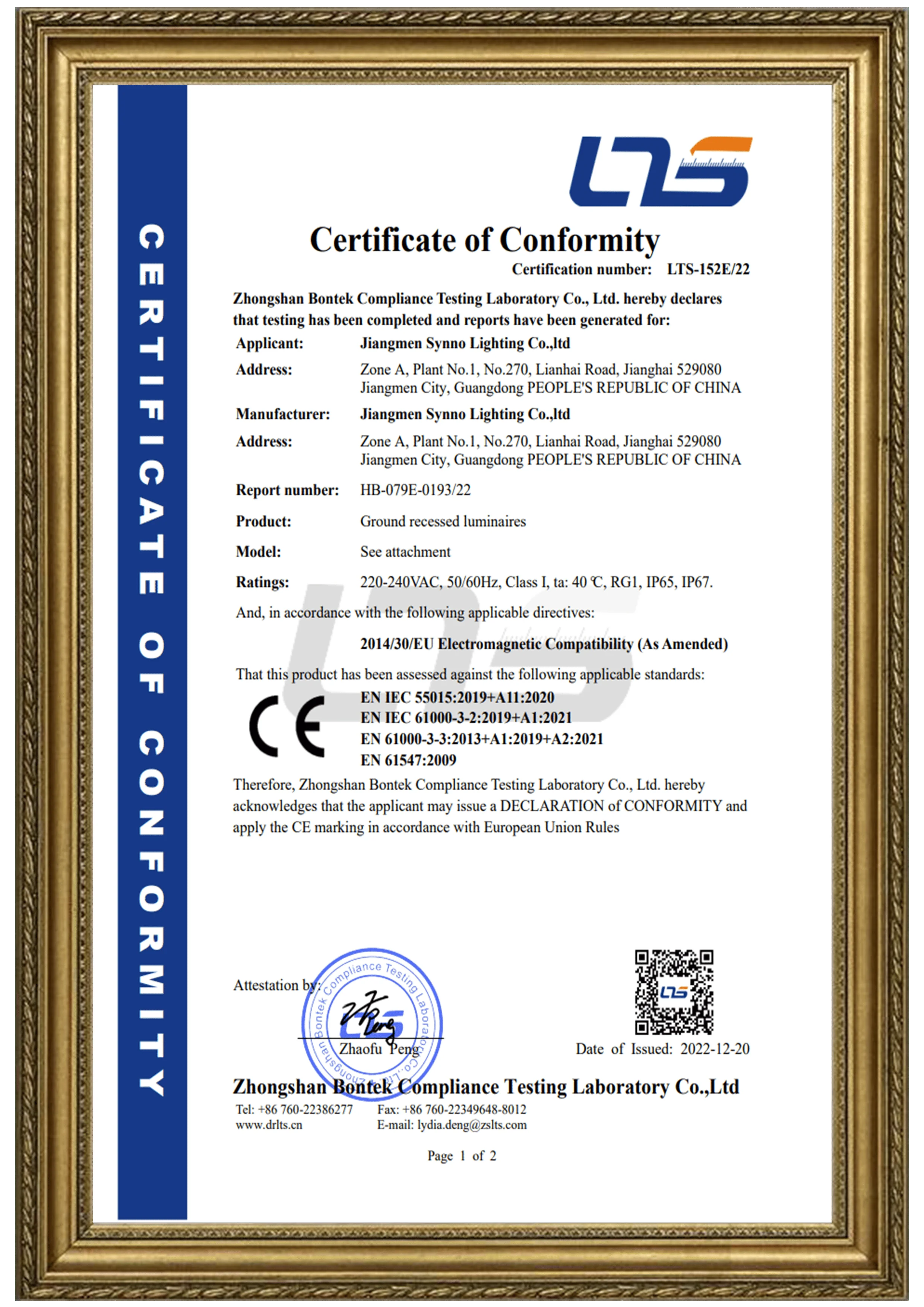
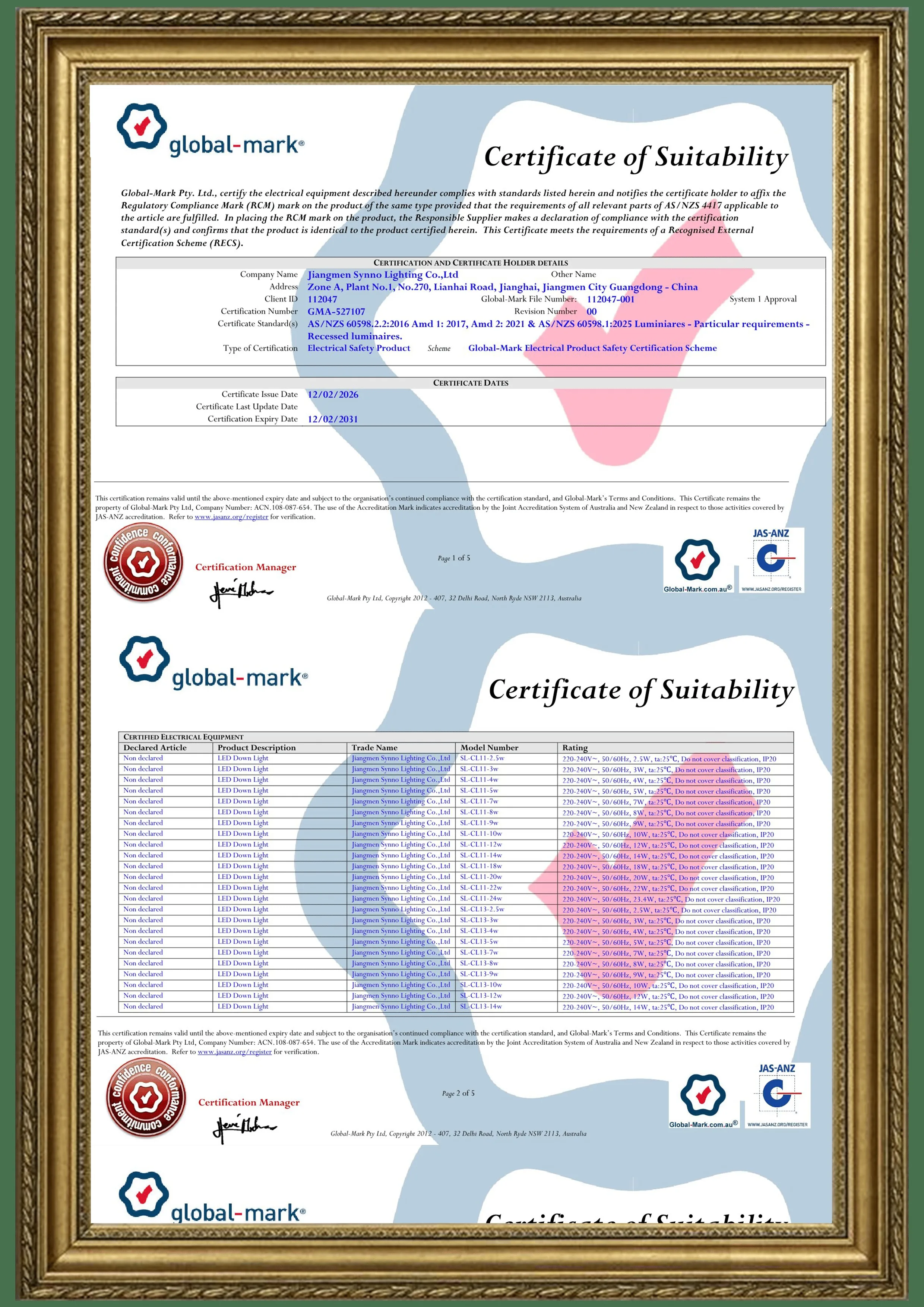
With 15 years of industry-leading manufacturing, Synno Lighting provides more than just fixtures—we provide engineered system solutions. We understand the nuances of dimming curves and the importance of EMC compatibility. Whether your project requires customized LED drivers for DALI-2 integration or specialized 0-10V setups for large-scale logistics centers, our technical team works alongside you to ensure success. Our commitment to quality is backed by rigorous testing in our Jiangmen facility, ensuring every product delivers professional-grade dimming performance every time.
Ready to Elevate Your Lighting Project?
Get professional technical support or a comprehensive Dialux lighting simulation from the experts at Synno Lighting.
Contact Our Technical Team Now