Stainless Steel 316 vs. 304: The Ultimate Guide for Underwater Pool Light Selection (2026 Engineering Standards)
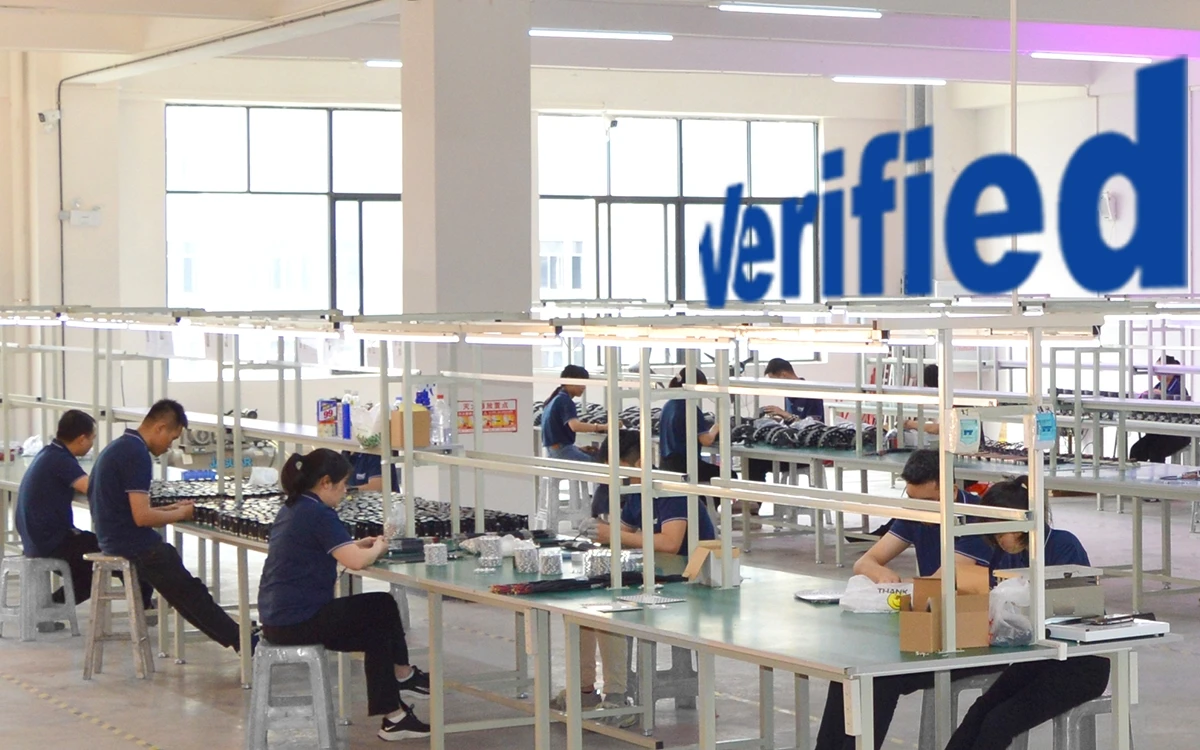
In the world of professional aquatic lighting, "Stainless Steel" is often used as a generic marketing term. However, for a lighting engineer or an architectural contractor, this term is far too broad. Every year, thousands of dollars are wasted replacing corroded underwater fixtures in luxury resorts and municipal parks simply because the wrong grade of steel was specified during the procurement phase — a failure that our 15-year manufacturing team has helped countless clients avoid.
1. The Invisible Battle Under the Waterline
While both 304 and 316 stainless steel appear identical in a showroom, they behave fundamentally differently once submerged. Choosing between them is not just a matter of price—it is a decision that dictates the lifespan, safety, and reputation of your entire lighting project.
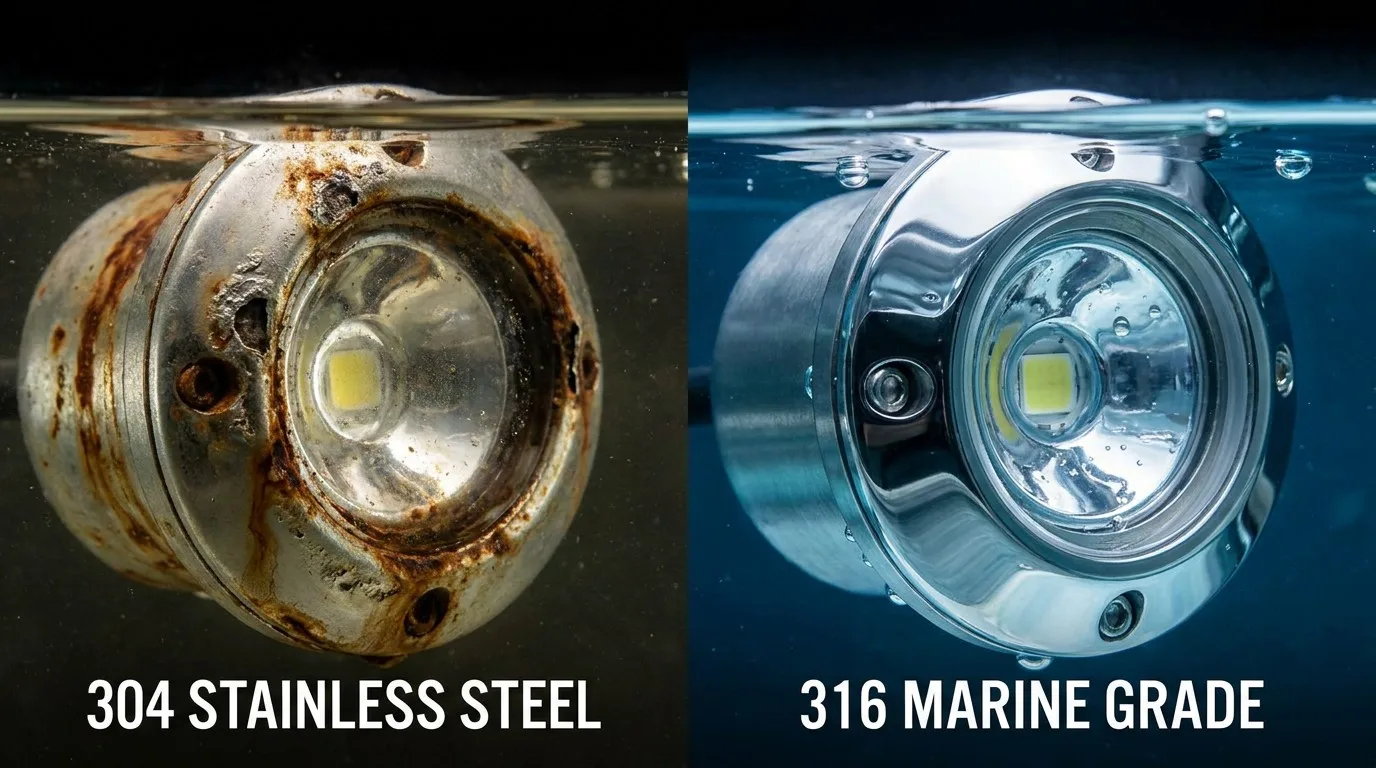
Real-world comparison: 304 (Left) vs. Marine Grade 316 (Right)
2. The Chemical Science: Why 2% Changes Everything
To understand why 316 is superior, we must look at the atomic level. Stainless steel is an alloy of iron, but its magic comes from Chromium, which creates a thin "passive layer" to prevent rust.
- Grade 304 (The General Standard): Contains 18% chromium and 8% nickel. This is the "workhorse" of the industry, perfect for indoor downlights or kitchen equipment.
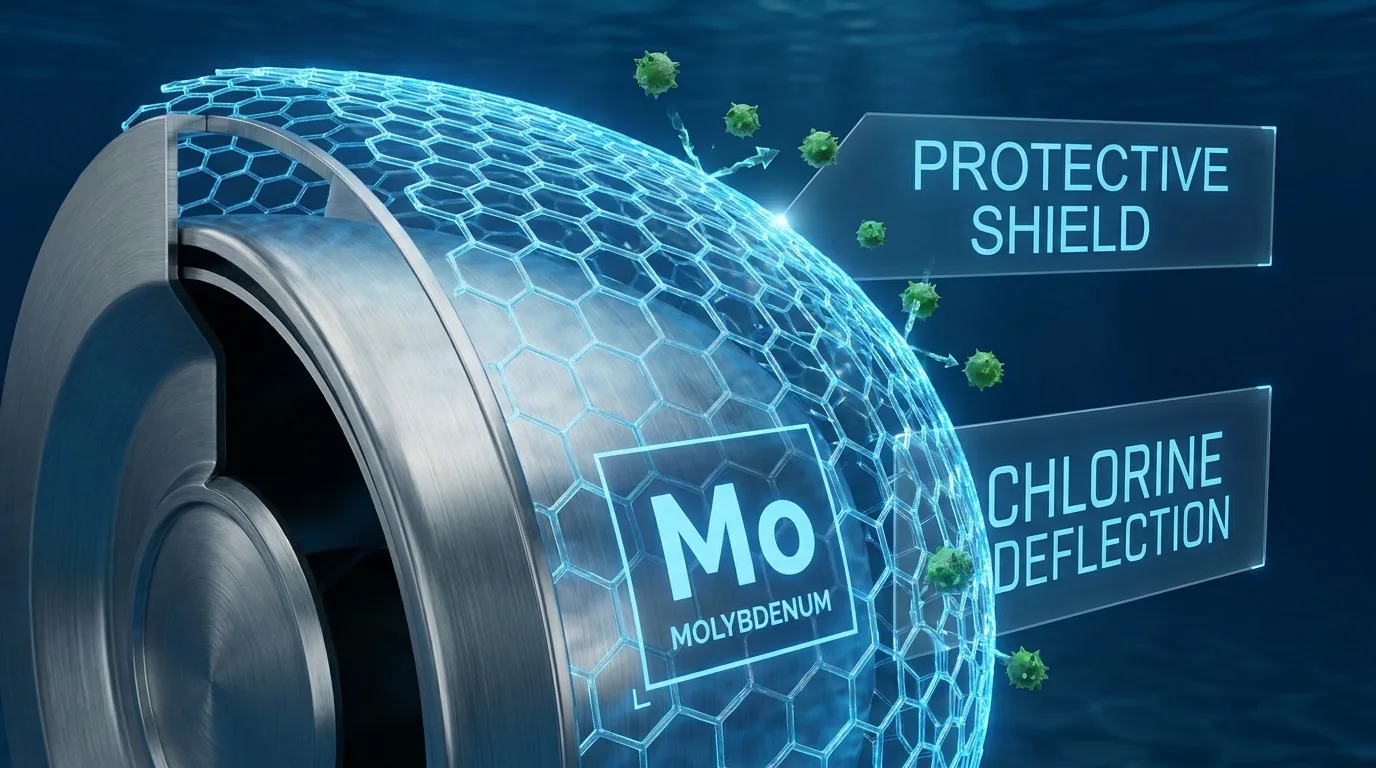
- Grade 316 (The Marine Standard): Contains 16% chromium, 10% nickel, and a crucial 2.0% to 3.0% Molybdenum.
The Molybdenum Factor: This small addition significantly increases the steel's resistance to pitting and crevice corrosion. In swimming pools, where chloride ions (from chlorine or salt) constantly attack the metal surface, Molybdenum acts as a chemical shield. For a deeper dive into how material selection impacts long-term waterproofing integrity, see our guide on Galvanic Corrosion and 316-grade fastener selection.
3. Technical Performance Comparison
| Technical Specification | 304 Grade | 316 Grade (Synno Standard) |
|---|---|---|
| Material Composition | 18/8 (Cr/Ni) | 16/10/2 (Cr/Ni/Mo) |
| Corrosion Resistance | Moderate | Superior (Marine Grade) |
| Saltwater Suitability | Poor (Rusts quickly) | Excellent |
| Resistance to Chlorides | Low | High |
| Engineering ROI | Short-term saving | Long-term investment |
4. The PREN Value: An Engineer's Secret Metric
If you want to evaluate material quality professionally, use the PREN (Pitting Resistance Equivalent Number) formula:
- Grade 304 typically has a PREN value of 18.0 - 20.0.
- Grade 316 has a PREN value of 23.0 - 26.0.
For any project involving constant immersion in chemically treated water, a PREN value above 23 is the safety threshold. This is why 316 is the standard for professional IP68 LED Underwater Lights — a specification detailed in our structural waterproofing engineering guide.
5. Contractor's Choice: Solving Real-World Project Challenges
For lighting contractors and project managers, the choice of material is directly linked to project liability and client satisfaction. Consider this typical scenario:
Scenario: The Luxury Villa Waterfront Project
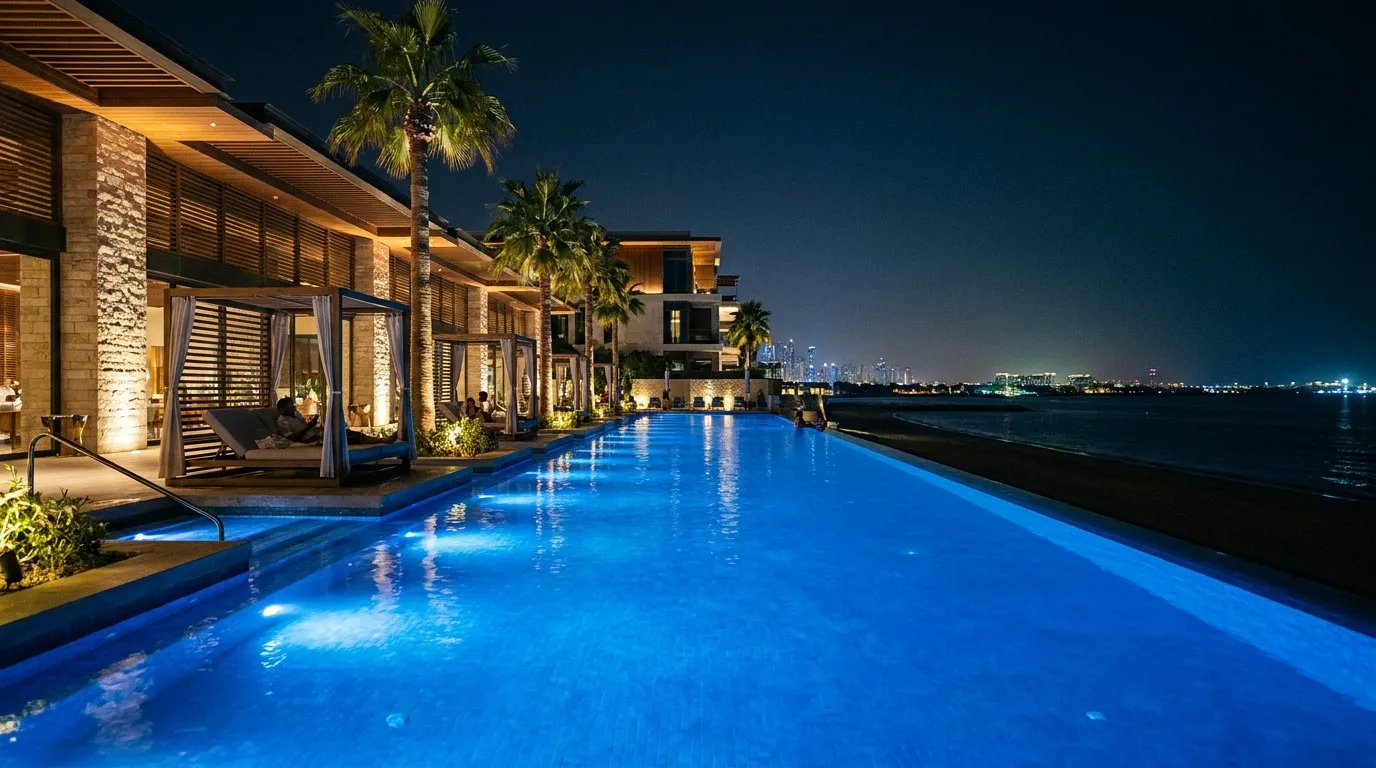
A contractor in the UAE installed 50 submerged spotlights in a saltwater infinity pool using 304 stainless steel to save costs. Within 8 months, the client complained of "tea-staining" and visible rust. The contractor had to drain the pool, pay for labor divers, and replace all 50 units with 316 Grade steel—wiping out their entire project profit.
The Synno Solution: By using our 316 Marine-Grade fixtures from day one, you ensure a "Set-and-Forget" installation that protects your professional reputation.
6. Synno's Manufacturing Standard: Passivation Process
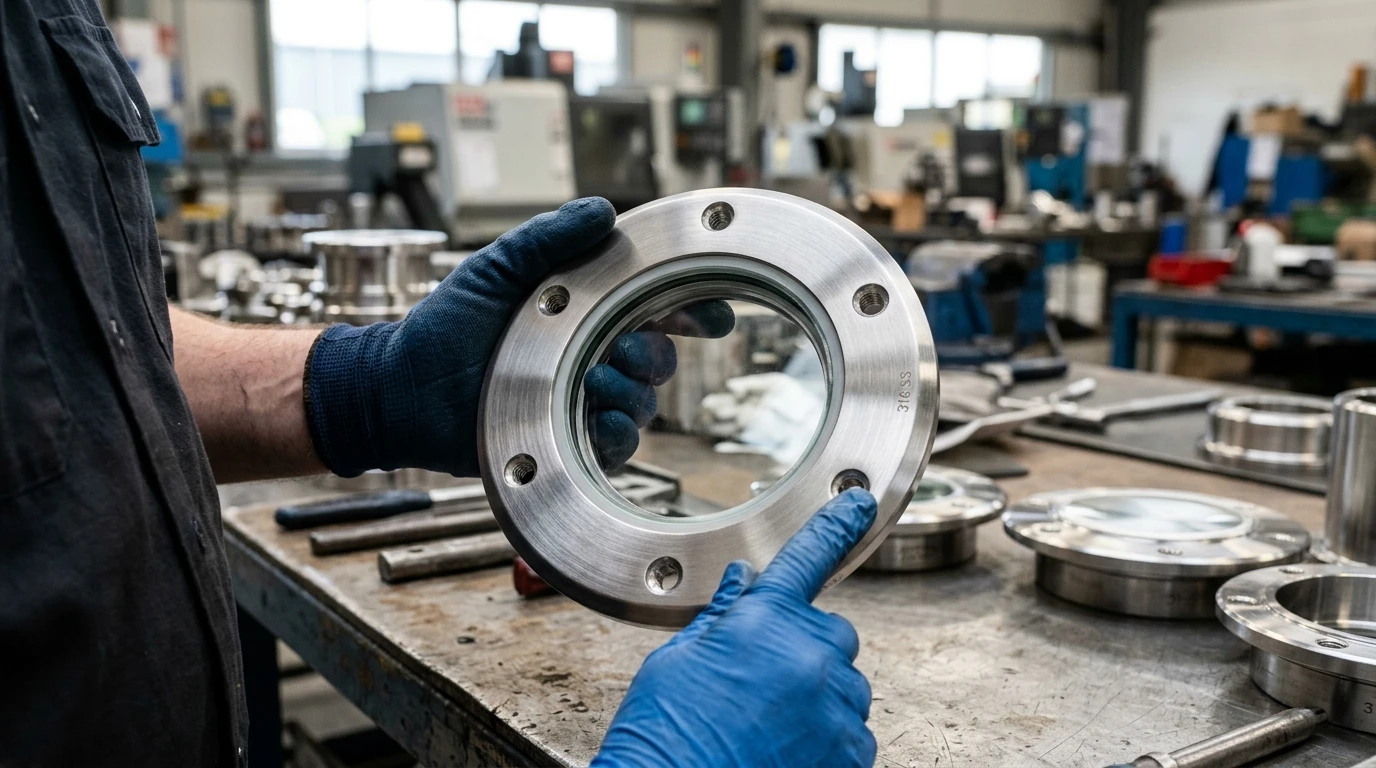
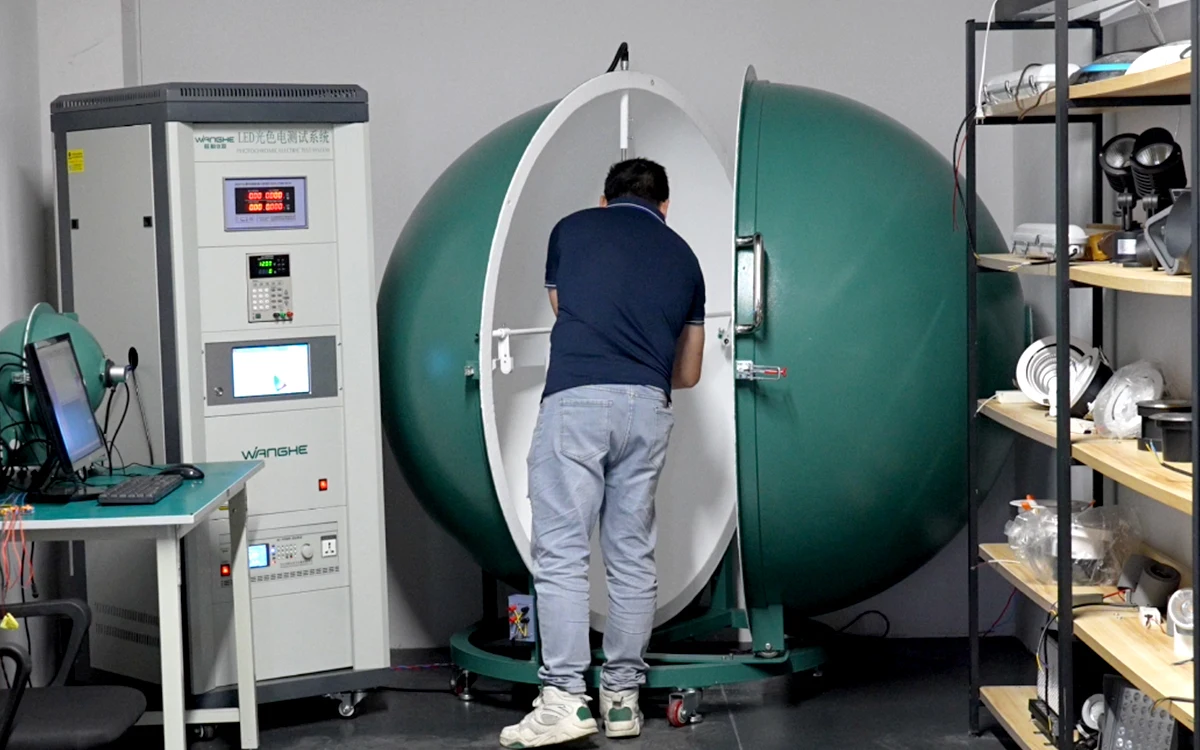
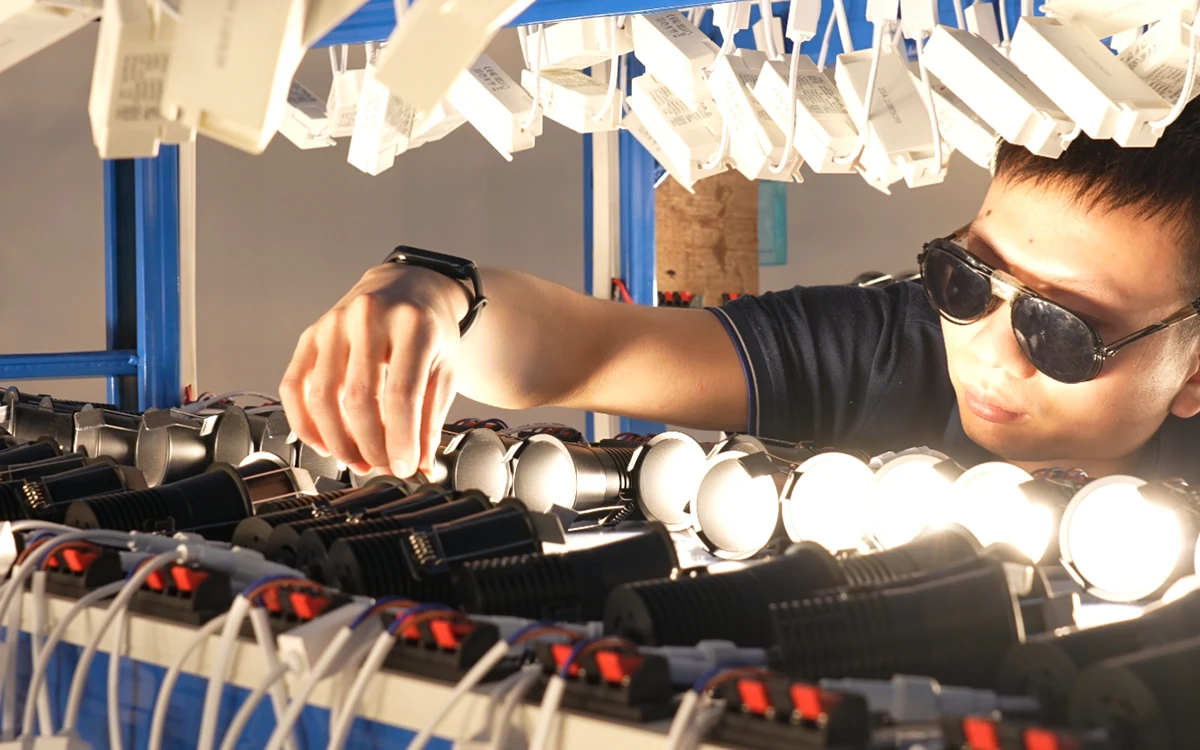
Manual Surface Integrity Check
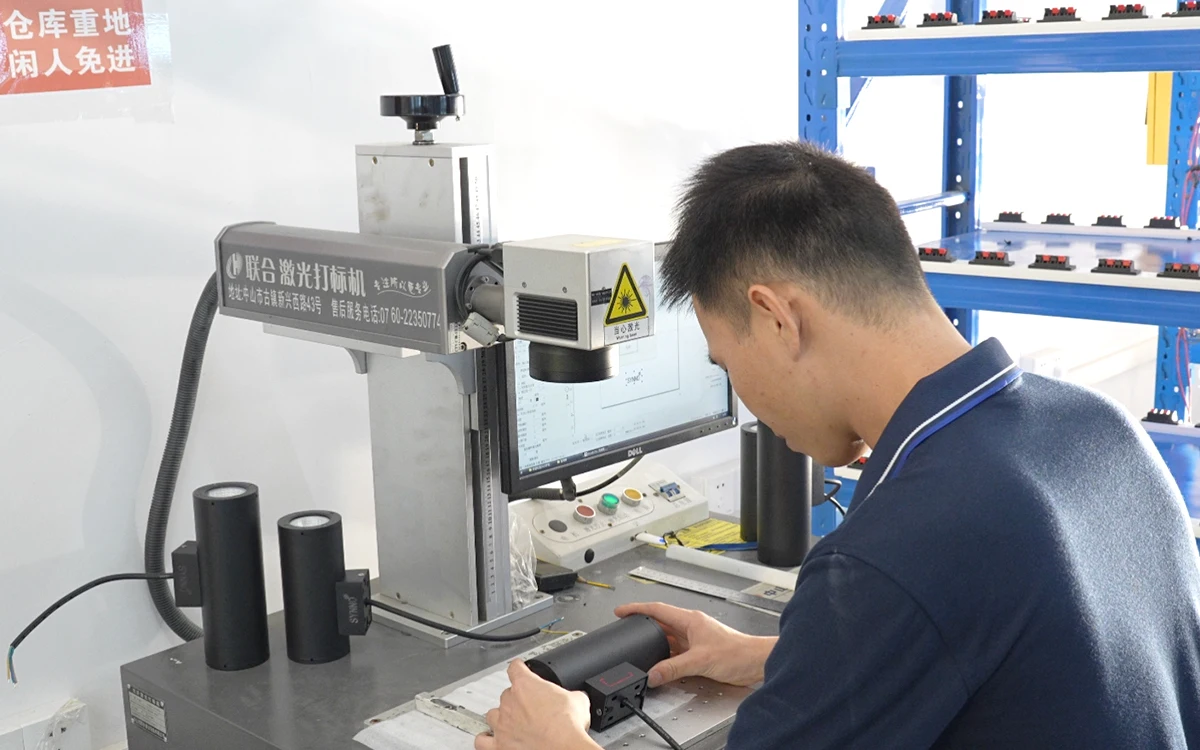
At Jiangmen Synno Lighting, we don't just use 316 raw materials; we enhance them. Every 316 stainless steel face cover for our LED Fountain Lights and submersibles undergoes a Passivation Treatment.
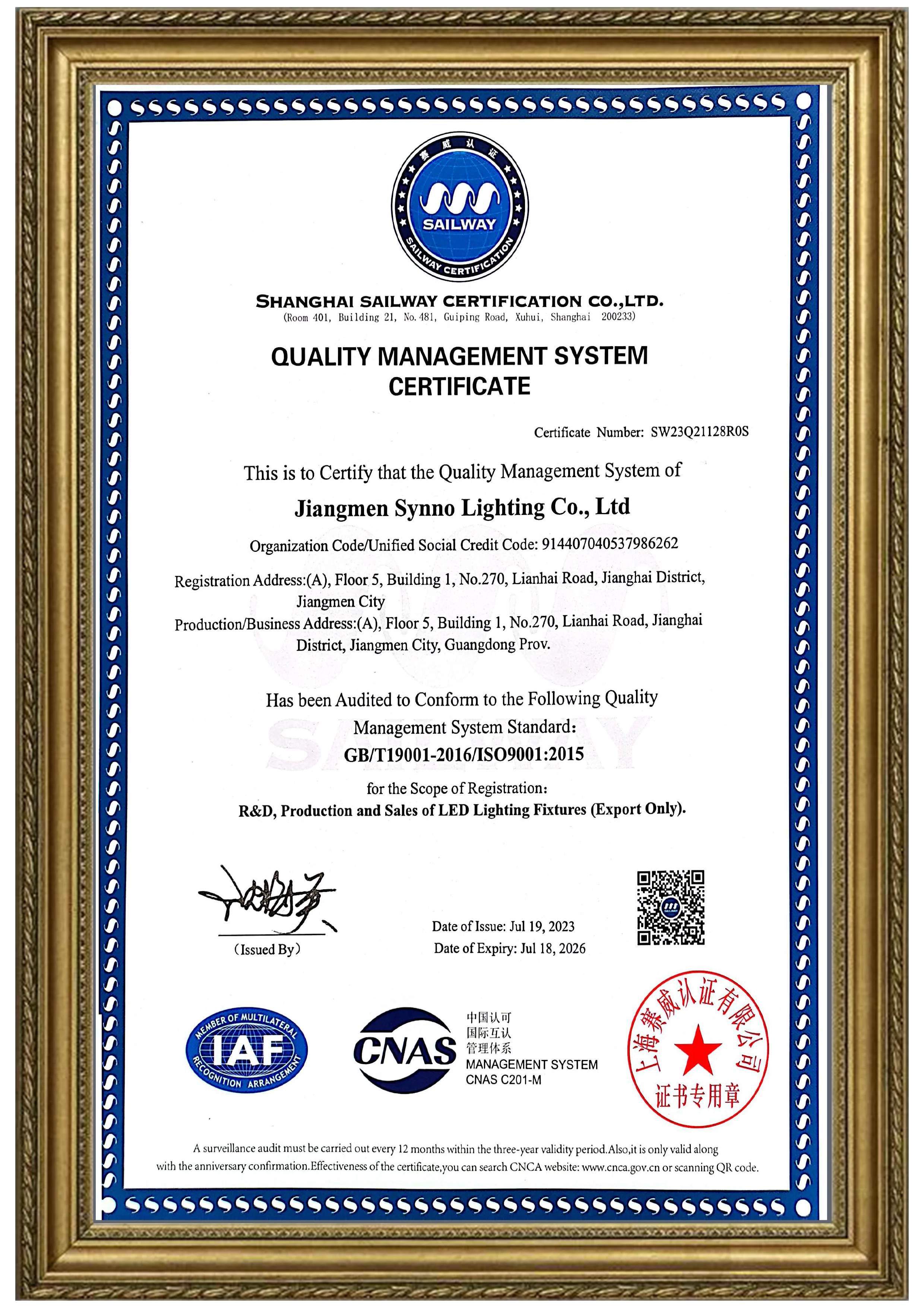
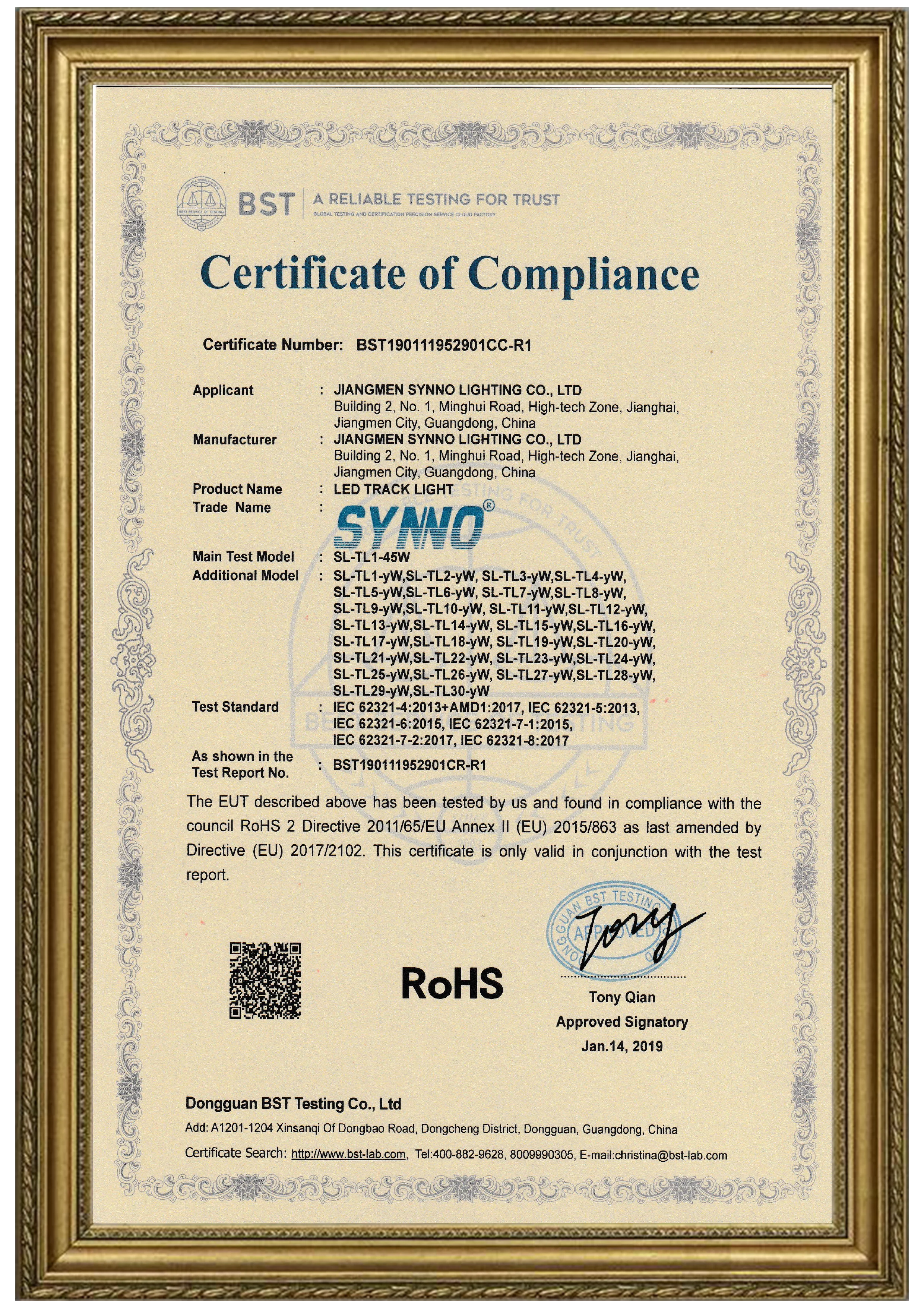
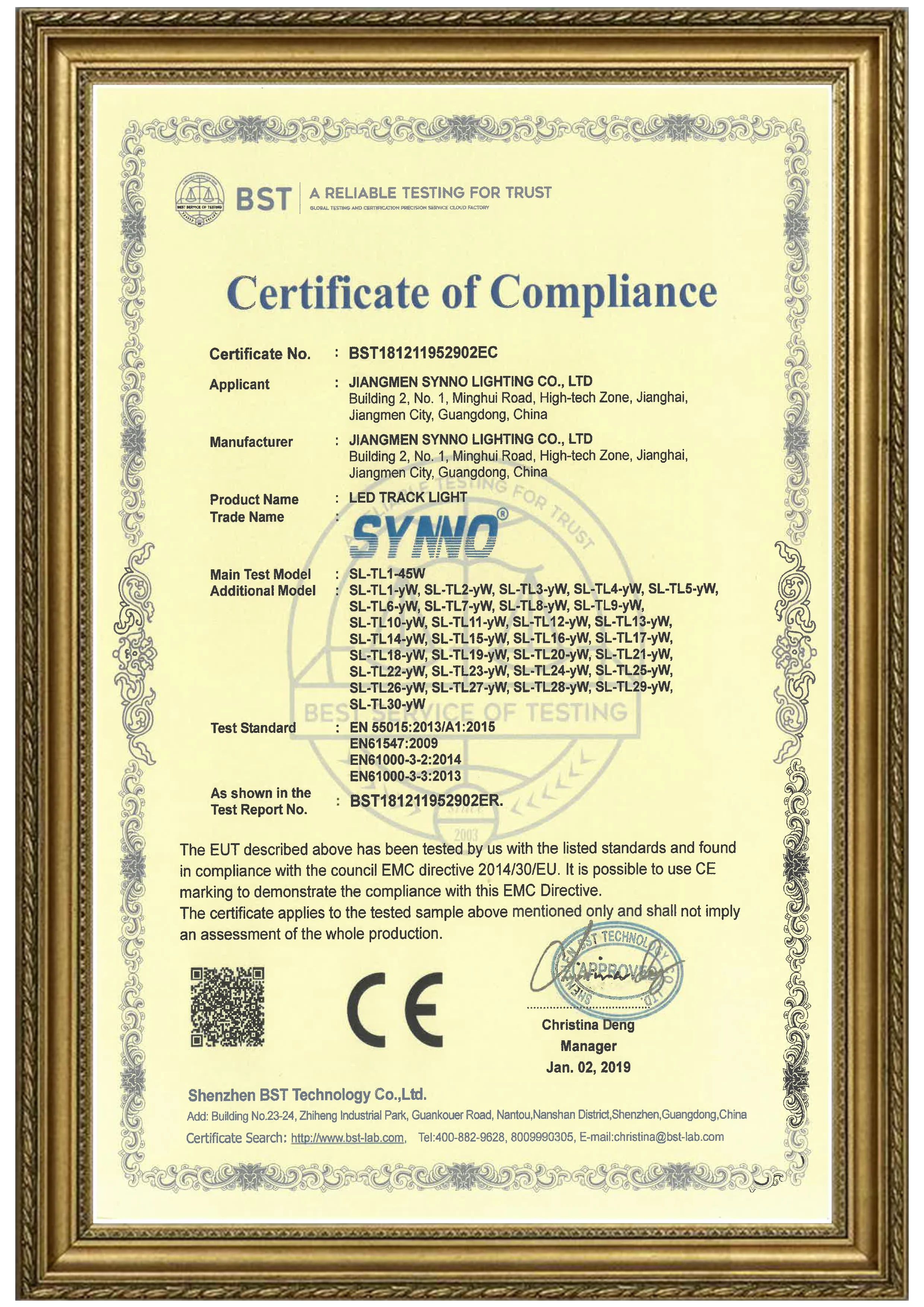
This process removes free iron from the surface and maximizes the protective chromium oxide layer. This extra step in our factory is why Synno products can confidently offer a stable 2-year warranty for swimming pool environments, ensuring peace of mind for both contractors and end-users.
7. Frequently Asked Questions (FAQ)
Q: Is 316 stainless steel "rust-proof"?
A: No metal is 100% rust-proof, but 316 is "highly corrosion-resistant." With proper maintenance and correct pool chemistry, it remains aesthetically perfect for years.
Q: Does Synno provide material certification (MTR)?
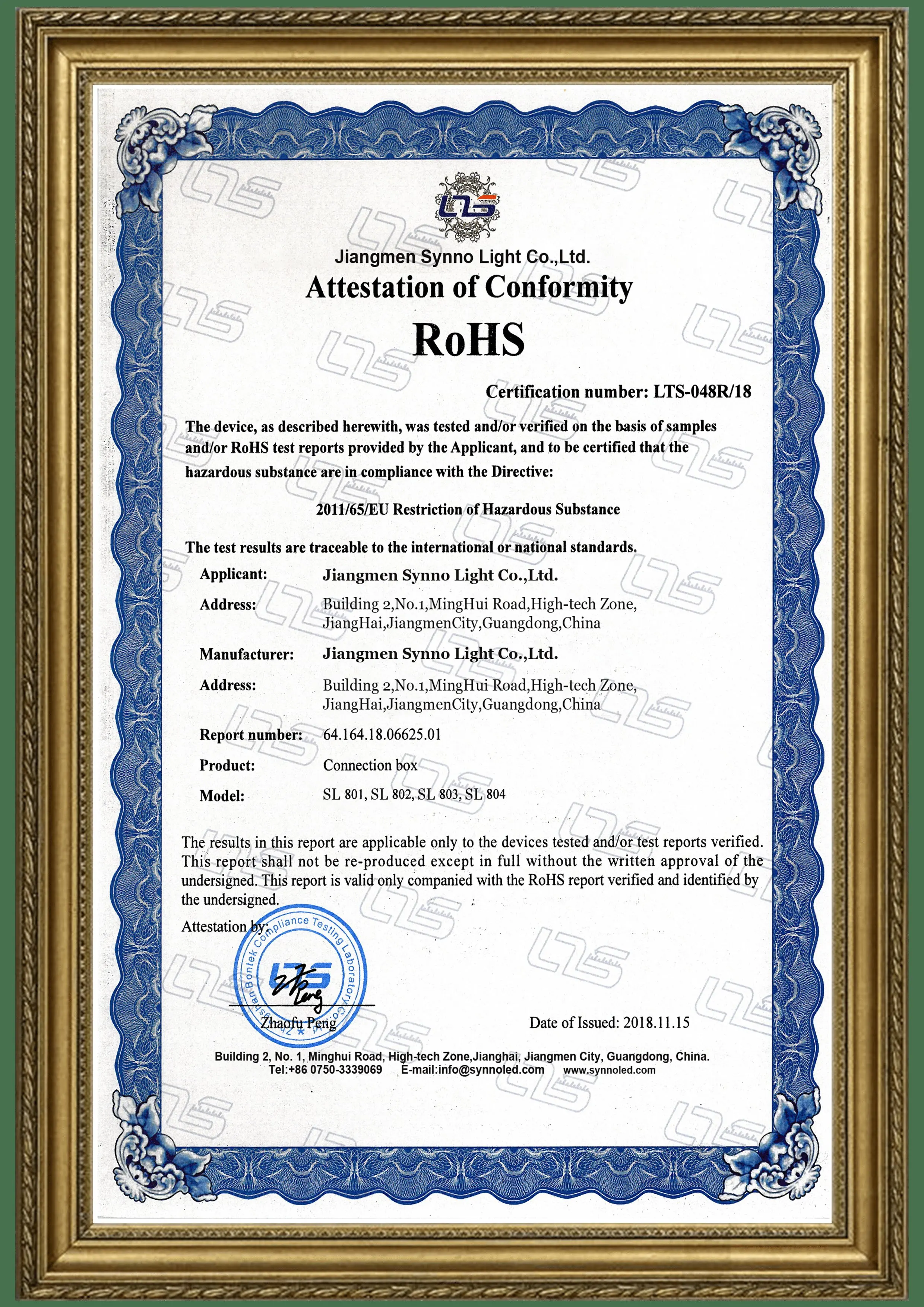
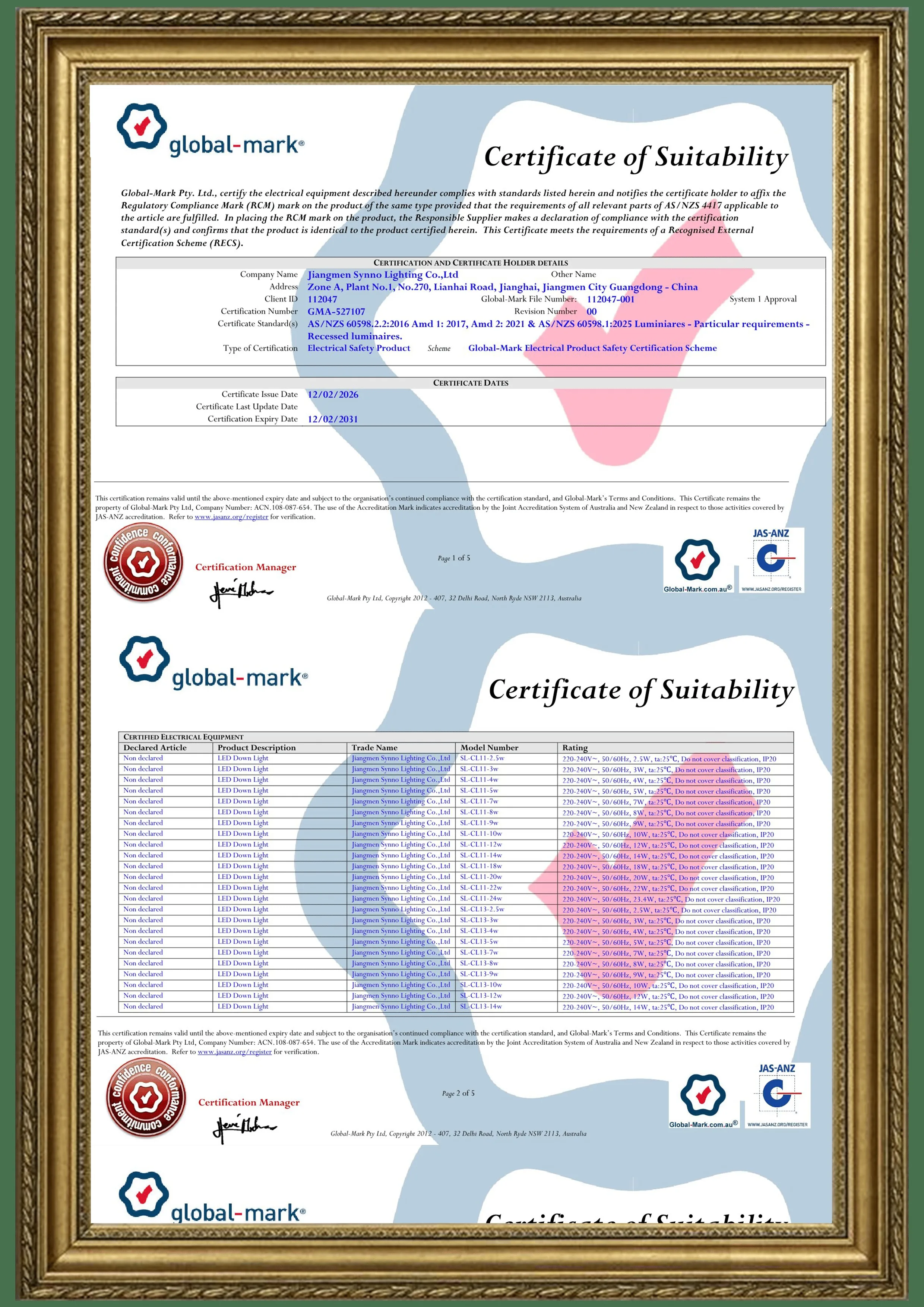
A: Yes. For bulk project orders, we provide Mill Test Reports to verify the exact chemical percentage of Chromium, Nickel, and Molybdenum in our batches.
Conclusion: Don't Compromise on What's Beneath the Surface
In architectural lighting, the things you can't see—like the 2% Molybdenum in a steel alloy—are often the things that matter most. Investing in 316 Stainless Steel LED pool lights is the difference between a project that requires constant maintenance and one that stands as a lasting monument to your engineering standards.
Ready for a High-Performance Project Quote?
Synno Lighting supports project partners with full technical documentation and Free 3D Dialux Simulations.
Request Your Wholesale Quote NowRelated Products — 316 Stainless Steel Series
316 marine-grade — 2-year warranty
IP68 submersible — PREN 23+ standard
Passivation-treated 316 face covers
Continue Reading — Related Technical Guides
- Structural Waterproofing vs. Resin Filling — Galvanic corrosion, 316 fasteners & IP integrity
- Dimming Solutions for Commercial Lighting — DALI-2, 0-10V & Casambi for pool lighting control
- Engineering Tree Ring Lighting — Outdoor durability & anti-corrosion matte finishes