What Is the Difference Between Trimless Spotlight and Trim Spotlight?
When selecting recessed lighting for modern interiors, one of the most common design decisions is choosing between a trimless spotlight and a trim spotlight. Both are widely used in residential, commercial, hospitality, and retail lighting projects, but they differ significantly in appearance, installation method, application, and architectural effect.
Understanding these differences is important for architects, interior designers, contractors, and lighting distributors because the choice directly affects:
- Ceiling aesthetics
- Installation complexity
- Lighting integration
- Maintenance accessibility
- Project cost
This guide explains the key differences between trimless and trim spotlights in detail, helping you determine which option is better for your project.
1. What Is a Trim Spotlight?
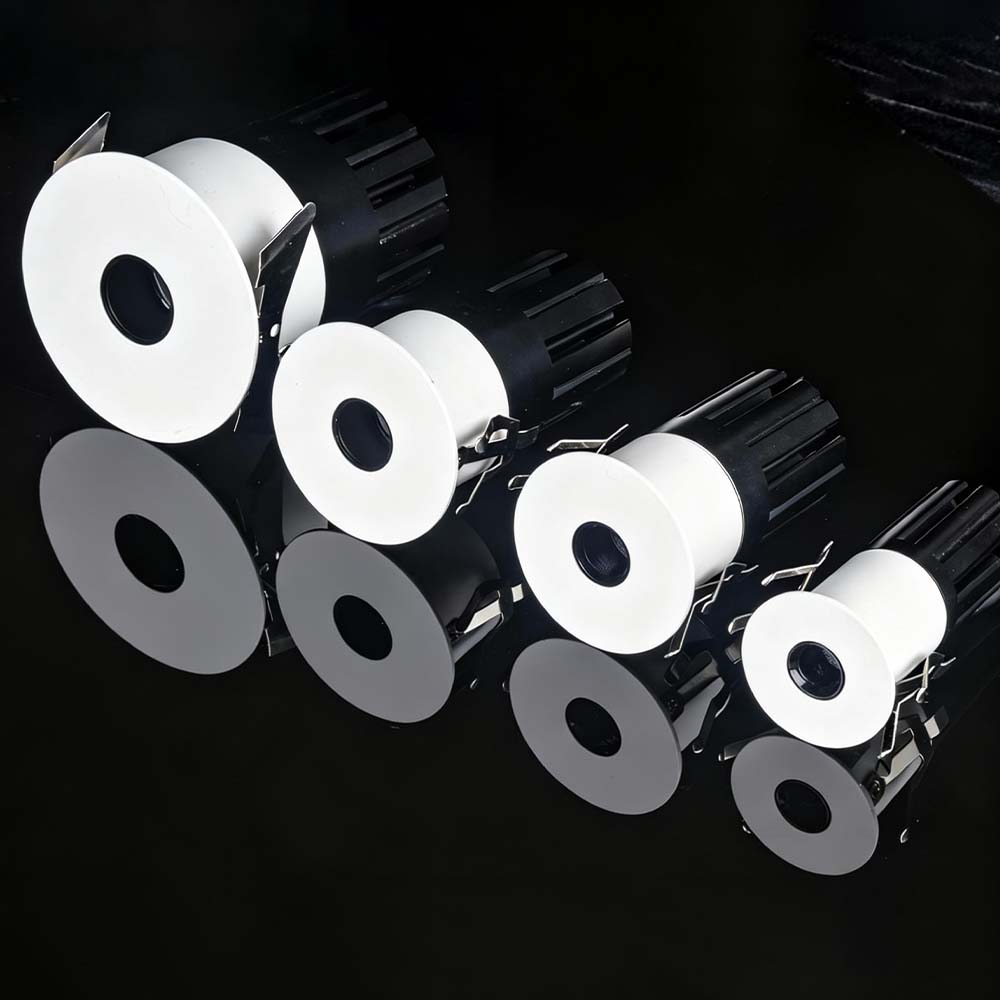
A trim spotlight (also called a recessed spotlight with bezel or flange) includes a visible outer frame around the fixture opening.
The trim:
- Covers the cut-out edge in the ceiling
- Provides a finished appearance
- Hides installation imperfections
This is the most traditional and widely used recessed spotlight design.
Key Characteristics of Trim Spotlights
- Visible outer ring or bezel
- Easier installation
- Lower installation cost
- Simple replacement and maintenance
- Compatible with most ceilings
Trim spotlights are commonly used in:
- Residential homes
- Offices
- Retail stores
- Hotels
- Commercial projects
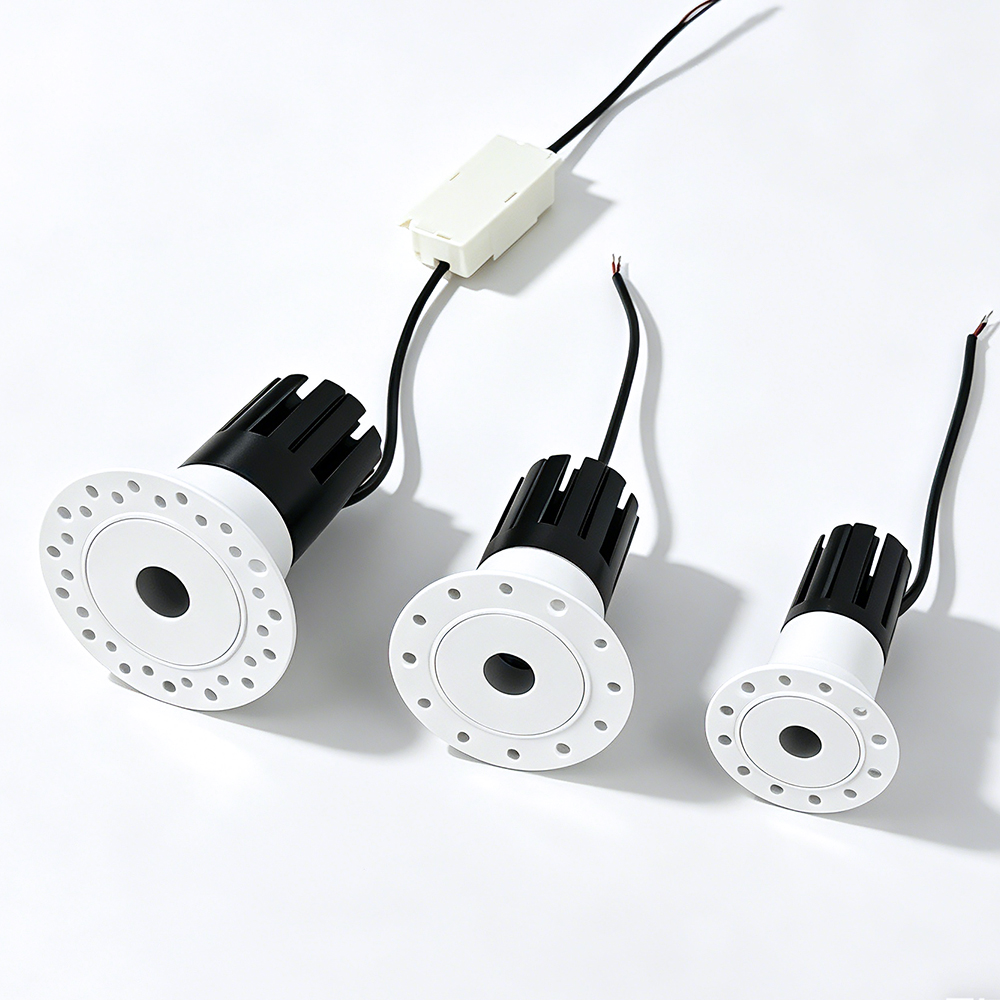
2. What Is a Trimless Spotlight?
A trimless spotlight is designed to integrate seamlessly into the ceiling without a visible frame or bezel.
After installation and plaster finishing:
- Only the light opening remains visible
- The fixture blends into the ceiling surface
- A minimalist architectural appearance is created
Trimless spotlights are popular in:
- Luxury residences
- High-end hotels
- Art galleries
- Modern architectural spaces
Key Characteristics of Trimless Spotlights
- No visible trim or bezel
- Seamless ceiling integration
- Minimalist appearance
- Requires plastering work
- More complex installation
Trimless lighting emphasizes architectural simplicity and clean ceiling lines.
3. Main Visual Difference
Trim Spotlight
- Visible border around fixture
- Fixture clearly identifiable
Trimless Spotlight
- Hidden frame
- Flush ceiling appearance
- “Invisible lighting” effect
The visual difference is the most important factor for designers.
4. Installation Method Comparison
Trim Spotlight Installation
Easier Process:- Cut ceiling hole
- Connect wiring
- Insert fixture
- Secure with spring clips
The trim covers small cutting inaccuracies.
Trimless Spotlight Installation
More Complex Process:
- Install mounting frame before plasterboard finishing
- Integrate frame into ceiling structure
- Apply plaster and paint
- Install light module after finishing
Trimless systems require:
- Precise ceiling work
- Coordination with interior finishing
5. Ceiling Requirements
| Feature | Trim Spotlight | Trimless Spotlight |
|---|---|---|
| Ceiling Compatibility | Standard ceilings | Plasterboard ceilings preferred |
| Installation Flexibility | High | Lower |
| Renovation Suitability | Excellent | Limited |
Trimless spotlights are easier to implement in new construction projects rather than renovations.
6. Aesthetic Style Comparison
Trim Spotlight Style
- Functional and practical
- Slightly more traditional
- Industrial or commercial appearance possible
Trimless Spotlight Style
- Luxury minimalist design
- Modern architectural aesthetics
- Clean ceiling surface
Trimless lighting is often associated with:
- Contemporary architecture
- Premium interior design
7. Maintenance and Accessibility
Trim Spotlight
Advantages:
- Easier to remove and replace
- Faster maintenance
- More installer-friendly
Trimless Spotlight
Challenges:
- Requires careful handling during maintenance
- Ceiling damage possible if improperly removed
Maintenance accessibility is an important consideration for large projects.
8. Cost Comparison
| Factor | Trim Spotlight | Trimless Spotlight |
|---|---|---|
| Fixture Cost | Lower | Higher |
| Installation Cost | Lower | Higher |
| Labor Complexity | Simple | Advanced |
| Ceiling Finishing Cost | Minimal | Higher |
Trimless systems usually involve:
- Additional plastering work
- More installation time
- Higher labor costs
9. Lighting Performance Difference
In most cases:
- Light output is similar
- Beam angle options are similar
- LED technology is similar
The difference is primarily architectural rather than optical.
However:
- Deep recessed trimless fixtures often provide better glare control.
10. Glare Control Comparison
Trimless Spotlights
Often designed with:
- Deep anti-glare structure
- Recessed light source
- Better visual comfort
Trim Spotlights
May expose more of the light source depending on design.
High-quality trim spotlights can still achieve excellent glare control.
11. Application Scenarios
Best Applications for Trim Spotlights
- Residential apartments
- Offices
- Retail stores
- Budget-conscious projects
- Renovation projects
Best Applications for Trimless Spotlights
- Luxury villas
- Boutique hotels
- Museums
- Art galleries
- High-end commercial interiors
12. Which Is Better for Modern Interior Design?
For minimalist interiors:
- Trimless spotlights are generally preferred.
For practical and cost-effective installations:
- Trim spotlights are often the better choice.
13. Installation Timeline Considerations
Trim Spotlight
- Faster installation
- Ideal for retrofit projects
Trimless Spotlight
- Requires coordination before ceiling finishing
- Longer project timeline
Planning is critical for trimless systems.
14. Structural Depth Requirements
Trimless fixtures may require:
- Deeper ceiling cavities
- Additional mounting space
This can affect:
- HVAC coordination
- Ceiling structure planning
15. Durability and Long-Term Performance
Both types can achieve:
- 30,000–50,000 hour lifespan
- High energy efficiency
- Excellent lighting quality
Performance depends more on:
- LED chip quality
- Driver reliability
- Heat dissipation
rather than trim style itself.
16. Common Mistakes to Avoid
With Trimless Spotlights:
❌ Poor plaster finishing
❌ Incorrect frame alignment
❌ Insufficient ceiling depth
With Trim Spotlights:
❌ Visible uneven ceiling cuts
❌ Oversized trims ruining aesthetics
17. Professional Recommendation
Choose Trim Spotlights If:
- You want easier installation
- Budget is important
- You need simple maintenance
- The project is a renovation
Choose Trimless Spotlights If:
- Architectural aesthetics are the priority
- You want a seamless ceiling appearance
- The project is luxury or premium-grade
- You have experienced installers
18. Future Trend in Recessed Lighting
Modern architecture increasingly favors:
- Minimalist lighting
- Hidden fixtures
- Seamless ceiling integration
This is driving strong growth in trimless spotlight demand worldwide.
Conclusion
The main difference between trimless spotlights and trim spotlights lies in their architectural appearance and installation method.
- Trim spotlights are practical, versatile, and cost-effective.
- Trimless spotlights provide a premium, minimalist, and seamless visual effect.
Neither option is universally “better.” The right choice depends on:
- Design style
- Budget
- Installation conditions
- Maintenance requirements
For modern architectural spaces seeking a clean and sophisticated aesthetic, trimless spotlights are increasingly becoming the preferred solution. Meanwhile, trim spotlights remain a highly reliable and practical option for a wide range of commercial and residential applications.