2026 LED Underground Light Buying Guide for Distributors
Introduction
LED underground lights (also known as inground lights, in-floor lights, or recessed ground lights) are essential products in landscape, architectural, and commercial outdoor lighting projects.
For distributors, selecting the right underground lighting supplier and product range is critical to reducing after-sales issues, improving project success rates, and increasing long-term customer loyalty.
This guide explains what distributors must evaluate before purchasing LED underground lights in bulk, from technical specifications to supplier selection and market strategy.
1. Understanding the LED Underground Light Market
Distributors typically serve:
- Landscape contractors
- Real estate developers
- Municipal projects
- Commercial buildings
- Hotels and resorts
- Villas and high-end residential projects
Each segment has different requirements for:
- Load-bearing capacity
- Waterproof rating
- Light distribution
- Installation method
- Warranty expectations
Distributor strategy: stock a modular, standardized product range that fits multiple applications while minimizing SKUs.
2. Key Product Types Distributors Should Stock
2.1 Round LED Underground Lights
- Most popular SKU
- Easy replacement
- Wide application range
- Ideal for stocking large quantities
2.2 Square LED Underground Lights
- Modern architectural look
- Popular in commercial projects
- Higher unit value, better margins
2.3 Adjustable Underground Lights
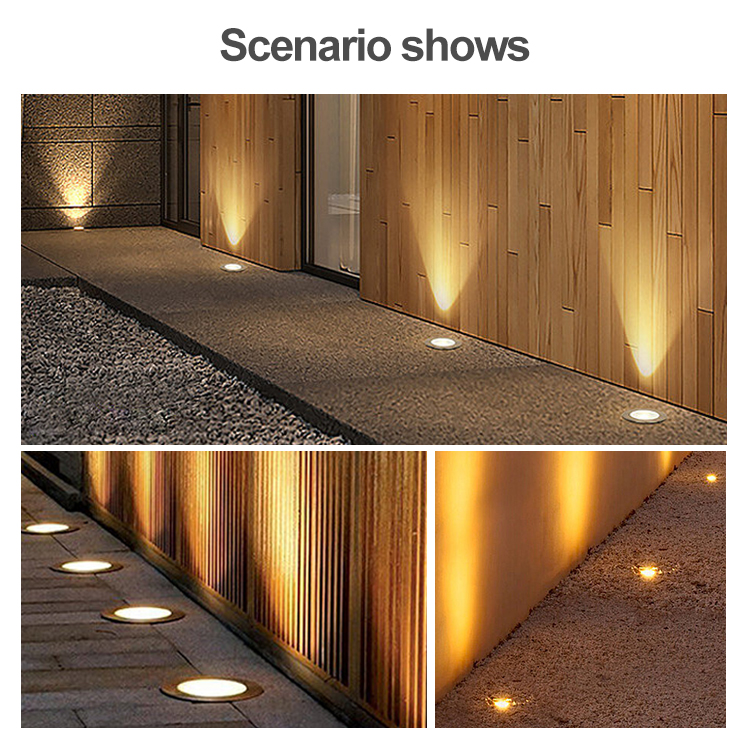
- Used for wall washing and uplighting
- Higher technical value
- Preferred by designers
2.4 Drive-Over Underground Lights
- High load-bearing
- Used in driveways, parking areas
- Requires strict quality control
3. Technical Specifications Distributors Must Understand
3.1 Waterproof & Drainage Design
Minimum recommendation:
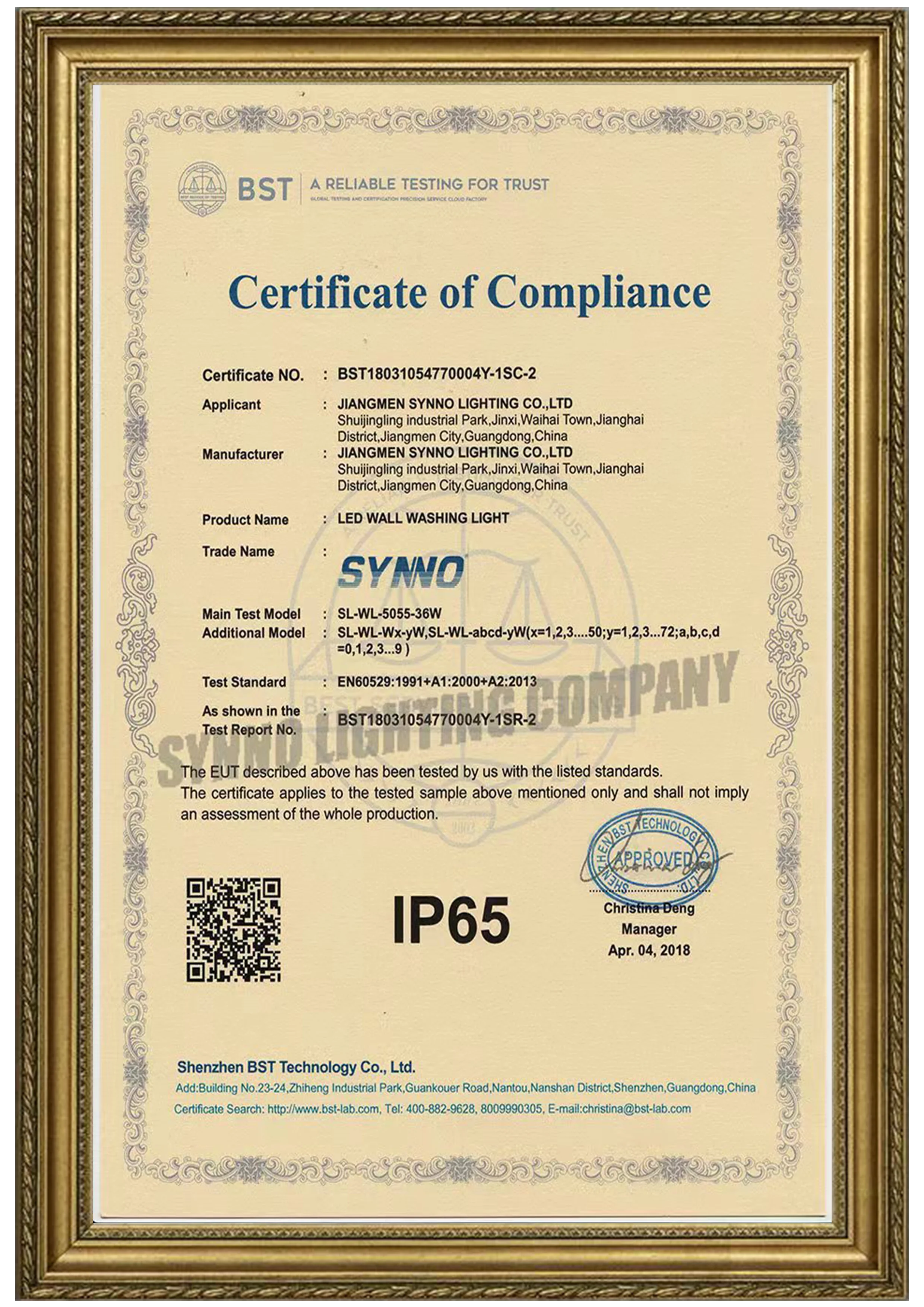
- IP67 for general outdoor use
- IP68 for areas with water accumulation
Key details:
- Silicone sealing rings
- Resin-filled drivers
- Pressure-balanced design
- Proper drainage structure
3.2 Load-Bearing Capacity
Important for drive-over models:
- Static load ≥ 2000 kg
- Thick tempered glass (8–12 mm)
- Stainless steel 304 / 316 bezel
- Reinforced housing
3.3 LED Light Source Selection
- COB for uniform, concentrated beams
- SMD for wider beam angles
- Narrow beam (10–15°) for columns and trees
- Wide beam (30–60°) for walls and façades
3.4 Driver & Electrical Safety
Distributors should prioritize:
- Isolated drivers
- Surge protection ≥ 2–4 kV
- Over-temperature protection
- Flicker-free output
- Waterproof connectors
3.5 Materials & Corrosion Resistance
- Aluminum housing with anti-corrosion coating
- Stainless steel 316 for coastal projects
- Brass for high-end projects
- Anti-UV tempered glass
4. Installation Considerations (Critical for After-Sales Reduction)
Common failure reasons are installation-related, not product-related.
Distributors should supply:
- Installation manual
- Drainage gravel requirement
- Wiring protection tube instructions
- Correct cable gland use
- Concrete box recommendations
Tip: offering installation guidance reduces warranty claims by over 30%.
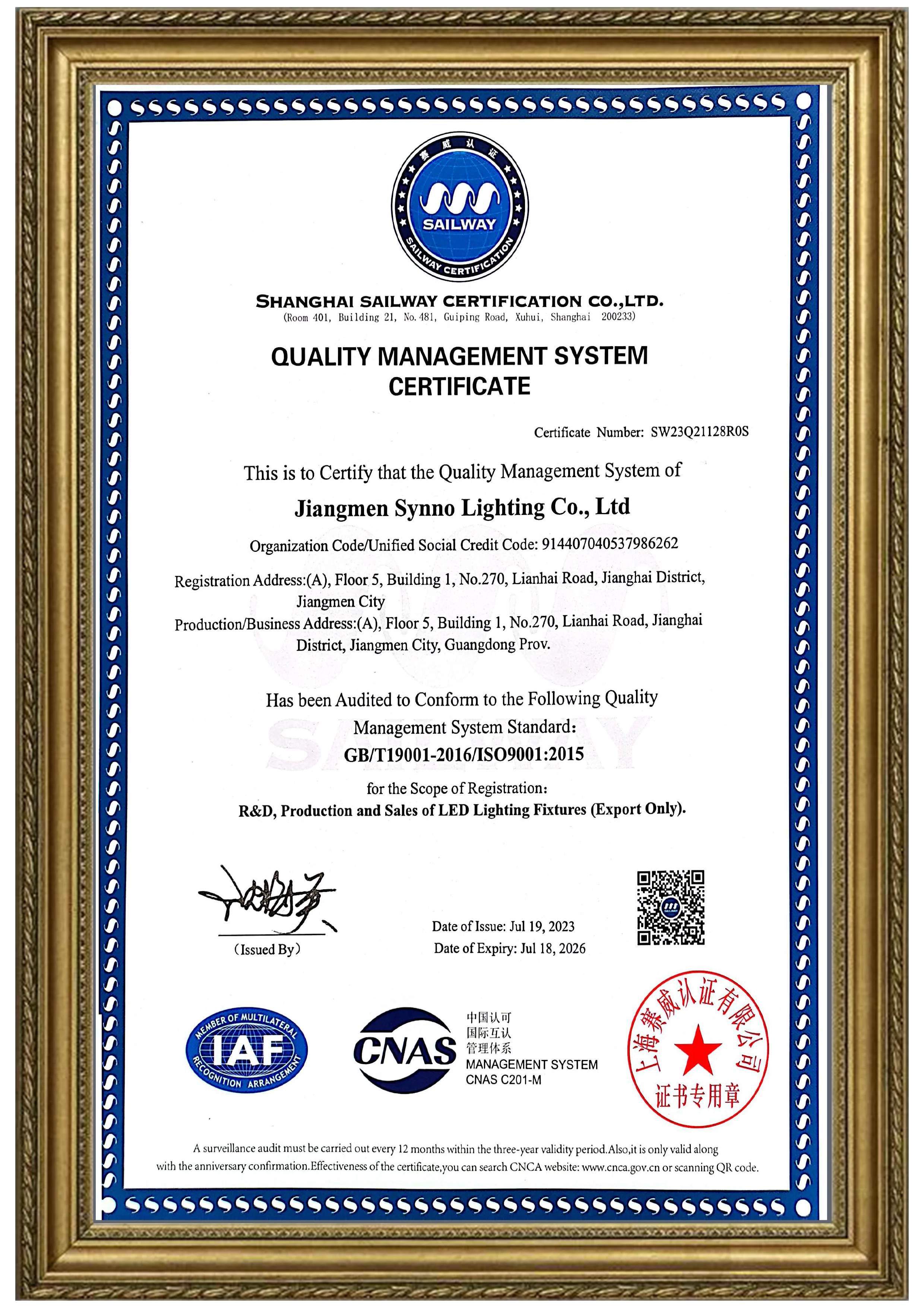
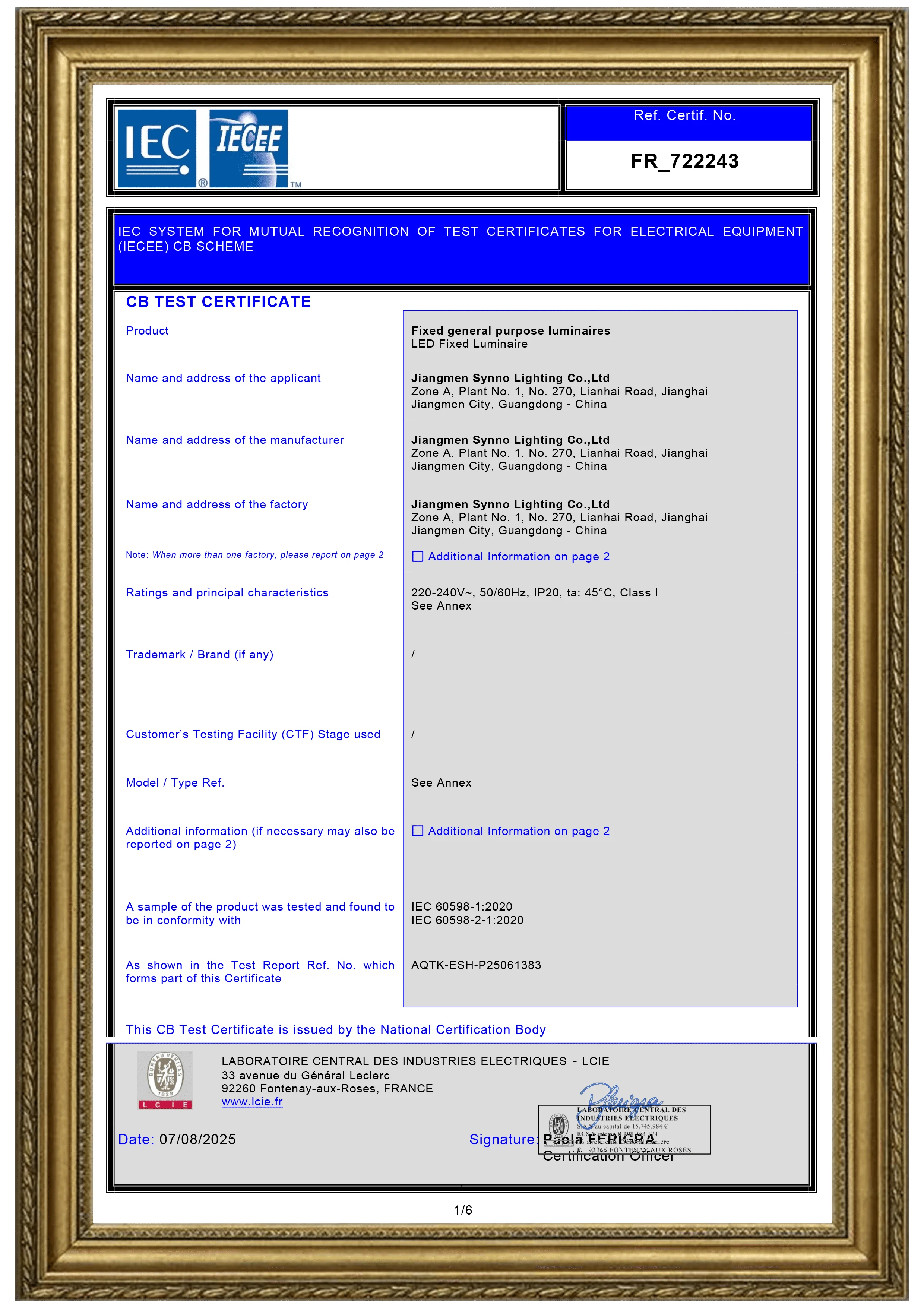
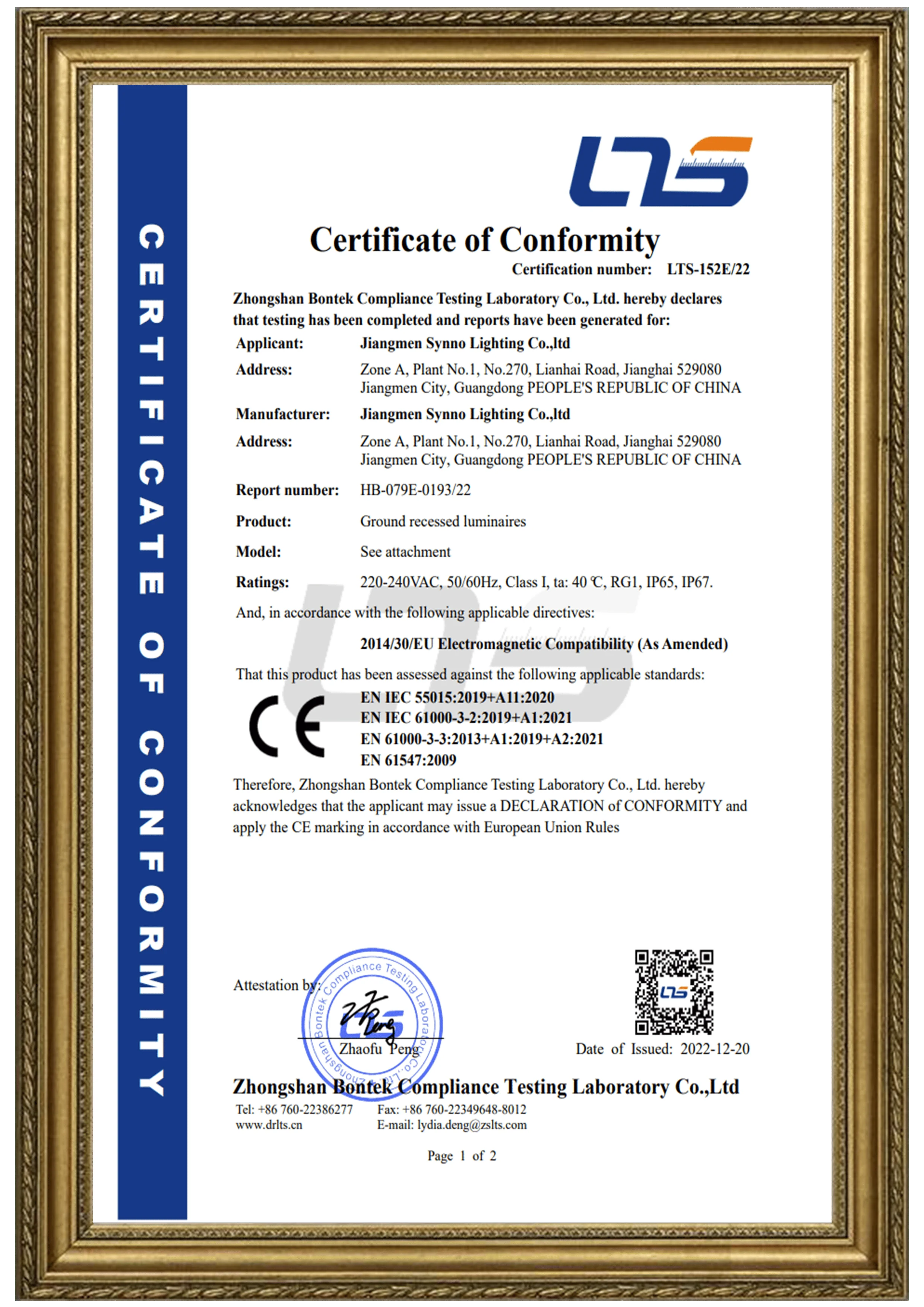
5. Certifications Distributors Must Check Before Import
Recommended minimum:
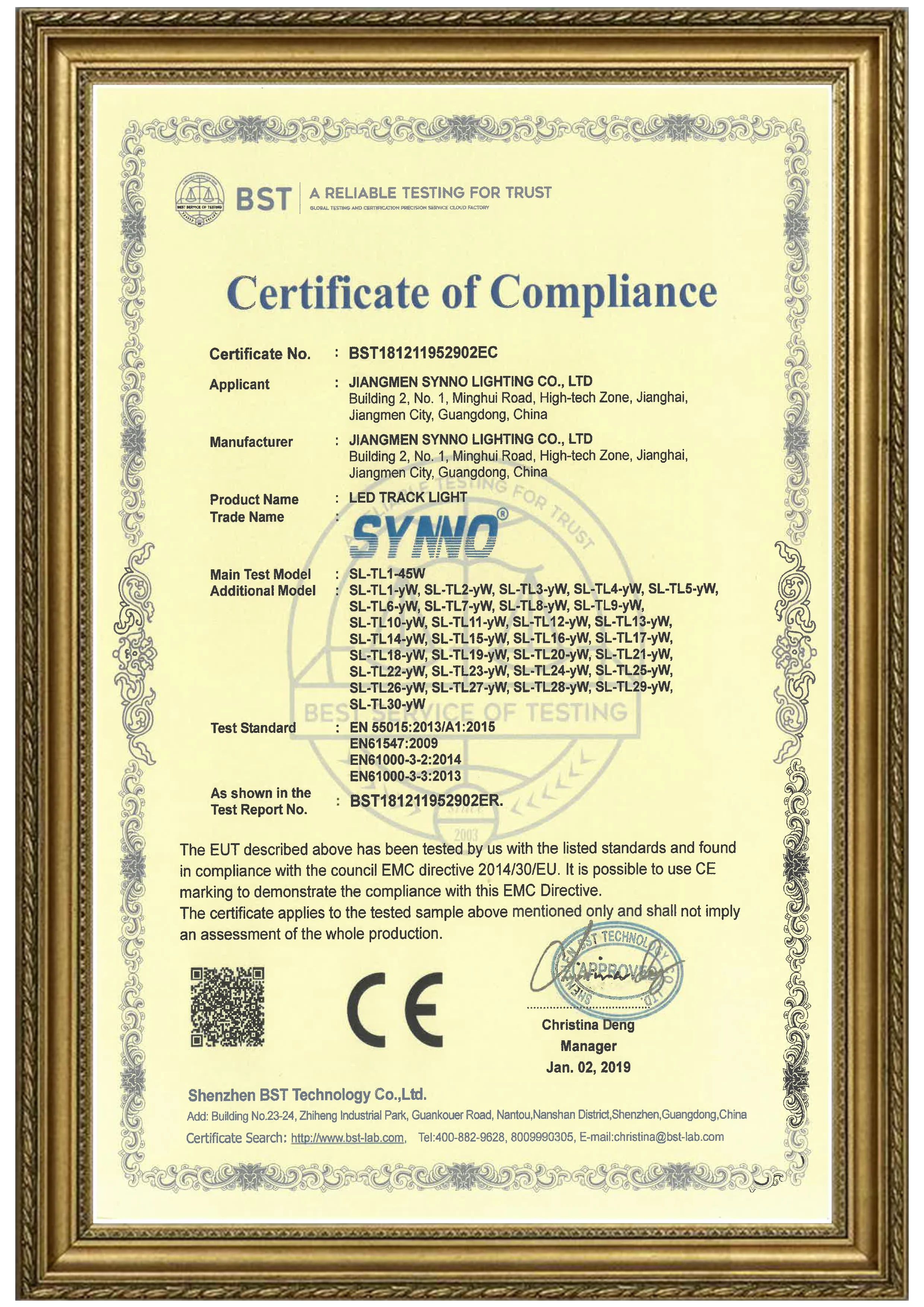
- CE
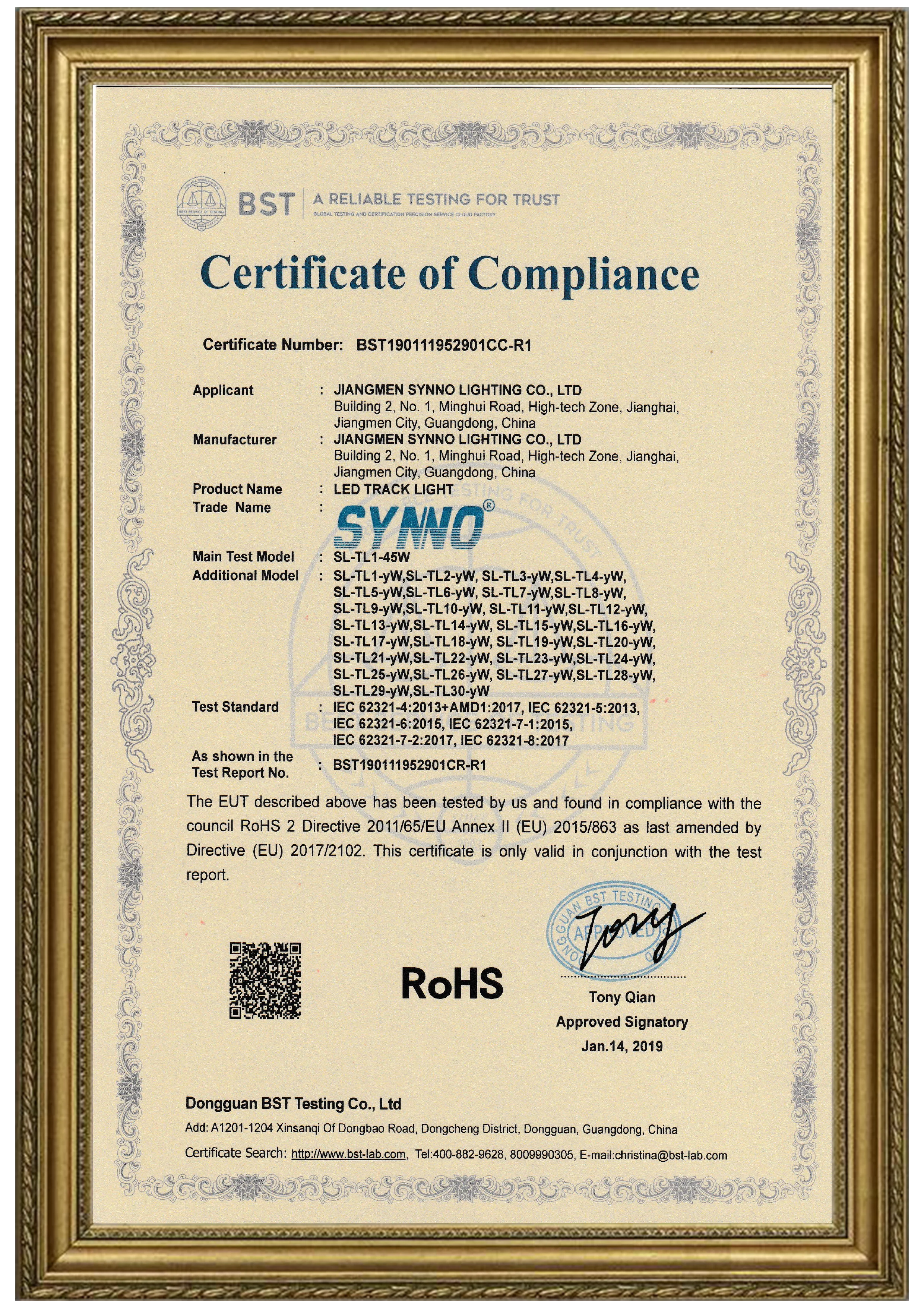
- RoHS
- IP test report
- IK test report
- EMC / LVD compliance
- UL or ETL (for US market)
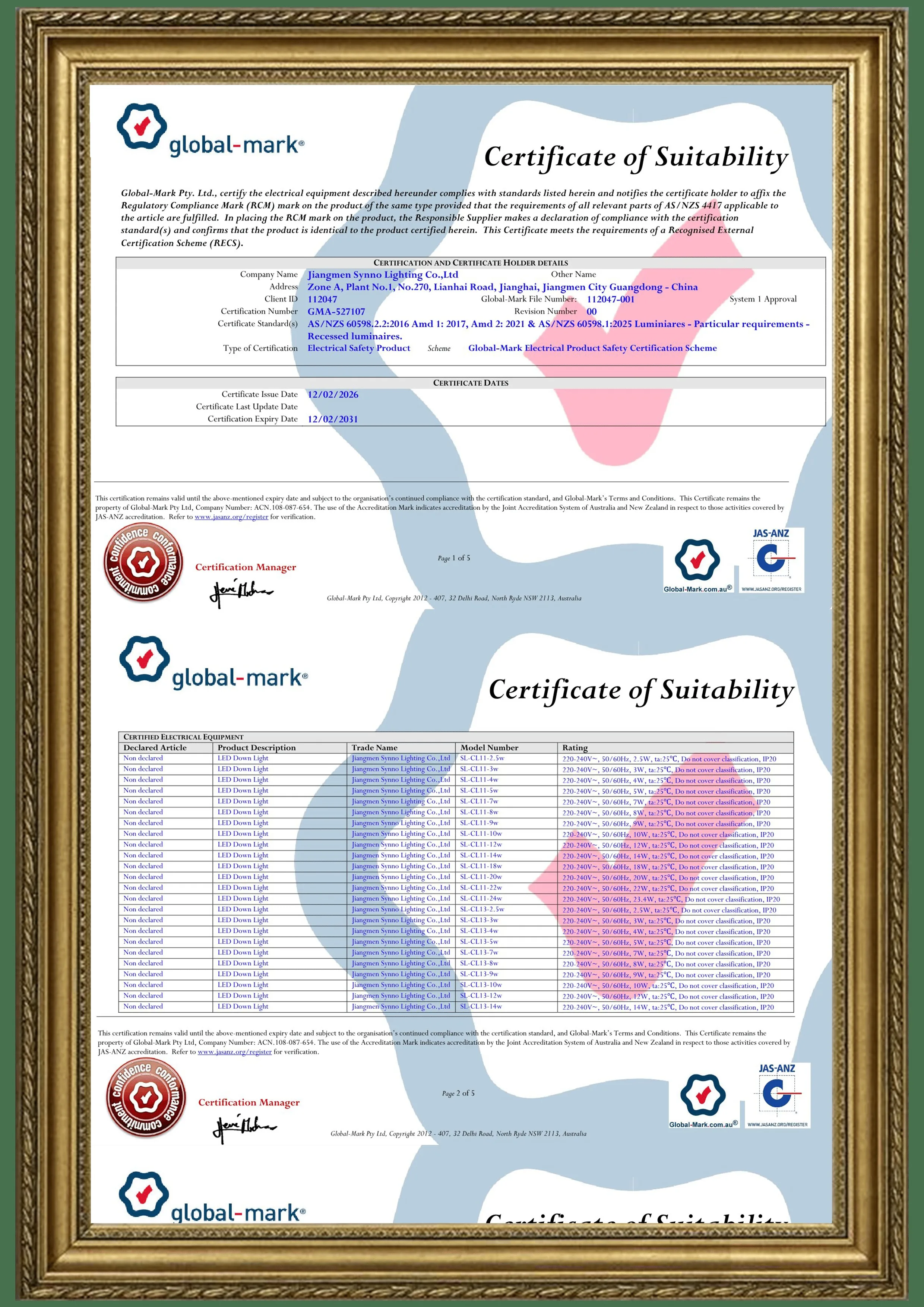
- SAA (Australia)
- UKCA (UK market)
6. Quality Control Checklist for Bulk Orders
Before shipment:
- 24-hour aging test
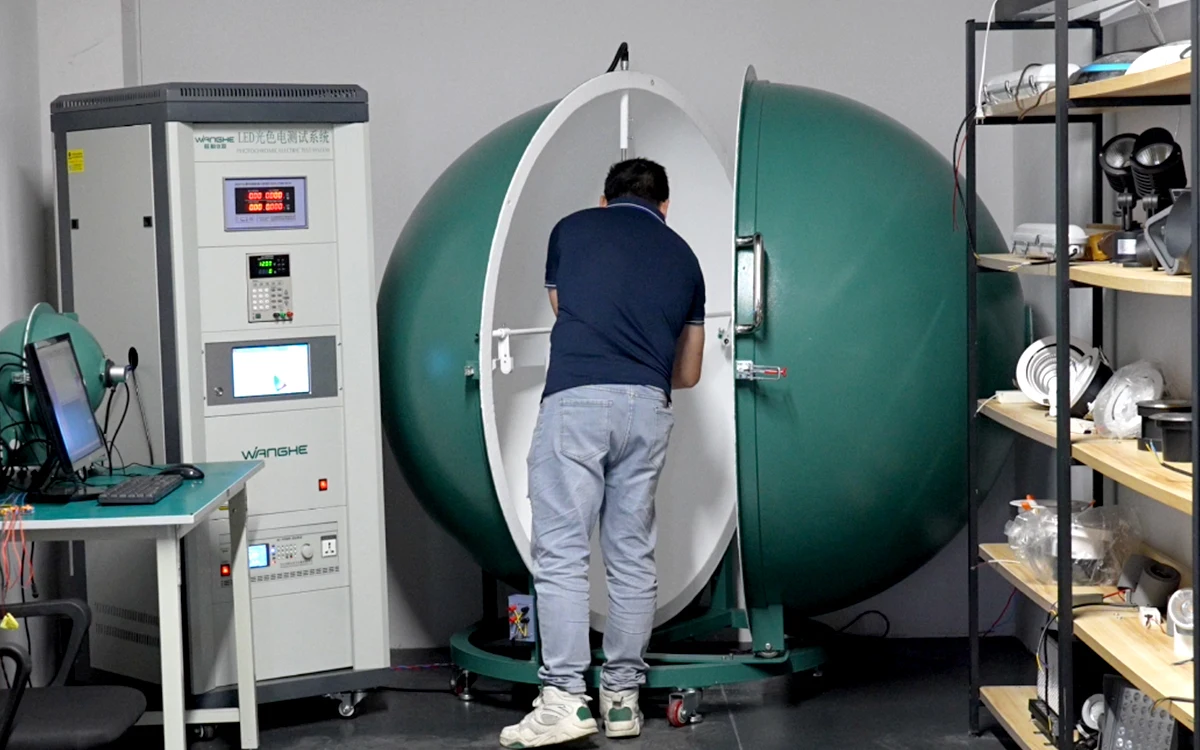
- Waterproof test (air pressure / water immersion)
- Random load test
- Power & lumen output verification
- Visual inspection for sealing integrity
7. OEM / Private Label Opportunities for Distributors
To avoid price competition:
- Custom bezel design
- Unique beam angles
- Private labeling
- Exclusive mold protection
- Custom packaging
- Customized cable length
OEM products increase:
- Distributor margin
- Brand recognition
- Customer loyalty
8. Pricing Strategy & Market Positioning
Distributors should offer:
- Economy series (standard projects)
- Professional series (commercial)
- Premium series (high-end landscape & hospitality)
This 3-tier strategy improves sales conversion and average order value.
9. How to Choose the Right Manufacturer for LED Underground Lights
Evaluate:
- Factory experience with underground lights (≥5 years)
- In-house waterproof testing
- Mold ownership
- Stable supply chain
- Engineering support
- Warranty (minimum 2–3 years)
- Replacement policy
10. FAQ for Distributors
Q: Why do underground lights fail early?
A: Poor drainage, cheap drivers, and bad sealing design.
Q: What is the most demanded wattage?
A: 3W, 5W, 9W, 12W are most common.
Q: Which CCT sells best?
A: 3000K for landscape, 4000K for commercial projects.
Q: Should I stock IP67 or IP68?
A: IP67 for general stock, IP68 for special projects.
Conclusion
For distributors, success in the LED underground light market depends on product stability, installation guidance, and supplier reliability, not just price.
A carefully selected product range combined with technical education and OEM support will give you a long-term competitive advantage.