Fire-Rated LED Downlights: When and Why You Need Them
Fire safety is one of the most critical yet often overlooked aspects of modern lighting design. While LED downlights are praised for their efficiency, lifespan, and aesthetic appeal, not all downlights are suitable for every building environment. In certain applications, fire-rated LED downlights are not just recommended—they are essential.
This article provides a comprehensive, practical, and technical explanation of what fire-rated LED downlights are, how they work, when they are required, and why they matter for safety, compliance, and long-term building performance. Whether you are a lighting designer, contractor, developer, or distributor, this guide will help you make informed decisions for your projects.
1. What Is a Fire-Rated LED Downlight?
A fire-rated LED downlight is a recessed lighting fixture specifically engineered to maintain the fire resistance integrity of a ceiling when installed.
When a standard ceiling is penetrated to install a recessed light, its fire-resistant barrier is compromised. A fire-rated downlight is designed to restore that fire barrier, preventing flames and smoke from spreading through the opening.
In simple terms, fire-rated downlights:
-
Seal the ceiling penetration
-
Slow down fire spread
-
Protect escape routes
-
Buy valuable time during a fire emergency
2. Why Standard Downlights Are a Fire Risk
Most ceilings—especially in residential and commercial buildings—are required to resist fire for 30, 60, or even 90 minutes.
When a standard non-rated downlight is installed:
-
The ceiling’s fire rating is broken
-
Fire can travel upward into roof spaces
-
Smoke spreads faster between floors
-
Structural collapse risk increases
Even a small opening can act as a chimney, accelerating fire spread. Fire-rated LED downlights are designed to stop this dangerous effect.
3. How Fire-Rated LED Downlights Work
Fire-rated downlights use intumescent materials and sealed housings to close the ceiling opening during a fire.
Key mechanisms include:
3.1 Intumescent Seal
When exposed to heat, this material expands dramatically, sealing the hole completely.
3.2 Fire-Resistant Housing
Metal or fire-resistant polymer housing prevents flame penetration.
3.3 Sealed Back Plate
Stops smoke and hot gases from entering ceiling cavities.
3.4 Integrated Thermal Protection
Automatically cuts power when temperature exceeds safe limits.
4. Fire Ratings Explained (30, 60, 90 Minutes)
Fire-rated LED downlights are tested to withstand fire for specific durations:
| Rating | Typical Use |
|---|---|
| 30 minutes | Homes, apartments |
| 60 minutes | Offices, hotels |
| 90 minutes | Hospitals, public buildings |
Always match the downlight’s fire rating to the ceiling’s fire resistance requirement.
5. When Are Fire-Rated LED Downlights Required?
5.1 Residential Buildings
Fire-rated downlights are required in:
-
Apartments
-
Multi-story houses
-
Townhouses
-
Buildings with shared ceilings
5.2 Commercial Buildings
Mandatory for:
-
Offices
-
Hotels
-
Shopping centers
-
Educational buildings
-
Hospitals
-
Public facilities
5.3 Escape Routes and Corridors
Lighting in:
-
Stairwells
-
Hallways
-
Emergency exits
must maintain ceiling integrity for safe evacuation.
5.4 Buildings with Fire Compartmentation
Any building divided into fire zones must use fire-rated fixtures to maintain compartment integrity.
6. Building Regulations and Compliance
Fire-rated LED downlights help projects comply with:
-
UK Building Regulations Part B
-
EU EN 1365 / EN 1364
-
BS 476 fire tests
-
IEC fire safety standards
-
Local fire codes worldwide
Non-compliant lighting installations can lead to:
-
Failed inspections
-
Legal liability
-
Insurance rejection
-
Increased risk to occupants
7. Fire-Rated vs Fire-Protected Downlights
Many people confuse these terms:
| Feature | Fire-Rated | Fire-Protected |
|---|---|---|
| Tested as a unit | ✔ Yes | ✘ No |
| Maintains ceiling rating | ✔ Yes | Partial |
| Certified | ✔ Yes | Sometimes |
| Professional use | Recommended | Limited |
Fire-rated downlights are always the safer and more compliant choice.
8. Types of Fire-Rated LED Downlights
8.1 Integrated Fire-Rated Downlights
All-in-one solution with built-in fire protection.
8.2 Fire-Rated Downlights with Covers
Standard fixtures combined with certified fire hoods (less ideal).
8.3 IP65 Fire-Rated Downlights
Perfect for bathrooms, kitchens, and humid areas.
8.4 Smart Fire-Rated Downlights
Compatible with DALI, 0–10V, and smart home systems.
9. Fire-Rated Downlights and Insulation Safety
Modern fire-rated downlights are often IC-rated, meaning:
-
Safe to install under insulation
-
Reduced heat buildup
-
Better energy efficiency
This is especially important in energy-efficient buildings.
10. Fire Safety vs Thermal Performance
A well-designed fire-rated LED downlight balances:
-
Heat dissipation
-
Fire resistance
-
Light output
-
Long lifespan
Cheap products may overheat or fail prematurely.
11. How Fire-Rated LED Downlights Improve Insurance and Liability Protection
Using certified fire-rated lighting:
-
Reduces risk exposure
-
Protects building owners
-
Improves insurance approval
-
Demonstrates professional compliance
12. Installation Best Practices
To ensure fire protection works correctly:
-
Follow manufacturer instructions
-
Use certified electricians
-
Avoid mixing non-rated accessories
-
Maintain clearance if specified
-
Do not modify housing or seals
Incorrect installation can invalidate the fire rating.
13. Common Mistakes to Avoid
❌ Using standard downlights in fire-rated ceilings
❌ Cutting oversized holes
❌ Removing intumescent seals
❌ Installing incompatible drivers above ceilings
❌ Using uncertified fire hoods
14. Fire-Rated Downlights in Modern Architecture
Designers now use fire-rated downlights in:
-
Minimalist ceilings
-
Trimless installations
-
High-end residential interiors
-
Commercial architectural lighting
Safety no longer means compromising design.
15. Lifespan and Maintenance Benefits
High-quality fire-rated LED downlights:
-
Last 30,000–50,000 hours
-
Reduce maintenance costs
-
Maintain safety integrity for decades
16. Why Fire-Rated LED Downlights Are a Smart Investment
Although slightly more expensive than standard downlights, fire-rated versions provide:
-
Code compliance
-
Risk reduction
-
Long-term savings
-
Peace of mind
-
Enhanced building value
17. How to Choose the Right Fire-Rated Downlight
Look for:
-
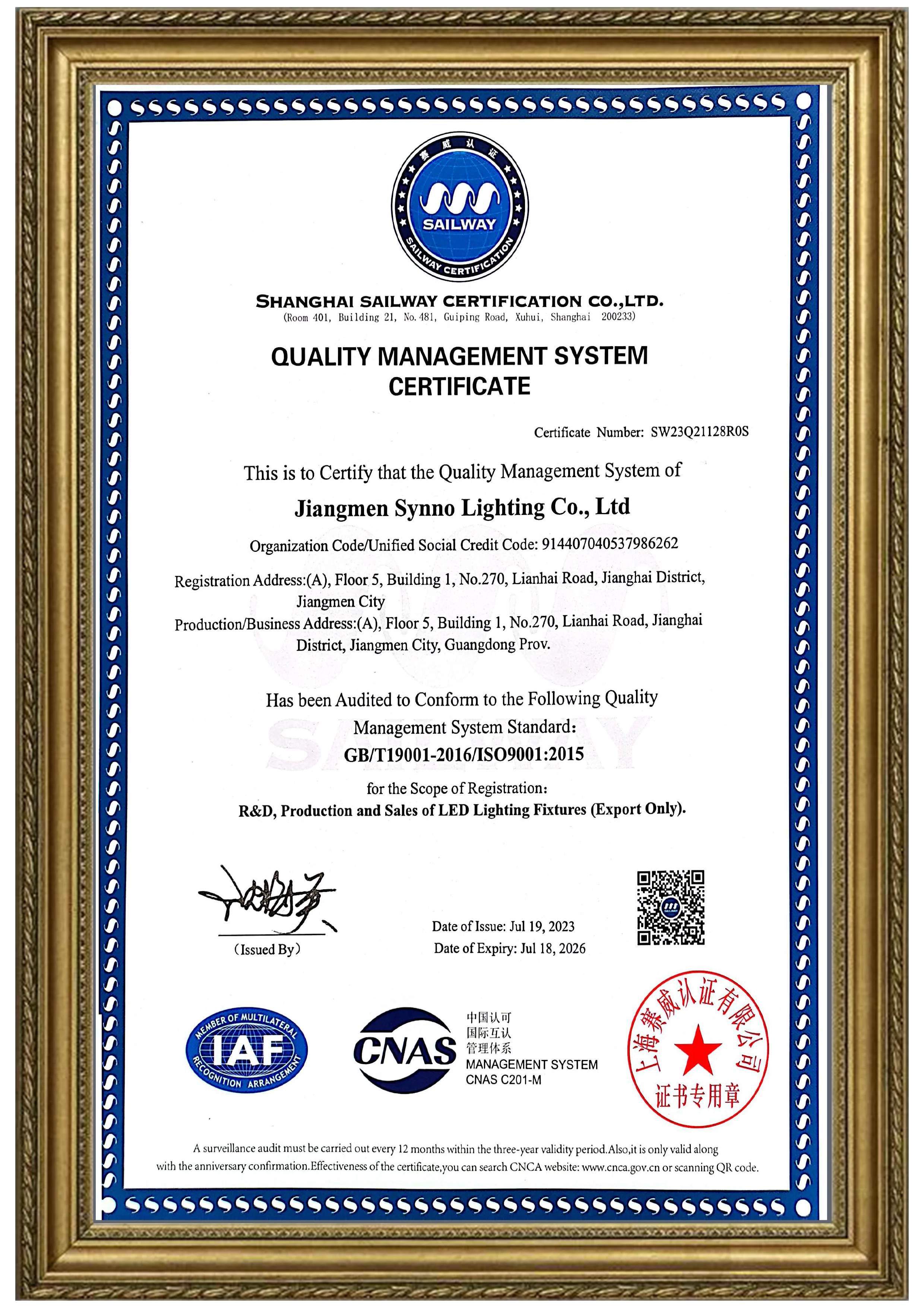
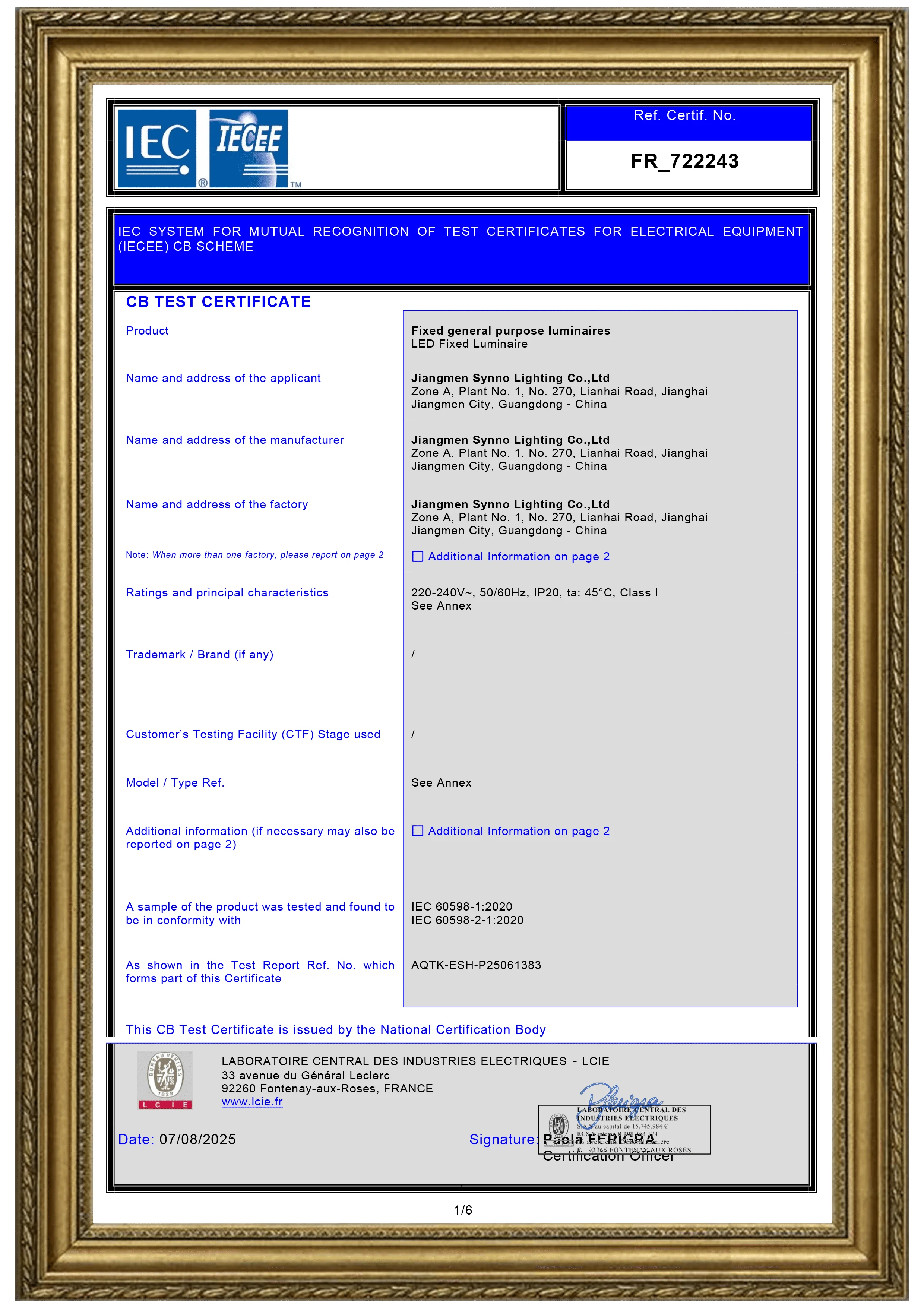
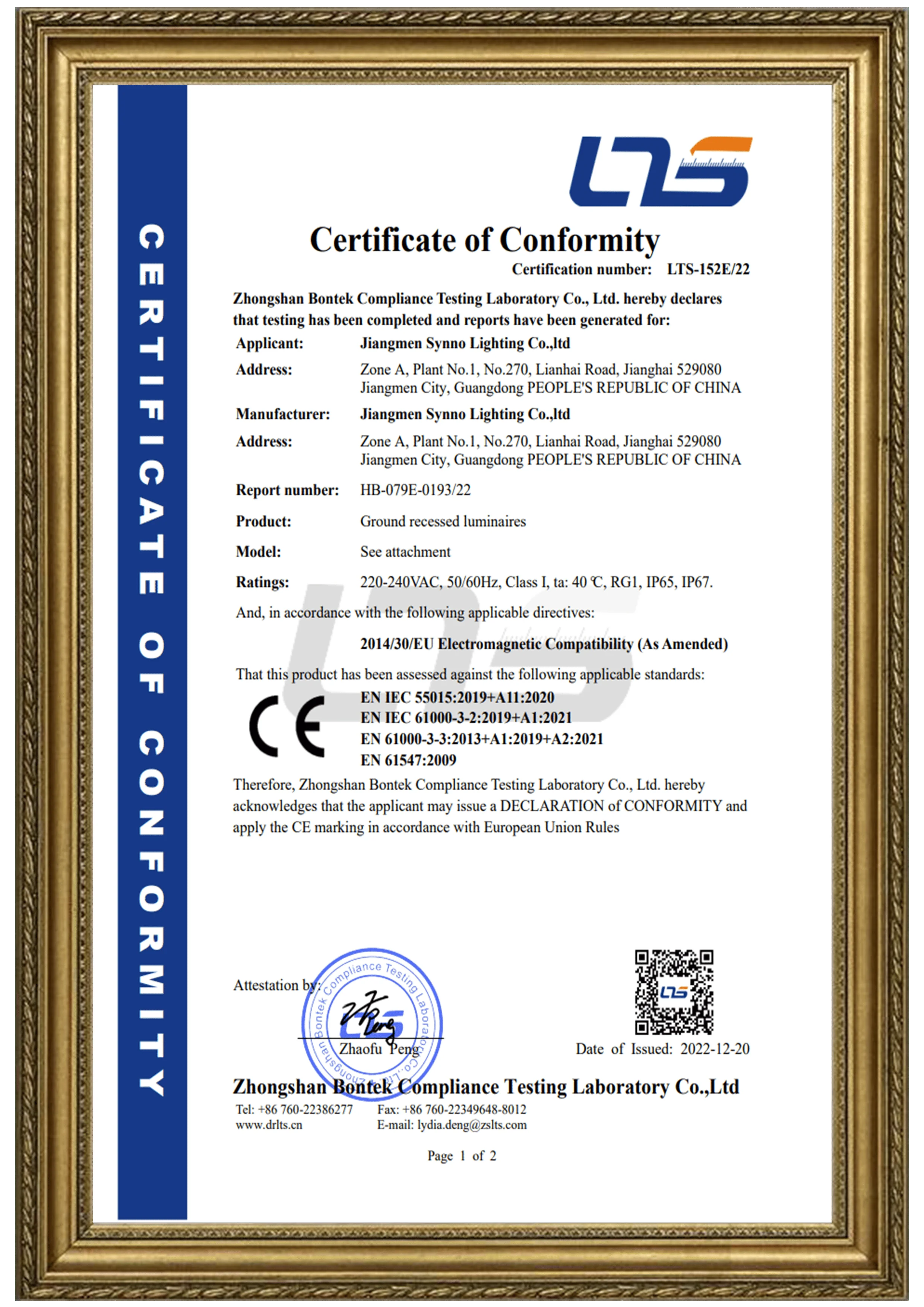
Certified fire test reports
-
Clear rating label (30/60/90 min)
-
IC rating if needed
-
High-quality LED driver
-
Warranty of at least 3–5 years
-
Trusted manufacturer support
18. Future Trends in Fire-Rated Lighting
Modern innovations include:
-
Slim fire-rated designs
-
Smart driver integration
-
Sustainable materials
-
Tool-free installation
-
Higher lumen efficiency
-
Improved thermal management
Fire safety and performance now go hand in hand.
19. Final Thoughts: Safety Should Never Be Optional
Fire-rated LED downlights are not just a technical specification—they are a life safety feature. In buildings where people live, work, and gather, protecting escape routes and preventing fire spread is a responsibility shared by designers, contractors, and manufacturers.
Choosing fire-rated LED downlights ensures:
-
Compliance with building regulations
-
Protection of property and lives
-
Long-term reliability
-
Professional project delivery
When fire safety matters, fire-rated LED downlights are the only responsible choice.