Flicker-Free Indoor LED Spotlights: Why Driver Quality Matters More Than You Think
Indoor lighting quality directly affects how people feel, work, and interact with their environment. While brightness and design often receive the most attention, one hidden factor has a far greater impact on comfort, health, and performance: flicker.
Many indoor LED spotlights on the market appear visually identical, yet their real-world performance varies dramatically. The difference almost always comes down to one component—the LED driver. A high-quality driver ensures stable, flicker-free illumination, while a poor driver can cause eye strain, headaches, fatigue, and even long-term health issues.
In this article, we explore why flicker-free indoor LED spotlights are essential, how flicker occurs, and why driver quality is the defining factor in achieving professional lighting performance.
1. What Is Flicker in LED Lighting?
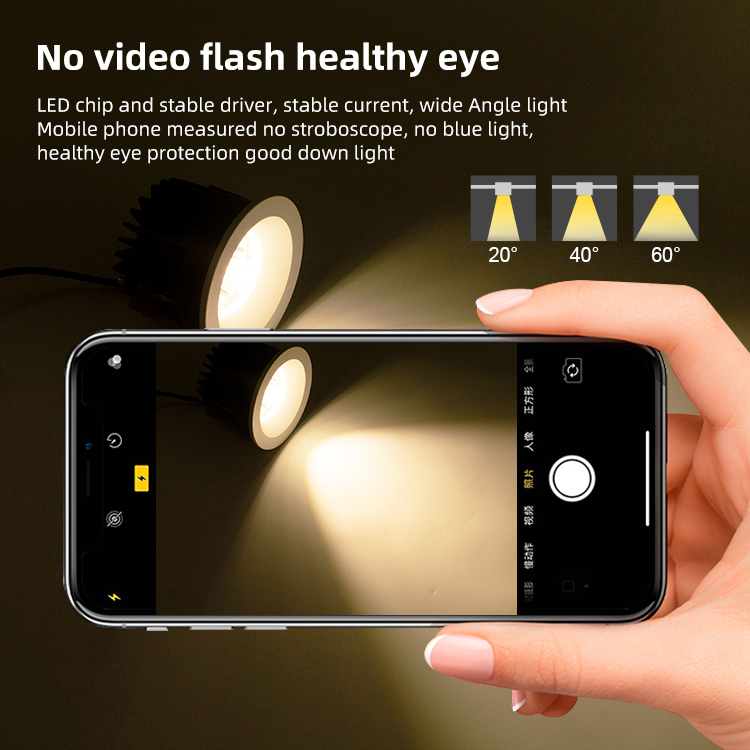
Flicker refers to rapid fluctuations in light output that may or may not be visible to the human eye. Even when flicker cannot be consciously detected, it can still affect the nervous system and visual processing.
Types of Flicker
-
Visible Flicker
Obvious flashing that can be seen directly—usually caused by very poor drivers or unstable power supply. -
Invisible (High-Frequency) Flicker
Light output fluctuates at high speed (100–3,000 Hz), invisible to the naked eye but still detected by the brain. -
Stroboscopic Effect
Causes moving objects to appear frozen or jerky under flickering light—common in workshops and factories.
Flicker is especially problematic in indoor LED spotlights, which are often used in close proximity to people for long periods.
2. Why Indoor LED Spotlights Are More Sensitive to Flicker
LED spotlights are typically installed in:
-
Offices
-
Homes
-
Retail spaces
-
Hotels
-
Museums
-
Restaurants
-
Hospitals
-
Educational buildings
These environments require high visual comfort, and people spend many hours under the same lighting. Even minor flicker can become a serious issue over time.
3. Health and Performance Impact of Flickering Light
Research and industry experience show that flickering light can cause:
-
Eye strain and dryness
-
Headaches and migraines
-
Reduced concentration
-
Visual fatigue
-
Increased stress levels
-
Lower productivity
-
Poor sleep rhythm (circadian disruption)
In professional environments, flicker-free lighting is no longer optional—it is a quality requirement.
4. What Causes Flicker in LED Spotlights?
The primary cause of flicker is poor driver design.
4.1 AC to DC Conversion Issues
LEDs operate on DC power, but buildings supply AC power. The driver must:
-
Rectify AC to DC
-
Smooth voltage ripple
-
Regulate current precisely
Low-cost drivers often fail to smooth the power properly, causing ripple that results in flicker.
4.2 Poor Capacitor Quality
Cheap electrolytic capacitors:
-
Dry out quickly
-
Lose filtering capacity
-
Cause increasing flicker over time
High-quality drivers use long-life capacitors rated for 105°C or higher.
4.3 Insufficient Current Regulation
LEDs require constant current. Poor drivers allow current to fluctuate with line voltage, leading to unstable light output.
4.4 Dimming Compatibility Issues
Many flicker problems appear when:
-
LED spotlights are dimmed
-
Drivers are incompatible with dimmer type
-
PWM frequency is too low
Professional drivers use high-frequency dimming or CCR (constant current reduction) to eliminate flicker at all brightness levels.
5. The Role of Driver Quality in Flicker-Free Lighting
The LED driver is the heart of an indoor spotlight. Its quality determines:
-
Flicker level
-
Light stability
-
Color consistency
-
Lifespan
-
Safety
-
Dimming performance
A high-quality driver is designed with advanced electronic control, precision components, and multiple protection circuits.
6. Key Driver Features That Ensure Flicker-Free Performance
6.1 Low Ripple Current
High-quality drivers deliver DC output with minimal ripple (<5%), ensuring stable LED operation.
6.2 High-Frequency Output
Professional drivers operate at high frequencies (20 kHz+), moving flicker beyond the range of human perception.
6.3 Active Power Factor Correction (PFC)
PFC improves:
-
Power stability
-
Electrical efficiency
-
Light consistency
-
Compliance with international standards
6.4 Constant Current Regulation
A true constant-current driver keeps LED brightness stable regardless of voltage variation.
6.5 Multi-Level Protection
High-end drivers include:
-
Over-voltage protection
-
Over-current protection
-
Over-temperature protection
-
Short-circuit protection
These features ensure long-term flicker-free operation.
7. Flicker Metrics You Should Know
When selecting indoor LED spotlights, look for drivers tested using these metrics:
7.1 Flicker Percentage
Lower is better:
-
<1% = Excellent
-
<5% = Professional grade
-
20% = Poor quality
7.2 Flicker Index
Measures light modulation depth. A lower index indicates smoother light output.
7.3 IEEE 1789 Compliance
This standard defines safe flicker limits for human health. Professional indoor lighting should comply with IEEE 1789-2015 recommendations.
8. Why Cheap LED Spotlights Often Flicker
Low-cost spotlights typically use:
-
Non-isolated drivers
-
Minimal filtering
-
Cheap components
-
Low switching frequency
-
No surge protection
These drivers may work initially but develop flicker within months as components degrade.
9. How Flicker Affects Color Stability and CRI
Flicker does not only affect brightness—it also affects color quality. Fluctuating current causes:
-
Color temperature shift
-
CRI inconsistency
-
Visual discomfort in retail and hospitality environments
High-quality drivers maintain stable current, ensuring accurate color rendering.
10. Flicker-Free LED Spotlights in Different Applications
10.1 Offices and Workspaces
Flicker-free spotlights improve:
-
Focus
-
Comfort
-
Productivity
-
Compliance with workplace lighting standards
10.2 Homes and Living Spaces
High-quality drivers prevent:
-
Eye fatigue
-
Sleep disruption
-
Visual discomfort during long evenings
10.3 Retail and Showrooms
Stable lighting enhances:
-
Product appearance
-
Color accuracy
-
Customer experience
10.4 Museums and Galleries
Flicker-free spotlights are essential for:
-
Artwork protection
-
Visual accuracy
-
Comfortable viewing
11. Driver Types and Their Flicker Performance
| Driver Type | Flicker Risk | Recommendation |
|---|---|---|
| Linear driver | High | Avoid |
| Non-isolated driver | Medium | Not ideal for premium projects |
| Isolated constant-current driver | Low | Recommended |
| DALI/0–10V driver | Very low | Professional use |
12. Dimming and Flicker: What to Look For
Good drivers support:
-
Trailing-edge dimming
-
0–10V dimming
-
DALI control
-
TRIAC compatibility (with proper design)
They also maintain flicker-free performance across the full dimming range.
13. Long-Term Reliability Depends on Driver Quality
Most LED chips can last 50,000 hours or more—but only if the driver supports them properly.
A high-quality driver:
-
Prevents LED stress
-
Reduces thermal load
-
Extends system life
-
Maintains flicker-free output over time
14. How to Identify Flicker-Free LED Spotlights When Buying
Ask suppliers for:
-
Flicker test reports
-
Driver specifications
-
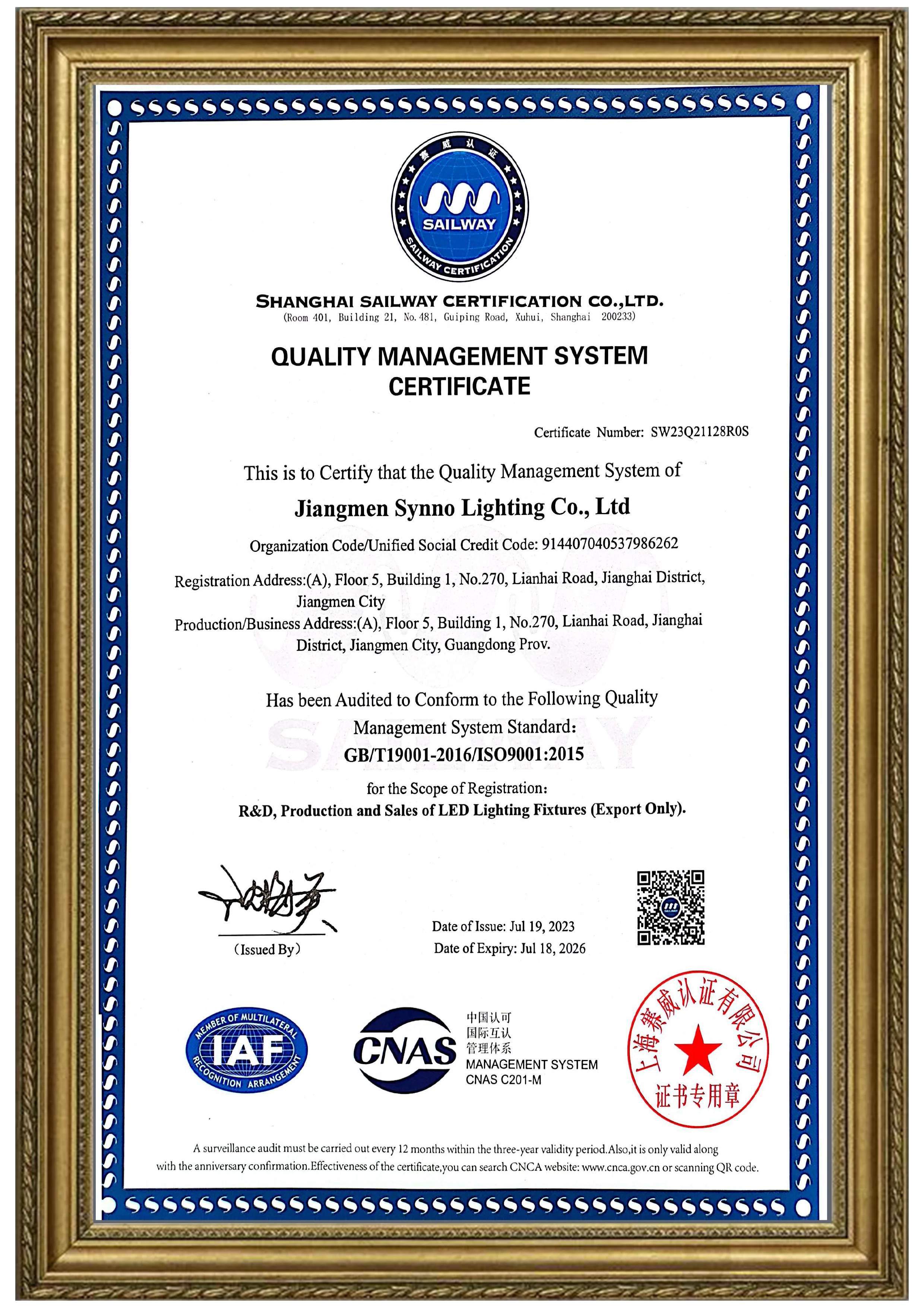
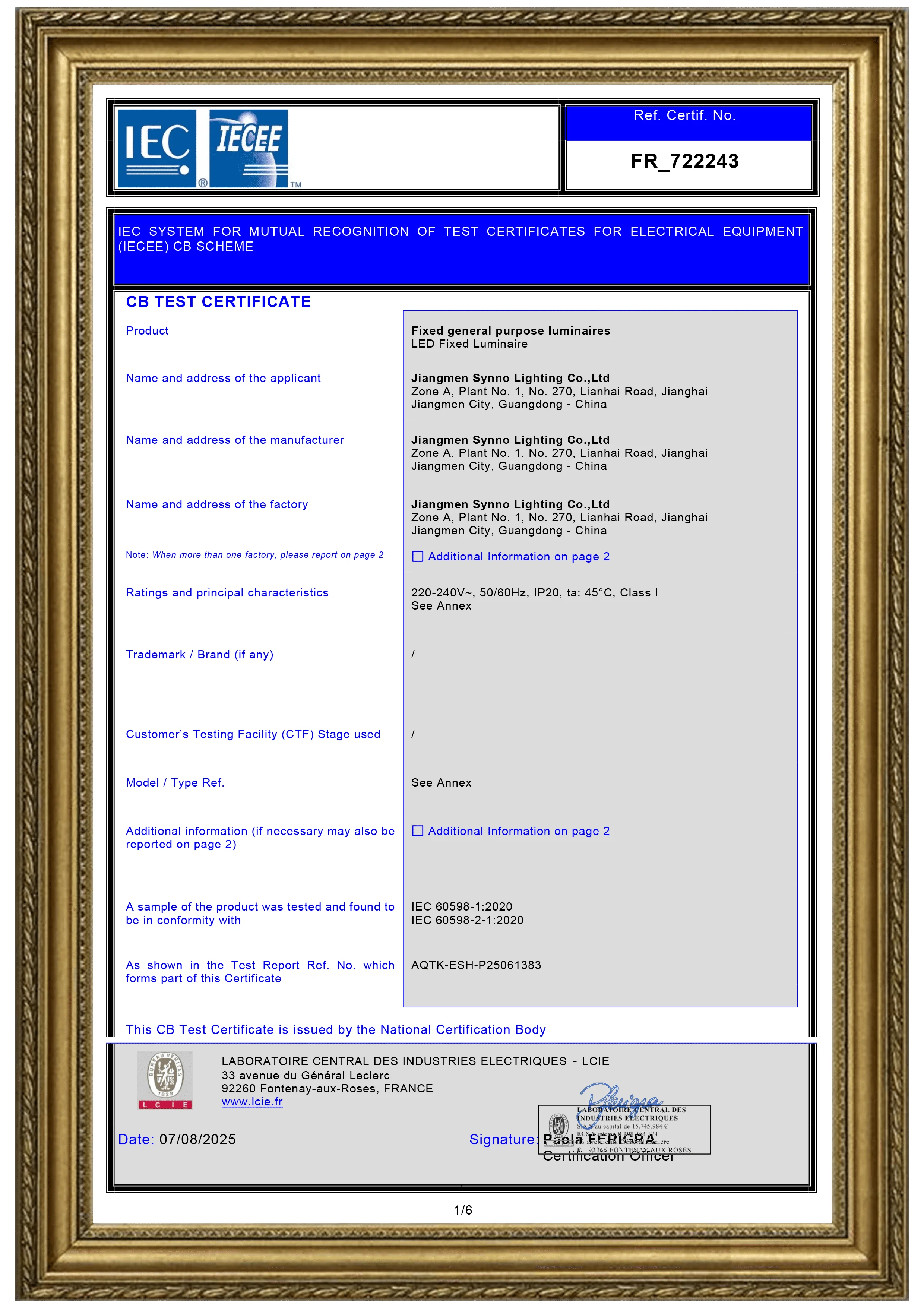
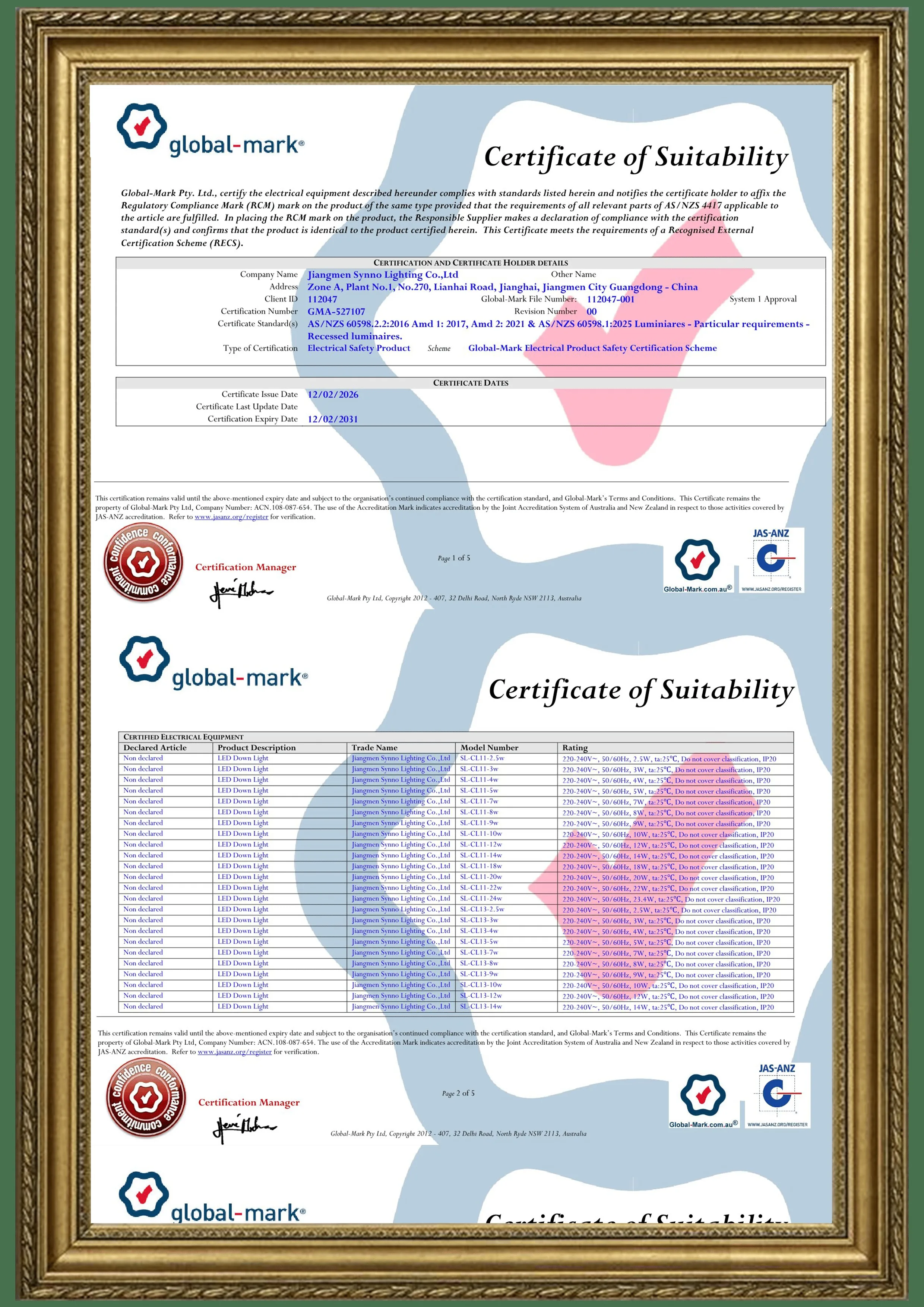
Compliance certificates
-
Driver brand information
-
Warranty details
Avoid products with no driver data or unclear specifications.
15. Why Professional Brands Invest in Better Drivers
Quality LED manufacturers understand that:
-
Drivers define performance
-
Poor drivers damage brand reputation
-
Flicker-free lighting reduces complaints
-
Premium projects demand reliability
That’s why professional indoor LED spotlights always use certified, high-quality drivers rather than the cheapest option.
16. Future Trends: Smart Drivers and Flicker Control
Modern drivers are evolving with:
-
Digital current regulation
-
Smart dimming algorithms
-
IoT integration
-
Self-diagnostic features
-
Adaptive flicker suppression
These advancements further improve lighting comfort and system reliability.
17. Common Misconceptions About Flicker
Q: “If I can’t see it, it’s not a problem”
A: Invisible flicker still affects the brain and eyes.
Q: “All LEDs flicker”
A: Only poorly driven LEDs flicker significantly.
Q: “Higher wattage means better quality”
A: Driver design matters far more than wattage.
18. Final Thoughts: Driver Quality Is Non-Negotiable
Flicker-free indoor LED spotlights are not a luxury—they are a professional standard. The key to achieving flicker-free performance lies in the quality of the LED driver, not just the LED chip or fixture design.
Whether you are designing an office, retail space, home, or commercial project, investing in high-quality drivers ensures:
-
Visual comfort
-
Better health
-
Stable performance
-
Long service life
-
Higher customer satisfaction
When evaluating indoor LED spotlights, always ask one critical question:
What driver is inside?
Because when it comes to flicker-free lighting, driver quality makes all the difference.