What Is Different Between Warm White 2700K and 3000K and How to Choose?
When selecting LED lighting for your home or commercial space, color temperature plays a crucial role in determining how the light will look and feel. Two of the most commonly used color temperatures for warm white lighting are 2700K and 3000K. At first glance, the difference may seem small—but in terms of atmosphere, mood, and even visual clarity, this subtle distinction can have a big impact.
In this article, we’ll explore the differences between 2700K vs. 3000K warm white light, their best-use scenarios, and how to choose the right one for your space.
What Is Color Temperature?
Color temperature, measured in Kelvin (K), describes the hue of the light emitted by a light source. Lower color temperatures emit a warmer, more yellowish tone, while higher color temperatures produce a cooler, bluish tone.
Here’s a basic scale to understand:
-
2200K – Very warm, amber glow (similar to candlelight)
-
2700K – Warm white, soft yellow tone (like traditional incandescent bulbs)
-
3000K – Slightly cooler warm white (cleaner and brighter)
-
4000K – Neutral white (balanced between warm and cool)
-
5000K+ – Cool white to daylight (bright and bluish)
So when comparing 2700K vs. 3000K, both are on the warm end of the spectrum—but 3000K is just a touch cooler and brighter than 2700K.
The Key Differences: 2700K vs. 3000K
| Feature | 2700K Warm White | 3000K Warm White |
|---|---|---|
| Hue | Soft, yellowish | Clean, warm-white |
| Mood | Cozy, relaxing | Inviting, slightly more alert |
| Common Usage | Bedrooms, living rooms | Kitchens, bathrooms, retail |
| Brightness Perception | Feels softer | Feels slightly brighter |
| Color Rendering | Enhances warm tones | Slightly better color contrast |
| Similarity To | Incandescent bulbs | Halogen bulbs |
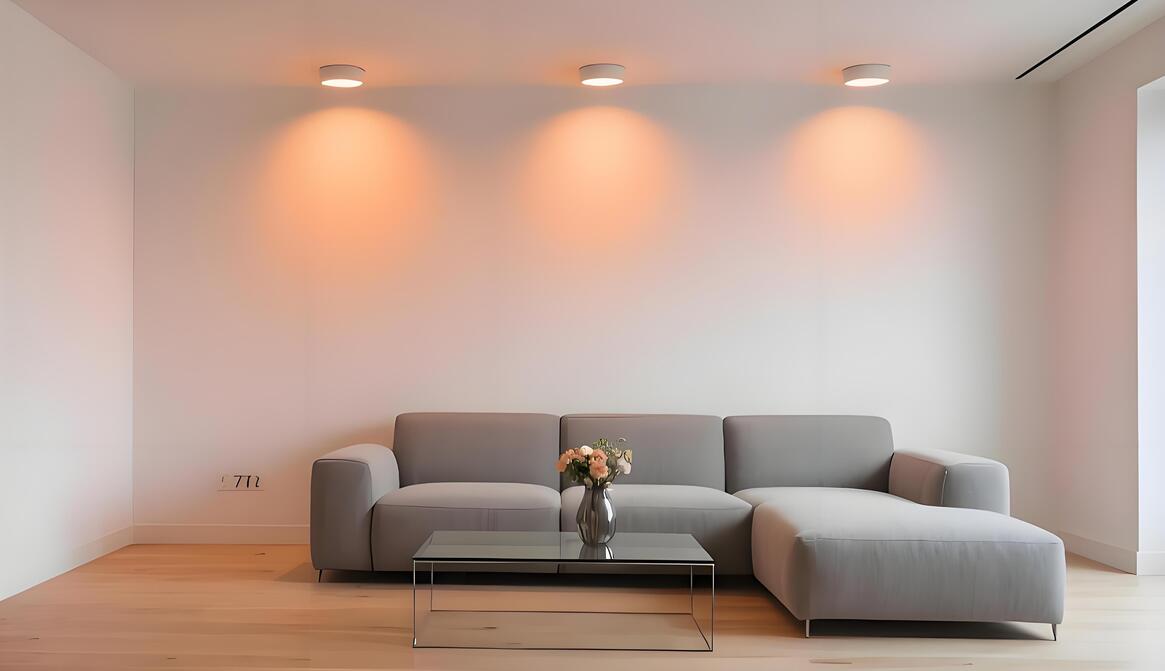
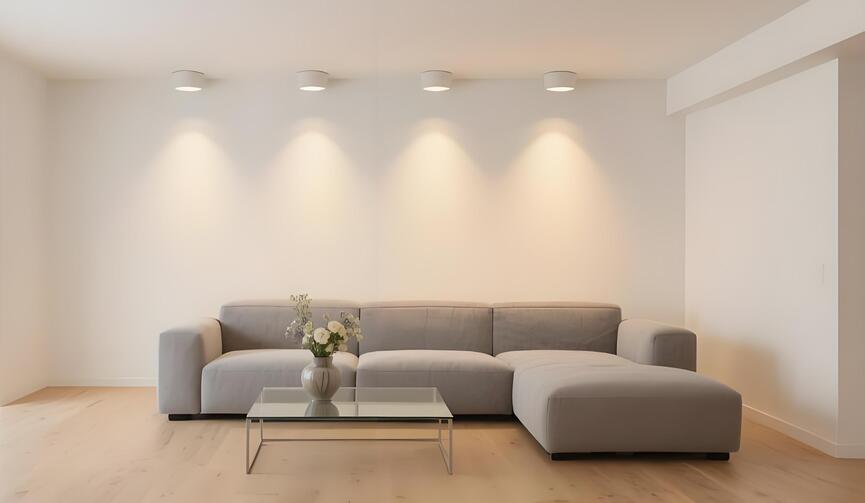
How 2700K and 3000K Affect Mood and Space
? 2700K: Cozy and Relaxed
-
Visual Feel: Mimics traditional incandescent light with a yellow-orange tone
-
Mood: Promotes relaxation and warmth
-
Best For: Bedrooms/Living rooms/Dining areas/Cafe or restaurants aiming for a coze vibe
-
Psychological Impact: Encourages calm, helps with winding down in the evening
? 3000K: Bright Yet Warm
-
Visual Feel: Slightly whiter and more neutral, but still warm
-
Mood: Clean, pleasant, and functional
-
Best For: Kitchens/Bathrooms/Hallways/Retail spaces and offices wanting a welcoming feel without being too dim
-
Psychological Impact: Increases visibility and focus, without the harshness of cool white
Side-by-Side Photo Comparison
Imagine a room lit by 2700K on one side and 3000K on the other. Here’s what you’d observe:
-
2700K: Slightly dimmer, softer tone. Skin tones appear warmer. Wood finishes glow.
-
3000K: Slightly crisper. Whites appear more neutral. Ideal for reading or tasks.
? Pro Tip: If you’re mixing both in a single home, use 2700K in spaces for relaxation and 3000K in functional areas. This maintains visual harmony without sacrificing performance.
Factors to Consider When Choosing Between 2700K and 3000K
1. Room Type & Purpose
| Room | Suggested Color Temperature |
|---|---|
| Bedroom | 2700K |
| Living Room | 2700K or 3000K |
| Kitchen | 3000K |
| Bathroom | 3000K |
| Office | 3000K or 4000K |
| Hallway | 3000K |
| Reading Nook | 3000K |
2. Wall and Furniture Colors
-
Warm palettes (beige, brown, gold): Pair beautifully with 2700K
-
Neutral/modern palettes (white, gray, stainless steel): Look better under 3000K
3. Natural Light Availability
-
Low natural light: 3000K may help brighten the space slightly
-
Plenty of natural light: 2700K creates a soft balance and prevents harshness
4. Personal Preference
Ultimately, lighting is subjective. Some people prefer the nostalgic, cozy feel of 2700K, while others appreciate the clarity of 3000K—especially in task-oriented areas.
What About Dimming?
Both 2700K and 3000K LED lights are available in dimmable versions, which is a game-changer. Dimming not only allows you to adjust brightness but also shifts the feel of the light:
-
2700K dimmed = candlelight vibe
-
3000K dimmed = elegant dinner party atmosphere
If your space transitions from social to relaxing (like an open-plan kitchen/living room), combining 3000K lights with dimmers is a versatile solution.
Common Applications for 2700K vs 3000K LED Lighting
| Application | Preferred Color Temp |
|---|---|
| Residential Homes | Mix of 2700K and 3000K |
| Hospitality (hotels, restaurants) | 2700K for ambiance |
| Retail Stores | 3000K for clarity and warmth |
| Showrooms | 3000K or higher depending on products |
| Commercial Offices | 3000K or 4000K for productivity |
Our Recommendations
As a professional LED lighting manufacturer and supplier, we offer a wide range of downlights, spotlights, and track lights in both 2700K and 3000K options. Here’s how we help you choose:
-
✅ 2700K options: Ideal for creating warm, cozy environments
-
✅ 3000K options: Better for modern, neutral interiors
-
✅ Custom CCT (Tunable White): Some of our LED fixtures allow you to switch between 2700K, 3000K, and even 4000K for flexibility
All our lighting products are available with CE, RoHS, UL certifications, and constructed with high-quality materials like aluminum housing, PMMA diffusers, and branded LEDs for long-lasting performance.
Final Verdict: Which Should You Choose?
If you want a softer, more traditional glow, go with 2700K. If you prefer a cleaner, crisper warm white, choose 3000K.
Still unsure? Here's a quick breakdown:
-
Choose 2700K if:
-
You want a cozy, intimate space
-
You’re lighting bedrooms or reading corners
-
You love the incandescent bulb feel
-
-
Choose 3000K if:
-
You want slightly more brightness without harshness
-
You're lighting functional spaces like kitchens or offices
-
You have a modern interior color palette
-
Need Help Choosing the Right LED Products?
Whether you're a homeowner, interior designer, architect, or lighting contractor, we can help you select the best color temperature, wattage, beam angle, and CRI for your lighting project.
Contact us today to explore our range of:
-
LED Downlights (2700K / 3000K / CCT Tunable)
-
Track Lights for Retail or Gallery Use
-
Recessed Ceiling Lights for Kitchens & Living Rooms
-
Smart Lighting Systems with Adjustable CCT
Let lighting bring your space to life—the right color temperature makes all the difference.