
Architectural Projects That Benefit Most from LED Bollard Light
Modern architectural lighting is no longer limited to illuminating buildings alone. Today’s outdoor environments require lighting solutions that combine:
- Safety
- Visual guidance
- Landscape enhancement
- Energy efficiency
- Architectural aesthetics
Among the most effective outdoor lighting fixtures for these purposes, LED bollard lights have become a preferred choice in commercial, residential, hospitality, and public infrastructure projects.
Also known as:
- LED pathway lights
- Outdoor bollard lamps
- Landscape bollard lighting
- Architectural bollard fixtures
- LED lawn lights
these luminaires provide controlled low-level illumination while enhancing the spatial character of outdoor environments.
This article explores the architectural projects that benefit most from LED bollard lights, along with the design advantages, technical considerations, and application strategies that make them essential in modern outdoor lighting design.
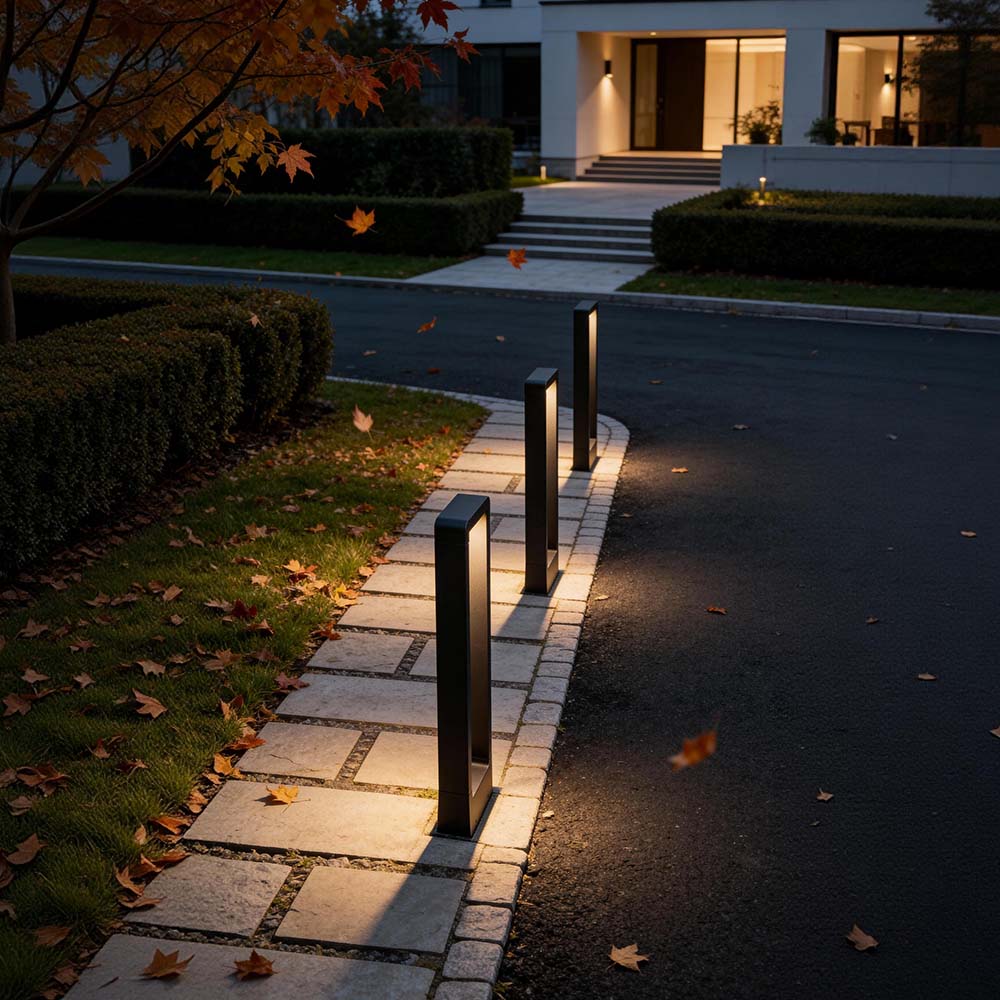
1. What Is an LED Bollard Light?
An LED bollard light is a vertical outdoor lighting fixture typically installed along:
- Pathways
- Walkways
- Driveways
- Public spaces
- Landscape zones
Its primary functions include:
- Guiding pedestrian movement
- Enhancing nighttime safety
- Creating ambient landscape lighting
- Supporting architectural aesthetics
Unlike tall pole lights, bollard fixtures operate at lower heights to provide:
- Human-scale illumination
- Reduced glare
- Softer visual integration with landscapes
2. Why LED Bollard Lights Are Widely Used in Architecture
Architects and landscape designers favor LED bollard lights because they offer:
- Minimalist visual appearance
- Controlled light distribution
- Excellent durability
- Low energy consumption
- Flexible placement options
Modern LED bollards also support:
- Smart lighting systems
- Low-glare optics
- Custom finishes
- Multiple beam patterns
This versatility makes them suitable for many architectural environments.
3. Residential Villa and Luxury Housing Projects
One of the most common applications for LED bollard lighting is luxury residential landscaping.
Why Villas Benefit from Bollard Lights
They help create:
- Elegant pathway illumination
- Enhanced nighttime atmosphere
- Landscape layering
- Safer pedestrian circulation
Typical installation areas include:
- Garden walkways
- Courtyard paths
- Driveways
- Poolside landscapes
- Lawn borders
Warm white LED bollard lights (2700K–3000K) are especially popular in residential architecture because they create a welcoming and luxurious ambiance.
4. Hotel and Resort Projects
Hospitality architecture relies heavily on nighttime visual experience.
LED bollard lights improve:
- Guest navigation
- Landscape aesthetics
- Outdoor comfort
- Architectural identity
Common Resort Applications
Pathway Lighting
Provides safe movement between:
- Guest rooms
- Restaurants
- Recreational areas
Garden and Landscape Illumination
Enhances:
- Tropical landscapes
- Decorative plants
- Outdoor seating zones
Waterfront and Pool Areas
Low-glare bollards create comfortable nighttime visibility without excessive brightness.
5. Commercial Office Complexes
Modern office developments increasingly prioritize outdoor environmental design.
LED bollard lights improve:
- Pedestrian safety
- Campus navigation
- Corporate image
- Energy efficiency
Typical Installation Areas
-
Entrance walkways
- Office plazas
- Outdoor seating spaces
- Landscape courtyards
- Parking pathways
Architectural bollard lighting helps commercial environments appear more professional and visually refined after sunset.
6. Public Parks and Urban Landscapes
Municipal and public landscape projects benefit greatly from LED bollard systems.
Advantages in Public Spaces
-
Improved nighttime safety
- Low energy consumption
- Reduced maintenance
- Better pathway visibility
- Reduced light pollution
Parks commonly use bollard lights for:
- Walking trails
- Public gardens
- Bicycle paths
- Open plazas
Durable IP65/IP66 bollards are preferred for long-term outdoor reliability.
7. University and Educational Campuses
Educational campuses require:
- Safe nighttime circulation
- Long operating hours
- Energy-efficient lighting systems
LED bollard lights provide:
- Clear pedestrian guidance
- Reduced glare for students
- Improved landscape aesthetics
Campus Areas That Benefit Most
-
Dormitory pathways
- Academic courtyards
- Library entrances
- Outdoor gathering spaces
Because bollard lighting operates at pedestrian scale, it creates a more comfortable nighttime environment than tall flood lighting.
8. Healthcare and Hospital Projects
Hospitals and healthcare facilities require lighting that is:
- Comfortable
- Safe
- Non-intrusive
LED bollard lights are ideal for:
- Healing gardens
- Entrance walkways
- Patient outdoor areas
- Emergency access pathways
Low-glare optics are particularly important in healthcare environments.
9. Mixed-Use Developments
Modern mixed-use architectural projects combine:
- Residential spaces
- Retail areas
- Offices
- Public landscapes
LED bollard lighting helps unify outdoor spaces while maintaining consistent nighttime navigation.
Benefits for Mixed-Use Projects
-
Architectural continuity
- Human-centered lighting
- Enhanced public safety
- Better nighttime atmosphere
10. Shopping Centers and Retail Complexes
Retail architecture increasingly focuses on customer experience beyond indoor spaces.
LED bollard lights improve:
- Parking lot walkways
- Outdoor shopping streets
- Landscape plazas
- Pedestrian zones
Proper bollard placement helps create:
- Safer nighttime environments
- More inviting outdoor retail experiences
11. Apartment and Condominium Developments
Multi-family residential projects use bollard lighting to improve:
- Community safety
- Landscape aesthetics
- Property value perception
Typical applications include:
- Shared pathways
- Courtyard gardens
- Community parks
- Outdoor amenities
12. Waterfront and Marina Projects
Waterfront architecture often requires:
- Corrosion-resistant materials
- Moisture protection
- Comfortable ambient lighting
Marine-grade LED bollard lights work well in:
- Coastal resorts
- Boardwalks
- Marina pathways
- Waterfront parks
Stainless steel or powder-coated aluminum housings are commonly used in these environments.
13. Cultural and Museum Projects
Museums, galleries, and cultural spaces benefit from subtle outdoor lighting.
LED bollards support:
- Architectural emphasis
- Visual guidance
- Minimal visual distraction
Low-height fixtures preserve:
- Building aesthetics
- Artistic atmosphere
- Controlled nighttime ambiance
14. Transportation and Transit Projects
Transit-oriented architectural projects require reliable pedestrian lighting.
Applications include:
- Railway station walkways
- Airport landscapes
- Metro entrances
- Bus terminal pathways
LED bollard lights improve:
- Passenger navigation
- Public safety
- Energy efficiency
15. Landscape Architecture Projects
Landscape architects frequently use bollard lighting to create:
- Visual rhythm
- Spatial organization
- Layered lighting composition
Bollards work well alongside:
- Inground lights
- Tree uplights
- Wall washers
- Hardscape lighting
This layered approach creates professional nighttime landscapes.
16. Why LED Technology Is Essential for Bollard Lighting
Compared with traditional lighting:
- LED bollard lights consume far less power
- Require less maintenance
- Offer longer lifespan
- Provide better optical control
Most professional LED bollards now achieve:
- 50,000+ hour lifespan
- High efficiency
- Stable lumen output
17. Important Features for Architectural Bollard Lights
Low-Glare Design
Prevents uncomfortable direct brightness.
IP65/IP66 Waterproof Rating
Ensures outdoor durability.
Die-Cast Aluminum Housing
Improves heat dissipation and structural strength.
High CRI
Enhances landscape and material appearance.
Warm White Color Temperature
Most architectural projects prefer:
- 2700K–3000K
for comfortable outdoor ambiance.
18. Common Mistakes in Bollard Lighting Design
❌ Over-lighting pathways
❌ Installing bollards too close together
❌ Ignoring glare control
❌ Using inconsistent color temperatures
❌ Poor spacing design
Professional lighting focuses on visual comfort rather than excessive brightness.
19. Future Trends in Architectural Bollard Lighting
Emerging trends include:
- Smart bollard systems
- Solar-powered bollards
- RGBW landscape lighting
- Minimalist ultra-slim designs
- Dark-sky compliant optics
Architectural lighting is increasingly focused on:
- Sustainability
- Human-centric lighting
- Reduced environmental impact
20. Conclusion
LED bollard lights are among the most versatile and architecturally valuable outdoor lighting solutions available today.
They are especially beneficial for:
- Luxury residential projects
- Hotels and resorts
- Commercial developments
- Public landscapes
- Educational campuses
- Healthcare facilities
- Mixed-use architecture
By combining:
- Safety
- Visual guidance
- Architectural aesthetics
- Energy efficiency
LED bollard lighting helps transform outdoor environments into comfortable, elegant, and functional nighttime spaces.
For modern architectural projects, properly designed bollard lighting is no longer optional—it is an essential part of creating high-quality outdoor experiences.