Why Heat Dissipation Matters in Garden Spot Light Performance and Longevity (2026)
Quick Overview of Key Points
- Thermal Management Is Critical: Proper heat dissipation directly impacts garden spot light lifespan
- Performance Stability: Lower temperatures ensure consistent lumen output and color stability
- Material Matters: Aluminum housings improve heat transfer efficiency
- Driver Protection: Effective cooling reduces failure rates of internal components
- Outdoor Reliability: Heat control enhances performance in harsh environments
- Energy Efficiency: Optimized thermal design improves overall system efficiency
- Maintenance Reduction: Better cooling leads to fewer replacements and lower costs
- Design Optimization: Advanced structures enhance airflow and heat dispersion
1. Introduction
As outdoor lighting technology continues to evolve in 2026, performance and durability have become top priorities for contractors, distributors, and project developers. One of the most overlooked yet critical factors in lighting design is thermal management. Many lighting failures in outdoor environments are not caused by electrical issues, but by poor heat dissipation.
This is particularly important for garden spot light applications, where fixtures are exposed to varying weather conditions and extended operating hours. Without proper cooling, overheating can significantly reduce lifespan, brightness, and reliability. In this article, we will explore why heat dissipation is essential for garden spot light systems and how advanced design solutions can improve performance and long-term value.
2. The Impact of Heat on Garden Spot Light Performance
Heat is one of the primary factors affecting LED performance. In a garden spot light, excessive heat buildup can lead to reduced luminous efficiency and accelerated lumen depreciation. Studies show that for every 10°C increase in LED junction temperature, the lifespan of the LED chip can decrease by up to 50%.
A poorly designed garden spot light may initially deliver high brightness, but over time, overheating causes the light output to decline. This results in inconsistent illumination, which can negatively impact landscape aesthetics and safety. Maintaining stable operating temperatures is therefore essential for long-term performance.
In addition to brightness, heat also affects color consistency. Overheating can cause shifts in color temperature, making a garden spot light appear warmer or cooler than intended. For projects that rely on precise lighting design, such variations can compromise the overall visual effect.
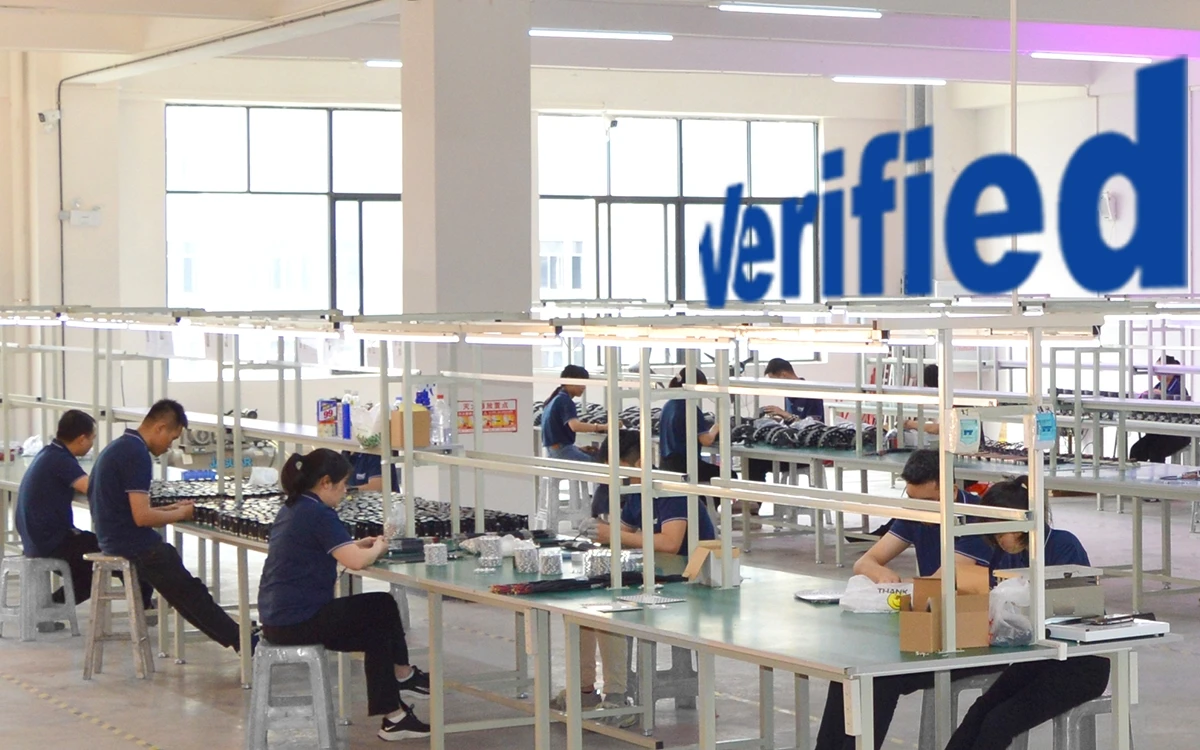
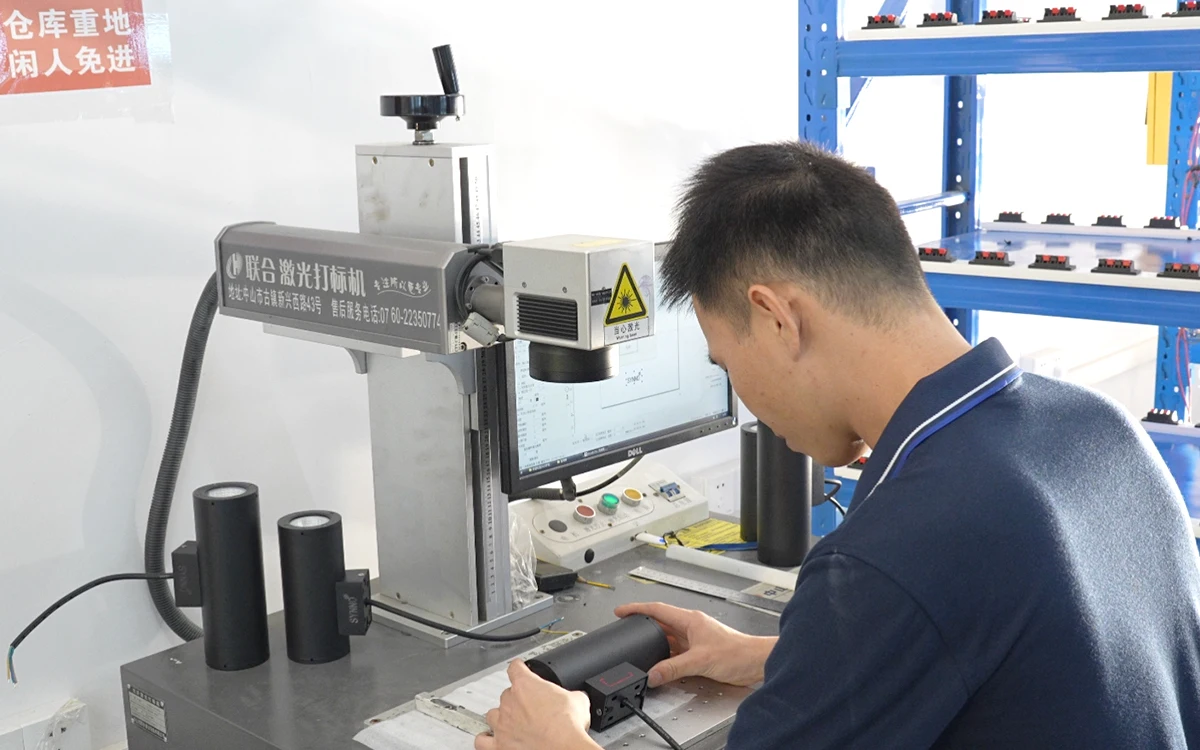
Manufacturers like Synno focus on optimizing thermal performance in their garden spot light products to ensure stable output and reliable operation under continuous use.
3. Why Aluminum Housing Is Essential for Heat Dissipation
Material selection plays a crucial role in thermal management. A high-quality garden spot light typically uses aluminum housing due to its excellent heat conductivity and structural durability.
Aluminum is highly effective at transferring heat away from the LED chip and driver components. In a garden spot light, this helps maintain lower internal temperatures and prevents overheating. Compared to plastic or low-grade materials, aluminum significantly improves heat dissipation efficiency.
Another advantage of aluminum is its durability in outdoor environments. A well-designed garden spot light with a die-cast aluminum body can withstand harsh conditions such as rain, dust, and temperature fluctuations. This ensures long-term performance without compromising thermal efficiency.
Surface treatments such as powder coating further enhance heat radiation and corrosion resistance. This makes aluminum-based garden spot light fixtures a preferred choice for professional outdoor lighting applications.
4. Thermal Design and Its Role in Outdoor Reliability
Beyond materials, the structural design of a garden spot light plays a key role in heat dissipation. Advanced thermal design incorporates features such as heat sinks, ventilation channels, and optimized airflow paths.
Heat sinks are particularly important in a garden spot light. These components increase the surface area for heat transfer, allowing excess heat to dissipate more efficiently into the surrounding environment. Proper heat sink design can significantly improve the overall thermal performance of the fixture.
Ventilation and airflow are also critical factors. A well-engineered garden spot light allows natural air circulation, which helps carry heat away from internal components. This is especially important in outdoor environments where ambient temperatures can vary.
In addition, thermal design directly impacts the reliability of electronic drivers. Overheating is a common cause of driver failure in outdoor lighting systems. By maintaining optimal temperatures, a properly designed garden spot light reduces the risk of electrical issues and extends product lifespan.
5. Energy Efficiency and Cost Benefits of Proper Heat Management
Effective heat dissipation not only improves performance but also enhances energy efficiency. A garden spot light operating at lower temperatures can maintain higher luminous efficacy, ensuring that more electrical energy is converted into light rather than heat.
This efficiency translates into cost savings for project developers. A thermally optimized garden spot light requires less energy to achieve the same level of brightness, reducing overall electricity consumption.
Maintenance costs are also significantly reduced. Overheating is one of the leading causes of premature failure in outdoor lighting. By improving heat dissipation, a high-quality garden spot light can operate for 30,000 to 50,000 hours, minimizing replacement frequency.
For large-scale landscape lighting projects, these savings can be substantial. Manufacturers like Synno prioritize thermal management in their garden spot light designs to deliver both performance and cost efficiency.
6. Case Study: Landscape Lighting Project Using Synno Garden Spot Light
Project Name: Resort Landscape Lighting Upgrade
Location: Southeast Asia
Client Type: Hospitality Resort Developer
Lighting Solution: Synno Garden Spot Light Series
6.1. Project Background
A luxury resort required an upgrade to its outdoor lighting system to improve visual appeal and reduce maintenance costs. The existing fixtures suffered from frequent failures due to overheating and poor thermal design.
6.2. Challenges
- High failure rate caused by overheating
- Inconsistent brightness across landscape areas
- Increased maintenance costs
6.3. Solution
The project team selected Synno garden spot light fixtures featuring advanced aluminum heat sink structures and optimized thermal design. These lights were installed throughout the landscape to provide uniform illumination.
6.4. Results
- Fixture lifespan increased by over 60%
- Maintenance costs significantly reduced
- Improved lighting consistency and brightness
- Enhanced overall landscape aesthetics
This case demonstrates how proper heat dissipation can significantly improve the performance and reliability of a garden spot light system.
7. Conclusion: Why Heat Dissipation Is a Key Factor in Garden Spot Light Selection
In modern outdoor lighting projects, thermal management is no longer optional—it is essential. A well-designed garden spot light must effectively dissipate heat to ensure long-term performance, energy efficiency, and reliability.
From material selection to structural design, every aspect of a garden spot light contributes to its thermal performance. Choosing products with advanced heat dissipation features can significantly reduce maintenance costs and improve overall project outcomes.
Synno specializes in developing high-performance garden spot light solutions with optimized thermal design for global markets. If you are looking for reliable and efficient outdoor lighting products, contact Synno today to learn more about our advanced lighting technologies and how they can support your next project.