What Is an LED Wall Washer Light? Definition, Function, and Applications
In contemporary architectural and landscape lighting design, few fixtures are as visually impactful and versatile as the LED wall washer light. From highlighting building façades and bridges to enhancing commercial interiors and public spaces, LED wall washer lighting has become a cornerstone of professional illumination strategies. Its ability to create smooth, uniform light across large vertical surfaces distinguishes it from spotlights, floodlights, and decorative accent luminaires.
As LED technology has matured, wall washer lights have evolved significantly—becoming more energy-efficient, durable, and precise in optical control. Today, LED wall washer lights are widely used in architectural projects, urban landscapes, hospitality venues, and commercial developments where visual identity and nighttime aesthetics matter.
This article provides a comprehensive explanation of what an LED wall washer light is, how it works, its core functions, and its diverse applications. It also explores design considerations, optical principles, and emerging trends, offering a complete reference suitable for architects, lighting designers, project developers, and professional buyers.
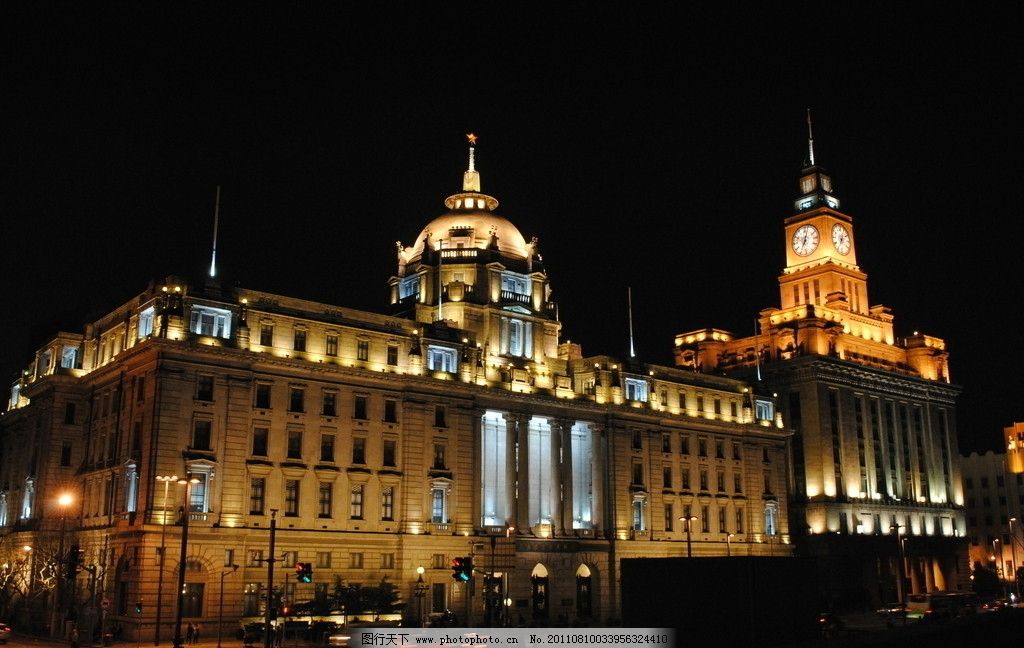
1. Definition of an LED Wall Washer Light
An LED wall washer light is a specialized linear or modular lighting fixture designed to evenly illuminate vertical surfaces such as walls, façades, columns, and architectural structures. Unlike spotlights that concentrate light in a narrow beam, wall washers distribute light uniformly over a wide area, “washing” the surface with consistent brightness.
Key Characteristics
-
Linear or elongated fixture design
-
Uniform, wide-angle light distribution
-
Directional optics aimed at vertical planes
-
Typically installed close to walls or façades
Common alternative terms include:
-
LED wall washing light
-
Architectural wall washer luminaire
-
Linear LED façade light
-
Exterior wall wash light
-
LED flood wall washer
2. Why LED Technology Is Ideal for Wall Washing
The shift from traditional lighting technologies to LEDs has transformed wall washing applications.
2.1 Limitations of Traditional Wall Washers
Older wall washer systems using halogen or metal halide lamps suffered from:
-
High energy consumption
-
Uneven light distribution
-
Frequent maintenance
-
Excessive heat output
2.2 Advantages of LED Wall Washer Lights
Modern LED wall washer lighting offers:
-
High luminous efficacy
-
Precise optical control
-
Long lifespan (often 30,000–50,000+ hours)
-
Compact and flexible fixture designs
-
RGB and smart control compatibility
These benefits make LED wall washer lights suitable for both indoor and outdoor architectural lighting.
3. Core Functions of an LED Wall Washer Light
The primary function of an LED wall washer is not simply illumination—it is visual enhancement and architectural expression.
3.1 Uniform Vertical Illumination
The defining function of a wall washer is to produce even light from top to bottom or side to side of a vertical surface. Properly designed LED wall washer lights minimize hot spots and shadows, creating a smooth visual gradient.
3.2 Architectural Emphasis
By illuminating walls, textures, and structural forms, LED wall washing lights:
-
Highlight building geometry
-
Enhance surface materials (stone, concrete, brick, glass)
-
Improve nighttime visibility and identity
3.3 Spatial Expansion and Visual Comfort
Wall washing can make spaces feel:
-
Larger
-
Brighter
-
More open
This effect is widely used in commercial interiors, galleries, and public buildings.
3.4 Decorative and Branding Effects
RGB and color-changing LED wall washer lights are often used to:
-
Display brand colors
-
Create festive or seasonal lighting
-
Enhance landmarks and event venues
4. Structure of an LED Wall Washer Light
Understanding the structure helps explain performance and durability.
4.1 LED Light Source
High-quality LED wall washer luminaires use:
-
High-power or mid-power LED chips
-
Consistent color binning
-
Efficient thermal substrates
The quality of the LED source directly affects brightness, color consistency, and lifespan.
4.2 Optical System
The optical design is critical in wall washing applications.
Common optical components include:
-
Asymmetric lenses
-
Reflectors designed for vertical distribution
-
Diffusers for smooth light blending
Well-engineered optics distinguish professional architectural wall washer lights from generic floodlights.
4.3 Housing and Materials
Outdoor LED wall washer lights typically use:
-
Die-cast aluminum housings
-
Stainless steel fasteners
-
Tempered glass covers
Materials must resist corrosion, UV exposure, and temperature fluctuations.
4.4 Thermal Management
LEDs require effective heat dissipation. Wall washer fixtures use:
-
Integrated heat sinks
-
Finned aluminum housings
-
Conduction cooling through the fixture body
Proper thermal design ensures stable light output and long service life.
4.5 Driver and Electrical Components
LED drivers regulate voltage and current to protect LED chips. Drivers may be:
-
Built-in
-
Remote (for easier maintenance)
Advanced LED wall washer lights support:
-
Dimming
-
DMX control
-
Smart lighting systems
5. Types of LED Wall Washer Lights
LED wall washer lights can be categorized by design, installation method, and control capability.
5.1 Linear LED Wall Washer Lights
Linear LED wall washer luminaires are the most common type.
Features:
-
Long, narrow profile
-
Seamless illumination over extended surfaces
-
Ideal for façades and retaining walls
5.2 Modular LED Wall Washers
Modular fixtures consist of individual units linked together.
Advantages:
-
Flexible layout
-
Easy replacement
-
Suitable for complex architectural forms
5.3 RGB and RGBW Wall Washer Lights
RGB wall washer lighting enables dynamic color effects.
Applications include:
-
Building façades
-
Bridges and landmarks
-
Entertainment venues
RGBW versions add dedicated white LEDs for better white light quality.
5.4 Indoor vs. Outdoor Wall Washer Lights
-
Indoor wall washers focus on glare control and visual comfort
-
Outdoor wall washer lights emphasize waterproofing, durability, and long-distance light projection
6. Working Principle of an LED Wall Washer Light
The operation of an LED wall washer relies on precise optical engineering.
6.1 Directional Light Emission
LEDs emit directional light, allowing designers to shape beams more efficiently than traditional lamps.
6.2 Asymmetric Beam Distribution
Most wall washer lights use asymmetric optics, directing more light upward or outward to evenly cover vertical surfaces.
6.3 Light Blending and Uniformity
Diffusers and lens arrays blend individual LED points into a continuous wash, avoiding visible LED dots.
6.4 Color Mixing in RGB Wall Washers
RGB wall washer lights use electronic control to vary red, green, and blue output, creating different colors and effects.
7. Key Applications of LED Wall Washer Lights
7.1 Architectural Façade Lighting
LED wall washer lights are widely used to illuminate:
-
Commercial buildings
-
Office towers
-
Residential complexes
They enhance architectural identity and nighttime presence.
7.2 Landscape and Urban Lighting
In outdoor environments, wall washer lights highlight:
-
Retaining walls
-
Boundary walls
-
Bridges and tunnels
They are often combined with ground-mounted luminaires for layered lighting.
7.3 Hospitality and Commercial Spaces
Hotels, resorts, and shopping centers use LED wall washing lights to:
-
Create welcoming atmospheres
-
Guide visitors
-
Reinforce brand aesthetics
7.4 Cultural and Public Buildings
Museums, theaters, and public institutions use wall washer lighting to:
-
Emphasize cultural value
-
Improve visibility
-
Support nighttime tourism
7.5 Interior Design and Retail
Inside buildings, wall washers are used in:
-
Galleries
-
Showrooms
-
Retail displays
Uniform wall illumination improves product presentation and spatial perception.
8. Design Considerations for LED Wall Washer Lighting
8.1 Fixture Placement and Distance
Proper spacing and distance from the wall are critical for uniform illumination.
8.2 Beam Angle Selection
Beam angles affect coverage height and brightness distribution.
8.3 Color Temperature Choice
Common options include:
-
Warm white (2700K–3000K) for hospitality
-
Neutral white (4000K) for commercial
-
RGB for decorative use
8.4 Glare Control
Professional wall washer designs shield the light source to reduce glare for pedestrians and occupants.
9. Energy Efficiency and Sustainability
LED wall washer lights contribute to sustainable lighting design by:
-
Reducing power consumption
-
Lowering maintenance needs
-
Supporting smart control and dimming
They align with green building and urban sustainability initiatives.
10. Smart Control and Dimming Options
Modern LED wall washer lighting systems support:
-
DALI
-
DMX
-
0–10V dimming
-
Smart city and building automation systems
These controls allow dynamic lighting scenes and energy optimization.
11. Common Mistakes to Avoid
-
Using floodlights instead of true wall washers
-
Incorrect fixture spacing
-
Ignoring glare and light pollution
-
Mixing incompatible color temperatures
12. LED Wall Washer vs. Floodlight
| Aspect | LED Wall Washer Light | LED Floodlight |
|---|---|---|
| Light Distribution | Uniform, vertical | Broad, directional |
| Purpose | Architectural washing | Area illumination |
| Visual Effect | Smooth and refined | High intensity |
13. Future Trends in LED Wall Washer Lighting
-
Ultra-slim designs
-
Improved optical efficiency
-
Smart city integration
-
Dynamic façade lighting systems
-
Greater emphasis on glare control and sustainability
14. How to Choose the Right LED Wall Washer Light
When selecting an LED wall washer luminaire, consider:
-
Application environment
-
Required brightness and beam angle
-
Color and control requirements
-
Material quality and IP rating
-
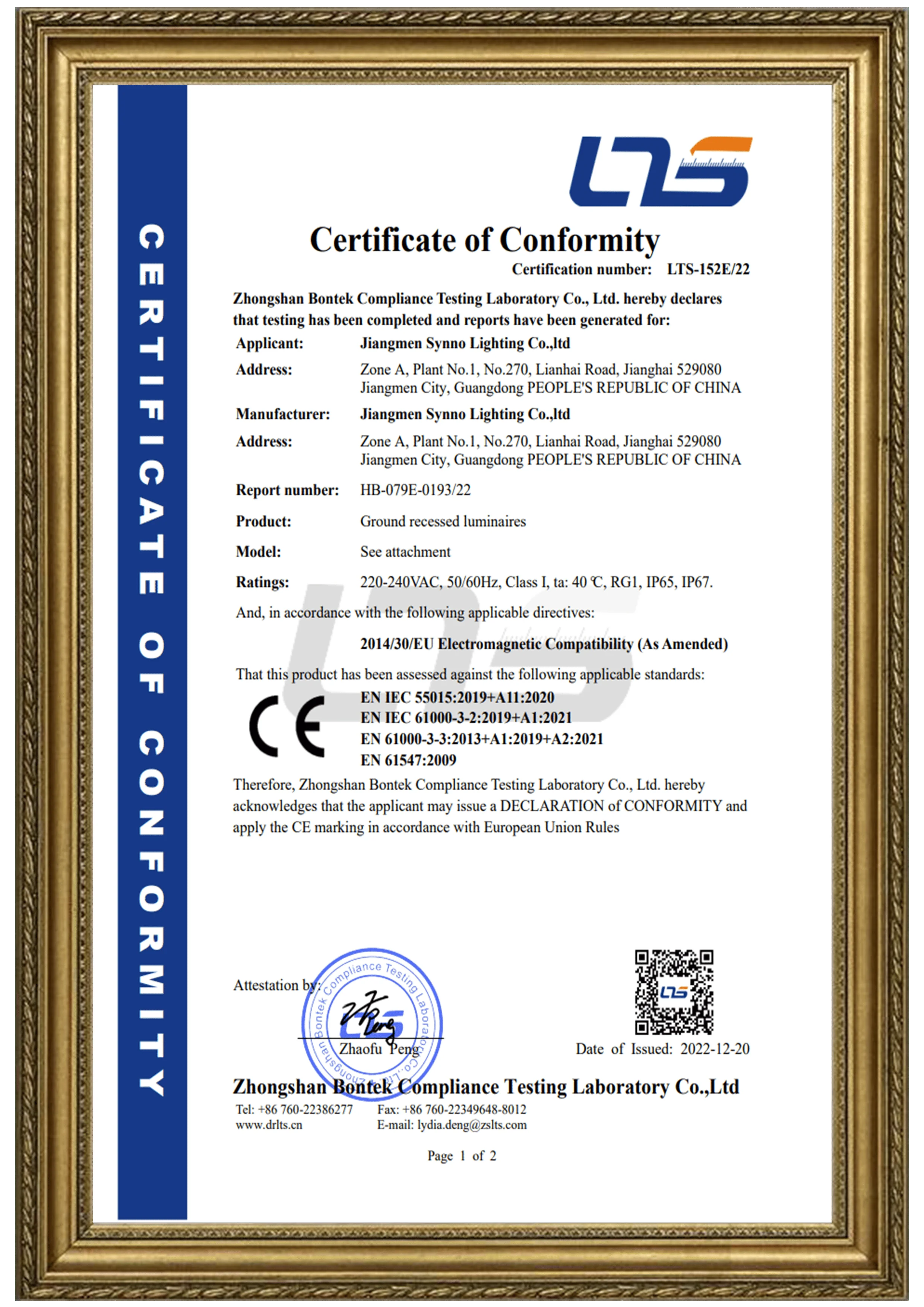
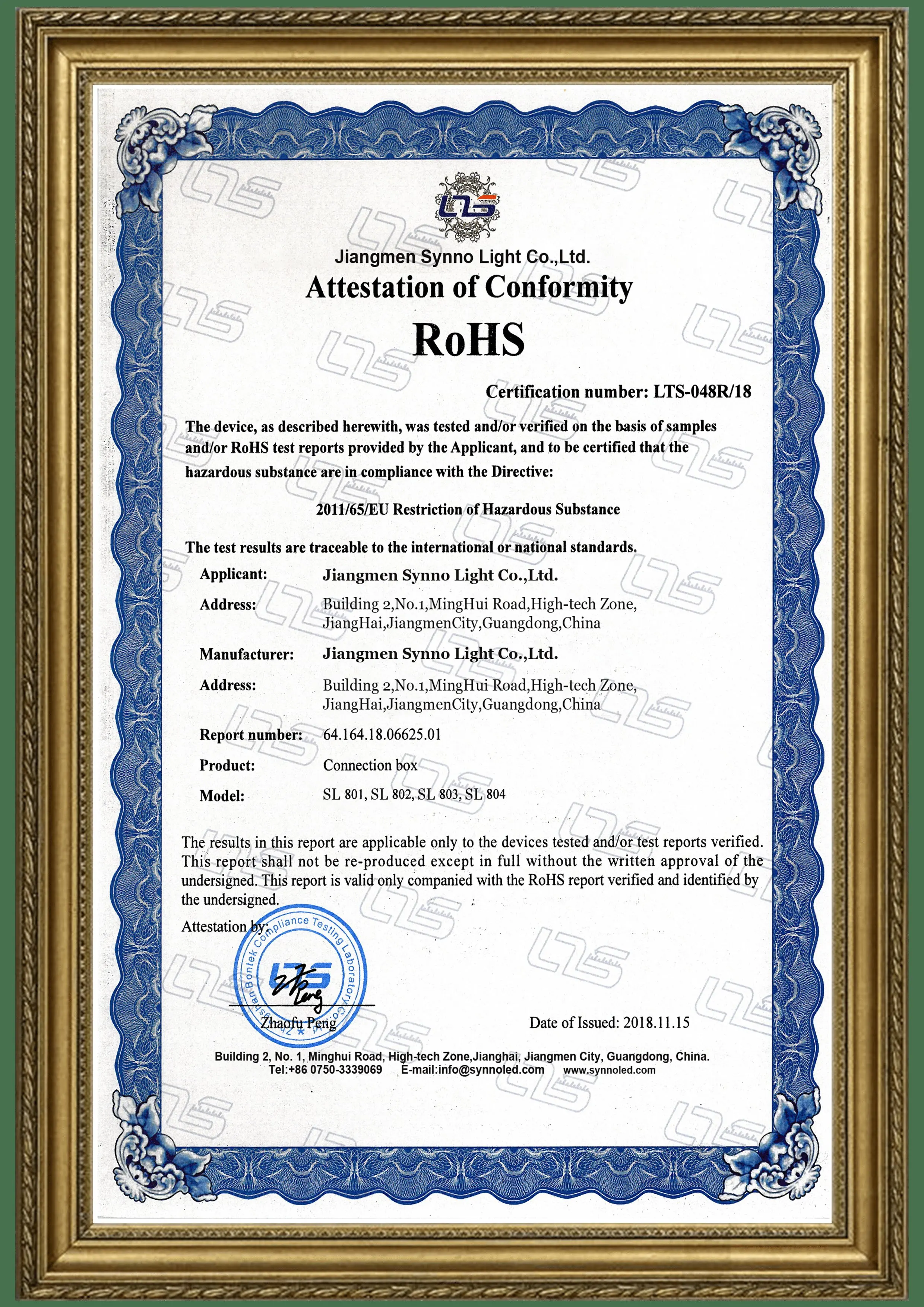
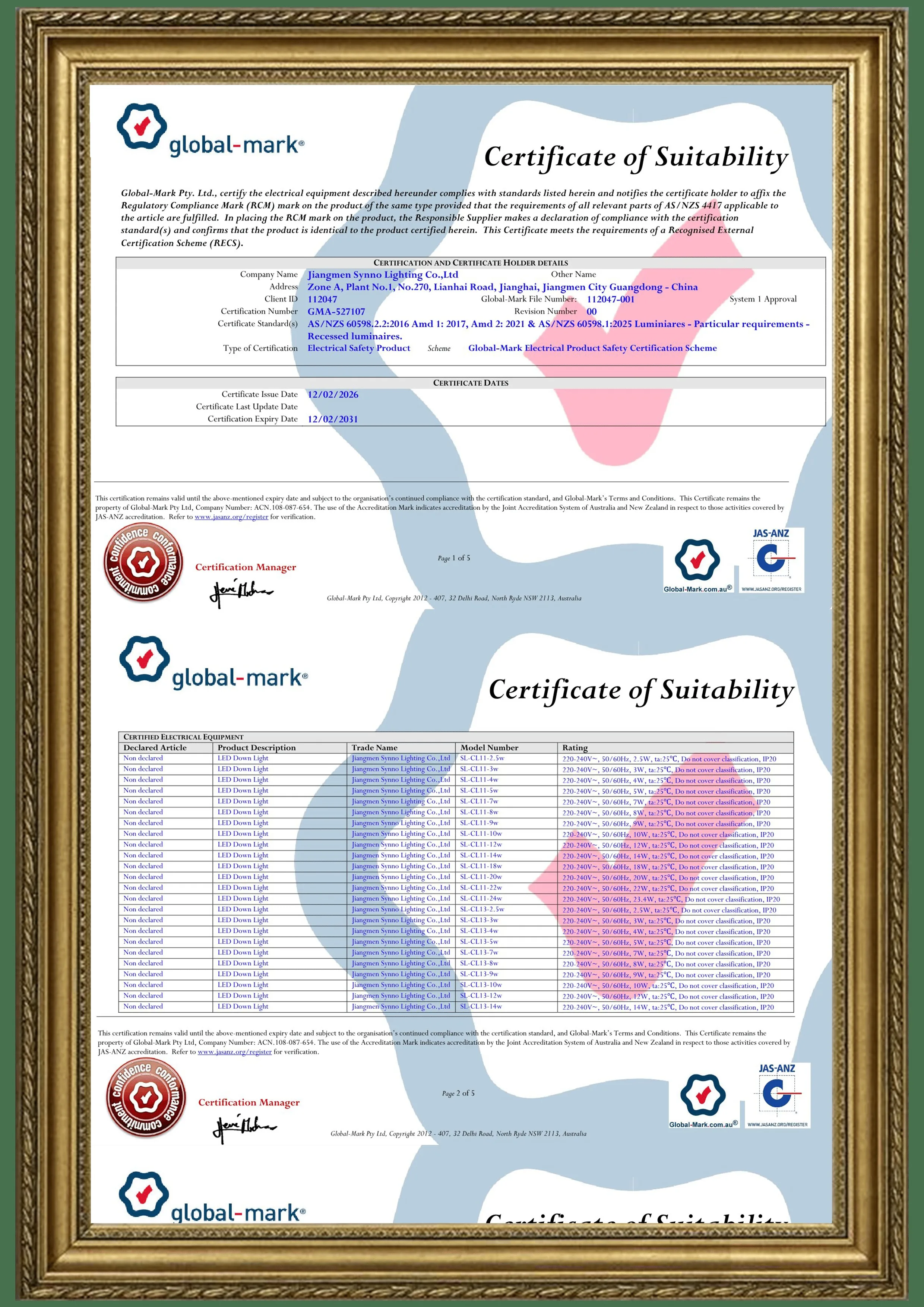
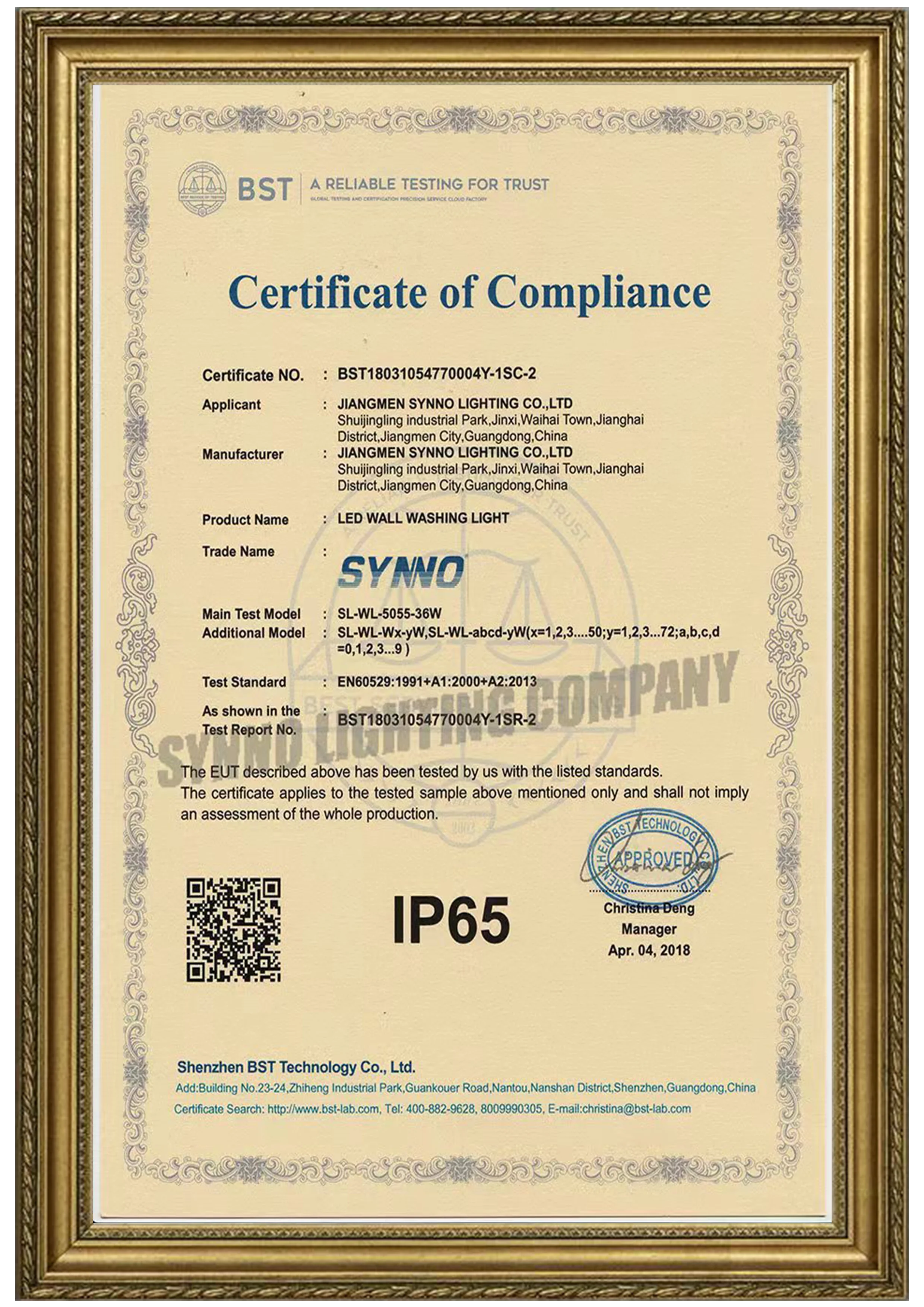
Manufacturer testing and certifications
15. Conclusion
An LED wall washer light is a specialized architectural lighting solution designed to transform vertical surfaces through smooth, uniform illumination. By combining advanced LED technology, precision optics, and durable construction, modern wall washer lights deliver both functional and aesthetic value across a wide range of applications.
From architectural façades and urban landscapes to hospitality venues and interior spaces, LED wall washing lights play a crucial role in shaping visual identity and enhancing nighttime environments. When thoughtfully designed and properly installed, they elevate buildings and spaces while maintaining energy efficiency, durability, and visual comfort.
As architectural lighting continues to evolve, LED wall washer lights will remain a fundamental tool for designers seeking impactful, professional, and sustainable lighting solutions.