LED Flood Lights for Sports Fields and Stadiums: What You Need to Know
Lighting is one of the most crucial elements in any sports facility — from community football fields and tennis courts to professional stadiums. Proper lighting not only ensures visibility for players and spectators but also enhances safety, reduces energy costs, and meets the performance standards required for televised events or nighttime competitions.
In recent years, LED flood lights have revolutionized the way sports fields are illuminated. They have replaced traditional metal halide, halogen, or high-pressure sodium lamps with brighter, more efficient, and longer-lasting solutions.
In this article, we’ll explore everything you need to know about LED flood lights for sports fields and stadiums — including their advantages, technical specifications, installation tips, and how to choose the right model for your project.
1. Why LED Flood Lights Are Ideal for Sports Fields
a. Superior Brightness and Uniformity
LED flood lights deliver powerful, uniform illumination that minimizes shadows and glare — crucial for fast-moving sports like soccer, baseball, and tennis. Unlike traditional lamps that emit light in all directions, LEDs provide directional lighting, meaning they focus light exactly where it’s needed.
This results in:
-
Better visibility for players and referees
-
Clearer visuals for spectators and cameras
-
Reduced light spill and energy waste
b. Exceptional Energy Efficiency
Traditional stadium lights (metal halide or HPS) consume massive amounts of electricity — typically 1000–2000W per fixture. In contrast, an LED flood light of 500–1000W can deliver the same brightness while saving up to 70% in energy costs.
For large stadiums running hundreds of lights, this translates into thousands of dollars saved annually.
c. Long Lifespan and Low Maintenance
LEDs last 50,000–100,000 hours, several times longer than metal halide lamps that often degrade after 8,000–10,000 hours.
They also:
-
Maintain brightness consistency (low lumen depreciation)
-
Don’t require frequent bulb or ballast replacements
-
Operate reliably in extreme weather
d. Instant On/Off and Dimming Control
Unlike conventional lights that need 10–15 minutes to warm up, LED flood lights reach full brightness instantly.
They can also be dimmed or controlled via smart systems, allowing facilities to:
-
Adjust brightness for different events
-
Schedule operation times
-
Reduce energy consumption during practice sessions
2. Understanding Sports Lighting Requirements
Every sport has specific lighting standards that ensure optimal performance and safety. These are typically defined by organizations like FIFA, UEFA, IAAF, and EN 12193 (European standard for sports lighting).
a. Key Lighting Parameters
-
Illuminance (Lux) – The amount of light falling on a surface, measured in lux (lm/m²).
-
Uniformity (U₀) – The ratio of minimum to average illumination. Higher uniformity ensures even lighting across the entire field.
-
Color Rendering Index (CRI) – Measures how accurately colors appear under the light source. A CRI above 80 is preferred for sports visibility and broadcasting.
-
Glare Rating (GR) – Indicates how much discomfort glare the lighting causes. Lower GR values are better.
-
Color Temperature (CCT) – The “warmth” or “coolness” of light measured in Kelvin (K). Sports lighting usually uses 5000K–6000K cool white for clarity.
b. Typical Lux Levels by Sport
| Sport Type | Recreational (Lux) | Training (Lux) | Professional (Lux) |
|---|---|---|---|
| Football (Soccer) | 200–300 | 500–700 | 1000–2000 |
| Tennis | 300 | 500–750 | 800–1500 |
| Basketball | 300 | 500–750 | 1000–2000 |
| Baseball | 500 | 750–1000 | 1500–2500 |
| Rugby | 200 | 500 | 1000–1500 |
| Athletics (Track & Field) | 300 | 500 | 800–1500 |
| Hockey | 500 | 750 | 1200–2000 |
Professional stadiums hosting televised matches often exceed 1500 lux with highly uniform lighting across the playing area.
3. Types of LED Flood Lights for Sports Lighting
Not all LED flood lights are created equal. Depending on the venue size, height of poles, and lighting requirements, different models are used.
a. Modular High-Power Flood Lights
-
Power range: 400W–2000W
-
Modular design allows stacking multiple LED engines
-
Ideal for large stadiums or arenas
-
Excellent heat dissipation and easy maintenance
b. Narrow Beam Sports Flood Lights
-
Designed with 5°–30° beam angles
-
Focus light over long distances (40–80 meters)
-
Commonly mounted on tall poles or rooftops
c. Wide Beam Area Flood Lights
-
Beam angle: 60°–120°
-
Used for training fields or smaller courts
-
Provide uniform illumination over broad areas
d. Asymmetric Optics Flood Lights
-
Use advanced optical lenses to minimize glare and light pollution
-
Allow precise aiming and directional control
-
Ensure compliance with neighborhood lighting regulations
4. Key Features to Look For in High-Quality LED Flood Lights
When choosing LED flood lights for sports fields, quality and performance are everything. Here are the critical features you should look for:
a. High Luminous Efficacy
The higher the lumen-per-watt (lm/W) efficiency, the better. Look for fixtures rated 130–180 lm/W to maximize energy savings without compromising brightness.
b. Excellent Heat Dissipation
LED chips generate heat, and poor thermal design shortens lifespan.
Ensure the fixture includes:
-
Die-cast aluminum housing
-
Large finned heat sinks
-
Thermal management systems
c. Durable, Weatherproof Design
Sports field lights must withstand rain, wind, and dust. Always choose models with:
-
IP65 or IP66 waterproof rating
-
IK08+ impact resistance
-
Corrosion-resistant coatings (for coastal areas)
d. Flicker-Free Technology
High-speed cameras used in broadcasting detect flicker invisible to the human eye.
Select flicker-free drivers (THD <10%) to ensure smooth, stable illumination suitable for televised sports.
e. Adjustable Mounting Brackets
Look for 360° rotatable brackets that allow easy angle adjustments. This simplifies aiming during installation or field upgrades.
f. Long Lifespan and Warranty
A reputable LED sports light should last 50,000+ hours and come with a 5-year or longer warranty.
5. LED Flood Light Optics and Beam Angles
Beam angle determines how light spreads over a surface.
-
Narrow beams (10°–30°): Focused, long-range illumination for tall poles or center fields.
-
Medium beams (45°–60°): Balanced coverage for mid-height poles.
-
Wide beams (90°–120°): Perfect for perimeters, sidelines, or small training areas.
Professional-grade flood lights often combine multiple optics to achieve balanced vertical and horizontal illumination — ensuring players and spectators can clearly see both ground and airborne action.
6. Installation Considerations for Sports Lighting
Installing LED flood lights for sports venues requires careful planning and expertise. Here’s what to keep in mind:
a. Pole Height and Position
-
Small fields: 6–12m poles
-
Medium fields: 15–20m
-
Large stadiums: 25–40m
Poles should be placed symmetrically to ensure even light distribution. Avoid shadows or “hot spots” by simulating light coverage using lighting design software (e.g., Dialux).
b. Aiming and Tilt Angles
Incorrect aiming causes glare and uneven illumination.
Each flood light must be aimed precisely, often with a tilt angle of 25°–45°, depending on height and field dimensions.
c. Electrical Load and Power Distribution
Use dedicated circuits for lighting systems, ensuring adequate protection via circuit breakers and surge arresters.
LED systems typically require less power cabling, but voltage drops over long distances should still be calculated carefully.
d. Smart Control Systems
Modern stadiums use DMX or DALI control systems for:
-
Dynamic dimming
-
Light scenes for different events
-
Instant on/off switching
-
Integration with audio-visual effects
7. Comparing LED Flood Lights to Traditional Lighting
| Feature | LED Flood Light | Metal Halide / HPS Light |
|---|---|---|
| Energy Efficiency | 130–180 lm/W | 70–100 lm/W |
| Startup Time | Instant | 10–15 minutes |
| Lifespan | 50,000–100,000 hours | 8,000–10,000 hours |
| Maintenance | Minimal | Frequent bulb replacement |
| Heat Emission | Low | High |
| Control Options | Dimmable, Smart Control | None |
| Light Uniformity | Excellent | Moderate |
| Color Rendering (CRI) | 80–90 | 60–70 |
| Environmental Impact | No mercury, recyclable | Contains mercury |
The advantages of LEDs are clear — lower energy use, better color rendering, and far less maintenance, all while providing superior lighting quality.
8. Cost Analysis: Are LED Sports Lights Worth It?
While the initial investment in LED flood lights is higher than traditional fixtures, the long-term savings are substantial.
Example:
-
Replacing 100 metal halide lights (1500W each) with 800W LEDs
-
Operating 6 hours per day, 300 days per year
Annual energy savings:
(1500W – 800W) × 100 lights × 6h × 300 days = 126,000 kWh saved
At $0.12/kWh → $15,120 saved per year
Over a 5-year lifespan, that’s $75,000+ savings, excluding maintenance and replacement costs.
9. Environmental and Safety Benefits
a. Eco-Friendly Design
LED flood lights contain no mercury or toxic materials, and their lower energy consumption reduces CO₂ emissions.
b. Reduced Light Pollution
With asymmetric optics and precise aiming, LEDs prevent light spillage into neighboring areas — preserving the night sky and complying with lighting ordinances.
c. Lower Heat Output
LEDs remain cool to the touch, minimizing fire risk and creating safer maintenance conditions.
10. Maintenance Tips for LED Sports Lighting
LED flood lights require minimal maintenance, but periodic inspections ensure long-term reliability.
Checklist:
-
Clean lenses every 3–6 months to remove dust buildup.
-
Check mounting bolts and brackets for corrosion or looseness.
-
Inspect cables and connectors for damage.
-
Verify driver performance annually.
-
Recalibrate beam direction if pole vibrations alter aiming.
Following these steps will keep your sports field lighting in peak condition for years.
11. Choosing the Right LED Flood Light Supplier
When selecting a lighting supplier or manufacturer, prioritize these factors:
-
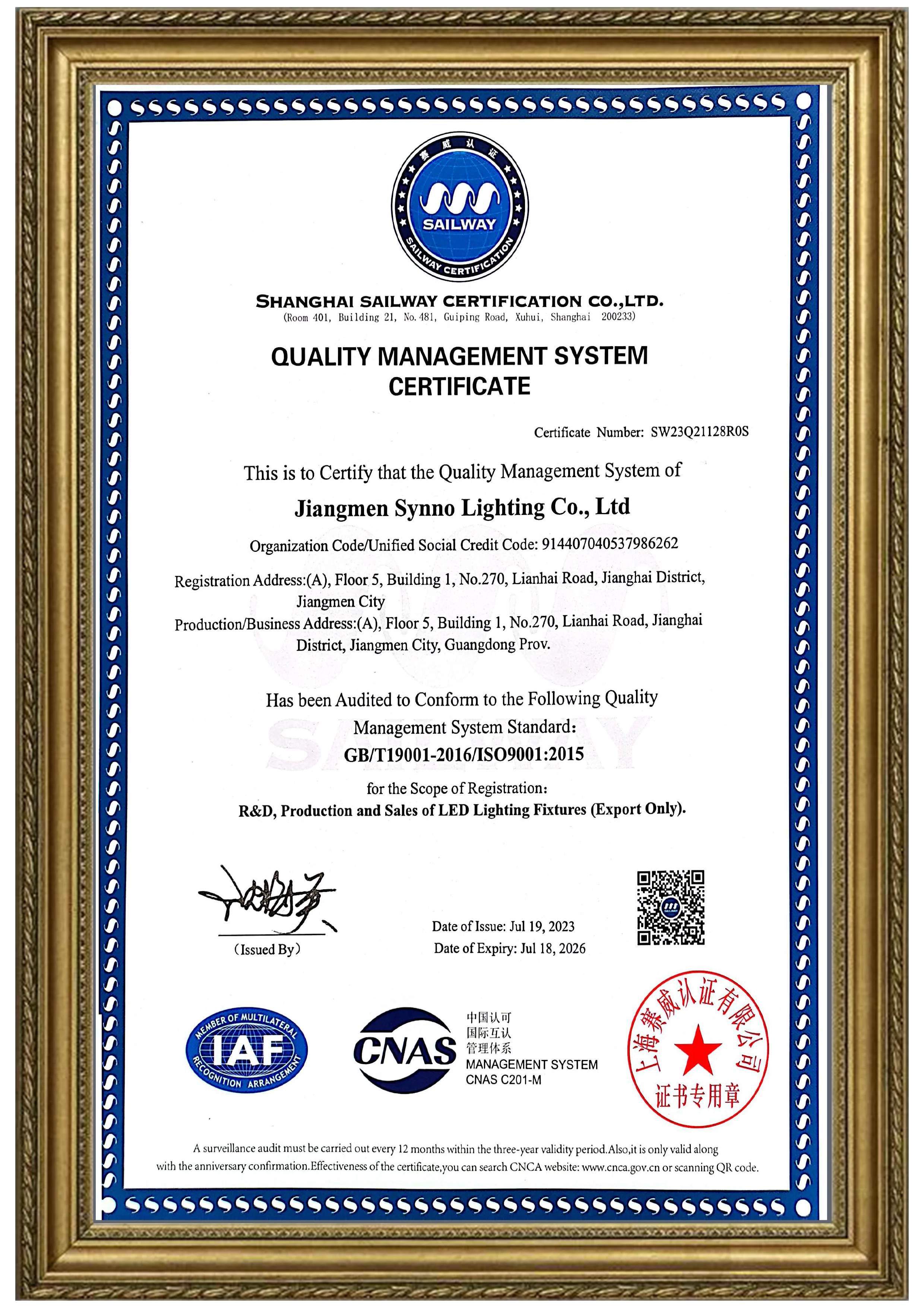
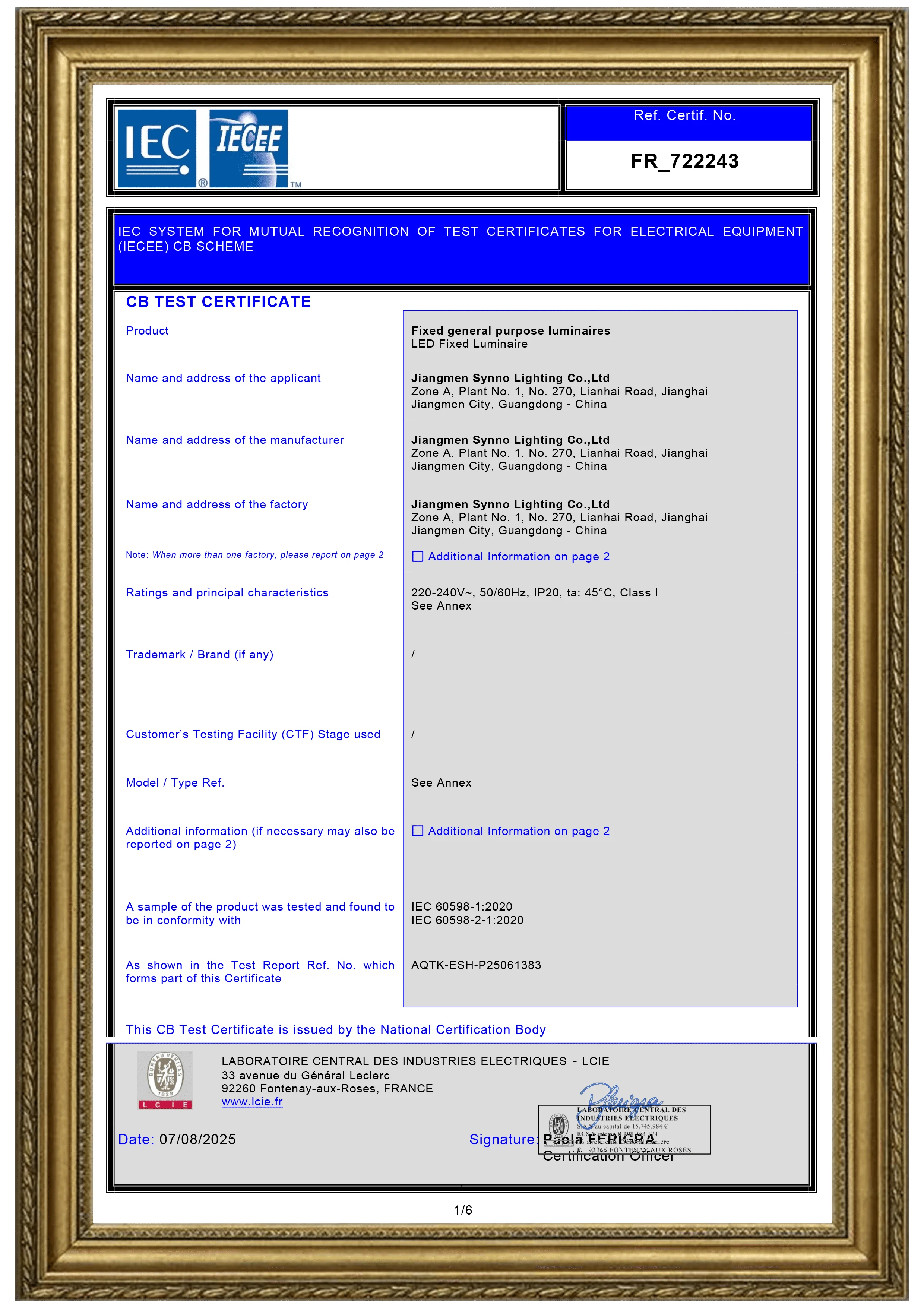
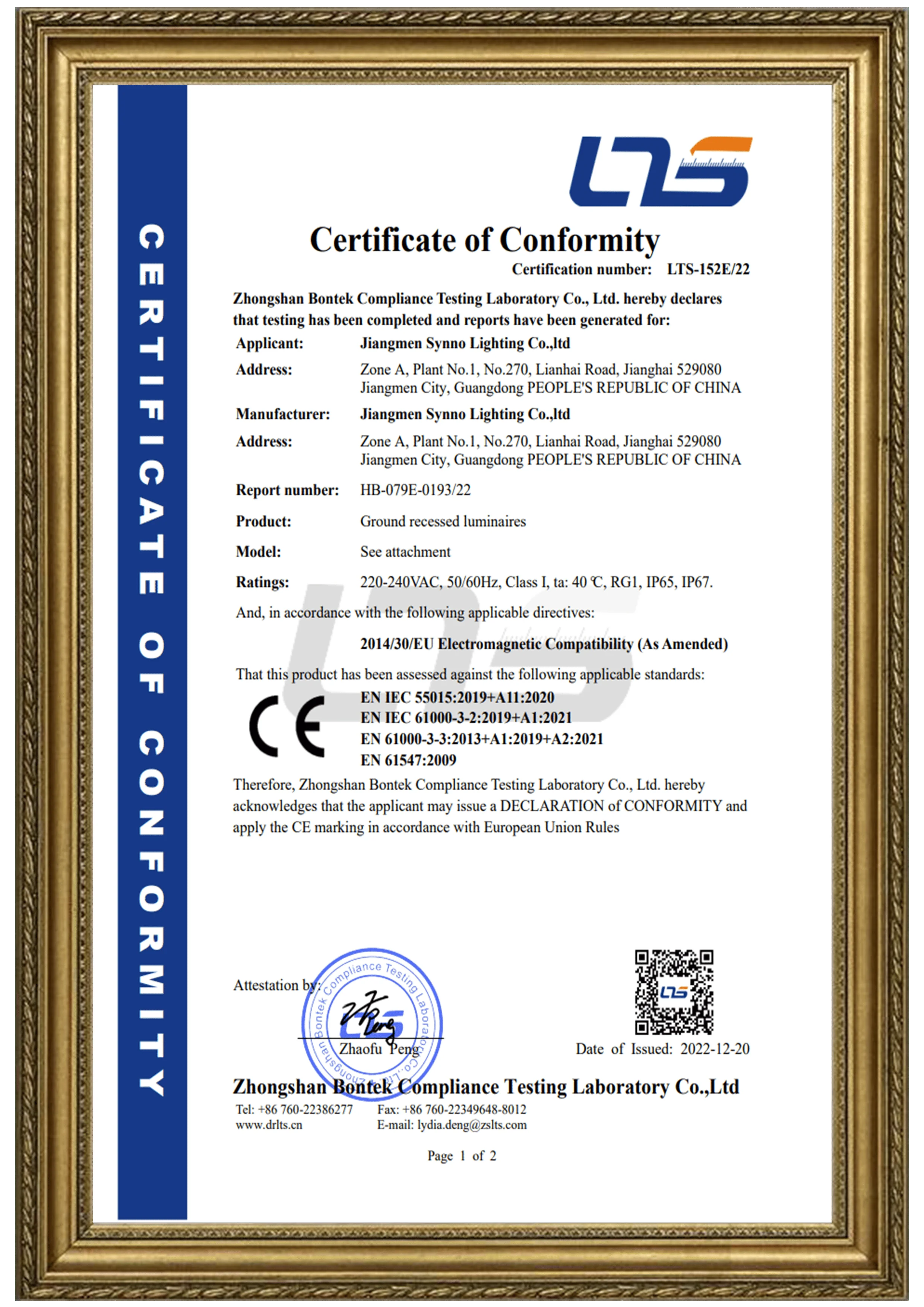
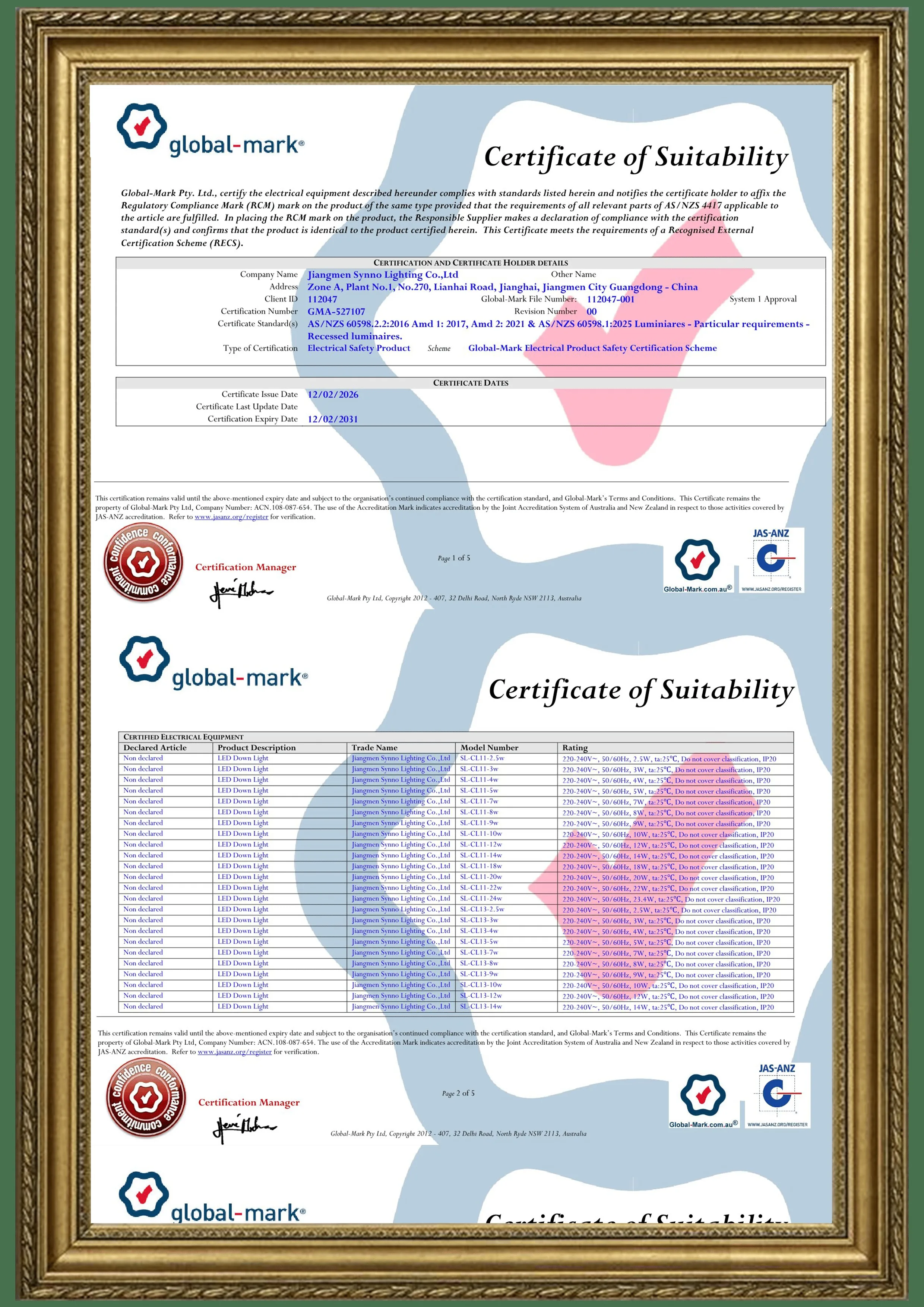
Quality Certification: CE, RoHS, UL, SAA, or ENEC compliance.
-
Optical Engineering: Custom optics for your specific sport and field layout.
-
Warranty: At least 5 years.
-
Technical Support: Assistance with lighting simulation and installation guidance.
-
Material Quality: Die-cast aluminum body, stainless steel screws, and tempered glass lens.
A reputable supplier will also provide photometric (IES) files for pre-installation simulation — crucial for meeting required lux levels and uniformity ratios.
12. Future Trends in Sports Lighting
a. Smart Stadium Lighting
Integration with IoT (Internet of Things) allows remote control, scheduling, and energy monitoring in real time.
b. Dynamic Lighting Effects
RGBW LED flood lights enable color-changing effects synchronized with music or events — popular for large-scale entertainment and post-match celebrations.
c. Solar + Hybrid Systems
Emerging solar-powered flood lights reduce dependence on the grid while ensuring backup power reliability.
d. Ultra-High CRI and Glare Control
Advanced optics now achieve CRI 95+, enhancing televised broadcast quality while keeping glare minimal for players.
13. Conclusion: Lighting Up the Future of Sports
LED flood lights have completely transformed how we illuminate sports fields and stadiums. From local playgrounds to professional arenas, they offer unmatched brightness, energy savings, and control flexibility — ensuring every match is played in perfect visibility and comfort.
By understanding the technical aspects, selecting high-quality materials, and designing intelligently, you can create a lighting system that enhances performance, meets regulations, and operates efficiently for years.
Whether you’re upgrading an existing field or building a new stadium, investing in LED flood lights is one of the smartest, most sustainable choices you can make — for your facility, your budget, and the environment.