Frequently Asked Questions About LED Garden Lights: The Complete Guide
Outdoor lighting plays a vital role in transforming any landscape into an inviting, secure, and visually stunning space after sunset. Among the many lighting technologies available, LED garden lights have become the most popular choice — thanks to their exceptional energy efficiency, long lifespan, and design flexibility.
However, many homeowners, landscapers, and commercial property managers still have questions about how LED garden lights work, how to install them, and how to maintain them effectively.
In this article, we’ll answer the most frequently asked questions (FAQs) about LED garden lighting, covering everything from performance and installation to maintenance, design ideas, and environmental benefits. Whether you’re new to LED lighting or planning a full garden upgrade, this guide will help you make informed decisions.
1. What Are LED Garden Lights?
LED garden lights are outdoor lighting fixtures designed specifically to illuminate landscapes, gardens, pathways, patios, or architectural features using light-emitting diodes (LEDs).
Unlike traditional halogen or incandescent lights, LEDs produce light through a semiconductor process, not by heating a filament. This makes them:
-
More energy efficient (up to 85% less power consumption)
-
Longer-lasting (often 30,000–50,000 hours of use)
-
Cooler and safer to operate outdoors
Common types include:
-
Bollard lights
-
Spike lights
-
Floodlights
-
Wall washers
-
Inground lights
-
Step lights
-
String or strip lights
Each serves a unique purpose — from accenting trees and plants to illuminating walkways or enhancing the ambience of an outdoor area.
2. Why Choose LED Lights for Garden Illumination?
Here’s why LED garden lights have replaced older technologies like halogen or fluorescent lamps:
✅ Energy Efficiency
LEDs convert around 90% of electricity into light, wasting very little energy as heat. This drastically reduces electricity bills, especially for large outdoor setups.
✅ Durability and Longevity
High-quality LED fixtures last up to 10 times longer than traditional bulbs. You’ll spend less on replacements and maintenance over time.
✅ Weather Resistance
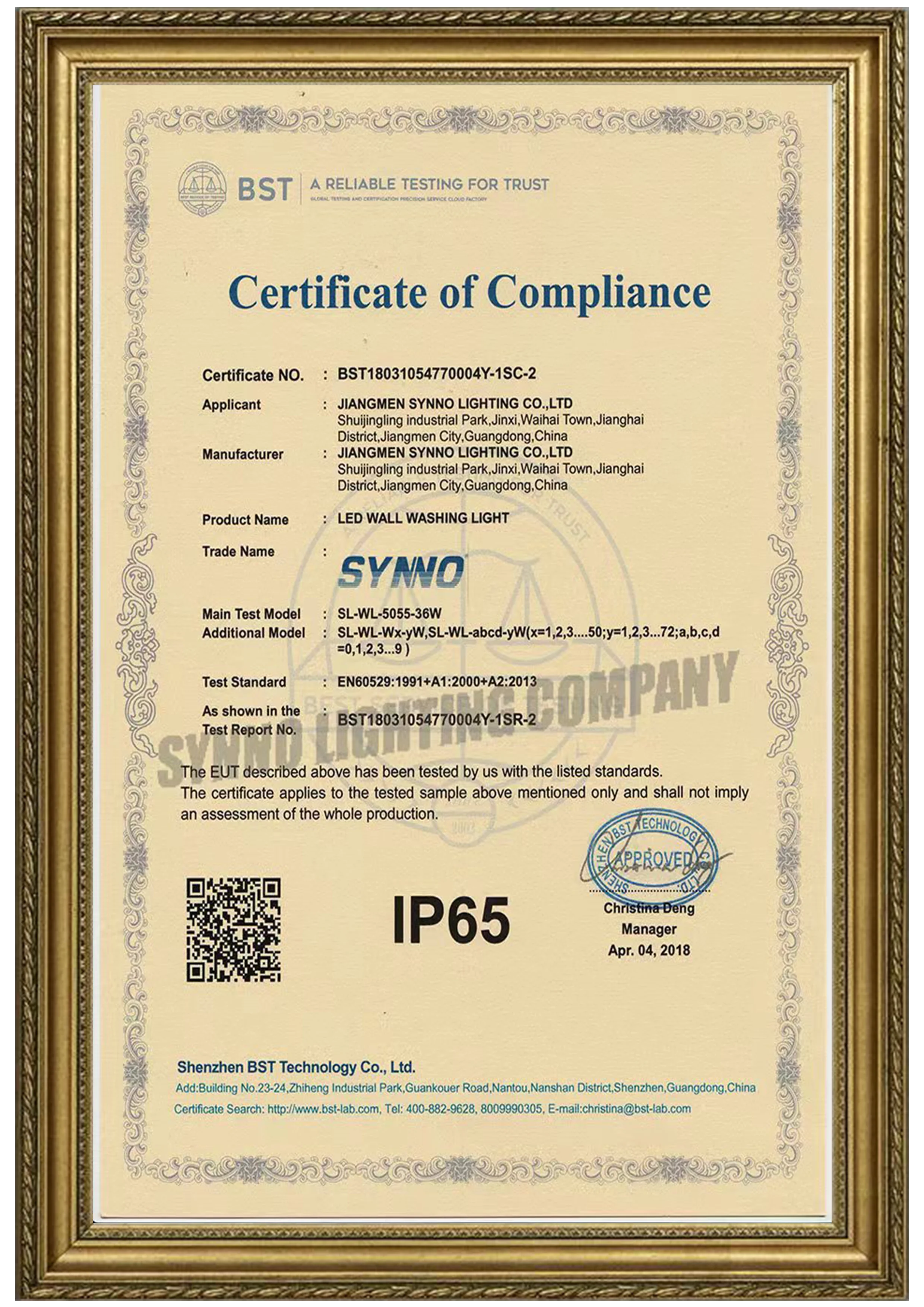
LED garden lights are engineered with IP65–IP67-rated housings, meaning they resist rain, dust, and even temporary water immersion — essential for outdoor environments.
✅ Design Versatility
With adjustable beam angles, color temperatures, and dimming options, LEDs allow precise control over the lighting atmosphere — whether for soft ambience or strong highlights.
✅ Eco-Friendly
LEDs contain no mercury or toxic materials, and their efficiency reduces overall carbon emissions — a win for sustainability-conscious users.
3. What Are the Different Types of LED Garden Lights?
Here’s a breakdown of the most common styles:
| Type | Description | Best Used For |
|---|---|---|
| Spike Lights | Ground-mounted lights with spikes for easy installation in soil | Highlighting plants, trees, or flower beds |
| Bollard Lights | Short, vertical posts emitting light around them | Pathways, driveways, or garden borders |
| Floodlights | Powerful, wide-beam fixtures | Lighting large garden areas or building facades |
| Wall Washers | Linear lights that cast light upward or across surfaces | Highlighting walls, fences, or water features |
| Inground Lights | Recessed fixtures installed in the ground | Tree uplighting or driveway illumination |
| Step Lights | Embedded in stairs or decks | Safety lighting for steps or walkways |
| String/Strip Lights | Flexible LED ribbons or cables | Decorative garden accents or pergolas |
Choosing the right mix ensures your garden is both beautiful and functional after dark.
4. Are LED Garden Lights Safe for Outdoor Use?
Yes — as long as you choose fixtures rated for outdoor environments.
Look for IP ratings that define the level of protection:
-
IP44 – Suitable for covered outdoor areas
-
IP65 – Fully weatherproof; ideal for exposed gardens
-
IP67 – Submersible in shallow water (great near fountains or ponds)
Also, ensure:
-
The wiring is UV-resistant and waterproof.
-
Power supplies (drivers or transformers) are installed in weatherproof enclosures.
-
All connections use waterproof connectors or cable glands.
When installed properly, LED garden lights are extremely safe — even in humid or rainy conditions.
5. Can LED Garden Lights Get Wet?
Absolutely — outdoor-rated LED lights are designed to handle moisture.
For instance:
-
An IP65 fixture can withstand direct rain or water jets.
-
An IP67 light can handle brief submersion (such as during heavy rain or near ponds).
However, avoid placing non-waterproof connections directly in soil or water. Always use waterproof junction boxes or silicone-sealed fittings.
6. How Bright Should LED Garden Lights Be?
Brightness is measured in lumens (lm), not watts. Here’s a quick guideline:
| Application | Recommended Brightness (Lumens) |
|---|---|
| Path or Step Lighting | 100–300 lm |
| Accent Lighting (plants, sculptures) | 150–400 lm |
| Security or Floodlighting | 700–2,000 lm |
| Decorative Lighting | 50–150 lm |
For best results, choose warm white (2700K–3000K) for a cozy, inviting look, or neutral white (4000K) for modern architectural effects.
7. Are LED Garden Lights Expensive?
While LED garden lights typically cost more upfront than halogen or CFL lights, the long-term savings far outweigh the initial investment.
Here’s why:
-
LEDs consume less energy — reducing monthly bills.
-
They last longer — saving on replacement and maintenance.
-
Many models are solar-powered, eliminating electricity costs entirely.
So, over 3–5 years, LEDs are the most cost-effective outdoor lighting option available.
8. Can I Install LED Garden Lights Myself?
Yes — many garden lights are designed for DIY installation, especially low-voltage (12V or 24V DC) systems.
Here’s a simplified guide:
-
Plan your lighting layout.
-
Position fixtures before wiring.
-
Use outdoor-rated cables and connectors.
-
Connect lights to a transformer (if not solar).
-
Bury cables at least 5–10 cm deep to protect them.
-
Test the system before covering cables completely.
For high-voltage (110–240V) systems or commercial-grade installations, always hire a qualified electrician to ensure compliance with safety regulations.
9. What’s the Difference Between Solar and Wired LED Garden Lights?
| Feature | Solar LED Lights | Wired LED Lights |
|---|---|---|
| Power Source | Solar energy via panel | Direct electricity |
| Installation | Easy, no wiring | Requires cable connection |
| Brightness | Moderate (100–400 lm) | Adjustable (up to 2,000+ lm) |
| Maintenance | Replace battery every 1–2 years | Minimal once installed |
| Best For | Decorative, small gardens | Large or professional landscapes |
If your garden receives ample sunlight, solar lights are convenient and eco-friendly. However, for consistent illumination or high brightness, wired systems are more reliable.
10. How Long Do LED Garden Lights Last?
A high-quality LED garden light can last 30,000 to 50,000 hours, which equates to:
-
10–15 years for normal residential use (8 hours/day).
Lifespan depends on:
-
Material quality (stainless steel or aluminum housing lasts longer)
-
Proper installation (avoid overheating and moisture ingress)
-
Driver quality (cheap drivers fail faster)
Choose lights from reputable manufacturers and check warranties (ideally 3–5 years).
11. Can LED Garden Lights Be Dimmed or Controlled?
Yes! Many modern LED garden lights support smart control and dimming features.
You can choose:
-
Remote-controlled or app-controlled systems
-
Smart home integration (e.g., Alexa, Google Home)
-
Dusk-to-dawn sensors
-
Motion sensors for security
-
Adjustable color temperature or RGB lighting for ambience
Smart lighting adds convenience, saves energy, and enhances design flexibility.
12. How Do I Maintain LED Garden Lights?
Maintenance is simple but essential to ensure performance and longevity.
Basic maintenance checklist:
-
Turn off power before cleaning.
-
Wipe lenses and housings with a soft cloth and mild detergent.
-
Check for debris or insect buildup around lenses.
-
Inspect seals and gaskets for cracks.
-
Tighten screws and connectors periodically.
-
Replace damaged cables or corroded parts immediately.
Perform cleaning every 3–6 months, depending on weather exposure.
13. Can LED Garden Lights Attract Insects?
LED lights attract significantly fewer insects than traditional lamps.
This is because:
-
LEDs emit minimal UV radiation, which bugs are drawn to.
-
Warm white LEDs (2700–3000K) attract fewer insects than cool white or blue-toned lights.
For minimal bug attraction, always choose warm color temperatures and install lights slightly away from sitting areas.
14. How Do I Choose the Right Color Temperature for My Garden?
Color temperature determines how “warm” or “cool” the light appears:
| Color Temperature | Appearance | Best For |
|---|---|---|
| 2700K–3000K (Warm White) | Soft, cozy, golden glow | Relaxed ambience, patios, flower beds |
| 3500K–4000K (Neutral White) | Bright, balanced light | Modern designs, general pathways |
| 5000K+ (Cool White) | Crisp, daylight effect | Security, highlighting modern structures |
| RGB / RGBW | Custom color options | Decorative or festive lighting |
For most gardens, warm white provides the most natural and comfortable atmosphere.
15. Are LED Garden Lights Waterproof Year-Round?
Yes, if they are designed for outdoor use with proper IP ratings.
However, extreme conditions — heavy rain, snow, or salty air — can wear down seals over time. To ensure year-round durability:
-
Clean fixtures regularly.
-
Reapply silicone sealant to connections if needed.
-
Avoid placing lights in standing water unless IP67-rated.
16. What Materials Are Best for Outdoor LED Fixtures?
The build material determines how well your garden light withstands weather exposure.
| Material | Advantages |
|---|---|
| 316 Stainless Steel | Excellent corrosion resistance, perfect for coastal areas |
| Powder-Coated Aluminum | Lightweight, durable, and rust-resistant |
| Tempered Glass Lens | Withstands impact and heat |
| Polycarbonate Lens | Shatterproof and UV-resistant |
| Brass / Copper | Long-lasting, develops elegant patina over time |
Always avoid cheap plastic lights for permanent installations — they discolor and crack under sunlight.
17. What Is the Ideal Spacing for Garden Lights?
Spacing depends on your design goal and light output.
| Lighting Type | Typical Spacing |
|---|---|
| Path Lights | 2–3 meters apart |
| Bollard Lights | 2.5–4 meters apart |
| Floodlights | 4–6 meters apart |
| Spike Lights | 1–2 meters (for plants) |
| Step Lights | One per stair or every 1–1.5 meters |
Proper spacing prevents shadows, overlaps, or excessive brightness.
18. Can I Mix Different Types of LED Garden Lights Together?
Absolutely — combining light types creates depth, dimension, and balance in your garden.
For example:
-
Use spike lights for shrubs or trees.
-
Add bollard lights for walkways.
-
Include wall washers or floodlights for vertical accents.
-
Install step lights for safety and aesthetics.
Layered lighting enhances the night-time beauty and usability of your garden.
19. What Are the Common Mistakes to Avoid with LED Garden Lighting?
Here are the pitfalls to steer clear of:
-
Using indoor lights outdoors – They lack weatherproofing.
-
Over-lighting – Too many fixtures cause glare and light pollution.
-
Ignoring IP ratings – Low-IP fixtures fail quickly outdoors.
-
Poor cable management – Leads to tripping hazards or water damage.
-
Mismatched color temperatures – Creates visual inconsistency.
-
Skipping maintenance – Dirt buildup reduces brightness by up to 40%.
Proper planning prevents costly rework and ensures professional results.
20. Are LED Garden Lights Environmentally Friendly?
Yes — LEDs are among the greenest lighting options available.
-
80–90% more energy-efficient than halogen bulbs
-
Lower CO₂ emissions due to reduced electricity use
-
No toxic chemicals like mercury or lead
-
Fully recyclable components (aluminum, glass, polycarbonate)
Additionally, solar-powered LED garden lights rely solely on renewable energy, making them ideal for eco-conscious households.
21. How Do I Choose a Reliable LED Garden Light Brand?
When selecting a brand or supplier, look for:
-
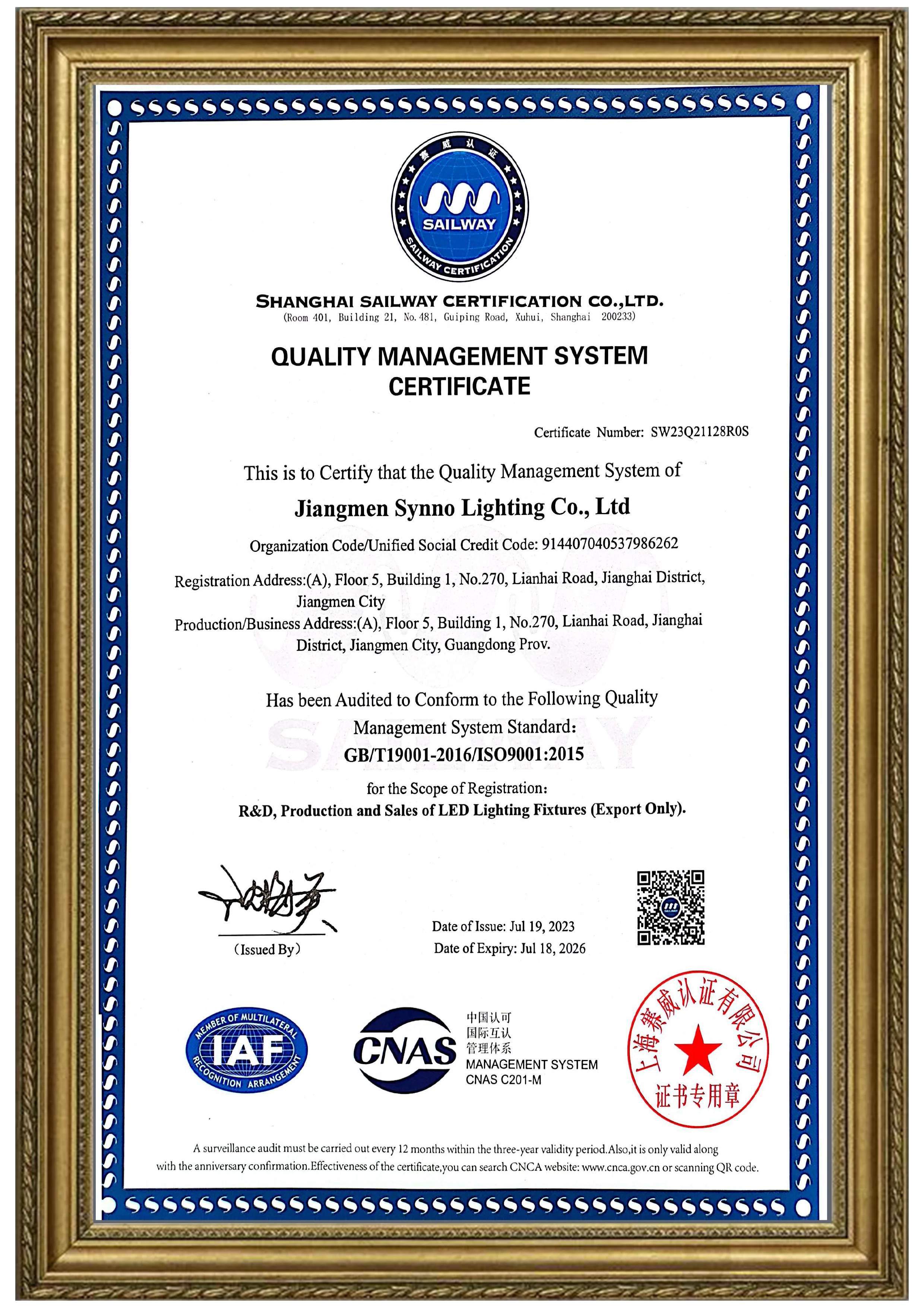
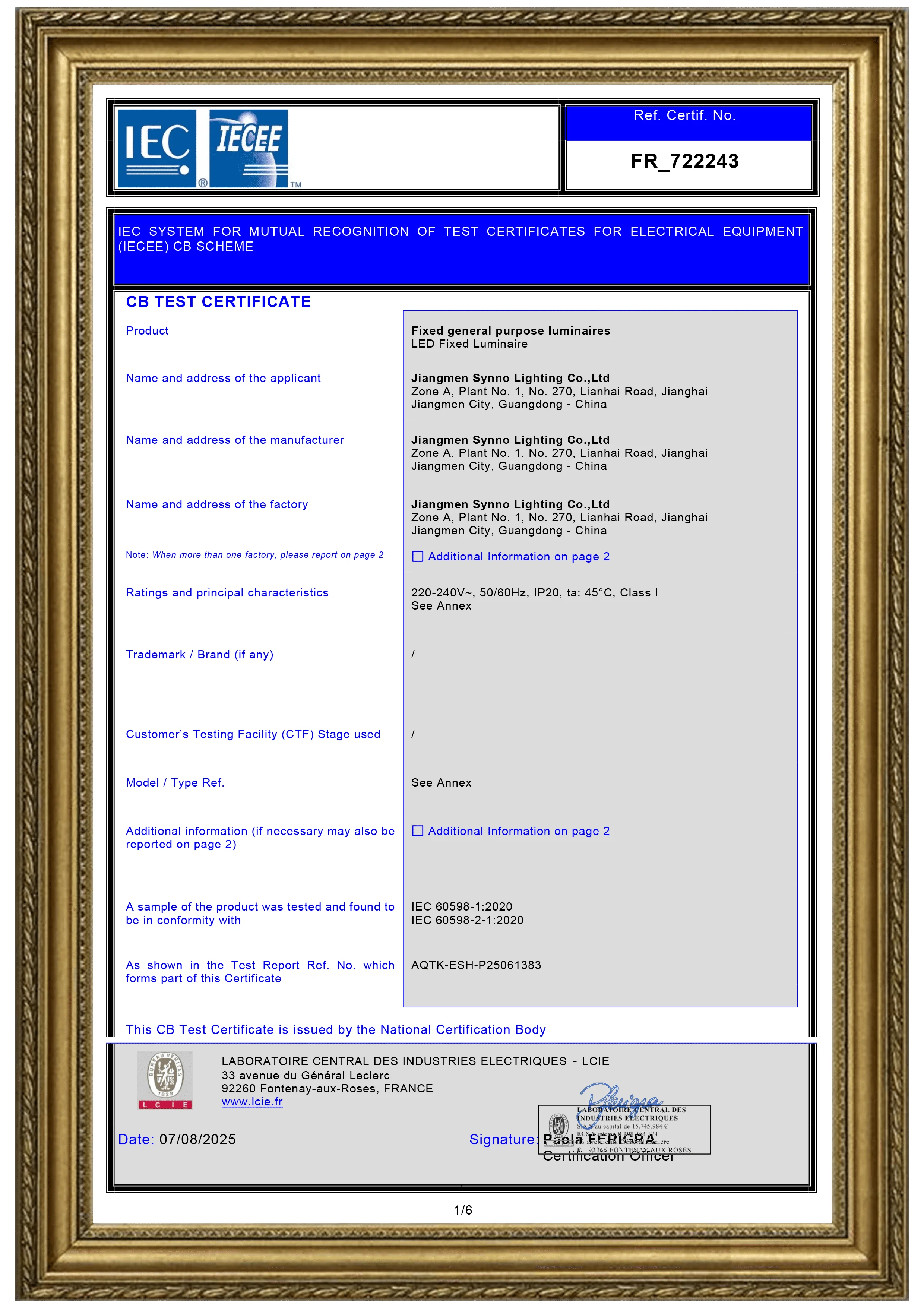
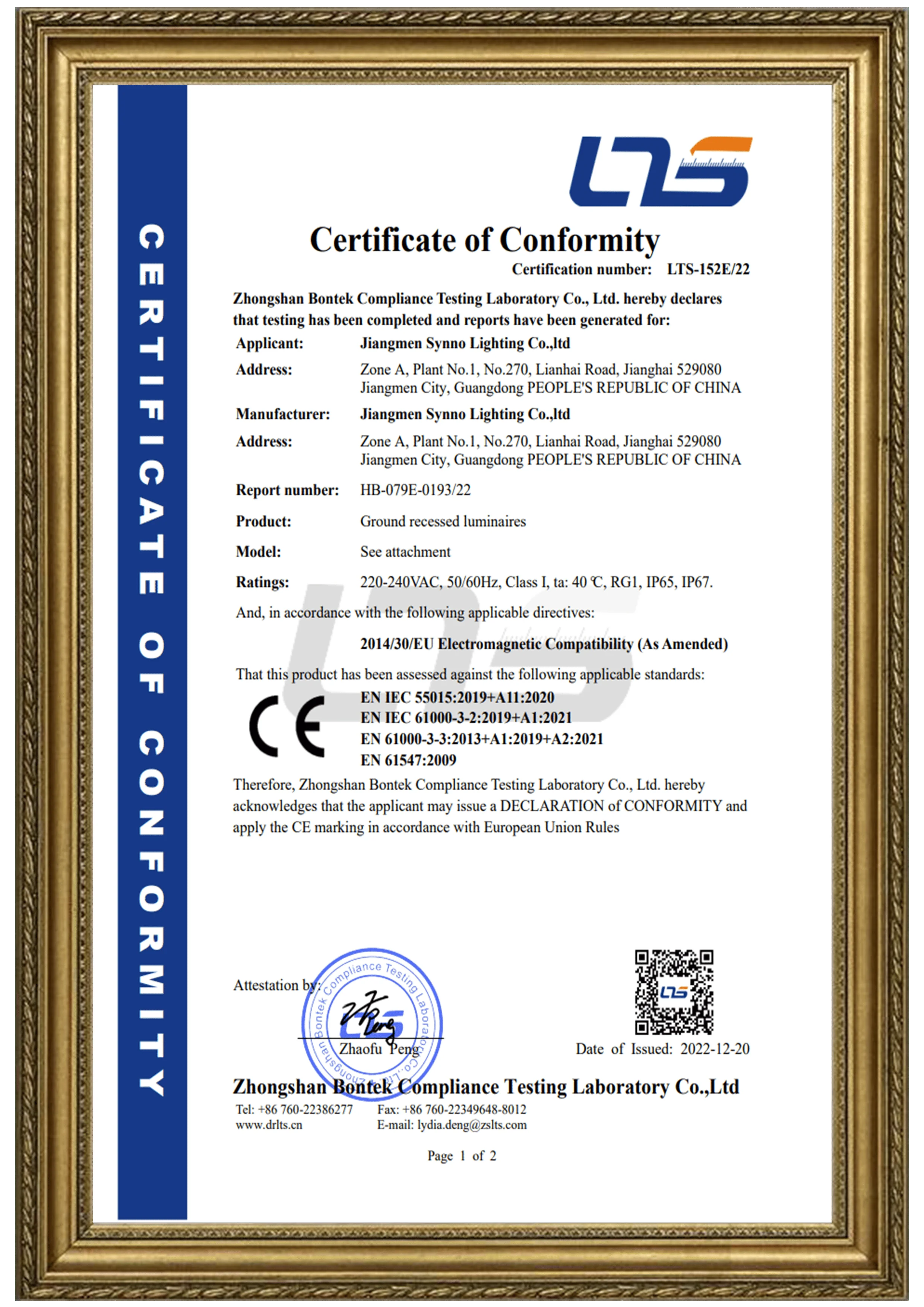
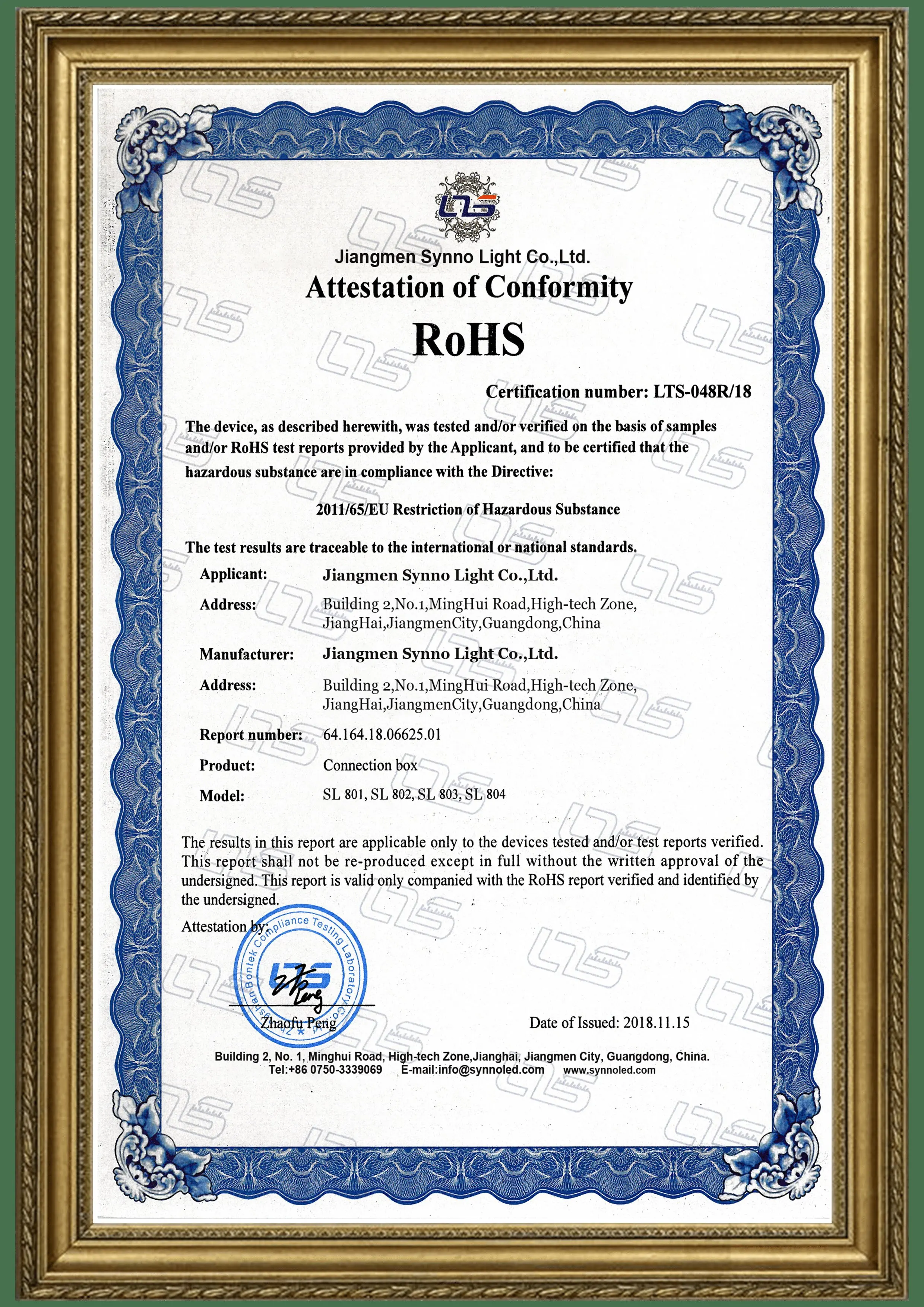
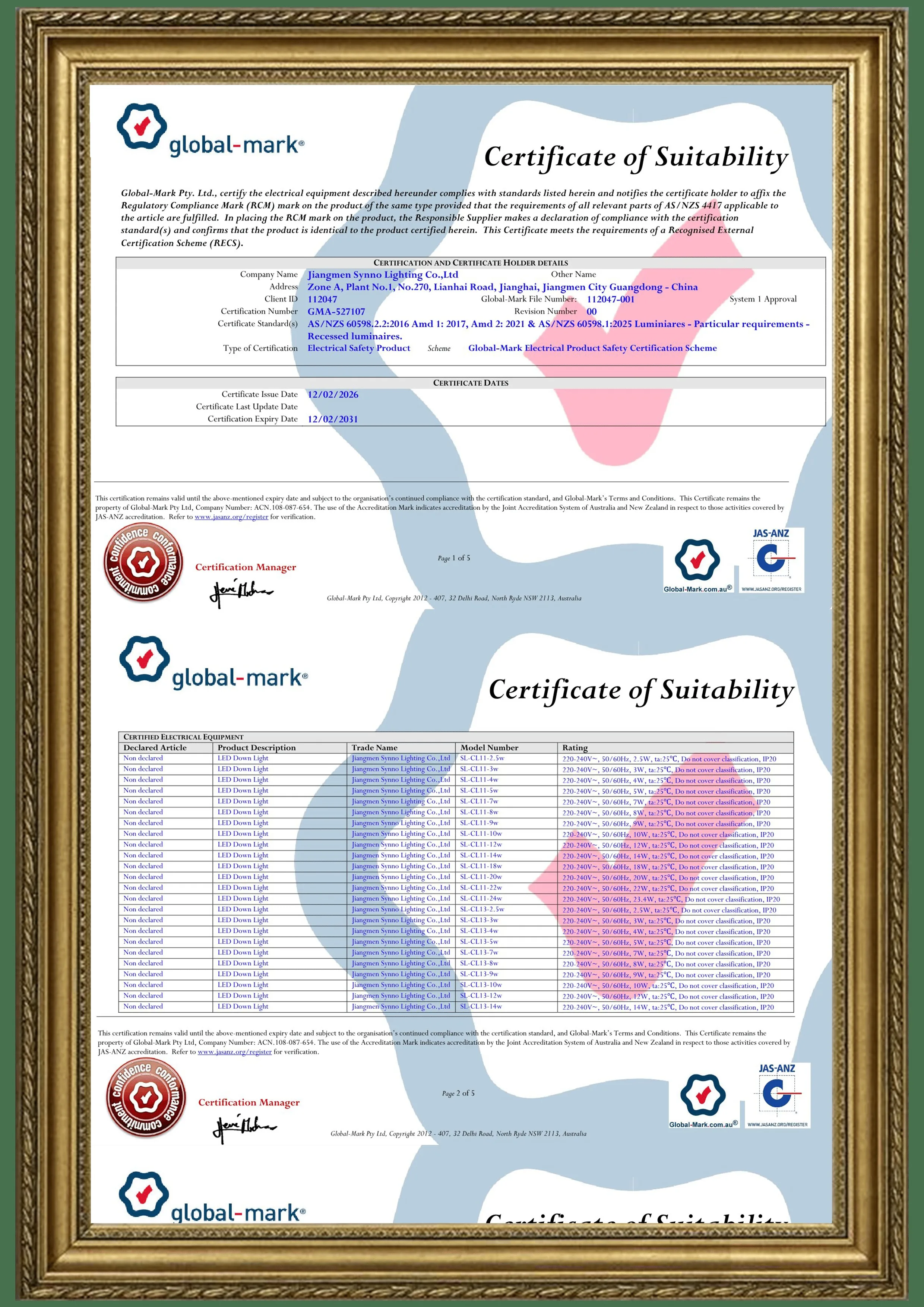
Certifications: CE, RoHS, UL, or SAA compliance.
-
Warranty: Minimum 3 years; 5 years preferred.
-
Material Quality: Aluminum or stainless steel housings.
-
IP Rating: IP65 or higher.
-
Driver Quality: Reliable constant-current driver.
-
Customer Support: Responsive and knowledgeable service.
Reputable manufacturers test their fixtures for lumen maintenance, waterproofing, and corrosion resistance, ensuring long-term reliability.
22. Final Thoughts
LED garden lights are the cornerstone of modern landscape design — offering beauty, safety, and efficiency in one package. Whether you’re illuminating a small courtyard or a sprawling estate, investing in high-quality, weather-resistant, and energy-efficient LEDs guarantees stunning results for years.
By understanding these FAQs, you now know how to:
-
Choose the right type and brightness
-
Plan an efficient layout
-
Install and maintain fixtures safely
-
Maximize lifespan and sustainability
With the right LED garden lighting strategy, your outdoor space can shine beautifully — night after night, season after season.