Customer FAQ: Most People Ask the Questions About Outdoor Wall Light
Outdoor wall lights are more than just decorative features—they provide security, functionality, and ambiance for homes and commercial properties alike. However, many customers feel overwhelmed when choosing the right fixture because of the wide variety of designs, materials, and technical specifications available today.
In this article, we’ll cover the most frequently asked questions about outdoor wall lights, providing clear and expert answers to help homeowners, contractors, and business owners make confident decisions.
1. What Are Outdoor Wall Lights Used For?
Outdoor wall lights serve multiple purposes:
-
Illumination: Lighting up entrances, pathways, patios, and driveways.
-
Safety: Preventing slips, trips, and falls by eliminating dark areas.
-
Security: Acting as a deterrent against intruders when combined with motion sensors.
-
Aesthetics: Enhancing the architectural design of a property with stylish fixtures.
They are often installed near doorways, porches, patios, fences, and garage walls.
2. How Do I Choose the Right Style of Outdoor Wall Light?
Style depends on your property’s design theme:
-
Modern Homes → Sleek, minimalistic aluminum or stainless-steel fixtures.
-
Classic / Traditional Homes → Lantern-style wall sconces or bronze finishes.
-
Commercial Buildings → Functional, high-lumen LED fixtures with clean designs.
-
Garden & Landscape Walls → Decorative lights with warm tones for ambiance.
Tip: Match your light finish (black, bronze, silver, or brass) with existing outdoor hardware such as gates, door handles, or railing for a consistent look.
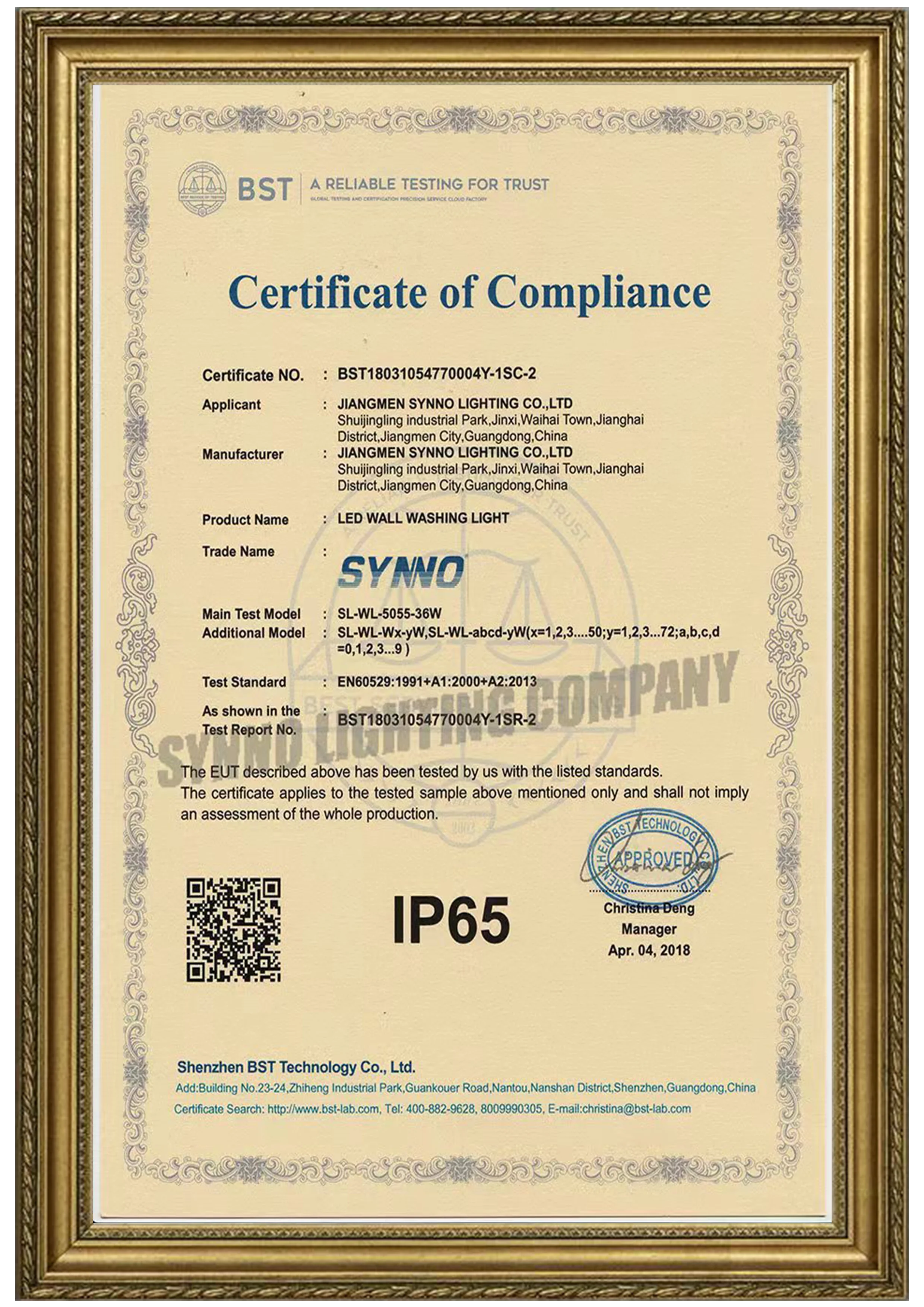
3. What IP Rating Should Outdoor Wall Lights Have?
The IP rating (Ingress Protection) indicates how well a fixture resists dust and water:
-
IP44: Suitable for sheltered areas like porches.
-
IP54–IP65: Better protection for exposed outdoor walls.
-
IP66–IP68: Heavy-duty protection for coastal or rainy regions.
? Always consider your local climate—for example, in coastal or tropical areas, stainless steel with a higher IP rating is a must.
4. What Type of Bulbs Work Best in Outdoor Wall Lights?
Today, the best choice is LED because:
-
They use up to 80% less energy compared to halogen or incandescent bulbs.
-
They last 25,000–50,000 hours, reducing replacement costs.
-
They offer multiple color temperatures (warm white 2700K for ambiance, cool white 4000K for security).
-
They are available in integrated LED designs (long-lasting built-in modules) or replaceable LED bulbs.
5. Are Solar Outdoor Wall Lights Reliable?
Yes—modern solar wall lights are highly reliable if chosen correctly:
-
Best suited for low-traffic or decorative areas (e.g., garden walls, fences).
-
Not ideal for main entrances where consistent, bright lighting is required.
-
Check for high-capacity batteries and efficient solar panels.
-
Motion-sensor solar lights can extend battery life.
6. What Is the Best Height to Install Outdoor Wall Lights?
-
Beside entry doors: Mount fixtures 1.6–1.8 meters (5.2–6 ft) above the ground.
-
Garage walls: Center the light above the garage door at about 2–2.5 meters (6.5–8 ft).
-
Pathways & fences: Install lower, around 1–1.2 meters (3–4 ft) for safety and visibility.
? General rule: The fixture should be slightly above eye level to avoid glare.
7. Can Outdoor Wall Lights Improve Home Security?
Absolutely. Security-focused wall lights include:
-
Motion-sensor wall lamps: Lights switch on when movement is detected.
-
Dusk-to-dawn lights: Automatically turn on at sunset and off at sunrise.
-
Bright flood-style wall lights: Illuminate wide areas around garages and driveways.
When combined with cameras, motion lights act as a strong deterrent against burglars.
8. What Materials Are Best for Outdoor Wall Lights?
Outdoor fixtures must resist rain, heat, and corrosion. The best materials include:
-
Stainless Steel 316 → Corrosion-resistant, perfect for coastal areas.
-
Aluminum Alloy → Lightweight, good for heat dissipation.
-
Powder-Coated Steel → Durable and stylish but may corrode over time if poorly treated.
-
Tempered Glass → Used for light covers to resist shattering.
-
Plastic/Polycarbonate → Cheaper, but often fades or cracks outdoors.
9. Do Outdoor Wall Lights Work with Smart Home Systems?
Yes, many modern outdoor wall lights integrate with smart home ecosystems such as:
-
Wi-Fi or Bluetooth controls (app-based).
-
Voice assistants like Alexa or Google Home.
-
Smart sensors for automatic dimming or scheduling.
Smart wall lights are especially useful for homeowners who want energy efficiency and remote control.
10. What Is the Difference Between Warm White and Cool White for Outdoor Wall Lights?
-
Warm White (2700K–3000K) → Creates a cozy, welcoming glow. Perfect for patios, porches, and decorative walls.
-
Neutral White (3500K–4000K) → Balanced, practical lighting for entrances and pathways.
-
Cool White (5000K–6000K) → Bright, crisp light for security and visibility.
? Mix and match depending on the application—use warm tones for ambiance, and cool tones for safety/security areas.
11. How Do I Maintain Outdoor Wall Lights?
-
Clean glass covers regularly to avoid dust buildup.
-
Check seals and gaskets for cracks to maintain waterproofing.
-
Wipe stainless steel with anti-rust cleaner if in humid or coastal environments.
-
Replace bulbs only with recommended wattage to avoid overheating.
With proper maintenance, high-quality outdoor wall lights can last 8–10 years or more.
12. How Many Outdoor Wall Lights Do I Need?
This depends on the space:
-
Front porch: 1–2 fixtures, one on each side of the door.
-
Driveway or garage wall: 2–3 evenly spaced lights.
-
Pathways or long fences: Place lights every 2–3 meters (6–10 ft).
-
Large commercial walls: Use high-output LED wall packs or flood-style fixtures.
? The goal is to achieve even coverage without creating dark patches.
13. Are Outdoor Wall Lights Expensive?
Not necessarily. Price depends on:
-
Material quality (stainless steel > aluminum > plastic).
-
Technology (integrated LED, smart controls, sensors).
-
Design & finish (modern designer lights cost more than standard wall packs).
A durable, high-quality LED wall light may cost more initially but will save money on electricity bills and replacements over time.
14. Can Outdoor Wall Lights Be Installed Without an Electrician?
-
Solar lights and plug-in lights can be installed DIY.
-
Hardwired wall lights (connected to home wiring) require an electrician for safety and compliance.
-
Always check local electrical codes before installation.
15. Final Advice: What Should I Look for in Outdoor Wall Lights?
When buying outdoor wall lights, always check for:
✅ Proper IP rating for your climate.
✅ Durable materials (stainless steel, tempered glass).
✅ Energy-efficient LEDs (long lifespan, low bills).
✅ The right color temperature for your purpose.
✅ Optional smart features for convenience and control.
Conclusion
Outdoor wall lights are a practical and aesthetic investment. From welcoming guests with warm, stylish lighting to protecting your home with motion-sensor security lights, the right fixture can transform how your property looks and feels.
By considering style, IP rating, materials, bulb type, installation height, and smart features, you can select a wall light that not only enhances safety but also improves the overall appearance of your outdoor space