The Role of Heat Dissipation and Material Quality in LED Underground Light
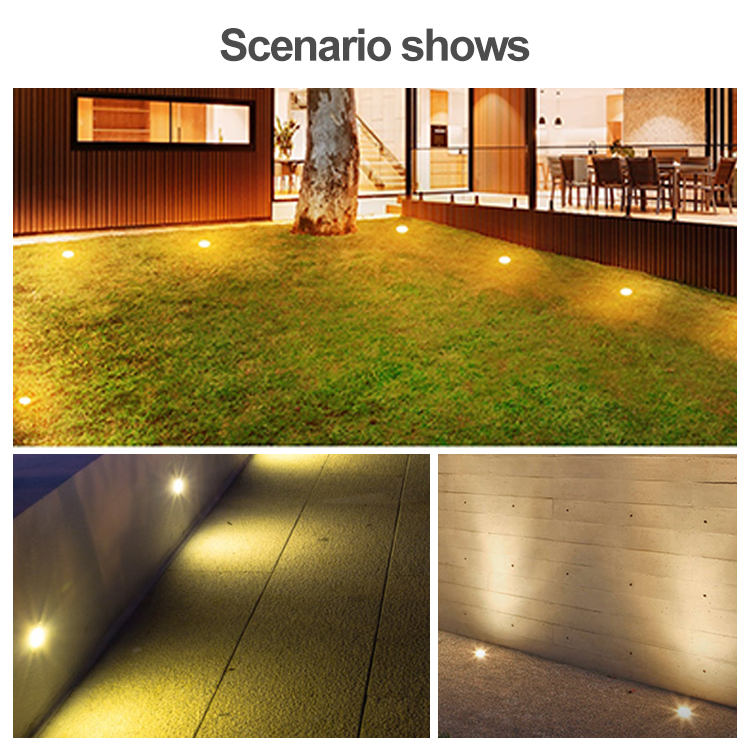
In modern landscape design, LED underground lights (also known as inground light or recessed ground lights) play a crucial role in creating atmosphere, highlighting architectural features, and enhancing safety. Whether used in pathways, driveways, gardens, plazas, or commercial landscapes, their performance and lifespan depend heavily on two often-overlooked factors: heat dissipation and material quality.
This article will explore why these two aspects are critical, how they impact durability, efficiency, and aesthetics, and what property owners, contractors, and lighting designers should look for when choosing underground lights.
Why Heat Dissipation Matters in LED Underground Lights
1. The Nature of LEDs and Heat
LEDs are more energy-efficient than traditional halogen or incandescent lamps, converting most energy into light rather than heat. However, they still produce some heat during operation. Unlike older light sources, LEDs are extremely sensitive to excess heat—poor thermal management can dramatically reduce brightness, efficiency, and overall lifespan.
2. Underground Installation Challenges
Unlike wall lamps or floodlights, underground lights are enclosed within a fixture and embedded into the ground. This means:
-
Airflow is limited, making natural cooling difficult.
-
Soil and concrete surroundings act as insulation, trapping heat.
-
Exposure to sunlight in outdoor installations can further raise temperature.
If the fixture does not have adequate heat dissipation design, the LED chips and drivers will deteriorate quickly.
3. Consequences of Poor Heat Management
-
Shortened Lifespan: LEDs that could last 50,000 hours may fail in half that time.
-
Reduced Brightness (Lumen Depreciation): Poor heat dissipation causes LEDs to dim prematurely.
-
Color Shift: Excessive heat can alter the light color, making it inconsistent across installations.
-
Driver Failure: Overheating affects not only the LEDs but also the driver electronics.
Key Heat Dissipation Features to Look For
-
Aluminum Housing
High-grade aluminum is one of the best materials for LED fixtures. It conducts heat away from the LED chips and disperses it efficiently. -
Finned Heat Sink Design
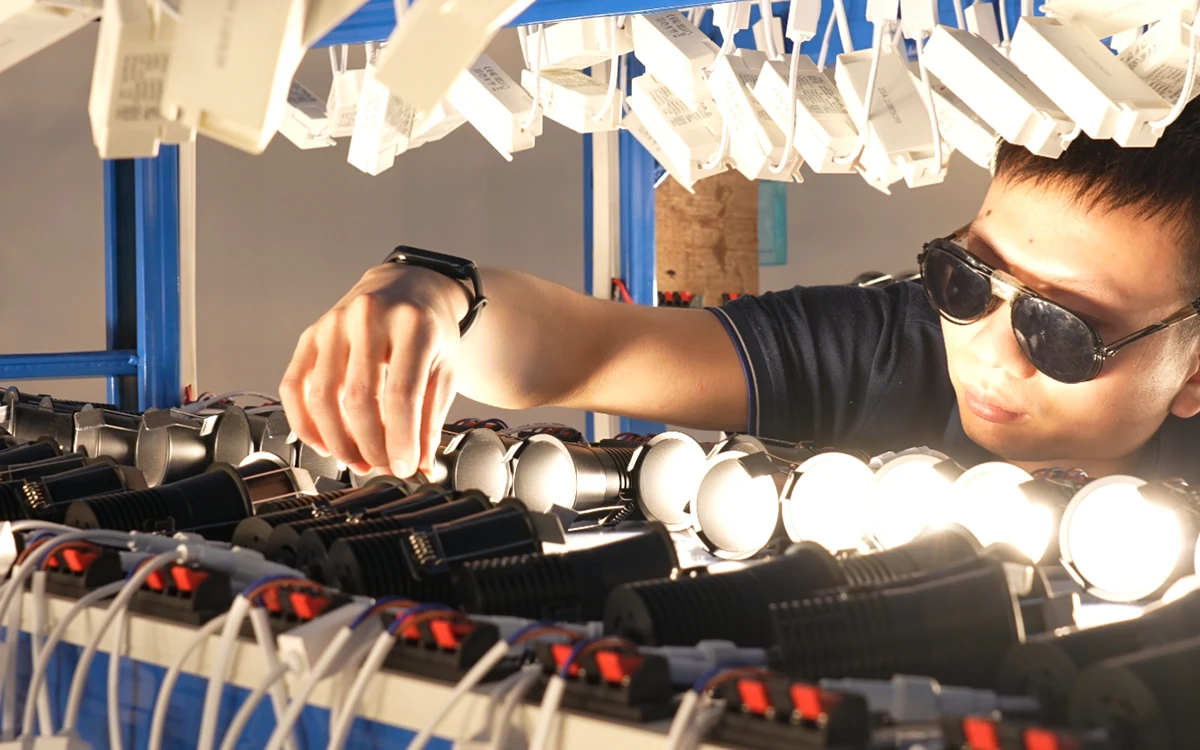
Advanced underground lights incorporate finned or ribbed heat sinks, maximizing surface area for better thermal dissipation. -
Sealed but Ventilated Structures
While underground lights must be sealed against water (IP67 or IP68), some advanced designs use breathable membranes to equalize pressure and release trapped heat. -
Separation of LED Module and Driver
In high-performance lights, the driver is thermally isolated or located in a separate chamber to avoid overheating.
The Importance of Material Quality
1. Exposure to Harsh Outdoor Environments
Underground lights face constant contact with soil, moisture, rain, snow, and even road traffic. The quality of materials used in construction determines whether the light can survive for years or fail after one season.
2. Essential Material Choices
-
Stainless Steel (316 or 304 Grade)
Used for the front cover or trim, stainless steel resists rust and corrosion even in coastal or humid environments. Grade 316 is particularly recommended for projects near the sea. -
Tempered Glass
Protects the LED while withstanding heavy loads such as vehicles or foot traffic. Tempered glass resists cracking and provides UV protection, preventing yellowing. -
Aluminum Body
Provides lightweight durability and supports heat dissipation. -
High-Quality Gaskets & Seals
Silicone gaskets ensure a waterproof and dustproof seal, critical for maintaining IP67 or IP68 protection. -
Powder-Coated Finishes
Prevent scratches and surface degradation while adding design appeal.
3. What Happens with Poor-Quality Materials?
-
Cheap plastics or thin steel can crack under pressure.
-
Untempered glass may shatter in cold weather or under weight.
-
Inferior seals allow water ingress, leading to short circuits or corrosion.
-
Corroded fixtures ruin the aesthetic of a carefully designed landscape.
The Relationship Between Heat Dissipation and Materials
Heat dissipation and material quality are interdependent. For example:
-
Aluminum not only provides structural strength but also acts as a heat conductor.
-
Stainless steel trim adds corrosion resistance but requires proper design to avoid trapping heat.
-
Tempered glass allows light transmission while withstanding heat buildup.
A well-engineered underground light balances these elements to ensure both thermal management and durability.
Applications That Demand High Performance
-
Driveways & Parking Areas
Underground lights here must resist vehicle loads, heat buildup, and exposure to oils or water. -
Pathways & Gardens
Lower load requirements but need excellent waterproofing and rust resistance to handle irrigation and weather. -
Commercial Plazas & Architectural Landscapes
Require both high brightness and long lifespan, as maintenance in public spaces is costly and disruptive. -
Swimming Pools & Fountains (Specialized Models)
Submersible inground lights need IP68 rating, stainless steel, and superior sealing technology.
Practical Buying Guide: What Customers Should Check
-
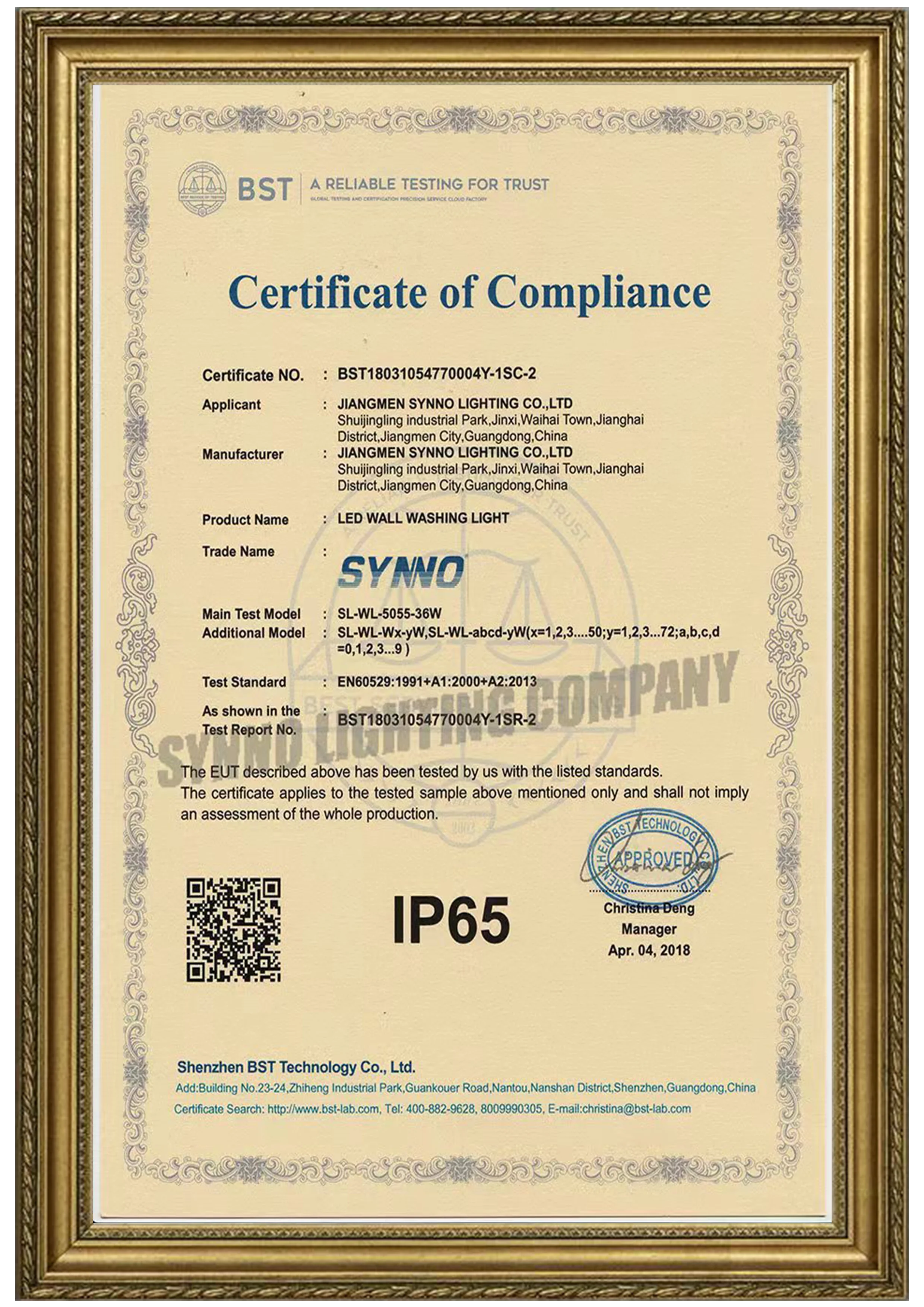
Check IP Rating: Minimum IP67 for outdoor inground use, IP68 for submerged installations.
-
Inspect Materials: Look for stainless steel + tempered glass + aluminum body.
-
Ask About Heat Dissipation Design: Heat sinks, thermal management, and driver protection.
-
Load-Bearing Capacity: Confirm the glass and housing can handle expected loads (pedestrian vs. vehicular traffic).
-
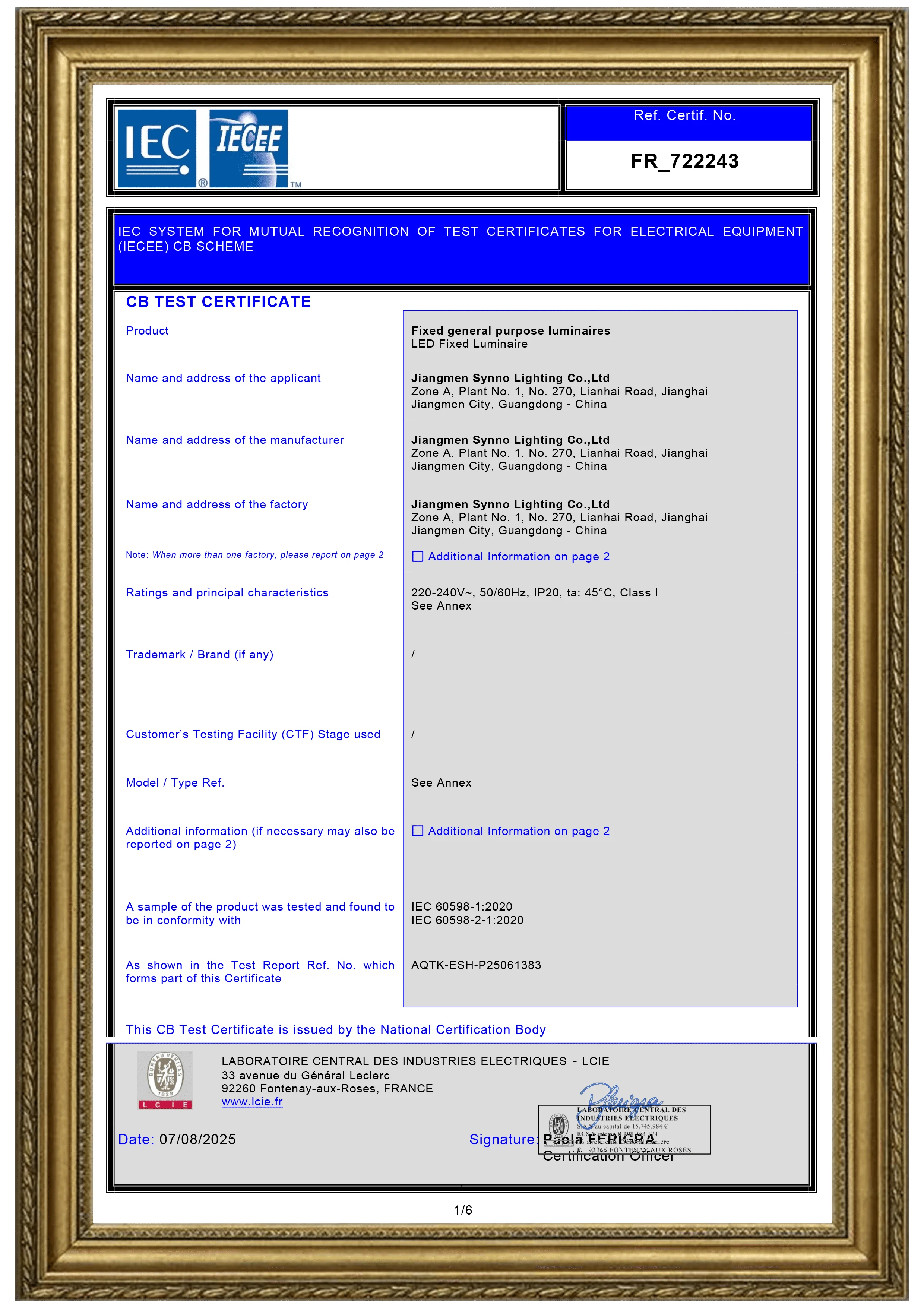
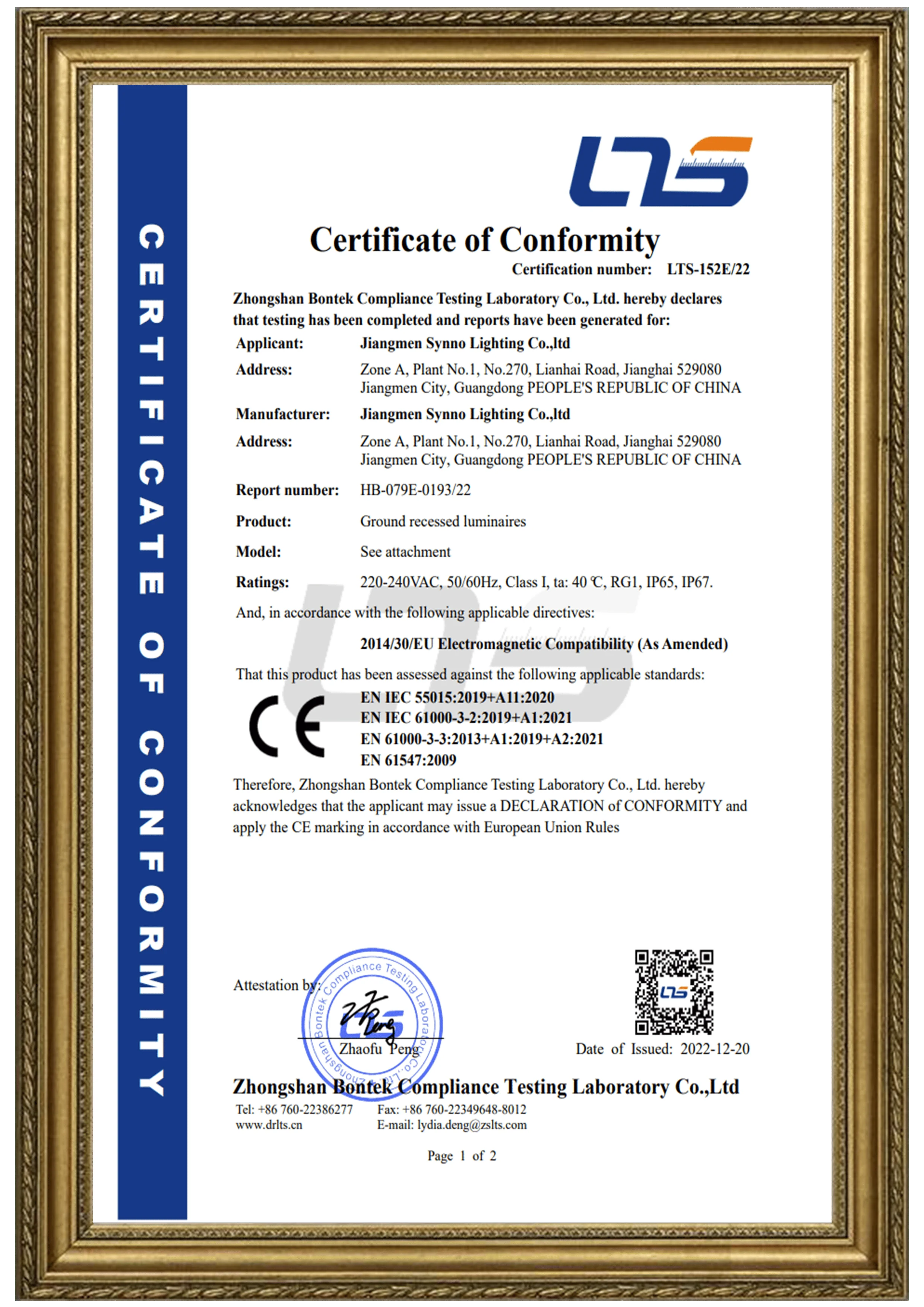
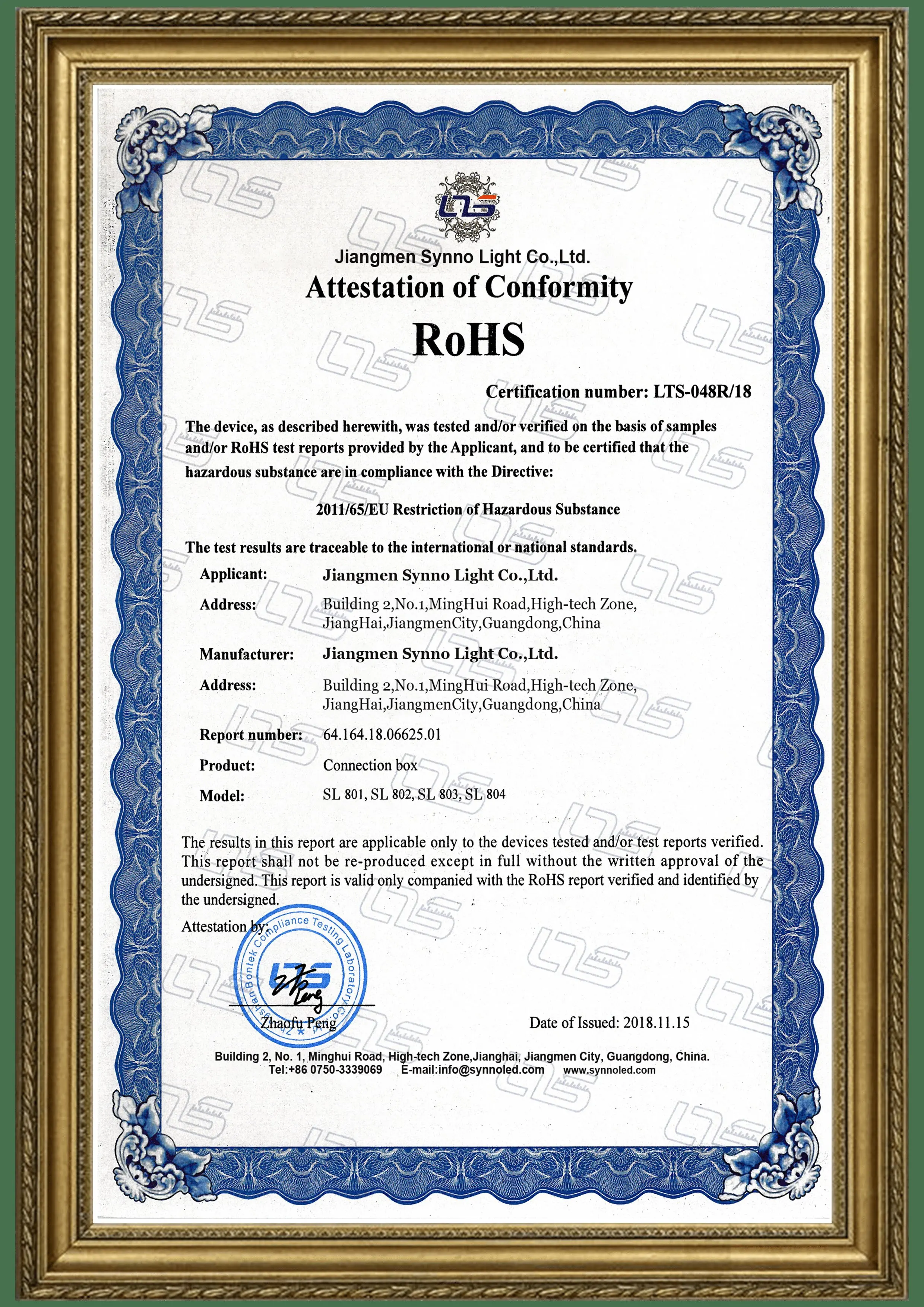
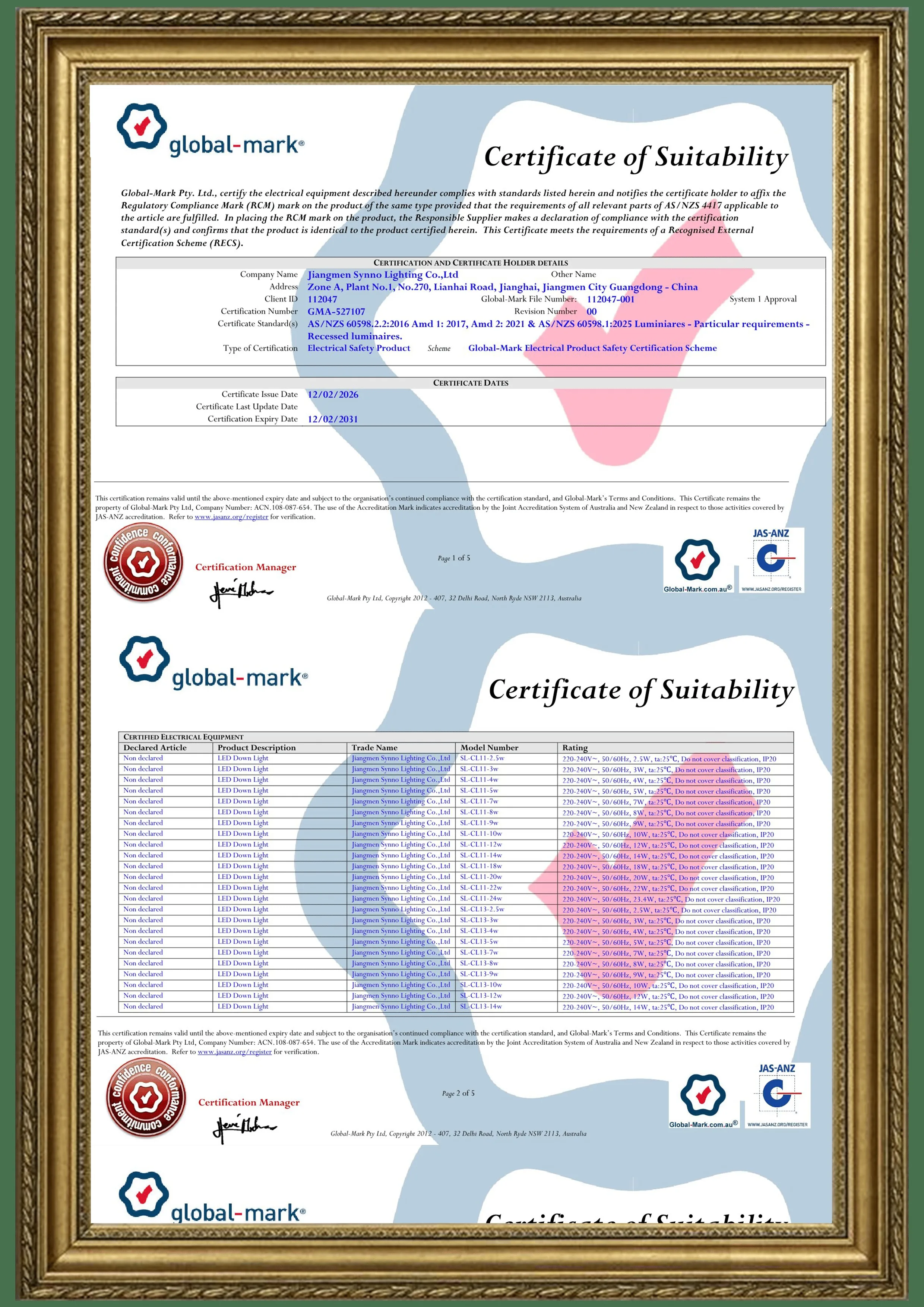
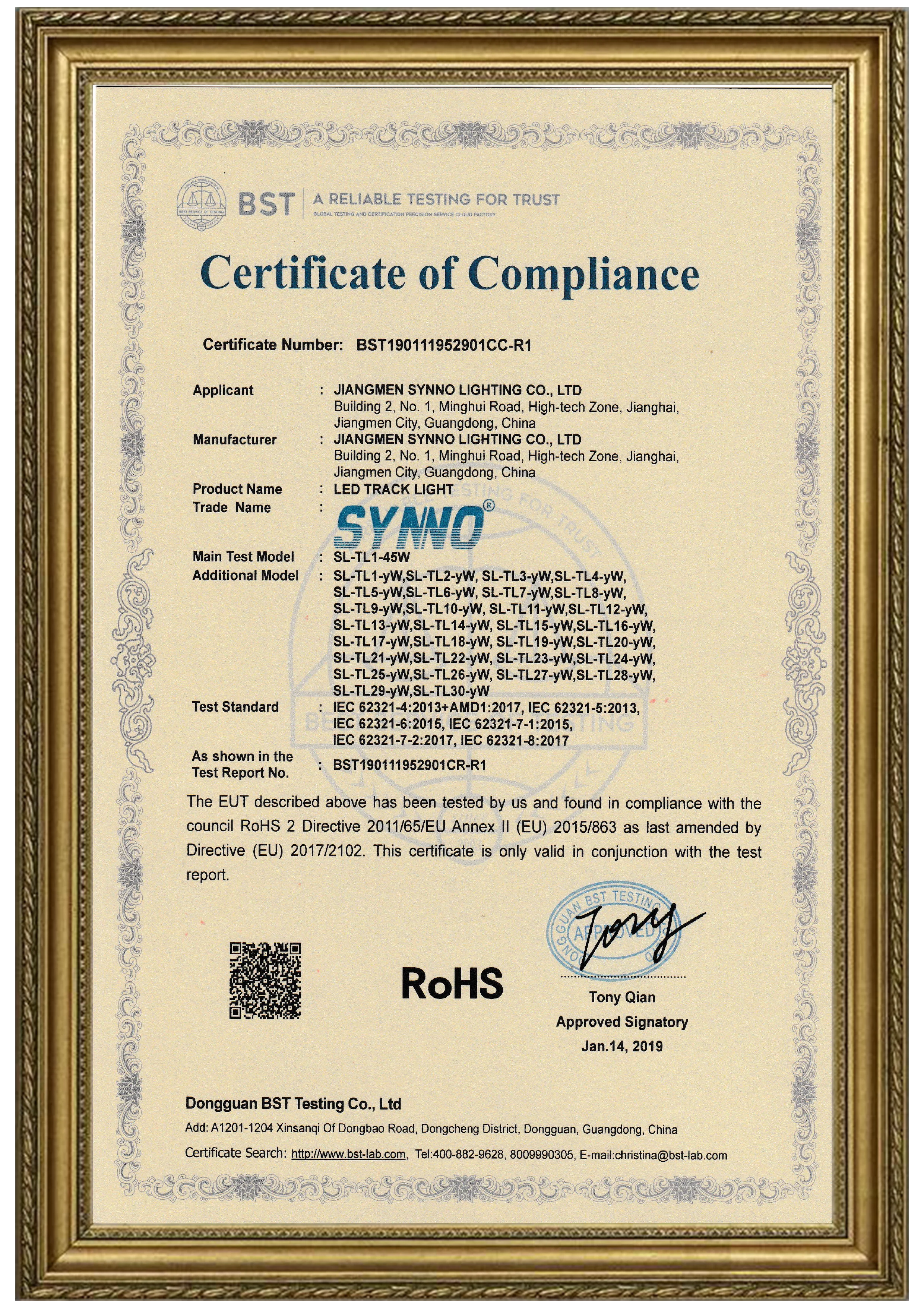
Brand and Certification: Ensure compliance with CE, RoHS, UL, or equivalent certifications.
Why Investing in Quality Pays Off
While low-cost underground lights may look appealing, the long-term costs of replacements, maintenance, and failures far outweigh initial savings. A properly designed LED underground light with excellent heat dissipation and high-quality materials will:
-
Last 5–10 years or more.
-
Maintain brightness and color consistency.
-
Withstand weather, traffic, and environmental challenges.
-
Enhance the beauty and safety of outdoor projects.
Conclusion
When it comes to LED underground lighting, aesthetics and brightness are only part of the story. The hidden champions of performance are heat dissipation and material quality. Choosing lights with excellent thermal management, stainless steel housings, tempered glass covers, and durable aluminum bodies ensures that your investment not only looks good but also stands the test of time.
Whether for residential gardens, commercial plazas, or large-scale architectural landscapes, quality underground lights guarantee safety, efficiency, and reliability—making them an essential choice for modern outdoor design.