The Most Frequently Asked Questions About Track Light
Track lighting has become a go-to choice for homeowners, architects, interior designers, and commercial space planners who want flexibility, modern aesthetics, and energy efficiency in their lighting solutions. But despite its popularity, many people still have questions about how track lighting works, the different types available, and the best ways to use it.
In this article, we’ll answer the most frequently asked questions about track light — from understanding basic concepts to choosing the right system for your needs. Whether you’re planning to install single-circuit track lights, three-circuit track systems, or magnetic track lights, this guide will help you make informed decisions.

1. What is Track Lighting?
Track lighting is a lighting system where multiple light fixtures are mounted on a continuous track device that contains electrical conductors. Unlike traditional fixtures that require individual wiring, track lighting allows the lights to be moved, repositioned, and directed easily without rewiring.
Key Benefits of Track Lighting:
-
Flexible placement and beam direction
-
Multiple fixture styles (spotlights, pendants, flood heads)
-
Works well for both residential and commercial applications
-
Easy to expand or reconfigure
-
Ideal for highlighting artwork, displays, and architectural features
2. What Are the Main Types of Track Light Systems?
When choosing a track lighting system, it’s important to understand the different types available:
1) Single Circuit Track Lighting
-
All fixtures on the track are controlled by the same switch.
-
Cost-effective and simple to install.
-
Ideal for homes and small retail spaces.
2) Three Circuit Track Lighting
-
Allows separate control of different groups of lights on the same track.
-
Suitable for commercial spaces like galleries, showrooms, and offices.
-
More versatile for creating multiple lighting zones.
3) Magnetic Track Lighting
-
Uses magnetic connectors for tool-free installation and repositioning.
-
Sleek, modern design with recessed, surface, or suspended options.
-
Popular in premium interior design projects.
3. What Kind of Lights Can Be Used on a Track System?
Track systems are compatible with various LED fixtures, including:
-
LED Spotlights – for targeted illumination of artwork, displays, or retail shelves.
-
LED Floodlights – for broader coverage in commercial spaces.
-
Pendant Lights – for a decorative touch in dining areas or cafes.
-
Wall Washers – to evenly light walls for exhibitions and galleries.
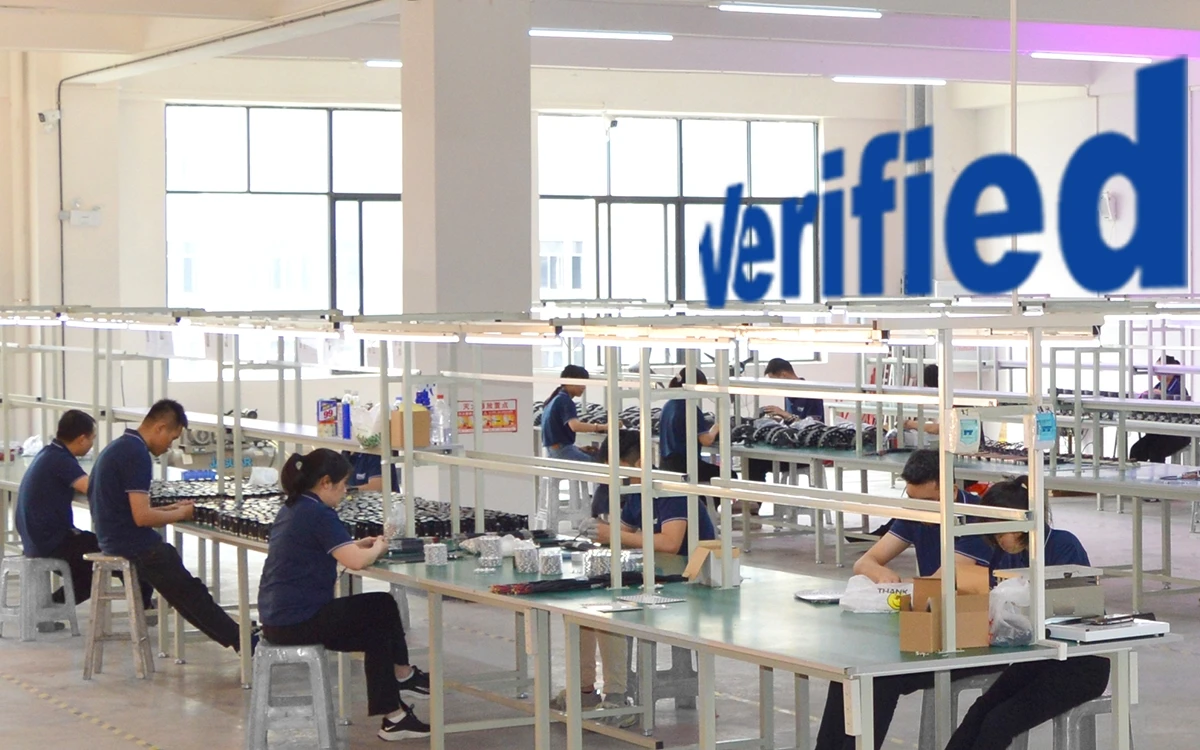
Our factory offers high-performance LED track lights in single-circuit, three-circuit, and magnetic configurations, ensuring compatibility with different project needs.
4. What Are the Advantages of LED Track Lights Over Halogen or Fluorescent?
LED technology has revolutionized track lighting by offering:
-
Energy efficiency – up to 80% less energy consumption.
-
Long lifespan – typically 30,000–50,000 hours.
-
Low heat emission – safer for artworks and sensitive materials.
-
Better light quality – higher Color Rendering Index (CRI) for true-to-life colors.
-
Design flexibility – multiple beam angles and color temperatures.
5. What Beam Angle Should I Choose for Track Lighting?
Beam angle determines how wide the light spreads:
-
Narrow beam (15°–25°) – ideal for highlighting objects or architectural details.
-
Medium beam (30°–40°) – good for accent lighting and focused task lighting.
-
Wide beam (60°+) – best for general ambient lighting.
6. Can Track Lights Be Dimmed?
Yes, many LED track lights are dimmable, provided they are paired with compatible dimmer switches. Dimming is useful for:
-
Creating ambiance in restaurants or living rooms.
-
Reducing energy consumption.
-
Adjusting brightness for presentations or exhibitions.
7. Are Track Lights Suitable for Kitchens, Living Rooms, or Offices?
Absolutely. Track lighting is incredibly versatile:
-
Kitchens – Perfect for illuminating countertops and cooking areas with adjustable light direction.
-
Living rooms – Great for spotlighting art, bookshelves, or plants.
-
Offices – Provides targeted lighting for workstations without glare.
-
Retail stores – Enhances product displays with adjustable beam focus.
8. What Color Temperature Should I Choose for Track Lighting?
-
Warm White (2700K–3000K) – Cozy, inviting feel for residential spaces.
-
Neutral White (3500K–4000K) – Balanced, suitable for offices and retail.
-
Cool White (5000K–6500K) – Crisp, bright light for task-oriented spaces.
9. How Many Track Lights Do I Need?
The number of fixtures depends on:
-
The length of the track
-
The desired brightness level (lumens)
-
The application area
Tip: For accent lighting, space fixtures 2–3 feet apart. For task lighting, position lights closer to the work area.
10. How Do I Install Track Lighting?
Installation steps vary depending on the track type:
-
Choose mounting style (surface-mounted, recessed, or suspended).
-
Mark the track position and drill mounting holes.
-
Secure the track base to the ceiling or wall.
-
Connect wiring to the power source.
-
Attach fixtures and adjust direction.
For magnetic track lights, installation is even easier since fixtures snap in place.
11. Can Track Lighting Be Used Outdoors?
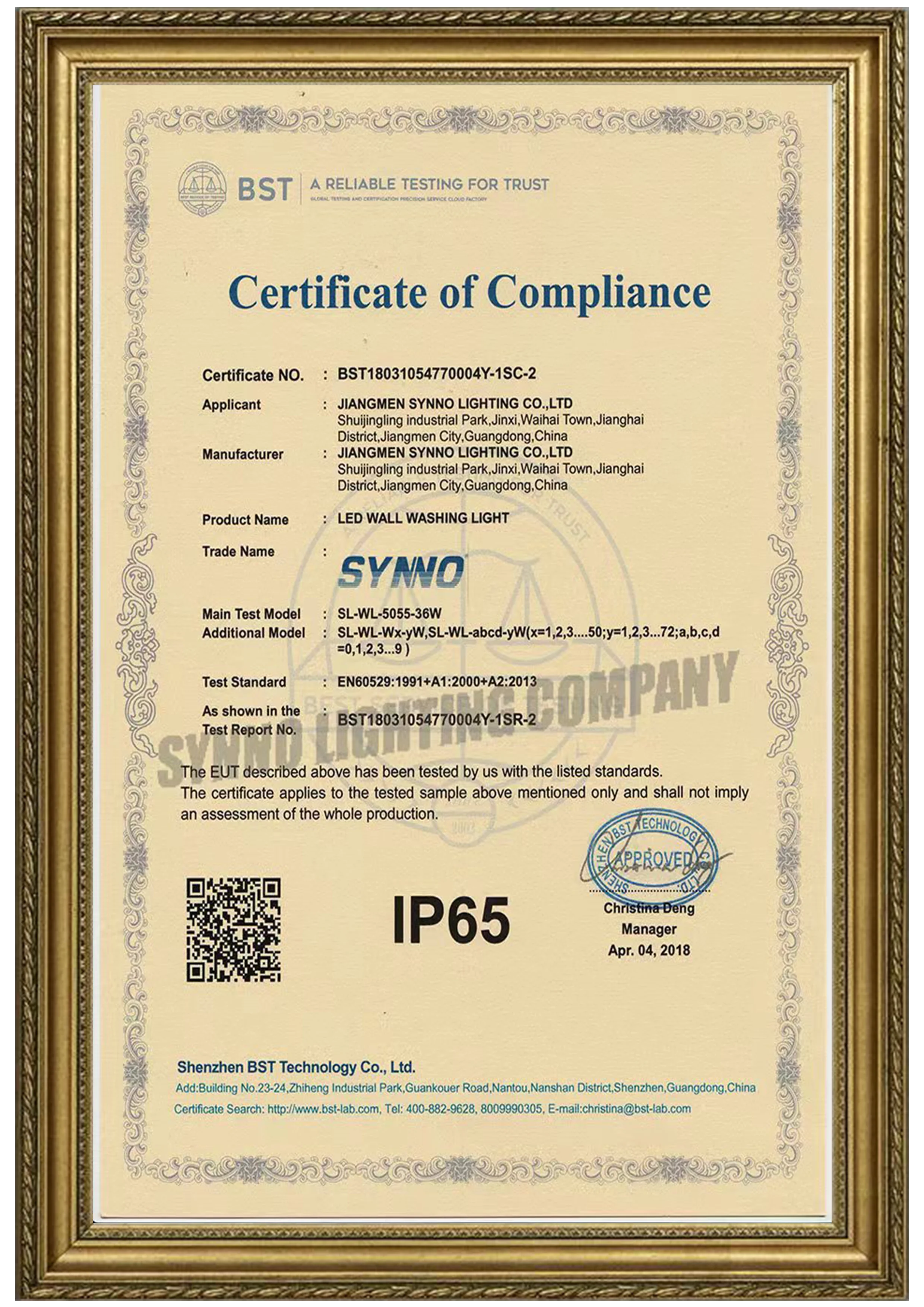
Yes — with IP65-rated LED track lights designed for weather resistance. These are ideal for:
-
Outdoor galleries
-
Covered patios
-
Exhibition pavilions
12. What Maintenance Do Track Lights Require?
LED track lights require minimal maintenance:
-
Occasional dusting of fixtures and track.
-
Checking for loose connectors.
-
Replacing LED modules only after many years of use.
13. How Do I Choose a Reliable LED Track Light Manufacturer?
Look for:
-
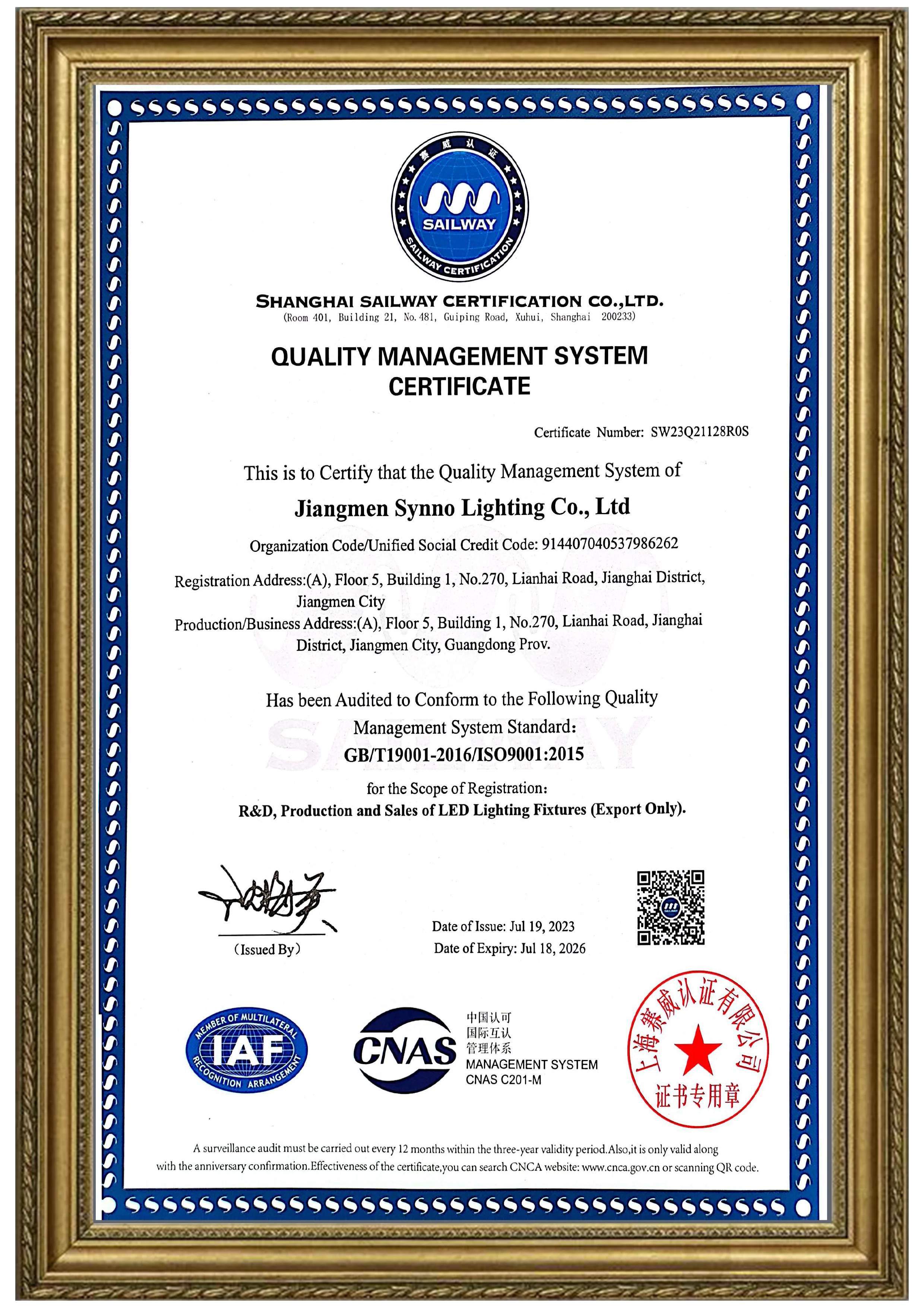
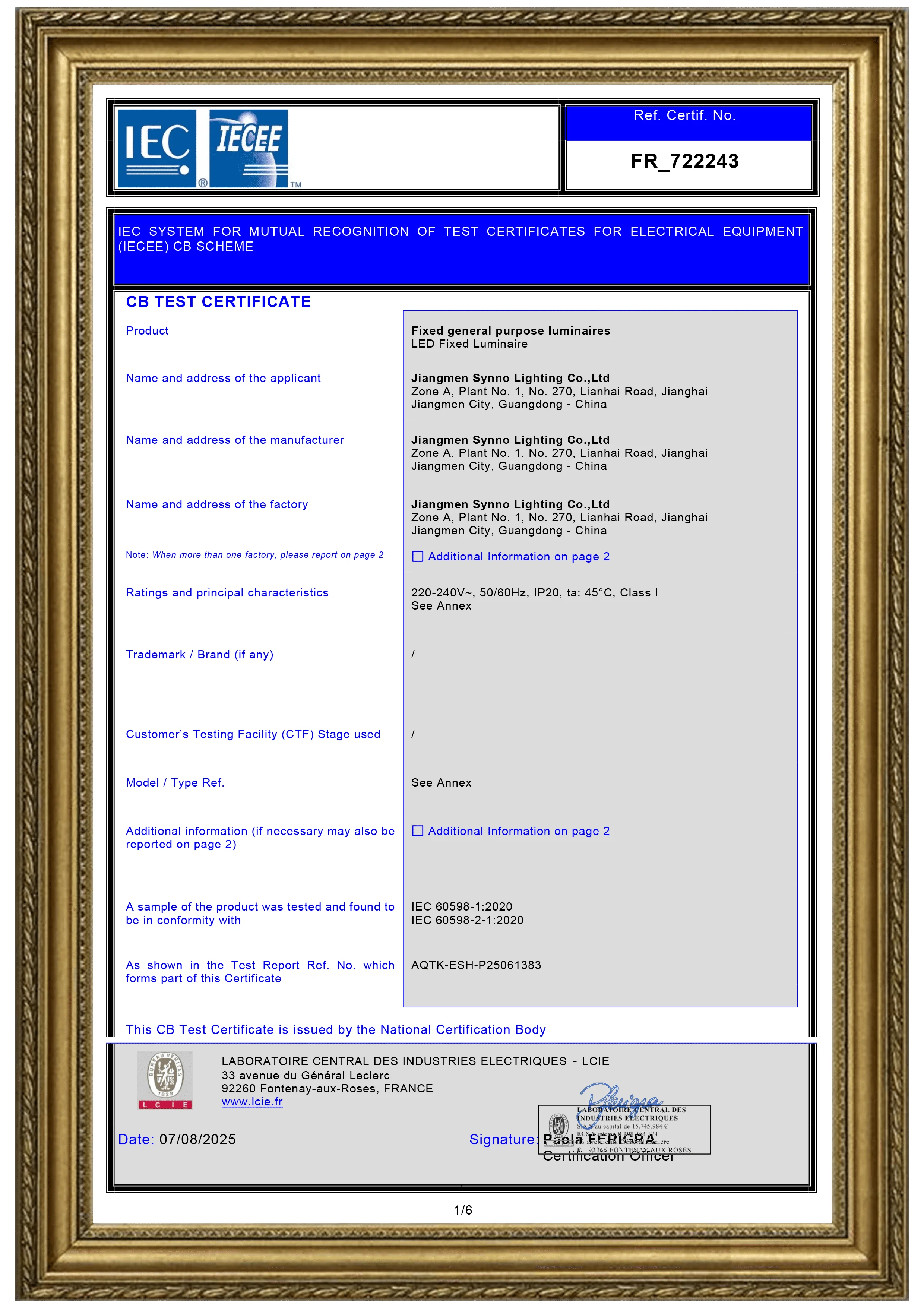
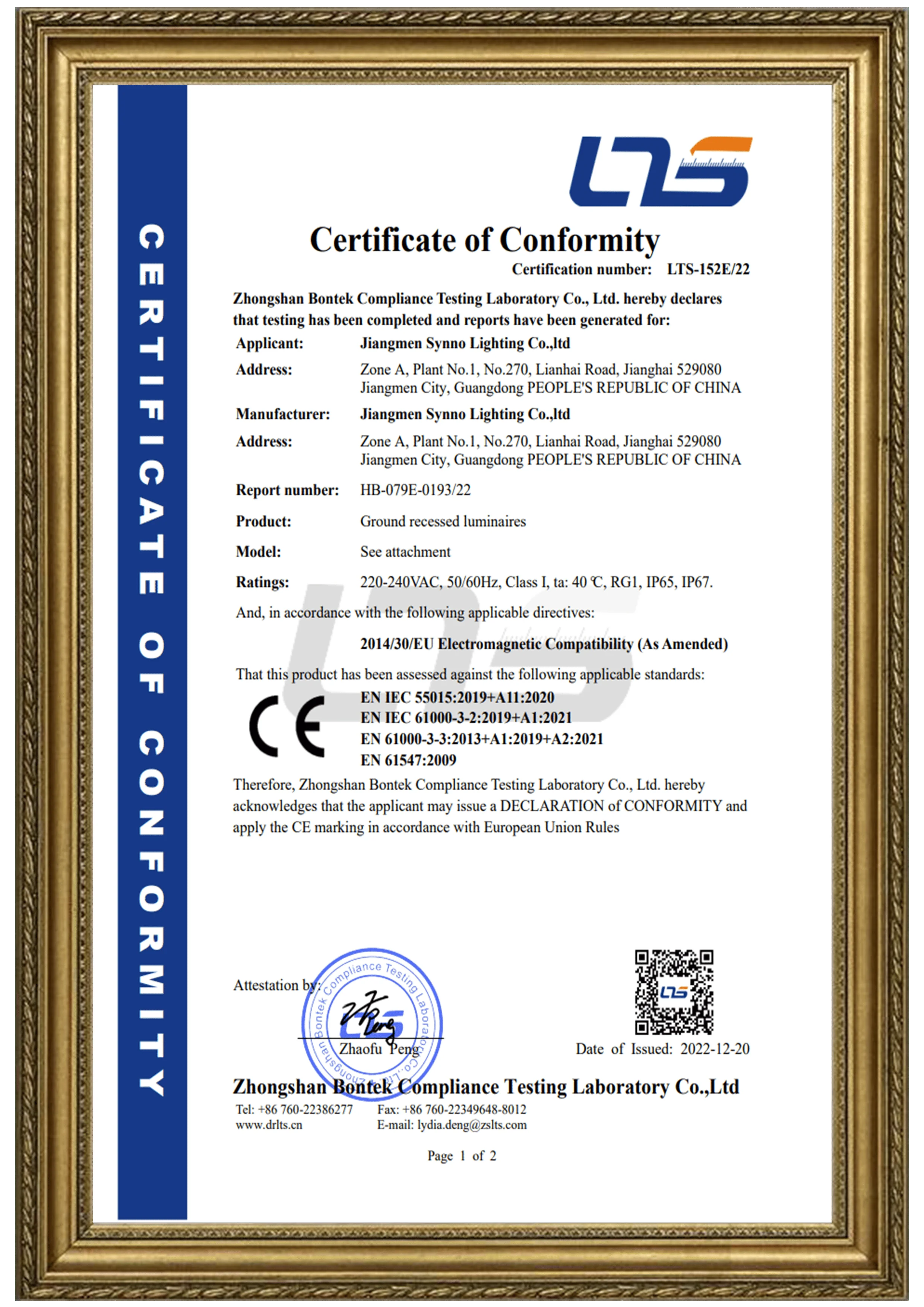
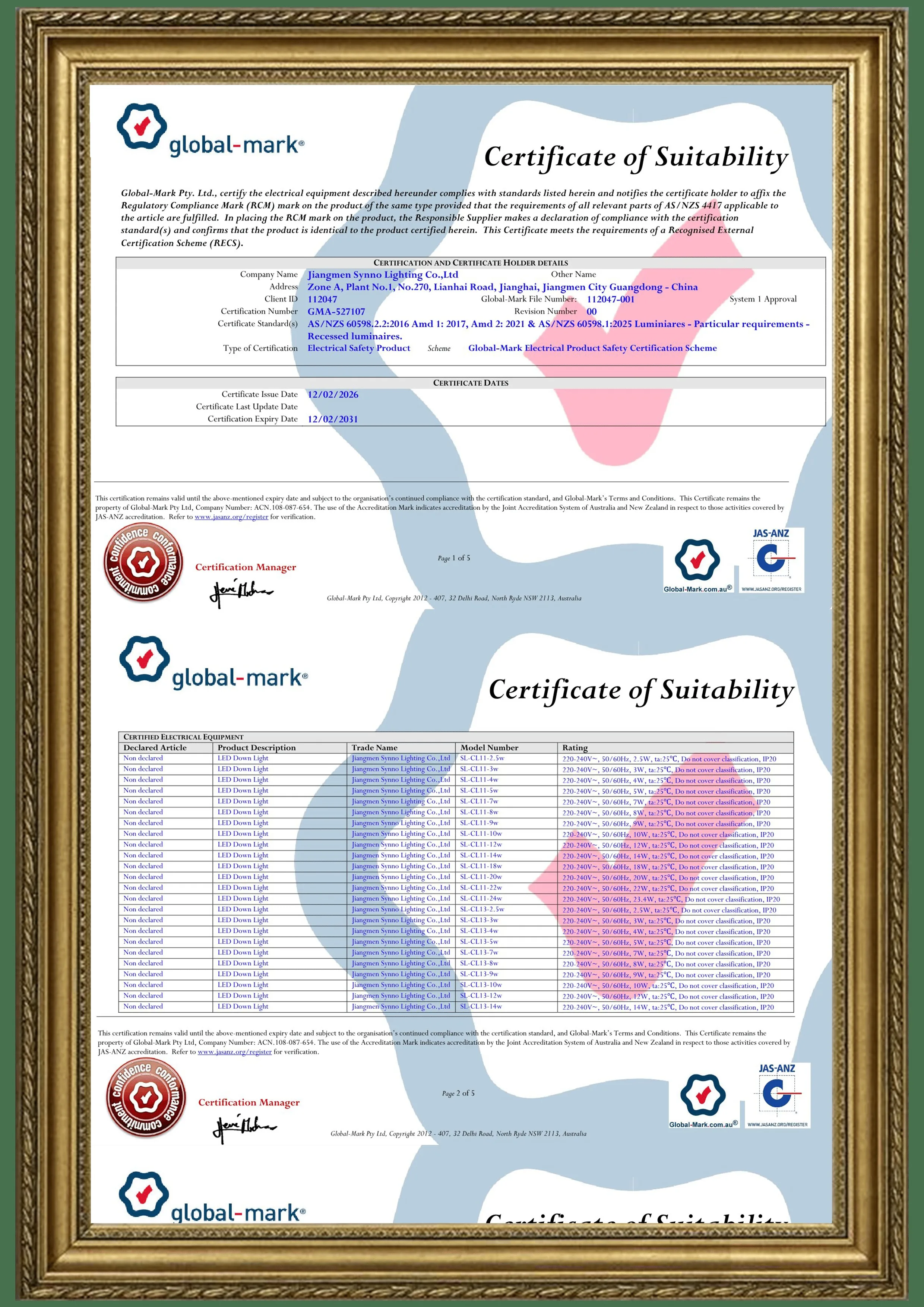
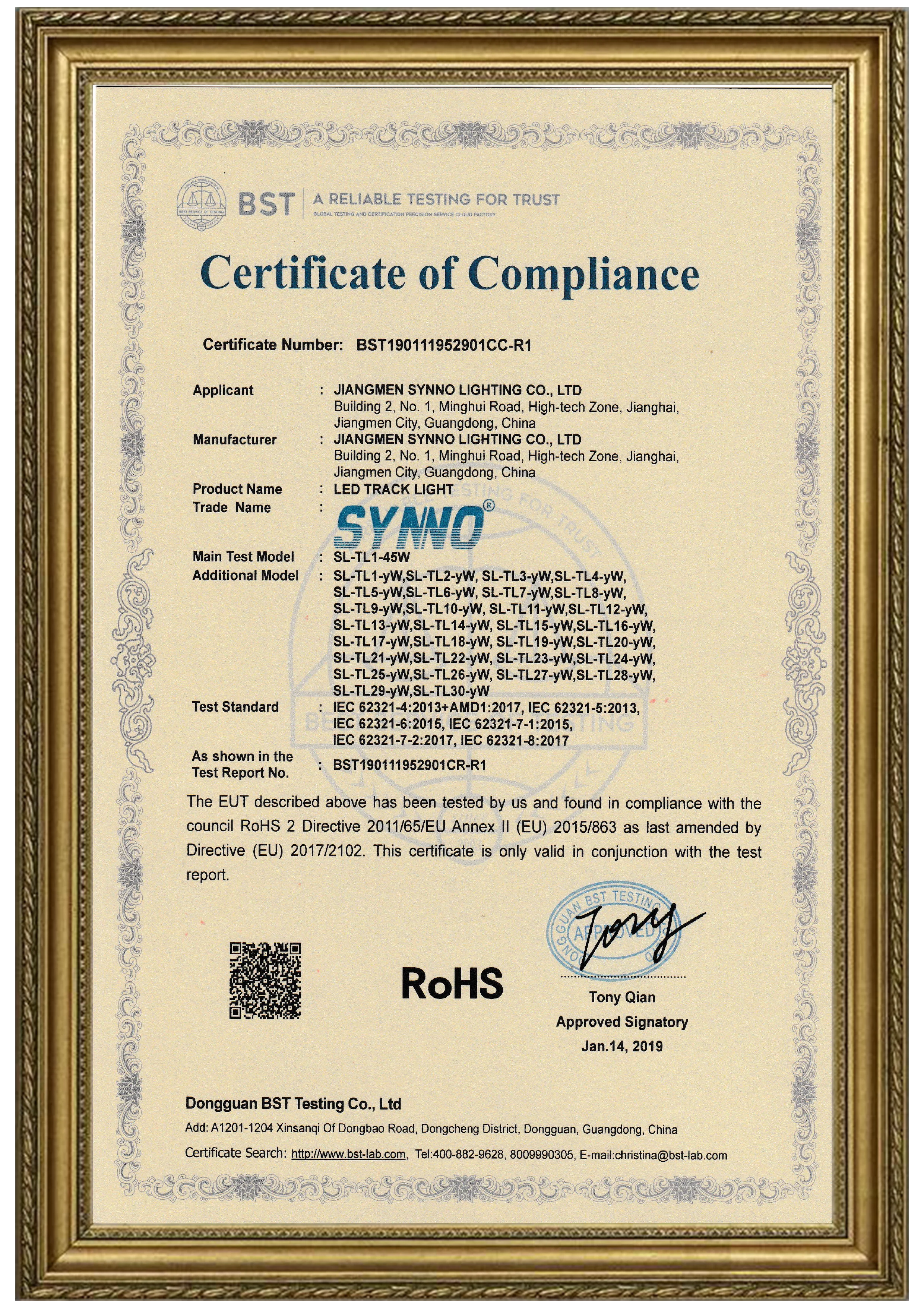
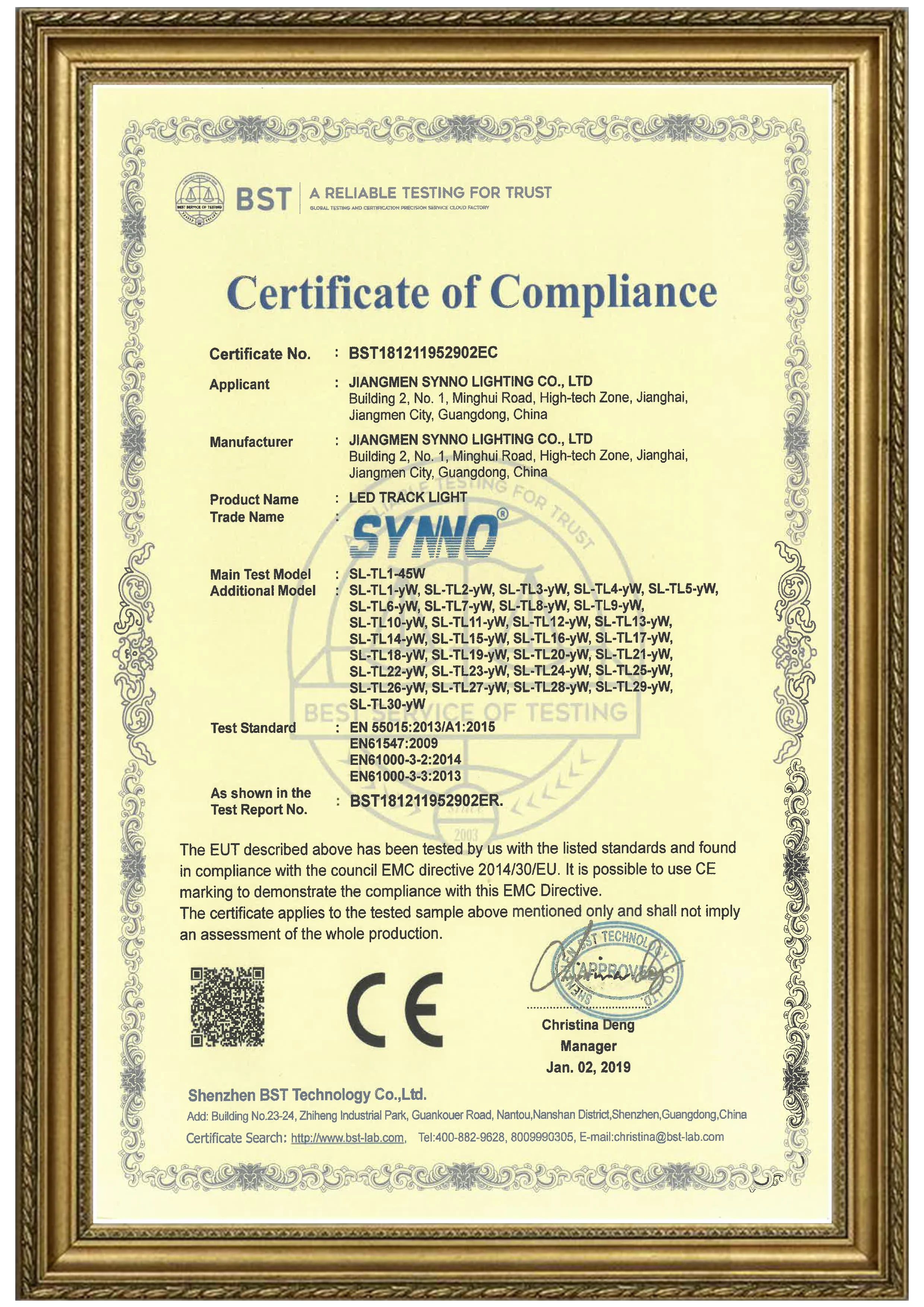
Product certifications (CE, RoHS, UL)
-
Warranty coverage
-
Customization options (beam angle, color temperature, fixture finish)
-
Proven track record with commercial projects
Our factory specializes in durable, high-CRI LED track lights for indoor and commercial applications, providing both standard and custom solutions.
Final Thoughts
Track lighting is one of the most versatile and stylish lighting solutions available today. By understanding the different types of track systems, beam angles, and LED features, you can create the perfect lighting design for your space — whether it’s a modern kitchen, a commercial showroom, or an art gallery.
If you’re looking for high-quality LED track lights — including single-circuit, three-circuit, and magnetic track systems — our team can provide expert advice, reliable products, and competitive pricing for both residential and large-scale commercial projects.