Using LED Flood Light to Highlight Architectural Features
When it comes to enhancing the beauty of architectural structures, lighting plays a crucial role. LED flood lights have become an essential tool in modern lighting design, offering powerful illumination with precise control. Whether you are looking to highlight specific features of your home, business, or public space, using LED flood lights to accentuate architectural elements can completely transform the aesthetic of any building.
In this comprehensive guide, we will explore how LED flood lights can be effectively used to highlight architectural features. From selecting the right lights to strategic placement and techniques, this article will provide you with all the knowledge you need to achieve the perfect lighting design.
1. Why Choose LED Flood Lights for Architectural Lighting?
LED flood lights offer numerous advantages that make them the ideal choice for illuminating architectural features. These advantages include:
a. Energy Efficiency
One of the main reasons why LED lights have become so popular in architectural lighting is their energy efficiency. LED flood lights consume significantly less power compared to traditional halogen or incandescent lights, helping you save money on electricity bills. This efficiency is especially important for lighting large or complex structures where a high level of brightness is required.
b. Longevity
LED lights are known for their impressive lifespan, often lasting up to 50,000 hours or more. This long lifespan reduces the need for frequent maintenance or bulb replacements, making them perfect for lighting installations on high or hard-to-reach places.
c. Versatility
LED flood lights come in a wide range of sizes, brightness levels, and beam angles, offering versatility in how you can use them to highlight architectural features. With a variety of color temperatures and beam angles available, you can tailor the lighting to suit the specific style of the building or structure.
d. Environmental Impact
LEDs are environmentally friendly because they contain no toxic elements such as mercury, unlike traditional lighting options. Additionally, their lower power consumption results in a smaller carbon footprint.
2. Key Architectural Features to Highlight with LED Flood Lights
Architectural lighting is all about showcasing the beauty and unique details of a building. LED flood lights can be used to accentuate many architectural features. Here are some of the most common ones:
a. Facades and Exterior Walls
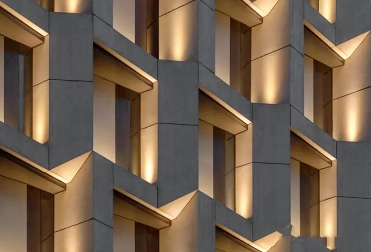
The façade of a building is often the first thing people notice, making it a prime candidate for lighting. Using LED flood lights to illuminate the front or sides of a building can create a striking effect, especially at night. A well-lit facade can make a building appear grand, elegant, or welcoming, depending on the type of lighting used.
-
Vertical Lighting: A vertical lighting technique is great for illuminating tall or intricate facades. The light is directed upwards, highlighting the height and structure of the building.
-
Wall Grazing: Wall grazing involves placing flood lights close to the wall to create dramatic shadows and emphasize the textures and details of the surface. It’s particularly effective for buildings with brick, stone, or textured surfaces.
b. Columns and Pillars
Columns and pillars are often key architectural elements in both classical and modern designs. Illuminating these features can bring out their elegant shapes and add drama to the structure.
-
Up-lighting: Using LED flood lights positioned at the base of the columns or pillars can accentuate their height and create an impressive effect. The upward light will also highlight any intricate detailing in the column’s design.
c. Doorways and Entrances
The entrance to a building is one of the most important features to light, as it serves as a focal point for both aesthetic appeal and security. Using LED flood lights to illuminate doorways and entrances can help guide people to the door, making the space feel more inviting and accessible.
-
Backlighting: Backlighting the doorframe can create a silhouette effect, emphasizing the doorway's shape and making it a striking feature. This technique works well for modern or minimalist buildings.
d. Rooflines and Skylines
The roofline of a building or the edges of the structure’s skyline can be accentuated with LED flood lights. These lights are typically mounted along the roof’s edge or pointed upwards to create a glowing outline.
-
Outline Lighting: This technique emphasizes the shape and form of the building, especially for historical or modern architectural designs. It creates a beautiful contrast against the night sky, making the building visible from a distance.
e. Architectural Details
Buildings often feature decorative elements like arches, windows, and cornices that give the structure its unique character. LED flood lights can be used to highlight these details and bring them into focus.
-
Highlighting Small Features: LED flood lights with adjustable beam angles can be used to shine light on smaller architectural details, such as window frames, decorative carvings, or intricate cornices, adding dimension and visual interest.
f. Landscape Integration
Architectural lighting does not need to be limited to the building itself. LED flood lights can also be used to illuminate surrounding landscapes, integrating the building with its environment. By lighting trees, sculptures, fountains, or other outdoor elements, you can create a cohesive and stunning visual impact.
3. Choosing the Right LED Flood Light for Architectural Lighting
To achieve the best lighting effects for your architectural features, it's essential to select the right LED flood lights. Here are the key factors to consider:
a. Brightness (Lumens)
The brightness of the LED flood light is crucial in ensuring that the features you want to highlight are properly lit. The right brightness will depend on the size and complexity of the architectural feature.
-
For facades or large structures: Flood lights with higher lumen ratings (around 4,000 to 10,000 lumens) are suitable for large buildings or areas with heavy detailing.
-
For smaller features or accents: Lower lumen ratings (around 1,000 to 3,000 lumens) are better for lighting specific details or smaller structures.
b. Color Temperature
The color temperature of the light influences the overall ambiance and mood. Choose a color temperature that complements the architectural style:
-
Warm white light (2,700K to 3,500K): Creates a soft, inviting, and classic look, perfect for traditional or residential buildings.
-
Neutral white light (4,000K to 5,000K): Works well for modern or commercial buildings, providing a clean and balanced appearance.
-
Cool white or daylight (5,500K to 6,500K): Offers a bright, stark illumination that’s excellent for highlighting intricate details or creating a contemporary look.
c. Beam Angle
The beam angle of the flood light determines how the light is spread across the surface. The wider the beam angle, the more area the light will cover. For highlighting architectural features, consider the following:
-
Narrow beam (15° to 30°): Perfect for highlighting specific features like columns, doorways, or sculptures.
-
Wide beam (60° to 120°): Suitable for illuminating larger areas like facades or roofs.
d. IP Rating and Durability
Since architectural lighting is typically installed outdoors, it’s important to choose flood lights that are durable and weather-resistant. Look for IP-rated lights to ensure protection against dust, moisture, and other environmental factors. An IP65 or higher rating is ideal for outdoor use.
4. Placement and Installation Tips
Proper placement and installation of LED flood lights are key to achieving the desired effect and ensuring that the lights function correctly. Here are some tips:
a. Positioning
-
For facades, place the flood lights at the base of the building and angle them upward to highlight the structure’s features.
-
Columns can be illuminated from the bottom or side for a dramatic effect.
-
For rooflines and skylines, install flood lights along the edges to create an outline or silhouette.
b. Adjusting Angles
LED flood lights are often adjustable, so take the time to experiment with the angles to achieve the best lighting effect. Be mindful of not pointing lights directly into people’s eyes, as this can cause discomfort and reduce visibility.
c. Using Multiple Lights
In some cases, using multiple LED flood lights may be necessary to illuminate larger buildings or areas. Distribute the lights evenly to avoid uneven lighting or harsh shadows.
d. Professional Installation
For larger, more complex installations, or if you're unsure about the wiring and setup, consider hiring a professional lighting designer or electrician. This ensures that the lights are positioned correctly and installed safely.
5. Conclusion
Using LED flood lights to highlight architectural features is an effective way to showcase the beauty and intricacy of your building or structure. With their energy efficiency, durability, and versatility, LED flood lights provide the perfect solution for accentuating architectural elements while creating stunning visual effects.
By considering factors such as brightness, color temperature, beam angle, and placement, you can choose the perfect lighting to enhance the aesthetic appeal of your property. Whether you’re illuminating facades, columns, doorways, or landscape elements, the right LED flood lights will transform the way your architectural features are viewed, making your building stand out both during the day and at night.
Incorporating LED flood lights into your architectural lighting design will not only improve the visual appeal of your space but also provide long-lasting and energy-efficient lighting solutions. So, take the time to carefully select your LED flood lights and make your architectural features shine in the best light possible.