How Supermarkets Use LED Lighting to Influence Buying Behavior
This article explores how supermarkets use LED lighting to influence customer decisions, improve store efficiency, and boost revenue—while maintaining energy efficiency and sustainability. Whether you’re a lighting manufacturer, retailer, or commercial developer, understanding this intersection of lighting and consumer psychology can offer valuable insights.
1. The Psychology of Lighting in Supermarkets
Supermarkets aren’t randomly lit. Every fixture is placed and calibrated with purpose. Consumers are highly influenced by non-verbal cues, and lighting is one of the most powerful of these. Research in environmental psychology has shown that lighting affects emotions, dwell time, and purchase intention.
-
Bright lights stimulate energy, increasing shopper activity and movement.
-
Warm lighting creates a comfortable, inviting atmosphere, encouraging shoppers to linger.
-
Cool lighting is used in high-traffic zones to enhance visibility and perceived cleanliness.
Supermarkets capitalize on these psychological effects to create zones within the store that drive specific shopper behaviors—such as quick movement through aisles or prolonged engagement in high-margin areas.
2. Why Supermarkets Are Switching to LED Lighting
Traditional lighting systems (fluorescent or halogen) are energy-intensive, require frequent maintenance, and lack flexibility. LED lighting, on the other hand, offers numerous benefits for supermarkets:
a. Energy Efficiency
LEDs consume up to 80% less energy than traditional lighting, significantly reducing utility costs. Given the long operational hours of supermarkets, this efficiency has major financial implications.
b. Longer Lifespan
With lifespans exceeding 50,000 hours, LED fixtures require less maintenance, minimizing disruptions in retail environments.
c. Precision Lighting Control
LEDs allow for adjustable color temperature, brightness levels, beam angles, and even color rendering indexes (CRI). This gives store managers unprecedented control over how different areas and products are perceived.
d. Smart Integration
Modern LED lighting can be integrated with IoT systems, sensors, and automation platforms. This enables dynamic lighting schedules, motion-activated lighting, and real-time control from a central system.
3. Lighting Zoning: Different Areas, Different Effects
Supermarkets typically divide their floor plan into multiple product zones, each designed to serve different shopper needs. Here’s how LED lighting is used in each area:
a. Fresh Produce Section
-
Lighting Objective: Emphasize freshness, vibrancy, and natural appeal.
-
Lighting Type: High CRI (90+) warm or neutral white LED lights.
-
Effect on Behavior: Bright, warm lighting enhances the visual appeal of fruits and vegetables, making them look fresher and more appetizing. This encourages impulse purchases.
LEDs with a color temperature of 3,000K to 4,000K are ideal for highlighting the rich reds of apples or the lush greens of leafy vegetables, making customers perceive higher quality and freshness.
b. Meat and Seafood Display
-
Lighting Objective: Showcase quality, hygiene, and color accuracy.
-
Lighting Type: Specialized LED lights with CRI tuned to enhance reds and pinks (for meats) or cool whites for seafood.
-
Effect on Behavior: Customers are extremely sensitive to meat color. Proper lighting boosts confidence in product freshness and cleanliness, encouraging buyers to select premium cuts.
Some supermarkets even use color-enhancing LEDs specifically tailored for meat displays, such as 3,500K LEDs with enhanced red spectrum output.
c. Bakery Section
-
Lighting Objective: Create warmth, coziness, and indulgence.
-
Lighting Type: Warm white LED lights (around 2,700K).
-
Effect on Behavior: This type of lighting evokes a sense of home and comfort. It enhances the golden tones of baked goods, making breads and pastries look fresh from the oven.
Strategically warmer lighting makes this section feel artisan or “freshly baked,” supporting premium pricing and impulse buying.
d. Beverage and Dairy Coolers
-
Lighting Objective: Maximize visibility while maintaining cool ambiance.
-
Lighting Type: Cool white LED strip lights (4,000K to 5,000K), often installed inside refrigerators.
-
Effect on Behavior: Cooler temperatures communicate freshness and cleanliness. Uniform LED lighting avoids harsh shadows, ensuring that labels are easy to read.
In some supermarkets, motion-activated LED strips are used to save energy while drawing customer attention when a shopper walks by.
e. Aisle Lighting
-
Lighting Objective: Guide movement and browsing.
-
Lighting Type: Bright, neutral white overhead lighting (4,000K).
-
Effect on Behavior: Uniform lighting promotes consistent visibility, helping shoppers feel more secure and stay longer in the store.
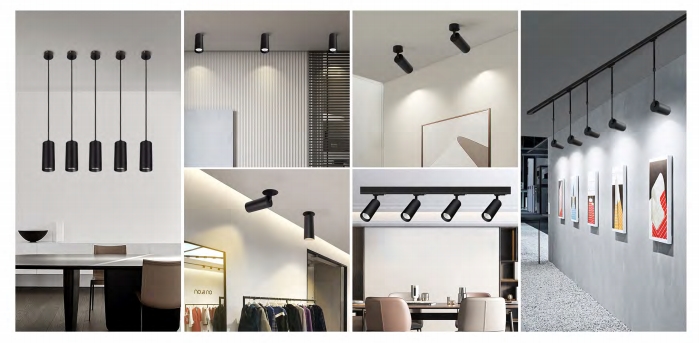
Some retailers use track lighting systems with beam control to create visual cues that guide shoppers to featured or promotional items.
f. Checkout and Exit Zones
-
Lighting Objective: Create a sense of urgency or closure.
-
Lighting Type: Brighter and cooler white lights.
-
Effect on Behavior: Cooler tones near checkouts subtly signal that the shopping journey is coming to an end, encouraging faster decision-making.
4. LED Color Rendering and Its Impact on Perception
Color Rendering Index (CRI) plays a crucial role in how accurately colors appear under artificial lighting. Supermarkets prefer LEDs with a CRI above 90 in sections where visual appeal directly influences purchase decisions.
-
Low-CRI lighting can distort the natural look of products.
-
High-CRI LED lighting ensures that what customers see is what they get—reducing returns and boosting trust.
For example, meat that appears greyish or dull under poor lighting will likely be avoided by customers—even if it's perfectly fresh. By investing in specialized high-CRI LED lighting, supermarkets increase product appeal and shelf turnover.
5. Behavioral Economics Meets Lighting Strategy
Beyond visual impact, supermarkets use LED lighting to tap into behavioral economics—the study of psychological, cognitive, and emotional factors on buying decisions.
a. Creating Emotional Atmospheres
-
Warm lighting = comfort, indulgence
-
Cool lighting = cleanliness, efficiency
These atmospheres subtly influence what and how much customers purchase. In bakery areas, warm lighting may encourage more impulse buys of cakes and cookies. In household or cleaning aisles, cooler lighting promotes logical, efficient buying behavior.
b. Time Perception Manipulation
Lighting also affects how shoppers perceive time. Bright and well-lit environments make people feel more energized, possibly increasing their dwell time. Dimmer lighting in specific zones may create a more relaxed shopping pace, encouraging browsing and higher cart values.
c. Sales Hotspots and Promotions
Using accent LED flood lights or track lights to spotlight promotional displays increases product visibility. In fact, studies have shown that highlighted products are 30-50% more likely to be purchased than those under general lighting.
6. Smart LED Lighting Systems: The Future of Supermarket Design
Modern supermarkets are investing in intelligent lighting systems powered by LED technology. These systems are capable of:
-
Automated brightness adjustments based on time of day or ambient lighting.
-
Zone-based control, allowing managers to adapt lighting schemes based on customer traffic or sales data.
-
Integration with HVAC systems for optimized energy use.
-
Motion sensors to turn lights on/off in low-traffic areas like backrooms or restrooms.
Using these systems, supermarkets can create personalized lighting experiences while reducing energy consumption and maintenance costs.
7. Sustainability and Brand Perception
Today’s consumers are increasingly aware of sustainability issues. Supermarkets that use LED lighting not only cut operational costs but also build a greener brand image.
Promoting energy-efficient LED lighting usage can enhance customer trust and loyalty. Many leading chains even display energy savings metrics in-store to reinforce their commitment to the environment.
8. Case Example: LED Lighting in Action
Let’s consider a case example of a modern supermarket redesign:
-
The store replaced all 400 halogen fixtures with smart LED flood lights and track lighting.
-
Each product zone (bakery, produce, dairy, meats) was fitted with specialized color temperature and CRI LED lights.
-
After implementation:
-
Energy consumption dropped by 60%.
-
Dwell time in high-margin zones increased by 20%.
-
Sales of fresh produce and bakery items rose by 18%.
-
This real-world case highlights how the strategic use of LED lighting directly contributes to business success.
Conclusion
LED lighting in supermarkets is far more than a matter of visibility—it's a powerful marketing and psychological tool. From creating immersive environments and emphasizing freshness to guiding consumer flow and promoting sustainability, LEDs have revolutionized retail lighting strategies.
For supermarkets and lighting manufacturers alike, understanding these applications is crucial for staying ahead in a competitive market. As LED technology continues to evolve—with higher CRIs, smart integrations, and tunable color options—the possibilities for influencing buyer behavior through lighting will only expand.
If you're a retailer looking to upgrade your lighting system or a contractor working on commercial retail projects, investing in high-performance LED lighting is no longer optional—it’s a strategic necessity.