The Complete Guide to Color Temperature and CRI in LED Lighting
When choosing LED lighting for any space—whether a retail showroom, office building, outdoor garden, or modern home—color temperature and Color Rendering Index (CRI) are two crucial specifications that directly influence how the environment feels and functions.
Yet many buyers still overlook these specs or misunderstand what they really mean.
In this complete guide, we will break down what color temperature and CRI are, second explain their impact on human perception and task performance at lease offer practical tips for selecting the right values.
Apply these concepts to specific LED products, including downlights, spotlights, track lights, wall washers, and more.
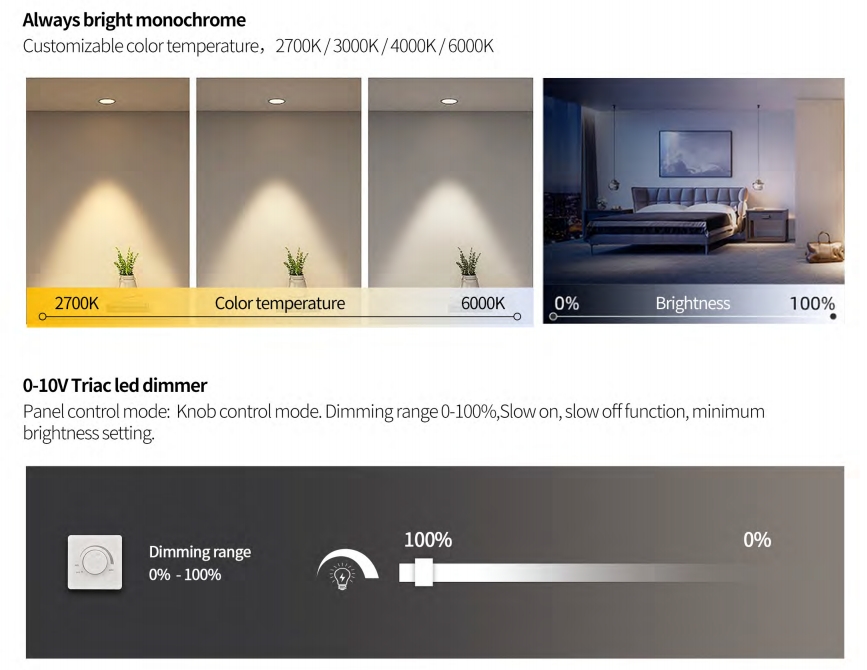
1. What is Color Temperature?
Color temperature refers to the tone of white light emitted by a light source, measured in Kelvin (K).
Despite the name, it has nothing to do with heat—it’s about how warm or cool the light appears to the human eye.
The Kelvin Scale:
Warm White (2700K–3000K): Yellowish light, similar to incandescent bulbs
Neutral White (3500K–4100K): Balanced white with minimal warmth
Cool White (5000K–6500K): Crisp, bluish-white light similar to daylight
|
Color Temperature |
Appearance |
Typical Use Cases |
|
2700K – 3000K |
Soft, warm |
Bedrooms, restaurants, lounges |
|
3500K – 4100K |
Neutral |
Offices, classrooms, retail |
|
5000K – 6500K |
Bright, cool |
Hospitals, warehouses, outdoor floodlights |
Pro Tip: Always match the color temperature with the function and mood of the space. A cozy café should feel warm (2700K), while a workshop benefits from bright, cool light (5000K+).
2. What is CRI (Color Rendering Index)?
CRI stands for Color Rendering Index, a scale from 0 to 100 that measures a light source’s ability to accurately reveal the colors of objects compared to natural sunlight.
CRI Score Breakdown:
90–100: Excellent color rendering (used in galleries, fashion, medical)
80–89: Good for general applications (offices, homes, commercial)
Below 80: Poor color rendering (not recommended for most tasks)
|
CRI Value |
Visual Effect |
Ideal Use Cases |
|
90+ |
Vibrant, lifelike |
Art studios, showrooms, product photography |
|
80–89 |
Natural enough |
Residential, commercial lighting |
|
<80 |
Dull, distorted |
Utility areas only (storage, back rooms) |
Example: An LED spotlight with a CRI of 95 will render red clothing, skin tones, and artworks more vividly than one with a CRI of 80—even at the same color temperature.
3. Why Color Temperature and CRI Matter in LED Lighting
a. Color Temperature Affects Mood and Productivity
Warm light (2700K) promotes relaxation and calmness.
Cool white light (5000K) boosts alertness and concentration.
In office or retail settings, choosing the wrong color temperature can lead to eye strain, reduced productivity, or poor customer experience.
b. CRI Affects Color Accuracy and Aesthetics
In retail, poor CRI can distort product colors, affecting sales.
In art galleries or museums, inaccurate lighting can ruin exhibits.
In hospitals, high CRI is critical for skin tone assessment and wound care.
Imagine a fashion boutique using low CRI lighting: customers might see a dress as navy blue when it’s actually black—resulting in returns and dissatisfaction.
4. Choosing the Right Color Temperature by Application
Indoor LED Lighting
LED Downlights (3000K–4000K, CRI 90+): Ideal for living rooms, offices, lobbies
LED Spotlights (3000K, CRI 90+): Great for retail and gallery displays
LED Track Lights (3500K–4000K, CRI 85–95): Suitable for showrooms, art spaces
Consistency is key: Avoid mixing color temperatures in the same room unless doing so intentionally for layered lighting effects.
Commercial and Industrial LED Lighting
LED Wall Washers (4000K–5000K, CRI 80+): Highlight architecture or signage
Floodlights (5000K–6500K, CRI 70–80): Outdoor lighting, warehouses, security
Window Sill Lights (3000K–4000K): Accent and ambient lighting for facades
�� Note: For outdoor or high-output lighting like floodlights, CRI is typically lower—but color temperature consistency remains essential.
Hospitality and Residential Lighting
Garden Lights (2700K–3000K, CRI 80+): Create a cozy outdoor ambiance
Outdoor Wall Lights (3000K–4000K): Highlight entries and paths
Underground Lights (3000K, IP-rated): Mood or directional lighting for landscapes
5. CRI vs CCT: Can You Have Both High?
Yes—but you must choose quality LED fixtures. Many cheaper products may offer a high Kelvin rating but low CRI, or vice versa.
For example:
A 5000K LED with CRI 70 might appear bright but make colors look dull.
A 4000K LED with CRI 90 will offer balanced light and color fidelity.
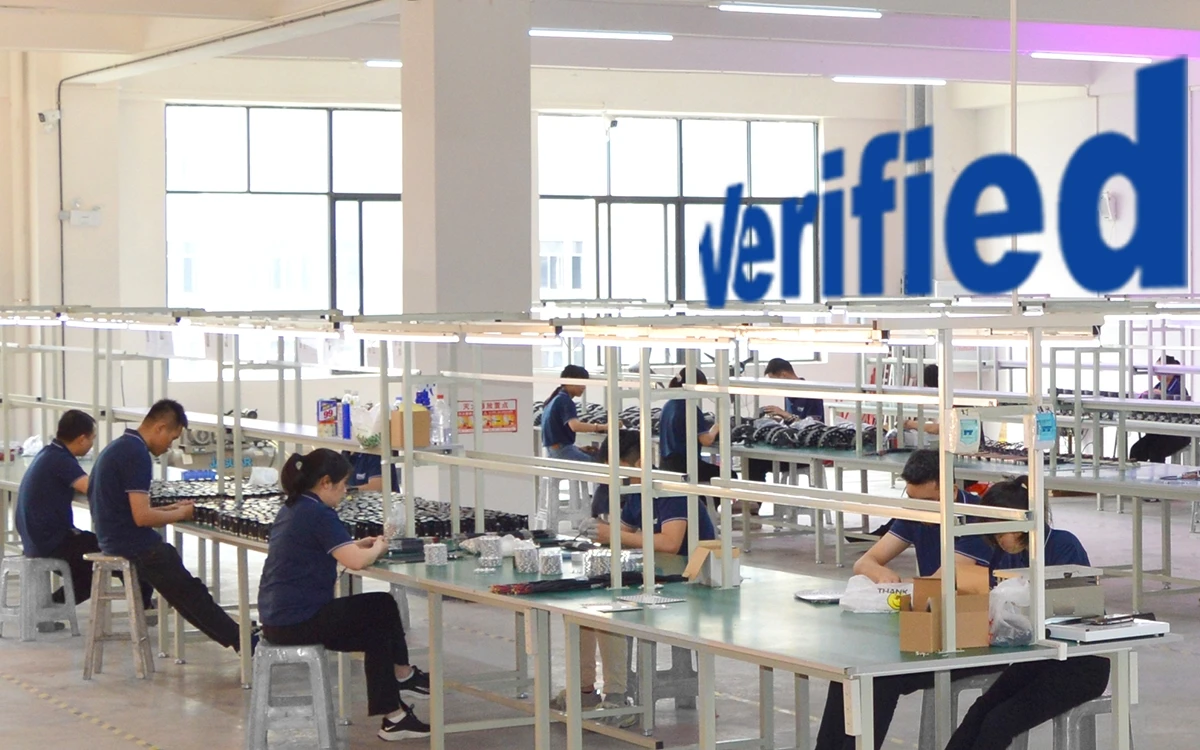
At Jiangmen Synno Lighting Company, we manufacture LED lighting solutions like spotlights, downlights, and track lights with CRI ratings above 90—ensuring natural, comfortable, and vibrant lighting.
6. How to Read LED Lighting Labels and Specs
Before purchasing, look for:
CCT (Correlated Color Temperature): Given in Kelvins (K)
CRI: A numerical value from 0 to 100
SDCM (Standard Deviation of Color Matching): Indicates color consistency; the lower, the better (≤3 SDCM is ideal)
TM-30-20: An advanced color rendering metric (alternative to CRI, now gaining popularity)
Packaging Example:
"CCT: 3000K, CRI: 90, SDCM < 3, Dimmable, 50,000h lifespan"
7. CRI and Color Temperature in Specialized Industries
Art Galleries and Museums
Use 3000K–3500K with CRI 95+ to preserve true pigment integrity
Best fixtures: Spotlights, Track Lights, Wall Washers
Retail Stores
Use 3500K–4000K with CRI 90+ for clothing, cosmetics, and decor
Best fixtures: Track Lighting, LED Downlights
Hospitals and Clinics
Use 4000K–5000K with CRI 90+ to ensure accurate medical visuals
Best fixtures: Ceiling Lights, Floodlights, Spotlights
Outdoor & Architectural Lighting
Use 3000K–5000K with CRI 70–85 (higher if color clarity is needed)
Best fixtures: Floodlights, Garden Lights, Wall Lights
8. Matching CRI and CCT to Human Circadian Rhythm
Cooler lighting (5000K+) in the morning can boost alertness. Warmer lighting (2700K–3000K) in the evening helps regulate melatonin and prepare the body for rest.
This is why dimmable and tunable white LEDs are becoming more popular in offices and smart homes—to mimic natural daylight cycles.
9. Innovations in LED Color Technology
The LED industry continues to improve how color is delivered:
Tunable White LEDs: Adjustable CCT (e.g. 2700K–6500K)
Full Spectrum LEDs: Cover visible light range for superior CRI
RGBW LEDs: Blend color and white for decorative uses
Advanced products like track lights with tunable white and CRI 95+ offer flexibility in galleries or retail where displays change often.
10. Conclusion: Make Color Work for You
Color temperature and CRI are more than just technical specs—they are essential to human experience, mood, and perception. Choosing the right values ensures your lighting is not only functional but emotionally and visually effective.
Key Takeaways:
Use CCT to set the tone and mood
Use CRI to ensure color accuracy
Match lighting to the space’s purpose
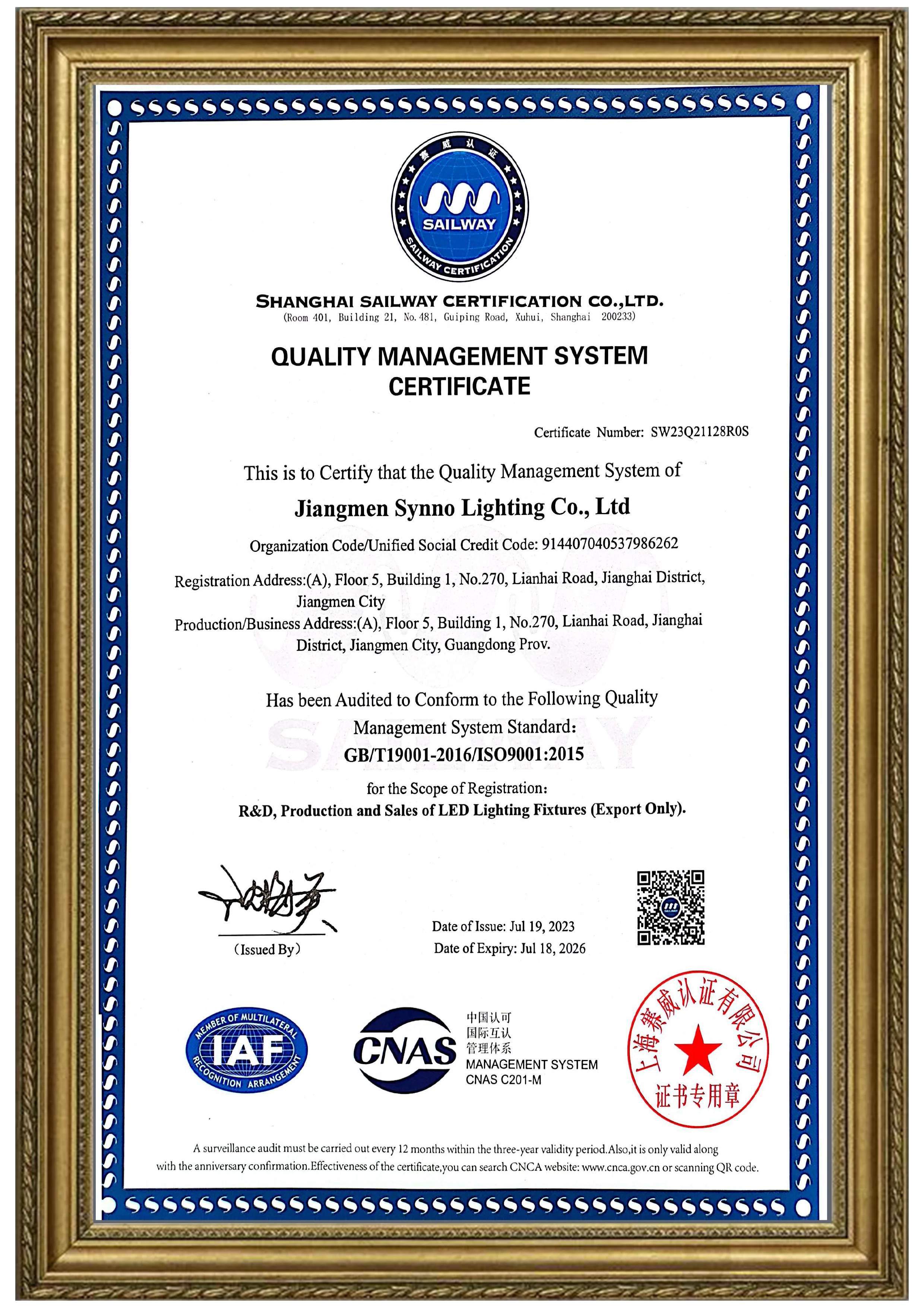
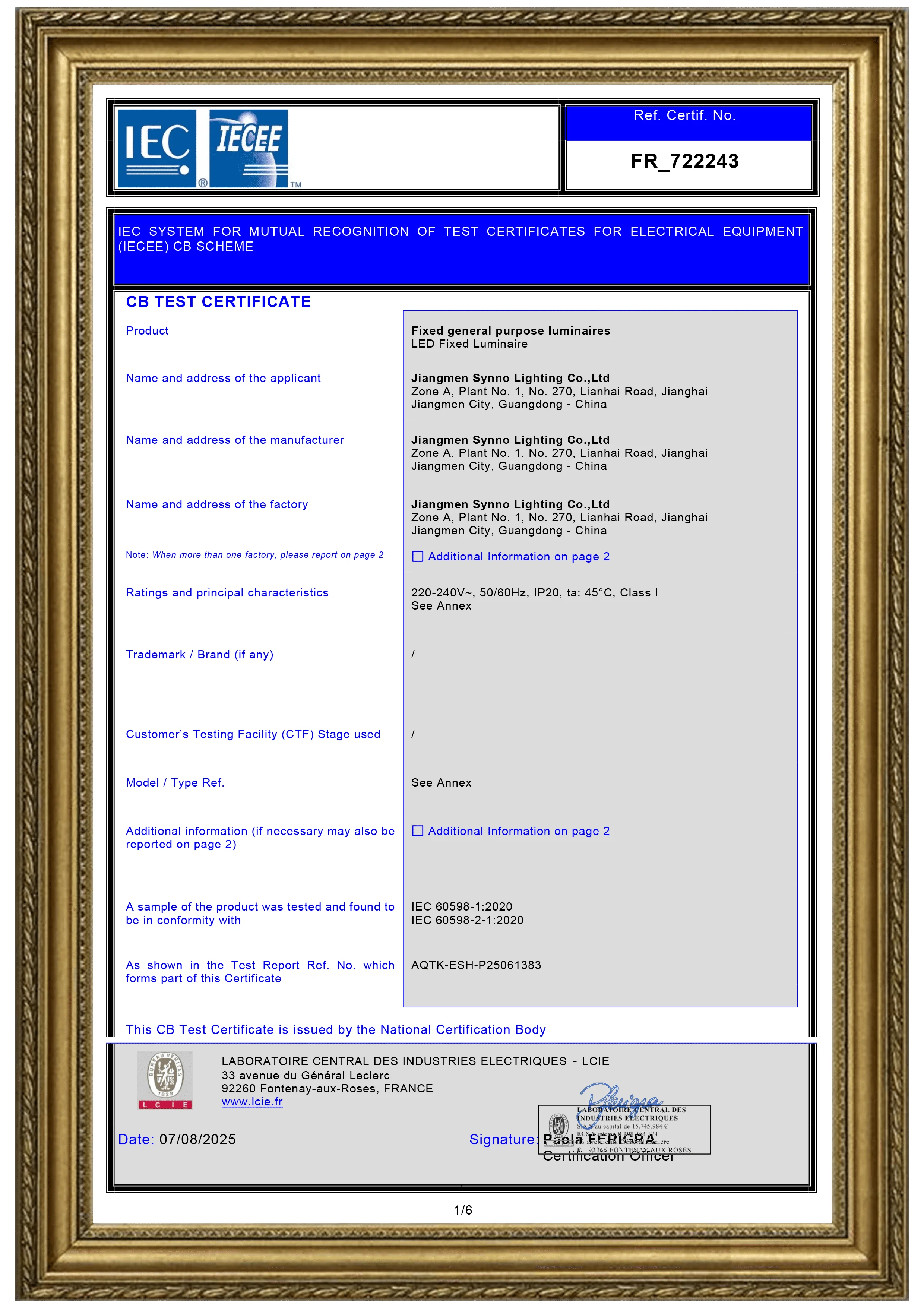
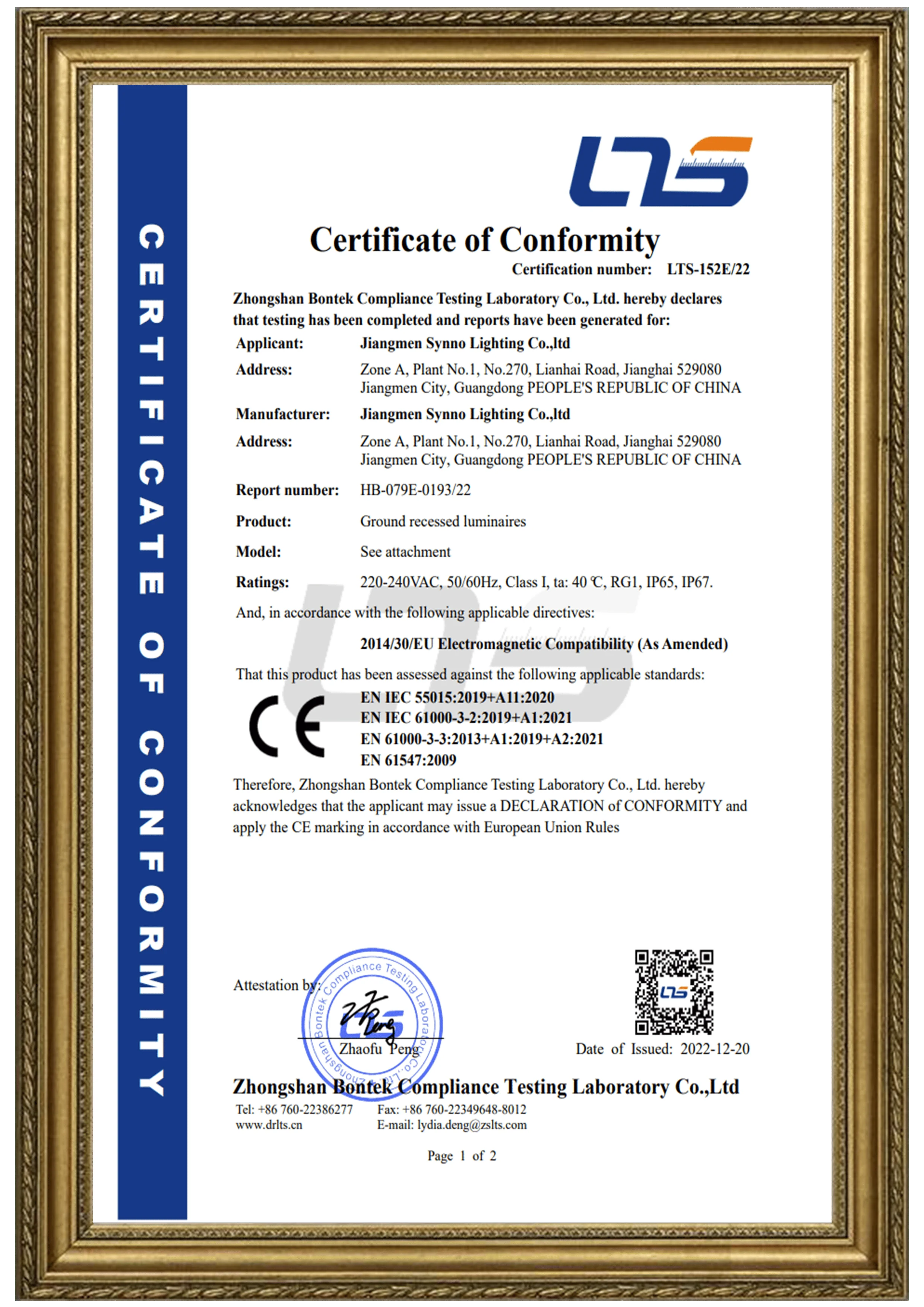
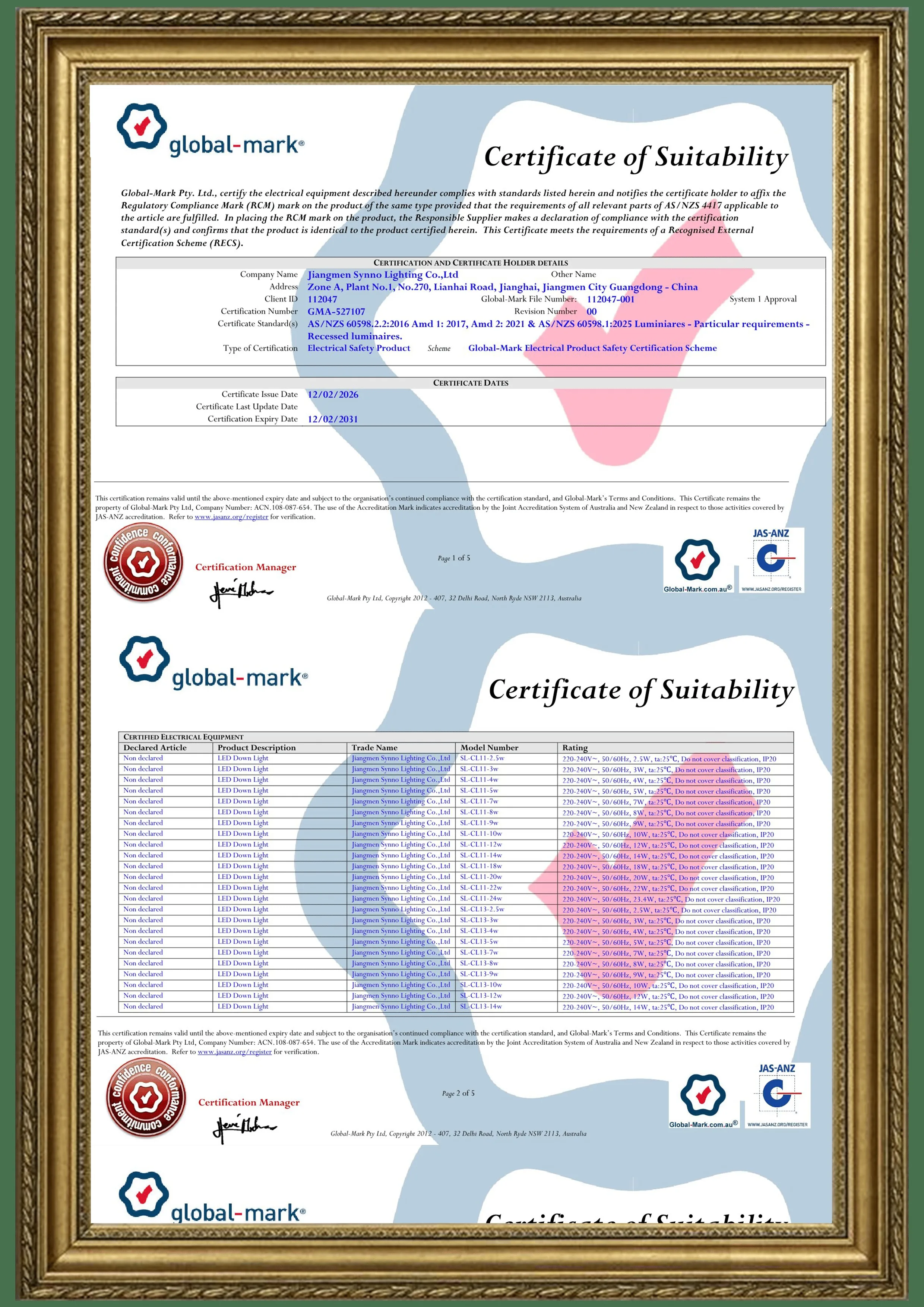
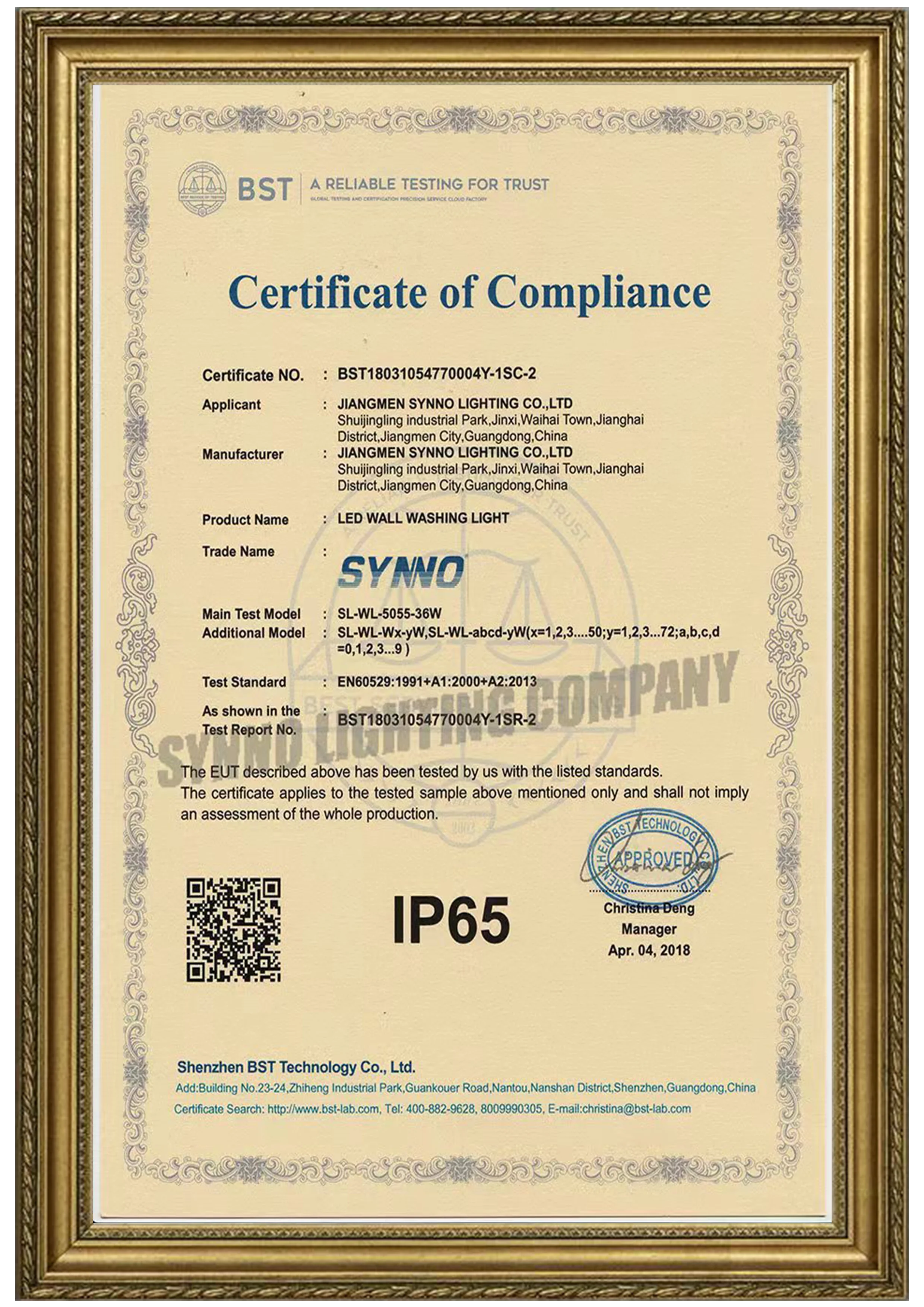
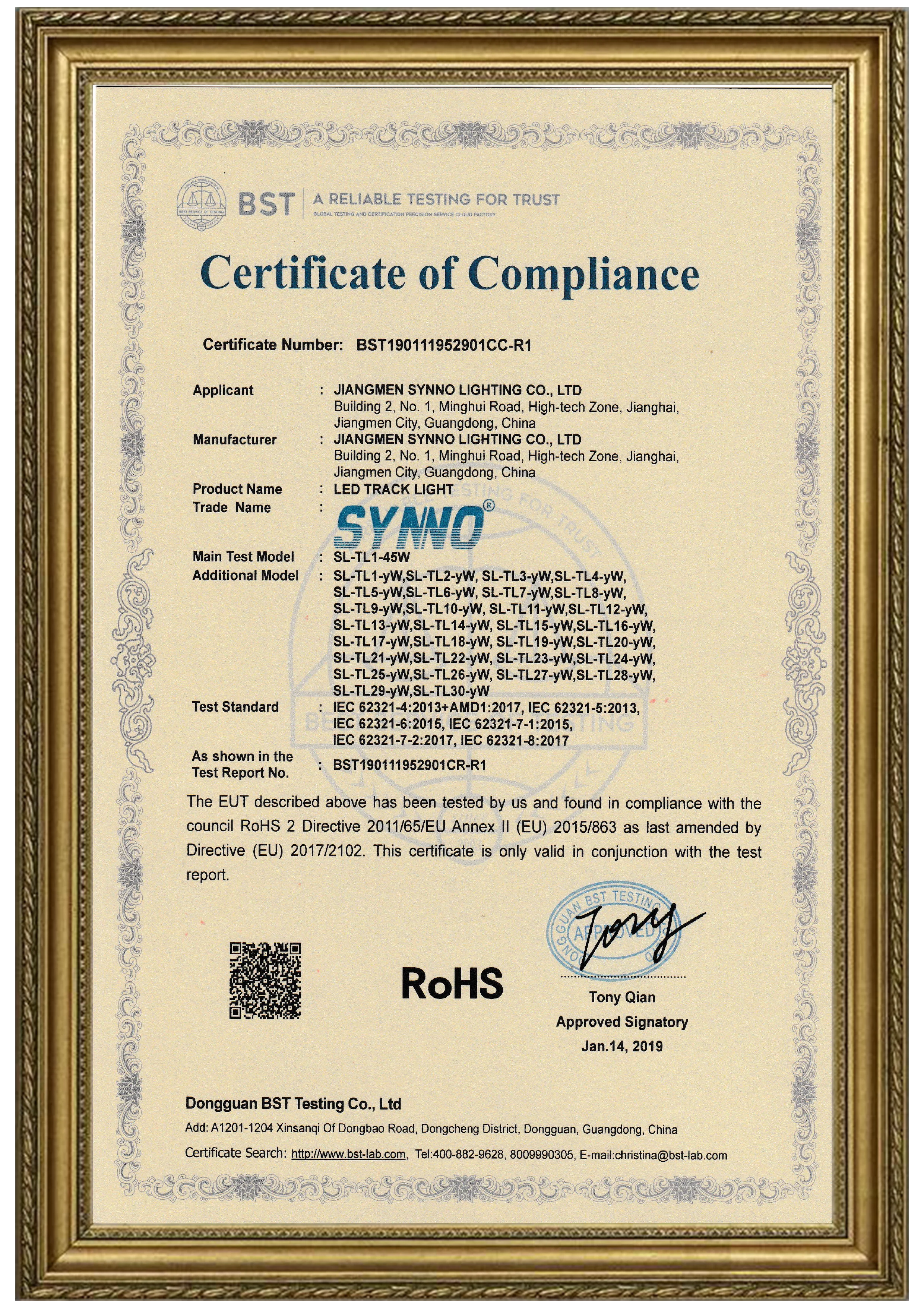
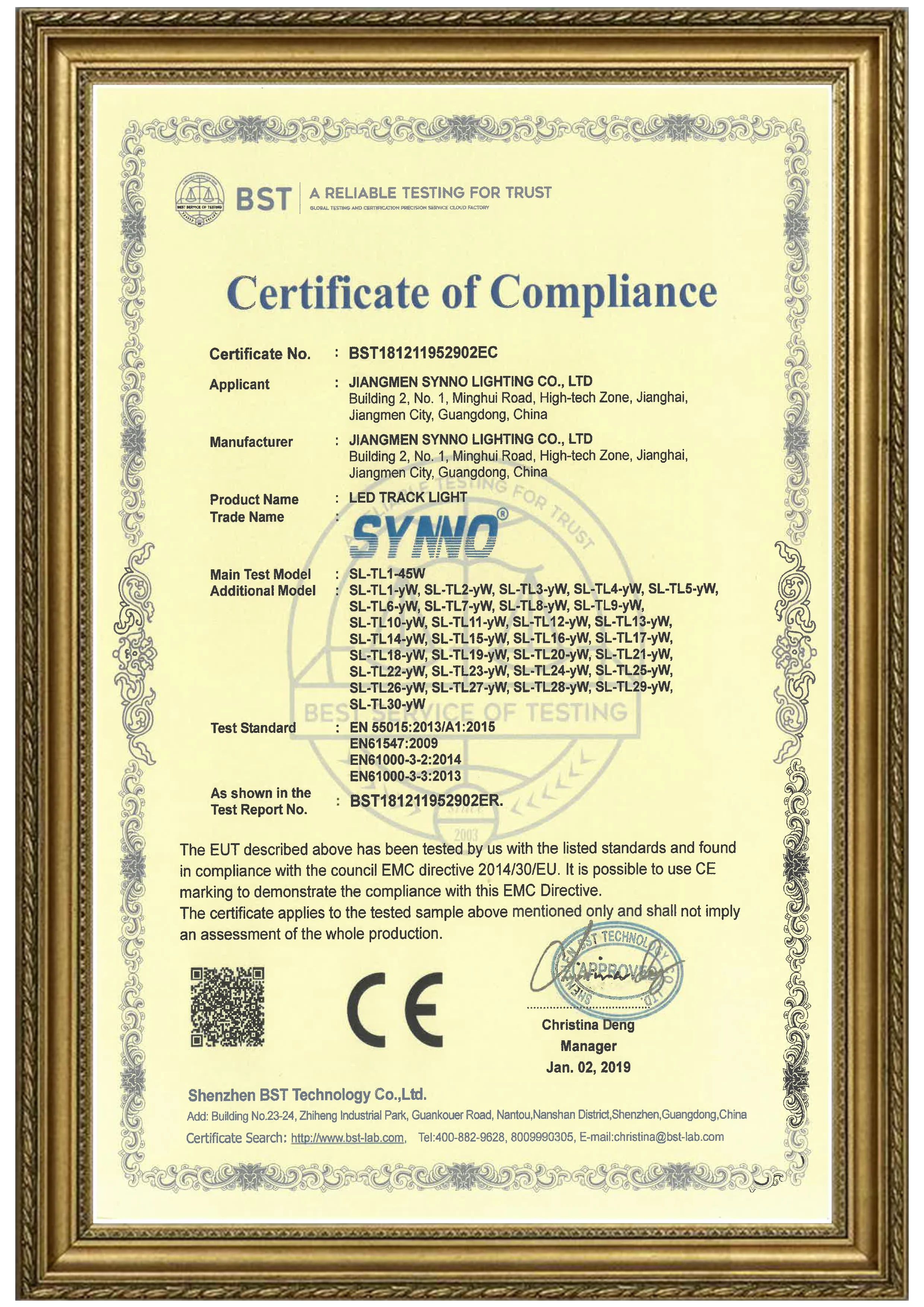
Choose reliable, certified LED products
At Jiangmen Synno Lighting, we provide a wide range of high-performance LED lighting solutions with excellent color control and reliability:
✅ LED Downlights
✅ Spotlights and Track Lights
✅ Wall Washers
✅ Garden and Underground Lights
✅ Window Sill and Outdoor Wall Lights
Contact us today to learn more about selecting the ideal color temperature and CRI for your next lighting project.