LED Lighting Lifespan vs Traditional Lighting: What You Need to Know
In the lighting industry, one of the most significant shifts over the last decade has been the rapid adoption of LED technology across residential, commercial, and industrial sectors. One of the key drivers of this transformation is the lifespan advantage of LED lighting over traditional options such as incandescent, halogen, and fluorescent lighting.
But what exactly makes LEDs last so much longer? How do they compare in real-world performance and cost? And how can product types like LED floodlights, downlights, wall washers, or track lights affect longevity?
This comprehensive guide explains everything you need to know about LED lighting lifespan vs traditional lighting, including measurable lifespan metrics, cost implications, maintenance, and best-use cases across different product types.
1. Understanding Lighting Lifespan: What Does It Really Mean?
The term “lifespan” in lighting refers to the expected operational hours a light source will function before its performance diminishes below acceptable levels.
Unlike traditional bulbs that "burn out," LEDs don’t fail suddenly—instead, they gradually degrade in brightness over time. Therefore, LED lifespan is defined as the number of hours before the light output drops to 70% of its original brightness (referred to as L70).
Common Lifespan Metrics:
L70 (hours): Time until LED reaches 70% output
Rated life (hours): Industry-estimated operation time under normal conditions
2. Lifespan Comparison: LED vs Traditional Light Sources
Let’s break down the typical lifespans of different lighting types to see why LEDs dominate in long-term performance.
|
Lighting Type |
Average Lifespan |
Common Applications |
|
Incandescent Bulbs |
750–2,000 hours |
Homes, decorative fixtures |
|
Halogen Bulbs |
2,000–4,000 hours |
Spotlights, retail lighting |
|
CFL (Fluorescent) |
8,000–10,000 hours |
Offices, commercial buildings |
|
Metal Halide Lamps |
6,000–20,000 hours |
Street lights, warehouses |
|
LED Lighting |
30,000–100,000+ hours |
All indoor/outdoor uses |
Example: A commercial LED downlight rated for 50,000 hours can run 8 hours per day for over 17 years before needing replacement.
3. Why Do LEDs Last Longer? The Technology Explained
The extended lifespan of LED lighting is rooted in its solid-state technology, which is fundamentally different from filament- or gas-based traditional bulbs.
Key LED Advantages:
No filaments to burn out
Minimal heat output
Efficient energy conversion (up to 90%)
Advanced thermal management
High durability (resistant to shock and vibration)
For example, LED floodlights used in sports arenas or warehouses not only operate longer, but also withstand harsh outdoor environments and constant switching without degradation.
4. Real-World Applications: LED vs Traditional in Specific Lighting Products
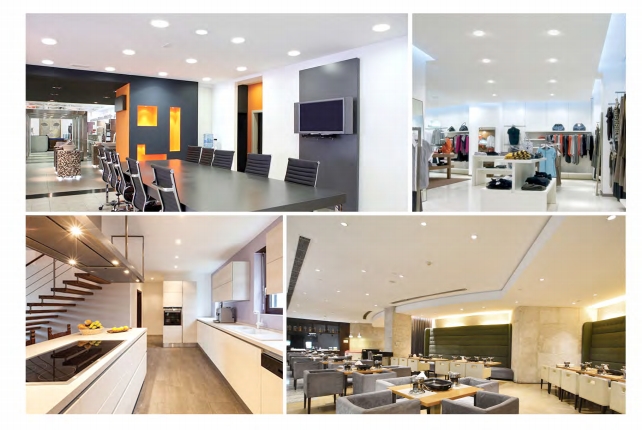
Let’s explore how lifespan impacts specific lighting product categories commonly used in both residential and commercial spaces.
a. LED Downlights vs Halogen Downlights
Halogen: 2,000–3,000 hours, high heat output, frequent replacements
LED: 30,000–50,000 hours, cooler operation, virtually maintenance-free
Ideal for: Offices, homes, hotels
LED advantage: Reduced ceiling access needs = lower labor costs.
b. LED Floodlights vs Metal Halide Floodlights
Metal Halide: 10,000–20,000 hours, long warm-up time, light depreciation
LED: 50,000–100,000 hours, instant on/off, minimal lumen loss
Ideal for: Stadiums, parking lots, building facades
LED advantage: Long-term reliability in harsh conditions and energy savings of over 60%.
c. LED Spotlights vs Halogen Spotlights
Halogen: 2,000–4,000 hours, excellent CRI but short life
LED: 25,000–50,000 hours, high CRI options now available
Ideal for: Museums, retail, galleries
LED advantage: Less heat protects artworks, and reduced replacement costs.
d. LED Track Lights vs Fluorescent Tubes
Fluorescent: 8,000–10,000 hours, flickering, toxic materials (mercury)
LED Track Lights: 30,000–50,000 hours, flicker-free, dimmable
Ideal for: Commercial interiors, showrooms
LED advantage: Flexible design + longer lifespan = better ROI.
5. Energy Savings and Cost Analysis Over Time
While traditional lighting may seem cheaper upfront, it becomes far more costly over time due to frequent replacements, maintenance, and higher electricity usage.
Cost Breakdown Example:
Let’s compare a 50W halogen downlight to a 10W LED equivalent over 50,000 hours.
|
Feature |
Halogen Downlight |
LED Downlight |
|
Wattage |
50W |
10W |
|
Lifespan |
2,000 hours |
50,000 hours |
|
Replacements needed |
25 bulbs |
1 bulb |
|
Energy used (kWh) |
2,500 |
500 |
|
Cost @ $0.12/kWh |
$300 |
$60 |
|
Bulb cost + labor |
$250+ |
$50 |
|
Total Cost |
$550+ |
$110 |
Result: LED downlight saves over 80% in total cost.
6. Environmental Impact: LED Is the Sustainable Choice
The extended lifespan of LEDs translates to fewer materials sent to landfills and a reduction in carbon emissions due to lower energy use.
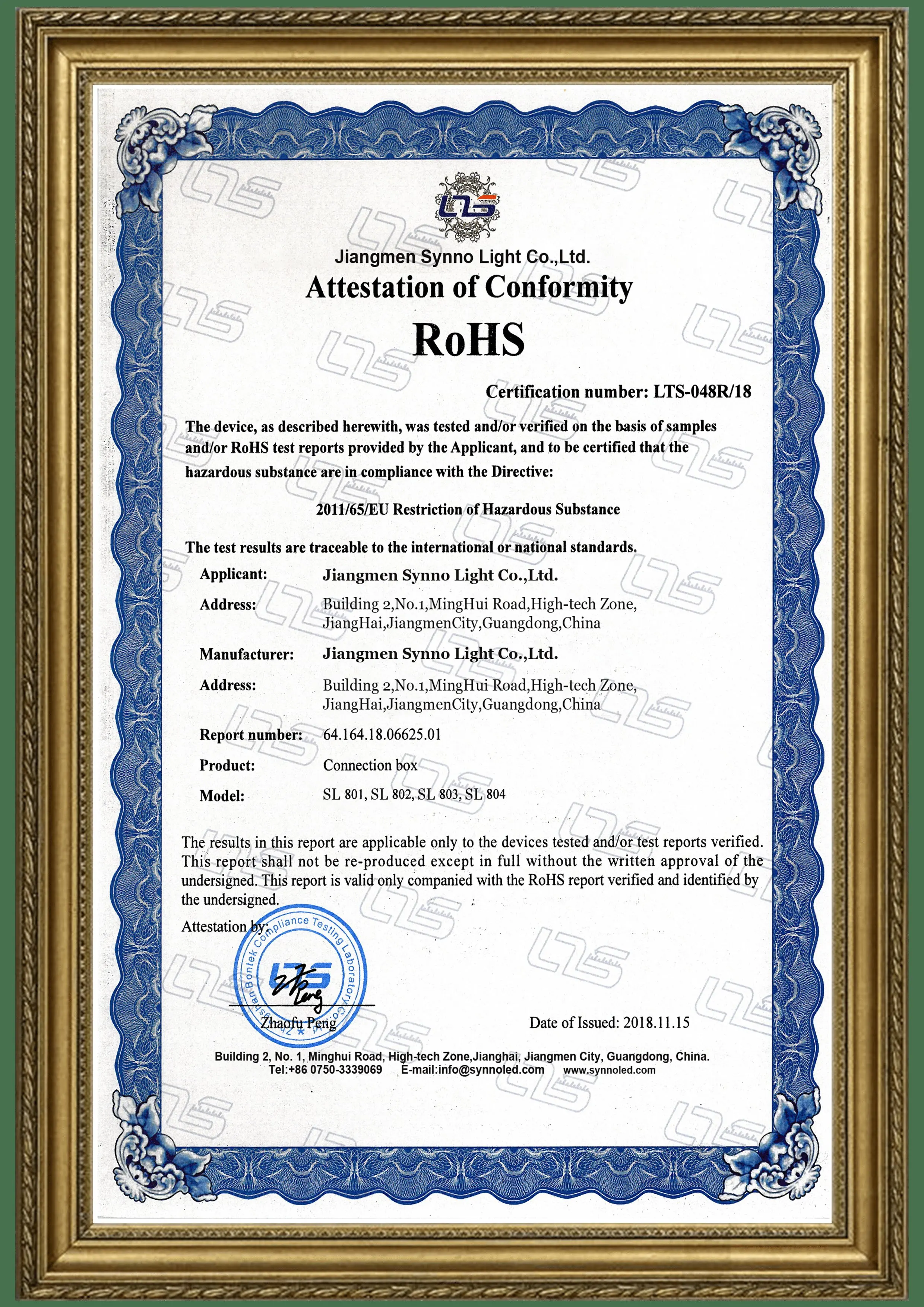
✅ No hazardous materials (e.g., mercury)
✅ Fewer replacements mean less packaging and waste
✅ Lower power draw helps reduce grid demand
LED products like underground lights, wall washers, and garden lights designed for outdoor use often come with IP ratings, which extend their service life even further in tough environments.
7. Key Factors That Influence LED Lifespan
While LEDs are long-lasting, their actual lifespan can vary depending on several important conditions:
a. Quality of Components
High-quality LED chips and drivers (power supplies) directly affect lifespan. Cheap components may fail early despite the LED chip's potential.
b. Thermal Management
Excessive heat degrades LED performance. Good design with proper heat sinks and airflow is critical. Look for aluminum housings or products with built-in cooling, especially in floodlights and commercial ceiling lights.
c. Installation Environment
Dust, humidity, voltage fluctuations, and poor ventilation can all reduce LED lifespan. Choose IP-rated lights (e.g., IP65 for outdoor) for harsh environments.
d. Usage Patterns
Frequent on/off cycles used to harm CFLs but not LEDs. However, running LEDs at full brightness 24/7 may reduce their longevity slightly. Use dimmable options where possible.
8. Warranties and Lifespan Guarantees
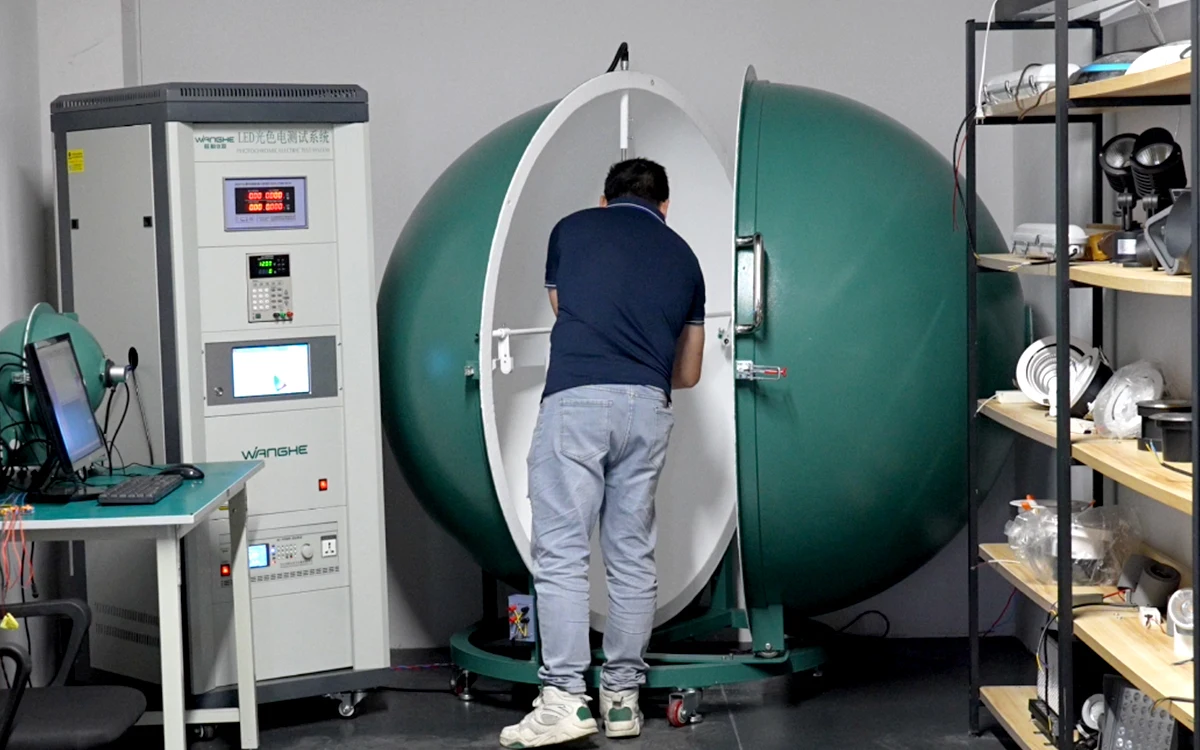
Many LED lighting products come with warranties between 3 to 7 years, depending on application and quality. Be cautious of exaggerated lifespan claims without supporting third-party testing like LM80, TM-21, or L70 reports.
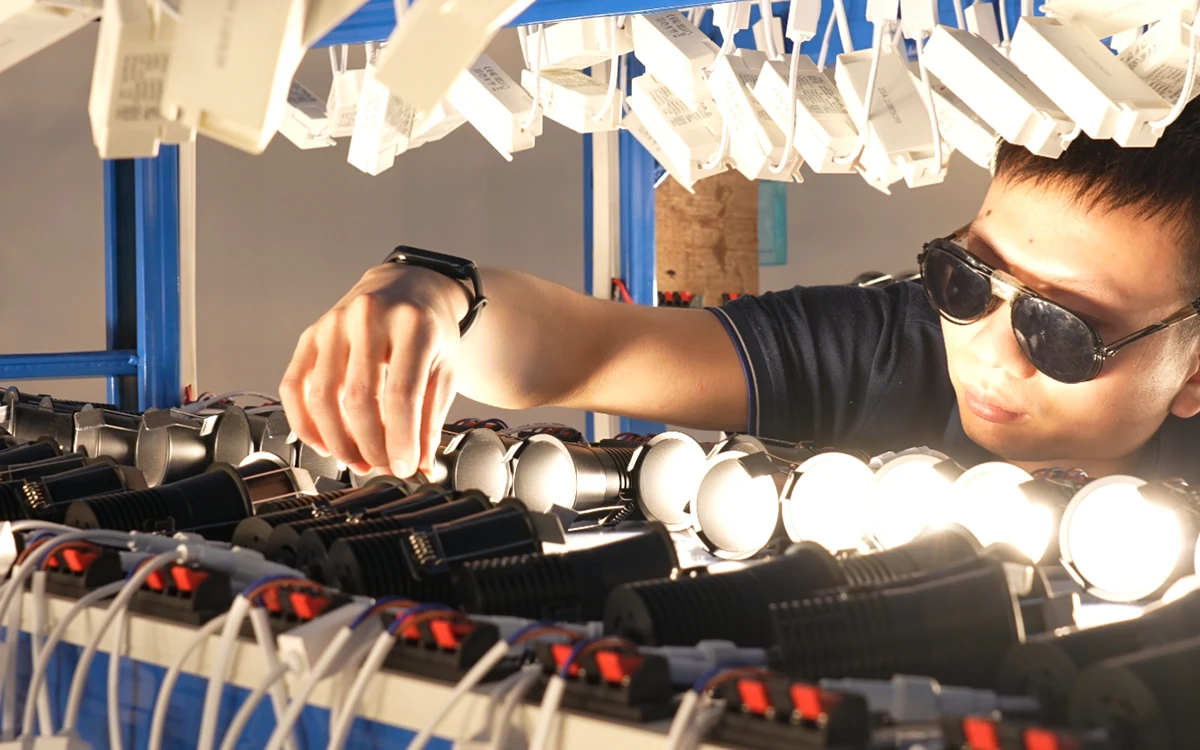
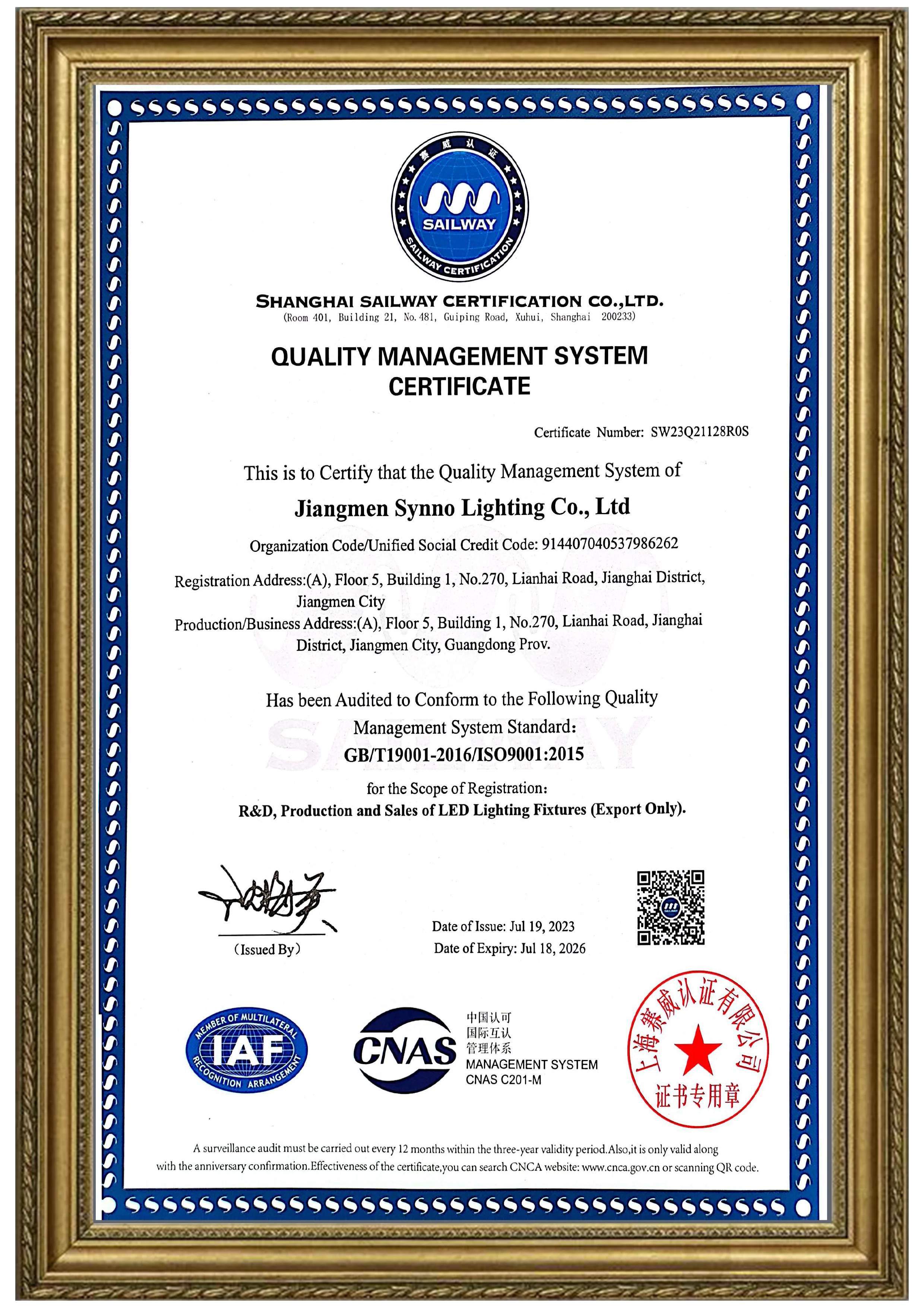
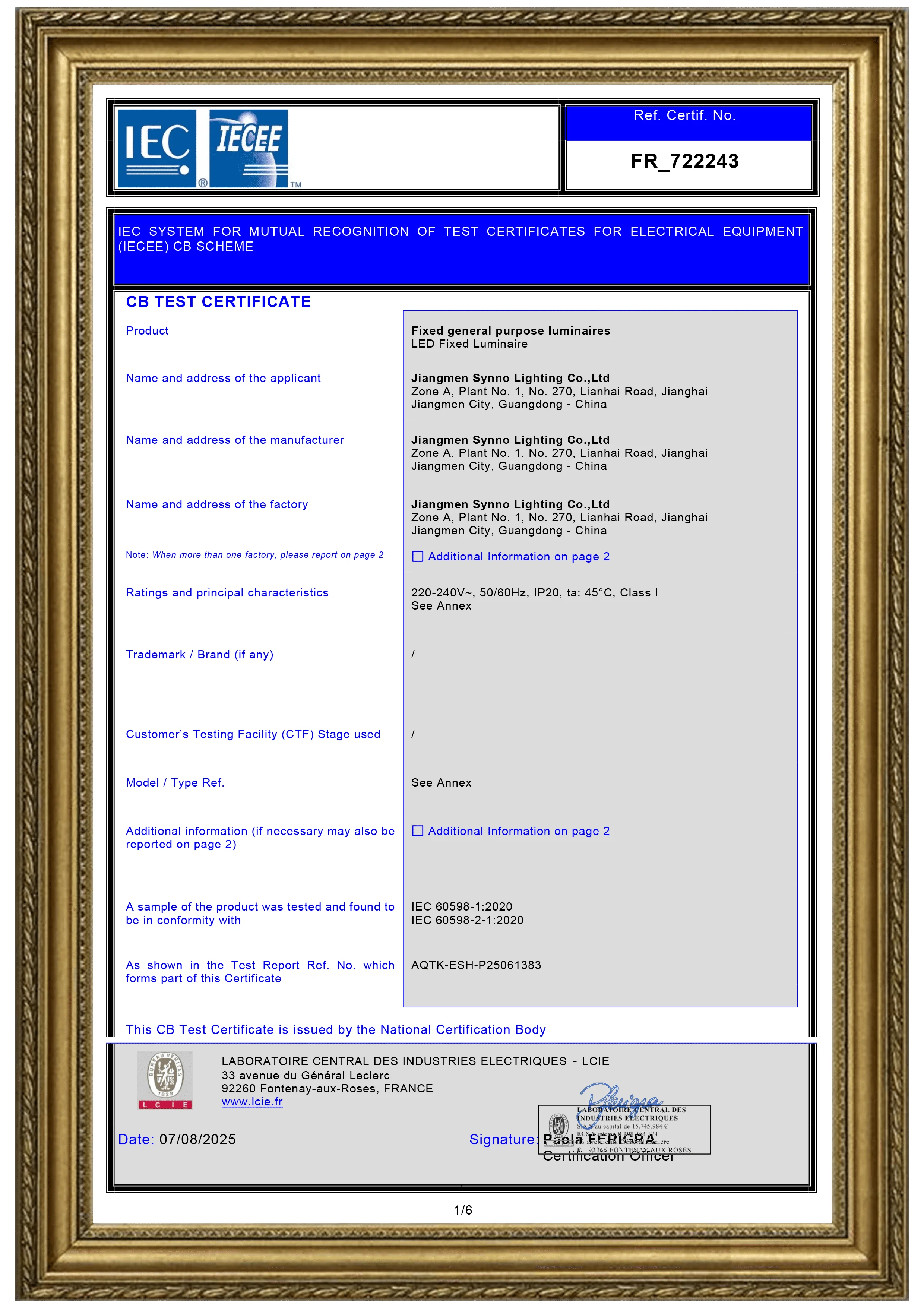
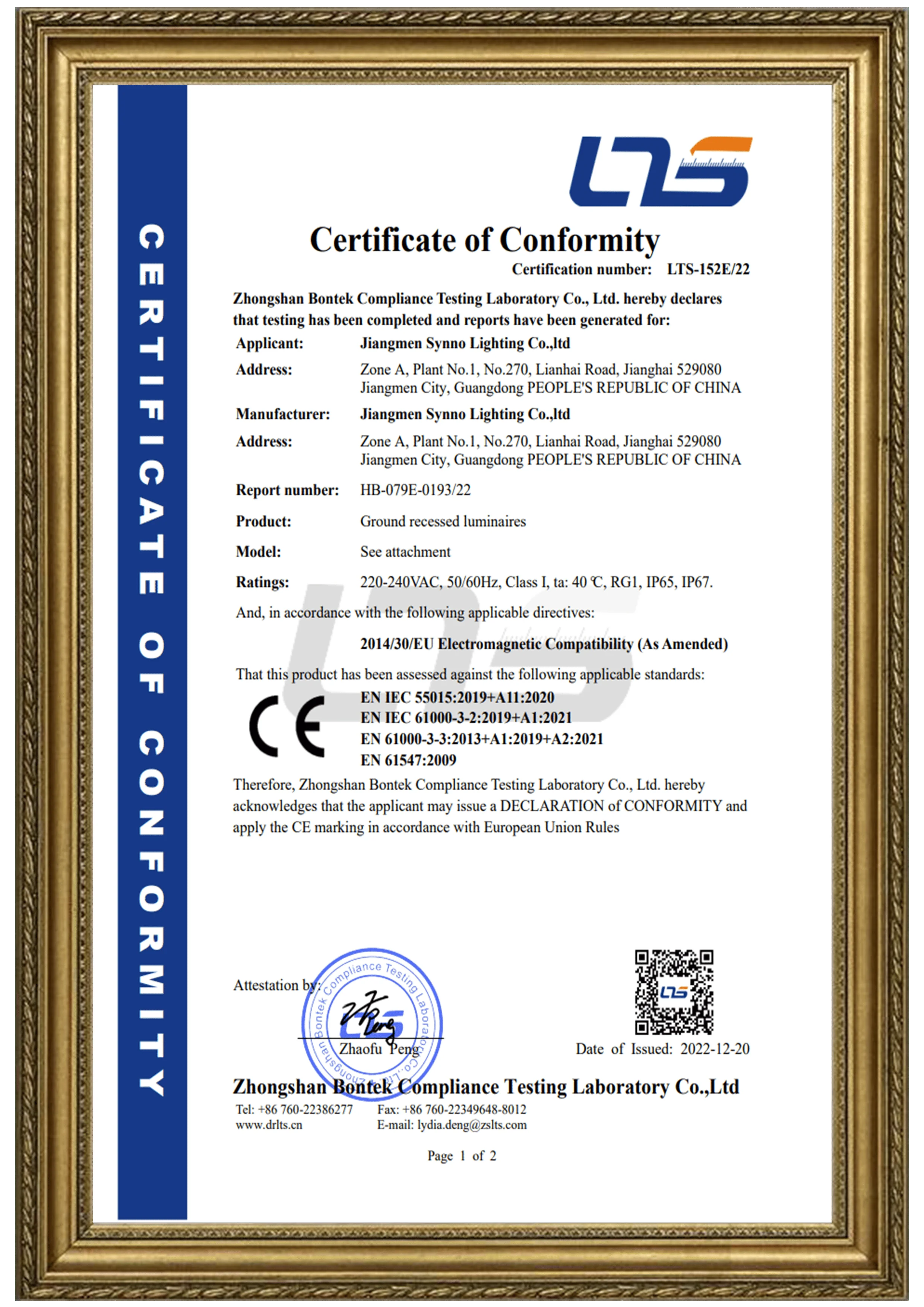
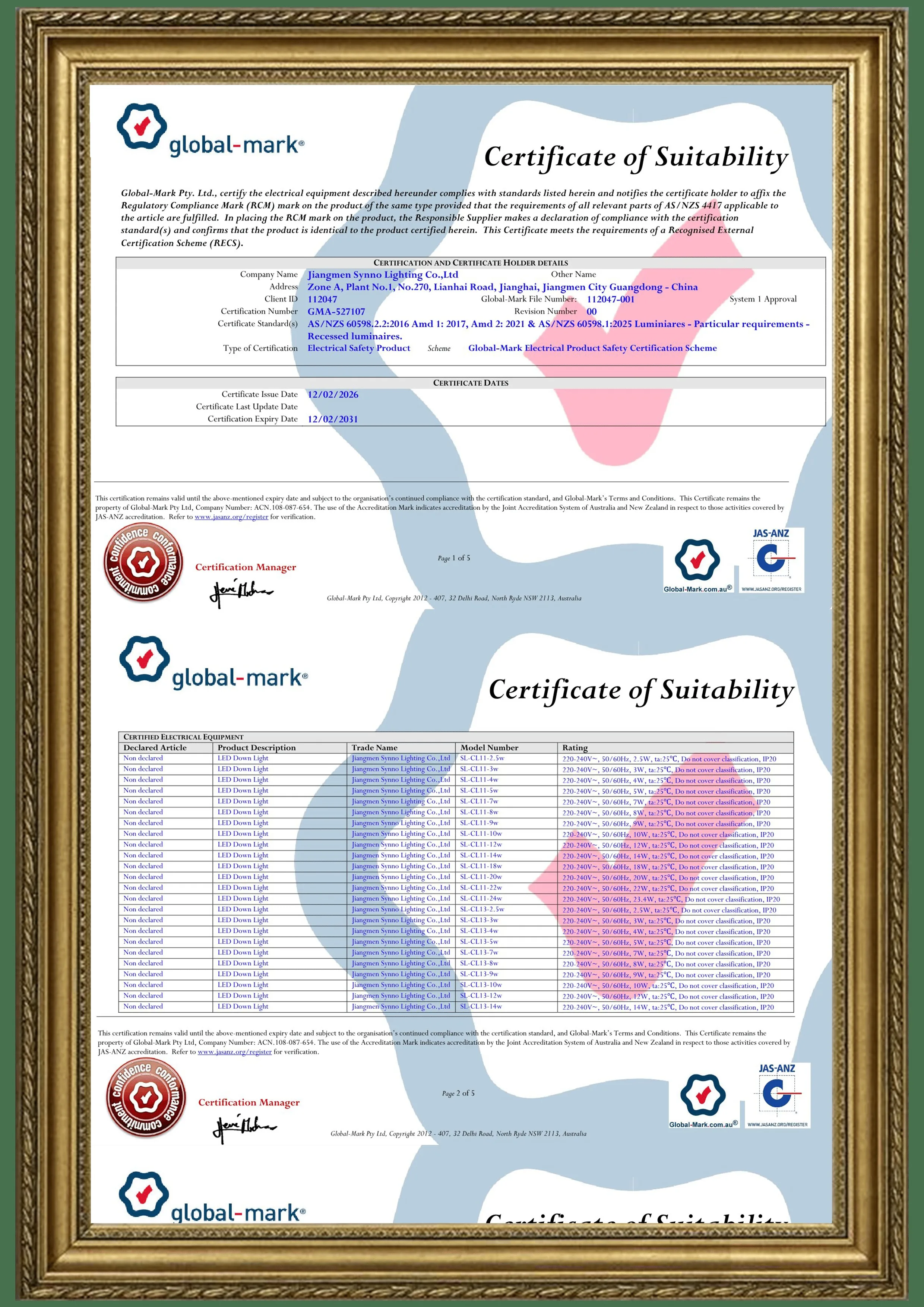
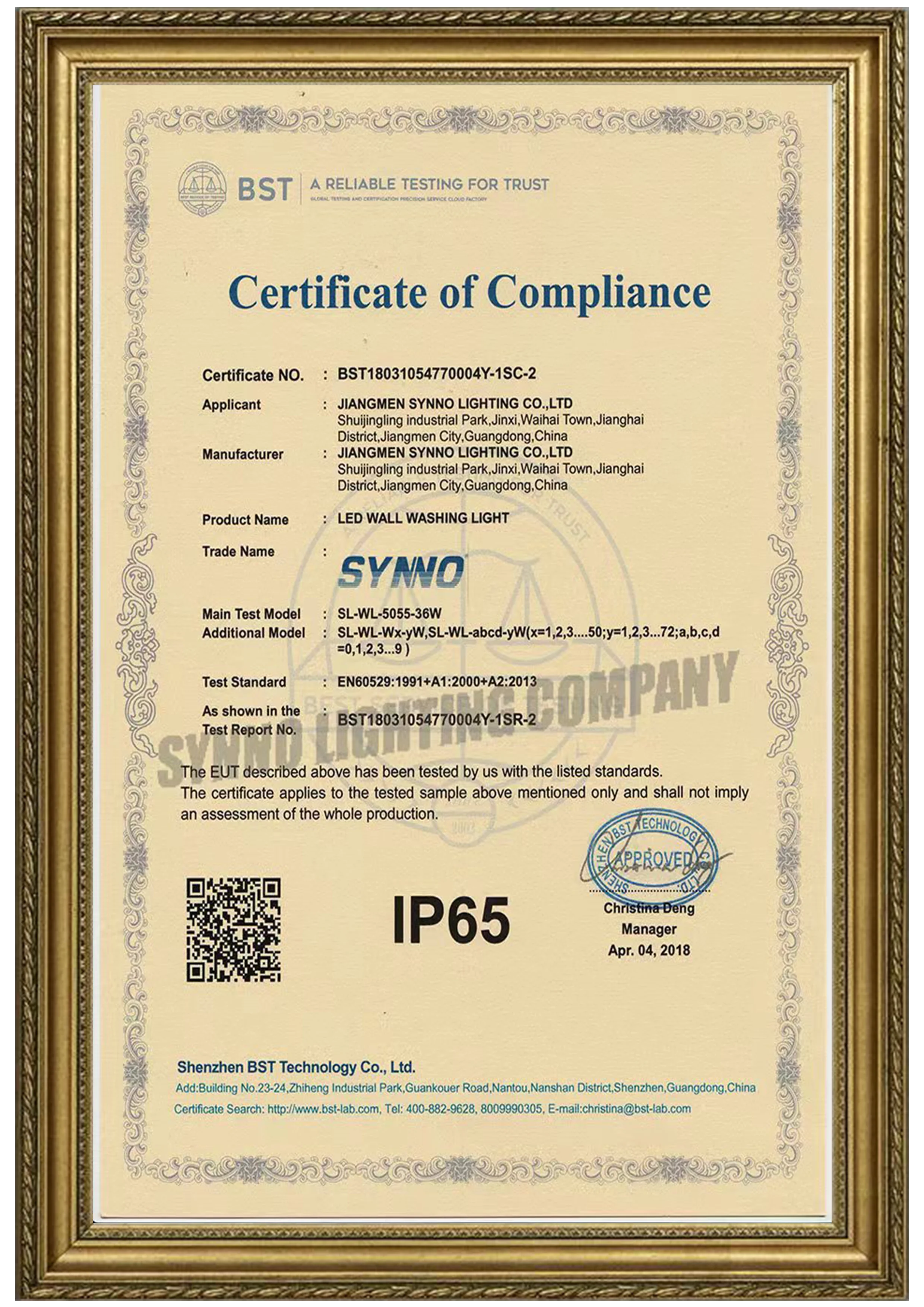
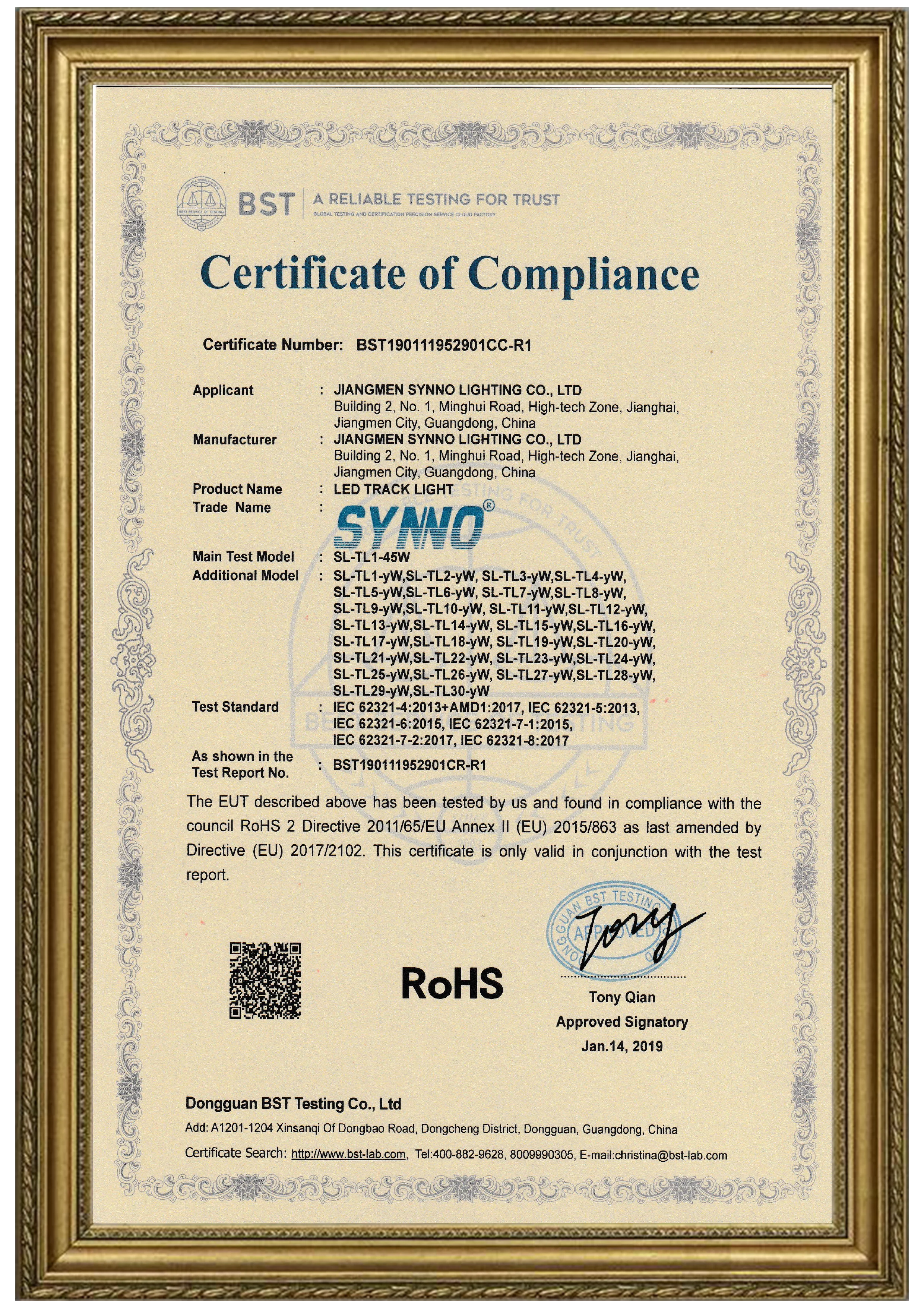
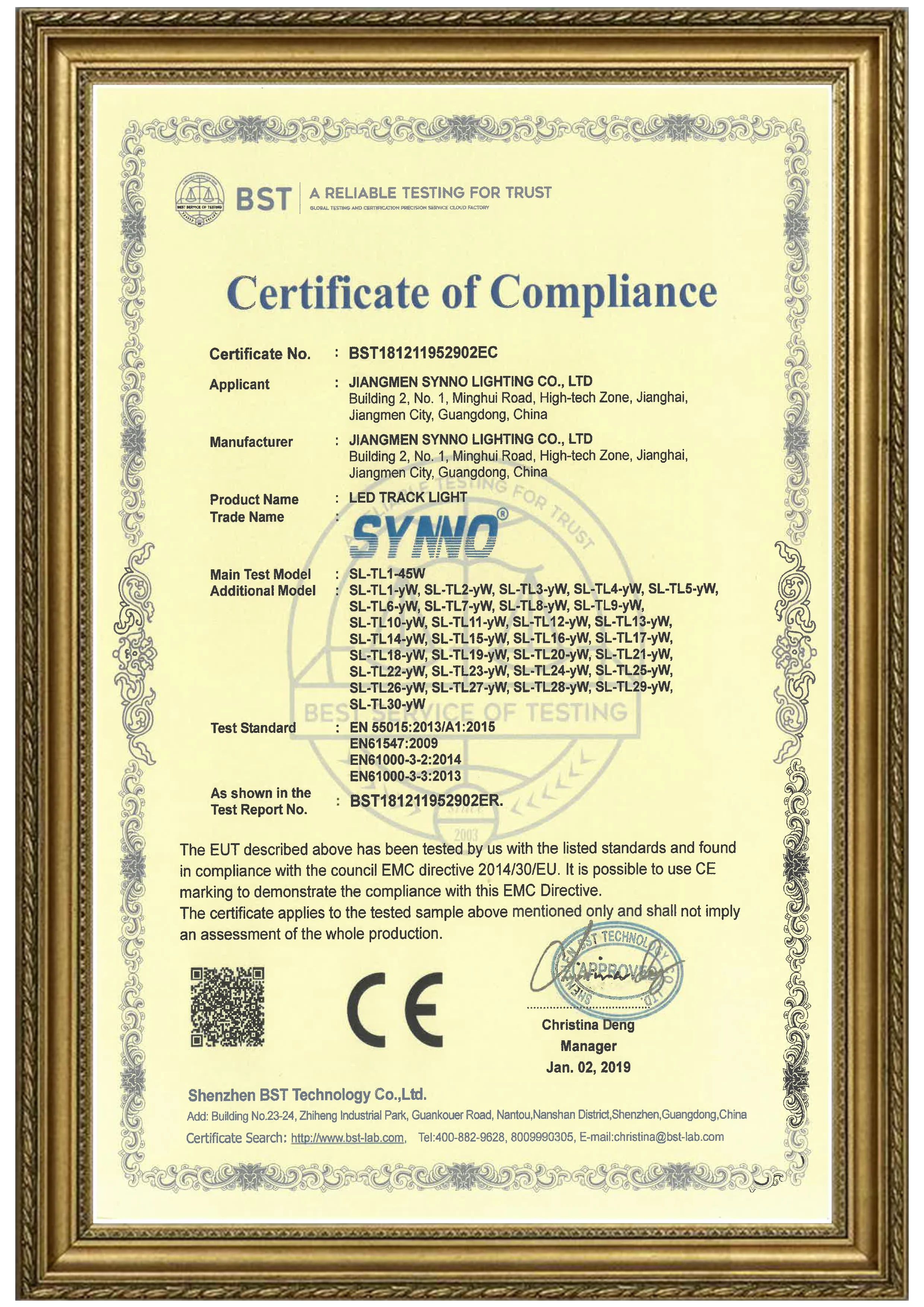
At Jiangmen Synno Lighting Company, all LED products—whether track lights, downlights, or wall lights—are tested for long-term durability and thermal stability.
Conclusion: Invest Once, Benefit for Years
When it comes to lifespan, efficiency, and total cost of ownership, LED lighting significantly outperforms all traditional options. Whether you're outfitting a commercial property, upgrading office lighting, or illuminating an outdoor space with floodlights or garden lights, choosing LEDs is the smart, sustainable, and cost-effective solution.
Key Takeaways:
LEDs last 5 to 50 times longer than traditional lights
Save up to 80% in energy and replacement costs
Reduce maintenance and improve safety in hard-to-access areas
Environmentally superior with lower emissions and waste
At Jiangmen Synno Lighting Company, we specialize in high-quality, long-lasting LED lighting solutions for indoor, outdoor, and commercial use. Our range includes: LED Downlights、Floodlights、Track Lights、Spotlights、Wall Washers、Window Sill and Garden Lights
Want expert guidance for your next lighting project?
Contact us today or explore our certified product lines for maximum lifespan and performance.