Top Features to Look for in a High-Quality LED Lawn Light
Outdoor landscape lighting plays a crucial role in modern architectural and garden design. Among various landscape fixtures, the LED lawn light has become one of the most popular choices for pathways, gardens, parks, villas, hotels, and commercial landscapes.
However, not all lawn lights are created equal. While many products appear similar on the surface, their internal components, structural design, and long-term reliability can vary dramatically.
Choosing a high-quality LED lawn light is not just about appearance—it directly impacts:
-
Project durability
-
Safety and waterproof performance
-
Energy efficiency
-
Maintenance costs
-
Customer satisfaction
-
Long-term brand reputation
In this comprehensive guide, we will explore the top features to look for in a high-quality LED lawn light, helping you make technically sound and commercially smart purchasing decisions.
1. Durable Housing Material: The Foundation of Quality
The housing material determines the lifespan and structural strength of a lawn light.
Recommended Materials:
-
Die-cast aluminum
-
Marine-grade stainless steel (304 / 316)
-
Powder-coated corrosion-resistant finishes
High-quality LED lawn lights use die-cast aluminum because it offers:
-
Excellent heat dissipation
-
Strong structural integrity
-
Corrosion resistance
-
Lightweight durability
Avoid thin sheet metal or low-grade plastic housings, especially for coastal or humid environments.
2. High IP Rating for Waterproof Performance
Outdoor lawn lights are exposed to:
-
Rain
-
Irrigation systems
-
Soil moisture
-
Humidity
-
Dust
A premium LED lawn light should have at least:
-
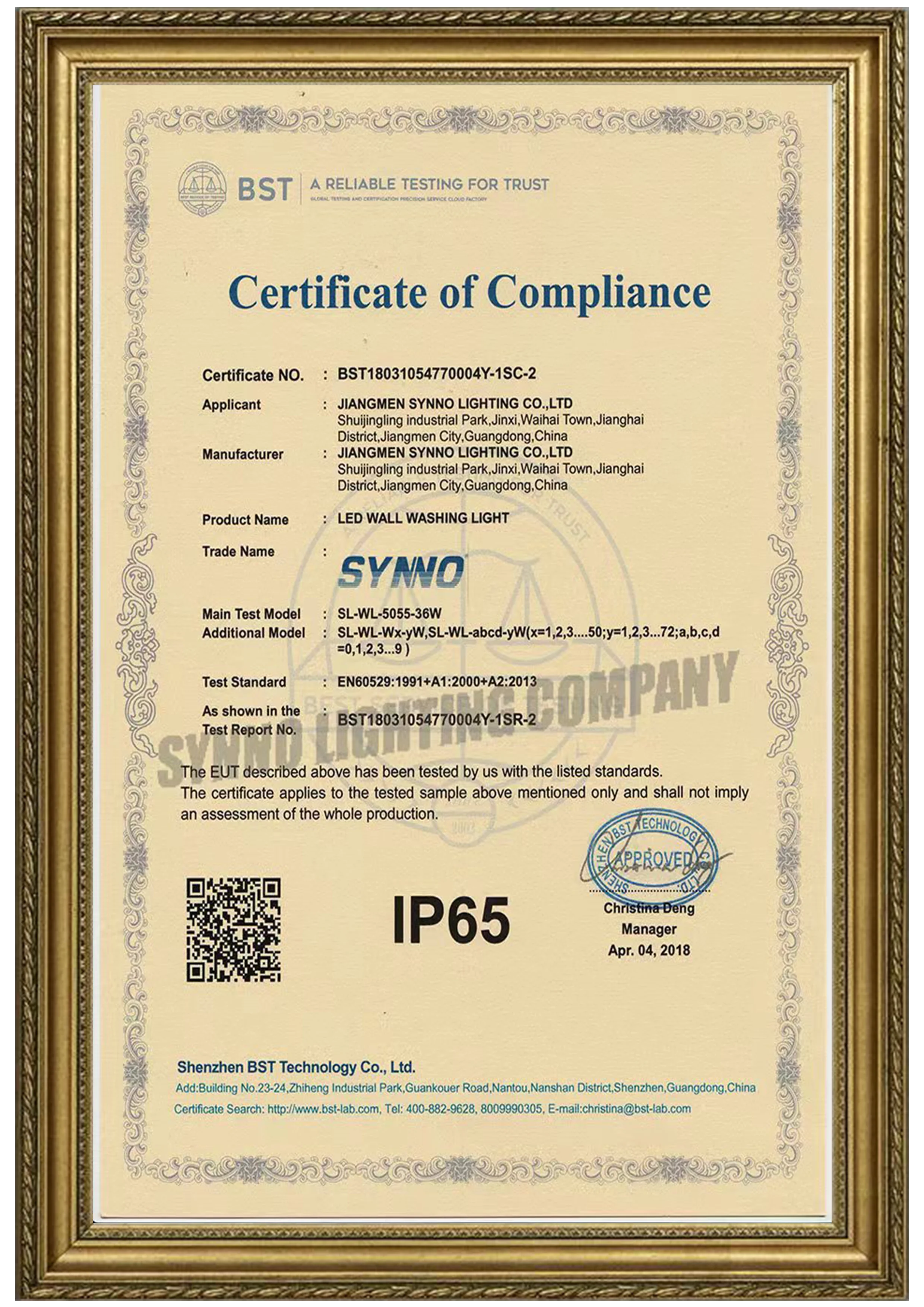
IP65 (minimum outdoor standard)
-
IP66 or IP67 for heavy rain areas
A proper waterproof design includes:
-
Silicone sealing rings
-
Waterproof cable glands
-
Tight-fitting lens covers
Poor sealing leads to water ingress, driver failure, and LED corrosion.
3. Efficient Heat Dissipation System
Heat is the main factor that affects LED lifespan.
A high-quality lawn light must have:
-
Integrated aluminum heat sink
-
Ventilation-friendly housing design
-
Thermal conductive materials
Without proper thermal management, LED chips degrade faster, causing lumen depreciation and color shift.
4. High Luminous Efficacy (Lumens per Watt)
Professional LED lawn lights should provide:
-
100–150 lm/W efficiency
-
Stable light output over time
-
Low energy consumption
Higher luminous efficacy means:
-
Lower electricity costs
-
Reduced carbon footprint
-
Better performance per watt
Efficiency is more important than simply increasing wattage.
5. Reliable LED Chips (Brand Matters)
The quality of LED chips determines brightness stability and lifespan.
Look for:
-
Well-known LED chip brands
-
Uniform light output
-
Consistent color temperature
-
Long rated lifespan (30,000–50,000 hours)
Cheap LED chips may appear bright initially but degrade quickly.
6. High-Quality LED Driver
The LED driver is the “heart” of the fixture.
Key driver features:
-
Flicker-free output
-
Over-voltage protection
-
Short-circuit protection
-
Surge protection (at least 2–4kV)
-
Stable current regulation
A poor driver can cause flickering, overheating, or early failure.
7. Proper Color Temperature (CCT) Options
Lawn lighting should match the environment.
Common options:
-
3000K (Warm White) – Cozy gardens, villas
-
4000K (Neutral White) – Commercial landscapes
-
5000K (Cool White) – Security-focused areas
Warm white is typically preferred for residential lawn lighting to create a relaxing atmosphere.
8. Good Color Rendering Index (CRI)
CRI affects how natural colors appear at night.
For outdoor lawn lighting:
-
CRI >70 is acceptable
-
CRI >80 is recommended for high-end projects
Better CRI enhances plant color and architectural details.
9. Anti-Glare Optical Design
A quality LED lawn light should not cause discomfort or glare.
Important optical features:
-
Diffused lens
-
Recessed light source
-
Shielded reflector
-
Proper beam angle (30°–120° depending on design)
Anti-glare design improves visual comfort, especially along pathways.
10. Strong Structural Stability
Lawn lights are exposed to:
-
Accidental kicks
-
Garden tools
-
Small vehicles
-
Lawn maintenance equipment
Look for:
-
Thick housing walls
-
Secure ground spike or base
-
Impact resistance (IK rating IK08 or higher)
11. Corrosion Resistance for Coastal Areas
In coastal or humid climates, salt air accelerates corrosion.
Premium features include:
-
Anti-UV powder coating
-
Stainless steel screws
-
Anti-rust surface treatment
-
Marine-grade materials
Without corrosion protection, fixtures deteriorate quickly.
12. Flexible Installation Options
High-quality LED lawn lights should offer:
-
Ground spike installation
-
Surface mounting base
-
Concrete anchor option
Flexibility simplifies project planning and increases application versatility.
13. Low Voltage Compatibility (12V / 24V Options)
Low-voltage lawn lights provide:
-
Safer outdoor operation
-
Reduced electrical hazards
-
Easier installation
-
Ideal for landscape projects
This is particularly important in residential gardens.
14. Long Warranty Period
A reliable manufacturer typically offers:
-
2–5 years warranty
-
Clear technical documentation
-
Certification reports
Long warranty reflects product confidence and stable quality control.
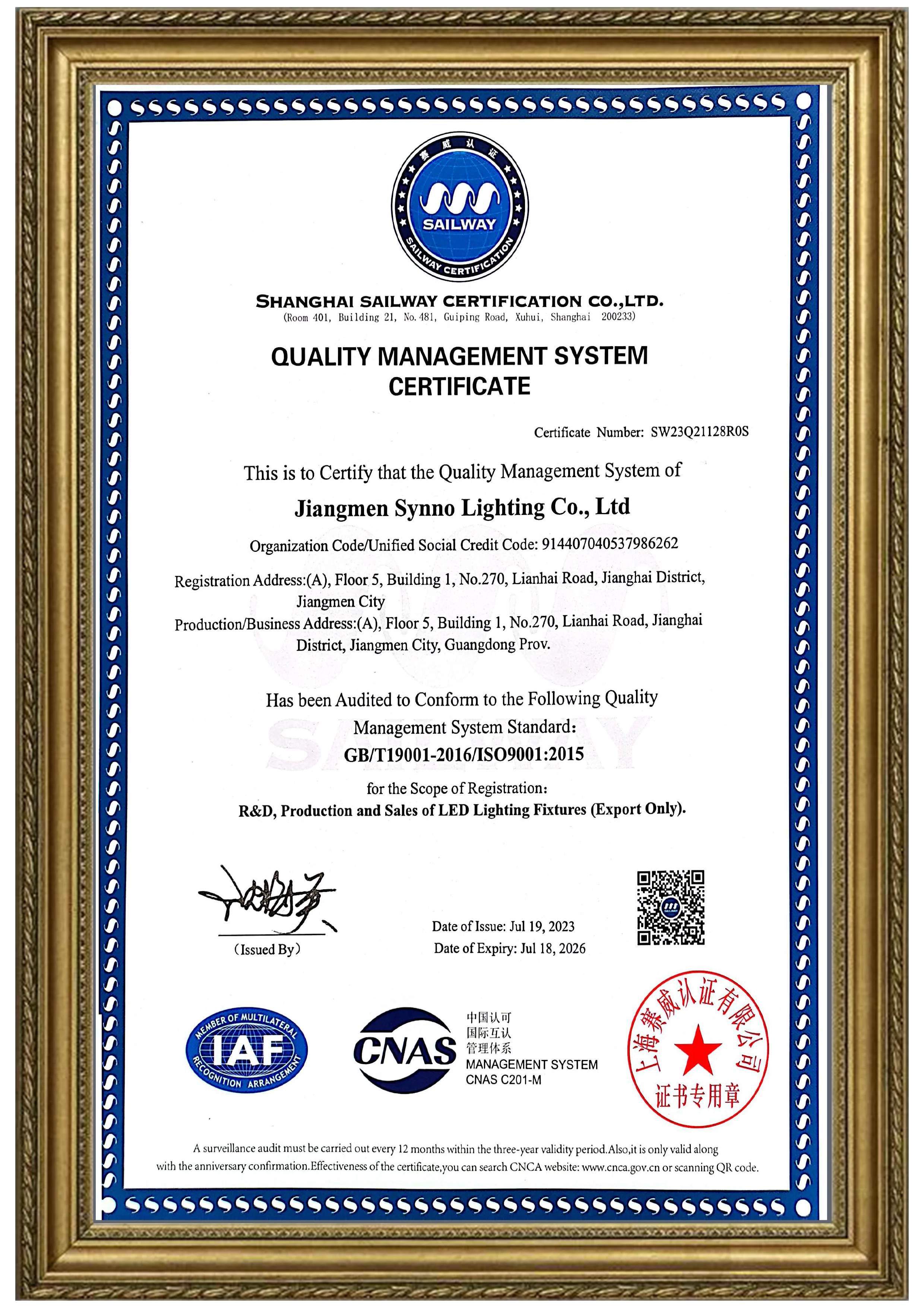
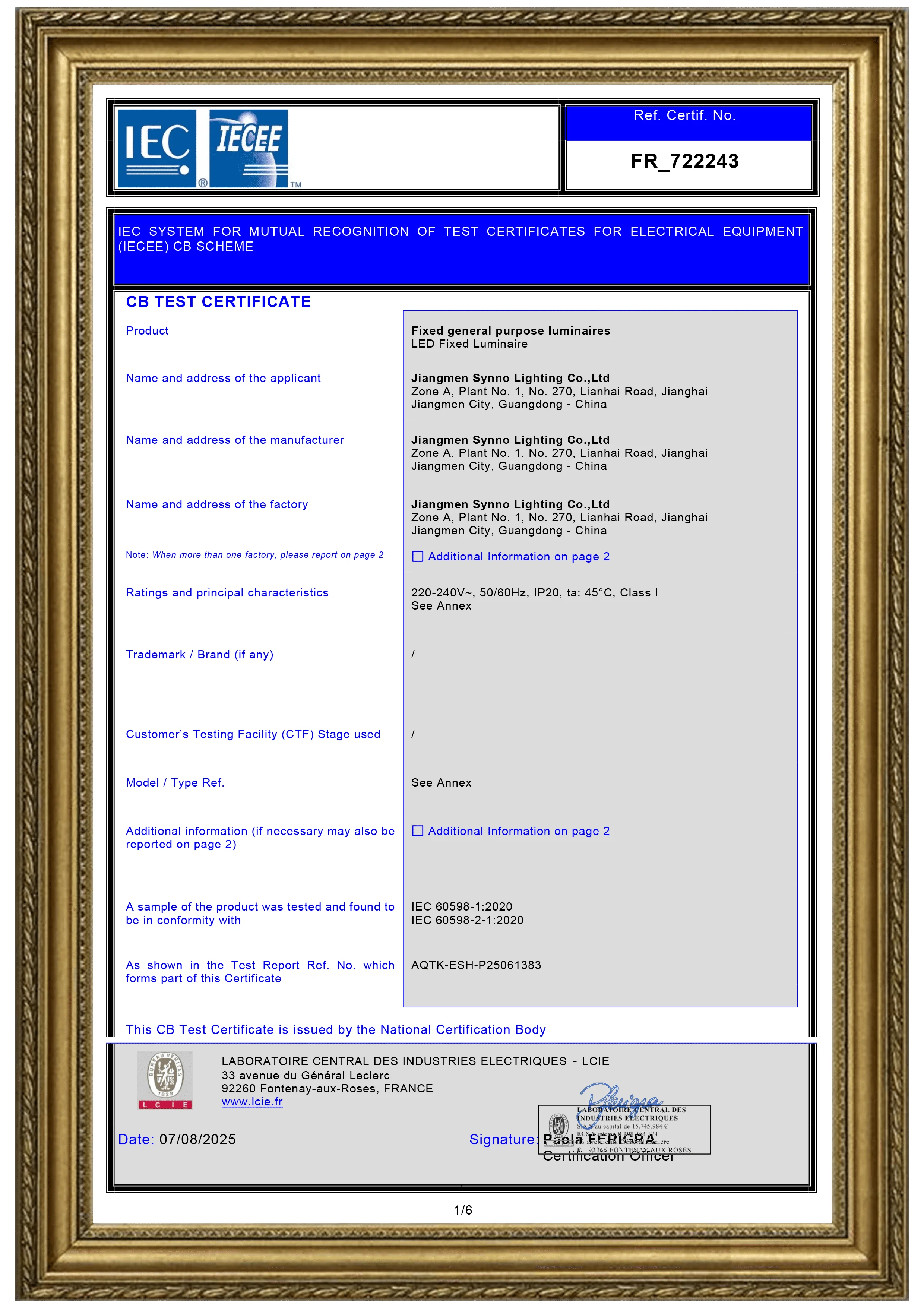
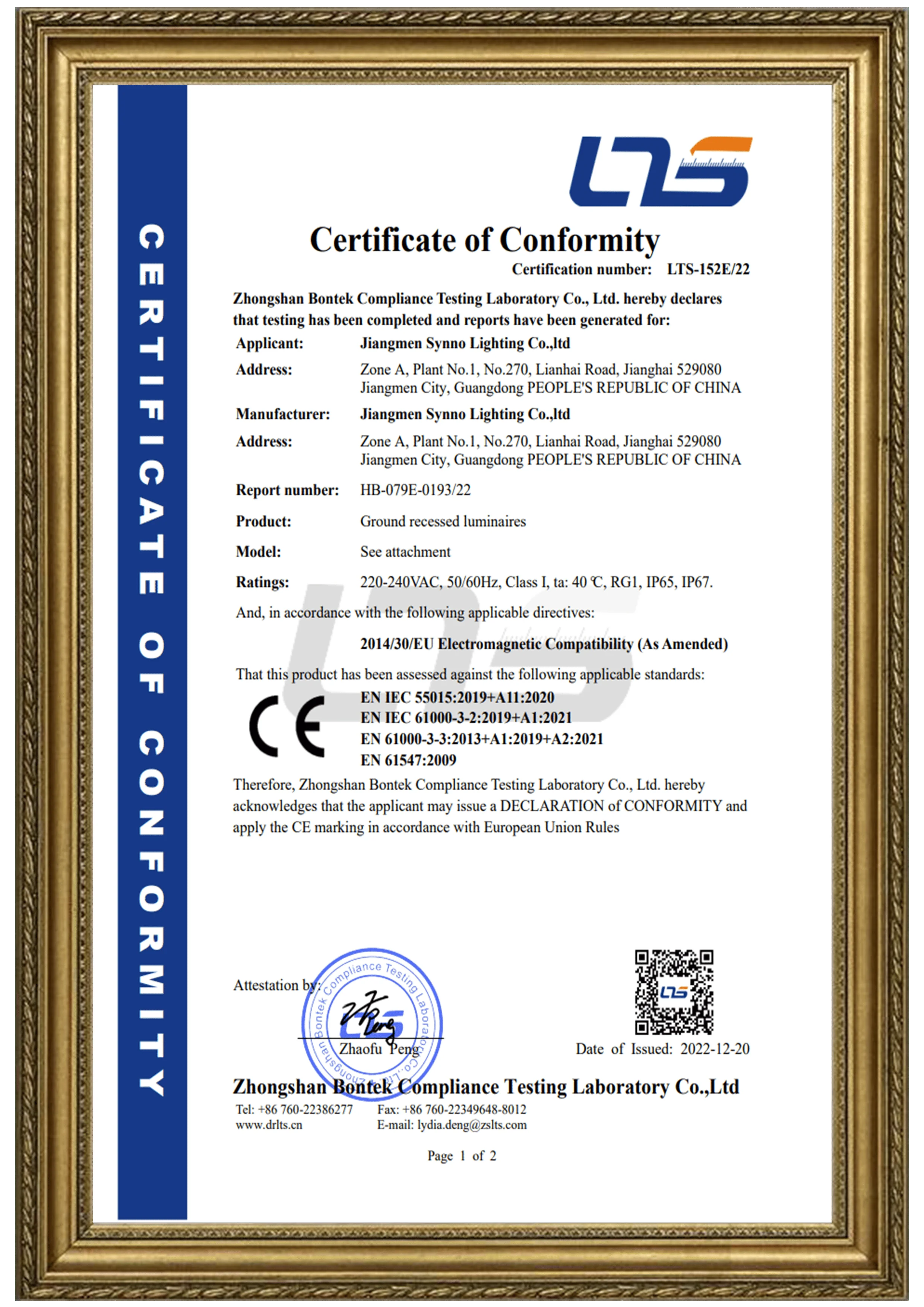
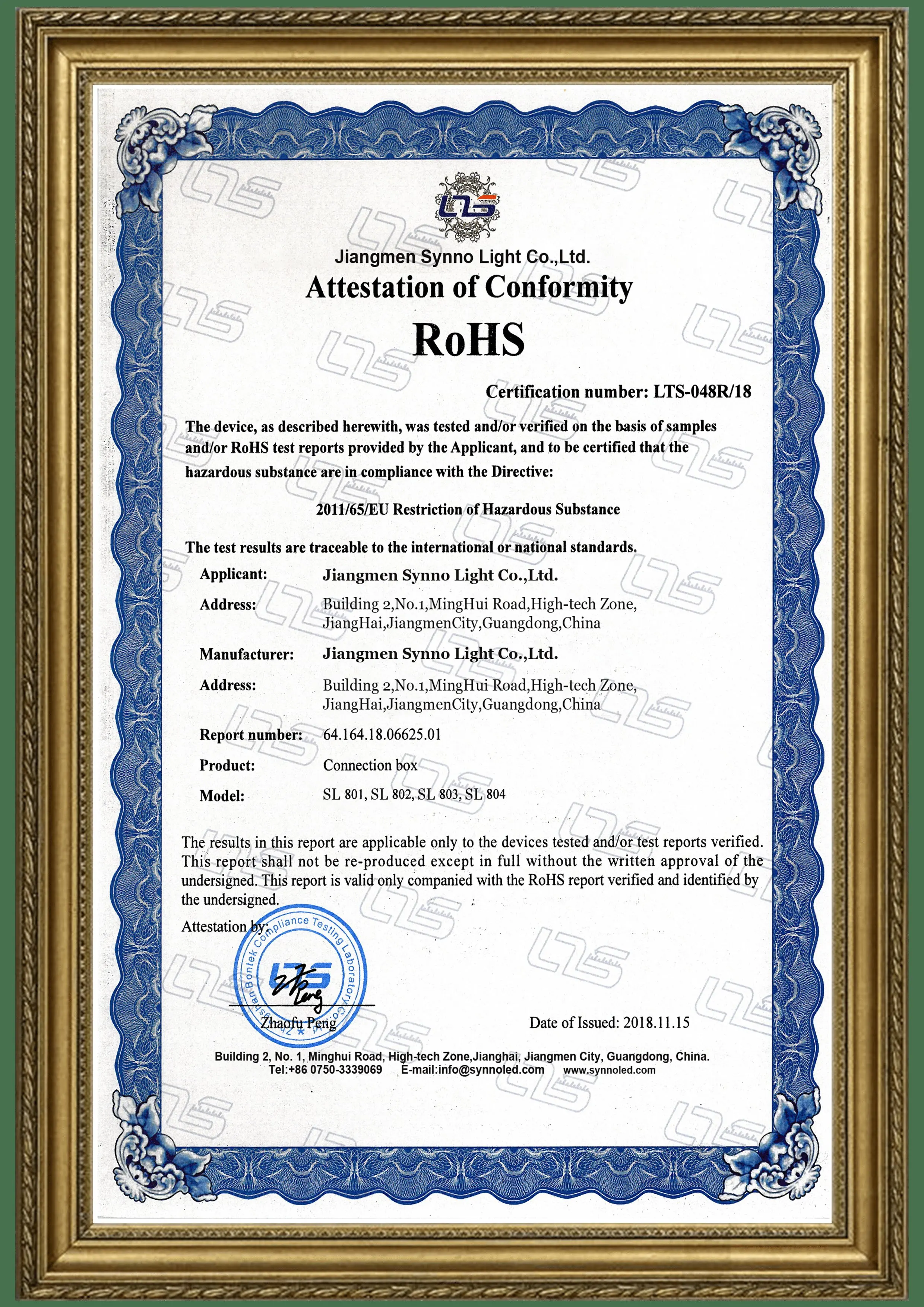
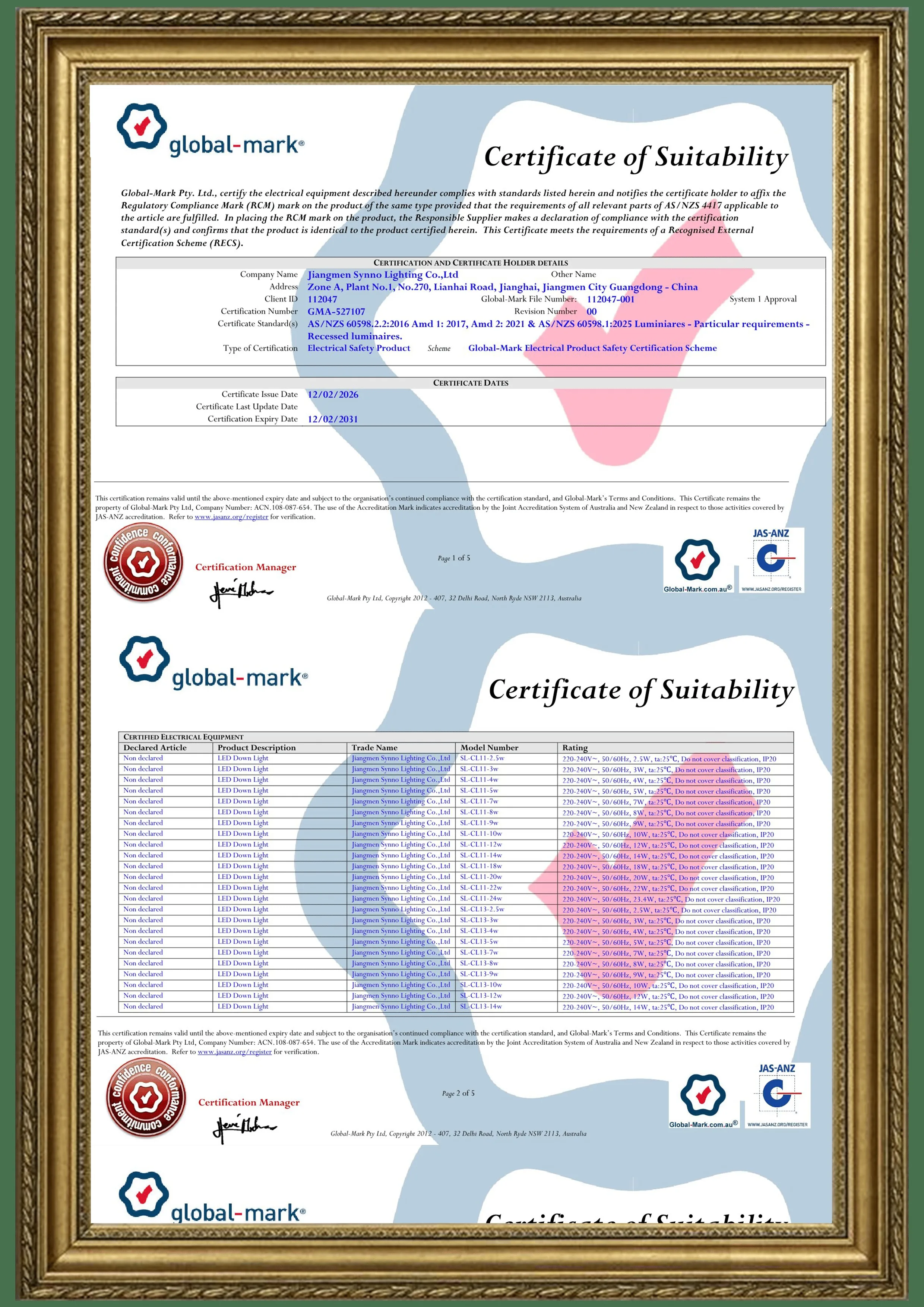
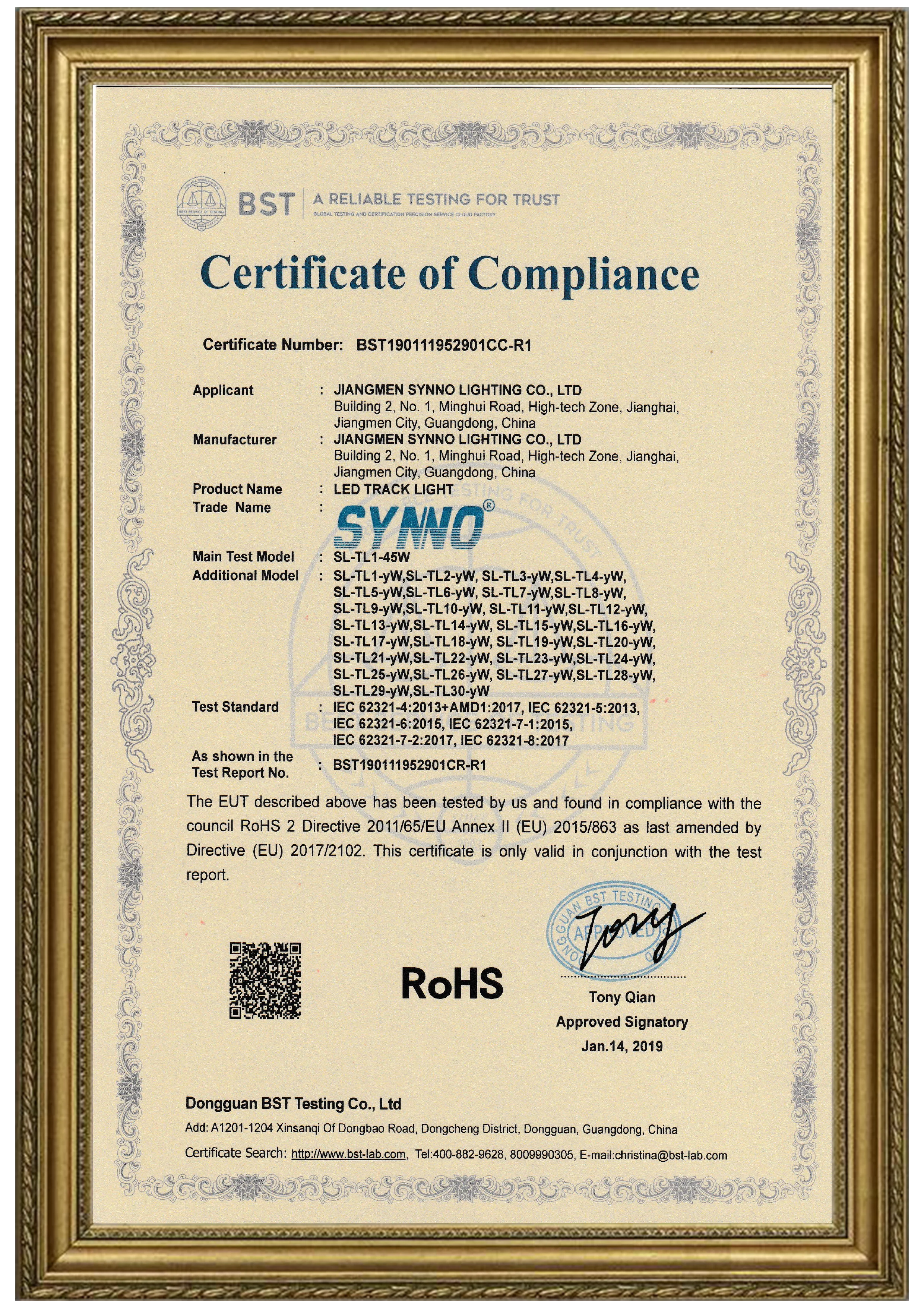
15. Certifications and Compliance
High-quality lawn lights comply with:
-
CE
-
RoHS
-
EMC
-
LVD
-
ETL (for US market)
Certification ensures safety and legal market entry.
16. Energy-Saving and Environmental Benefits
LED lawn lights consume up to:
-
70–80% less energy than halogen
-
No mercury content
-
Lower CO₂ emissions
Energy efficiency is increasingly important in commercial and government projects.
17. Modular and Replaceable Components
Premium designs allow:
-
Driver replacement
-
LED module replacement
-
Easy maintenance
Non-serviceable fixtures increase long-term costs.
18. Modern Aesthetic Design
A lawn light should complement landscape design.
Design trends include:
-
Minimalist cylindrical shapes
-
Square modern styles
-
Black matte finishes
-
Architectural geometric forms
Appearance influences purchasing decisions significantly.
19. Smart Control Compatibility
Advanced LED lawn lights may support:
-
DALI control
-
0–10V dimming
-
Smart home integration
-
Motion sensors
-
Timer functions
Smart lighting enhances energy management.
20. Cost vs Value Analysis
Cheapest products often result in:
-
Frequent replacement
-
Customer complaints
-
High maintenance costs
A high-quality LED lawn light reduces:
-
Long-term expenses
-
Labor replacement cost
-
Project risk
21. Application Scenarios for High-Quality Lawn Lights
-
Garden pathways
-
Residential villas
-
Hotel landscapes
-
Public parks
-
Commercial plazas
-
Resort walkways
-
Driveways
The right features ensure performance in all these environments.
22. Common Mistakes Buyers Make
❌ Choosing by price only
❌ Ignoring waterproof rating
❌ Overlooking heat dissipation
❌ Selecting poor-quality drivers
❌ Forgetting corrosion resistance
Professional buyers prioritize long-term reliability.
23. Final Checklist Before Purchasing
Before selecting a lawn light, confirm:
-
✔ IP rating ≥ IP65
-
✔ Aluminum housing
-
✔ Reliable LED chip brand
-
✔ Surge protection
-
✔ Proper CCT options
-
✔ At least 2-year warranty
-
✔ Certified compliance
Conclusion
A high-quality LED lawn light is more than a decorative outdoor fixture—it is an engineered lighting solution designed for durability, safety, efficiency, and long-term performance.
When evaluating lawn lights, focus on:
-
Housing material
-
Waterproof rating
-
Heat dissipation
-
Driver quality
-
Optical design
-
Installation flexibility
-
Warranty and certification
By prioritizing these features, you ensure:
-
Reduced maintenance costs
-
Improved customer satisfaction
-
Safer outdoor environments
-
Professional project outcomes
Investing in high-quality LED lawn lights protects your project, your reputation, and your long-term profitability.