Low-Glare and Eco-Friendly Outdoor Wall Lighting Solutions
Outdoor wall lighting has evolved far beyond simple functional illumination. Today, homeowners, landscape designers, and architects expect lighting that elevates ambiance, enhances architecture, improves safety, and at the same time reduces light pollution and energy consumption. As someone who has worked in the lighting industry for more than a decade, I have witnessed how modern LED outdoor wall lights have transformed from harsh spotlights into refined, low-glare and environmentally responsible systems.
But here comes the challenge:
Many people still choose lights solely based on brightness or appearance—without considering glare control, efficiency, beam angle, material quality, or ecological impact. The result? Beautiful buildings washed out by over-illumination, neighbors disturbed by glare, insects drawn to harmful blue spectrum lighting, and energy wasted every night.
This article is created to help consumers, homeowners, designers, and contractors choose low-glare, eco-friendly outdoor wall lighting solutions that are visually comfortable, power-efficient, and kind to the environment. You’ll learn how low-glare optics work, which materials and color temperatures are ideal for long-term exterior use, how beam design affects night comfort, and which LED wall fixtures produce maximum beauty with minimal environmental cost.
What Does Low-Glare Lighting Mean?
A Quick Explanation from Practical Experience
Glare is one of the most common issues in outdoor lighting. You’ve likely experienced it yourself—walking under a wall lamp so bright you instinctively squint or look away. That discomfort isn’t just annoying; it affects visibility, night relaxation, and even safety.
Low-glare lighting refers to fixtures designed to reduce direct light exposure to the eye while still delivering sufficient illumination to the surface or space. Unlike traditional bulbs that emit light in all directions, low-glare fixtures control output through:
| Low-Glare Design Feature | How It Helps |
|---|---|
| Deeply recessed LED chips | Hides the light source to avoid direct exposure |
| Frosted lenses or diffusers | Softens beam and spreads illumination evenly |
| Anti-glare louvres or honeycomb mesh | Minimizes harsh reflections and glare |
| Downward or shielded beam direction | Prevents unwanted spillage and light pollution |
From years of working with clients, I have seen that a well-designed 5W low-glare fixture often looks better than a 12W bare-chip lamp. Comfort is more important than brightness.
Why Eco-Friendly Wall Lighting Matters More Than Ever
Outdoor lighting doesn’t only affect humans—it shapes the nighttime environment for wildlife, energy grids, and even urban heat flow. Choosing eco-friendly fixtures is a responsibility as well as an investment.
Environmental Benefits of Eco-Friendly Outdoor Lighting
✔ Lower electricity consumption and long-term utility savings
✔ Reduced carbon emissions and grid load
✔ Less sky glow → preserved starlight visibility
✔ Minimal disturbance to nocturnal animals
✔ Longer product lifespan = fewer replacements and less waste
LED wall lights already consume 75%–90% less power than halogen or incandescent lighting. But eco-friendly goes further by integrating:
Eco-Focused Lighting Characteristics
-
High efficacy LEDs (≥110 lm/W for premium models)
-
Recyclable materials like aluminum + tempered glass
-
Smart control options such as timers, sensors, and dimming
-
Warm color temperature that reduces insect attraction
-
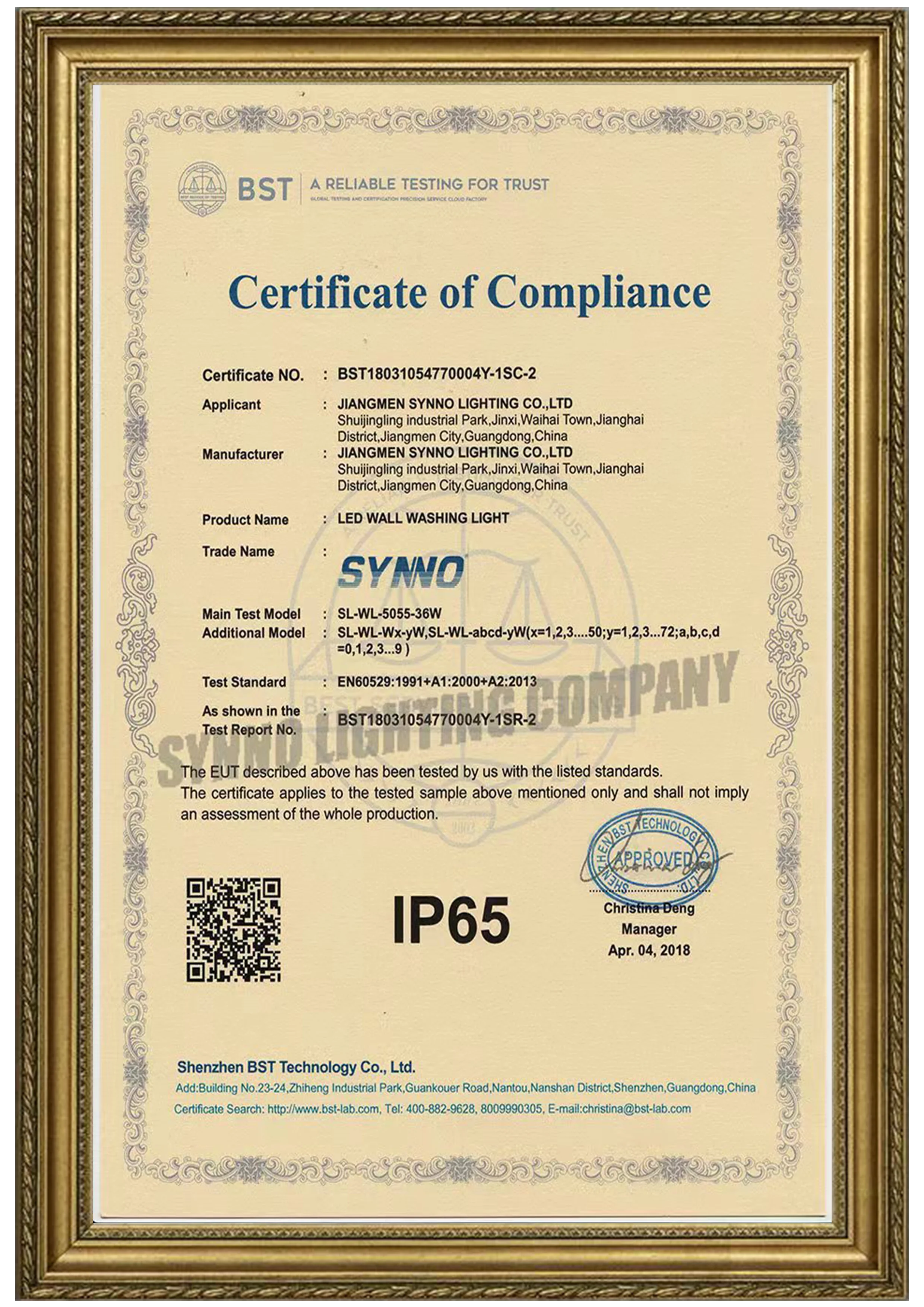
IP65/67 outdoor protection that prevents early replacement waste
Technology gives us light—but eco-design ensures it lasts without harming the world we illuminate.
Core Features of a Good Low-Glare Outdoor Wall Light
From product development meetings to real-site installations, these are the features I recommend customers prioritize:
1. Optical Lens and Shielding Design
The lens determines how light is projected—too wide and you lose focus, too narrow and glare increases. Look for:
? Asymmetric beams for pathways and building facades
? Recessed or shielded LEDs to prevent direct eye exposure
? UGR-rated (low-glare) optical systems if available
These sound technical, but the benefit is simple:
You see the light, not the source.
2. Color Temperature & Mood Setting
Color temperature heavily impacts atmosphere and environmental balance.
| Kelvin | Look & Feel | Recommended Use |
|---|---|---|
| 2700K–3000K Warm White | Soft, cozy, bio-friendly | Garden walls, patios, residential entrances |
| 3500K–4000K Neutral White | Brighter & more modern | Hotels, building facades, commercial pathways |
| 5000K+ Cool White | Very bright, crisp | Only for security or industrial zones |
Warmer temperature = lower insect attraction + calmer night ambience.
3. Durability: Materials, Sealing, and Corrosion Resistance
Outdoor lights face heat, rain, UV, dust, and salt corrosion.
Minimum durability standards I recommend:
-
Die-cast aluminum body
-
Tempered glass protection
-
IP65 or higher waterproofing
-
UV-resistant powder coating
Cheap iron or plastic rusts quickly—costing more later in replacements.
4. Energy Saving Technology
The most eco-friendly wattage is the one you don’t consume.
Look for:
-
High-efficiency LED driver
-
Motion sensors or daylight sensing
-
Dimmable power control
Smart lighting often reduces electricity usage by 35–70% annually.
Types of Low-Glare & Eco-Friendly Outdoor Wall Lights
1. Up/Down Wall Washers (Architectural Accent)
Perfect for buildings with textured finishes or vertical features.
Soft-beam lenses highlight without glare.
Best For:
✔ Modern homes
✔ Hotel facades
✔ Column illumination
2. Dark-Sky Compliant Wall Lights
Designed specifically to eliminate uplight and prevent sky glow.
They comply with international eco-lighting regulations.
Suitable For:
✔ Wildlife zones
✔ Nature parks
✔ Residential neighborhoods
3. Louvered Outdoor Wall Sconces
Built-in shields hide the LED point source while emitting smooth, layered light.
Ideal For:
✔ Entrances
✔ Balcony walls
✔ Poolside seating & patios
4. Motion-Sensor Wall Lights
A top-seller among homeowners for energy savings.
Lights activate only when someone approaches.
Benefits:
✔ Longer lifespan
✔ Lower utility cost
✔ Better security
5. Solar + LED Hybrid Wall Lamps
Zero wiring. Zero energy bill. Minimal environmental footprint.
Best Use:
✔ Garden fences
✔ Remote outdoor structures
✔ Low-budget green upgrades
Where Should Low-Glare Outdoor Wall Lights Be Installed?
Proper placement matters more than wattage.
| Area | Best Fixture Type | Reason |
|---|---|---|
| Entrance / Porch | Warm, downward-facing | Welcoming but non-dazzling |
| Garden Fence | Outdoor sconces / solar | Decorative + energy saving |
| Patio, Seating Zone | Low-UGR ambient lamps | Relaxing, eye-friendly |
| Pathway Walls | Narrow asymmetric beams | Prevents glare into eyes |
| Commercial Façade | Up/Down architectural light | Adds depth and luxury |
A well-planned layout ensures comfort, beauty, and efficiency simultaneously.
10 Practical Buyer Tips (From My Real Experience)
-
Never buy based solely on lumens. Beam control matters more.
-
If a lamp looks bright when viewed head-on, it will produce glare.
-
Choose warm white for gardens—3500K max for comfort.
-
Stainless steel or powder-coated aluminum lasts longest outdoors.
-
Check IP rating—IP65 minimum for wall applications.
-
Select anti-glare optics for areas near eye-level.
-
Motion sensors reduce power waste & increase lifespan.
-
Avoid oversized fixtures on narrow walls—proportion is everything.
-
Look for replaceable drivers and modules (better sustainability).
-
Higher initial cost often means far lower long-term cost.
Cheap lighting is purchased with the wallet—
good lighting is purchased with the eyes and experience.
Future Trend: Eco-Lighting Will Become the Standard
Based on current market movement and large-scale lighting projects we’ve executed, the next 3–7 years will see:
? More solar-powered lighting with efficient lithium batteries
? Growing adoption of Dark-Sky compliant fixture standards
? Increased use of smart and wireless control systems
? Material shift toward recyclable and low-carbon manufacturing
? Warm-spectrum LEDs becoming mainstream to protect wildlife
Eco-friendly lighting is no longer premium—
it’s the direction the world is moving toward.
Conclusion — Illuminate Responsibly, Beautify Effortlessly
Low-glare and eco-friendly outdoor wall lighting is the future of nighttime design. It makes spaces feel welcoming instead of harsh, highlights architecture without overpowering it, and protects the environment while lowering energy consumption. Whether you are upgrading your home exterior or planning a full outdoor lighting project, choosing the right fixtures is an investment in comfort, sustainability, and visual harmony.
A quick final checklist:
| Requirement | Best Choice |
|---|---|
| Eye comfort | Low-glare optics + recessed LED |
| Sustainability | Solar / sensor-enabled LED fixtures |
| Waterproof rating | IP65+ minimum for outdoor use |
| Material durability | Aluminum + tempered glass |
| Recommended color | 2700–3000K warm white |
Light doesn’t have to be bright to be beautiful.
It only needs to be smart, gentle, and well-designed.