Frequently Asked Questions About LED Flood Lights
Outdoor lighting has evolved dramatically in the past decade, and LED flood lights have taken the lead as the most reliable, energy-efficient, and versatile option for illuminating large spaces. Whether you’re lighting a parking area, sports field, building façade, or residential garden, LED flood lights offer unmatched performance, durability, and cost savings.
However, for many buyers — whether they are contractors, distributors, or end-users — several questions often arise when selecting and using LED flood lights.
To help you make a more informed decision, we’ve compiled this comprehensive FAQ guide, answering the most common questions people ask about LED flood lights — from specifications and installation to maintenance and performance.
1. What Is an LED Flood Light?
An LED flood light is a broad-beamed, high-intensity light fixture designed to illuminate large outdoor or indoor areas. Unlike spotlights that focus light narrowly, flood lights produce a wide beam angle, making them ideal for general area lighting such as parking lots, sports fields, warehouses, or building façades.
The key advantage of LED flood lights lies in their energy efficiency — converting most of the electrical power into visible light, rather than heat. They also last far longer than halogen or metal halide lamps and require minimal maintenance.
2. What Are the Main Applications of LED Flood Lights?
LED flood lights are extremely versatile. Here are some of the most common applications:
-
Architectural lighting: Highlighting building exteriors, columns, or monuments.
-
Landscape lighting: Illuminating trees, pathways, and garden features.
-
Sports facilities: Providing powerful illumination for stadiums, tennis courts, and arenas.
-
Security lighting: Deterring intruders in parking lots or commercial premises.
-
Industrial lighting: Enhancing visibility in factories, loading bays, and warehouses.
-
Residential areas: Lighting driveways, backyards, and facades for safety and aesthetics.
Their flexibility and high output make them suitable for both functional illumination and decorative effects.
3. What Are the Advantages of Using LED Flood Lights?
LED flood lights offer several benefits compared with traditional lighting technologies:
-
Energy Efficiency: LEDs consume up to 80% less electricity than halogen or HID lights.
-
Long Lifespan: Typically 50,000+ hours, reducing replacement costs.
-
Instant On/Off: No warm-up time — full brightness instantly.
-
Low Heat Output: LEDs stay cool, preventing overheating and reducing fire risk.
-
Durability: Resistant to shock, vibration, and environmental stress.
-
Eco-Friendly: Free of mercury or lead, and recyclable.
-
Better Light Quality: High CRI (Color Rendering Index) ensures accurate color visibility.
-
Low Maintenance: Minimal bulb changes and reduced downtime.
For large-scale projects or continuous-use applications, these advantages translate into substantial operational savings over the product’s lifetime.
4. How Do I Choose the Right Wattage for an LED Flood Light?
Choosing the correct wattage depends on your application area, mounting height, and brightness requirement.
Here’s a general guide:
| Application | Mounting Height | Recommended Wattage |
|---|---|---|
| Residential yard / driveway | 2–3 m | 10W–30W |
| Small garden / wall lighting | 3–4 m | 30W–50W |
| Parking lot / warehouse | 5–8 m | 100W–200W |
| Sports court / building façade | 8–15 m | 200W–400W |
| Stadium or large industrial site | 15–30 m | 400W–1000W+ |
Keep in mind that LED lumens per watt vary between brands. A 100W LED flood light from a reputable manufacturer can produce up to 12,000–15,000 lumens, which is often equivalent to a 250–400W metal halide lamp.
5. What Is the Difference Between Narrow Beam and Wide Beam Flood Lights?
The beam angle determines how light spreads from the fixture.
-
Narrow Beam (10°–30°): Focused illumination for accent lighting, tall structures, or long-distance highlighting.
-
Wide Beam (60°–120°): Broad coverage for general area or security lighting.
When lighting tall buildings or sculptures, narrow beams help emphasize architectural features. For open fields or parking areas, wide-beam flood lights provide even illumination.
6. What Does IP Rating Mean and Why Is It Important?
The IP (Ingress Protection) rating indicates how well a fixture is sealed against dust and water.
Typical IP ratings for flood lights:
-
IP65: Protected against dust and low-pressure water jets (suitable for outdoor walls).
-
IP66: Higher protection, suitable for harsh weather conditions.
-
IP67/IP68: Waterproof for immersion; ideal for coastal or heavy-rain environments.
Always select an IP rating suitable for your installation environment to ensure long-term durability and safety.
7. How Does Heat Dissipation Affect LED Flood Light Lifespan?
LED chips are sensitive to heat. Excessive temperature can cause lumen depreciation and shorten the product’s lifespan.
To prevent this, high-quality LED flood lights use:
-
Aluminum alloy heat sinks for rapid heat transfer.
-
Thermal conductive pastes between LED modules and housing.
-
Ventilation channels or fins for better airflow.
Our LED flood lights are designed with advanced heat management systems, ensuring stable performance even in hot climates or continuous operation.
8. Are LED Flood Lights Dimmable?
Yes — many professional-grade LED flood lights are dimmable, but it depends on the driver and control system used.
Common dimming options include:
-
0–10V dimming: Widely used for commercial applications.
-
DALI dimming: Ideal for integrated building control systems.
-
Triac dimming: Compatible with many household dimmers.
-
DMX control: Used for RGB/RGBW flood lights for dynamic lighting effects.
Before purchasing, confirm whether the model supports dimming and which protocol matches your control system.
9. What Is CRI, and Why Does It Matter?
CRI (Color Rendering Index) measures how accurately a light source reveals the true colors of objects compared with natural sunlight (CRI = 100).
-
CRI 70–80: Suitable for general outdoor lighting.
-
CRI 90+: Recommended for architectural, retail, or landscape lighting where color accuracy matters.
Higher CRI enhances visual comfort and makes outdoor spaces appear more vibrant and natural.
10. What Color Temperatures Are Available for LED Flood Lights?
LED flood lights come in various color temperatures (CCT), expressed in Kelvin (K):
| Color Temperature | Description | Best Application |
|---|---|---|
| 2700K–3000K | Warm White | Residential, landscape, decorative lighting |
| 4000K–4500K | Neutral White | General outdoor or commercial lighting |
| 5000K–6500K | Cool White | Security, industrial, or sports lighting |
Selecting the right color temperature depends on the mood, environment, and functional purpose of the lighting design.
11. Can LED Flood Lights Be Used Indoors?
Yes. While primarily designed for outdoor use, LED flood lights are also used indoors in warehouses, workshops, gymnasiums, and exhibition halls where high brightness and wide coverage are required.
When used indoors, ensure proper mounting and ventilation, and select models with low glare and adjustable brackets for flexible aiming.
12. What Is the Difference Between RGB and White LED Flood Lights?
-
White LED Flood Lights: Produce fixed color temperatures (warm, neutral, or cool white).
-
RGB/RGBW Flood Lights: Contain red, green, blue (and optional white) LEDs that mix colors to create millions of hues and dynamic effects.
RGB/RGBW flood lights are popular in architectural facades, stage lighting, fountains, and entertainment venues, often controlled by DMX systems for synchronized color changes.
13. How Are LED Flood Lights Installed?
Most flood lights feature adjustable mounting brackets, allowing installation on:
-
Walls, ceilings, poles, or ground spikes.
Basic installation steps:
-
Determine the mounting position and beam direction.
-
Drill holes and fix the mounting bracket securely.
-
Connect the power cable (ensuring proper waterproofing).
-
Test the light angle and brightness before final tightening.
⚠️ Safety Tip: Always turn off the power supply before installation and use IP-rated connectors for outdoor wiring.
14. Are LED Flood Lights Safe to Use in All Weather Conditions?
Yes — provided they have the correct IP rating and are installed properly.
Our LED flood lights are IP66 or IP67 certified, meaning they can withstand:
-
Heavy rain and humidity
-
Dust and dirt
-
Temperature fluctuations
Additionally, anti-corrosion coatings on the aluminum housing ensure long-term resistance against rust and oxidation — even in coastal or industrial environments.
15. What Is the Expected Lifespan of an LED Flood Light?
A well-engineered LED flood light can last between 50,000 and 100,000 hours, depending on:
-
LED chip quality
-
Heat dissipation design
-
Operating environment
-
Usage duration
That translates to 10–15 years of typical outdoor use, significantly longer than traditional halogen or HID flood lights.
16. How Can I Calculate the Number of Flood Lights Needed for My Project?
The number of flood lights required depends on:
-
Area size
-
Mounting height
-
Desired brightness (lux level)
-
Beam angle
A quick rule of thumb:
For uniform lighting, ensure light overlap between beams and use lighting design software (e.g., Dialux or Relux) to simulate brightness levels accurately.
Our engineering team can assist clients by providing photometric layouts and IES files for precise project planning.
17. Do LED Flood Lights Work with Solar Power?
Yes, solar-powered LED flood lights combine:
-
A solar panel,
-
A rechargeable battery, and
-
A motion or light sensor
to provide off-grid lighting.
They’re ideal for remote areas, pathways, or temporary installations where electrical wiring is not feasible. However, the performance depends on solar panel efficiency and battery capacity.
18. How Do Motion-Sensor Flood Lights Work?
Motion-sensor flood lights use PIR (Passive Infrared) or microwave sensors to detect movement. When motion is detected within the sensor’s range, the light automatically turns on and then turns off after a preset time.
Benefits include:
-
Energy savings by operating only when needed.
-
Enhanced security for homes and businesses.
-
Convenience for driveways, entrances, and backyards.
Most motion-sensor lights allow adjustable sensitivity and timer settings, making them adaptable for various environments.
19. How Do You Maintain LED Flood Lights?
LED flood lights are low-maintenance, but proper care extends their lifespan:
-
Clean the lens regularly with a soft cloth to prevent dirt buildup.
-
Check the mounting bracket for stability.
-
Inspect wiring and seals periodically to ensure no water ingress.
-
Avoid covering the heat sink, as this may cause overheating.
Following these steps ensures consistent performance and brightness for years.
20. Why Choose Professional-Grade LED Flood Lights from Us?
Contractors and lighting designers worldwide trust our flood lights for several reasons:
-
High-Quality Components: We use branded LED chips (Cree, Osram, Bridgelux) and reliable drivers (Mean Well, Inventronics).
-
Durable Construction: Aluminum housings with anti-corrosion coatings and tempered glass lenses.
-
Excellent Thermal Design: Efficient heat dissipation for long-term reliability.
-
Optical Precision: Custom beam angles for targeted lighting.
-
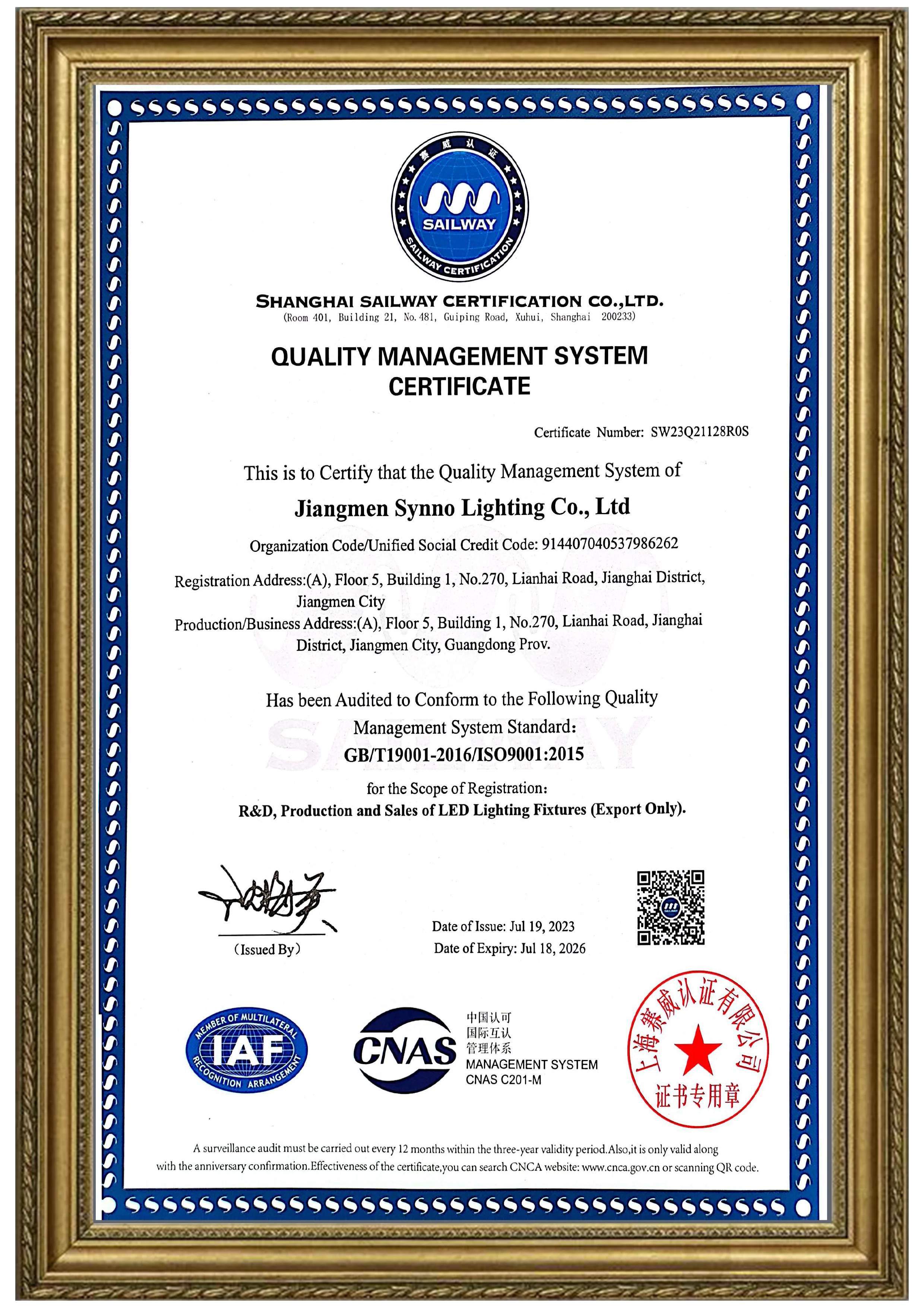
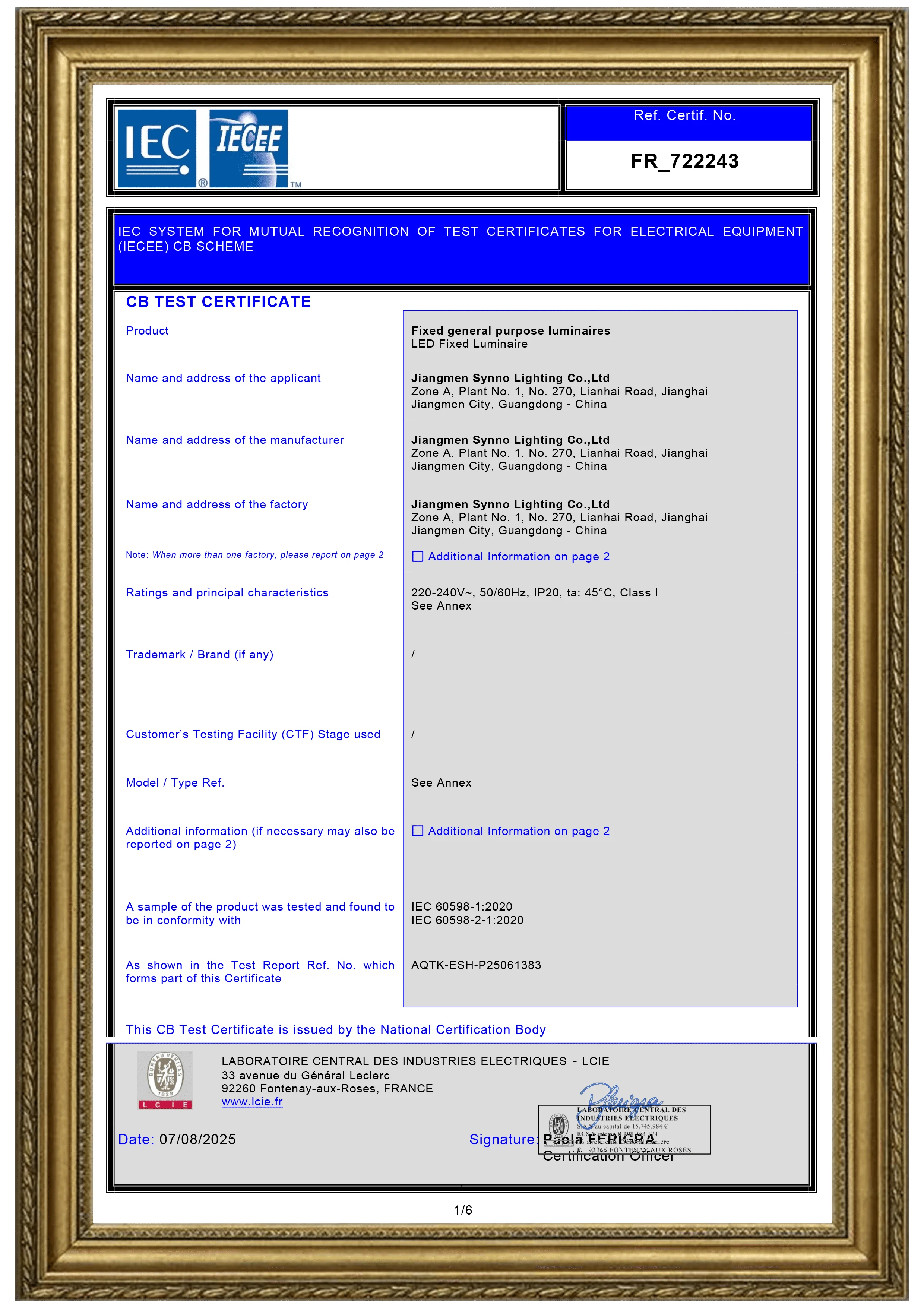
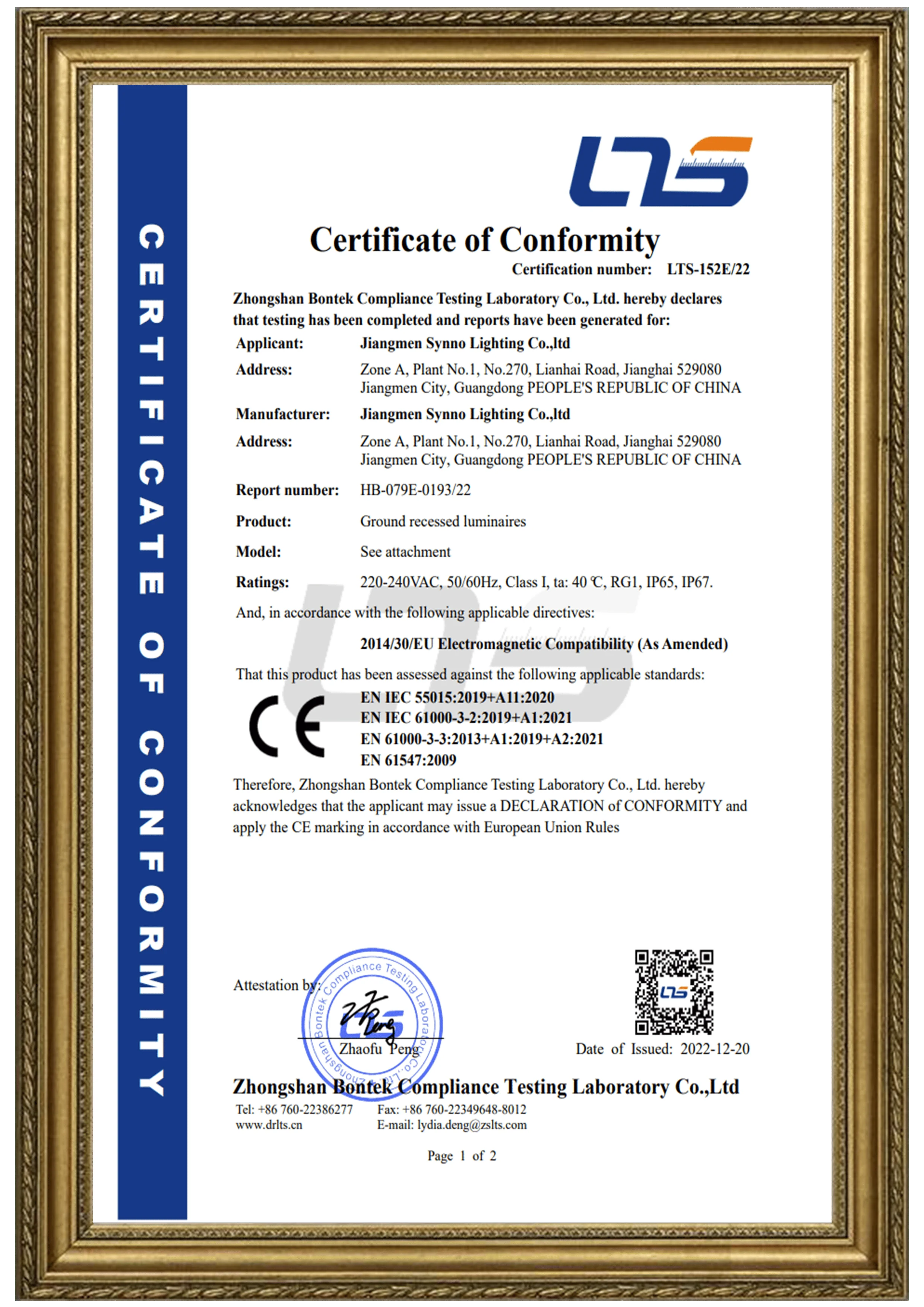
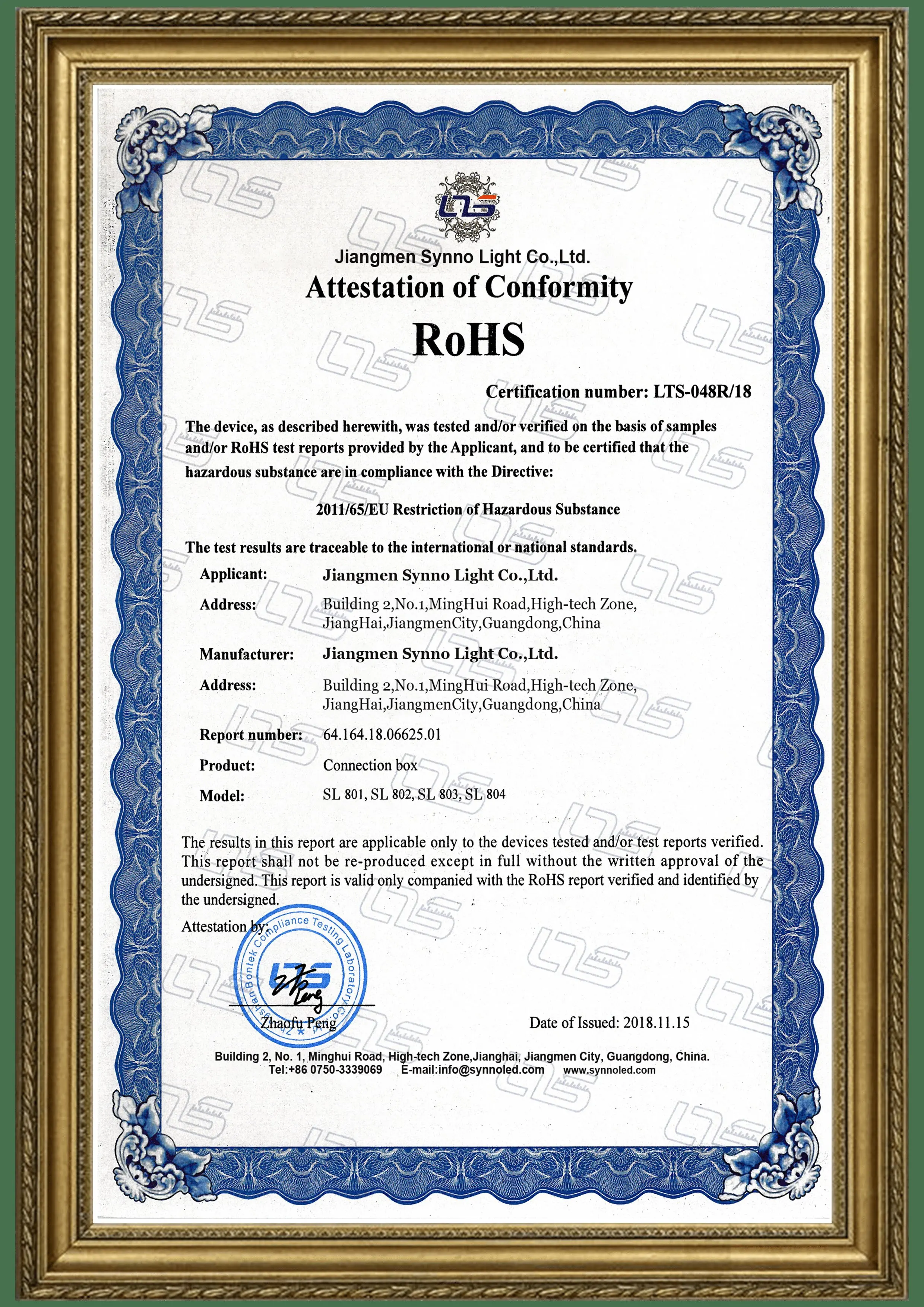
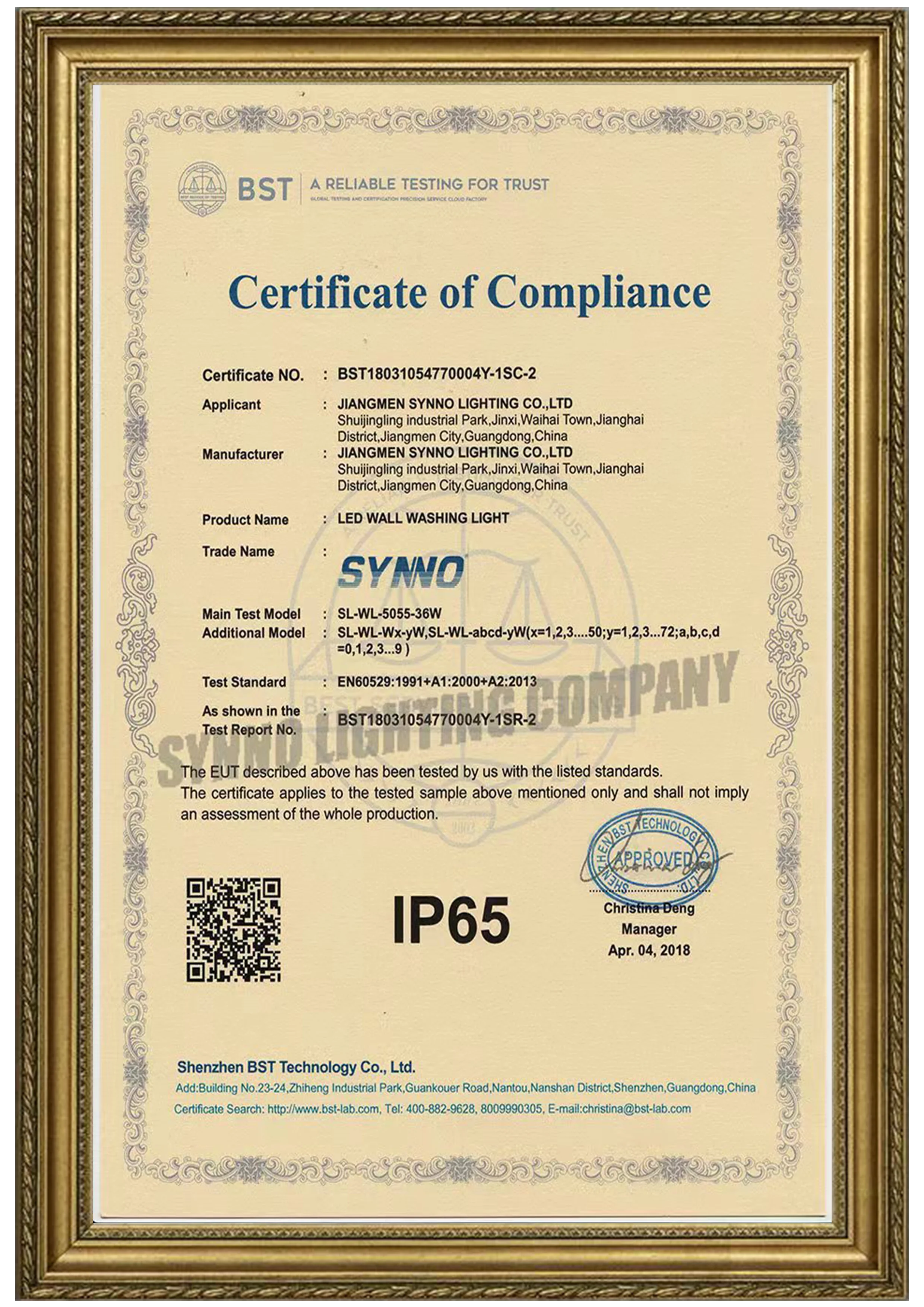
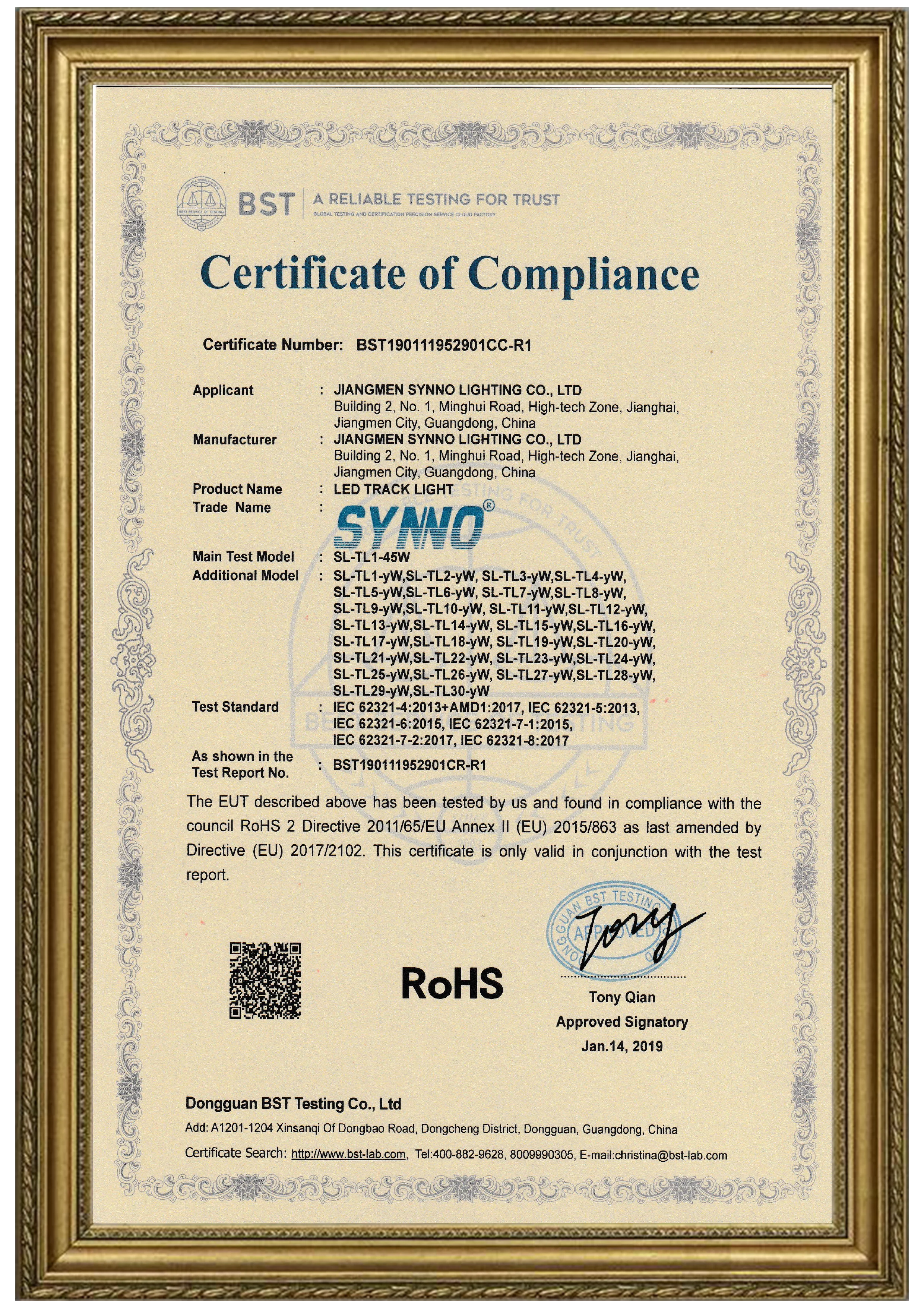
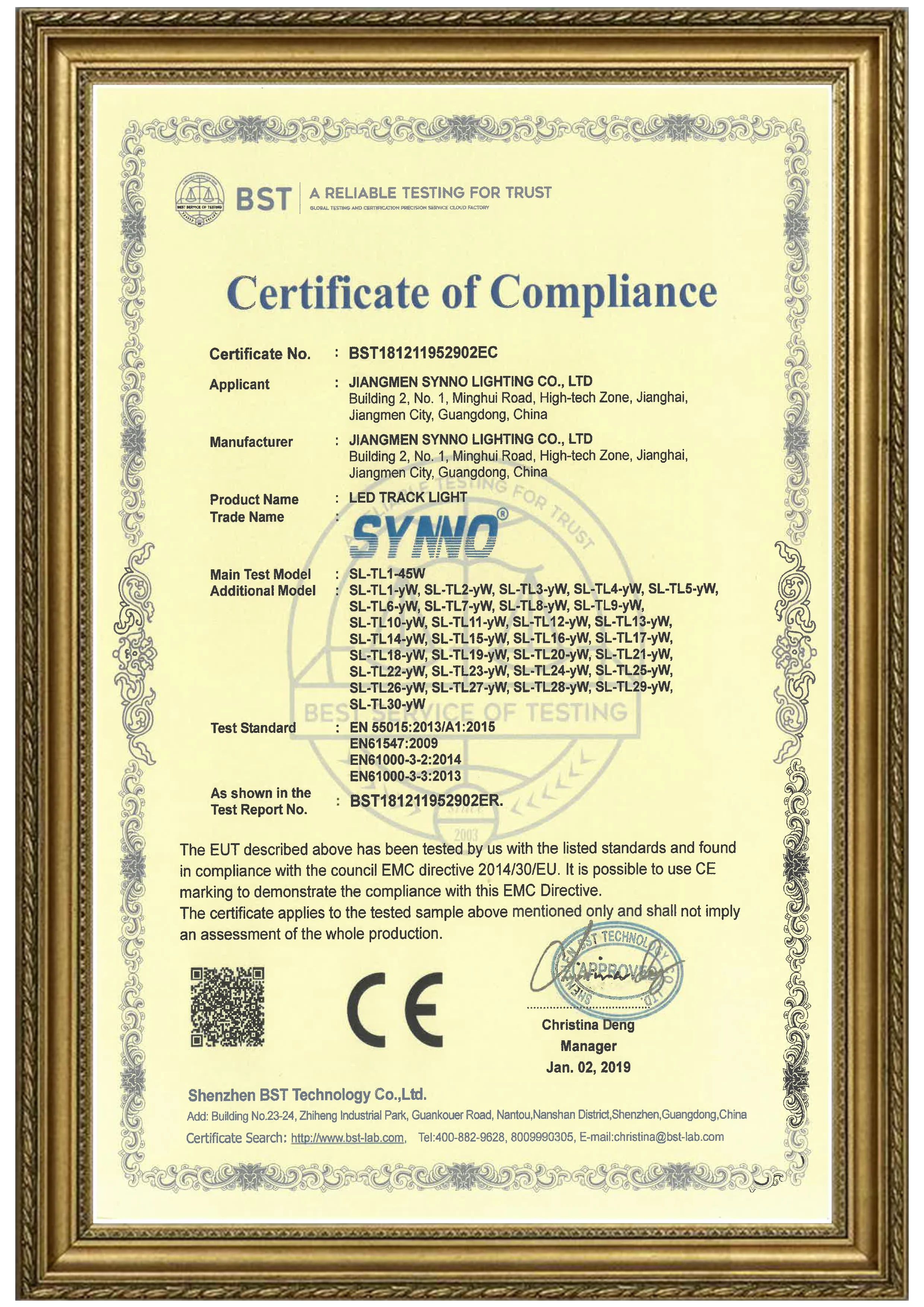
Comprehensive Certifications: CE, RoHS, IP66/IP67, IK10 standards.
-
Custom Solutions: RGB/DMX control, adjustable wattages, or smart dimming options.
-
Global Support: Photometric design, OEM/ODM customization, and professional after-sales service.
By combining advanced technology with rigorous quality control, our LED flood lights are engineered to deliver performance, efficiency, and reliability that professionals can count on.
21. Final Thoughts
LED flood lights have revolutionized the way we illuminate outdoor and large-scale spaces. From energy efficiency and long lifespan to superior optical performance and control flexibility, they are an intelligent choice for modern lighting projects.
Whether you’re upgrading an existing system or designing a new one, choosing a trusted manufacturer with proven expertise ensures lasting results and long-term satisfaction.
Our company’s LED flood lights are not just fixtures — they’re solutions engineered for performance, safety, and aesthetics. That’s why architects, contractors, and distributors across the globe continue to trust and recommend our products.