Track Light Design Ideas for Living Rooms, Kitchens, and Bedrooms
Modern lighting design has evolved far beyond traditional ceiling fixtures and pendant lamps. Today, homeowners and designers are embracing LED track lights for their flexibility, precision, and sleek aesthetics. Whether you want to highlight artwork in the living room, brighten up a kitchen island, or add functional style to a bedroom, track lighting offers endless creative possibilities.
In this guide, we’ll explore how to design and use LED track lights effectively across your living spaces — with detailed design ideas, layout tips, and lighting recommendations to help you create the perfect ambiance for your home.
1. What Is Track Lighting and Why Is It So Popular?
Track lighting is a system where multiple light heads (or fixtures) are mounted along a continuous track. This track carries both mechanical support and electrical power, allowing the lights to be moved, rotated, and repositioned along its length.
Key Benefits of Track Lighting
-
Flexibility: Adjust angles and positions easily to suit changing décor or furniture arrangements.
-
Directional Control: Each head can focus on different zones or accents.
-
Modern Aesthetic: Clean lines complement both minimalist and industrial styles.
-
Energy Efficiency: Most track lights now use LED technology, which consumes less power and emits minimal heat.
-
Easy Installation: Tracks can be mounted on ceilings or walls, even on uneven surfaces where recessed lights are impractical.
Because of these advantages, LED track lighting has become a favorite among designers and architects seeking both functionality and visual impact.
2. Types of Track Lighting Systems
Before diving into design ideas, it’s important to understand the types of track systems available.
a. H, J, and L Type Tracks
These are the three most common track standards:
-
H-Type (Halo): Features three contacts and is widely compatible with many brands.
-
J-Type (Juno): Two contacts, slightly different dimensions.
-
L-Type (Lightolier): Two contacts, narrower spacing.
When purchasing lights, ensure that your fixtures and tracks are of the same standard for compatibility.
b. Track Configurations
You can shape the track to suit your room layout:
-
Straight Track: Simple and clean for hallways or linear spaces.
-
L-Shape: Ideal for corner rooms or kitchens.
-
U-Shape or Square Layout: Covers large areas evenly.
-
Custom Shapes: Combine connectors to form creative designs like zigzags or circles.
c. Track Head Types
-
Fixed Spotlights: Best for highlighting specific areas like artwork or countertops.
-
Adjustable Heads: Rotatable to direct light wherever needed.
-
Pendant Track Lights: Combine track flexibility with pendant elegance for dining or seating areas.
3. LED Track Lighting Design Ideas for Living Rooms
Your living room is the heart of your home — a place where you entertain guests, relax, and showcase your personal style. The right track lighting design can make the space feel both cozy and dynamic.
a. Highlighting Art and Décor
-
Use adjustable LED track spotlights to accentuate wall art, sculptures, or shelving displays.
-
Opt for 3000K warm white light for a soft, inviting glow that enhances textures and colors.
-
Space track heads about 60–90 cm apart to ensure even coverage without harsh overlap.
Pro Tip: Position fixtures at a 30-degree angle from the wall to minimize glare and shadows on artwork.
b. Creating Layered Lighting
Combine track lights with other fixtures (like floor lamps or recessed lights) for depth and ambiance:
-
Use track lighting for directional illumination.
-
Add wall sconces for ambient glow.
-
Integrate LED strips behind cabinets or coves for subtle backlighting.
This layered approach allows you to switch moods easily — from bright and lively for gatherings to soft and warm for movie nights.
c. Defining Zones in Open Living Spaces
In open-concept living-dining areas, track lights can visually divide zones:
-
Aim one track section toward the sofa or conversation area.
-
Direct another toward the dining table or artwork.
-
Use different beam angles (narrow 24° for accents, wide 60° for general light).
d. Choosing the Right Fixture Finish
Select finishes that complement your interior style:
-
Matte black or brushed nickel for modern or industrial spaces.
-
White or silver for minimalist or Scandinavian interiors.
-
Gold or bronze for luxury or classic decors.
4. LED Track Lighting Design Ideas for Kitchens
Lighting is critical in the kitchen — it’s both a workspace and a gathering hub. Track lighting offers targeted illumination where you need it most while enhancing your kitchen’s design.
a. Over Kitchen Islands
A linear track light system works perfectly over an island:
-
Use 3–4 adjustable LED track spotlights for even task lighting.
-
Choose 4000K neutral white light for accurate color rendering during cooking.
-
Combine with pendant track heads for a designer look that blends task and style.
b. Task Lighting Over Counters
Install short track sections above countertops:
-
Focus the beams directly on prep areas for shadow-free illumination.
-
Consider CRI 90+ LEDs to reveal true food colors.
-
Opt for IP44-rated fixtures near sinks or wet zones for safety.
c. Accentuating Kitchen Features
Highlight architectural elements such as:
-
Open shelving
-
Textured backsplash tiles
-
Hanging pot racks or bar setups
Use narrow beam track lights (15°–30°) for precision and depth.
d. Combining Function with Aesthetics
Modern kitchens often use black aluminum track rails mounted on white ceilings for contrast.
For seamless designs, recessed track systems integrate flush with the ceiling, hiding cables for a clean, continuous look.
Tip: Choose dimmable drivers to adjust brightness based on the time of day or occasion.
5. LED Track Lighting Design Ideas for Bedrooms
Bedrooms are often associated with calm and comfort, but track lighting can still play a stylish and practical role.
a. Ambient Lighting
Install a simple U-shaped or L-shaped track along the perimeter of your ceiling:
-
Use wide-beam LED track lights (60°–90°) for soft ambient light.
-
Choose 2700K–3000K warm tones to create a cozy environment conducive to rest.
You can connect the system to a dimmer or smart control for adjustable brightness levels.
b. Accent Lighting
Add focus to:
-
Artwork above the headboard
-
Decorative wall panels or shelving
-
Plants or corner nooks
Use narrow-beam track lights (20°–30°) for subtle highlights that draw the eye.
c. Reading Corners
Instead of bedside lamps, consider installing a short ceiling-mounted track with adjustable heads:
-
Direct one beam toward your reading chair or nightstand.
-
Use 3000K warm light for comfort and reduced eye strain.
-
Add a remote dimmer for convenient nighttime adjustment.
d. Blending with Décor
For minimalist bedrooms:
-
Choose white track rails and fixtures to blend with the ceiling.
For modern or industrial bedrooms: -
Matte black or brushed gunmetal fixtures add sophistication and contrast.
6. Tips for Designing Track Lighting Layouts
a. Plan Lighting Zones
Before installation, divide the room into zones — task, accent, and ambient.
Then, position track lights accordingly:
-
Task: Over countertops, desks, or reading spots.
-
Accent: Toward artwork, walls, or plants.
-
Ambient: Evenly distributed across the ceiling.
b. Spacing Guidelines
-
Leave 60–100 cm between track heads for balanced illumination.
-
Keep 20–30 cm distance from walls when using wall-wash lighting.
-
Maintain consistent beam overlap for smooth transitions.
c. Beam Angle Selection
| Purpose | Ideal Beam Angle |
|---|---|
| Accent lighting (artwork) | 15°–30° |
| Task lighting (kitchen, desk) | 30°–45° |
| Ambient/general lighting | 60°–90° |
d. Dimming and Smart Control
Integrate dimmable LED drivers or smart control systems for flexibility.
You can adjust brightness via remote, smartphone app, or voice assistant, adapting to activities and mood changes.
7. Choosing the Right Color Temperature and CRI
The color temperature (CCT) and Color Rendering Index (CRI) greatly affect how your space feels.
| Space | Recommended CCT | Purpose |
|---|---|---|
| Living Room | 2700K–3000K | Warm, relaxing atmosphere |
| Kitchen | 3500K–4000K | Natural, clear visibility |
| Bedroom | 2700K | Soft, comfortable lighting |
Choose CRI ≥ 90 for lifelike color accuracy — especially important in living spaces where art, food, or fabrics are displayed.
8. Track Light Materials and Finishes
Quality materials enhance both aesthetics and durability.
a. Common Materials
-
Aluminum: Lightweight, corrosion-resistant, and modern-looking.
-
Die-Cast Metal: Adds premium texture and stability.
-
PC Lens or Tempered Glass: Ensures even light diffusion and long-term clarity.
b. Finishes
-
Matte Black: Industrial, modern, and bold.
-
White Powder-Coated: Clean, minimal, ideal for bright interiors.
-
Brushed Nickel or Bronze: Warm, elegant, fits classic or luxury designs.
High-quality housings also aid heat dissipation, extending LED lifespan and maintaining color consistency over time.
9. Maintenance and Energy Efficiency
LED track lights are designed for longevity, but maintenance ensures performance and safety.
Maintenance Tips:
-
Dust fixtures regularly with a soft cloth.
-
Check for loose connections or corrosion, especially in humid areas.
-
Avoid touching LED lenses with bare hands.
-
Replace faulty drivers promptly to prevent flickering.
Energy-Saving Advantages:
-
Up to 80% less energy consumption than halogen or incandescent lights.
-
50,000+ hours lifespan reduces replacement costs.
-
Low heat emission keeps indoor environments cooler.
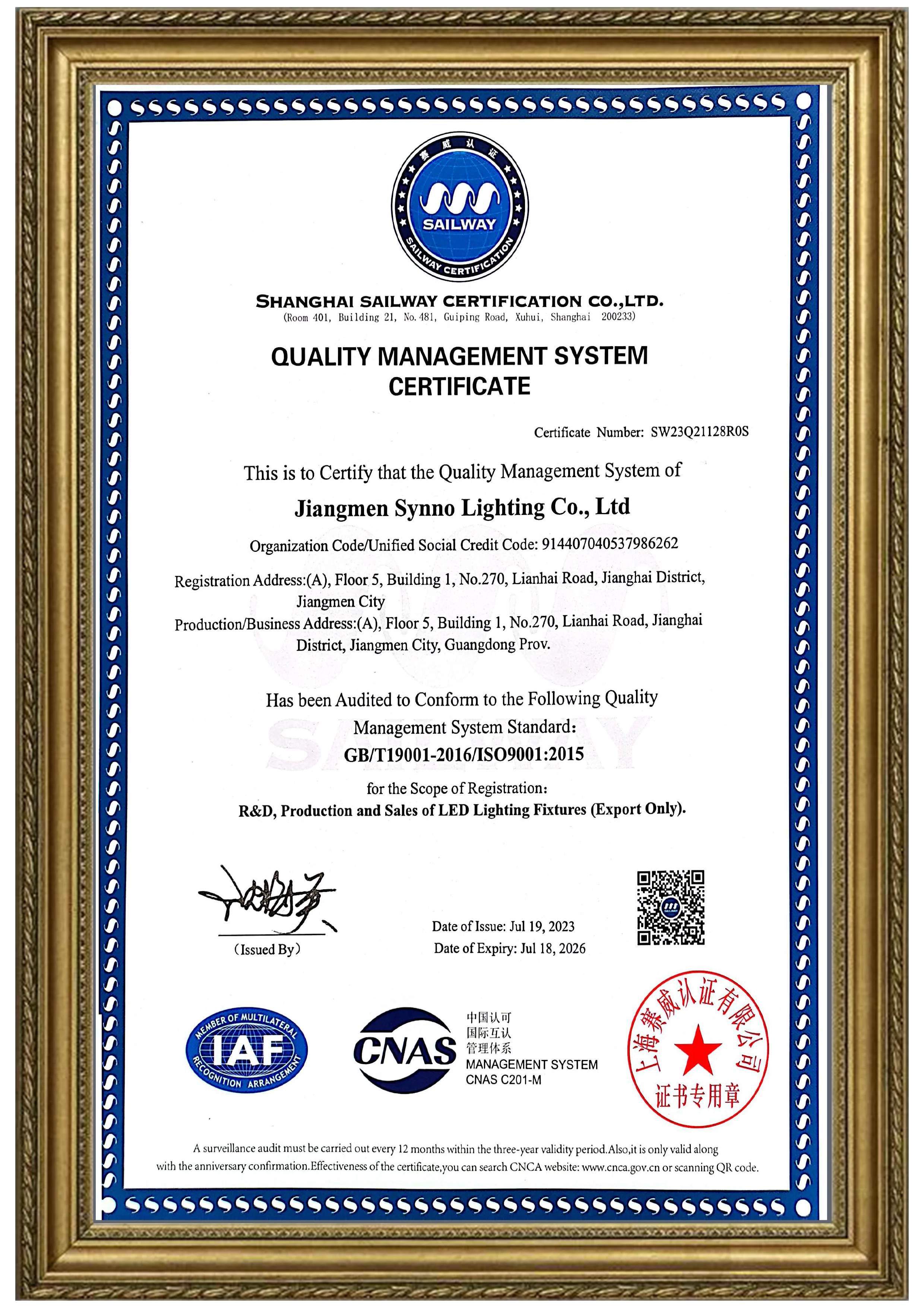
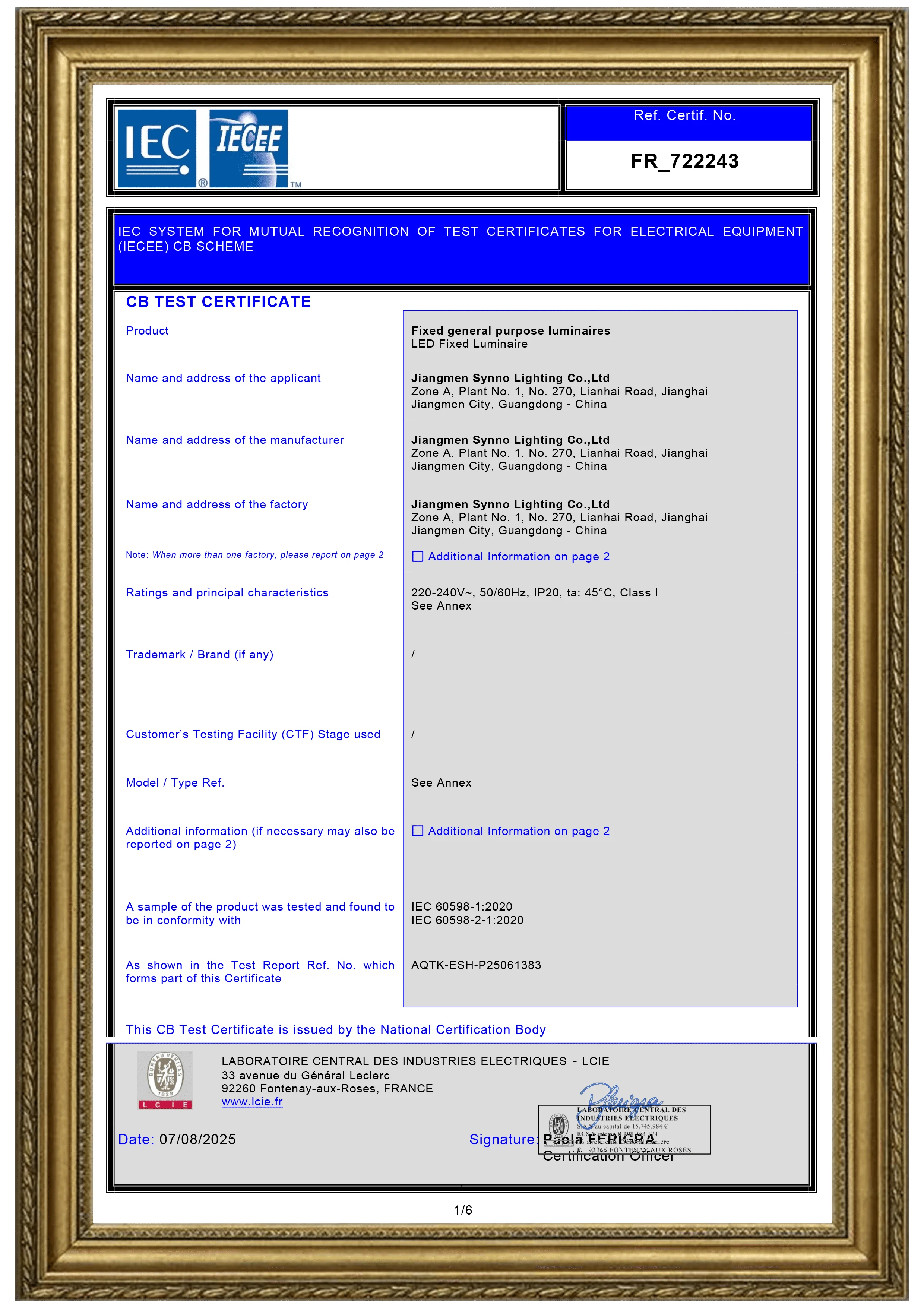
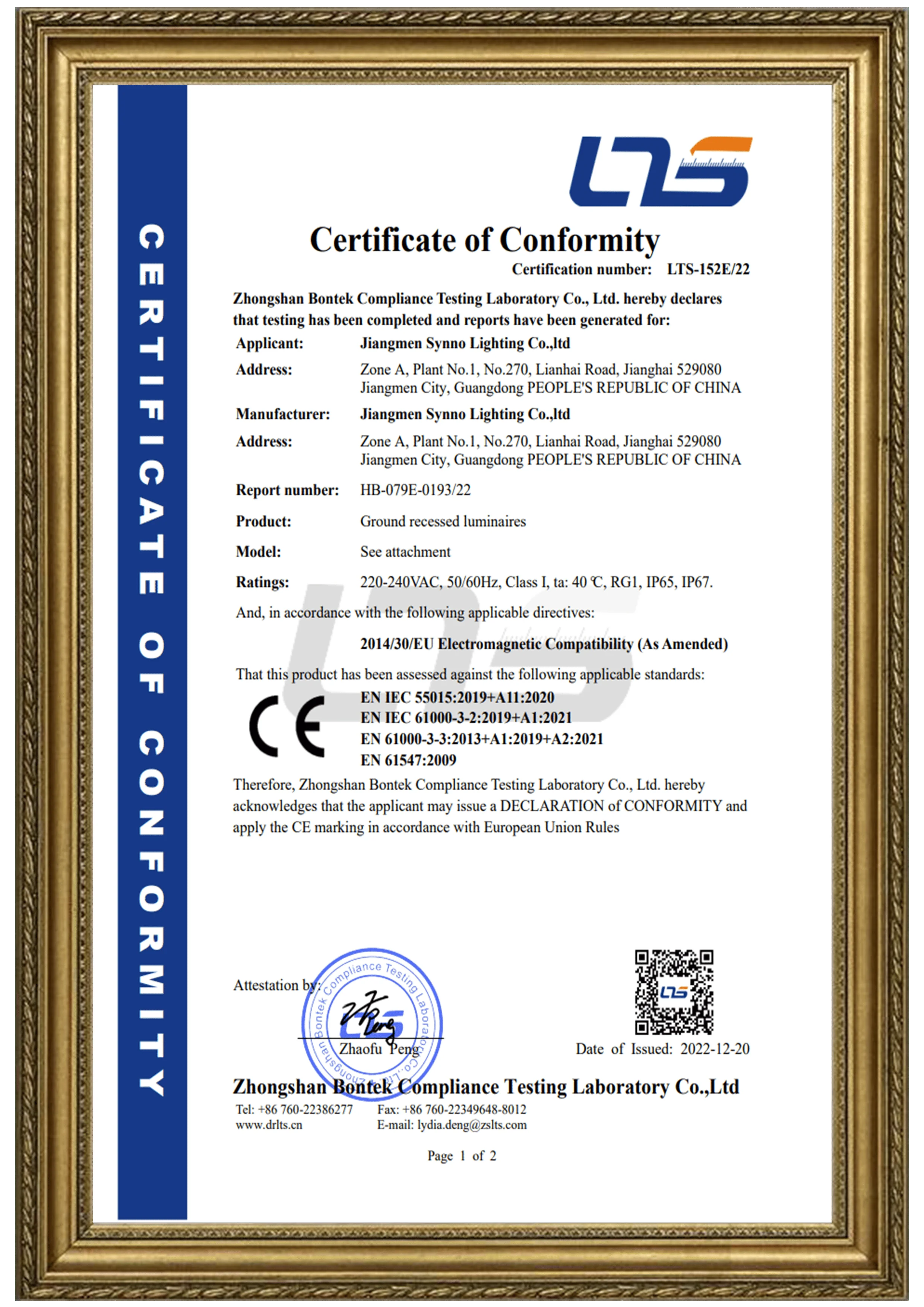
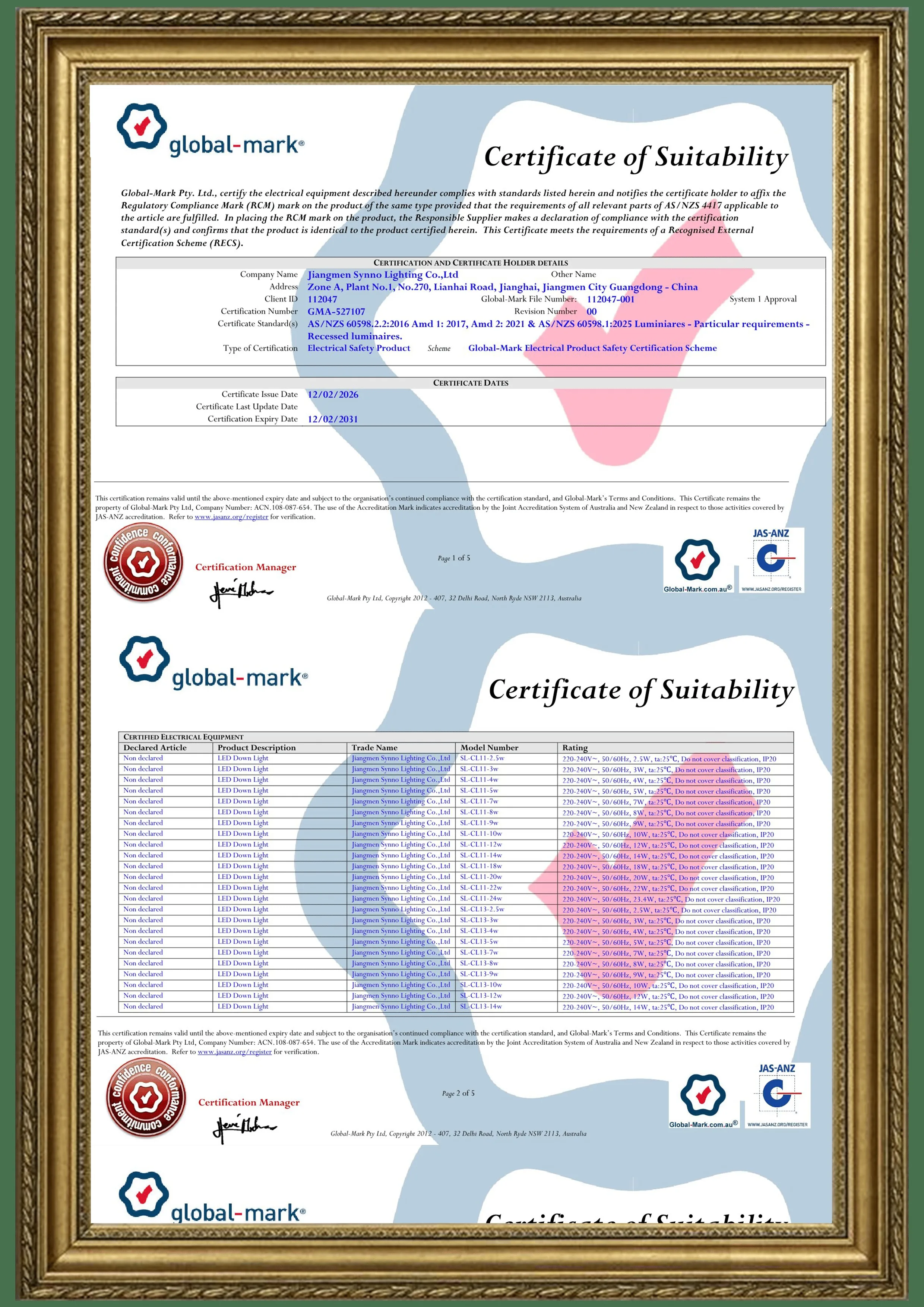
Opt for certified products (CE, RoHS, UL) with efficient drivers and thermal management to guarantee long-term stability.
10. Integrating Track Lights with Smart Home Systems
Smart technology elevates track lighting from functional to futuristic.
Smart Features Include:
-
Dimming and Scene Control: Create pre-set lighting moods.
-
Color Temperature Adjustment: Switch between warm and cool tones.
-
Voice Control: Compatible with Alexa, Google Assistant, or Tuya systems.
-
Scheduling & Motion Detection: Automate on/off cycles for convenience and energy savings.
This integration allows homeowners to adapt lighting based on time of day, activities, or personal preference — blending technology seamlessly with design.
11. Common Mistakes to Avoid
-
Overcrowding: Too many track heads create glare and clutter.
-
Ignoring Beam Angles: Mismatched angles lead to uneven brightness.
-
Incorrect CCT Selection: Cool light in bedrooms or overly warm tones in kitchens can distort ambiance.
-
Poor Placement: Fixtures too close to walls can cause harsh shadows.
-
Low-Quality Fixtures: Cheap housings often overheat or fade in brightness quickly.
Always choose professional-grade LED track lights from reputable manufacturers that specialize in both indoor and commercial lighting solutions.
12. Final Thoughts
LED track lighting is one of the most versatile and design-forward options for modern interiors.
From living rooms that need flexible accenting, to kitchens demanding bright task lighting, to bedrooms requiring calm ambient glow — the right track light layout can completely transform your space.
Key Takeaways:
-
Choose adjustable LED track lights for multi-functional illumination.
-
Match color temperature to the room’s purpose.
-
Combine task, ambient, and accent layers for depth and sophistication.
-
Use high-CRI, dimmable, and energy-efficient fixtures for best results.
-
Consider smart control for convenience and flexibility.
Well-planned track lighting not only elevates your home’s design but also improves functionality, mood, and long-term energy savings — proving that lighting is as much about experience and emotion as it is about visibility.