Smart Control and DMX-Compatible LED Window Lights: The Future of Building Illumination
In the modern architectural world, lighting has evolved far beyond simply providing brightness. Today, it’s about interaction, automation, energy efficiency, and aesthetics. The fusion of smart control systems and DMX-compatible LED window lights is transforming the way buildings communicate their identity and respond to human behavior.
From skyscrapers with dynamic façade displays to residential buildings that automatically adjust illumination based on time of day or weather, LED window lights with smart and DMX control represent the next frontier of building illumination.
In this article, we’ll explore what makes this technology revolutionary — its principles, benefits, design possibilities, and why it’s poised to define the future of architectural lighting.
1. The Evolution of Building Illumination
Traditionally, building illumination was limited to basic floodlights, neon strips, or static window lights that offered minimal control. However, over the last decade, the rise of LED technology combined with digital control systems has created a paradigm shift.
The new era of lighting focuses on intelligent, adaptable, and programmable systems that serve both functional and aesthetic purposes.
The Key Drivers of This Evolution:
-
Energy Efficiency: LEDs consume up to 80% less energy than halogen or fluorescent lighting.
-
Smart Integration: Seamless control via smartphones, sensors, and cloud systems.
-
Dynamic Expression: DMX systems enable motion, color, and pattern synchronization across hundreds of fixtures.
-
Sustainability: Longer lifespan and reduced maintenance align with green building standards.
These advancements have turned illumination into a digital medium — one that architects can use as a design element, much like materials, textures, and forms.
2. What Are LED Window Lights?
LED window lights are architectural luminaires installed around or within window frames to highlight the structure’s lines or create dynamic light effects. They can be mounted externally on façades or internally for ambient glow through glass.
Modern LED window lights go far beyond static illumination. They’re programmable, color-adjustable, and networked, allowing designers to transform an entire building façade into an expressive visual display.
Common Features of LED Window Lights:
-
Slim linear form factor for discreet installation.
-
Adjustable CCT (color temperature) and RGB/RGBW color options.
-
IP65+ waterproof ratings for outdoor applications.
-
Smart or DMX-compatible drivers for precise control.
Window lights often form part of a broader architectural lighting strategy, highlighting building geometry, enhancing nighttime visibility, and reinforcing brand identity.
3. Smart Control: Bringing Intelligence to Illumination
“Smart control” refers to lighting systems that can automatically adjust brightness, color, and timing using digital sensors, wireless protocols, or mobile apps.
Smart control allows building owners and facility managers to tailor lighting performance for comfort, efficiency, and aesthetics without manual intervention.
Common Smart Control Features:
-
Dimming and Scheduling: Lights adjust automatically based on time of day or occupancy.
-
Remote Access: Control via smartphone apps, tablets, or cloud platforms.
-
Voice Commands: Integration with Alexa, Google Home, or smart building assistants.
-
Sensors Integration: Lights respond to daylight levels, motion, or temperature.
-
Scene Setting: Predefined modes for different events, moods, or times (e.g., “evening mode,” “festival mode”).
Key Smart Control Protocols:
-
DALI (Digital Addressable Lighting Interface): Allows addressable control of multiple fixtures.
-
Zigbee / Wi-Fi / Bluetooth Mesh: For wireless communication between smart lights.
-
KNX / BACnet: For integration with broader building automation systems.
Smart-controlled LED window lights can synchronize across an entire building façade, creating uniform brightness, color balance, and energy optimization in real time.
4. What Is DMX Control and Why It Matters
While smart controls handle automation and efficiency, DMX (Digital Multiplex) brings creativity, precision, and artistry to lighting design. Originally developed for stage and theater lighting, DMX has become the gold standard for architectural and façade illumination.
A DMX-compatible LED window light can be individually addressed, meaning each light or segment can be controlled separately — allowing designers to craft intricate patterns, color chases, and animations.
How DMX Works:
-
A DMX controller sends digital signals (0–255 values) through cables or wireless modules.
-
Each LED fixture receives a “channel” (or multiple channels for RGB/RGBW control).
-
Multiple fixtures can be linked to create synchronized effects across large façades.
Benefits of DMX Control:
-
Dynamic Lighting Effects: Color transitions, waves, gradients, and motion.
-
Individual Fixture Addressing: Control each light or group separately.
-
High Precision: Instant, flicker-free color changes.
-
Integration with Media Servers: Sync lighting with video or sound for building-scale visual displays.
With DMX, buildings can tell stories, celebrate events, or display brand colors — all through dynamic, programmable illumination.
5. Combining Smart Control and DMX: The Best of Both Worlds
The future of architectural lighting lies in merging smart automation with artistic DMX control. This integration provides both functional intelligence and creative flexibility.
How the Integration Works:
-
Smart systems manage day-to-day automation (on/off, dimming, scheduling).
-
DMX handles high-level lighting effects (color shows, patterns, animations).
-
A unified control interface or gateway connects both systems, allowing seamless transitions between modes.
Example Scenario:
During regular weekdays, window lights operate under smart scheduling — dimming gradually as natural light fades.
On weekends or holidays, the system switches to DMX mode to create animated color patterns celebrating events or festivals.
This approach ensures efficiency during normal use and spectacular visual engagement when desired.
6. Advantages of Smart and DMX-Compatible LED Window Lights
Combining these technologies delivers numerous benefits that make them indispensable for modern architecture.
a. Visual Impact
DMX lighting allows buildings to stand out with vibrant, dynamic displays — ideal for commercial towers, shopping centers, hotels, or stadiums.
b. Customization and Branding
Architects and owners can match façade colors to brand identity or theme events (e.g., red and green for Christmas, blue for corporate branding).
c. Energy Efficiency
LED window lights consume minimal power, and smart control ensures lights operate only when needed — reducing energy waste by up to 60%.
d. Ease of Control
From a smartphone or building automation system, operators can manage lighting scenes across entire complexes with just a few taps.
e. Scalability
DMX systems can handle hundreds or thousands of fixtures across large façades without signal loss, making them ideal for high-rise applications.
f. Enhanced Longevity
By using intelligent dimming, LEDs experience less thermal stress, extending operational life beyond 50,000 hours.
g. Integration with IoT and Smart Cities
These systems can integrate into IoT networks, allowing remote diagnostics, automatic updates, and coordination with other building systems (e.g., HVAC, security, or energy monitoring).
7. Design Considerations for LED Window Lighting Projects
When implementing DMX and smart-controlled LED window lights, careful design planning ensures performance and reliability.
a. Fixture Selection
Choose linear LED window lights with:
-
High CRI (≥90) for color accuracy
-
Uniform diffusion (anti-glare lens)
-
IP66/IP67 protection for outdoor façades
-
Aluminum housing for heat dissipation
b. Power and Driver Compatibility
Ensure drivers are DMX512 or DALI compatible, depending on the control system. Use constant-current drivers for consistent brightness and long life.
c. Wiring and Addressing
Each DMX fixture requires proper addressing (DMX channel setup). For large projects, divide installations into zones to simplify programming.
d. Color Consistency
Select fixtures from the same bin code to avoid visual differences in color temperature or hue.
e. Smart Integration
If combining DMX with building automation, include a DMX-to-DALI or DMX-to-Wi-Fi gateway for seamless communication between systems.
8. Real-World Applications
a. Commercial Buildings
Corporate offices use programmable window lights to display their brand colors or light up during special occasions, enhancing brand visibility.
b. Hotels and Resorts
DMX window lights create a luxury ambiance while smart control automates brightness based on occupancy or time schedules.
c. Public Landmarks
Municipal buildings and bridges use dynamic lighting to celebrate cultural events, national holidays, or awareness campaigns.
d. Retail and Shopping Centers
Animated façades attract attention and increase foot traffic while remaining energy-efficient.
e. Residential Developments
High-end residential towers use smart-controlled window lights for subtle architectural definition and nighttime elegance.
9. Installation and Maintenance Best Practices
a. Pre-Installation Planning
-
Map out fixture placement based on façade structure.
-
Allocate DMX channel addresses and zones before installation.
-
Ensure waterproof connectors and concealed wiring for aesthetic neatness.
b. Safety and Compliance
-
Follow local electrical codes and safety standards.
-
Use low-voltage (24V/48V) systems for outdoor applications to enhance safety.
c. Maintenance
-
Regularly clean lenses and housings to maintain light output.
-
Periodically check DMX connections and update firmware if applicable.
-
Schedule system health checks for long-term reliability.
10. Future Trends in Smart and DMX Window Lighting
The technology continues to advance rapidly, with several exciting trends emerging.
a. AI-Driven Lighting Control
Artificial intelligence will enable lights to learn user behavior and adjust illumination automatically based on weather, occupancy, or even mood.
b. Cloud-Based Monitoring
Building owners will remotely monitor and control lighting systems across multiple properties from a single dashboard.
c. Integration with Renewable Energy
Smart lighting systems will synchronize with solar energy storage, operating sustainably with minimal grid dependency.
d. 3D Mapping and Media Facades
Advanced DMX systems will allow 3D façade animations — effectively turning buildings into dynamic digital canvases.
e. Adaptive Color Rendering
Future LED drivers will automatically tune color temperature to mimic circadian rhythms, promoting well-being in mixed-use buildings.
11. Choosing the Right Supplier or Manufacturer
When selecting a manufacturer for DMX-compatible LED window lights, look for companies that offer:
-
Customizable lengths and mounting options
-
High-quality materials (anodized aluminum, tempered glass)
-
Integrated control systems (DMX512, DALI, or smart app)
-
Comprehensive after-sales support (technical guidance, programming assistance)
-
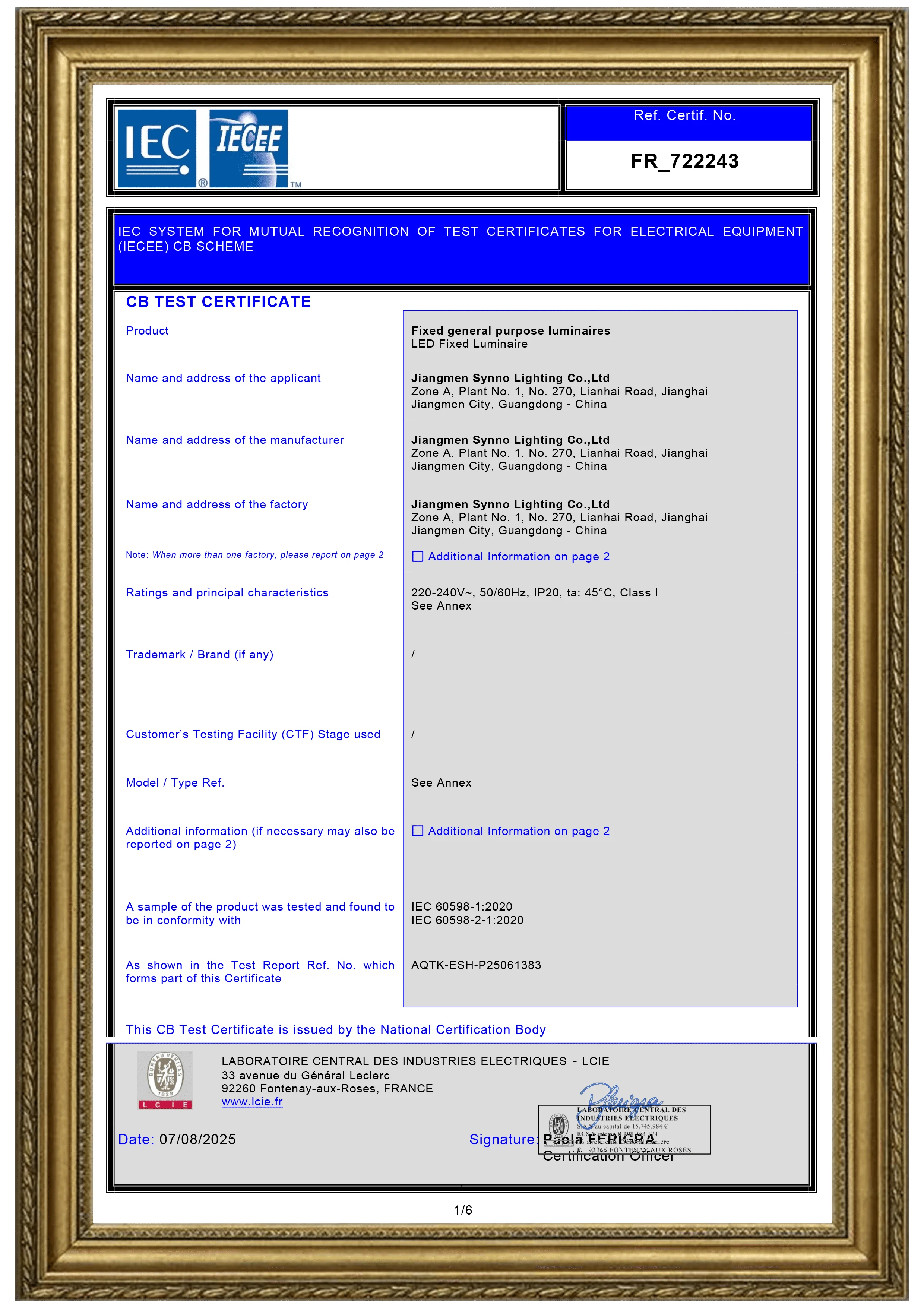
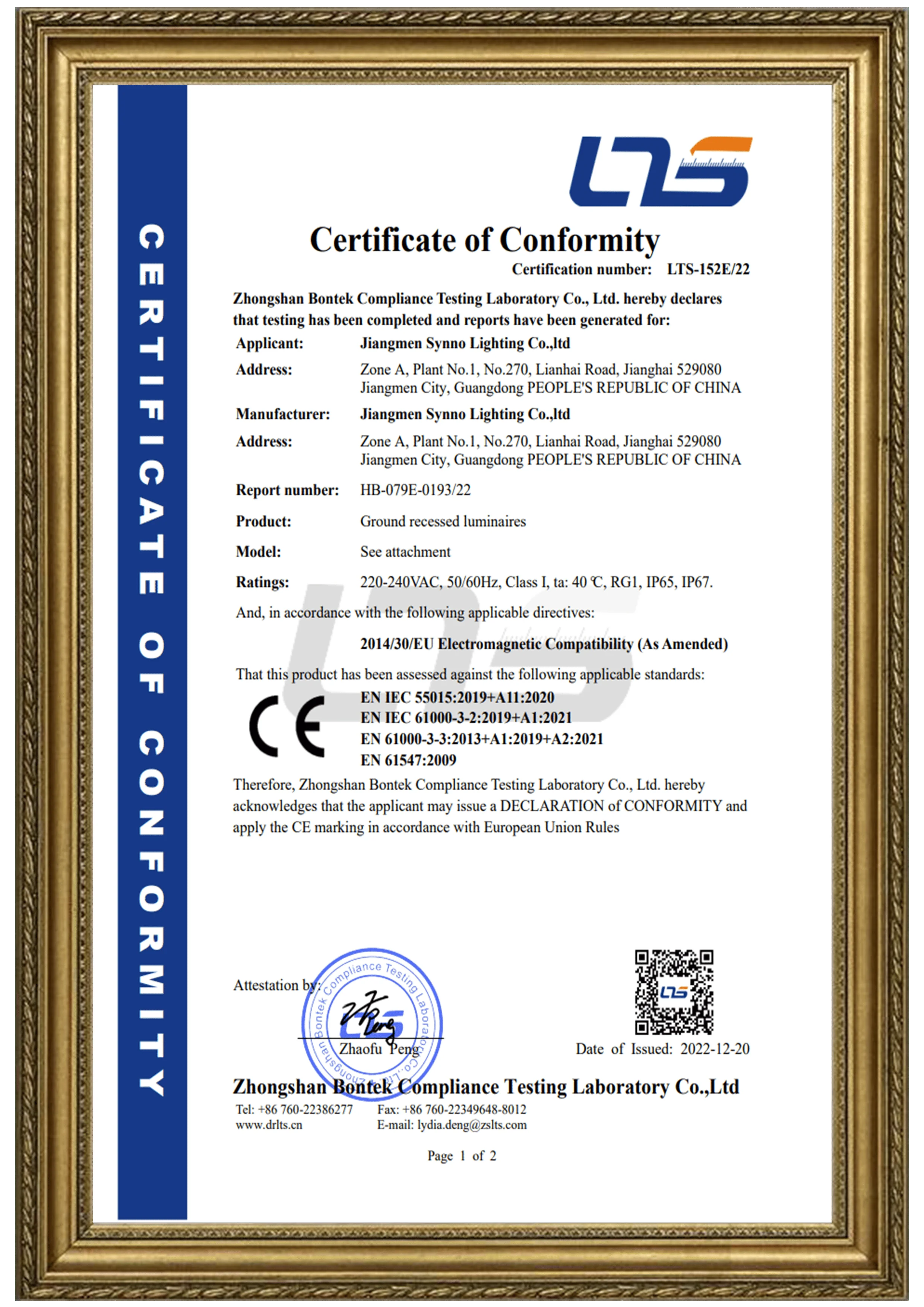
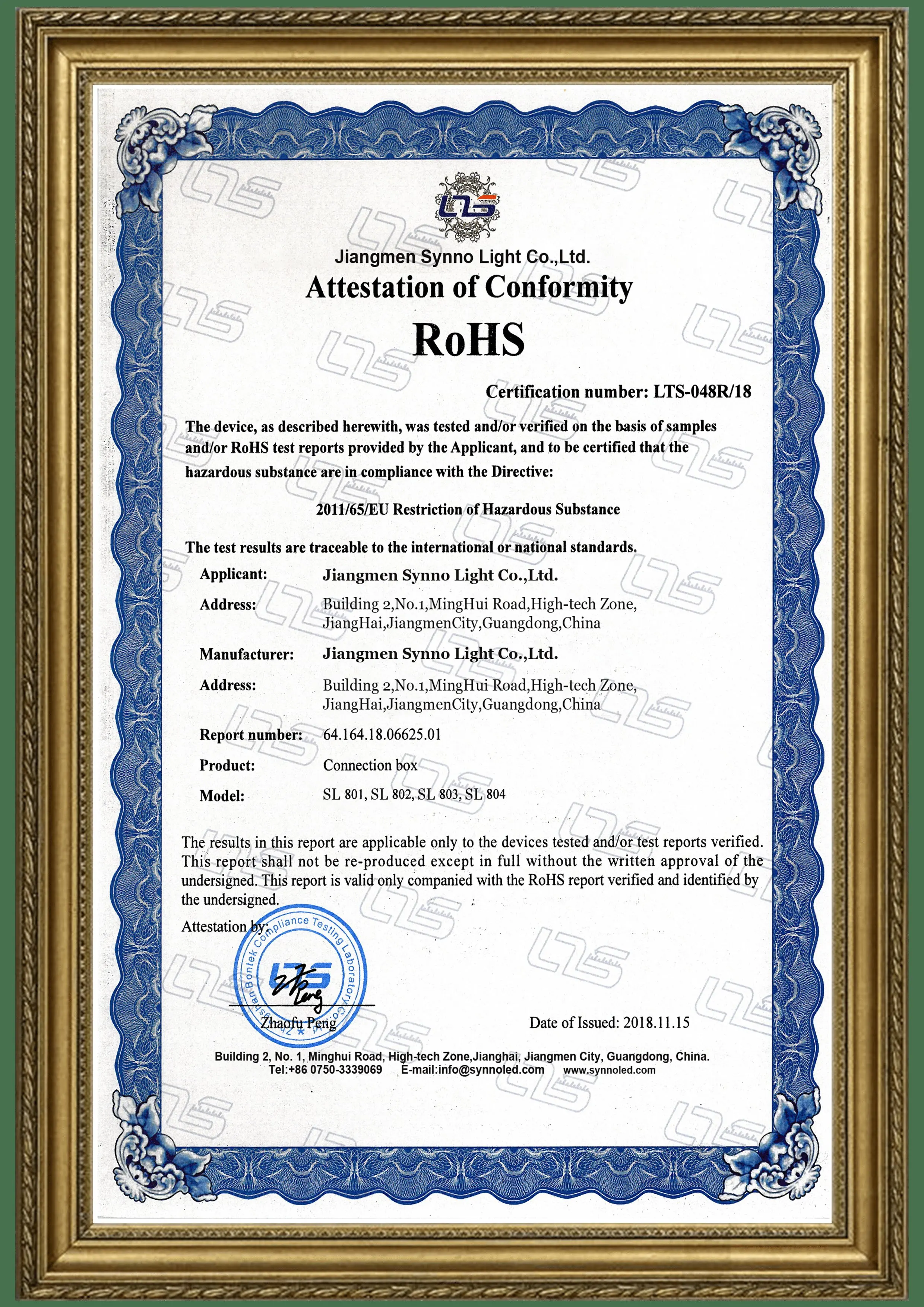
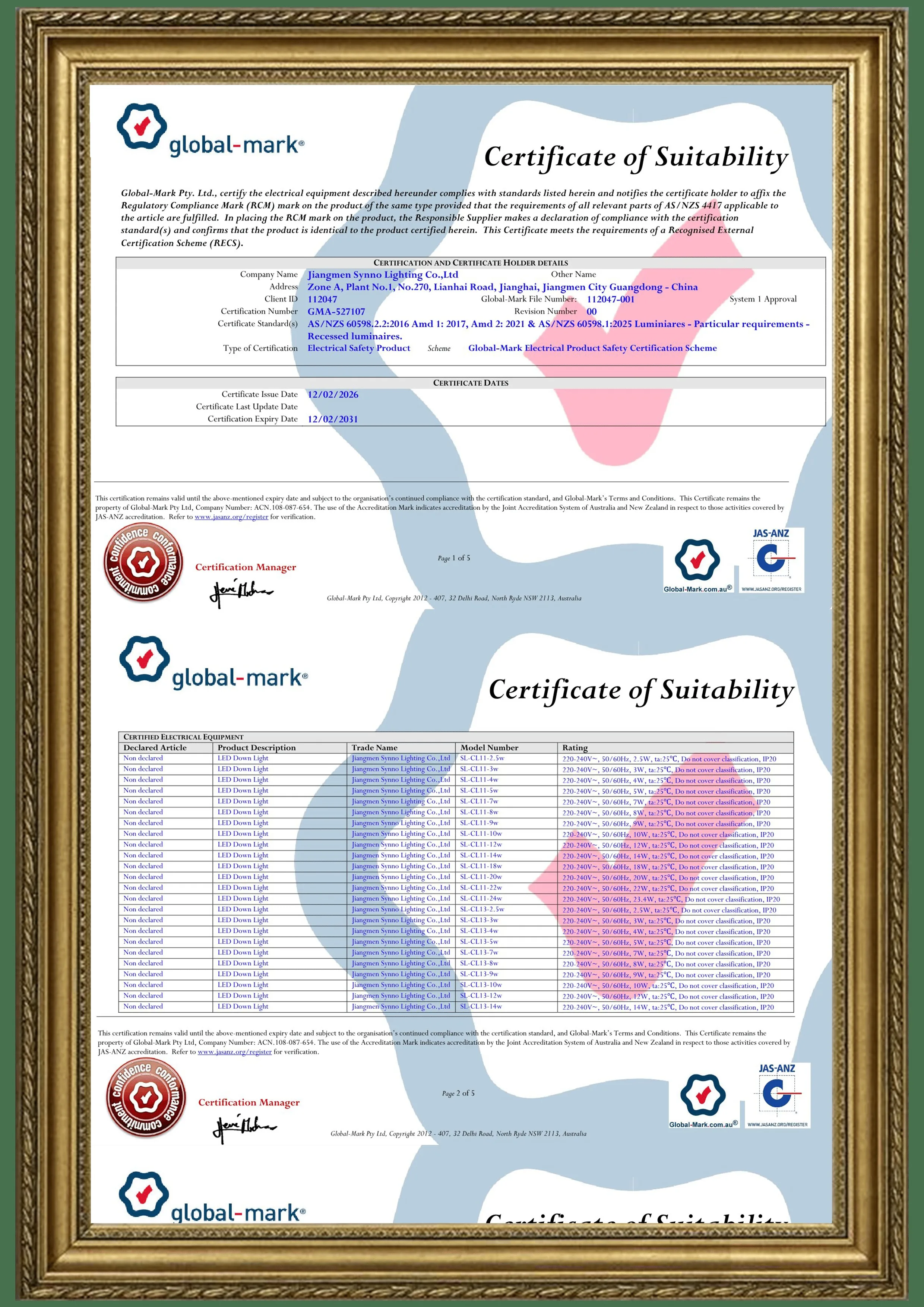
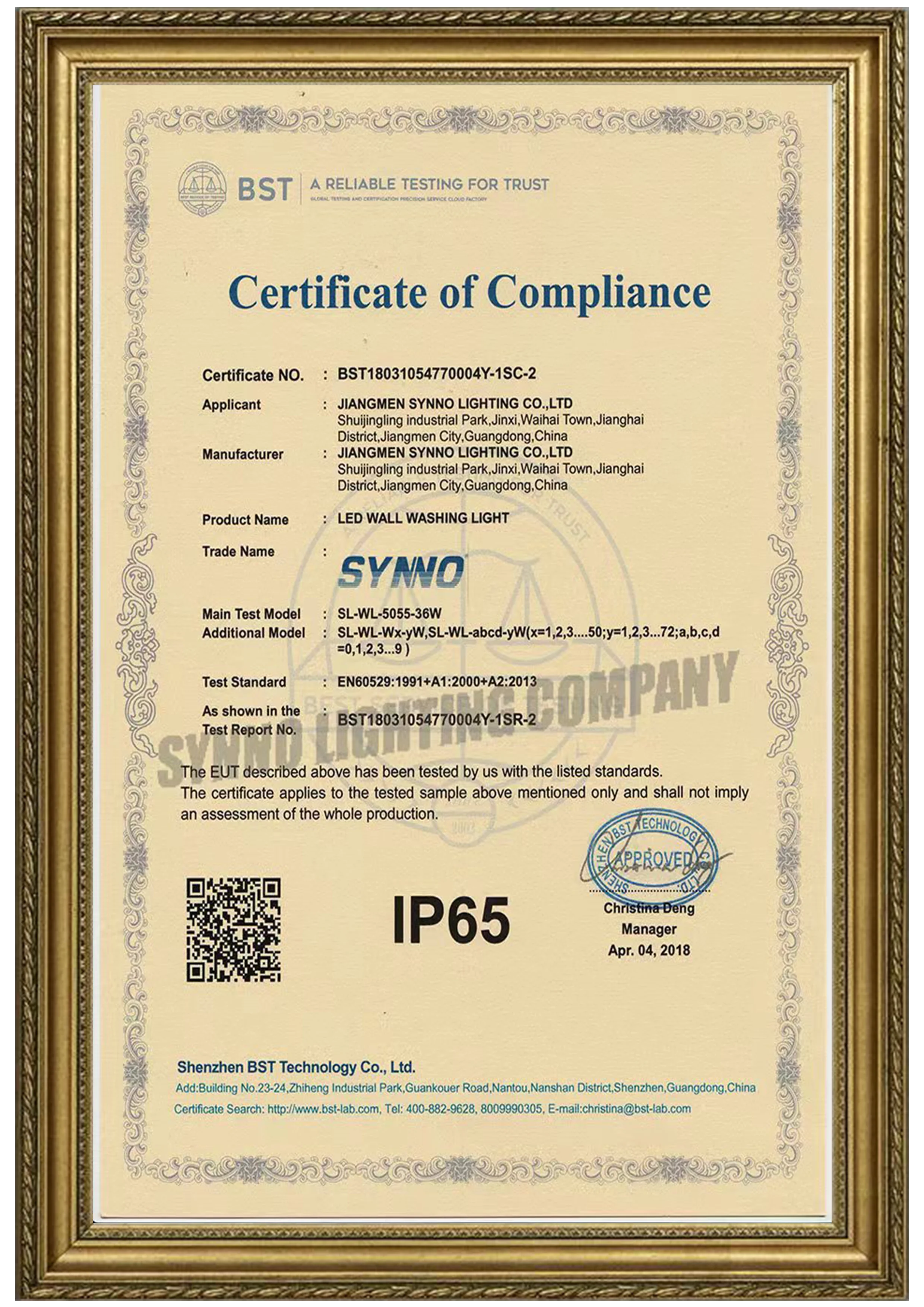
Compliance with international certifications (CE, RoHS, ETL, IP67-rated)
Working with a professional lighting manufacturer ensures reliable performance and seamless integration with architectural or building automation systems.
12. The Future Is Intelligent, Dynamic, and Sustainable
The fusion of smart control and DMX-compatible LED window lighting represents a monumental shift in how we illuminate architecture. Buildings are no longer static structures at night — they have become living canvases that communicate emotion, identity, and purpose through light.
These systems not only enhance aesthetics but also improve energy efficiency, flexibility, and user experience. As cities continue to evolve into intelligent ecosystems, such technologies will define the skylines of the future — brighter, smarter, and more connected than ever.