Using Up & Down Outdoor Wall Lamps to Create Architectural Effects
Lighting is one of the most powerful tools in architectural design — it can shape mood, emphasize structure, and bring outdoor spaces to life. Among the many modern lighting solutions available today, Up & Down Outdoor Wall Lamps stand out as a versatile and stylish way to enhance both aesthetics and functionality.
Whether they’re used to highlight textures, define building forms, or simply create a welcoming nighttime atmosphere, up and down lights have become an essential element in contemporary architecture.
This article explores how these lights work, where to use them, and — most importantly — how to use them creatively to produce striking architectural effects for homes, hotels, commercial buildings, and landscapes.
1. What Are Up & Down Outdoor Wall Lamps?
An Up & Down Outdoor Wall Lamp is a wall-mounted light fixture that projects illumination both upward and downward, creating a balanced vertical wash of light.
Unlike traditional wall sconces that only light one direction, this dual-emission design adds depth and drama to surfaces, turning ordinary walls into architectural features.
Key Characteristics
-
Dual Light Direction: Emits light upwards and downwards simultaneously.
-
Slim, Modern Profile: Available in cylindrical, rectangular, or geometric shapes.
-
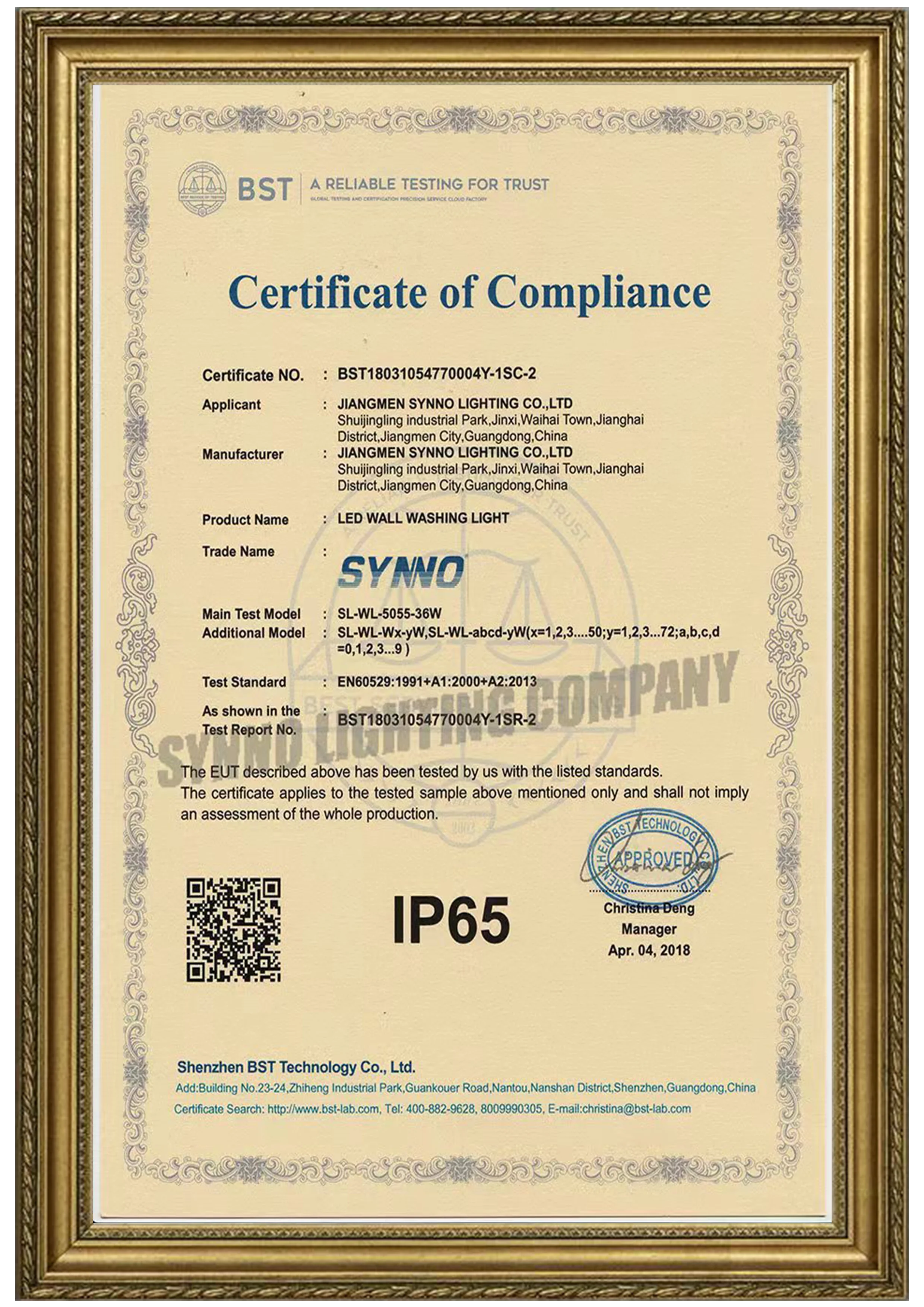
Weatherproof Design: Typically rated IP65 or higher for outdoor durability.
-
LED Technology: Efficient, long-lasting, and available in various color temperatures.
In short, these lamps combine practical illumination with aesthetic enhancement, making them perfect for both residential and commercial facades.
2. Why Choose Up & Down Lighting for Outdoor Architecture
Outdoor wall lamps with both upward and downward illumination do much more than brighten walls — they define architectural rhythm, texture, and proportion.
Here are some key reasons designers and homeowners prefer them:
a. Enhancing Architectural Geometry
Up and down lights accentuate vertical lines and shapes, emphasizing a building’s structure. When positioned evenly, they create a repetitive light pattern that draws attention to symmetry, height, and form.
b. Adding Depth and Texture
The dual beams wash the wall surface from top and bottom, revealing subtle details in materials like stone, concrete, brick, or wood. Textures that might go unnoticed by day come alive at night.
c. Creating Visual Drama
Contrasts of light and shadow give architecture a sculptural quality. The visual drama of illuminated vertical columns or tall facades enhances curb appeal and nighttime presence.
d. Functional and Safe Illumination
While primarily decorative, up and down lights also illuminate walkways, doorways, and building perimeters, improving safety and visibility without harsh glare.
e. Energy Efficiency
Modern LED versions consume minimal energy while producing powerful, focused beams. Many are also compatible with motion sensors or timers for smart control.
3. How Up & Down Lighting Works
The principle behind up and down lighting is straightforward yet effective:
Each fixture contains two LED modules — one aimed upward and one downward. These are often separated by an internal housing that prevents light mixing, ensuring clear directional beams.
Components Overview
-
Housing: Usually made of die-cast aluminum or stainless steel, protecting the LEDs.
-
Optical Lens: Shapes and controls beam angles.
-
LED Modules: Provide bright, efficient illumination.
-
Driver: Manages power and ensures stable operation.
-
Gaskets & Seals: Keep water and dust out for outdoor safety.
Light emitted from these modules spreads over the wall surface, creating tapered cones of light that meet in the center — a signature look of up and down fixtures.
4. Design Benefits: How They Transform Outdoor Spaces
When applied strategically, up and down lights can redefine how a building looks at night. Here’s how they achieve specific architectural lighting effects:
a. Vertical Emphasis
By projecting light both upward and downward, these lamps make walls appear taller. This is particularly effective on:
-
Narrow facades
-
Tall columns
-
Gate pillars
-
Modern minimalist buildings
b. Highlighting Surface Textures
When installed close to textured materials like stone or timber, up and down lighting emphasizes the surface’s grain and depth, creating rich shadows and visual interest.
c. Framing Entrances
Positioning these lights on either side of a doorway or gate adds symmetry and elegance. The soft glow creates a warm, welcoming entrance for guests.
d. Creating Light Rhythms
Multiple fixtures placed in sequence form repetitive light patterns, guiding the eye along a wall or pathway. This creates a sense of rhythm and continuity in the architecture.
e. Ambient Perimeter Lighting
Used along exterior walls, these lamps define the perimeter of a house or building, improving visibility while contributing to security.
5. Applications: Where to Use Up & Down Wall Lamps
Because of their versatility, up and down lights fit a wide range of outdoor applications. Below are some common — and creative — uses:
| Application Area | Purpose / Effect |
|---|---|
| Building Facades | Emphasize structure and surface materials |
| Pillars & Columns | Highlight vertical forms |
| Entrances & Doorways | Create symmetry and welcome lighting |
| Garden Walls & Boundaries | Define landscape edges |
| Balconies & Terraces | Add cozy, layered lighting |
| Hotels & Resorts | Accentuate architectural luxury |
| Commercial Complexes | Professional, upscale appearance |
| Pathways & Courtyards | Functional visibility + design balance |
The versatility of up and down lights allows designers to blend aesthetic enhancement with practical illumination in almost any outdoor setting.
6. Choosing the Right Fixture Style
Up and down outdoor lamps come in a wide range of shapes and finishes. Choosing the right one depends on your architectural theme.
a. Cylindrical Fixtures
-
Sleek and modern
-
Ideal for minimalist or contemporary facades
-
Often made from powder-coated aluminum
b. Square or Rectangular Fixtures
-
Offer geometric precision
-
Perfect for modern, industrial, or commercial buildings
c. Decorative or Textured Fixtures
-
Combine artistic flair with lighting function
-
Common in boutique hotels, cafes, and villas
d. Adjustable Beam Fixtures
-
Allow you to set different beam angles (e.g., 10° up / 30° down)
-
Excellent for custom architectural highlighting
Pro Tip: Always select fixtures that match your building’s materials and color palette — for instance, black matte lamps for gray stone, brushed steel for glass facades, or bronze tones for warm brick walls.
7. Lighting Design Considerations
To achieve the best visual results, consider the following lighting design principles:
a. Beam Angle
Beam angle determines how wide the light spreads.
-
Narrow (10°–25°): Creates dramatic spotlighting, ideal for tall facades.
-
Medium (30°–60°): Balanced effect for general wall washing.
-
Wide (90°–120°): Soft, ambient glow for broad surfaces.
For most architectural walls, a medium beam creates the perfect mix of highlight and softness.
b. Fixture Spacing
Proper spacing ensures uniform illumination. As a rule of thumb:
-
Place fixtures 1.5–2 times the wall height apart for balanced rhythm.
-
Closer spacing yields stronger visual patterns; wider spacing gives subtle ambiance.
c. Mounting Height
Mount lights around 1.8–2.2 meters above ground for optimal coverage and symmetry.
d. Color Temperature
Color temperature dramatically affects atmosphere:
| Color Temperature | Effect / Mood | Recommended Use |
|---|---|---|
| 2700K – 3000K (Warm White) | Cozy, inviting, residential feel | Homes, villas, restaurants |
| 4000K (Neutral White) | Balanced, natural look | Commercial buildings |
| 5000K – 6000K (Cool White) | Crisp, modern, high contrast | Contemporary architecture, hotels |
8. Material and Durability: What to Look For
Outdoor wall lamps are exposed to the elements, so material quality matters greatly for long-term performance.
a. Aluminum Alloy
-
Lightweight and corrosion-resistant
-
Excellent for modern designs
-
Usually powder-coated for UV protection
b. Stainless Steel
-
Strong and weatherproof
-
Ideal for coastal or humid environments
c. Tempered Glass or Acrylic Diffusers
-
Evenly distribute light and protect LEDs
-
Scratch- and UV-resistant
d. IP Rating
Choose at least IP65 for reliable protection against rain and dust. For extreme environments, IP66 or IP67 is even better.
9. The Role of LED Technology
LEDs revolutionized outdoor lighting by combining energy efficiency, long life, and precise control.
Key Advantages:
-
Low Power Consumption: Up to 90% less energy than halogen.
-
Long Lifespan: 30,000–50,000 hours or more.
-
Low Heat Emission: Safe for enclosed fixtures.
-
Varied CCT Options: From warm to cool white.
-
Compact Design: Enables sleek, minimal housings.
LEDs also allow precise beam shaping, making them ideal for architectural lighting where directionality is key.
10. Installation Tips for Best Results
Proper installation ensures both performance and longevity.
Step 1: Plan Your Layout
Map out fixture positions, wiring routes, and desired beam coverage. Consider symmetry and focal points.
Step 2: Ensure Safe Wiring
-
For 220V systems, always hire a qualified electrician.
-
Use waterproof junction boxes and conduits.
-
If using low-voltage (12V/24V) models, ensure compatible drivers.
Step 3: Mount Securely
Use stainless steel screws and wall plugs. Ensure a tight seal between the fixture and wall surface.
Step 4: Check Beam Alignment
Before final tightening, power on and verify beam direction and symmetry.
Step 5: Apply Waterproof Sealing
Seal all joints to prevent moisture intrusion — especially crucial in coastal or rainy climates.
11. Creative Design Ideas Using Up & Down Wall Lamps
a. Vertical Wall Columns
Install fixtures at regular intervals to highlight vertical columns, enhancing rhythm and height perception.
b. Stone or Concrete Texture Accents
Use narrow-beam fixtures to graze light across rough stone or concrete — perfect for highlighting natural textures.
c. Framing Architectural Details
Position lights beneath overhangs or between windows to emphasize lines and structure.
d. Layering with Other Lighting
Combine up/down lights with ground spotlights, path lights, or recessed step lights for multi-dimensional illumination.
e. Artistic Light Patterns
Experiment with beam angles to create arrow-like or triangular patterns on the wall — adding visual interest.
f. Mixed Color Temperatures
Blend warm and cool white fixtures to create contrast between different architectural zones.
12. Maintenance and Longevity
To keep outdoor wall lamps performing beautifully:
-
Clean lenses and housings regularly with mild soap and water.
-
Inspect gaskets and seals after heavy rainfall.
-
Avoid chemical cleaners that damage coatings.
-
Check wiring connections annually for corrosion.
-
Replace damaged LEDs or drivers promptly with matching components.
Well-maintained LED fixtures can easily last a decade or more with consistent brightness.
13. Sustainability and Smart Control Integration
Many modern up/down lamps now integrate smart technology for greater control and sustainability:
-
Motion Sensors: Automatically turn lights on when motion is detected.
-
Dusk-to-Dawn Sensors: Operate only when needed at night.
-
Dimming Features: Adjust brightness for energy savings.
-
Wi-Fi / Bluetooth Control: Manage lights via smartphone or building automation systems.
Combined with LED efficiency, these features make up/down lighting an eco-friendly architectural solution.
14. Final Thoughts
Up & Down Outdoor Wall Lamps are more than just lighting fixtures — they’re architectural tools that shape how a building feels and functions at night.
They can transform flat facades into dynamic canvases of light and shadow, add rhythm to minimalist structures, and enhance the safety and allure of outdoor spaces.
With the right combination of design, placement, color temperature, and quality materials, up and down wall lights become silent yet powerful storytellers — revealing the beauty of architecture even after the sun goes down.
Whether you’re designing a private villa, a resort, or a commercial complex, incorporating Up & Down Outdoor Wall Lamps will elevate your lighting design from functional to visually inspiring.