How to Choose the Right Recessed LED Spotlight for Your Indoor Space
Lighting is one of the most powerful tools in interior design. It can completely transform how a space feels — from cozy and warm to modern and dynamic. Among the many lighting options available today, recessed LED spotlights stand out as one of the most elegant and functional choices.
But with so many specifications, styles, and technologies in the market, how do you choose the right recessed LED spotlight for your home, office, or commercial project?
In this guide, we’ll explain everything you need to know: what recessed LED spotlights are, how they work, the factors you should consider when buying them, and professional tips to get the best results.
1. What Is a Recessed LED Spotlight?
A recessed LED spotlight (also known as a downlight or can light) is a type of lighting fixture that is installed flush with the ceiling. Unlike surface-mounted lights, it sits inside the ceiling cavity, offering a clean, minimal look with powerful illumination.
Each recessed LED spotlight typically consists of:
-
Trim: The visible outer ring that gives the light its style.
-
Housing: The concealed body that holds the LED module and driver.
-
Light Source (LED Chip): The LED that produces the light.
-
Driver: The electrical component that regulates current to the LED.
These spotlights are ideal for modern interiors because they combine aesthetics and performance — providing directional lighting without cluttering the ceiling.
2. Why Choose LED Instead of Halogen or Fluorescent?
Before LEDs became mainstream, recessed spotlights often used halogen or compact fluorescent bulbs. However, LEDs have now become the dominant choice for several reasons:
✅ Energy Efficiency
LEDs consume up to 80% less power than halogen lights for the same brightness level.
✅ Long Lifespan
A good LED spotlight can last 25,000–50,000 hours, compared to 2,000 for halogen. That means less maintenance and fewer replacements.
✅ Low Heat Emission
Unlike halogen lights that get hot, LEDs stay cool, making them safer and ideal for confined ceiling spaces.
✅ Design Flexibility
LEDs come in multiple beam angles, color temperatures, and control options (like dimming and smart systems).
✅ Eco-Friendly
They contain no mercury, produce less carbon, and are fully recyclable.
For modern interior lighting, LED recessed spotlights are the most sustainable and cost-effective choice.
3. Types of Recessed LED Spotlights
Understanding the main types will help you choose the right fixture for your needs.
A. Fixed Recessed Spotlights
These lights emit a fixed beam straight downward.
-
Best for: General lighting in hallways, offices, or bedrooms.
-
Pros: Simple, cost-effective, and reliable.
B. Adjustable (Gimbal or Tilt) Spotlights
These have a pivoting mechanism that allows you to tilt the light beam to highlight artwork, furniture, or architectural features.
-
Best for: Accent lighting and task lighting.
-
Pros: Flexible and directional.
C. Trimless Recessed Spotlights
Installed seamlessly without visible trim, blending perfectly with plaster ceilings.
-
Best for: Luxury or minimalist interiors.
-
Pros: Ultra-modern, sleek appearance.
D. Deep-Recessed Anti-Glare Spotlights
The LED chip sits deeper inside the housing, reducing glare and improving visual comfort.
-
Best for: Living rooms, hotels, galleries, and offices.
E. Multi-Head Spotlights
These fixtures combine multiple adjustable spotlights in one housing.
-
Best for: Retail, museums, or high-ceiling spaces.
4. Understanding Key Lighting Specifications
Choosing recessed LED spotlights isn’t just about style — it’s about performance. Let’s break down the main technical terms you’ll see on product datasheets.
A. Lumen Output (Brightness)
Measured in lumens (lm), this indicates how bright the light is.
-
Bedrooms: 300–500 lm per light
-
Living rooms: 500–800 lm per light
-
Kitchens and bathrooms: 800–1,200 lm per light
B. Wattage (Power Consumption)
The wattage shows how much energy the light uses. A 7–10W LED spotlight typically replaces a 50W halogen bulb.
C. Color Temperature (CCT)
Measured in Kelvin (K):
-
2700K–3000K (Warm White): Cozy and relaxing, ideal for bedrooms or lounges.
-
3500K–4000K (Neutral White): Balanced and bright, perfect for kitchens and offices.
-
5000K–6500K (Cool White): Crisp and vibrant, great for commercial and display areas.
D. Color Rendering Index (CRI)
CRI measures how accurately colors appear under the light.
-
CRI 80–85: Standard residential use.
-
CRI 90+: For art galleries, retail, or design-conscious interiors.
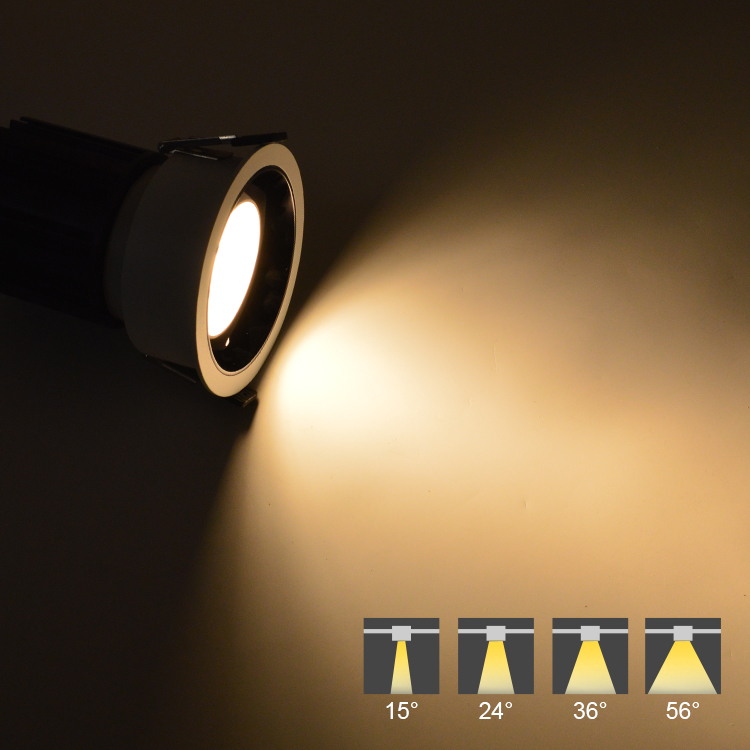
E. Beam Angle
The beam angle determines the spread of light:
-
15°–24° (Narrow Beam): Focused spot, ideal for accent lighting.
-
36°–60° (Wide Beam): Broader coverage for general lighting.
F. Dimmability
Dimmable spotlights give you flexibility to adjust brightness levels, perfect for mood lighting or multi-purpose rooms.
G. Driver Quality
A reliable LED driver ensures stable performance, protects against flicker, and extends lifespan. Choose branded or certified drivers for quality assurance.
5. Design and Aesthetic Considerations
Lighting design plays a huge role in how your space feels. Here’s how recessed LED spotlights can fit into different interior styles:
| Interior Style | Recommended Spotlight Type | Color Temperature |
|---|---|---|
| Modern / Minimalist | Trimless or deep anti-glare | 4000K neutral white |
| Industrial | Black adjustable spotlights | 3000K warm white |
| Classic / Cozy | Fixed recessed with gold or white trim | 2700K–3000K |
| Commercial / Retail | Multi-head or track recessed | 4000K–5000K |
Aesthetics matter — the trim color (white, black, chrome, brushed aluminum, or gold) can complement your ceiling and furniture tones.
6. How Many Recessed LED Spotlights Do You Need?
This depends on:
-
Room Size
-
Ceiling Height
-
Brightness Requirement (Lux)
Example:
For a living room (20 m²):
-
Desired brightness: ~200 lux
-
Total lumens needed: 20 m² × 200 = 4,000 lumens
-
Using 8W spotlights (600 lumens each):
→ 4,000 ÷ 600 ≈ 7 lights
Tip: Always distribute spotlights evenly and avoid shadows by spacing them about 1–1.2 meters apart.
7. Installation and Placement Tips
A. Ceiling Type
Recessed lights require a false ceiling or cavity to house the fixture. Make sure there’s enough depth (usually 6–10 cm).
B. Avoid Glare
Position lights slightly away from walls or seating areas to prevent direct glare.
C. Highlight Features
Use adjustable lights to focus on artwork, textured walls, or plants.
D. Layer Your Lighting
Combine recessed spotlights with pendants, wall sconces, or LED strips for a balanced lighting scheme.
E. Electrical Preparation
Plan wiring and cut-out dimensions carefully. Always confirm driver placement and ensure easy access for maintenance.
F. Professional Installation
Although recessed LED spotlights are relatively simple, professional installation ensures proper wiring, alignment, and safety.
8. Choosing Quality: Material, Heat Dissipation, and Brand Reliability
The build quality of your spotlight directly affects longevity and safety.
A. Housing Material
Opt for aluminum or die-cast aluminum housing — it’s lightweight, durable, and excellent at heat dissipation.
B. Heat Sink Design
A larger, well-finned heat sink keeps the LED chip cool, extending lifespan and maintaining brightness.
C. Lens and Diffuser
Choose optical lenses for focused beams or frosted diffusers for softer lighting.
D. Driver Brand
Use certified drivers (like Philips, Lifud, or Mean Well) to ensure flicker-free performance and stable current supply.
E. Certification and Warranty
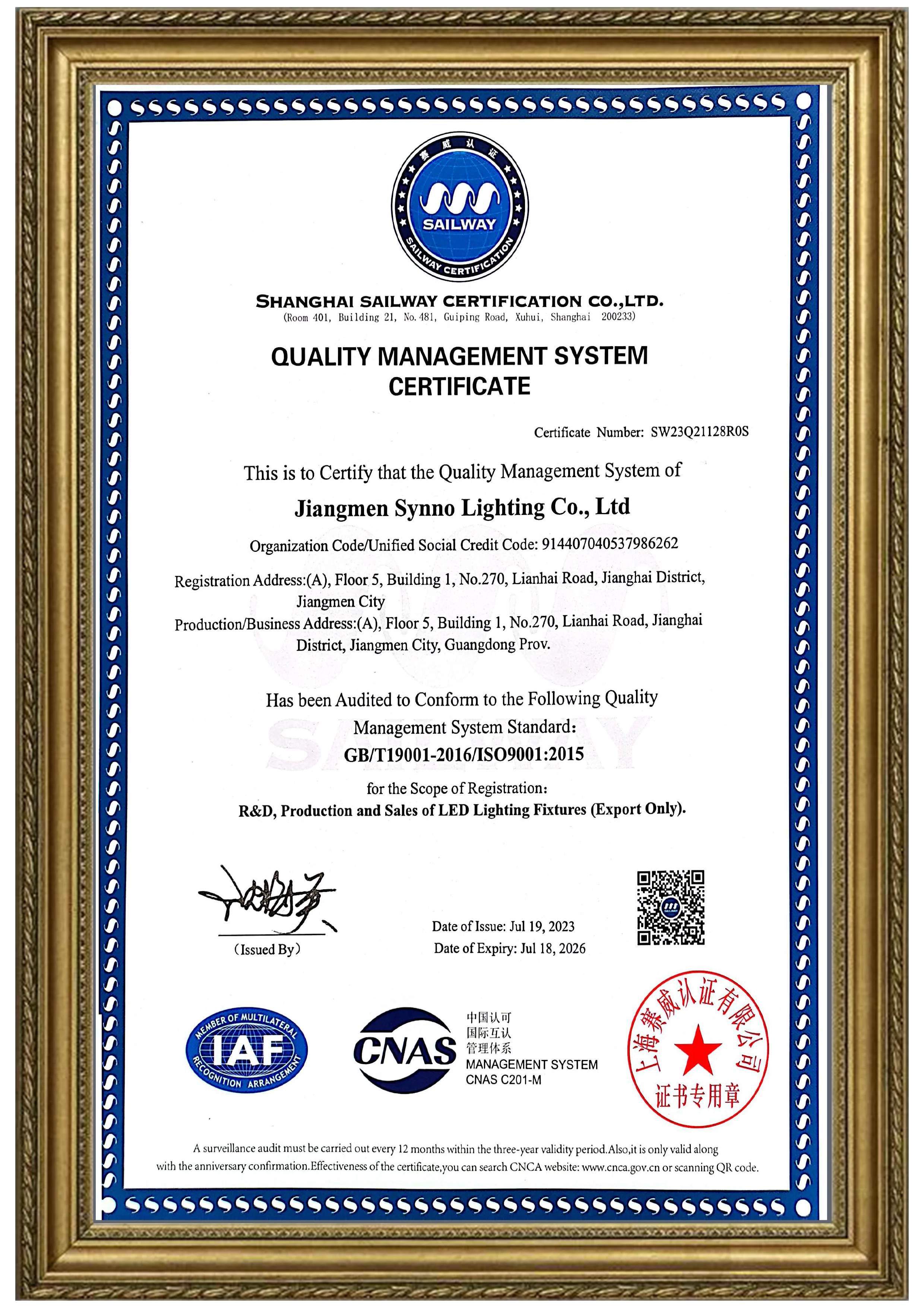
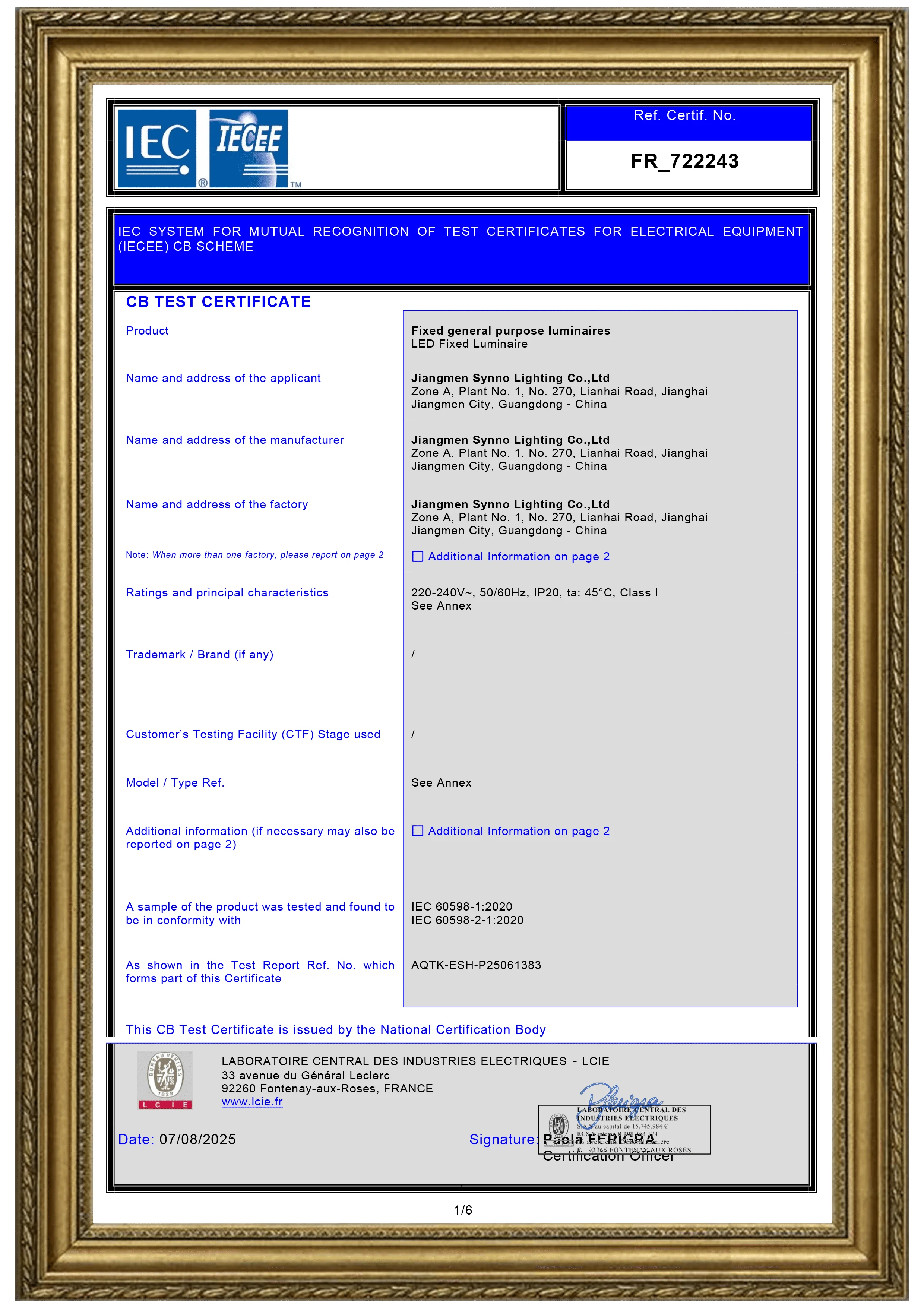
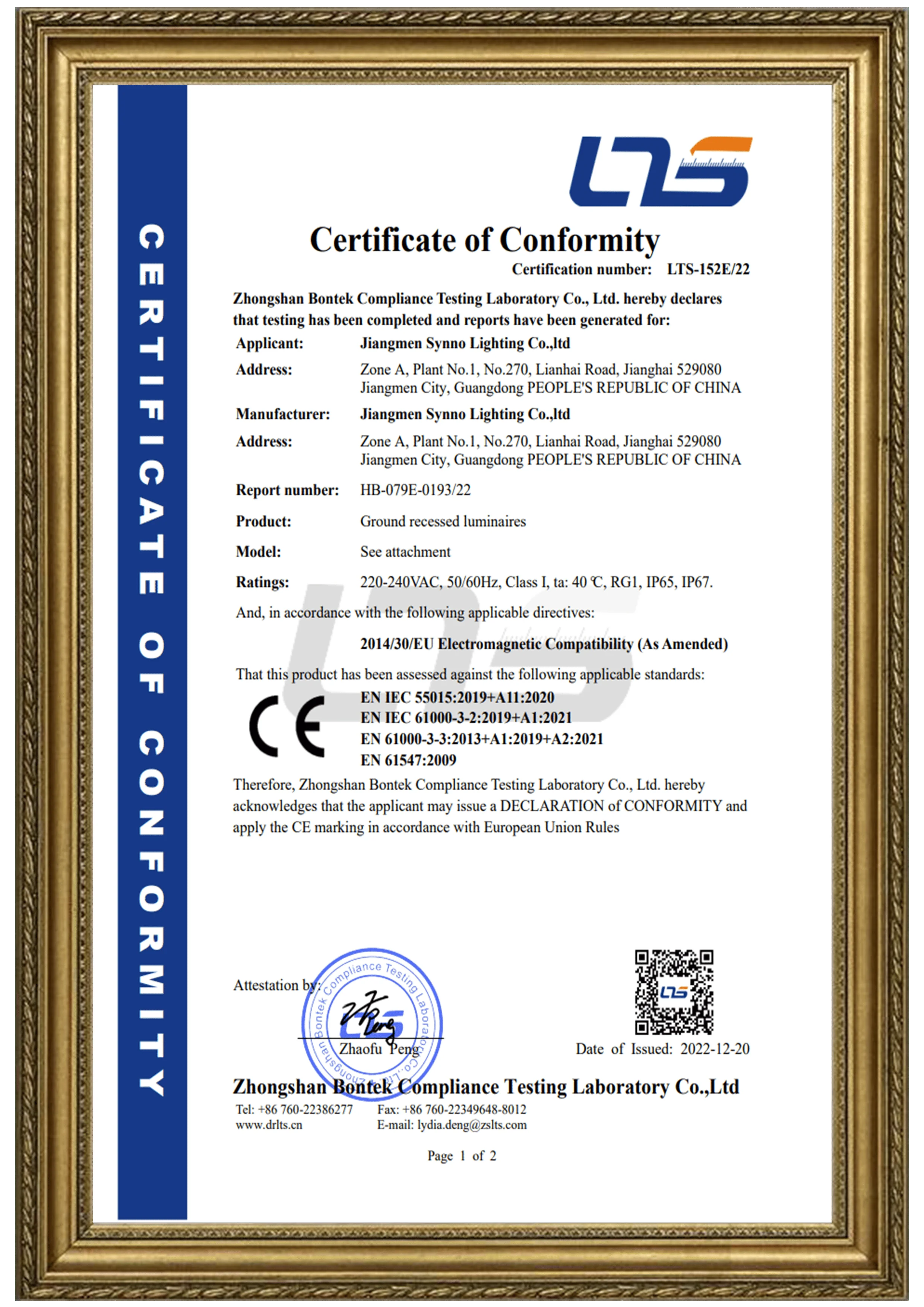
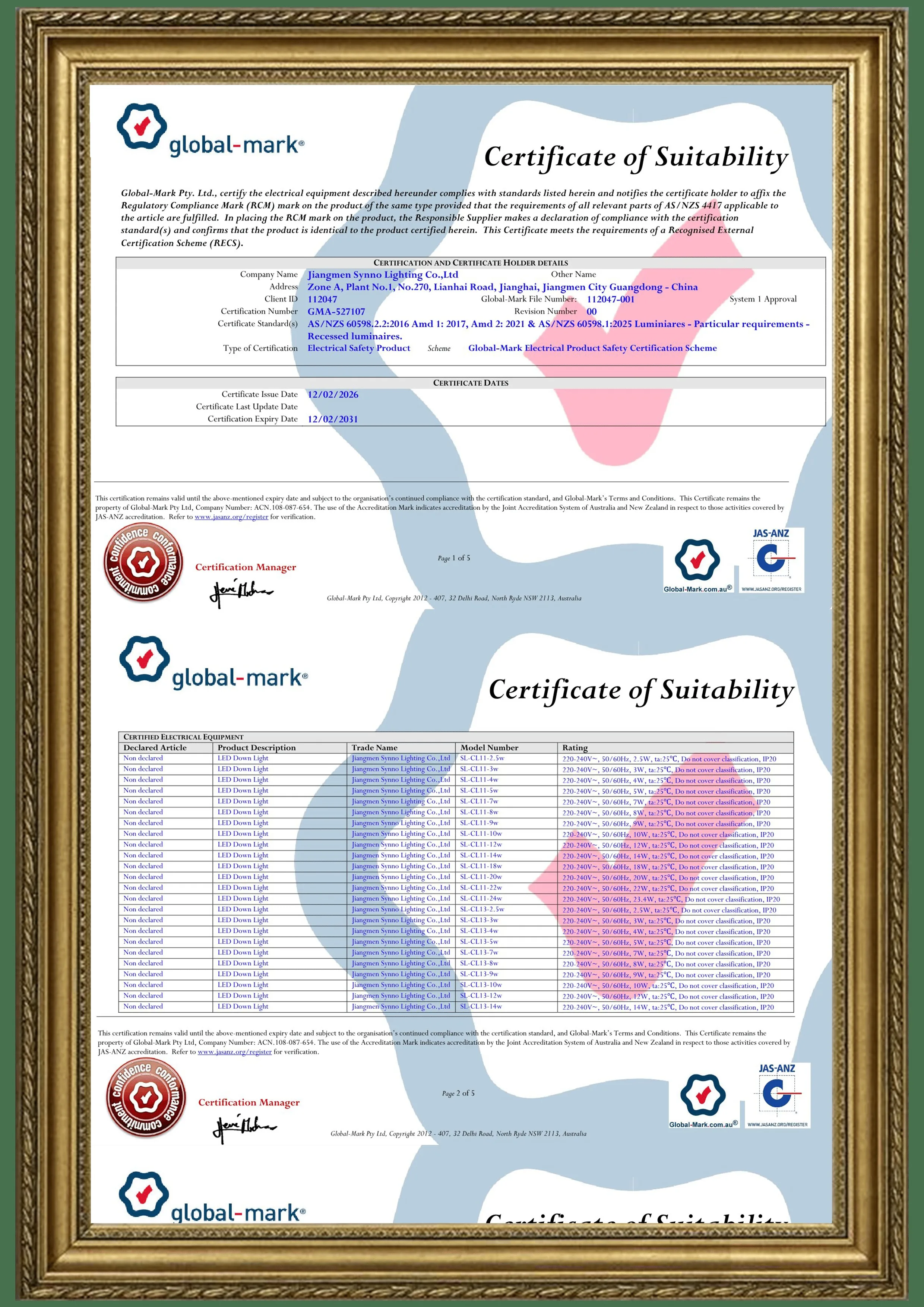
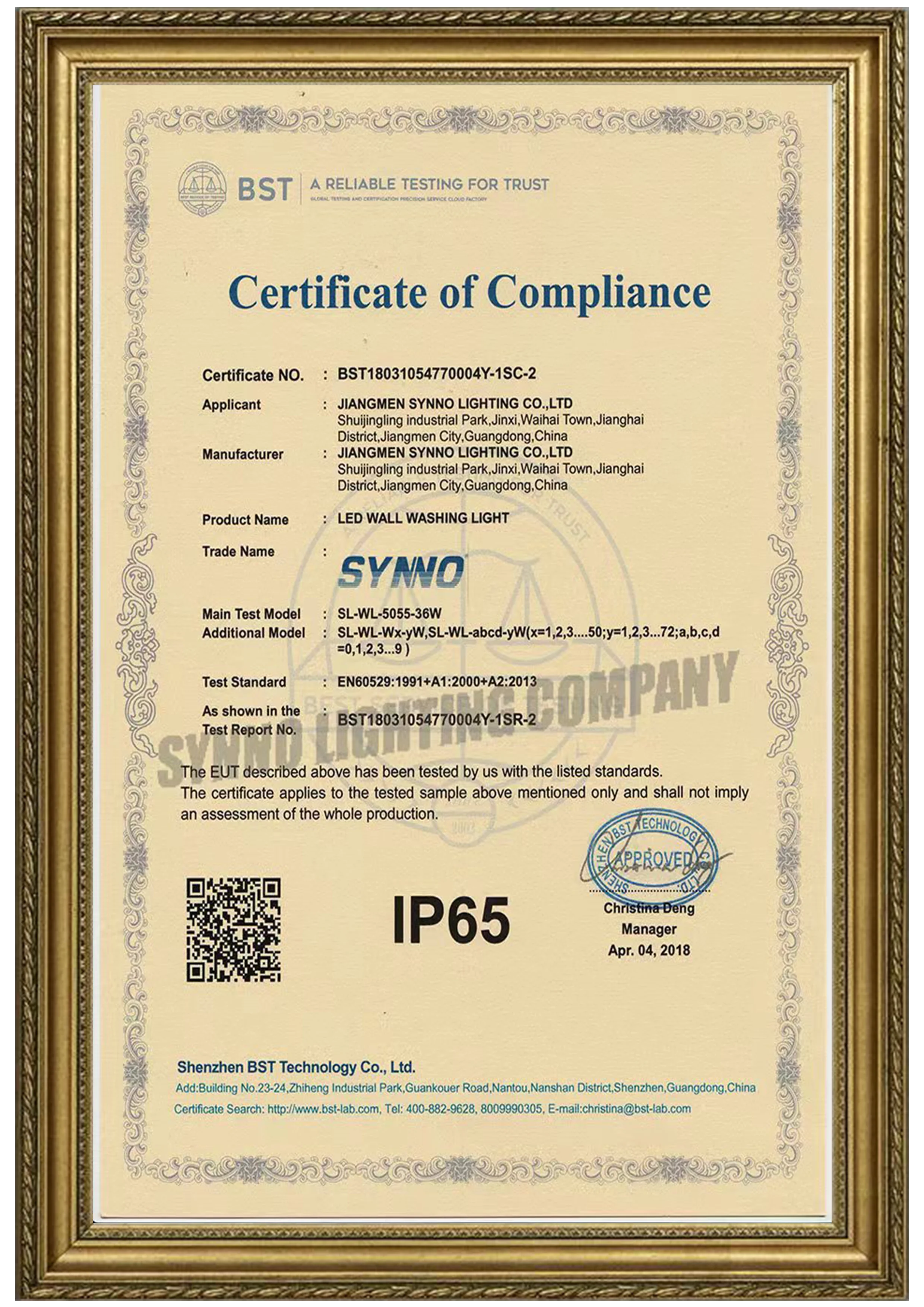
Check for CE, RoHS, or UL certifications. A reputable manufacturer will offer at least 3–5 years warranty.
9. Dimmable and Smart Control Options
Modern recessed LED spotlights can do much more than turn on and off.
-
Triac Dimming: Common in residential settings.
-
0–10V or DALI Dimming: Ideal for commercial and office applications.
-
Smart Controls: Integrate with Alexa, Google Home, or app-based systems to adjust brightness, color, and scheduling.
Smart recessed lighting is the future — adding comfort, energy efficiency, and modern appeal.
10. Cost vs. Value: Finding the Right Balance
When comparing products, don’t just focus on price. Consider:
-
Luminous efficacy (lm/W)
-
Material quality
-
Warranty period
-
After-sales support
A low-cost fixture might save money upfront but cost more in maintenance or replacements over time. Investing in premium recessed LED spotlights ensures performance, safety, and design consistency.
11. Maintenance and Lifespan Tips
To keep your recessed LED spotlights performing at their best:
-
Clean trims and diffusers regularly to prevent dust buildup.
-
Avoid using them in extremely humid environments unless rated IP44 or higher.
-
Check drivers occasionally for signs of overheating or flicker.
-
If one light fails early, inspect the driver rather than just replacing the lamp.
12. Common Mistakes to Avoid
-
Over-Lighting a Room – Too many fixtures can make the space harsh.
-
Wrong Color Temperature – 6500K in a living room feels too clinical.
-
Ignoring Ceiling Depth – Some spotlights need more space for installation.
-
Mixing Different Beam Angles – Leads to uneven lighting.
-
Buying Low-Quality Products – Poor heat dissipation shortens LED lifespan.
13. Application Scenarios
Residential Spaces
-
Living rooms: Adjustable anti-glare spotlights for layered illumination.
-
Bedrooms: Warm, dimmable fixed spotlights for relaxation.
-
Kitchens: Bright neutral white for functionality.
-
Bathrooms: IP44 recessed spotlights for moisture resistance.
Commercial Spaces
-
Retail stores: CRI 90+ lights to make products look appealing.
-
Offices: Neutral white lights with wide beam angles for comfort.
-
Hotels: Trimless, low-glare spotlights to enhance luxury aesthetics.
14. Sustainability and the Future of LED Spotlights
Recessed LED technology continues to advance toward sustainability and smart integration. Expect future fixtures to include:
-
Improved heat management systems.
-
Higher luminous efficacy (150+ lm/W).
-
Recyclable materials.
-
Smart IoT controls with adaptive lighting that responds to occupancy and daylight levels.
By investing in LED recessed spotlights now, you’re choosing a long-term solution that aligns with global sustainability goals.
15. Final Thoughts
Choosing the right recessed LED spotlight is about balancing aesthetics, performance, and efficiency. Consider your space, purpose, and lighting goals — and always prioritize quality materials, proper beam angles, and reliable drivers.
Whether you’re designing a cozy home, a stylish retail space, or a professional office, recessed LED spotlights offer timeless elegance, energy savings, and lighting precision that elevate any environment.
Invest wisely — and your lighting will not only brighten your space but enhance your lifestyle for years to come.