How to Choose the Right LED Window Sill Light for Your Space
When it comes to modern architectural lighting, LED window sill lights are increasingly becoming a preferred choice for both residential and commercial spaces. Whether used to highlight the sleek lines of a building, add depth to interior décor, or provide subtle functional illumination, these lights combine aesthetic appeal, energy efficiency, and durability.
However, with so many options available in the market, choosing the right LED window sill light can be overwhelming. This article will guide you through everything you need to know, from understanding their purpose to identifying the key features that matter most.
1. What Are LED Window Sill Lights?
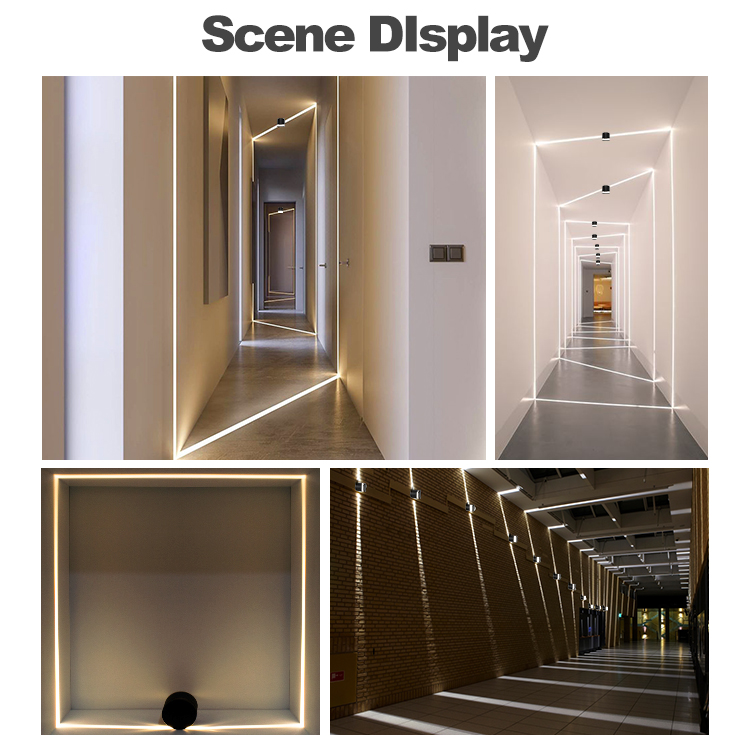
LED window sill lights are slim, compact fixtures installed along the edge of a window sill—either indoors or outdoors. They create a soft glow that enhances the architectural lines of the window while providing functional illumination.
Applications:
-
Residential homes: Highlighting modern interiors or framing windows at night.
-
Commercial buildings: Enhancing architectural facades, offices, and retail displays.
-
Hospitality industry: Creating inviting atmospheres in hotels, cafés, and restaurants.
-
Public projects: Illuminating government or cultural buildings for dramatic nighttime impact.
2. Why Use LED Window Sill Lights?
Before diving into selection criteria, it’s important to understand the benefits these fixtures provide.
a) Aesthetic Enhancement
Window sill lighting adds dimension and drama to a building’s appearance, making it stand out at night.
b) Energy Efficiency
LEDs consume up to 80% less energy compared to traditional halogen or incandescent lights, ensuring lower operating costs.
c) Long Lifespan
High-quality LED sill lights can last 30,000–50,000 hours, reducing replacement frequency.
d) Safety and Comfort
Window sill lights improve visibility and reduce glare by providing indirect, diffused lighting.
e) Versatility
They can be customized in different color temperatures, beam angles, and IP ratings for both indoor and outdoor use.
3. Key Considerations When Choosing LED Window Sill Lights
a) Purpose and Application
Ask yourself: Why do I need LED sill lighting?
-
For decorative purposes: Look for RGB or tunable white lights for flexibility.
-
For architectural emphasis: Narrow beam angles (15°–30°) are best to highlight clean lines.
-
For general lighting: Choose a medium beam angle (45°–60°) for even illumination.
b) Color Temperature (CCT)
-
Warm White (2700K–3000K): Creates a cozy, welcoming atmosphere for homes and hotels.
-
Neutral White (3500K–4000K): Balanced light ideal for offices and retail spaces.
-
Cool White (5000K–6500K): Crisp and bright, often used in commercial buildings and outdoor façades.
c) CRI (Color Rendering Index)
A higher CRI (80–95+) ensures colors look natural under the light—important for retail stores, art galleries, and luxury interiors.
d) Wattage and Brightness
-
Indoor sill lights: 3W–10W is usually sufficient.
-
Outdoor architectural lights: 10W–30W depending on façade size and required brightness.
e) Material Quality
-
Aluminum housing: Provides excellent heat dissipation and durability.
-
Stainless steel trims: Resist corrosion in outdoor applications.
-
Tempered glass covers: Protect LEDs from dust, moisture, and impact.
f) Beam Angle
-
Narrow beams (15°–30°): For highlighting specific design features.
-
Wide beams (60°–120°): For general illumination across larger areas.
g) IP Rating (Ingress Protection)
-
Indoor use: IP20–IP40.
-
Outdoor use: At least IP65 for protection against rain and dust.
-
Harsh environments (near sea or industrial areas): Consider IP67 or IP68 for complete waterproofing.
h) Dimming and Control Options
-
Triac or 0–10V dimming: Allows you to adjust brightness for different moods.
-
Smart controls: Integration with Wi-Fi or DMX systems for advanced scene-setting.
4. Indoor vs Outdoor LED Window Sill Lights
Indoor Sill Lights
-
Typically low-wattage and slim in design.
-
Focused on decorative purposes and ambiance.
-
Often paired with downlights, spotlights, and track lights for layered lighting.
Outdoor Sill Lights
-
More robust, with waterproof housings and stronger brightness.
-
Used to emphasize architectural features or improve security.
-
Often combined with wall washers, flood lights, and garden lights for complete façade illumination.
5. Installation Considerations
Proper installation ensures both safety and performance.
-
Recessed installation: Sleek, flush design for modern aesthetics.
-
Surface-mounted installation: Easier to install but slightly more visible.
-
Wiring and power supply: Ensure compatibility with low-voltage (12V/24V) or high-voltage (110V/220V) systems.
-
Driver quality: A high-quality LED driver ensures stable current, flicker-free light, and longer lifespan.
? Tip: Always consult with a lighting professional to avoid improper wiring or water ingress problems.
6. Design Ideas for LED Window Sill Lighting
-
Highlighting modern architecture: Use cool white linear sill lights to accentuate glass façades.
-
Creating warm ambiance indoors: Install warm white lights along bedroom or living room windows.
-
Retail showcases: Combine sill lights with track lighting to highlight merchandise displays.
-
Public spaces: Use RGB sill lights for dynamic color-changing effects on civic buildings.
7. Common Mistakes to Avoid
-
Choosing indoor-rated lights for outdoor use, leading to early failure.
-
Ignoring CRI, which affects how true colors look.
-
Installing without proper heat dissipation, shortening LED lifespan.
-
Buying cheap fixtures with poor-quality drivers, causing flicker and failure.
-
Over-lighting or under-lighting the sill area, creating imbalance.
8. Frequently Asked Questions (FAQ)
Q1: Can LED window sill lights be dimmed?
Yes, but you need to ensure the fixture supports dimming and use a compatible driver or dimmer.
Q2: Are they safe for bathrooms or humid areas?
Yes, as long as you choose a fixture with a proper IP rating (IP44 or higher).
Q3: How long do they last?
High-quality LED sill lights typically last 30,000–50,000 hours.
Q4: Can they be installed without professional help?
Surface-mounted indoor lights can be DIY-installed, but outdoor or recessed installations are best handled by electricians.
Q5: Do they add value to property design?
Absolutely. Architectural lighting, including sill lights, enhances property aesthetics and curb appeal.
9. Why Choose Professional-Grade LED Window Sill Lights
While low-cost models may be tempting, professional-grade sill lights offer:
-
Better heat dissipation for longer lifespan.
-
Reliable IP protection for outdoor durability.
-
High-quality drivers and chips for stable, flicker-free light.
-
Sleek designs that blend with modern architecture.
As a leading manufacturer of outdoor wall lights, underground lights, flood lights, garden lights, wall washers, downlights, and track lights, we design LED sill lights that combine durability, aesthetics, and efficiency for both residential and commercial projects.
Conclusion
Choosing the right LED window sill light requires careful consideration of purpose, brightness, color temperature, beam angle, material quality, and IP rating. The correct choice not only enhances the beauty of your space but also ensures long-term performance, energy savings, and durability.
Whether you are upgrading a residential home, designing a retail store, or illuminating a commercial façade, professional-grade LED sill lights are a smart investment that delivers both functionality and style.