The Role of Heat Dissipation and Driver Quality in LED Flood Light Longevity
LED flood lights have become the go-to solution for illuminating outdoor areas such as gardens, building facades, sports arenas, warehouses, and parking lots. Known for their energy efficiency, brightness, and long lifespan, they offer a significant improvement over traditional lighting systems like halogen, metal halide, or sodium lamps.
However, the performance and longevity of an LED flood light do not depend only on the LED chips themselves. Two critical factors—heat dissipation and driver quality—play a central role in determining whether your flood light will last 50,000 hours or more as advertised, or fail prematurely.
This article explores why these two aspects matter, how they influence LED flood light performance, and what buyers should look for when selecting reliable products.
Why LED Flood Light Longevity Matters
One of the biggest promises of LED technology is its long operational life. A high-quality LED flood light can last 5–10 years, depending on usage. This makes them a cost-effective solution for businesses, municipalities, and homeowners because:
-
Reduced maintenance costs – fewer replacements and repairs.
-
Lower energy bills – up to 80% energy savings compared to halogen flood lights.
-
Improved safety – reliable lighting reduces dark spots in outdoor areas.
-
Environmental benefits – fewer replacements mean less waste.
But if the light is poorly designed—especially in terms of thermal management and driver stability—it can fail within months, wasting both money and effort.
1. The Role of Heat Dissipation in LED Flood Lights
a) Why Heat Management Is Critical
LED chips themselves do not generate much heat, but the semiconductor junction inside them is sensitive to temperature. When excessive heat builds up without proper dissipation, it can cause:
-
Reduced luminous output (brightness drops over time).
-
Color shifts (light becomes yellowish or uneven).
-
Shortened lifespan (premature burnout).
The principle is simple: the cooler an LED runs, the longer it lasts.
b) Heat Dissipation Design Features
High-performance LED flood lights incorporate several strategies to manage heat:
-
Aluminum Heat Sinks
-
Die-cast or extruded aluminum is widely used because it conducts heat efficiently.
-
The larger the surface area, the better the heat dissipation. Many flood lights feature finned designs to increase surface area.
-
-
Thermal Interface Materials (TIMs)
-
Materials such as thermal paste or pads help transfer heat from the LED chip to the heat sink.
-
Poor quality or missing TIMs can trap heat and cause LED degradation.
-
-
Housing Design
-
The body of the flood light itself often serves as a radiator.
-
Slim but well-ventilated designs balance aesthetics with performance.
-
-
IP-Rated Enclosures
-
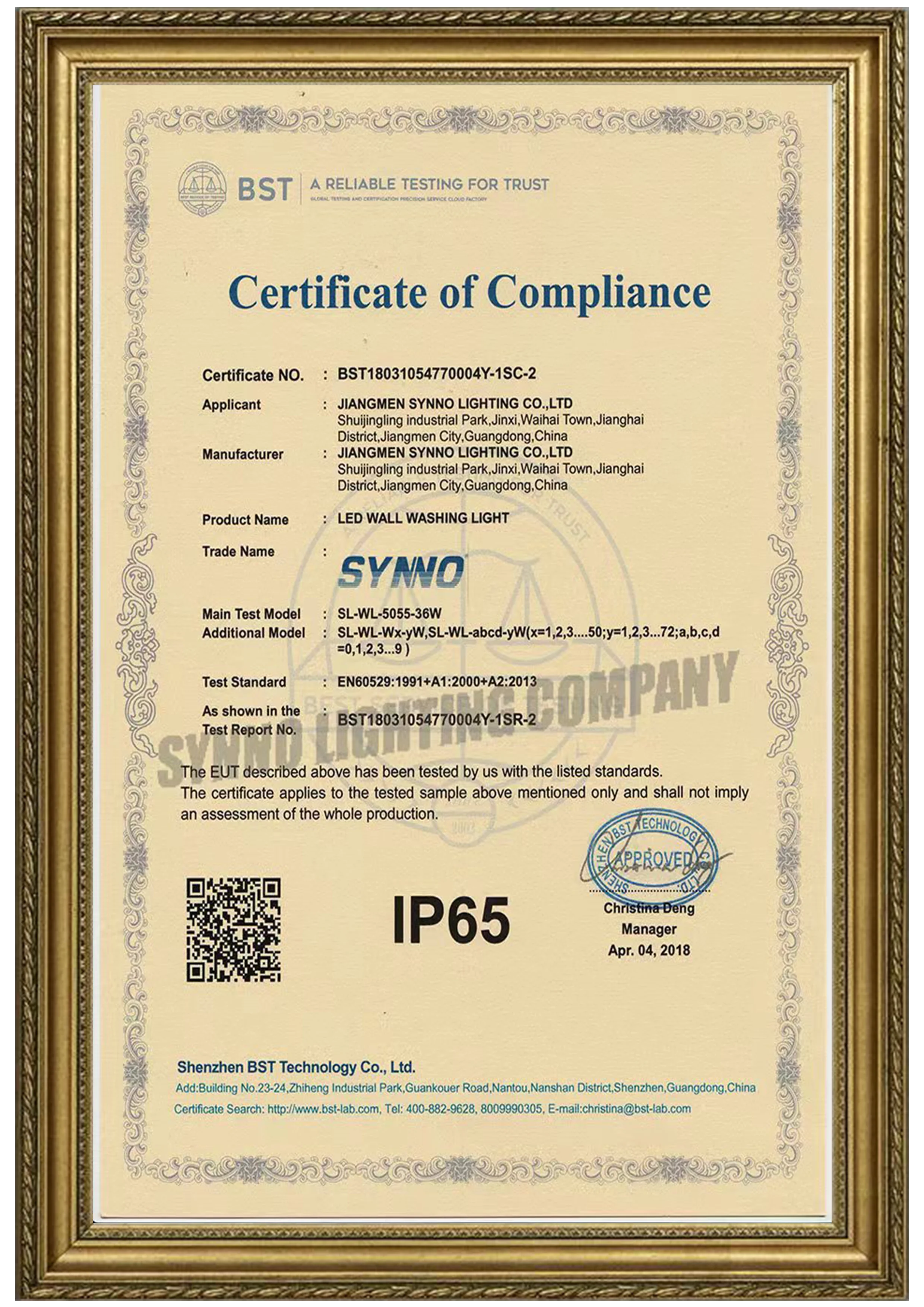
Waterproof flood lights (IP65 or higher) must balance sealing against water with adequate ventilation for heat release.
-
c) The Link Between Heat and Performance
-
A 10°C rise in LED junction temperature can reduce lifespan by up to 30%.
-
Poor heat dissipation leads to thermal runaway, where higher temperatures accelerate LED degradation.
-
Good thermal design allows the flood light to maintain brightness and color consistency over years of use.
✅ Key takeaway: Always choose LED flood lights with die-cast aluminum housing, visible heat sinks, and a robust design for optimal heat dissipation.
2. The Role of Driver Quality in LED Flood Lights
a) What Is an LED Driver?
An LED driver is the electronic component that converts incoming AC power into the low-voltage DC power required by LEDs. Think of it as the “power supply” or “engine” of the light.
Without a stable and reliable driver, even the best LED chips cannot perform well.
b) Why Driver Quality Matters
-
Stable Power Supply
-
Protects LEDs from voltage fluctuations and surges.
-
Prevents flickering that can cause eye strain and discomfort.
-
-
Longevity
-
A poor driver is often the first component to fail, cutting the life of the entire fixture short.
-
A high-quality driver can last as long as the LEDs themselves.
-
-
Efficiency
-
Good drivers operate at high efficiency (>85%), reducing wasted energy.
-
-
Dimming and Smart Features
-
Premium drivers support 0-10V, DALI, or smart dimming systems, making flood lights more versatile.
-
c) Signs of a Poor Driver
-
Flickering light.
-
Delayed startup.
-
Audible buzzing or humming.
-
Rapid decline in brightness.
d) Branded vs. Generic Drivers
Top manufacturers like Mean Well, Philips, or Osram produce drivers with proven stability, thermal protection, and surge resistance. Generic drivers may be cheaper but often fail early, negating the cost savings.
✅ Key takeaway: When evaluating flood lights, ask about the driver brand, dimming compatibility, and efficiency rating.
3. How Heat Dissipation and Driver Quality Work Together
Heat and driver performance are closely linked:
-
A poorly ventilated flood light leads to driver overheating, causing premature failure.
-
A weak driver without thermal protection cannot manage heat buildup, further stressing the LED chips.
In other words, both factors must work in harmony for the light to achieve its full rated lifespan.
4. Choosing the Right LED Flood Light: A Checklist
When selecting LED flood lights for your home, business, or outdoor project, consider the following:
-
Material and Heat Sink
-
Is the housing made from die-cast aluminum?
-
Are there fins or extended surfaces for heat dissipation?
-
-
Driver Quality
-
Which brand supplies the driver?
-
Is it flicker-free and efficient?
-
Does it support dimming or smart controls if needed?
-
-
IP Rating
-
For outdoor use, ensure at least IP65 protection against dust and rain.
-
-
Lumen Output and Efficiency
-
Choose based on your required brightness (lumens) rather than wattage alone.
-
-
CRI and Color Temperature
-
For architectural lighting, CRI 80+ or 90+ ensures accurate color rendering.
-
Select color temperatures based on use: warm white (3000K) for cozy ambiance, cool white (5000K–6000K) for bright, task-oriented lighting.
-
-
Warranty and Certification
-
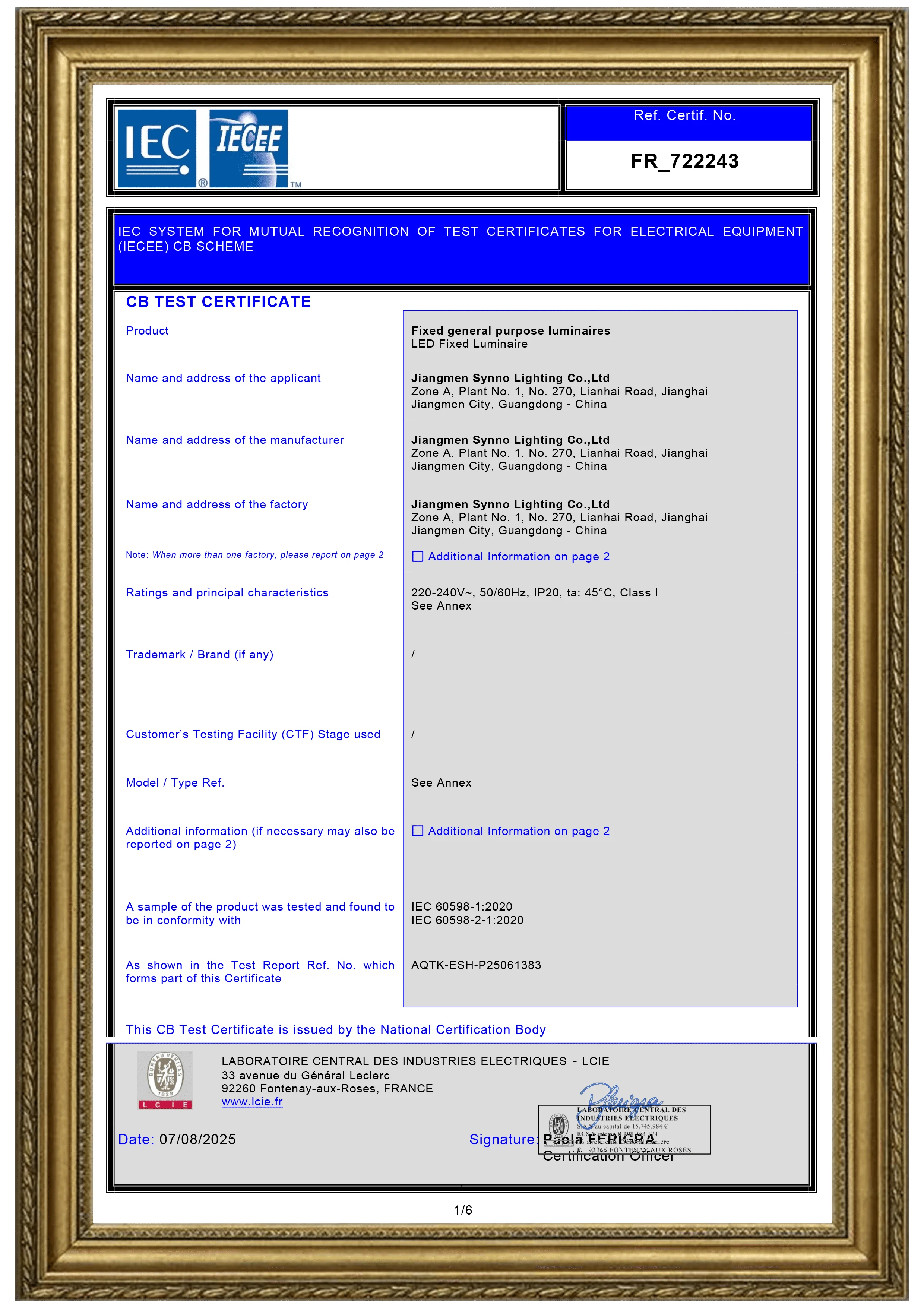
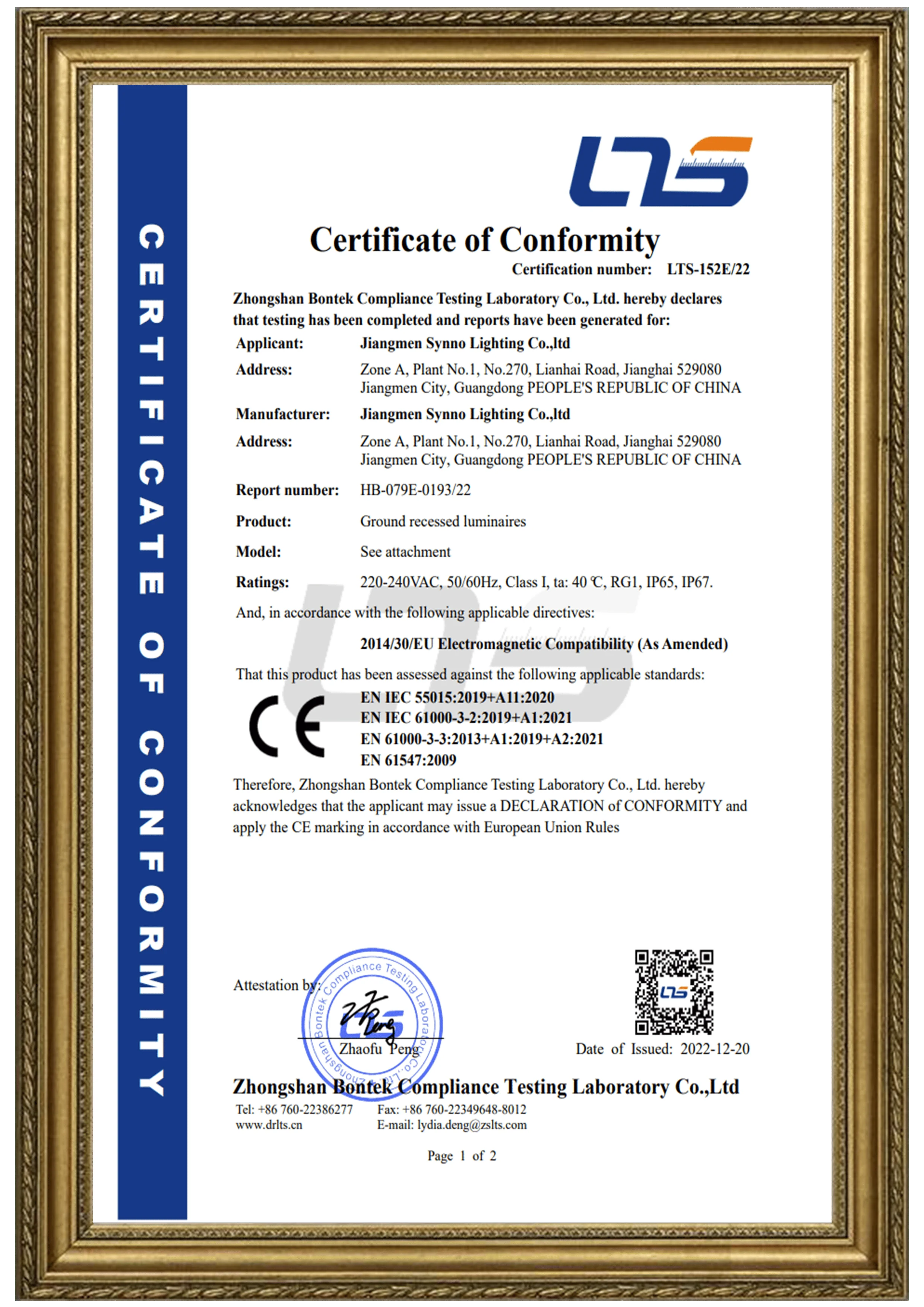
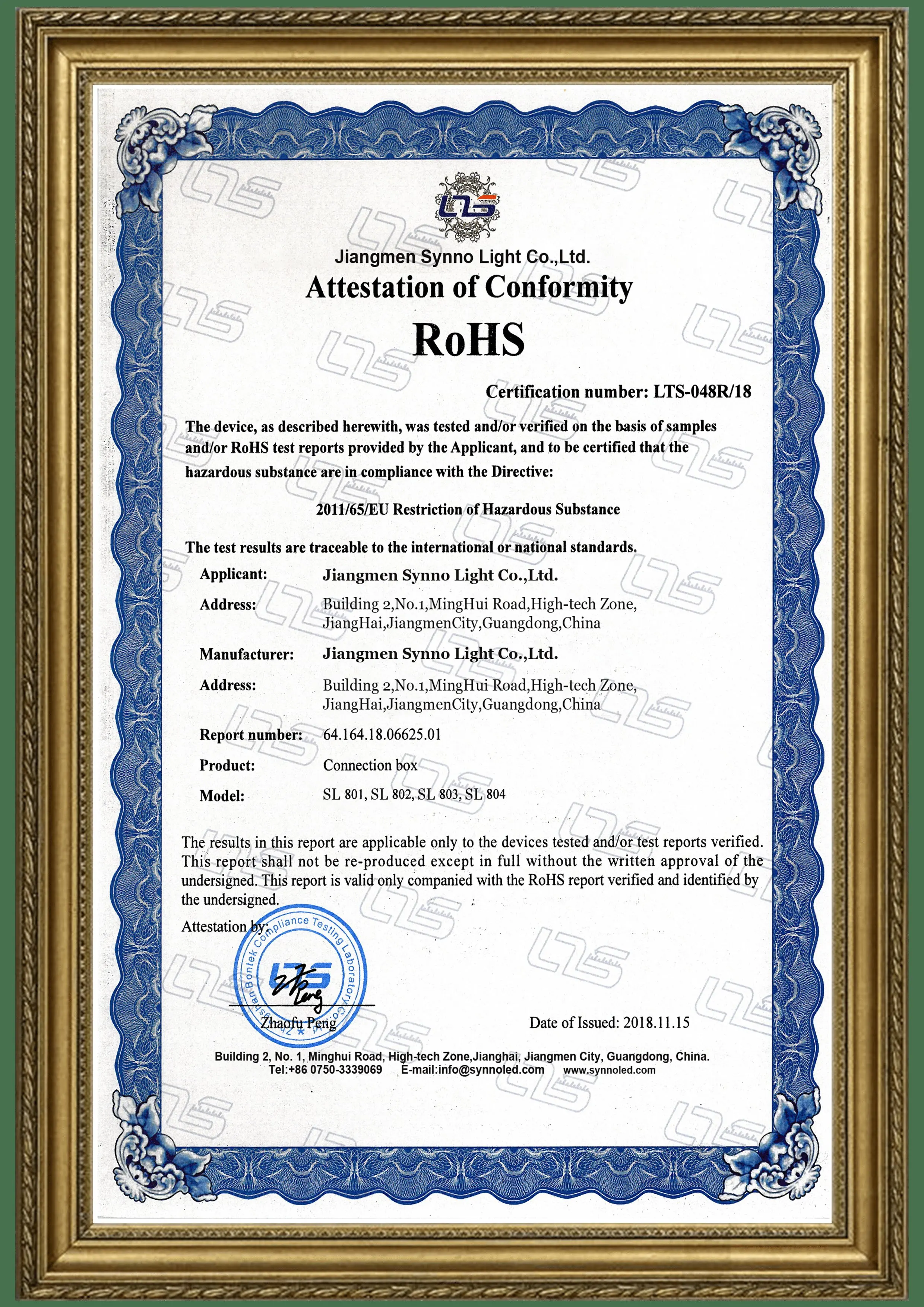
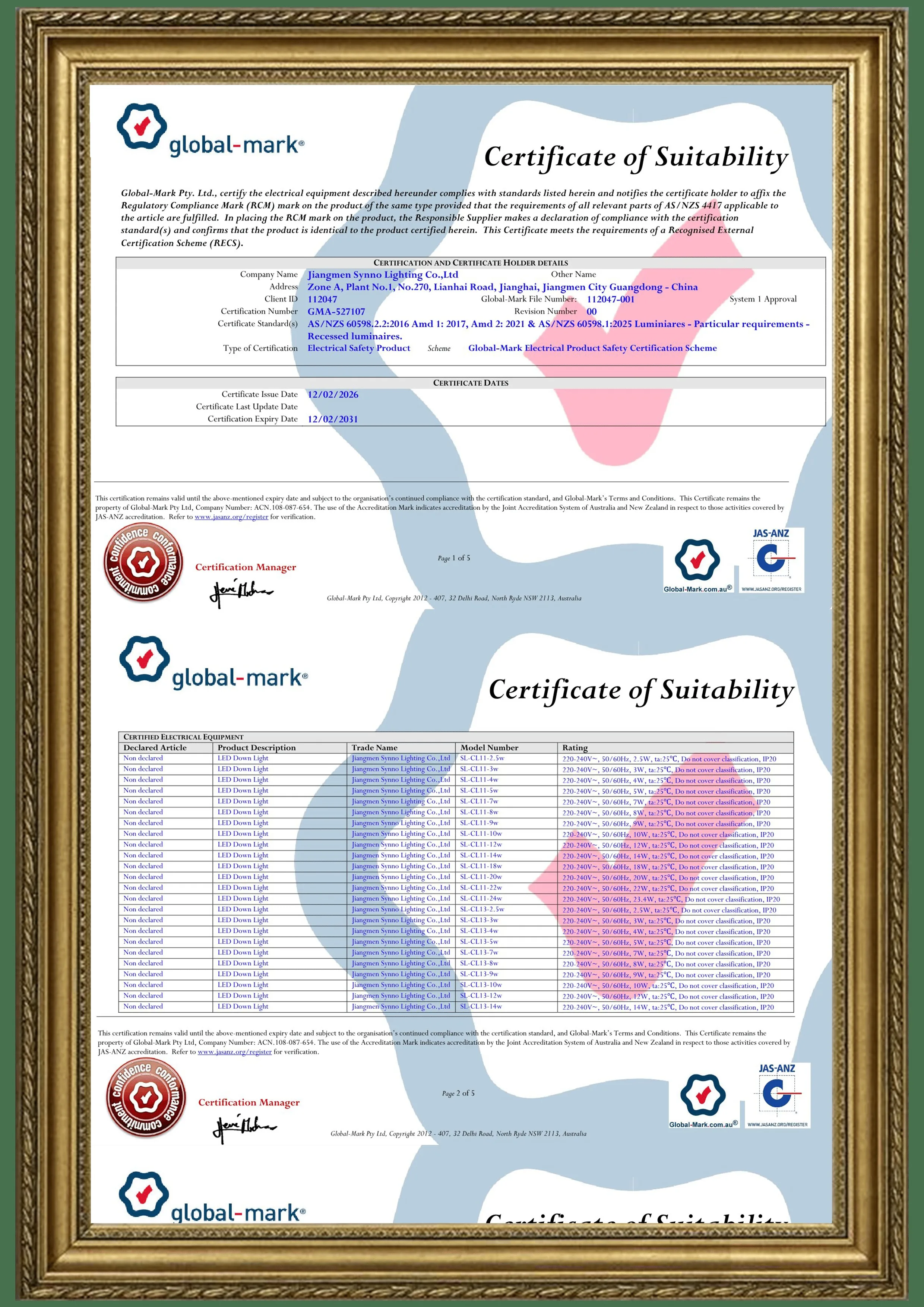
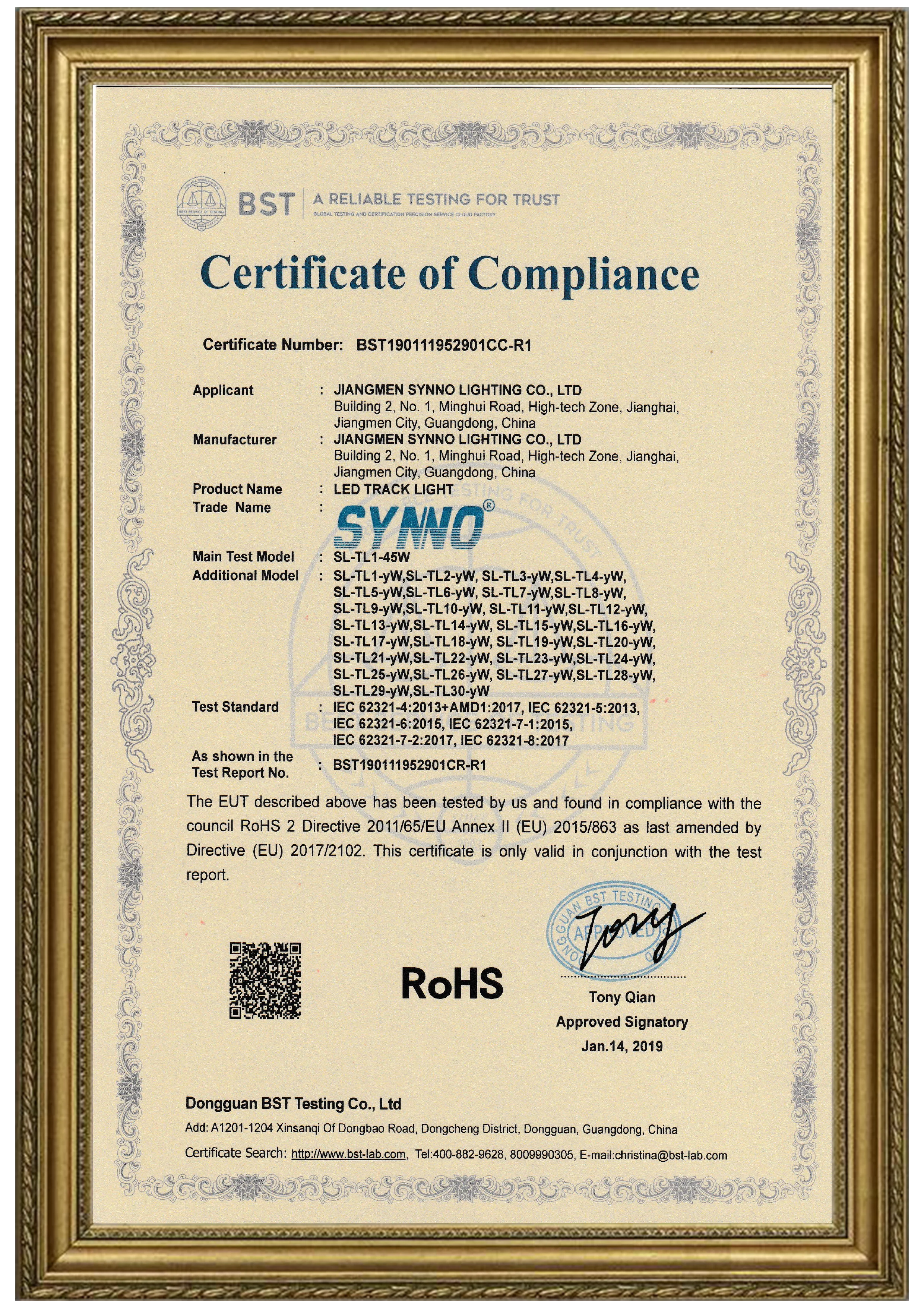
Look for CE, RoHS, UL, or equivalent certifications.
-
A strong warranty (3–5 years) indicates confidence in the product’s quality.
-
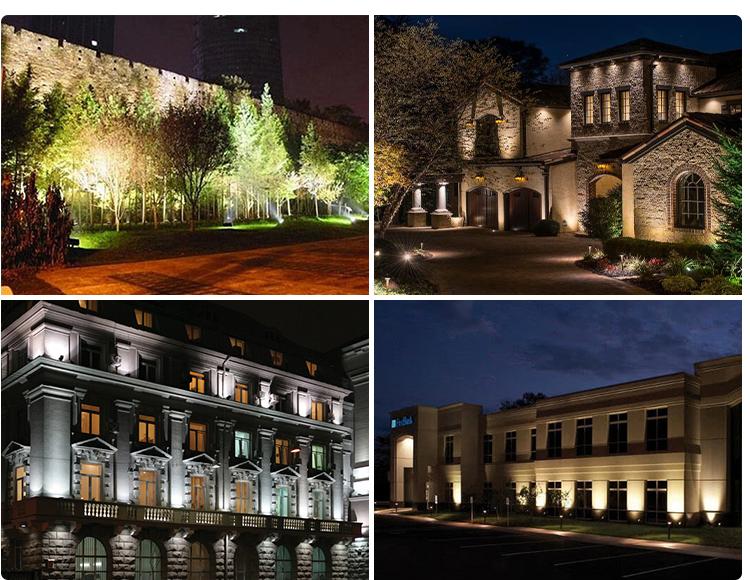
5. Real-World Applications of High-Quality LED Flood Lights
-
Architectural Lighting – Highlighting building facades, monuments, and landscapes.
-
Commercial & Industrial Lighting – Illuminating warehouses, construction sites, and sports arenas.
-
Residential Outdoor Spaces – Garden lights, driveway illumination, and security lighting.
-
Security & Safety – Motion-sensor flood lights that deter intruders and improve visibility.
In all cases, heat management and driver reliability determine whether the light performs consistently year after year.
Conclusion
The secret to long-lasting LED flood lights lies not only in high-quality LED chips but also in effective heat dissipation and premium driver design.
-
Heat dissipation ensures the LEDs remain cool, preserving brightness and color quality over time.
-
Driver quality provides stable power, prevents flickering, and supports advanced features like dimming.
When buying LED flood lights, don’t just look at wattage or price—inspect the housing, heat sinks, and driver specifications. By choosing well-engineered products with aluminum housings, efficient heat sinks, and branded drivers, you’ll enjoy bright, efficient, and reliable lighting for years to come.
As a professional manufacturer specializing in LED flood lights, wall washers, garden lights, underground lights, and track lights, we understand that true longevity comes from engineering excellence. That’s why our products prioritize heat management and driver stability—so you can invest once and benefit for years.