IP Ratings Explained: Which Downlight for Which Environment?
When it comes to choosing LED downlights, most people focus on wattage, color temperature, or design. But one of the most critical—and often overlooked—factors is the IP rating. IP ratings determine how well a light fixture is protected against dust, moisture, and water ingress, making them essential for ensuring both safety and longevity.
Inappropriate IP selection can lead to premature failures, safety hazards, or wasted investment. This article provides a complete guide to IP ratings, explaining what they mean, why they matter, and which downlights you should choose for different environments—whether residential, commercial, or industrial.
What Does IP Rating Mean?
The term IP stands for Ingress Protection. It is an international standard (IEC 60529) that classifies the level of protection an electrical device offers against solids (like dust) and liquids (like water).
The format looks like this: IPXX
-
The first digit indicates protection against solid objects (dust, dirt, tools, etc.).
-
The second digit indicates protection against liquids (moisture, splashes, jets, or immersion).
For example:
-
IP20: Protected against solid objects larger than 12.5 mm, no water protection.
-
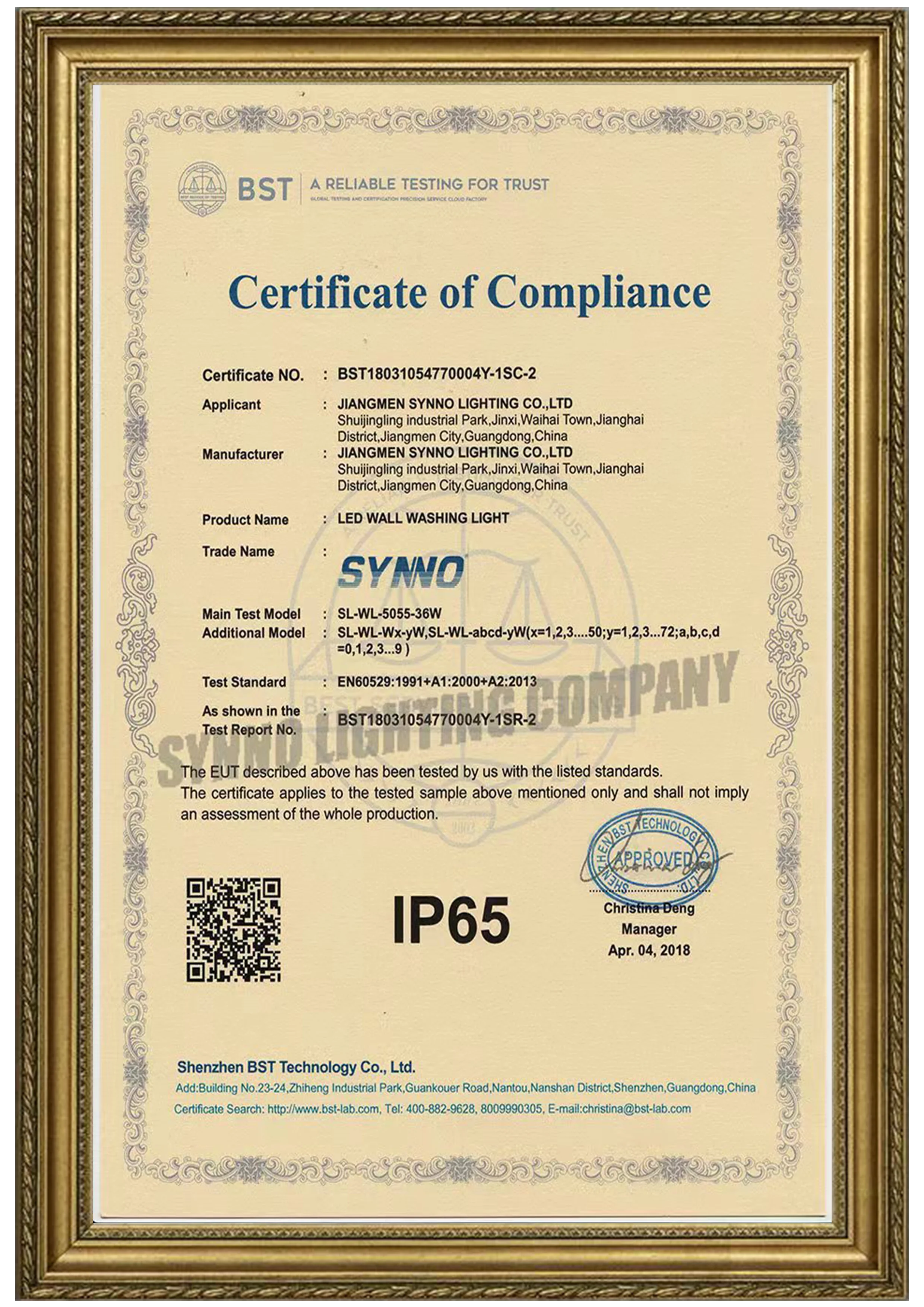
IP65: Dust-tight and protected against water jets.
-
IP67: Dust-tight and protected against immersion up to 1 meter.
IP Rating Breakdown
First Digit (Solid Protection)
-
0: No protection.
-
1: Protection against large objects (>50 mm).
-
2: Protection against medium-sized objects (>12.5 mm).
-
3: Protection against small tools/wires (>2.5 mm).
-
4: Protection against most wires and screws (>1 mm).
-
5: Dust-protected (limited ingress, no harmful deposits).
-
6: Dust-tight (complete protection).
Second Digit (Water Protection)
-
0: No protection.
-
1: Vertical dripping water.
-
2: Dripping water up to 15° angle.
-
3: Water spray up to 60° angle.
-
4: Water splashes from any direction.
-
5: Water jets from a nozzle.
-
6: Powerful water jets.
-
7: Immersion up to 1 meter for 30 minutes.
-
8: Continuous immersion in deeper water (manufacturer specified).
Why IP Rating Matters in Downlights
Unlike ceiling lamps or pendants, downlights are recessed into ceilings and often exposed to moisture, steam, and dust depending on their installation environment. Choosing the wrong IP rating could lead to:
-
Short circuits or electrical hazards in wet environments.
-
Premature LED failure due to dust accumulation.
-
Water ingress, causing corrosion and reduced efficiency.
-
Reduced lifespan, leading to costly replacements.
IP Ratings for Different Environments
Let’s explore the most common environments for downlights and the IP ratings recommended for each.
1. Living Rooms, Bedrooms, and Offices
-
Recommended IP Rating: IP20 – IP40
These are dry indoor spaces with minimal dust or moisture exposure. Standard IP20 downlights are more than sufficient, providing stylish and efficient illumination without the need for water resistance.
Best product types: Round/square LED downlights, track-integrated downlights.
2. Kitchens
-
Recommended IP Rating: IP44 – IP54
Kitchens experience steam, occasional splashes, and higher humidity. A minimum of IP44 downlights ensures protection against water splashes. For areas directly above cooking stoves or sinks, IP54 is preferred to handle both moisture and dust.
Best product types: Adjustable LED downlights with anti-glare features, recessed spotlights.
3. Bathrooms and Wet Rooms
-
Recommended IP Rating: IP44 – IP65 (depending on zone)
Bathrooms are divided into safety zones: -
Zone 0 (inside the bath or shower): Requires IP67 or higher, low-voltage.
-
Zone 1 (above the shower or bath up to 2.25m): Requires IP65.
-
Zone 2 (0.6m outside bath/shower): Requires at least IP44.
-
Outside zones: IP20 or above is fine.
Best product types: Bathroom-specific LED downlights, anti-fog tempered glass downlights.
4. Outdoor Ceilings (Eaves, Porches, Balconies)
-
Recommended IP Rating: IP65 – IP67
Outdoor recessed ceilings are constantly exposed to rain, humidity, and sometimes wind-driven dust. IP65 downlights are ideal for withstanding rain and dust. For coastal or extremely wet environments, IP67 is recommended.
Best product types: Outdoor LED downlights, wall washer downlights.
5. Commercial Spaces (Hotels, Retail, Supermarkets)
-
Recommended IP Rating: IP40 – IP54
Commercial interiors usually need clean, bright lighting without excessive waterproofing. However, in areas like hotel bathrooms, gyms, or swimming pool facilities, IP65 fixtures are required.
Best product types: High-CRI LED downlights for product display, smart dimmable downlights.
6. Industrial Environments (Factories, Warehouses)
-
Recommended IP Rating: IP54 – IP65
Industrial areas often deal with dust, oil, or moisture, making dust-protected or waterproof downlights essential. IP65 downlights are preferred for long-lasting performance.
Best product types: High-output LED downlights, explosion-proof downlights.
Special Considerations When Choosing Downlights
-
Material Quality
-
Use stainless steel or aluminum housings for corrosion resistance.
-
Tempered glass for durability against impact.
-
-
Heat Dissipation
Good heat management ensures LEDs maintain brightness and longevity. -
Energy Efficiency & Certifications
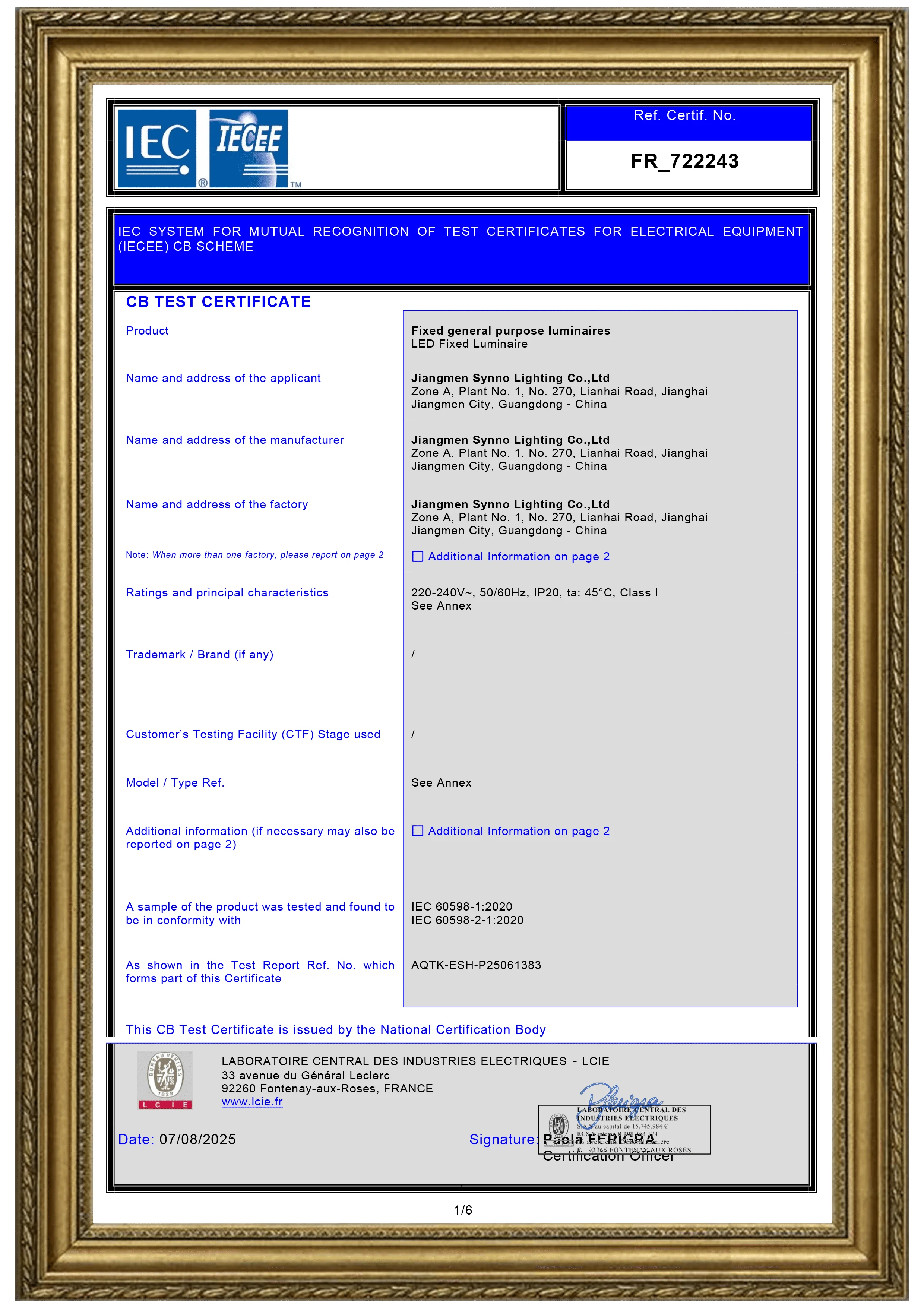
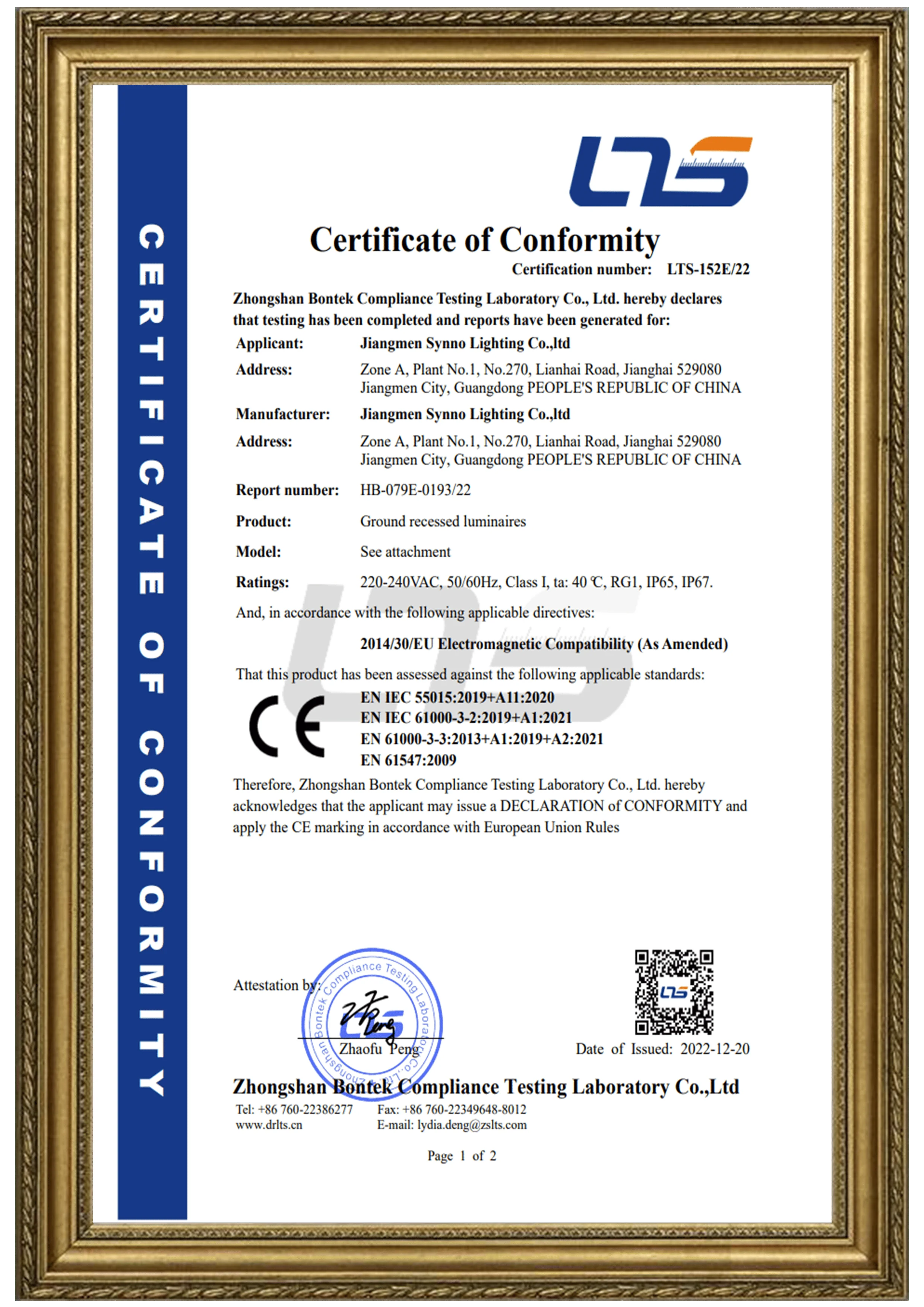
Ensure compliance with CE, RoHS, UL, or equivalent certifications. -
Smart Control Options
For modern homes, consider dimmable or smart downlights compatible with voice assistants.
Common Mistakes to Avoid
-
Installing IP20 downlights in bathrooms, risking electrical hazards.
-
Overpaying for IP67 downlights in dry rooms where only IP20 is needed.
-
Not considering dust protection in industrial spaces.
-
Ignoring regional weather conditions for outdoor installations.
Quick Reference Guide
| Environment | Minimum IP Rating | Recommended Product Types |
|---|---|---|
| Living rooms, bedrooms | IP20 | Standard LED downlights, spotlights |
| Kitchens | IP44 – IP54 | Anti-glare downlights, recessed LED spotlights |
| Bathrooms (Zone 0) | IP67 | Low-voltage bathroom LED downlights |
| Bathrooms (Zone 1) | IP65 | Waterproof LED downlights |
| Bathrooms (Zone 2) | IP44 | Splash-proof downlights |
| Outdoor ceilings | IP65 – IP67 | Outdoor recessed downlights, wall washers |
| Commercial interiors | IP40 – IP54 | High-CRI downlights, dimmable downlights |
| Industrial spaces | IP54 – IP65 | High-output or explosion-proof LED downlights |
Conclusion
Choosing the right IP-rated downlight is not just about compliance—it’s about ensuring safety, efficiency, and durability in the environment where it is installed.
-
Dry areas → IP20 is enough.
-
Kitchens and bathrooms → IP44–IP65, depending on zones.
-
Outdoor or industrial environments → IP65–IP67 for maximum protection.
By matching the IP rating with the specific environment, you can guarantee that your LED downlights perform reliably for years while maintaining the aesthetic and functional goals of your project.
As a professional manufacturer of downlights, spotlights, track lights, underground lights, flood lights, wall washers, and outdoor garden lights, we provide lighting solutions designed to meet every IP requirement—from cozy living rooms to demanding outdoor and industrial spaces.