Outdoor Wall Light Height and Placement: A Quick Guide
In this comprehensive guide, we’ll cover everything you need to know about where and how high to place outdoor wall lamps, including real-world examples, product recommendations (like our LED outdoor wall Lamps, garden lights, and window sill lights), and expert design insights.
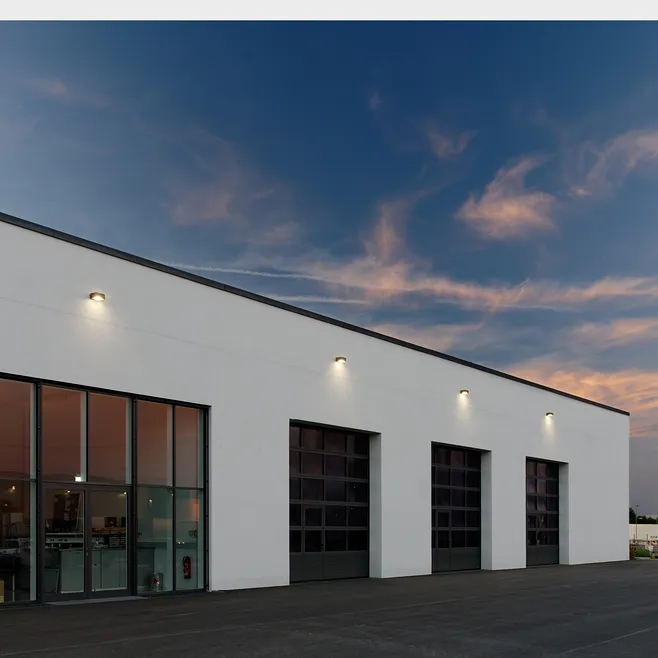
Why Wall Light Placement Matters
Outdoor wall lights aren’t just functional. They're key architectural elements that:
-
Illuminate walkways and entrances
-
Enhance architectural features
-
Increase security
-
Add curb appeal
But if installed at the wrong height or location, they may cast unwanted shadows, create glare, or fail to serve their purpose.
Standard Height for Outdoor Wall Lights
General Rule of Thumb:
66 to 72 inches (167 to 183 cm) from the ground to the center of the light fixture.
This applies to wall lights installed near:
-
Entry doors
-
Garage doors
-
Backyards or patios
On Single-Story Homes:
Install lights at slightly above eye level (usually 66 inches) to avoid glare while maximizing coverage.
On Two-Story Homes:
You can go slightly higher (up to 72 inches), especially if the walls are taller or if you’re framing tall features like arched entryways.
Pro Tip: Always measure from the finished grade (not from the bottom of the wall) and factor in ground elevation changes or steps.
Placement Tips by Application Area
Let’s break it down by the most common installation zones:
1. Front Entrance or Doorway Lighting
Recommended Height: 66–72 inches from ground
Placement:
-
One fixture centered on each side of the door (symmetrical look)
-
Or one light on the knob side of the door (space-saving)
Best Fixtures:
-
Outdoor wall sconces
-
Window sill lights (great for compact facades)
Additional Tip: Choose downward-facing designs for warm, welcoming light and to reduce glare.
2. Garage Door Lighting
Recommended Height: 66–72 inches from ground (same as front door)
Placement:
-
One light on each side of a single garage door
-
For double garages, consider one light between the doors and one on each outer side
Best Fixtures:
-
Wall-mounted flood lights for brighter coverage
-
Decorative wall lights with motion sensors for style + security
For wider garages or driveways, pair with LED garden lights or underground lights to eliminate dark spots.
3. Side Entrances or Pathways
Recommended Height: 60–66 inches from ground
Placement:
-
Fixtures should be evenly spaced along the wall (especially for long walkways)
-
Keep a distance of 8–10 feet between fixtures for balanced lighting
Best Fixtures:
-
Slim profile wall lamps
-
Wall washers for broader wall illumination
Bonus Tip: Use motion sensor lights for energy efficiency and added safety.
4. Outdoor Patio or Balcony Lighting
Recommended Height: 60–70 inches depending on wall height and seating arrangements
Placement:
-
On walls surrounding the space
-
Near stairways, corners, and entry points
Best Fixtures:
-
Adjustable wall sconces
-
Ambient wall washers
For patios and balconies, avoid installing lights too high — this can cause glare and reduce intimacy. Instead, focus on even, warm lighting at lower heights.
5. Backyard or Garden Wall Lighting
Recommended Height: 60–72 inches depending on landscaping and wall height
Placement:
-
Around seating zones
-
Near water features or sculptures
-
Along perimeter walls for ambiance
Best Fixtures:
-
Decorative wall lights with up/down illumination
-
Spotlights or floodlights for highlighting plants or trees
-
In-ground lights can complement wall fixtures for layered lighting
Factors That Influence Wall Light Height
1. Fixture Size
-
Larger fixtures may need to be mounted slightly higher
-
Smaller, more compact lights (e.g., window sill lights) look better at eye level
2. Light Direction
-
Down-facing lights should sit higher to spread illumination
-
Up/down dual lights work best in mid-range heights (~66 inches)
3. Design Style
Modern minimalistic homes often use lower-profile fixtures. Traditional homes may feature lantern-style wall lights placed higher.
Placement Mistakes to Avoid
Too high – Causes light to spread too broadly or creates harsh shadows
Too low – Risk of damage, glare in eyes, and poor aesthetics
Incorrect spacing – Leads to uneven lighting or overlapping beams
Improper light output – Overpowered or underlit areas
Use a laser level and masking tape to visualize placement before drilling or wiring.
Recommended LED Outdoor Wall Lights
As a leading LED lighting manufacturer and exporter, we offer a comprehensive range of outdoor lighting solutions. Ideal for both homeowners and commercial contractors, our products include:
-
Modern LED Outdoor Wall Lights – IP65+ rated, anti-corrosion materials
-
Window Sill Lights – Slim and stylish, perfect for compact facades
-
Wall Washers – Evenly illuminate large wall surfaces
-
Motion-Sensor Wall Flood Lights – Blend security with energy savings
-
Garden Lights & Underground Lights – Complement wall lighting with elegant landscape solutions
All our products feature high-quality materials like die-cast aluminum, tempered glass, and stainless steel, ensuring long-term durability in all weather conditions.
Lighting Design Tips from Our Experts
-
Use warmer color temperatures (2700K–3000K) for residential entrances and patios
-
Neutral white (4000K) works best for side entrances, pathways, and backyards
-
Match fixture style with architecture: Modern homes benefit from minimalist designs; traditional homes pair well with lanterns or classic sconces
-
Layer your lighting by combining wall lights, flood lights, and garden lighting
Final Thoughts
Choosing the right height and placement for your outdoor wall lights can elevate the functionality and aesthetics of your entire property. Whether you’re lighting up a front door, garage, or garden, following these expert guidelines ensures effective, safe, and beautiful illumination.
If you're a contractor, builder, or homeowner looking for long-lasting, stylish outdoor LED lighting, we invite you to explore our latest collection of IP-rated, energy-efficient LED wall lights and accessories.