Low-Voltage LED Garden Lights: Safe and Efficient for DIY Installers
In this guide, we’ll walk you through everything you need to know about low-voltage LED garden lighting—including how it works, its benefits, types, installation tips, and product recommendations.
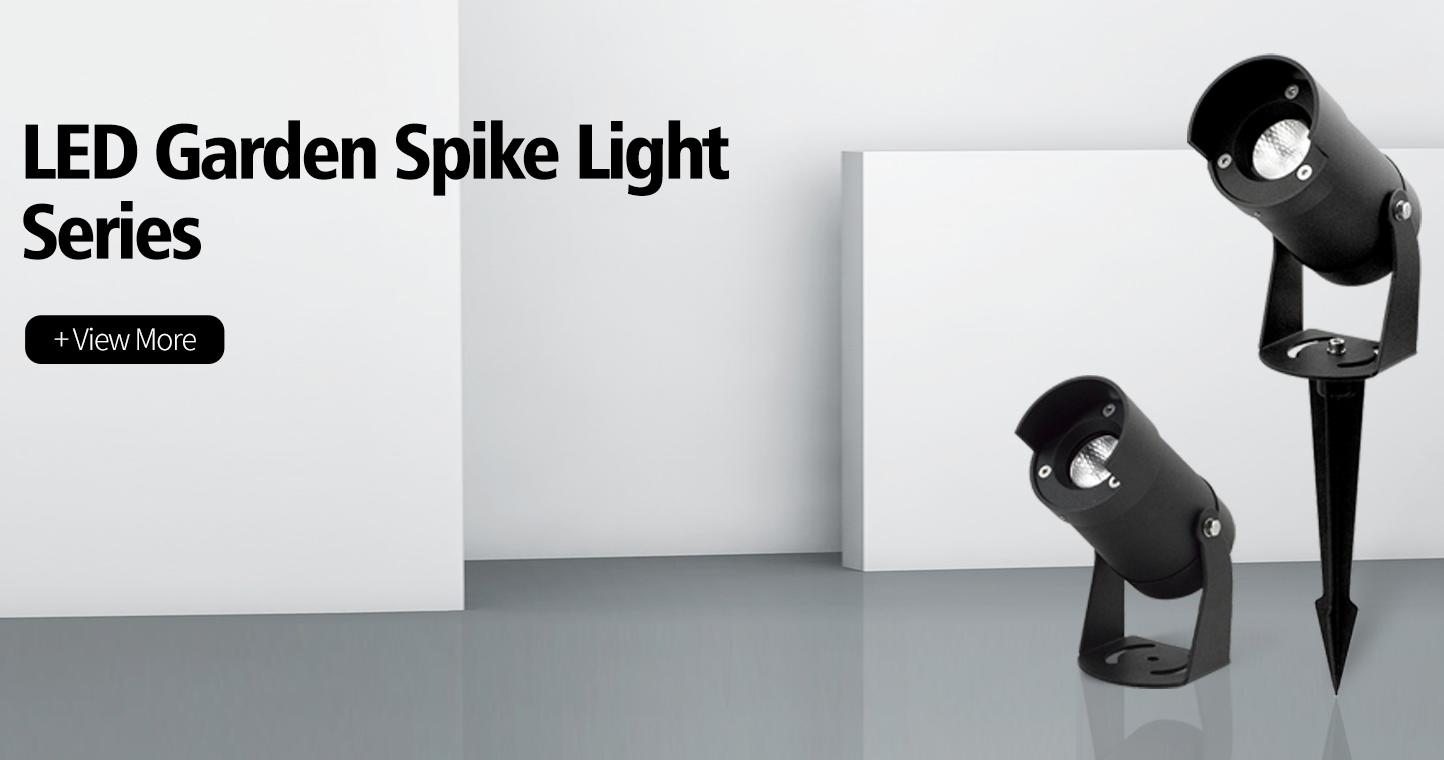
1. What Are Low-Voltage LED Garden Lights?
Low-voltage garden lights are outdoor fixtures powered by 12V or 24V electricity instead of the standard 120V or 240V mains voltage. They require a transformer to convert household current to a safer, lower voltage.
LEDs (light-emitting diodes) further enhance these systems by offering long lifespans, energy savings, and superior durability.
Key Features:
-
Operate at 12V or 24V
-
Use much less electricity than halogen
-
Safe for pets, children, and wet areas
-
Easy to install without professional help
2. Why Choose Low-Voltage LED Lighting for Your Garden?
Here are the main reasons DIY homeowners and professionals alike prefer low-voltage LED systems:
Safety First
Because of their low voltage, these systems are shock-resistant, making them ideal for homes with children or pets. You can install them safely near walkways, lawns, or water features without worrying about electrical hazards.
Energy Efficiency
LEDs use up to 90% less energy than traditional bulbs, drastically reducing your electricity bill over time. They’re ideal for long-night use in gardens, patios, and landscapes.
Long Lifespan
High-quality LED garden lights last between 25,000 and 50,000 hours, meaning fewer replacements and lower maintenance.
DIY-Friendly
No electrical license is needed to install low-voltage systems. Pre-wired kits and waterproof connectors make it easy for beginners to get started.
Design Flexibility
From pathway lighting to uplighting trees and shrubs, the low-voltage system is versatile and can easily expand as your landscape grows.
3. Common Types of Low-Voltage LED Garden Lights
When planning your outdoor lighting, consider how each type serves a unique purpose:
LED Path Lights
-
Guide people safely along walkways or driveways
-
Add charm to garden borders
LED Spotlights
-
Focused beams to highlight trees, shrubs, or statues
-
Available in narrow or wide beam angles
LED Bollard Lights
-
Short, vertical fixtures for modern garden designs
-
Ideal for garden beds or edges
LED In-Ground / Underground Lights
-
Recessed into the ground to highlight trees or architectural elements
-
Perfect for low-profile lighting
LED Wall Washers
-
Broad-beam fixtures to illuminate fences, walls, or garden facades
RGB Color-Changing LED Garden Lights
-
Add vibrant colors for events or seasonal mood lighting
-
Controlled via remote or smart apps
4. How Does a Low-Voltage LED System Work?
A standard low-voltage lighting setup consists of three components:
1️⃣ Transformer
Reduces 120V/240V household current to 12V or 24V.
2️⃣ Low-Voltage Cable
Connects the transformer to each light. Typically laid on the soil surface or buried a few inches.
3️⃣ LED Garden Fixtures
Installed where needed with waterproof connectors.
Most modern transformers come with built-in timers or smart Wi-Fi control, allowing you to schedule your lighting automatically.
5. How to Plan a DIY Low-Voltage LED Garden Lighting Layout
Proper planning helps avoid uneven lighting or overloading the system.
Step 1: Sketch Your Garden
Note the key areas: pathways, trees, flowerbeds, walls, steps, or water features.
Step 2: Choose the Right Fixtures
-
Use spotlights for tall plants or statues
-
Use path lights for walkways
-
Use underground lights near walls or stairs
Step 3: Calculate Power Requirements
-
Add up the wattage of each LED light
-
Choose a transformer with 20–30% higher capacity for future additions
For example:
If your total light load is 60W, choose a 75–100W transformer.
Step 4: Decide on Wiring Layout
-
Daisy chain or hub-and-spoke wiring
-
Ensure no voltage drop over long distances
6. Installation Tips for DIY Installers
Installing low-voltage LED lights is simple, but these best practices ensure a safe and efficient system:
Use Waterproof Connectors
Ensure all connections are waterproof and secure, especially in rainy or humid climates.
Check Polarity
Make sure positive and negative wires match correctly to avoid malfunction.
Keep Transformers Elevated
Install the transformer above ground level to prevent water damage.
Use Conduits for Exposed Wires
Where cables are exposed or run along walls, use conduits or protective sleeves.
Allow for Expansion
Leave space in your layout for adding more lights later without overloading the transformer.
7. Can Low-Voltage LED Garden Lights Be Used Year-Round?
Absolutely! LED garden lights are built to withstand outdoor conditions, including:
-
Rain (IP65 or higher recommended)
-
Sunlight and UV exposure
-
Wind and debris
-
Snow and frost (check temperature range in specs)
Always choose garden lights with proper IP ratings (Ingress Protection):
| IP Rating | Protection |
|---|---|
| IP44 | Basic water resistance (splash) |
| IP65 | Full protection against dust and water jets |
| IP67 | Temporary immersion in water |
| IP68 | Submersible (for ponds/fountains) |
8. How Much Can You Save by Choosing Low-Voltage LED?
Compared to halogen systems, low-voltage LEDs can save you:
-
Up to 80% in electricity costs
-
Over $200–$500 per year for a medium-sized garden
-
Fewer maintenance costs (less bulb replacement)
-
Lower installation costs (no need for electrician)
9. Smart Control Integration
Want to control your garden lights from your smartphone or via voice command?
Many low-voltage LED transformers now come with smart integration features:
-
Wi-Fi / Bluetooth connectivity
-
App-based scheduling
-
Voice assistants like Alexa / Google
-
Dimming & color control
This allows full automation, making your garden lighting system part of a modern smart home setup.
10. Recommended Low-Voltage LED Products (From Our Factory)
As a professional LED lighting manufacturer, we offer high-quality, export-grade outdoor and commercial lighting products, including:
LED Garden Lights
-
Die-cast aluminum housing
-
IP65 weatherproof
-
Available in warm white, neutral white, and RGB
-
Spike or surface-mount options
Outdoor Wall Lights
-
Decorative and functional
-
Motion-sensor options
-
High CRI and beam angle choices
Underground LED Lights
-
Round and square options
-
Stainless steel trim
-
Ideal for uplighting trees or walls
Wall Washers and Spotlights
-
Adjustable beam angles
-
High-lumen output for tall trees or signage
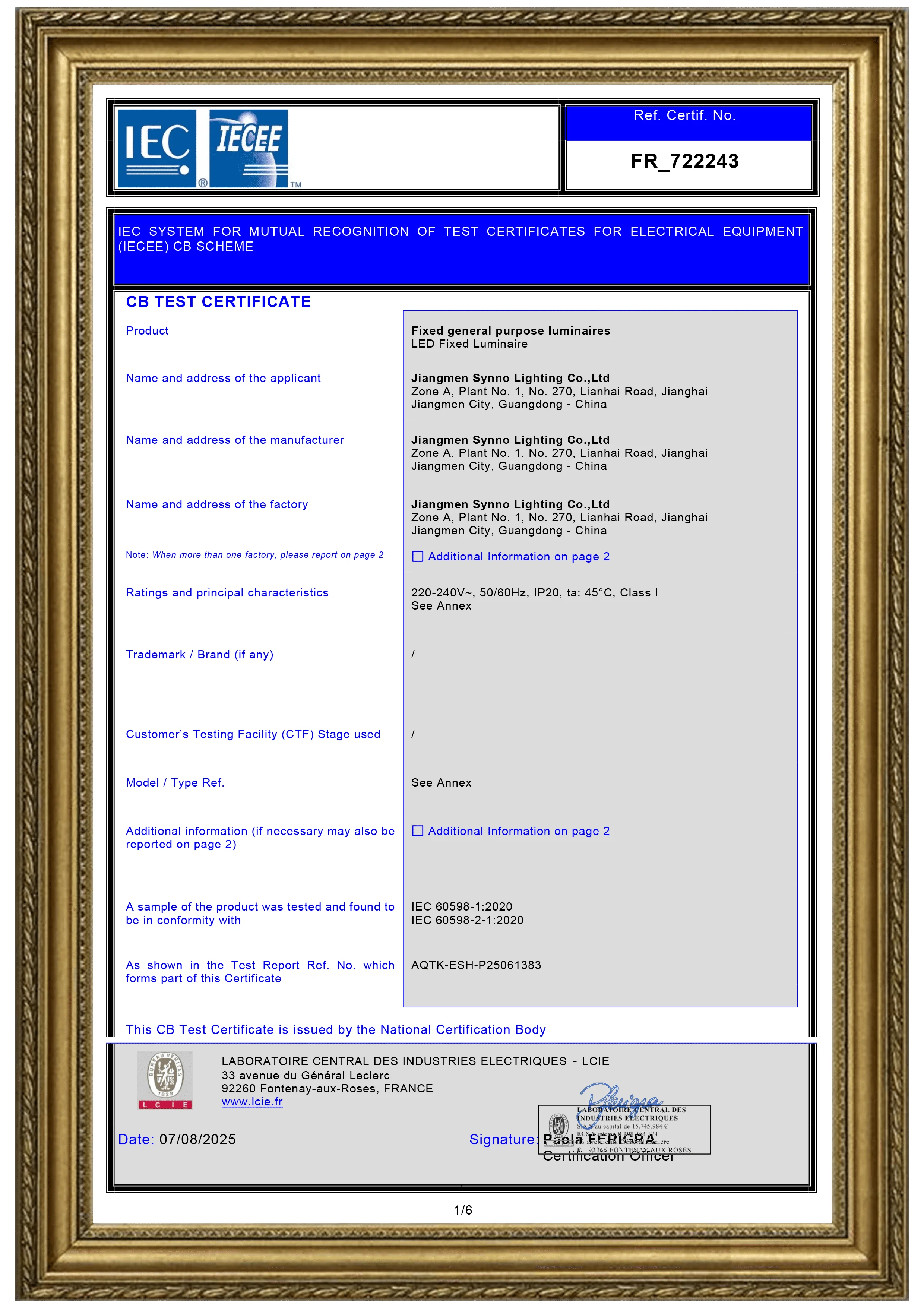
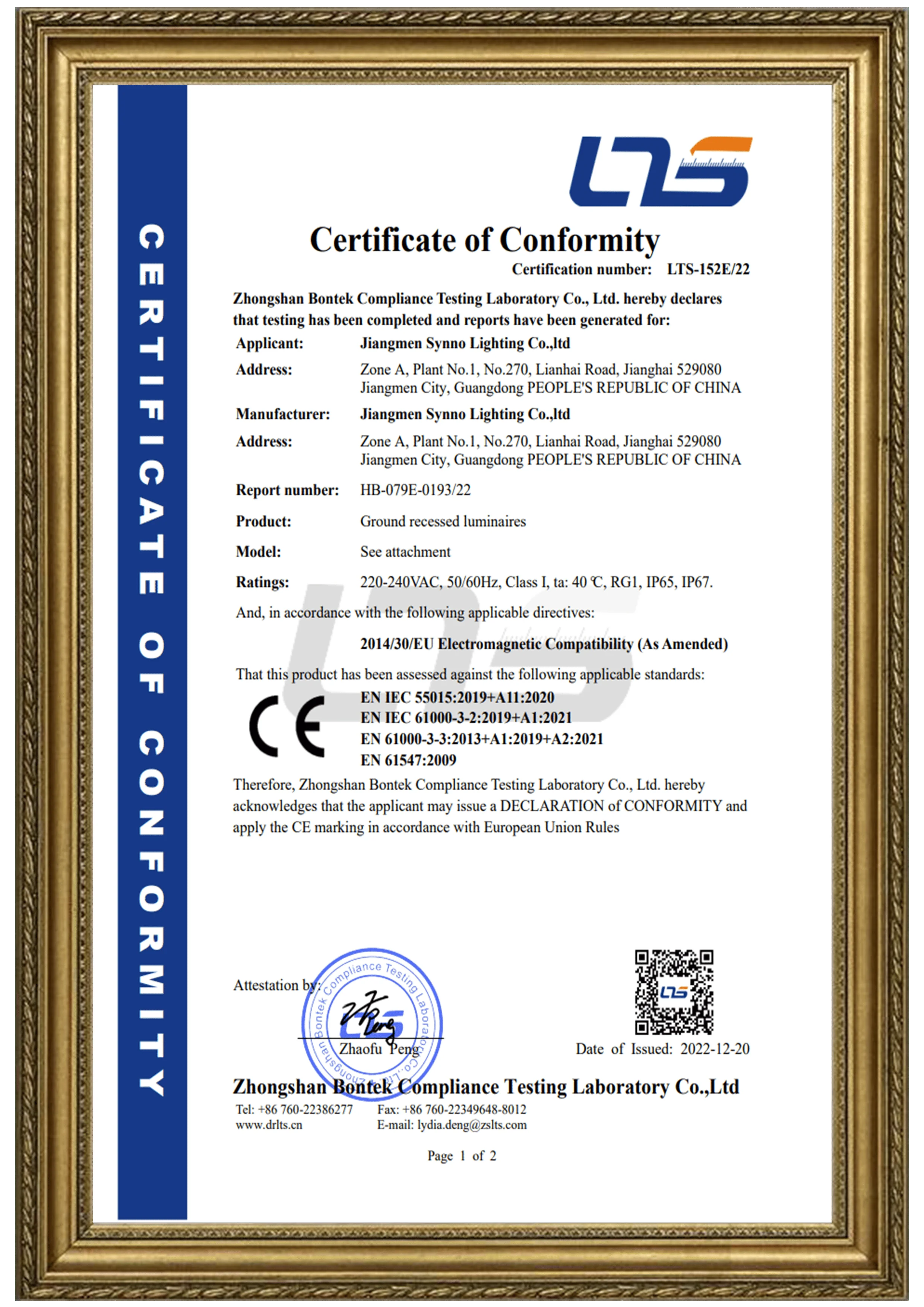
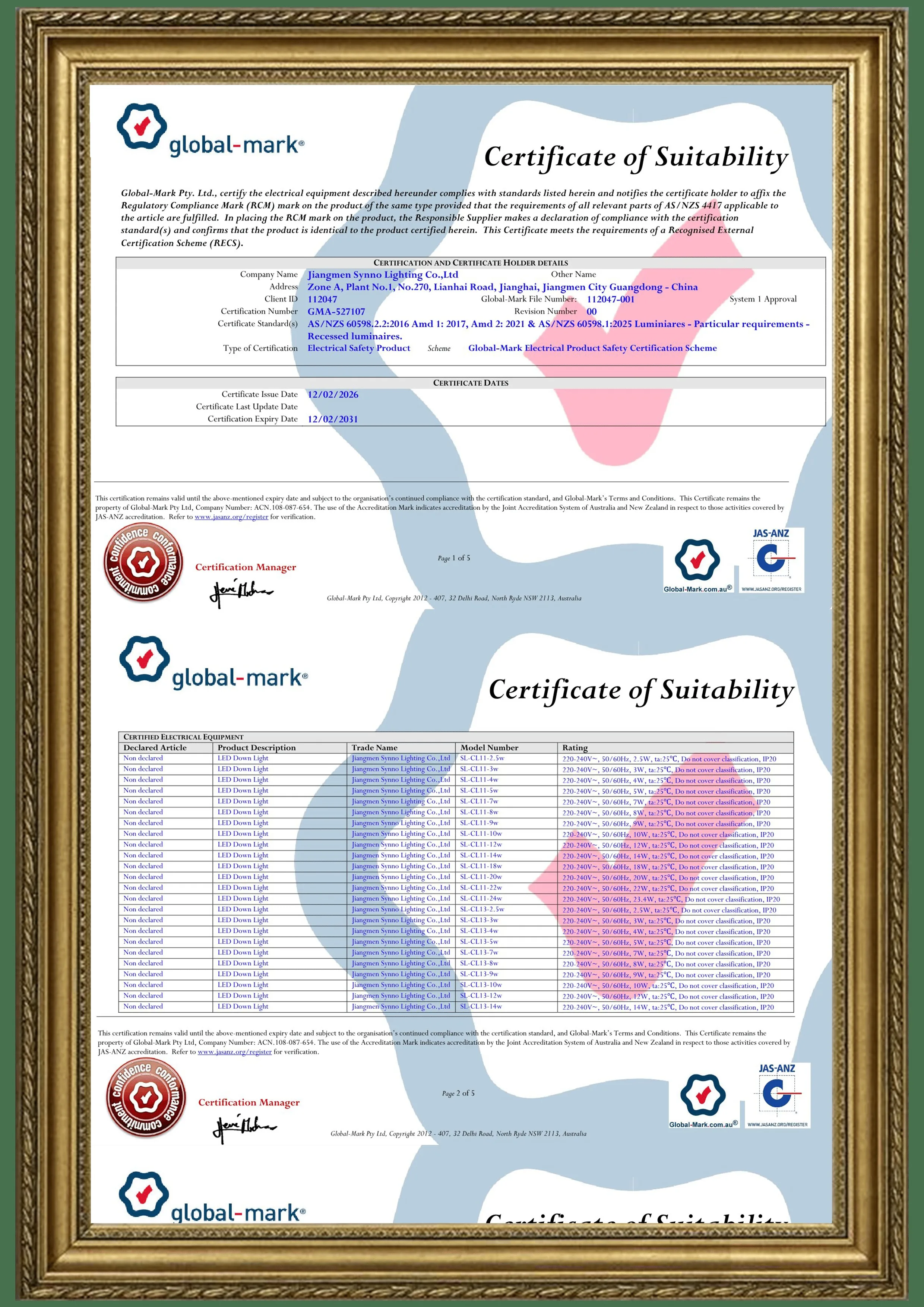
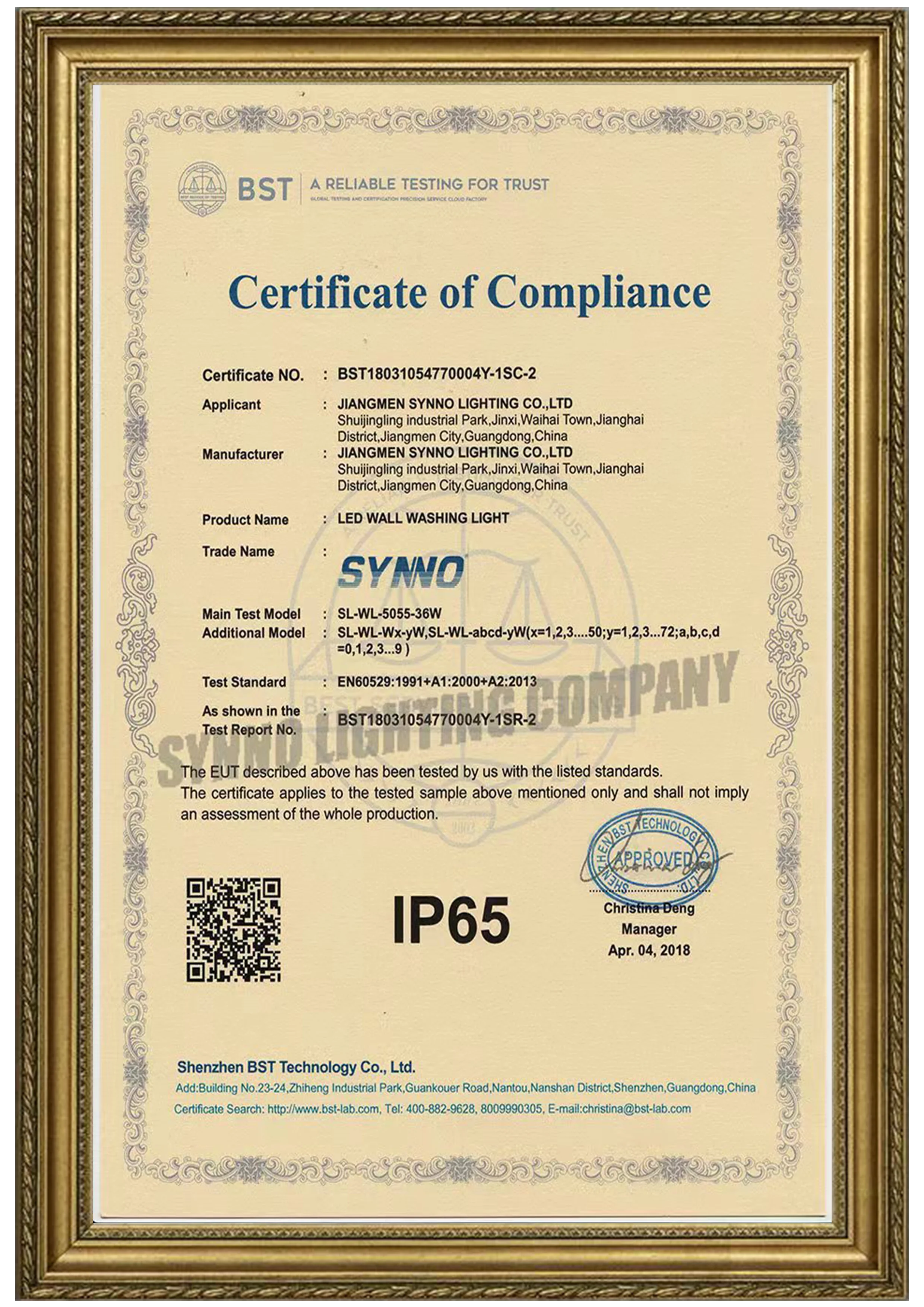
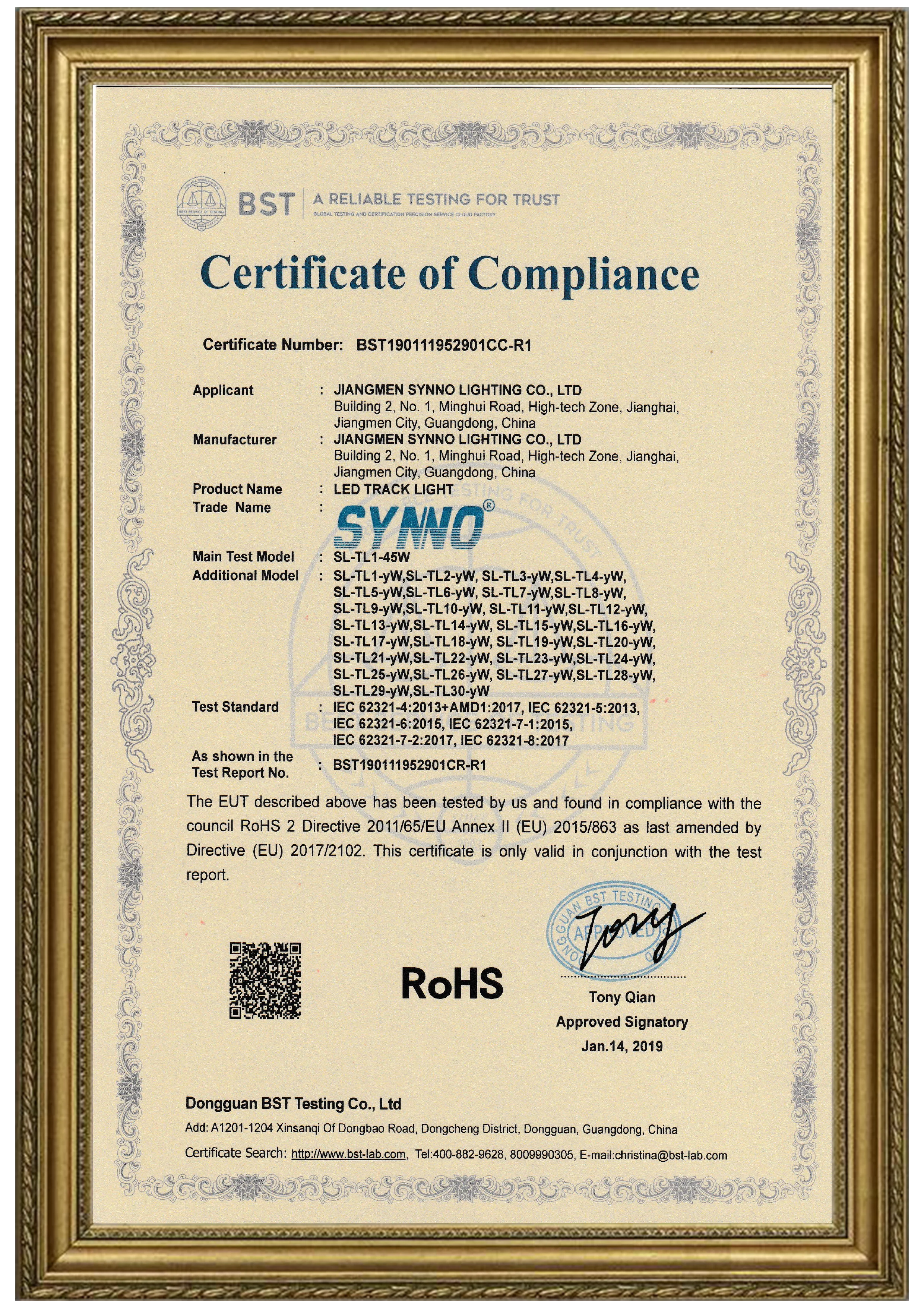
All our products are CE, RoHS, and UL compliant, ensuring performance and safety.
Conclusion: Light Up Your Garden Safely and Efficiently
Whether you’re a homeowner, landscape designer, or property manager, low-voltage LED garden lights are a smart investment. They’re safe, energy-efficient, easy to install, and adaptable to any garden layout.
By choosing the right LED fixtures and planning carefully, you can transform your outdoor space into a stunning nighttime landscape—all without needing an electrician.
Need Help Designing Your Garden Lighting System?
We specialize in:
-
OEM/ODM LED outdoor lighting
-
Custom low-voltage lighting kits
-
Lighting design and layout support
-
Bulk and export solutions
Contact us today to get free samples, product catalogs, or installation guides.