
Solar vs. Wired LED Garden Lights: Which Should You Choose?
Outdoor lighting plays a vital role in transforming gardens, patios, and walkways into beautiful, functional spaces. Among the most popular choices for enhancing outdoor ambiance and security are LED garden lights. With advancements in both solar-powered and wired LED technologies, homeowners, designers, and landscape contractors now face an important question:
Should you go solar or wired?
In this comprehensive guide, we compare solar and wired LED garden lights across multiple categories—cost, installation, reliability, brightness, design, and environmental impact—to help you make an informed decision.
1. Overview: Solar vs. Wired LED Garden Lights
Solar LED Garden Lights
These lights use solar panels to collect sunlight during the day and store energy in built-in batteries. At night, they use this energy to power LED lights.
Wired LED Garden Lights
These are hardwired into the main power supply (or connected to a low-voltage transformer), offering constant and controlled lighting, typically with switches or timers.
2. Installation: Ease vs. Permanence
Solar LED Lights
-
Easy DIY installation—no wiring required
-
Ideal for renters or temporary use
-
Can be repositioned easily
-
No need for an electrician
Drawback: Placement is limited to areas with direct sun exposure; shaded areas may underperform.
Wired LED Lights
-
Professional installation recommended
-
Requires cabling, trenching, or conduit routing
-
Once installed, offers permanent and clean appearance
Benefit: Can be installed in shaded or covered areas since they don't rely on sunlight.
3. Brightness and Performance
Solar Garden Lights
-
Typically emit 10–200 lumens per light
-
Sufficient for ambiance or pathway marking
-
Brightness depends on sun exposure and battery condition
Limitations:
-
Dims over time as the battery discharges
-
Less effective during cloudy days or winter
Wired Garden Lights
-
Offers 300–1,000+ lumens per light
-
Brightness is consistent and controllable
-
Can be dimmable or integrated with smart controls
Best for: Highlighting trees, sculptures, large garden areas, or improving security.
4. Cost Comparison: Upfront vs. Long-Term
Solar Lights
-
Lower upfront cost
-
No electricity bill
-
Maintenance-free (until battery replacement needed in 1–3 years)
Hidden costs: May need frequent replacements due to weather damage or declining battery performance.
Wired Lights
-
Higher initial investment due to installation and cabling
-
Electricity costs over time (though LED use is efficient)
-
Durability and higher build quality can save money long-term
Ideal for: Homeowners investing in long-term landscape projects.
5. Maintenance and Lifespan
Solar Lights
-
Battery replacement needed every 1–3 years
-
Solar panel may accumulate dirt or debris
-
Cheaper models often fail in 1–2 years
Pro tip: Choose models with replaceable batteries and UV-resistant panels.
Wired Lights
-
Minimal maintenance required
-
Lifespan of up to 50,000 hours
-
Built with higher-grade materials
Best for: Users wanting low-maintenance and dependable lighting over the long haul.
6. Control and Smart Features
Solar Lights
-
Usually turn on/off automatically via light sensors
-
Limited adjustability
-
Some newer models include remote controls or color-changing options
Wired Lights
-
Easily integrated with:
-
Timers
-
Motion sensors
-
Smart home systems (e.g., Alexa, Google Home)
-
-
Programmable for different lighting scenes or schedules
If you want full control, wired lighting is the clear winner.
7. Aesthetic and Design Flexibility
Solar LED Garden Lights
-
Common designs: stake lights, path markers, wall lights
-
Styles available in stainless steel, plastic, and glass
-
Best for accent or mood lighting
Constraint: Limited to areas with good sun exposure.
Wired LED Garden Lights
-
Wide variety: spotlights, wall washers, step lights, flood lights, in-ground lights
-
Professional-grade materials: die-cast aluminum, tempered glass, stainless steel
-
Can be customized in color temperature, beam angle, and wattage
Conclusion: Wired LEDs offer greater design flexibility and premium aesthetics.
8. Environmental Impact
Solar Lights
-
Environmentally friendly with renewable energy use
-
Great for reducing your carbon footprint
-
No energy cost to operate
Downside: Shorter lifespan leads to more waste if low-quality products are chosen.
Wired Lights
-
LED technology is already highly efficient
-
Generates minimal heat and uses 80–90% less energy than halogens
-
Higher durability = less frequent replacements
Recommendation: Choose wired lights with energy-saving sensors or timers for eco-efficiency.
9. Where Each Option Works Best
| Scenario | Recommended Light | Why? |
|---|---|---|
| Pathway marking | Solar stake lights | Easy to install, adequate brightness |
| Highlighting trees or structures | Wired spotlights or floodlights | High brightness, focused beams |
| Remote garden areas without wiring | Solar lights | No electrical connection needed |
| Luxury landscaping | Wired in-ground or wall washers | Premium quality, design control |
| Driveway or security lighting | Wired motion-sensor lights | High reliability and consistent output |
| Temporary garden setups or events | Solar lights | Portable and installation-free |
10. Product Example Comparison
Our Solar LED Garden Light
-
Power: 1.5W – 3W
-
Lumens: 100–250
-
Battery: Rechargeable Li-ion, 1200–2000mAh
-
IP Rating: IP65 (waterproof)
-
Material: ABS + aluminum
-
Features: Light sensor, RGB modes
Our Wired LED Garden Light
-
Power: 5W – 20W
-
Lumens: 400–800
-
Material: Die-cast aluminum, tempered glass lens
-
IP Rating: IP65/IP67
-
Beam Angles: 15°, 30°, 60°
-
Control: Dimmable, motion sensor optional
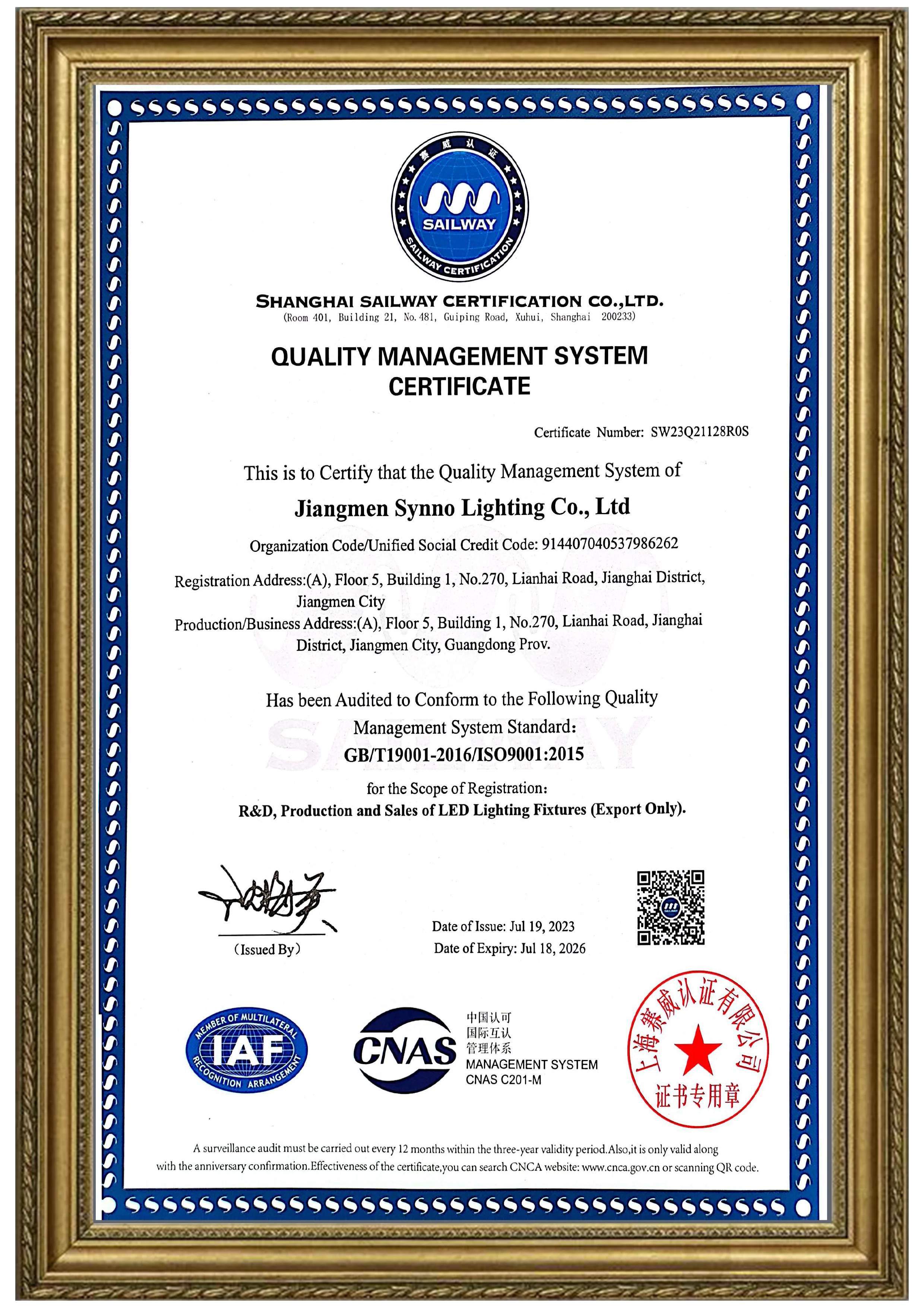
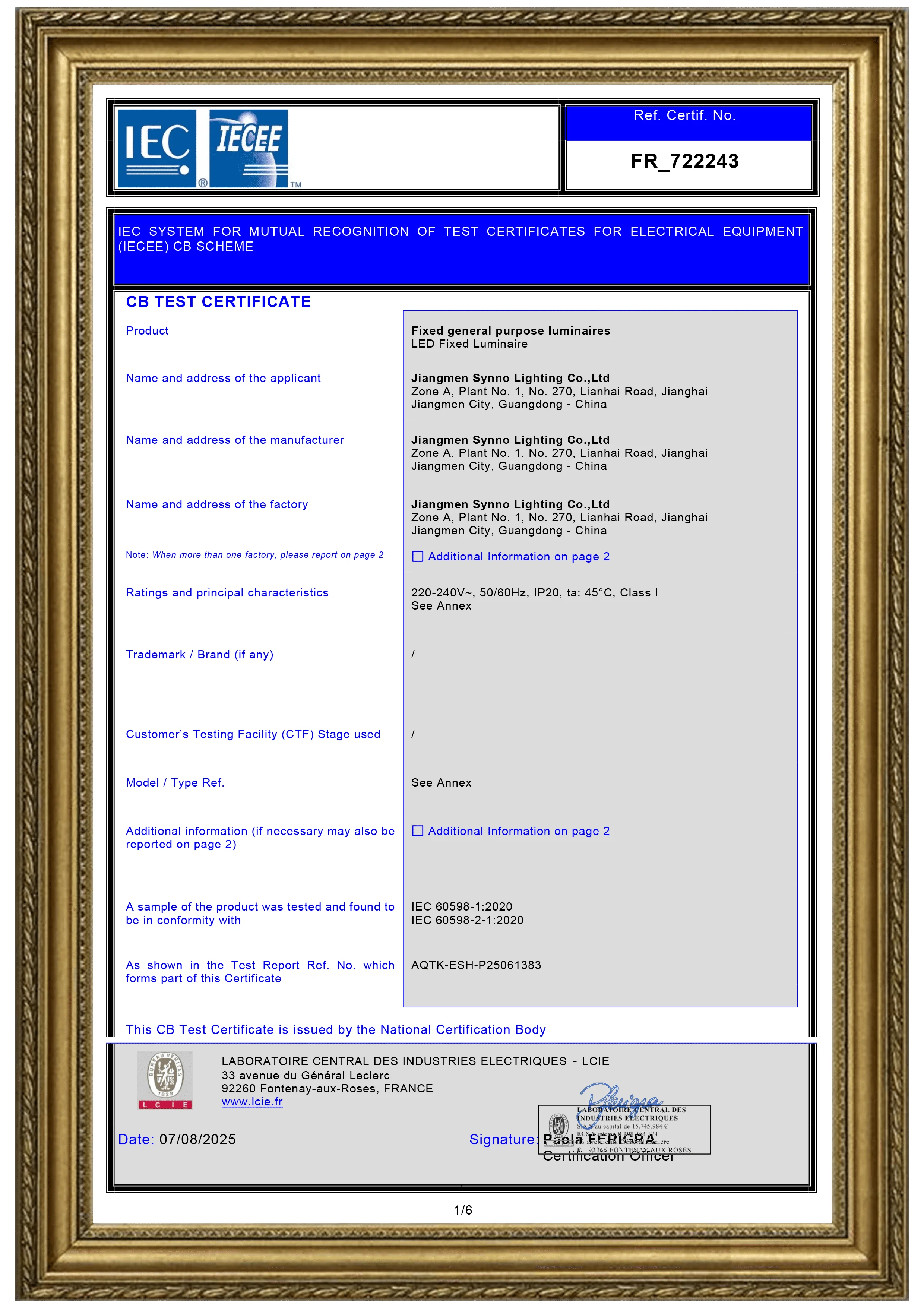
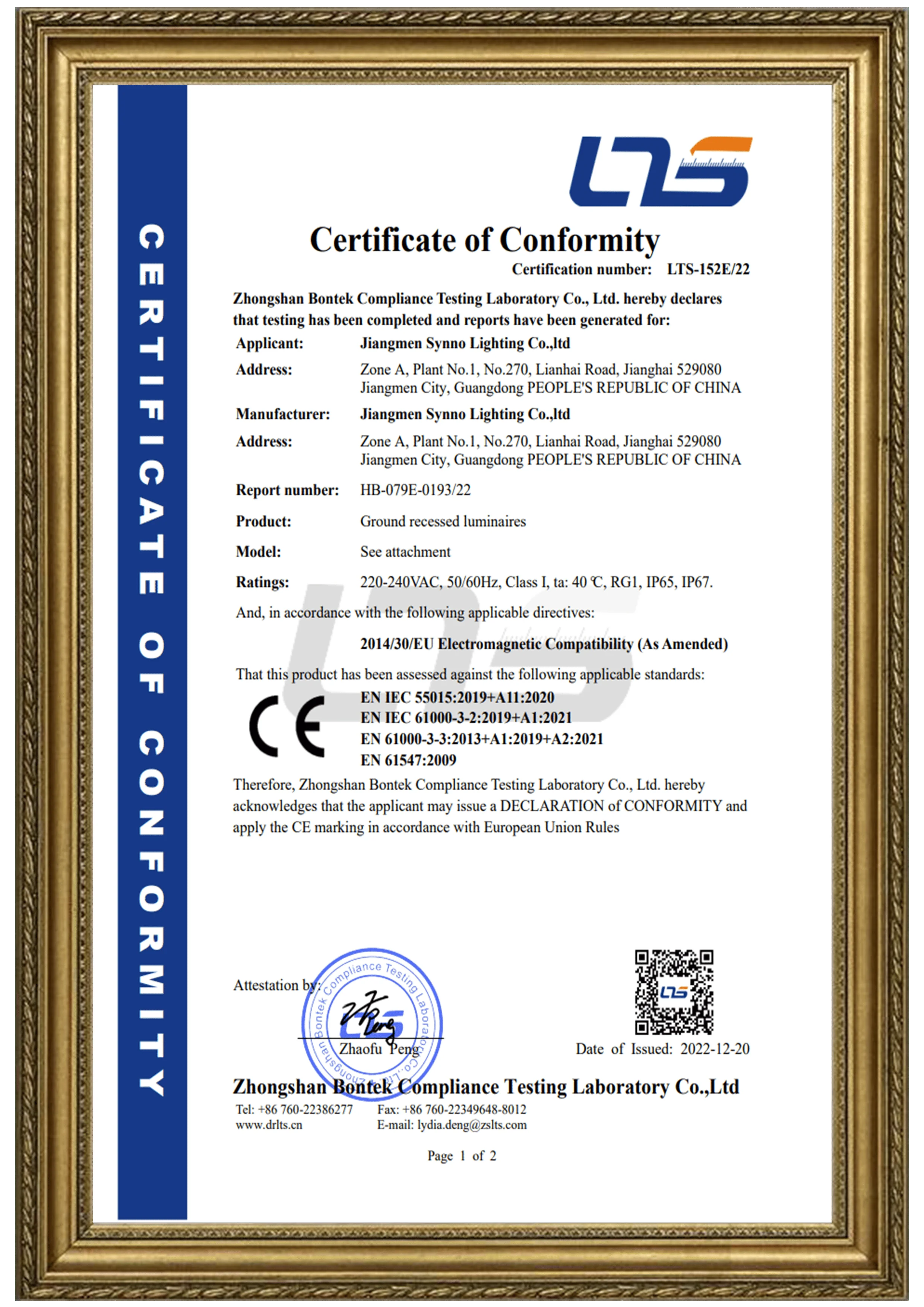
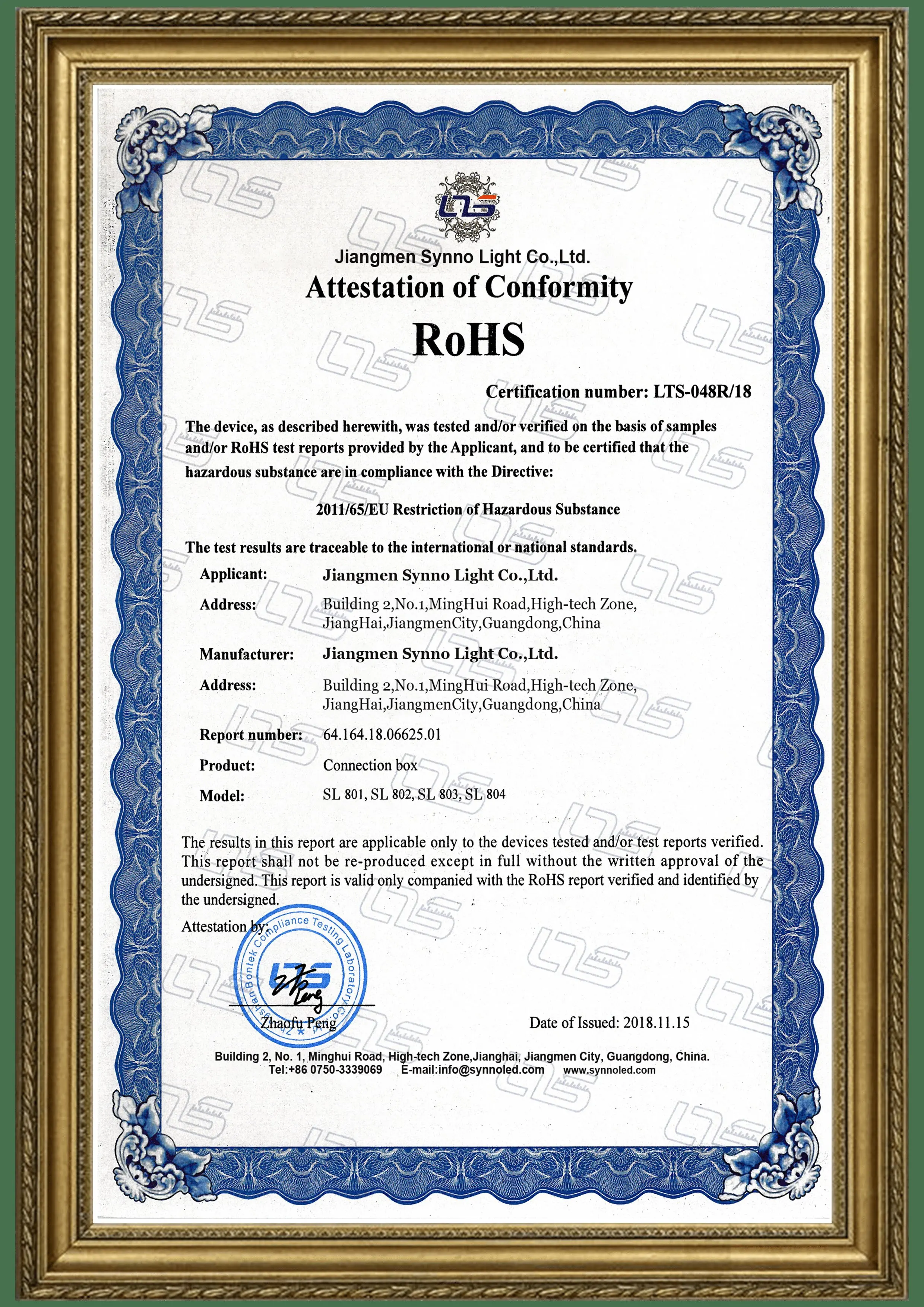
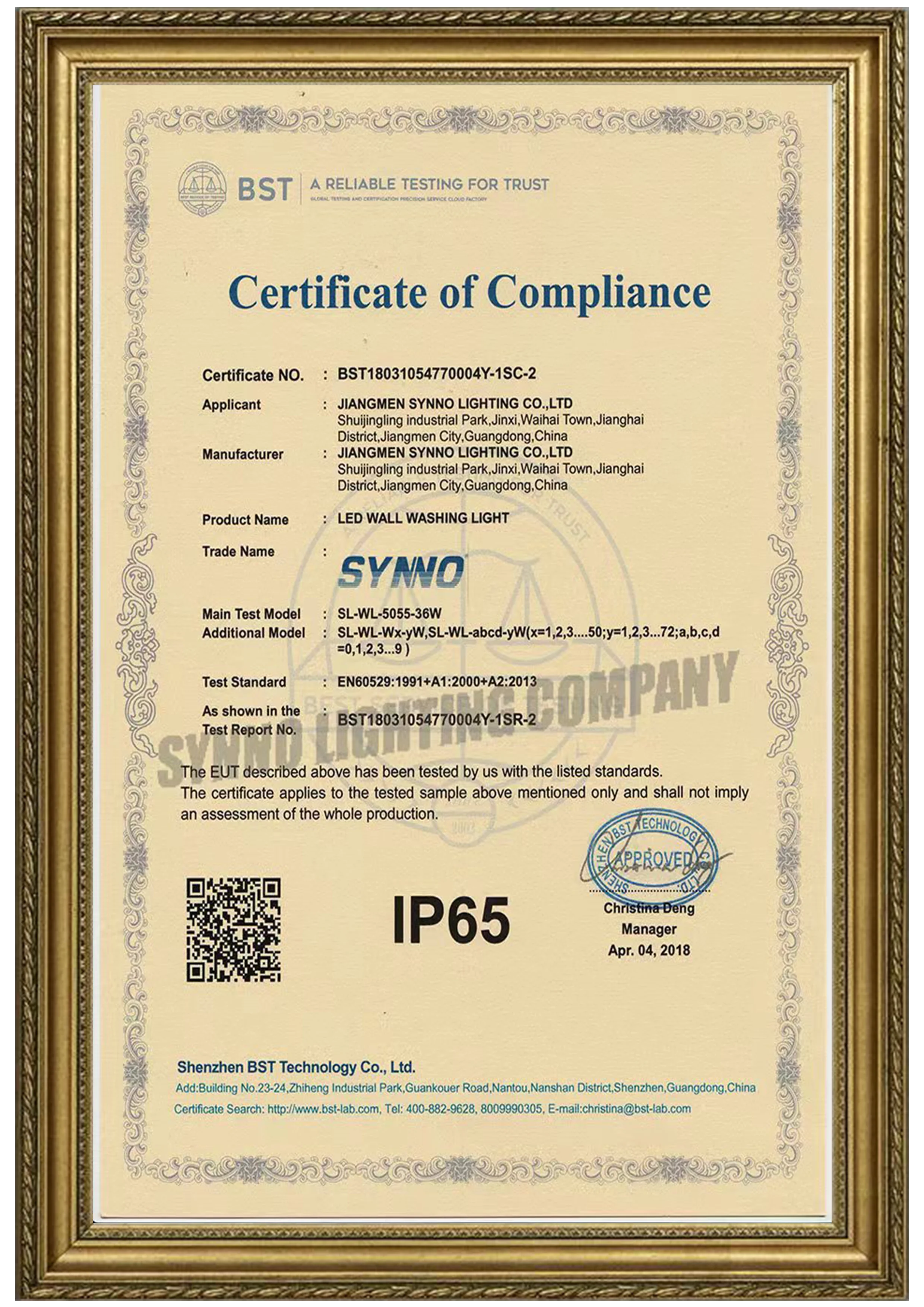
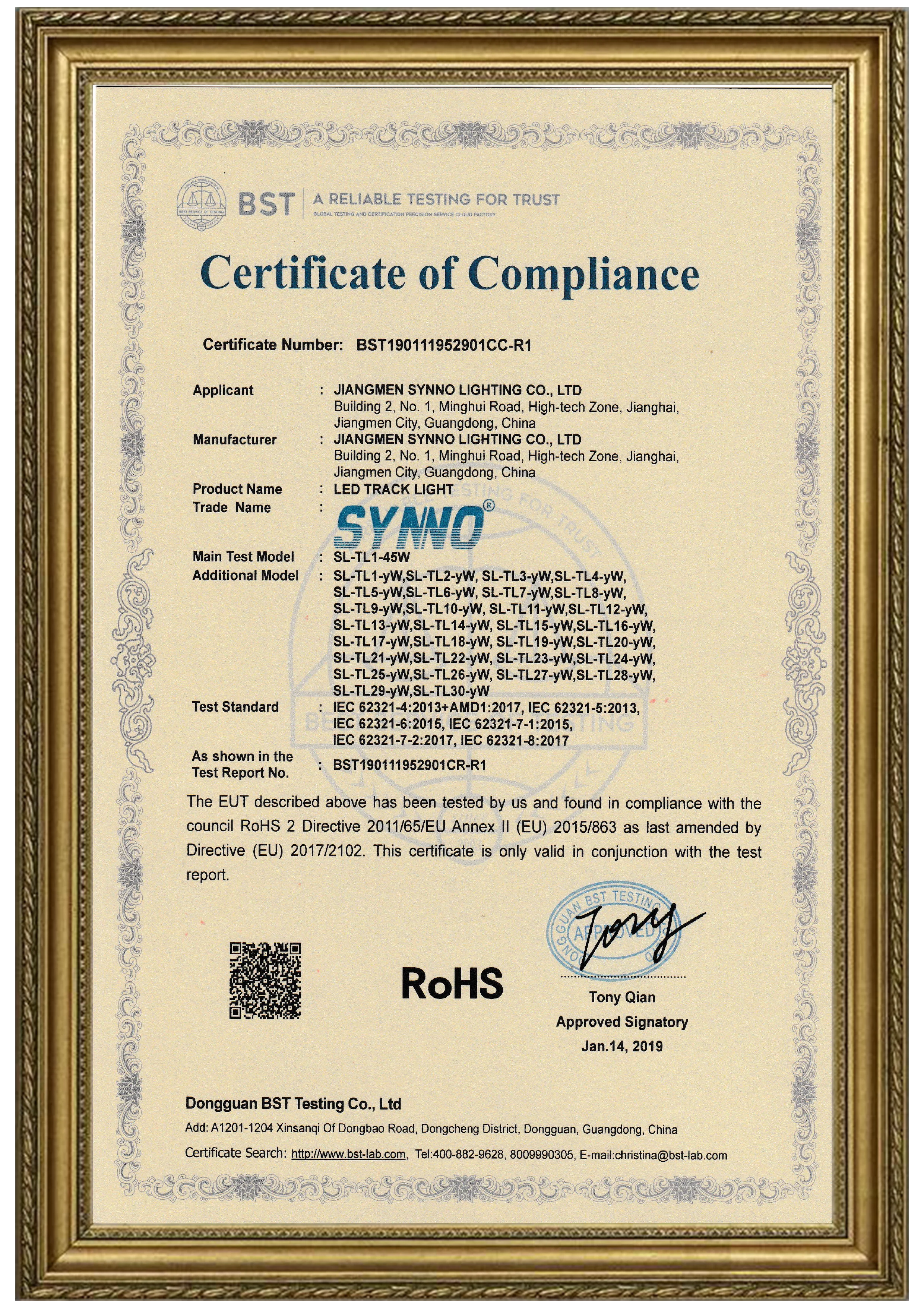
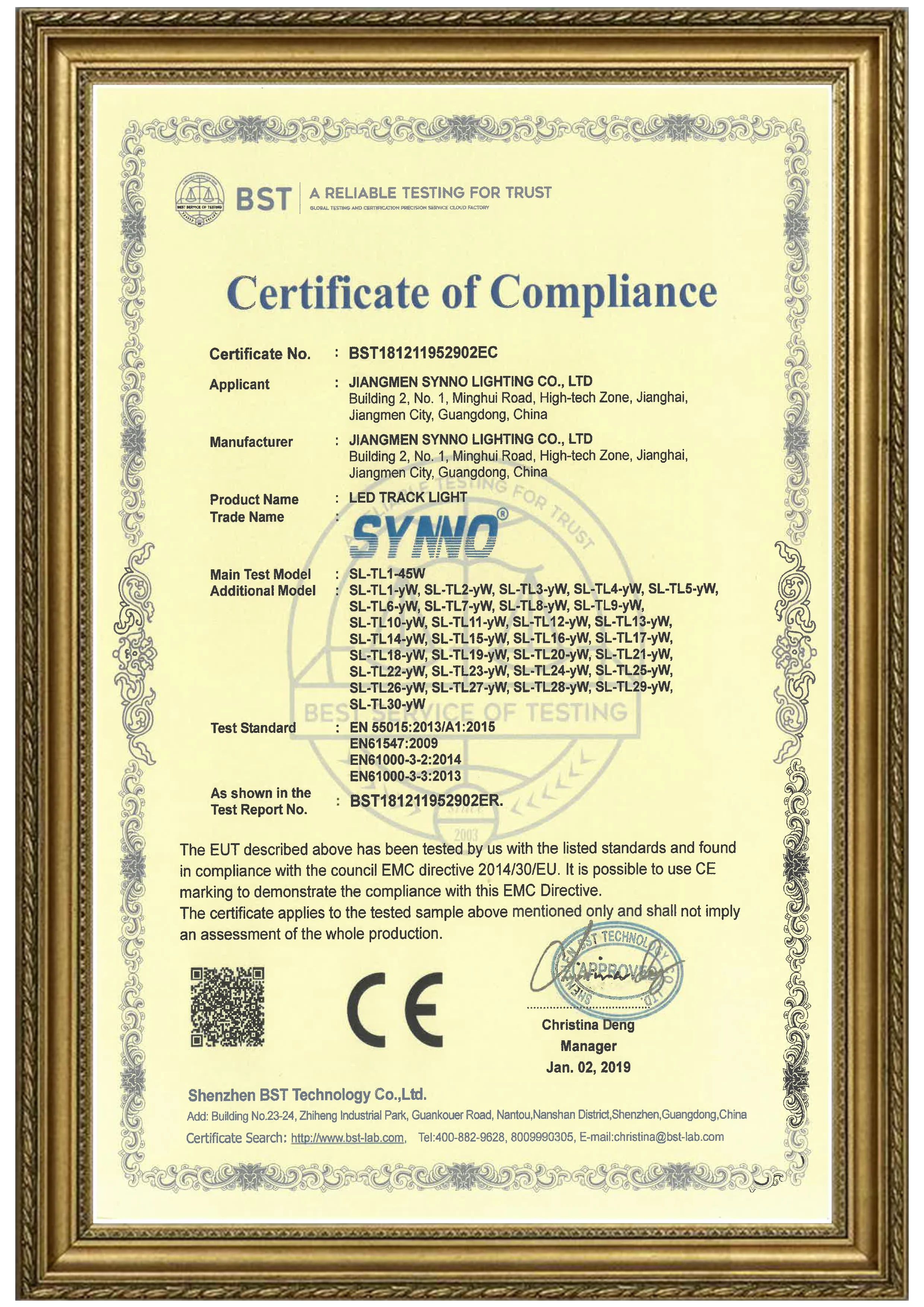
Both are CE and RoHS certified, ensuring safe, durable, and eco-friendly lighting.
11. Pros and Cons Summary
| Feature | Solar LED | Wired LED |
|---|---|---|
| Installation | Easy DIY | Requires professional setup |
| Upfront Cost | Low | Moderate to high |
| Operating Cost | Zero | Minimal (energy-efficient) |
| Brightness | Low to medium | Medium to high |
| Maintenance | Moderate (battery) | Low |
| Weather Resistance | Varies by quality | High with IP-rated housing |
| Control Options | Limited | Full smart integration |
| Lifespan | 1–3 years (battery) | 5–10+ years |
12. Final Verdict: Which Should You Choose?
Choose Solar LED Garden Lights if:
-
You want a quick and affordable solution
-
You’re lighting small areas like pathways or flowerbeds
-
You prefer eco-friendly, off-grid lighting
-
You want temporary or portable options
Choose Wired LED Garden Lights if:
-
You want high brightness and full control
-
You’re working on a permanent landscape project
-
You want to highlight trees, sculptures, or water features
-
You expect extreme weather resistance and durability
Need Help Choosing the Right Garden Light Solution?
As a professional LED lighting manufacturer and exporter, we offer:
-
A full range of solar and wired LED garden lights
-
Customization options for beam angle, finish, power, and mounting
-
OEM/ODM support for distributors and large projects
-
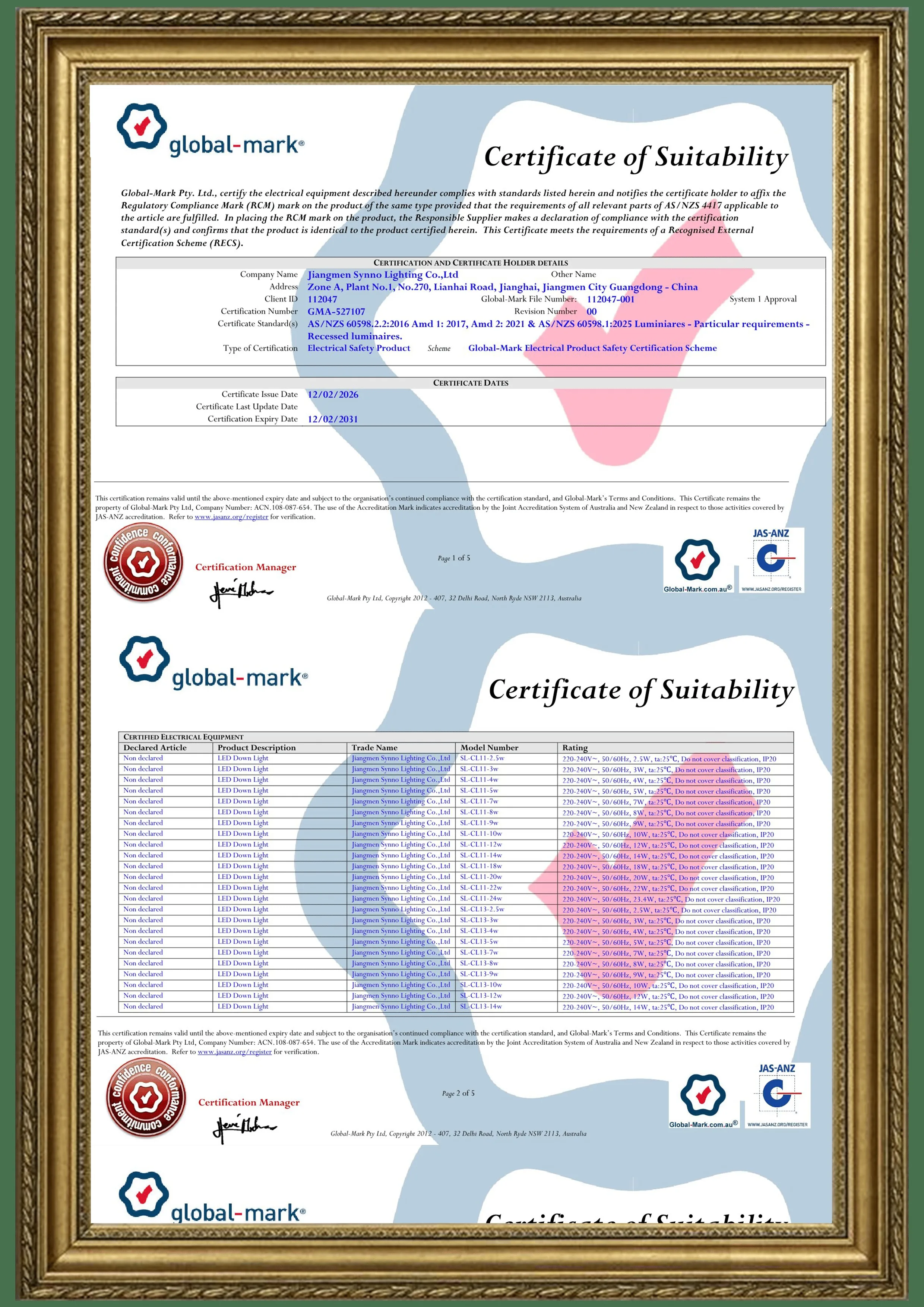
CE, RoHS, and IP65–IP68 certified products for global markets
Contact us today to receive a personalized lighting solution that fits your project needs, budget, and style.