Types of LED Flood Lights: Wide Beam, Narrow Beam, Motion-Sensor, RGB
However, not all LED flood lights are the same. Depending on your application, choosing the right type of flood light—wide beam, narrow beam, motion-sensor, or RGB—can significantly affect your project’s outcome in terms of lighting performance, aesthetics, and energy use.
In this article, we’ll explore the different types of LED flood lights, their use cases, advantages, and how to select the ideal one for your specific needs.
1. What Are LED Flood Lights?
LED flood lights are high-intensity, broad-beam lighting fixtures designed to illuminate large outdoor spaces. Unlike traditional halogen or metal halide flood lights, LEDs offer:
-
Up to 80% energy savings
-
Longer lifespans (30,000–50,000 hours)
-
Lower heat emission
-
Flicker-free lighting
-
Better environmental safety (no mercury or UV)
Common use cases include:
-
Outdoor parking lots
-
Building facades
-
Gardens and backyards
-
Stadiums and sports courts
-
Construction sites
-
Public plazas
2. Types of LED Flood Lights: An Overview
The performance of LED flood lights varies significantly depending on their beam angle, control features, and color capabilities. Here's a breakdown of the four most common types:
-
Wide Beam LED Flood Lights
-
Narrow Beam LED Flood Lights
-
Motion-Sensor LED Flood Lights
-
RGB LED Flood Lights
Let’s dive into each type in detail.
3. Wide Beam LED Flood Lights
What Is a Wide Beam Angle?
A wide beam refers to a beam angle of 90° to 120° or more. These flood lights are designed to spread light over a large surface area, making them ideal for general outdoor illumination.
Best Applications:
-
Parking lots
-
Large gardens or lawns
-
Warehouse exteriors
-
Public parks
-
Stadium surrounds
Advantages:
-
Covers broad areas with fewer fixtures
-
Reduces dark zones and shadows
-
Offers soft, diffused lighting
-
Enhances safety in commercial or residential areas
Limitations:
-
Not ideal for focused or high-mounted directional lighting
-
May cause light spill if not properly shielded
Our Recommendation:
Choose IP65-rated wide beam LED flood lights for outdoor durability, available in various wattages from 30W to 300W, depending on your required brightness.
4. Narrow Beam LED Flood Lights
What Is a Narrow Beam Angle?
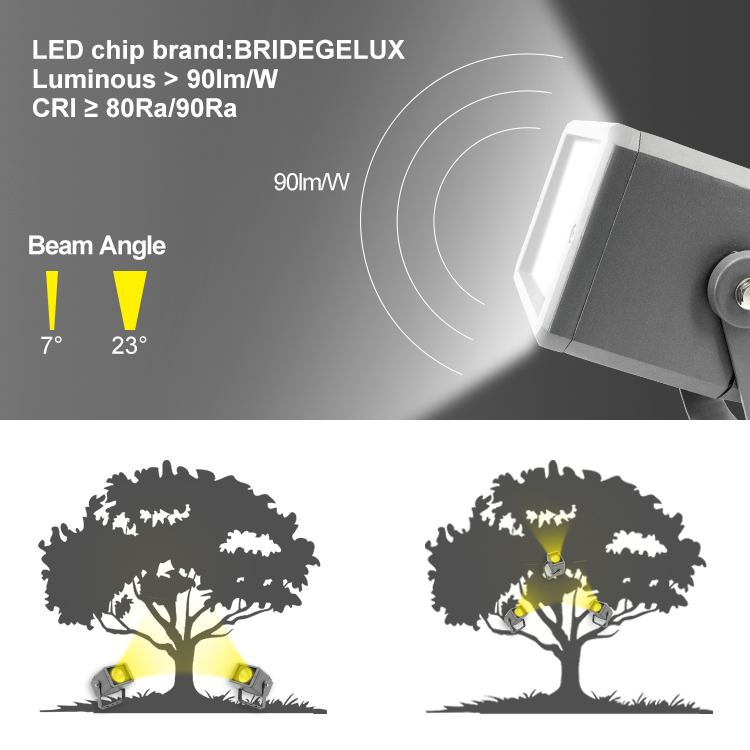
Narrow beam flood lights usually have a beam angle of 15° to 60°. They produce high-intensity, focused light that can reach longer distances or highlight specific features.
Best Applications:
-
Architectural highlighting (pillars, columns, facades)
-
Tree or statue uplighting
-
Signboards and billboards
-
Long driveways or pathways
-
Sports lighting
Advantages:
-
Creates a dramatic effect with contrast and shadows
-
Minimizes light pollution
-
Increases visibility of vertical elements
-
Saves energy by directing light only where needed
Limitations:
-
Limited coverage; more fixtures needed for large areas
-
Requires precise aiming and mounting
Our Recommendation:
Select narrow beam LED flood lights with adjustable brackets, ideal for accent lighting or wall grazing. Pair them with CRI ≥ 80 or ≥ 90 options for natural color appearance.
5. Motion-Sensor LED Flood Lights
What Are Motion-Sensor Flood Lights?
Motion-sensor (or PIR sensor) LED flood lights automatically turn on when movement is detected within a set range, typically using infrared sensing technology.
Best Applications:
-
Home entrances and garages
-
Backyards and alleys
-
Warehouses and storage areas
-
Perimeters and driveways
-
Office exteriors and entrances
Advantages:
-
Energy-efficient: only activates when needed
-
Deters intruders and improves security
-
Adds convenience (no switches required)
-
Adjustable detection range and duration
Limitations:
-
May trigger falsely due to pets, wind-blown objects, or insects
-
Requires clear installation zone (no obstructions)
Our Recommendation:
Choose IP65-rated motion-sensor LED flood lights with adjustable detection distance (up to 12m) and delay time settings. Ideal for residential and small business security lighting.
6. RGB LED Flood Lights
What Are RGB Flood Lights?
RGB LED flood lights use red, green, and blue diodes to produce millions of color combinations. They are often controllable via remote, DMX, or smart apps, making them highly versatile for decorative and event lighting.
Best Applications:
-
Outdoor event venues
-
Landscape lighting
-
Holiday and celebration lighting
-
Stage or façade light shows
-
Commercial branding and signage
Advantages:
-
Dynamic color-changing effects
-
Supports static color or programmed sequences
-
Syncs with music or motion (in advanced models)
-
Adds vibrance and visual excitement
Limitations:
-
Typically higher cost than standard flood lights
-
May not provide sufficient brightness for task lighting
-
Requires compatible controllers and drivers
Our Recommendation:
Install DMX-compatible RGB LED flood lights with aluminum die-cast housing, high-quality optics, and waterproof design for commercial-grade outdoor lighting events.
7. Technical Factors to Consider Across All Flood Light Types
When choosing your ideal flood light—regardless of beam type or function—don’t forget to evaluate the following:
IP Rating
-
Look for IP65 or higher for waterproof and dustproof performance
-
Suitable for all-weather use in outdoor installations
Material and Build Quality
-
Opt for die-cast aluminum housings with tempered glass lenses
-
Look for anti-corrosion coating for coastal or humid environments
Wattage and Lumen Output
-
Residential: 10W–50W (900–4,500 lumens)
-
Commercial: 50W–200W (4,500–24,000 lumens)
-
Industrial: 200W–500W (24,000+ lumens)
Color Temperature
-
3000K–4000K: Warm white for ambience
-
5000K–6500K: Cool white for clarity and security
-
RGB: For mood and color-specific needs
Mounting Flexibility
-
Wall-mount, ground-mount, pole-mount, or bracket adjustable
-
Ensure adjustable angle for beam aiming precision
8. Matching Flood Lights to Applications
| Application | Recommended Flood Light Type | Key Feature |
|---|---|---|
| Home driveway | Motion-sensor wide beam | Auto ON/OFF + wide coverage |
| Commercial façade | Narrow beam or RGB | Architectural focus + branding |
| Landscape garden | RGB or wide beam | Mood lighting + ambient effects |
| Sports courts | Narrow beam high-power | Long-range illumination |
| Warehouse loading dock | Wide beam | Uniform brightness |
| Perimeter security | Motion-sensor or narrow beam | Security + energy saving |
9. Our Product Line: LED Flood Light Solutions for Every Need
As a trusted LED lighting manufacturer with global export experience, we provide a full range of flood lights tailored to diverse needs:
-
Wide beam and narrow beam options with custom optics
-
Motion-sensor floodlights with smart delay and range control
-
RGB floodlights with DMX512 and remote control support
-
IP66-rated die-cast housings for long-lasting outdoor use
-
Multiple wattages (10W to 500W) with customizable beam angles
-
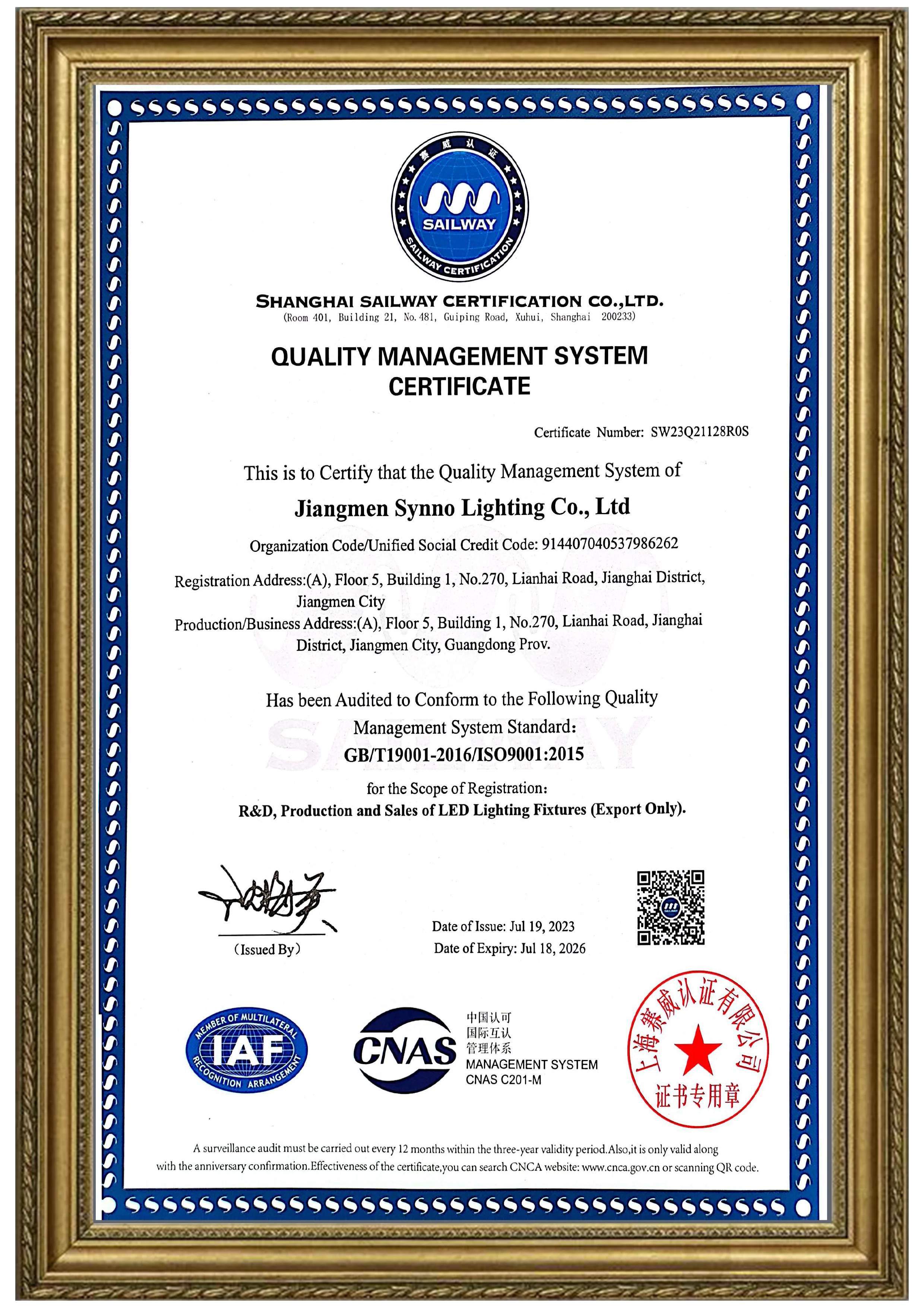
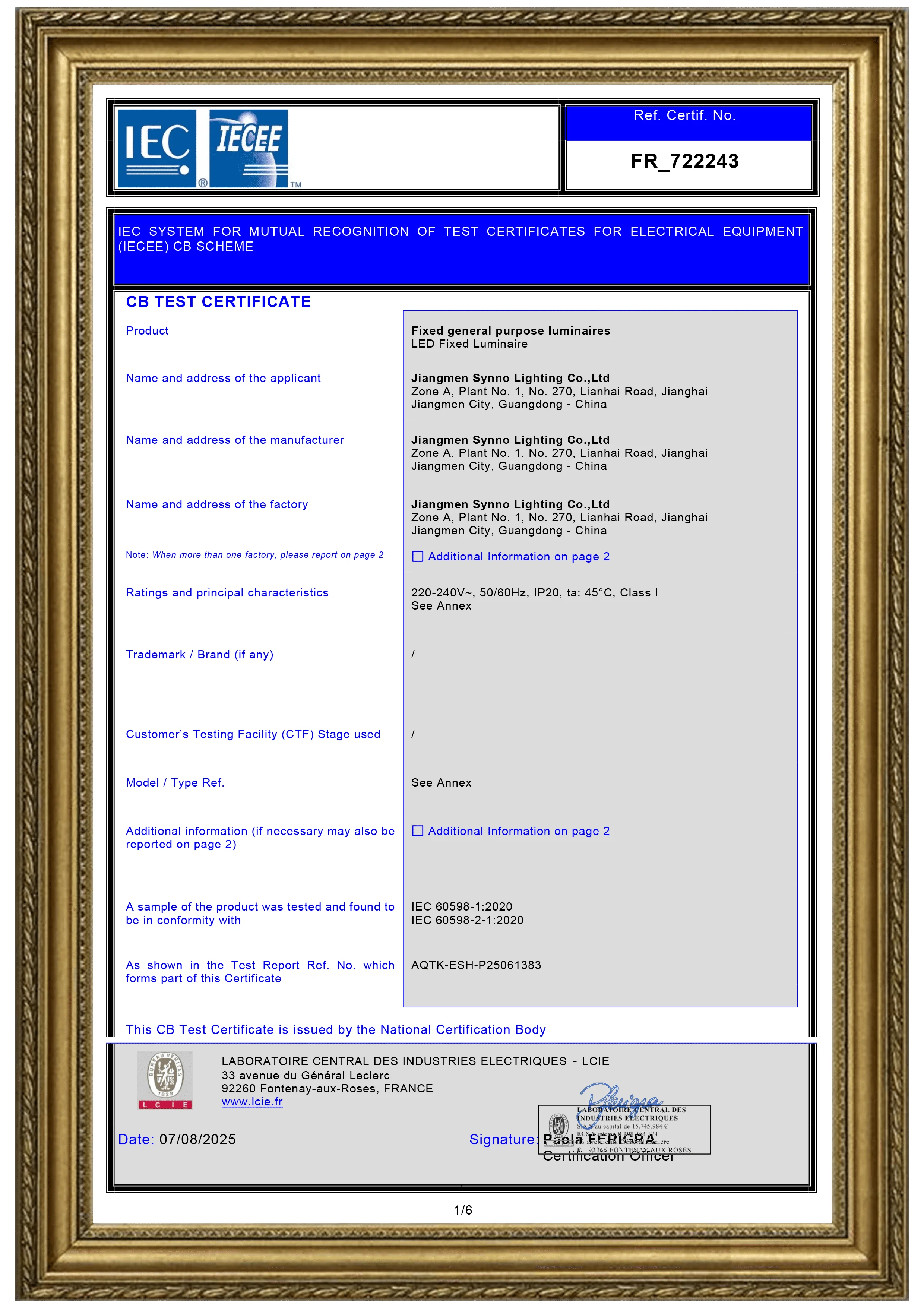
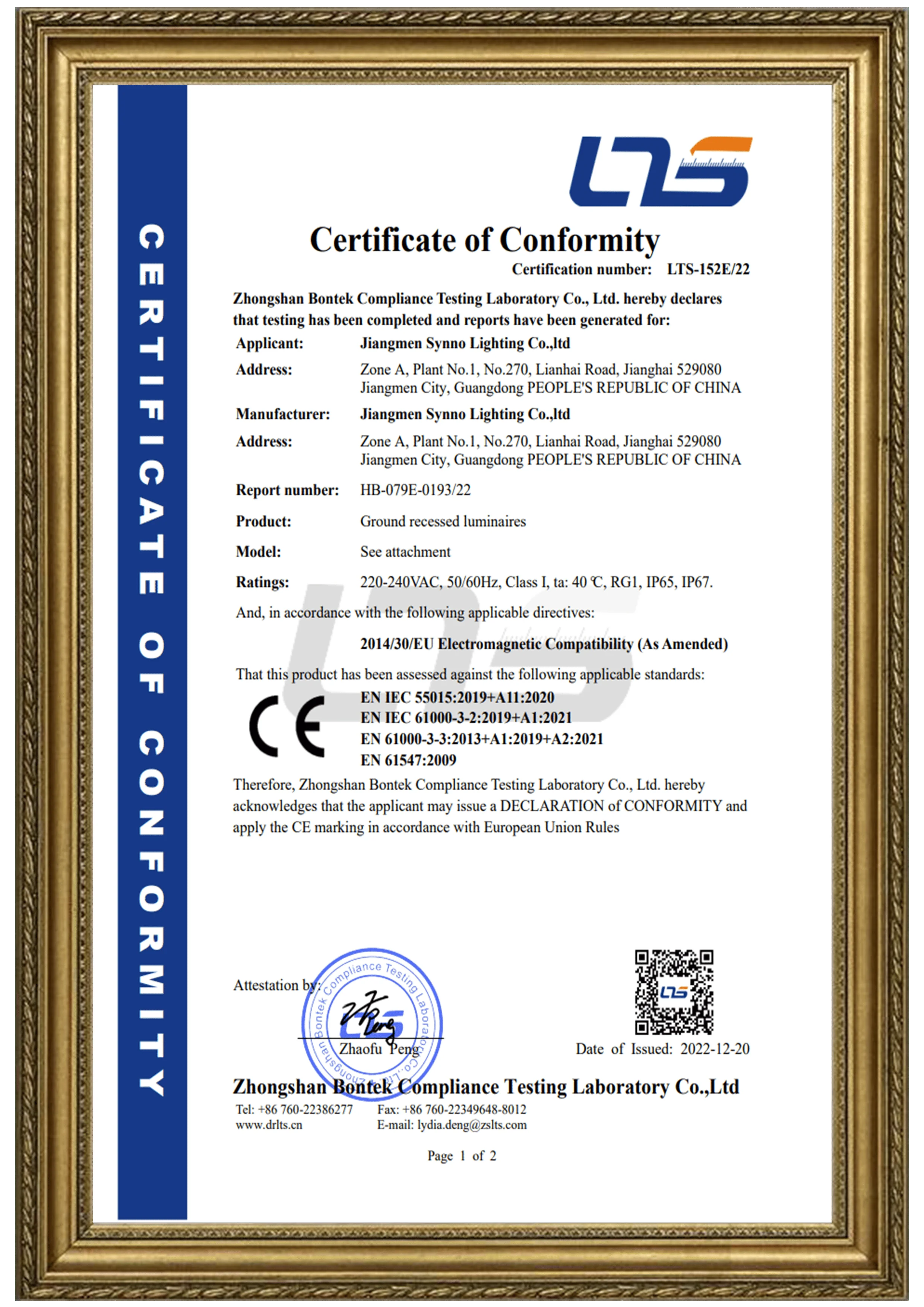
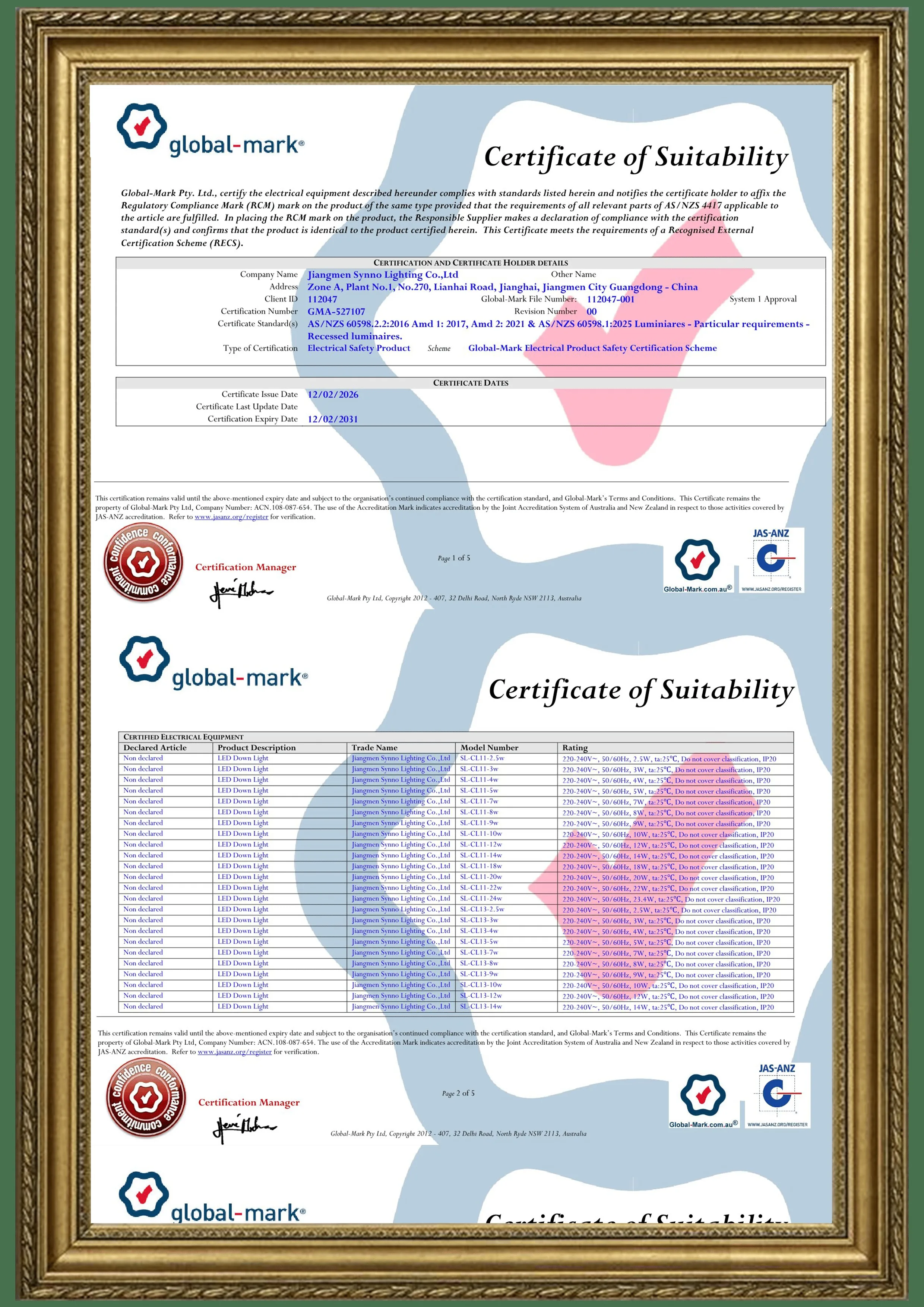
Certified to CE, RoHS, UL, and ISO standards
Whether you are lighting a garden, stadium, hotel exterior, warehouse, or event venue, our products combine performance, durability, and design flexibility.
10. Conclusion
Understanding the types of LED flood lights—wide beam, narrow beam, motion-sensor, and RGB—is essential for selecting the right solution for your lighting project. Each type serves a unique purpose and offers distinct benefits:
-
Wide beam lights offer broad illumination for safety and visibility
-
Narrow beam lights highlight architecture and focus light where needed
-
Motion-sensor flood lights enhance energy efficiency and security
-
RGB flood lights transform spaces with color and creativity
Making the right choice means balancing functionality, design, and budget. By identifying your specific needs and matching them with the right floodlight type, you’ll achieve optimal performance, visual appeal, and long-term reliability.
Need help choosing the best LED flood light for your application?
Contact our team for expert recommendations, bulk pricing, and product customization options tailored to your project.