COB vs. SMD LED Downlights: What’s the Difference?
As LED technology continues to evolve, more lighting professionals, contractors, and homeowners are turning to LED downlights for their superior energy efficiency, durability, and visual performance. However, when selecting the right downlight for your space, one important decision often stands out: COB vs. SMD LED.
Both COB (Chip-on-Board) and SMD (Surface-Mounted Device) are popular types of LED technologies used in modern downlights. While they both offer energy savings and long life, they differ significantly in terms of design, performance, beam angle, heat management, and cost.
In this article, we’ll break down the key differences between COB and SMD LED downlights, helping you determine which option is best suited for your specific application—whether it’s residential, commercial, or industrial.
1. What is a COB LED Downlight?
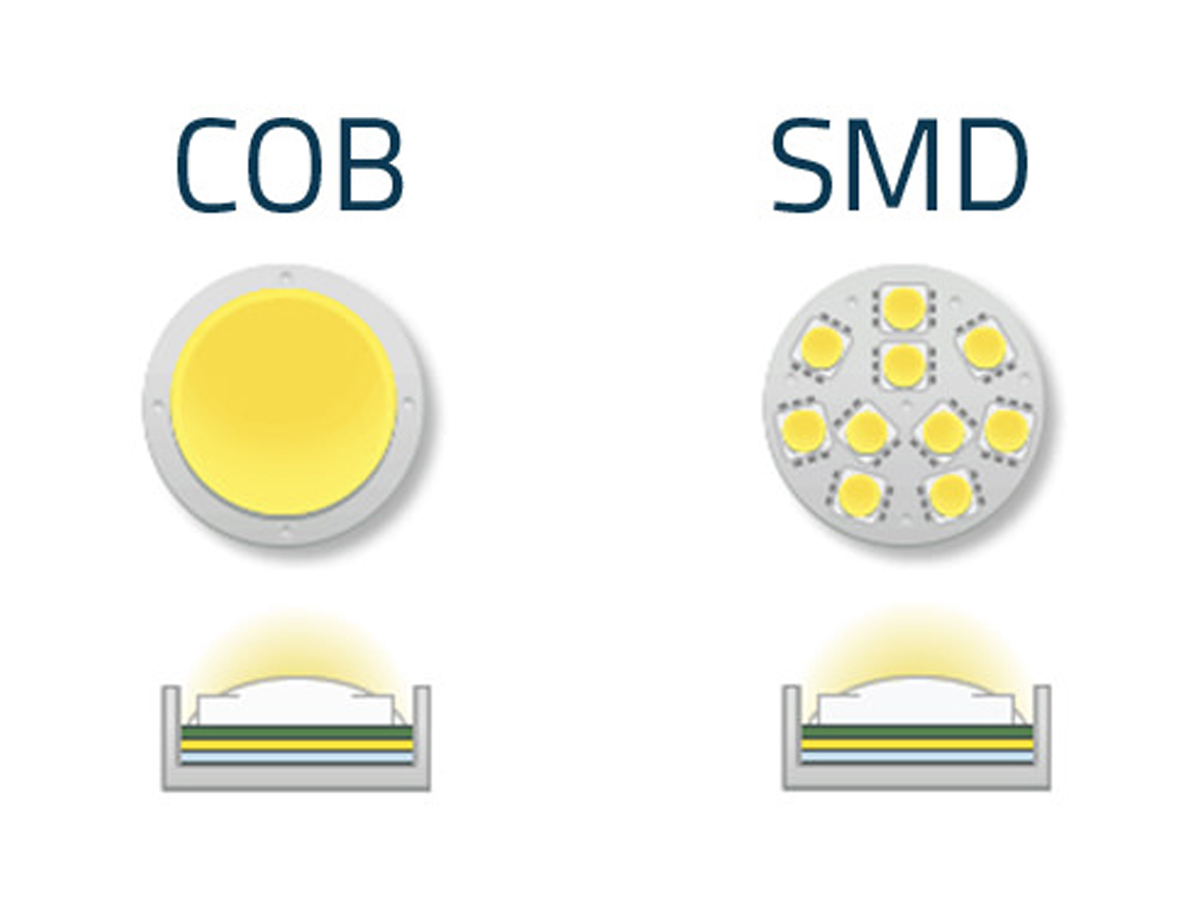
COB (Chip-on-Board) is a newer LED technology that features multiple LED chips (usually 9 or more) packaged together as a single module. These chips are mounted directly onto a substrate, forming one single lighting source.
Key Features of COB LED Downlights:
-
Appears as one large diode
-
Emits a strong, concentrated beam
-
Excellent for focused and directional lighting
-
Typically has a higher CRI (Color Rendering Index)
-
Great thermal performance due to compact design
Ideal Applications:
-
Accent lighting
-
Task lighting
-
High-ceiling areas
-
Hospitality and retail displays
2. What is an SMD LED Downlight?
SMD (Surface-Mounted Device) LEDs use individual diodes mounted onto a circuit board. Each SMD chip has multiple contacts and can feature RGB and white color diodes in one unit, enabling more flexible lighting capabilities.
Key Features of SMD LED Downlights:
-
Multiple diodes spread across a wider area
-
Emits broader, more diffused light
-
Offers more color temperature options and RGB flexibility
-
Easier to control with dimming and smart systems
Ideal Applications:
-
General indoor lighting
-
Residential ceilings
-
Offices and retail environments
-
Ambient or decorative lighting
3. Visual Differences at a Glance
| Feature | COB LED Downlight | SMD LED Downlight |
|---|---|---|
| Appearance | Single-point light source | Multiple diodes visible |
| Light Output | Focused, high-intensity | Broad, uniform light |
| Beam Angle | Narrow to medium (15°–60°) | Wide (90°+) |
| Heat Sink | Compact, more centralized | Spread out over larger area |
| Design | Minimal glare, cleaner beam | More light diffusion, may require diffuser |
4. Light Quality and Beam Angle
COB:
-
Produces a more concentrated beam, ideal for spot and accent lighting
-
Available in beam angles as narrow as 15° and up to around 60°
-
Offers high color fidelity (often with CRI >90)
-
Preferred in display environments, galleries, and hotels
SMD:
-
Emits wider beam angles by design (often 90°–120°)
-
Better suited for ambient lighting
-
Tends to provide more even illumination across a room
-
Ideal for home use, offices, or low-ceilinged commercial settings
5. Brightness and Efficiency
Both COB and SMD LEDs are highly energy-efficient, but they have different characteristics when it comes to brightness delivery.
COB:
-
Higher lumen density (more light in a smaller area)
-
Brighter spot intensity
-
May appear more intense due to narrower beam
SMD:
-
Slightly higher luminous efficacy (lumens per watt)
-
More uniform brightness across wide areas
-
Less glare and better comfort in general lighting
6. Heat Management and Lifespan
COB LEDs:
-
Heat is concentrated in one area
-
Requires efficient thermal management
-
Typically designed with advanced heat sinks or integrated cooling systems
-
Lifespan: 30,000–50,000 hours
SMD LEDs:
-
Heat spread across multiple diodes
-
Easier to manage heat passively
-
Suitable for compact or thin lighting fixtures
-
Lifespan: 30,000–60,000 hours
Both types offer significantly longer lifespans than traditional halogen or CFL downlights.
7. Design Flexibility and Aesthetic Appeal
COB:
-
Cleaner light with less glare
-
Allows for deep anti-glare reflectors in architectural lighting
-
Sleek, minimalist aesthetic with a precise beam
SMD:
-
Offers RGB and tunable white features in one chip
-
Compatible with smart controls (e.g., dimming, app control)
-
Ideal for dynamic or decorative environments
8. Cost Comparison
| Category | COB | SMD |
|---|---|---|
| Manufacturing Cost | Higher | Lower |
| Fixture Design | More complex | More versatile |
| Consumer Price | Mid to high | Low to mid |
| Return on Investment | High for focused lighting | High for general lighting |
SMD LEDs are generally more cost-effective, but COBs are worth the investment for applications needing focused, premium-quality light.
9. Real-World Use Cases: Which One Should You Choose?
For Residential Lighting:
-
Living rooms / bedrooms: Use SMD downlights for broad, even lighting
-
Kitchens / workspaces: Combine SMD for general light and COB spotlights over countertops
For Commercial Settings:
-
Retail stores: Use COB downlights to highlight products
-
Supermarkets / offices: Use SMD downlights for broad ambient lighting
For Galleries or Hospitality:
-
Art installations / museums: Choose COB for accurate color rendering and minimal glare
-
Hotels / lobbies: Use both types—COB for accents, SMD for comfort
10. Summary of Key Differences
| Feature | COB LED Downlight | SMD LED Downlight |
|---|---|---|
| Beam Focus | Focused, spot-like | Wide, soft spread |
| Appearance | Single light source | Multiple light points |
| Best for | Accent, retail, task | General, ambient, decorative |
| Color Accuracy | Higher CRI | Moderate to high CRI |
| Heat Management | Needs efficient sink | More evenly distributed |
| Lifespan | 30,000–50,000 hours | 30,000–60,000 hours |
| Cost | Medium to high | Low to medium |
11. Why Choose Our COB and SMD LED Downlights
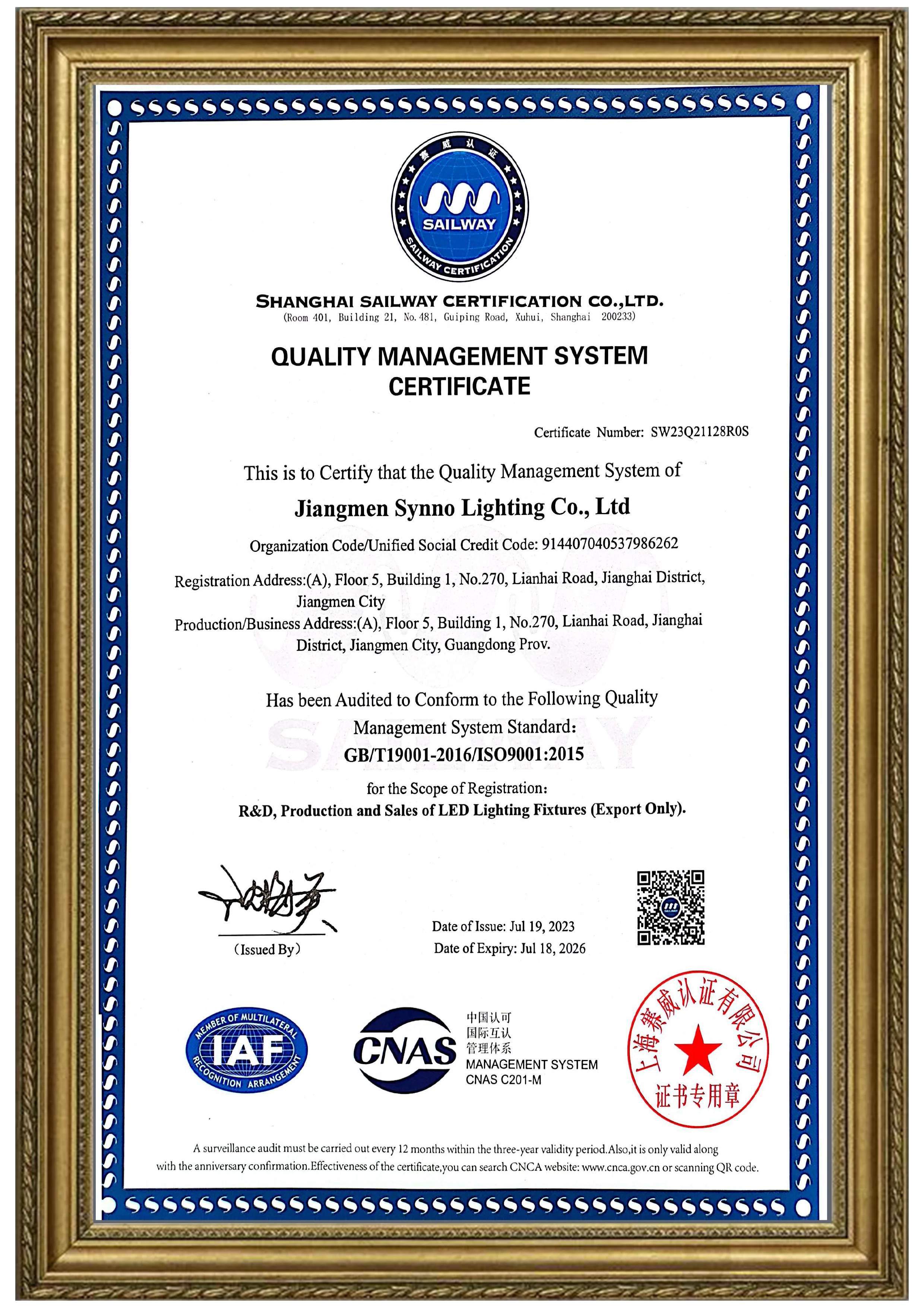
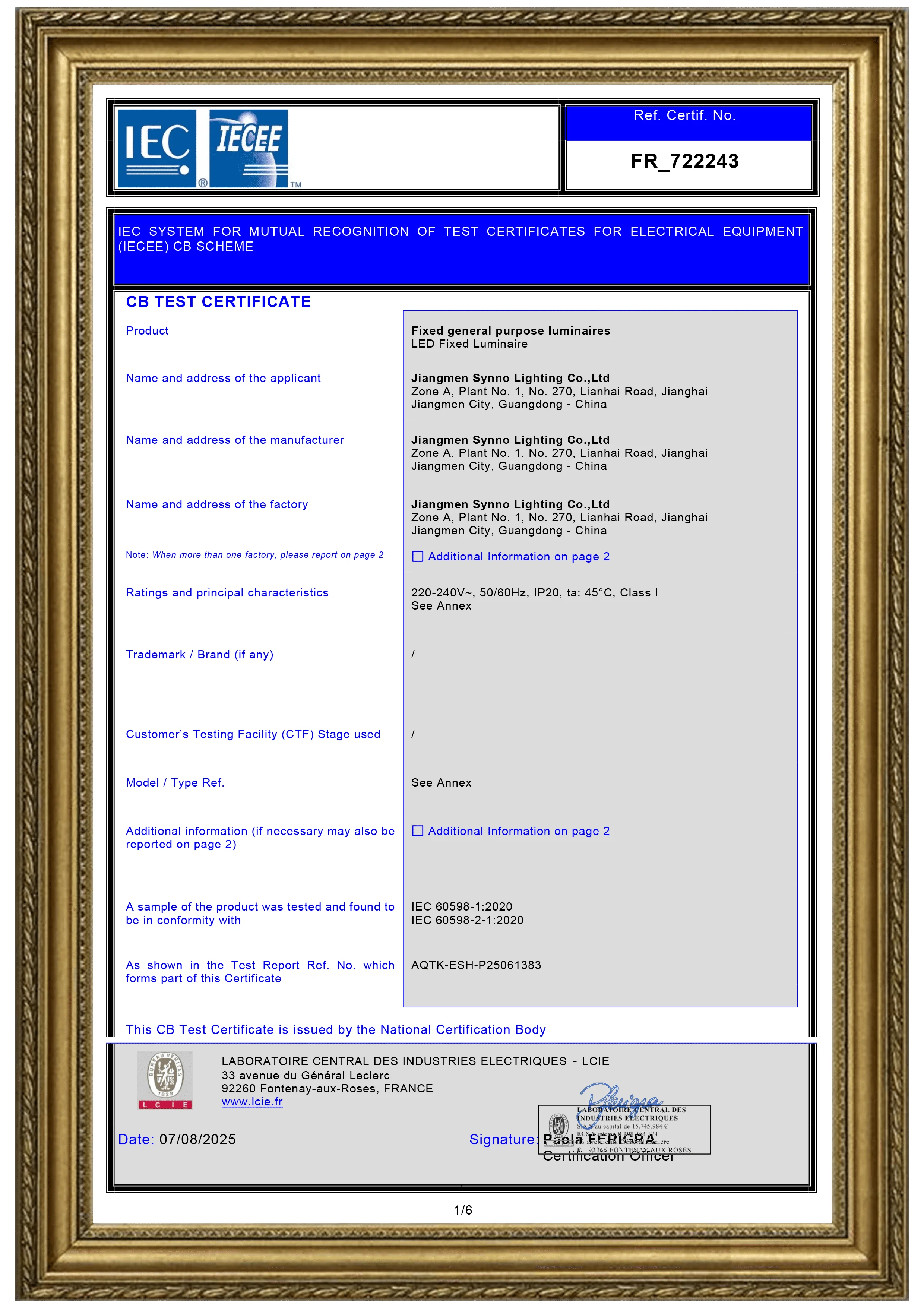
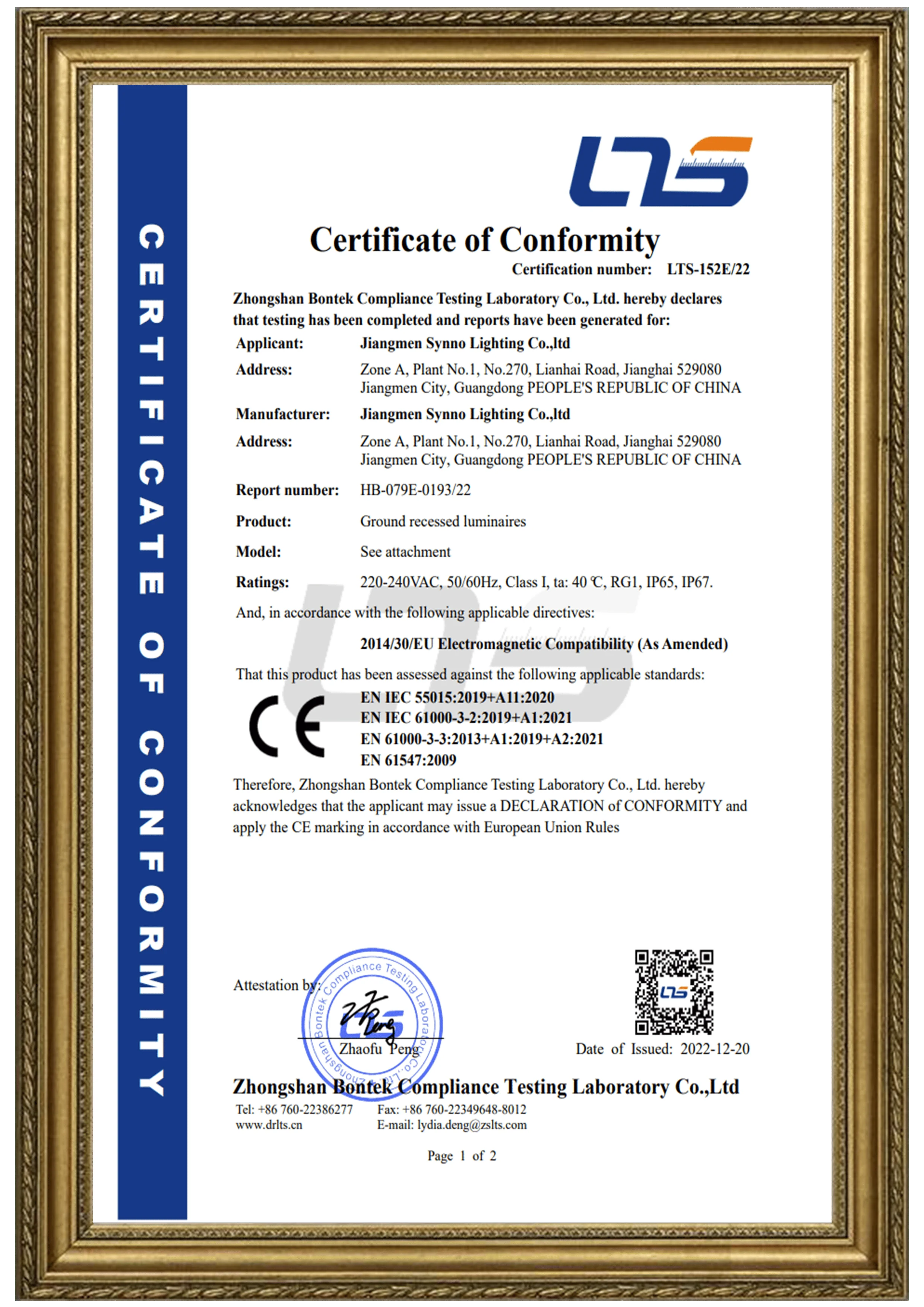
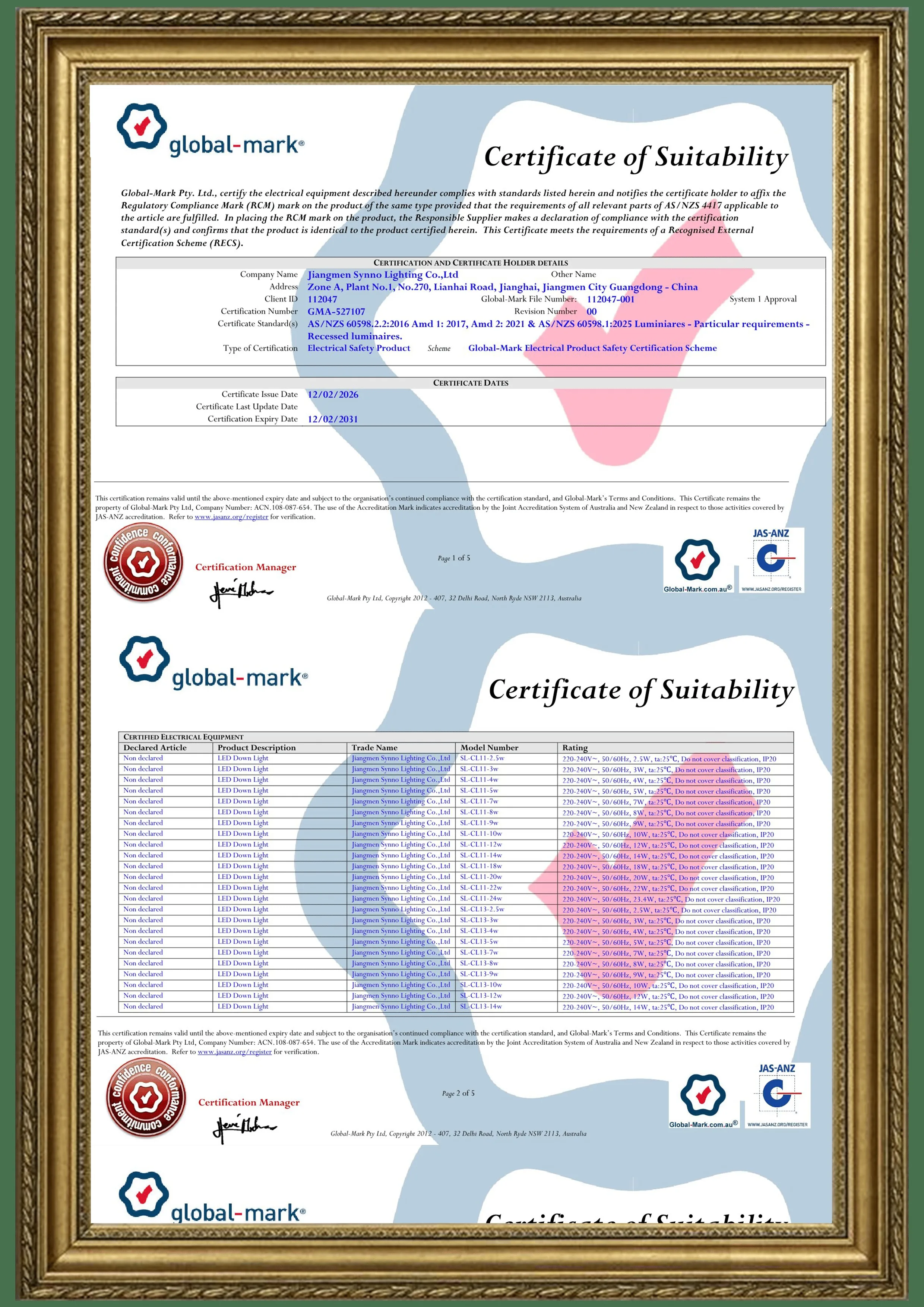
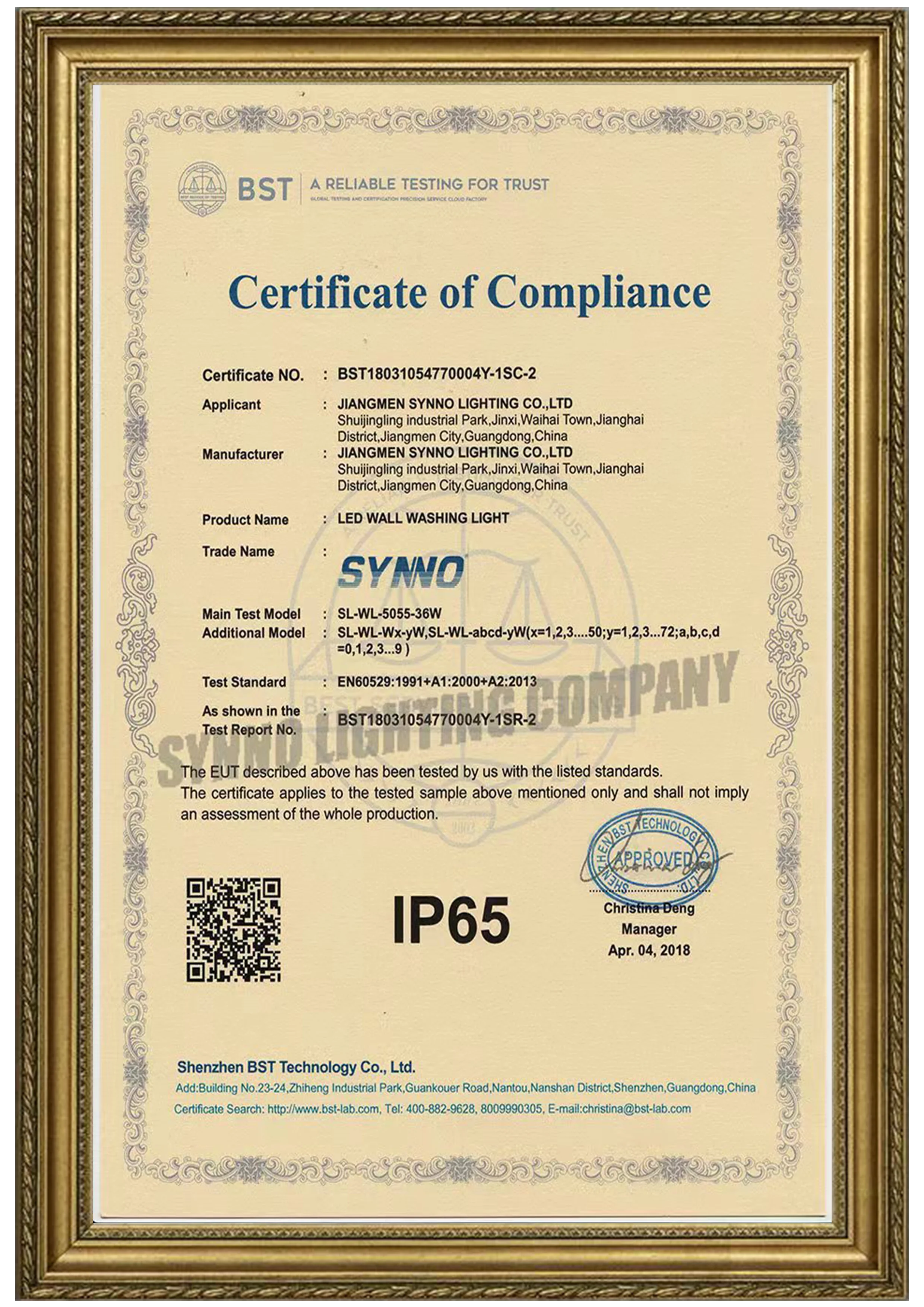
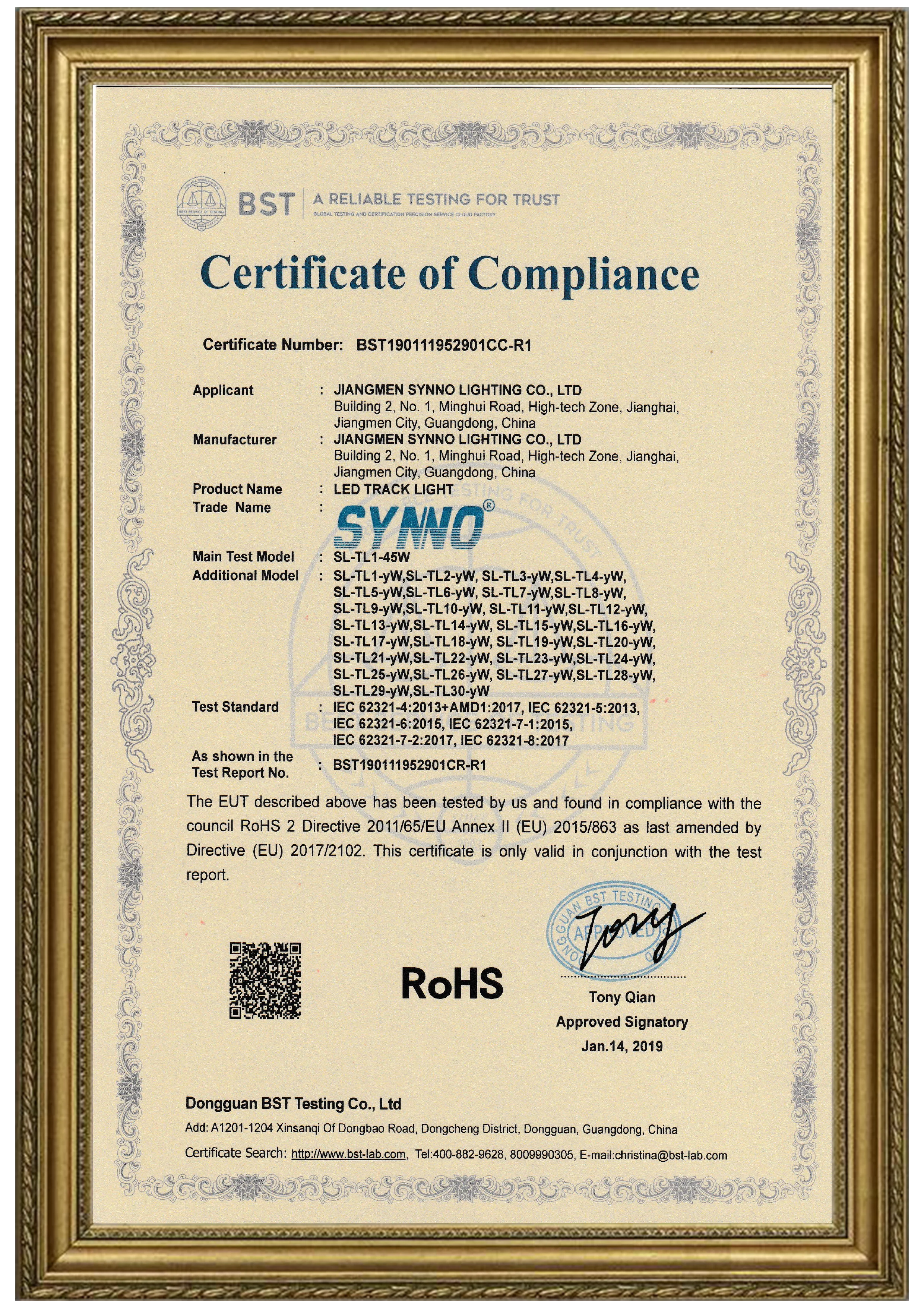
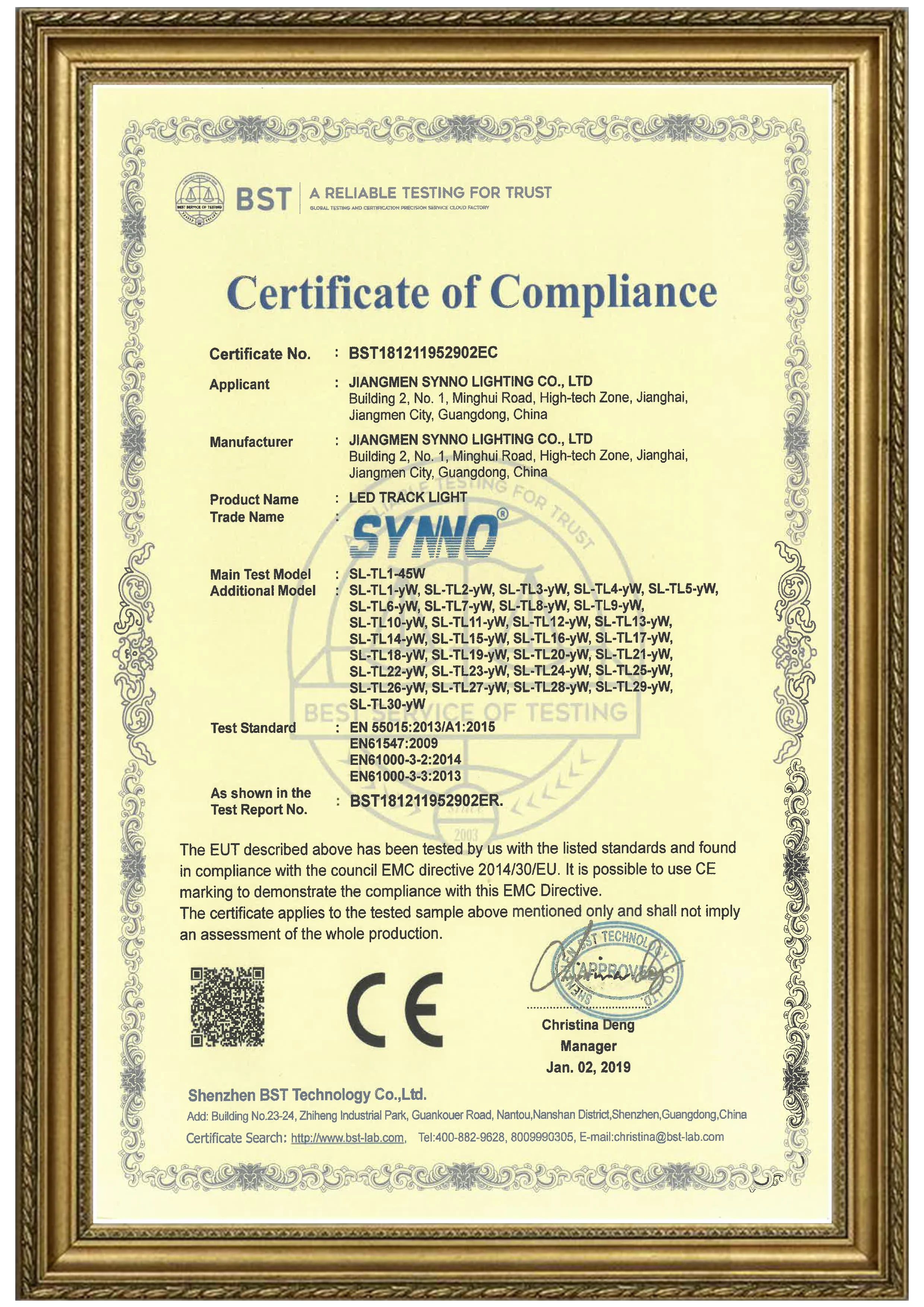
As a professional LED lighting manufacturer focused on export markets, we offer both COB and SMD downlights tailored to a wide range of applications, all certified to CE, RoHS, and other global standards.
Our LED Downlight Product Features:
-
High CRI (≥90) for true color rendering
-
Available in multiple beam angles and wattages
-
Dimmable and smart-ready options
-
IP-rated models for indoor or moisture-prone zones
-
Energy-saving and long-lifespan LED drivers
Our clients often combine both COB and SMD downlights to create multi-layered lighting designs for homes, hotels, retail chains, and commercial offices.
Conclusion
Choosing between COB and SMD LED downlights depends on your lighting goals. If you need focused lighting with excellent beam control and color fidelity, COB is the clear winner. But if you're aiming for even, efficient, and customizable illumination, SMD offers greater flexibility and affordability.
Ultimately, the best choice often involves using both technologies in harmony, creating a space that is not only well-lit but also visually dynamic and energy-efficient.
Looking for expert recommendations or custom LED downlight solutions for your project?
Contact us today to explore our complete range of COB and SMD LED downlights, available in various styles, sizes, and configurations—engineered to meet your lighting needs with precision and performance.