Choosing LED Lighting for Product Display: CRI Matters!
In retail environments, galleries, supermarkets, and even trade shows, product display lighting plays a critical role in how consumers perceive products—and ultimately, whether they buy them. One of the most important yet often overlooked aspects of lighting for displays is CRI, or Color Rendering Index.
This guide will explore what CRI is, why it matters in product displays, and how to choose the right LED lighting, such as spotlights, track lights, and downlights, to maximize your visual impact, customer engagement, and sales performance.
1. What Is CRI and Why Does It Matter?
Definition of CRI
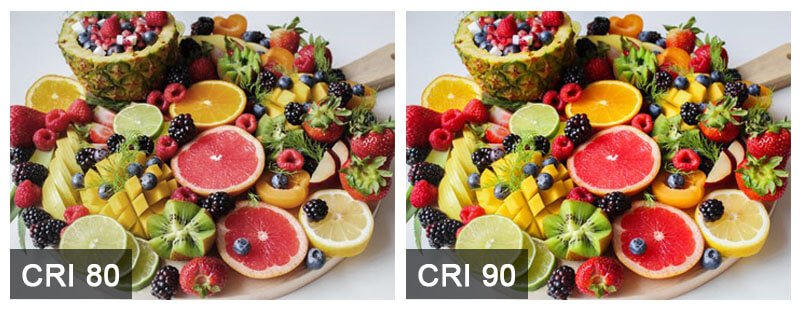
CRI (Color Rendering Index) is a metric that measures how accurately a light source renders colors compared to a natural light reference (typically sunlight). It is rated on a scale from 0 to 100.
-
100 CRI: Perfect color rendering (like daylight)
-
80–90 CRI: Good to excellent color rendering (ideal for retail and display)
-
Below 80 CRI: Poor color accuracy
Why CRI Matters for Product Displays
When products are illuminated under lighting with low CRI, their colors may appear dull, washed out, or unnatural. This can:
-
Make fabrics, artwork, or food look less appealing
-
Reduce customer engagement
-
Result in lost sales or incorrect product evaluations
For industries that rely on visual aesthetics, high CRI LED lighting is not a luxury—it’s a necessity.
2. The Science Behind CRI and LED Lighting
How CRI Works
CRI is calculated based on how a light source illuminates a set of color samples compared to a reference source. The more accurate the reproduction of those colors, the higher the CRI score.
With LED technology, spectral composition varies widely depending on chip quality and phosphor coating. Cheaper LEDs often have uneven spectral distributions, which lead to poor color accuracy and low CRI.
LED Quality and CRI
-
Premium-grade LEDs use advanced phosphor technology to achieve CRI > 90
-
Mid-range LEDs fall in the 80–89 CRI range
-
Low-end LEDs (typically used in generic lighting) may only achieve 70–79 CRI
Always check the technical datasheet or product specifications for CRI values before purchasing.
3. Applications Where CRI is Critical
Retail Stores
-
Fashion and apparel: Accurate color rendering of textiles
-
Jewelry: Highlight brilliance and true tones of metals and gemstones
-
Cosmetics: Natural representation of skin tones and makeup shades
Food Displays
-
Supermarkets: Enhance the freshness and appeal of meats, fruits, vegetables, and baked goods
-
Restaurants: Improve presentation of dishes in buffets or open kitchens
Art Galleries and Museums
-
Preserve original hues of paintings, sculptures, and exhibits
-
Prevent misinterpretation of artworks due to poor lighting
Showrooms & Car Dealerships
-
Make paint colors pop
-
Highlight luxury finishes like leather, chrome, and wood grain
Workshops and Studios
-
Necessary for color-critical tasks such as painting, photography, and craftsmanship
4. Recommended CRI Levels for Different Applications
| Application | Recommended CRI |
|---|---|
| Clothing Stores | 90+ |
| Grocery Stores | 85–90 |
| Art Galleries | 95+ |
| Jewelry Stores | 90–95 |
| Home Showrooms | 85–90 |
| Supermarkets | 80–90 |
| Automotive Showrooms | 90+ |
5. LED Lighting Types for High-CRI Product Display
LED Spotlights
-
Ideal for highlighting specific items like jewelry, artwork, or luxury goods
-
Offers focused, directional lighting with minimal glare
-
Available with adjustable beam angles and CRI 90+ options
LED Track Lights
-
Excellent for flexible retail or gallery setups
-
Can be repositioned along the track and rotated to highlight different products
-
Most premium track lights offer CRI ≥ 90, and some even support Tunable White or RGBW
LED Downlights
-
Suitable for general lighting in stores and showrooms
-
Ideal when paired with high CRI ratings (≥ 85)
-
Often available in dimmable and smart control versions
Wall Washers
-
Perfect for evenly illuminating walls with artwork, displays, or signage
-
When fitted with high CRI LEDs, they ensure colors are uniformly vibrant across the display surface
6. CRI vs. Color Temperature (CCT): Don’t Confuse the Two
Color Temperature (CCT)
Measured in Kelvin (K), it affects the perceived warmth or coolness of light.
| Temperature | Visual Tone | Common Use |
|---|---|---|
| 2700K–3000K | Warm White | Cozy retail, home decor |
| 3500K–4100K | Neutral White | Grocery, cosmetics, fashion |
| 5000K–6500K | Cool White / Daylight | Electronics, automotive, modern retail |
CRI and CCT Work Together
-
High CRI at the right CCT ensures products not only look accurate but also inviting
-
For instance, in a clothing store, a 3500K color temperature with CRI ≥ 90 helps both skin tones and fabric colors appear natural
7. How to Read Lighting Specs for CRI
When shopping for LED lighting for displays, look for specs like:
-
CRI: ≥ 90 (Ideal for most product displays)
-
R9 value: A specific CRI value focused on strong reds—important for skin tones, meat, and warm colors
-
MacAdam Step/SDCM: Indicates color consistency between fixtures (ideal: ≤ 3-step)
Also verify:
-
Lumen output: Ensures brightness is adequate
-
Beam angle: Affects how the light is spread across a product
8. Common Mistakes When Choosing Display Lighting
Using Low-CRI Lights
Don’t assume all LEDs have high CRI. Many inexpensive lights sacrifice color fidelity for price.
Ignoring R9 Values
A CRI of 90+ might still lack rich reds if the R9 index is low (<50). Always check detailed specs.
Overlooking Beam Angle
-
Narrow beams (15–30°) are best for product highlights
-
Wide beams (60–90°) work for general illumination
Choose based on what you’re displaying.
Uniform Lighting
Too much uniform light can flatten visual interest. Use layers: spotlights for highlights, downlights for ambient, and track lights for flexibility.
9. Why Choose Our High-CRI LED Lighting Products
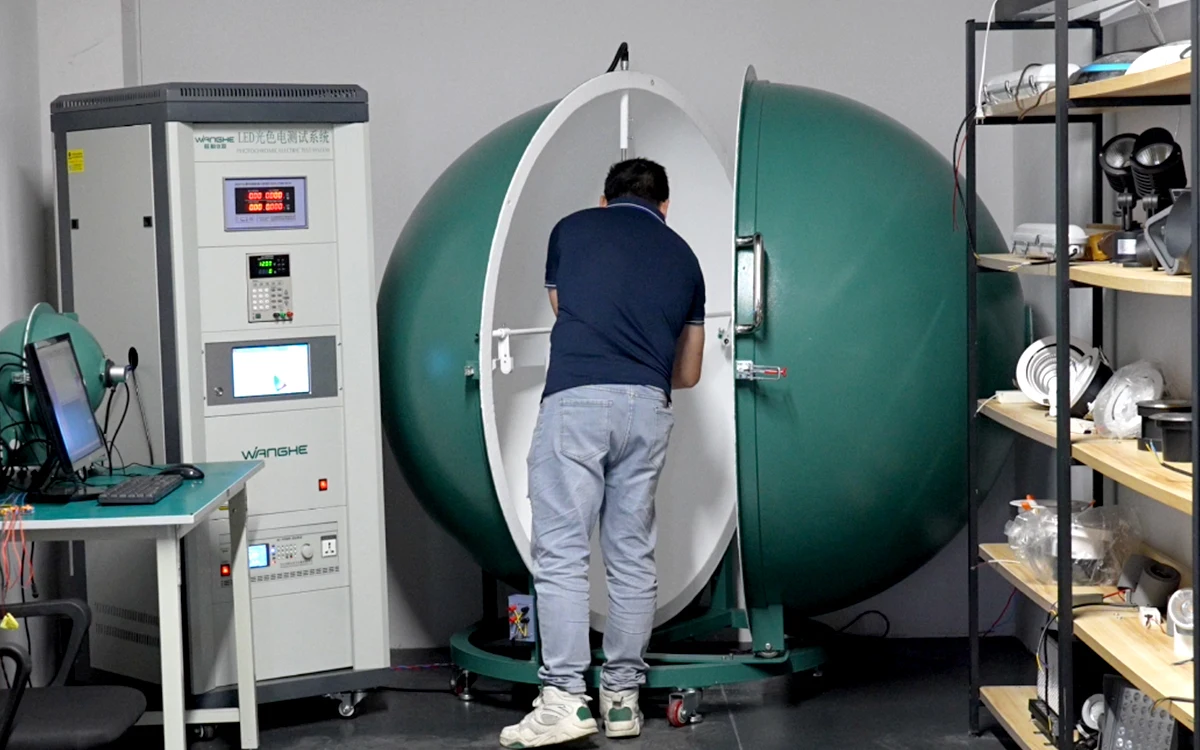
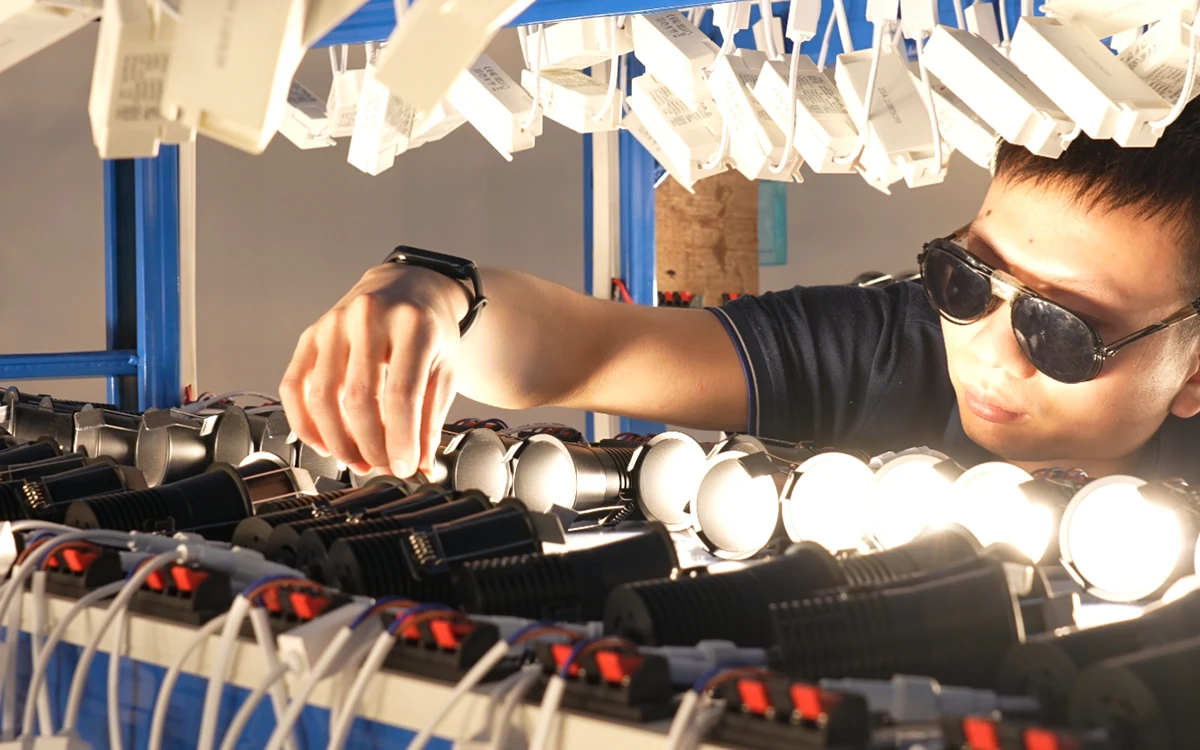
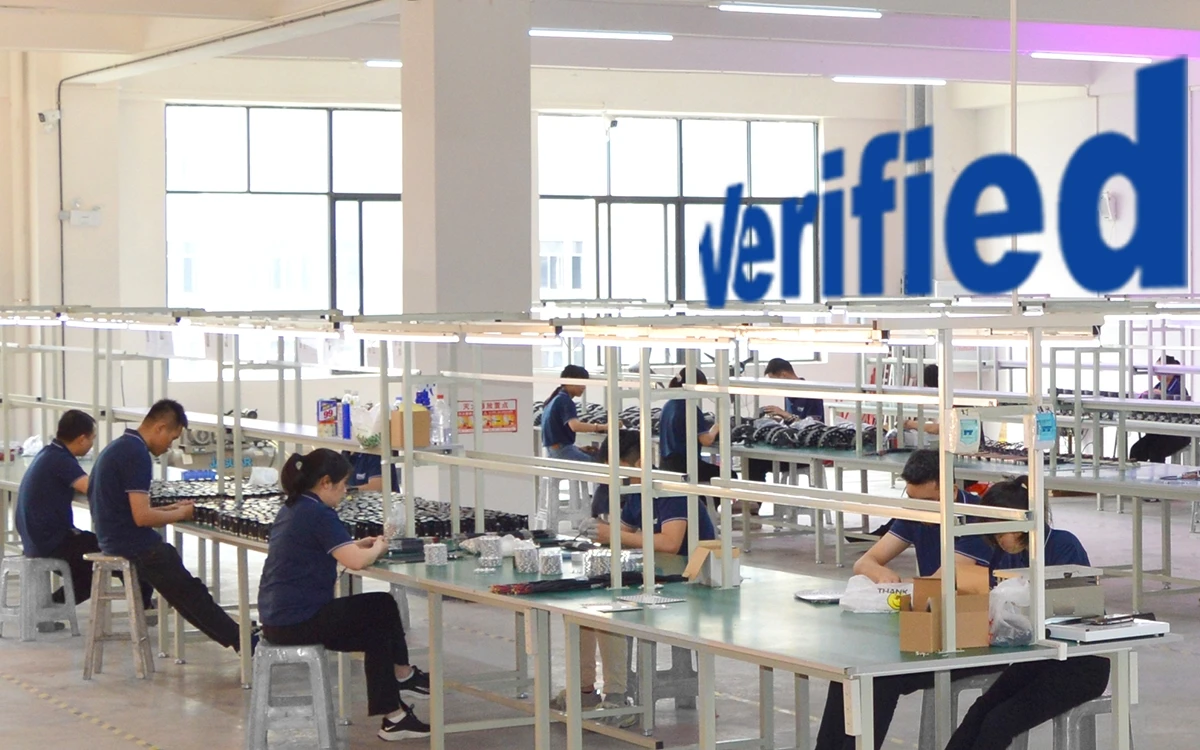
As a professional LED lighting factory focused on exports, we manufacture a wide range of high-performance lighting solutions tailored for commercial display environments. Our key advantages:
CRI ≥ 90 for spotlights, track lights, downlights, and wall washers
Custom beam angles for precise lighting control
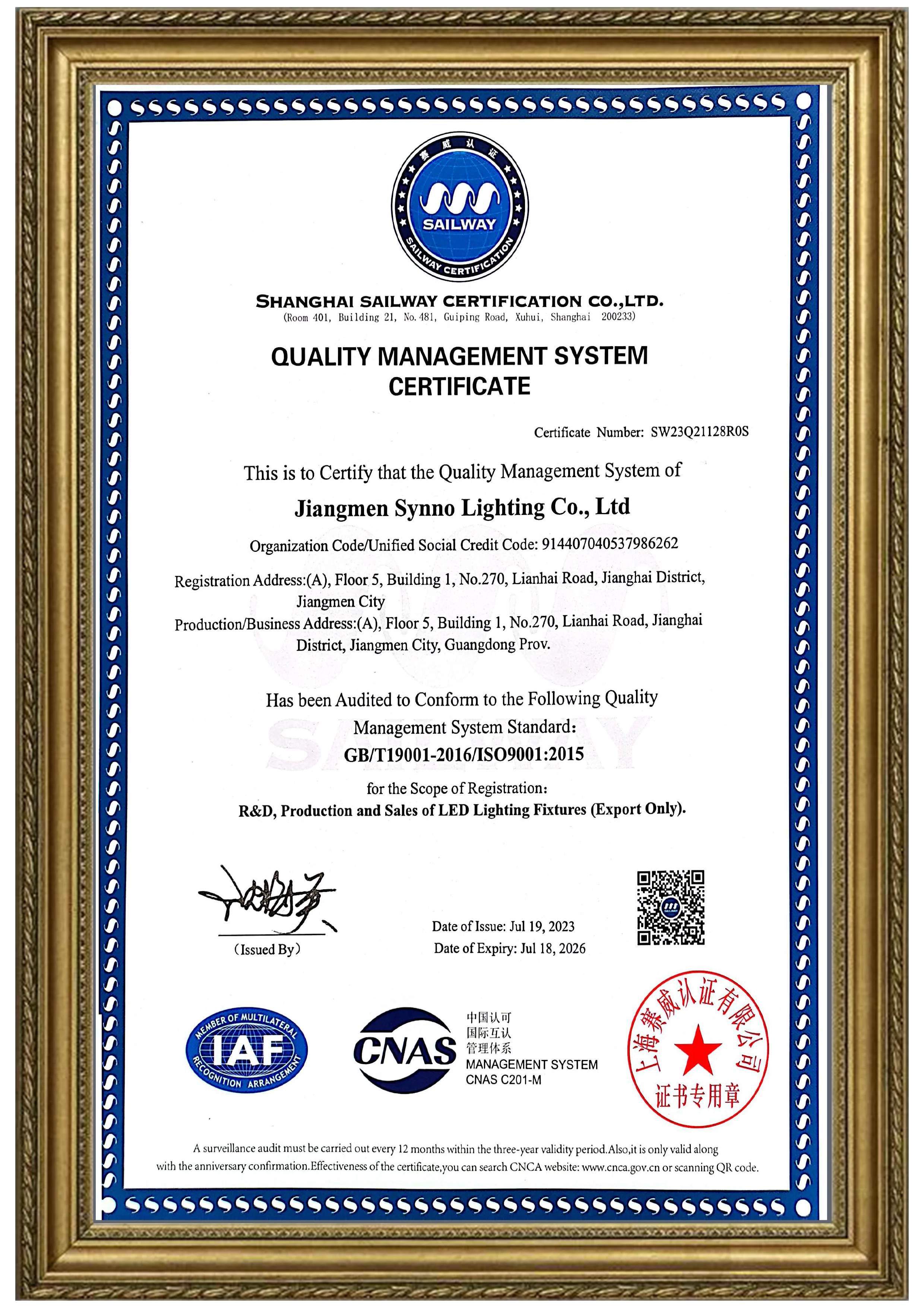
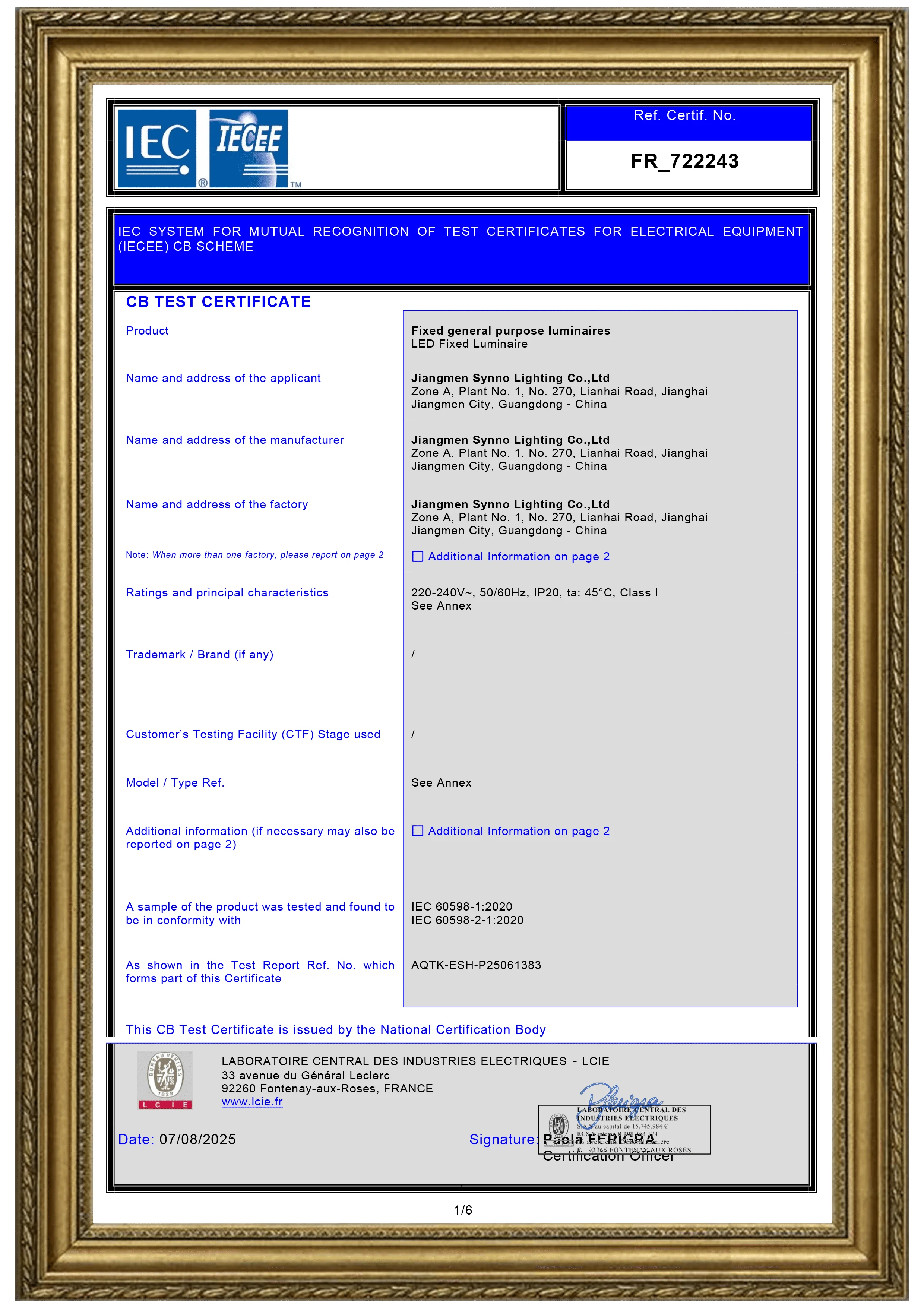
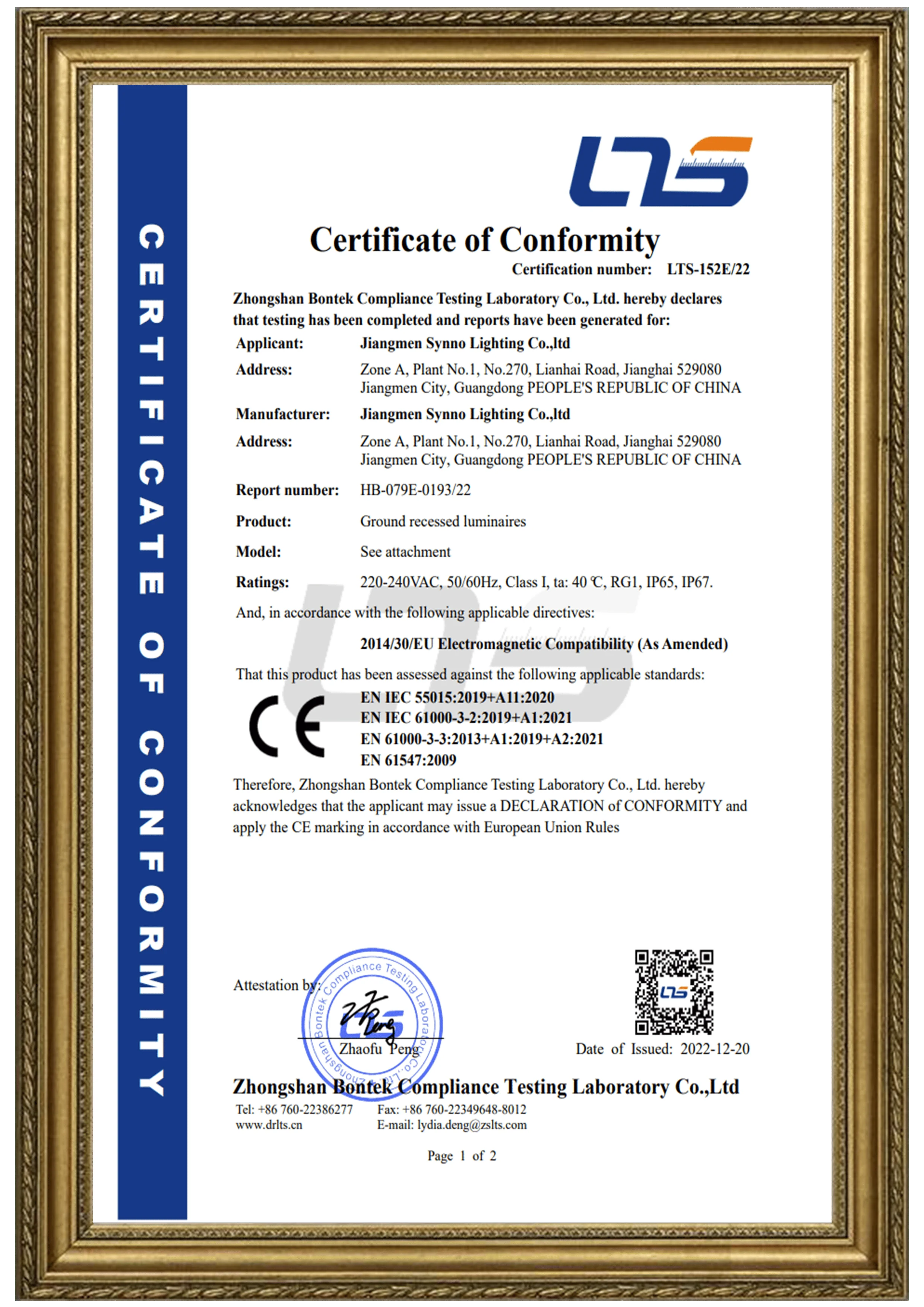
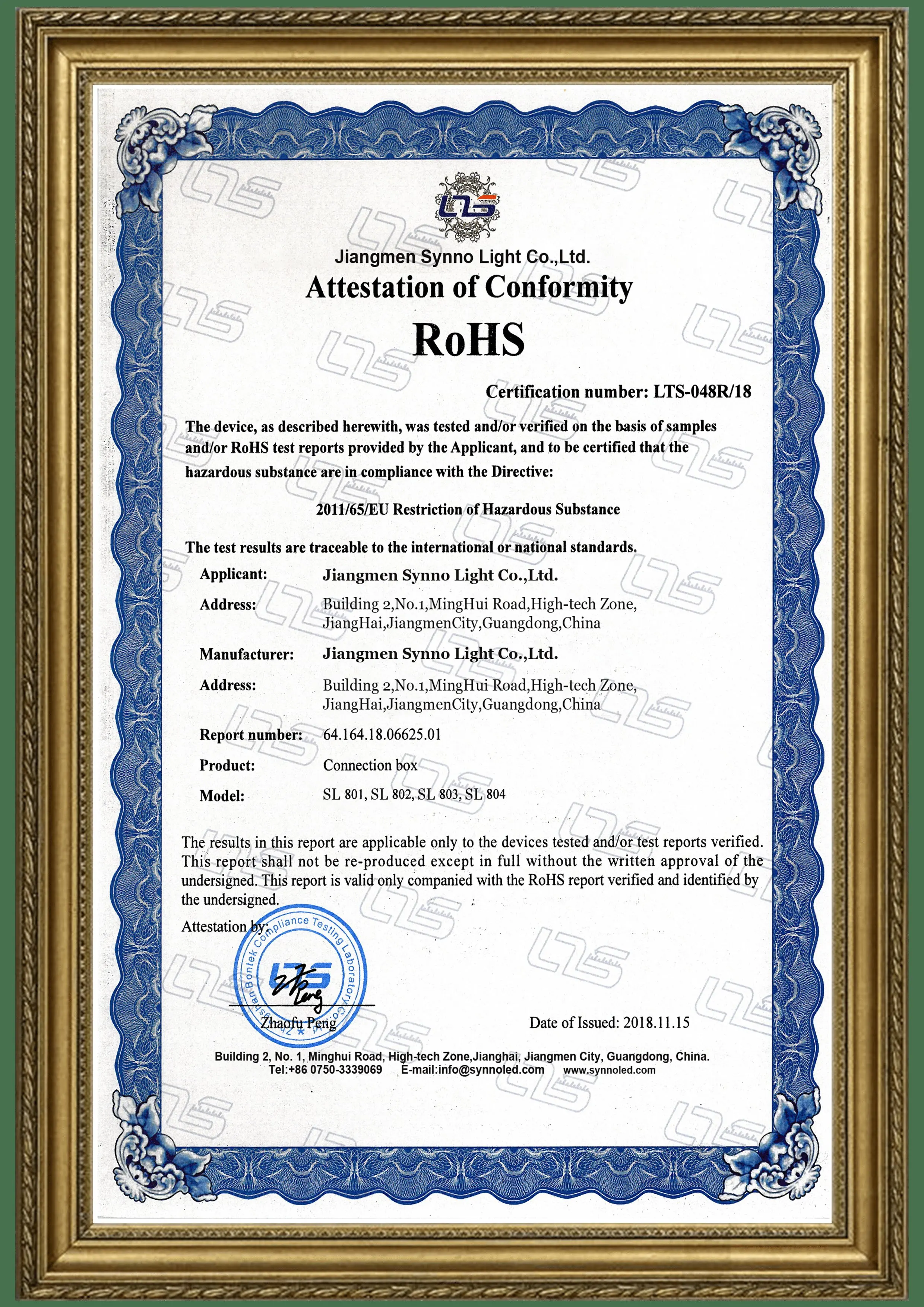
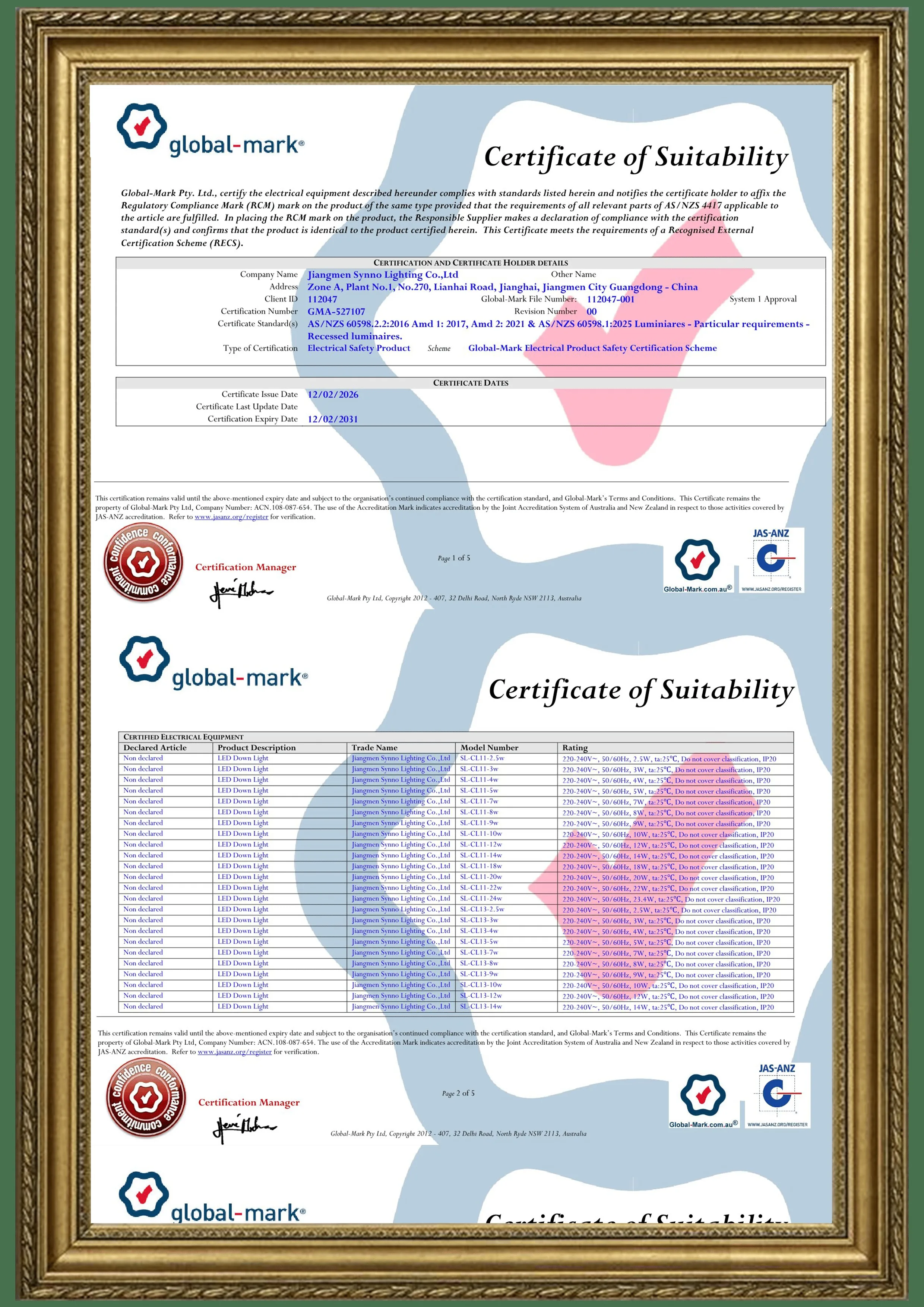
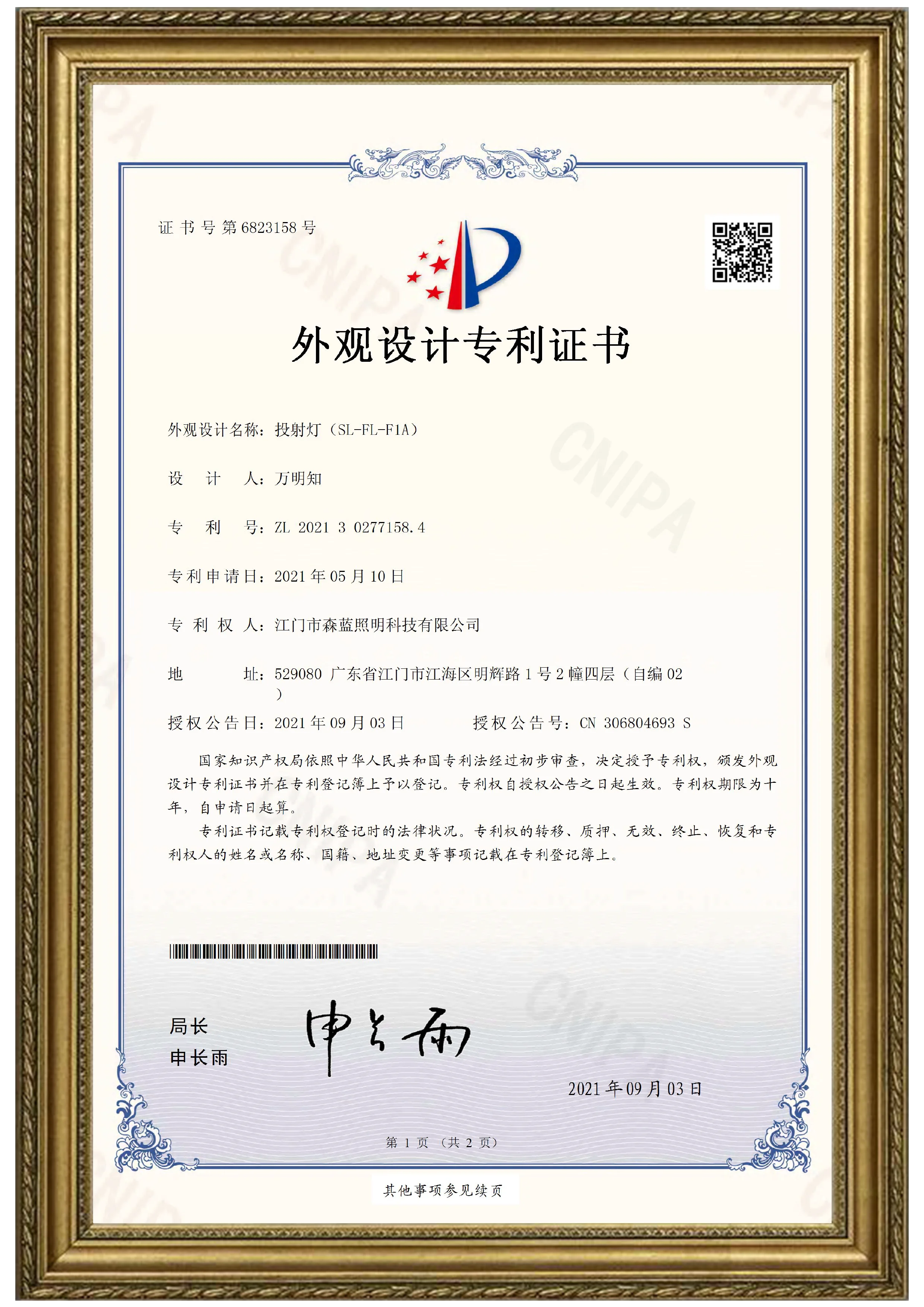
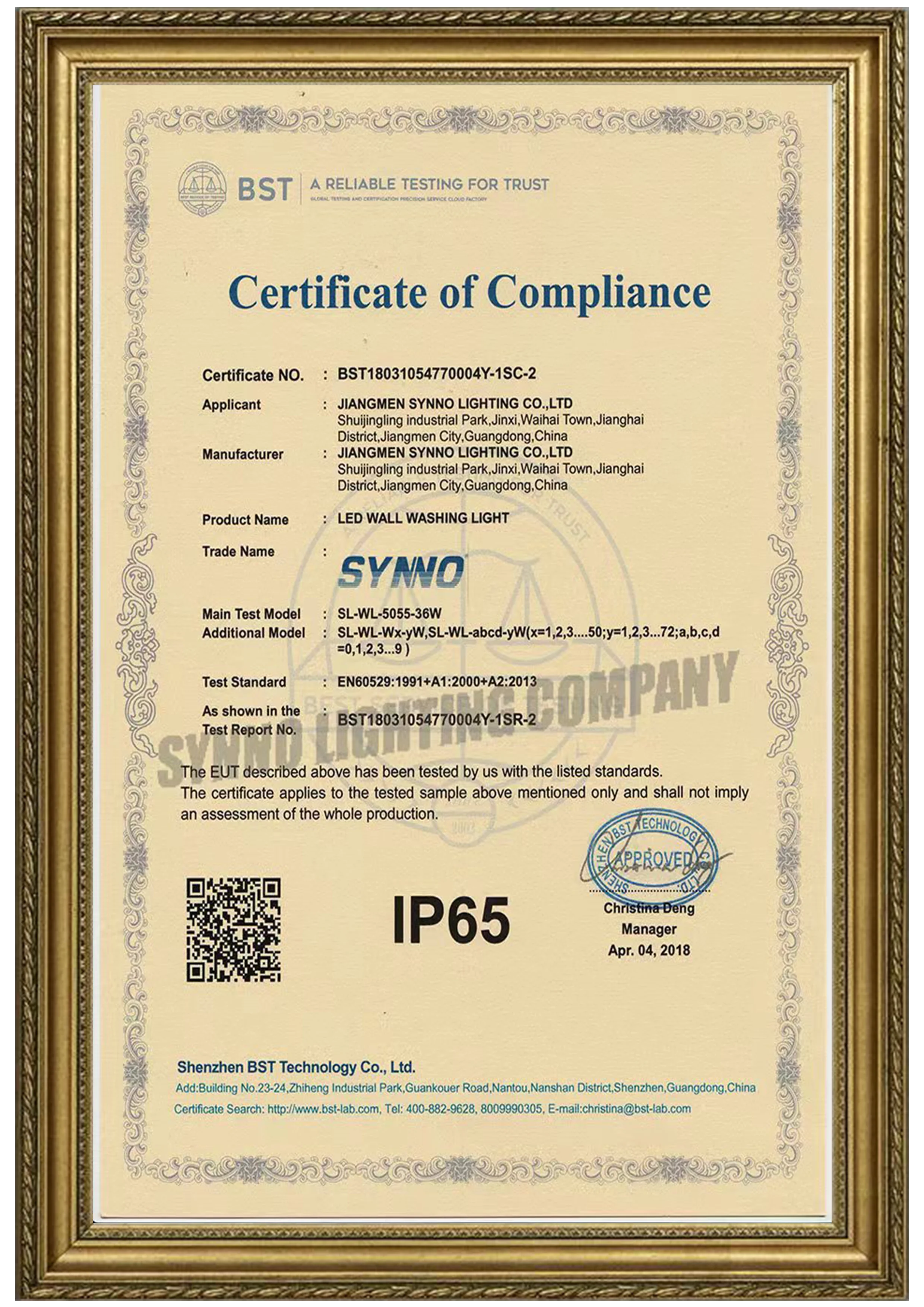
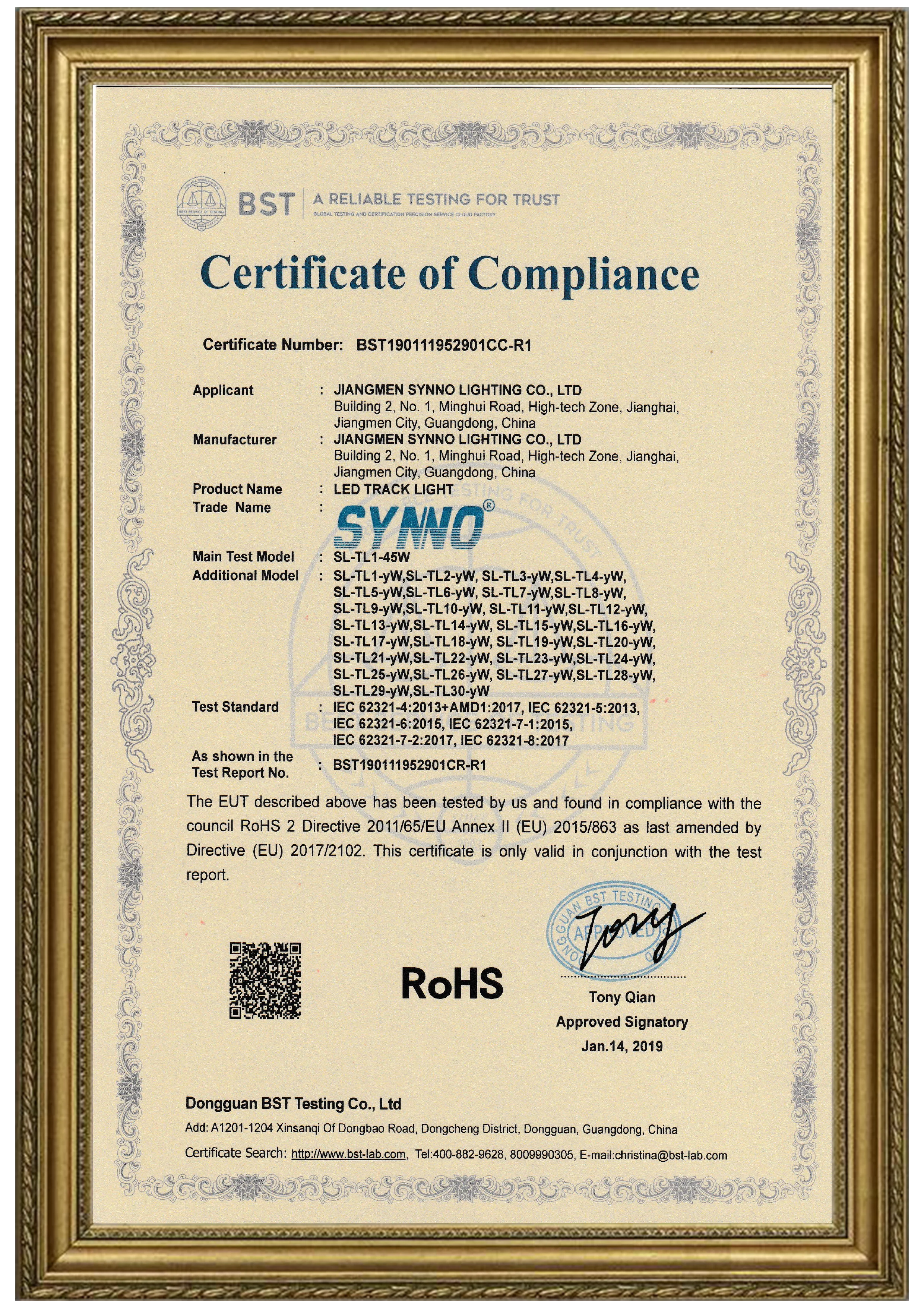
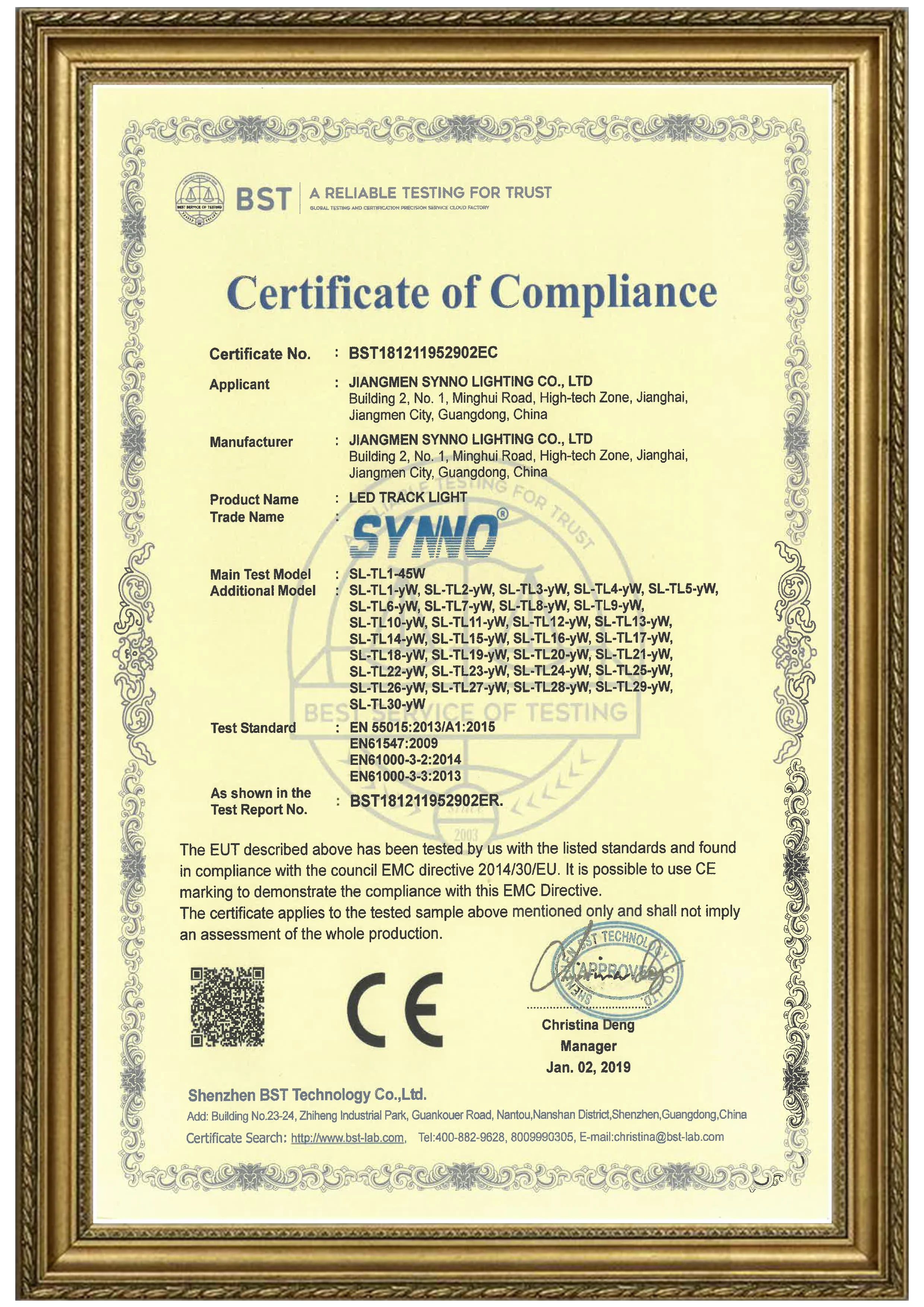
CE, RoHS, and UL-certified products for global markets
Multiple CCT options to suit every display environment
Energy-efficient and long lifespan, reducing your TCO (Total Cost of Ownership)
Our best-selling display lighting products include:
-
Track lights for flexible display zones in retail or galleries
-
Downlights with deep reflectors for minimal glare
-
Spotlights with adjustable focus and high R9 scores
-
Wall washers for clean, uniform wall illumination
10. Final Tips for Retailers and Designers
-
Always test lighting with actual products to evaluate color accuracy before large-scale installations
-
Use a mix of ambient and accent lighting for depth
-
Reassess lighting periodically as displays or product lines change
-
Invest in dimmable and smart lighting for dynamic control
Conclusion
In the competitive world of product presentation, every detail matters—including how your items are lit. Color Rendering Index (CRI) is a crucial factor in selecting the right LED lighting for your retail space, showroom, or display project.
High-CRI lighting ensures that your products look their best, builds customer trust, and enhances overall brand image. Whether you’re showcasing fashion, food, fine art, or luxury goods, don’t compromise on color quality—because what customers see is what they believe.
Looking for professional-grade high-CRI LED lighting for your store or project?
Browse our range of LED track lights, downlights, wall washers, and spotlights, or contact us for a free consultation and product samples.