How to Choose the Best LED Flood Light for Your Home or Business
Whether you're looking to illuminate your home's exterior, secure your business premises, or enhance the ambiance of an outdoor space, LED flood lights are one of the best solutions available. These powerful lights are perfect for providing high-intensity illumination, making them an ideal choice for both residential and commercial applications. However, choosing the right LED flood light can be a daunting task, especially with the multitude of options available in the market.
In this comprehensive guide, we'll walk you through the key factors to consider when choosing the best LED flood light for your home or business. From understanding brightness and energy efficiency to selecting the right features and installation tips, this guide will help you make an informed decision.
1. What is an LED Flood Light?
Before diving into the selection process, it's important to understand what LED flood lights are and why they are such a popular lighting choice.
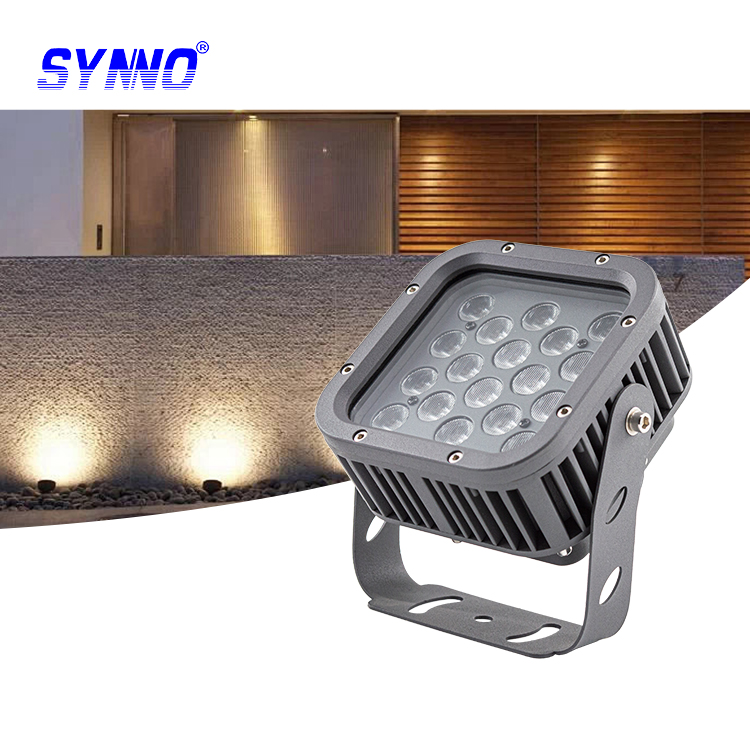
An LED flood light is a type of lighting fixture that is designed to provide broad, intense light to cover a large area. The term "flood" refers to the wide beam angle these lights produce, making them ideal for illuminating large outdoor areas such as yards, driveways, parking lots, building facades, and even sports fields.
LED flood lights use Light Emitting Diodes (LEDs) as their light source. These lights are known for their high efficiency, long lifespan, and reduced energy consumption compared to traditional flood lights using halogen or incandescent bulbs.
2. Key Considerations When Choosing LED Flood Lights
Choosing the best LED flood light for your home or business involves considering several key factors. Here are the most important aspects to focus on:
a. Brightness (Measured in Lumens)
One of the most crucial factors when choosing an LED flood light is its brightness, which is typically measured in lumens. The brightness required depends on the size of the area you want to illuminate and the level of light you need.
-
For residential use (such as lighting up your yard or driveway), a flood light that provides around 1,000 to 2,000 lumens should suffice for general lighting.
-
For commercial use (like parking lots, building exteriors, or warehouses), you may need a more powerful LED flood light that provides 4,000 to 20,000 lumens depending on the area size and security needs.
When selecting the right brightness, it’s also essential to keep in mind that the higher the lumens, the brighter the light. However, you should balance brightness with the intended use to avoid overly harsh or inefficient lighting.
b. Wattage and Energy Efficiency
LED flood lights are known for their energy efficiency, and one of the biggest advantages of LED lighting is the reduced energy consumption compared to traditional lighting options like halogen or incandescent lights. While wattage is often associated with the brightness of the light, in the case of LEDs, lumens per watt is a better indicator of efficiency.
For example:
-
A 100-watt LED flood light can produce the same amount of brightness as a 400-watt halogen light but uses a fraction of the energy, resulting in significant savings on your energy bills.
-
The most energy-efficient LED flood lights will provide excellent brightness while consuming less power, typically between 50 to 200 watts, depending on the application.
When selecting an LED flood light, consider how much energy you want to save. A higher wattage will give you more brightness, but if you’re looking for cost efficiency, select one that balances brightness with lower wattage.
c. Color Temperature and Light Quality
Color temperature is another critical factor when selecting an LED flood light. This refers to the warmth or coolness of the light emitted, which is measured in Kelvins (K). The choice of color temperature will depend on the atmosphere you wish to create.
-
Warm white light (2,700K to 3,500K): This range creates a cozy, inviting, and traditional feel, perfect for home landscaping and patios.
-
Neutral white light (3,500K to 4,500K): A more balanced light that works well for general outdoor lighting applications, such as lighting up walkways, driveways, or residential exteriors.
-
Cool white light (5,000K to 6,500K): Produces a bright, daylight-like effect, making it ideal for commercial use and security lighting. It creates sharp visibility and is often used for parking lots, industrial areas, and large outdoor spaces.
Choosing the right color temperature not only impacts the look and feel of your outdoor space but also the functionality of the light. If security is a priority, cool white light is usually the best choice as it provides greater visibility.
d. Beam Angle and Coverage Area
The beam angle of an LED flood light refers to the spread of light emitted by the fixture. A wider beam angle provides broad coverage, while a narrow beam creates more focused light.
-
Wide beam angles (120° or more): Ideal for general outdoor lighting in areas like backyards, gardens, and driveways. These angles provide even, widespread illumination.
-
Narrow beam angles (less than 60°): Perfect for highlighting specific areas or objects, such as flags, sculptures, or architectural features, and are commonly used for security lighting in commercial settings.
Consider the size of the area you need to illuminate and the intended effect when choosing the beam angle. For larger areas, a wider beam is more effective, while for highlighting features, a narrower beam is more appropriate.
e. Durability and Weather Resistance
Since LED flood lights are typically used outdoors, it’s important to ensure they are weather-resistant and built to withstand the elements. Look for lights that are IP-rated for waterproof and dustproof protection.
-
IP65 rating means the light is dust-tight and can withstand jets of water, making it perfect for outdoor use.
-
IP66 and IP67 offer even higher levels of protection against water and dust, which is ideal for areas with heavy rain or extreme weather conditions.
In addition to water resistance, ensure the fixture is built with durable materials like aluminum or die-cast metal to protect against rust, corrosion, and physical damage.
f. Budget and Warranty
Lastly, it's important to consider your budget when selecting an LED flood light. While LED lights tend to be more expensive upfront compared to traditional lighting, the long-term savings on energy costs and maintenance make them a more cost-effective option in the long run.
Additionally, check the warranty offered by the manufacturer. A good warranty (usually 5 to 10 years) can give you peace of mind in case the light malfunctions prematurely.
3. Best Practices for Installing LED Flood Lights
Once you've chosen the right LED flood light for your home or business, proper installation is crucial to ensure optimal performance and longevity. Here are some tips for installing your LED flood lights:
a. Placement
-
Height: Mount your LED flood lights at a height that ensures adequate coverage for your intended area. Typically, outdoor flood lights are mounted 10 to 20 feet above the ground for even illumination.
-
Angle: Adjust the angle of the flood light to ensure the light is directed where it’s needed most, whether it’s along a path, on a building, or across a large outdoor space.
-
Avoid Glare: Ensure the light isn’t too bright for areas where it may cause discomfort or distraction. You can use diffusers or lens covers to soften the light.
b. Wiring and Power Source
-
Always ensure that the power source and wiring comply with local electrical codes. If you’re not experienced with electrical work, it’s advisable to hire a licensed electrician for installation.
-
Use weatherproof connectors to ensure the wiring remains secure and protected from moisture.
4. Conclusion
Choosing the best LED flood light for your home or business involves understanding your specific needs, including the brightness, energy efficiency, color temperature, beam angle, and durability. By selecting the right LED flood light, you not only enhance the aesthetics of your outdoor space but also improve safety and security while reducing energy consumption.
Whether you're illuminating your home’s landscape, securing your commercial property, or creating a dramatic outdoor effect, LED flood lights offer the perfect blend of energy efficiency, durability, and versatility. With the right choice, you can enjoy long-lasting, cost-effective lighting that enhances both the functionality and visual appeal of your space.
By considering all the factors mentioned above, you'll be able to make an informed decision and choose the best LED flood light that meets your needs and fits your budget.