How to Choose Color Temperature When Purchasing LED Downlights
When selecting the ideal LED downlight for any indoor space, one of the most critical—yet often overlooked—factors is the color temperature. This technical yet straightforward specification can significantly affect the ambiance, mood, and functionality of your lighting environment. Understanding how to choose the right color temperature not only ensures optimal visual comfort but also enhances the overall performance and satisfaction of your lighting system. In this article, we explore how to make an informed decision when purchasing LED downlights, especially focusing on long-tail keyword searches like "best color temperature for LED downlight in living room" or "how to choose color temperature LED recessed downlight".
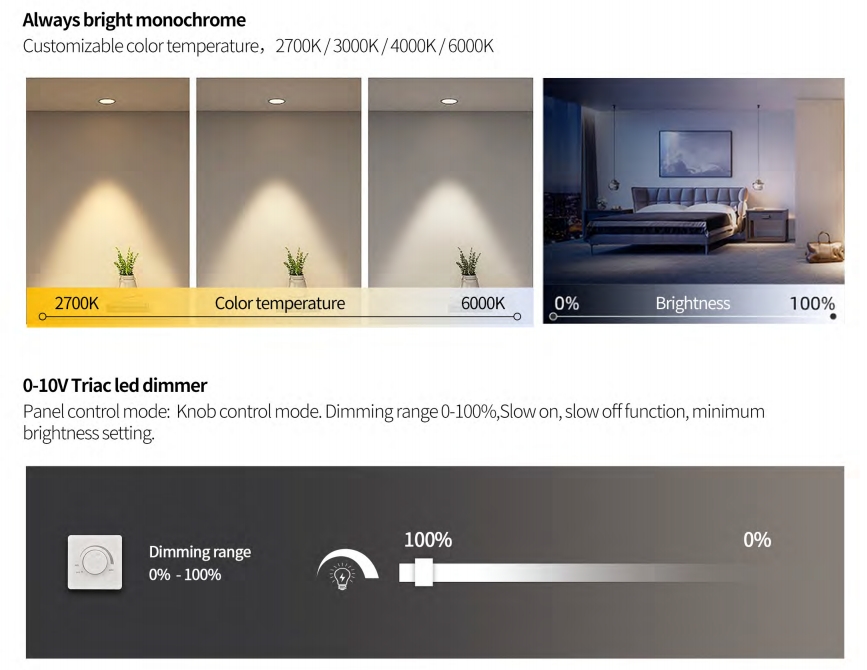
What Is Color Temperature?
Color temperature refers to the appearance of the light emitted by a lamp, measured in Kelvin (K). The Kelvin scale ranges from warm yellow tones (lower Kelvin values) to cool blue tones (higher Kelvin values). Here's a general breakdown:
| Color Temperature | Appearance | Common Use Areas |
|---|---|---|
| 2700K–3000K | Warm White | Living rooms, bedrooms, restaurants |
| 3500K–4100K | Neutral/Cool White | Offices, kitchens, retail stores |
| 5000K–6500K | Daylight/Cool Daylight | Hospitals, garages, warehouses |
When choosing a LED downlight, selecting the correct color temperature is crucial to achieving the desired lighting effect in your specific setting.
Understanding the Role of Color Temperature in LED Downlights
Unlike incandescent bulbs, LED downlights are available in various color temperatures, allowing homeowners, designers, and commercial buyers to tailor lighting based on the purpose of the space. Color temperature influences not just aesthetics, but also productivity, emotional responses, and even sleep patterns.
Warm White LED Downlights (2700K–3000K)
-
Emit a cozy, amber-like glow.
-
Ideal for spaces designed for relaxation.
-
Perfect for residential interiors like bedrooms and living rooms.
Neutral White LED Downlights (3500K–4100K)
-
Offer a more balanced, clear light.
-
Recommended for kitchens, workspaces, and retail stores.
Daylight LED Downlights (5000K–6500K)
-
Mimic natural daylight.
-
Improve alertness and visual acuity.
-
Suitable for hospitals, factories, and garages.
How Color Temperature Affects Room Appearance and Mood
Color temperature dramatically changes the perception of your space:
| Room Type | Recommended Color Temperature | Reason |
| Living Room | 2700K–3000K | Creates a warm and inviting ambiance |
| Kitchen | 3500K–4100K | Offers clear visibility for food prep and activities |
| Bathroom | 4000K–5000K | Ensures a crisp, clean look ideal for grooming |
| Office | 4000K–5000K | Enhances focus and reduces eye strain |
| Retail Store | 3500K–5000K | Highlights products while maintaining a comfortable shopping experience |
| Garage/Workshop | 5000K–6500K | Provides bright, natural light for detailed tasks |
Choosing the wrong color temperature can make a room feel sterile or overly dim. Always consider the room’s purpose and emotional tone when selecting your LED downlight color temperature.
Common Long-Tail Keywords and Their Context
To help you find the most relevant solution, here are several long-tail keywords often used by consumers, with practical advice linked to each:
1. "Best color temperature for LED downlight in bedroom"
Bedrooms are meant for rest, so use warm white (2700K–3000K) to promote relaxation. Avoid daylight options as they may suppress melatonin production.
2. "Which LED downlight color temperature for kitchen?"
Neutral white (4000K) provides brightness and clarity without being overly harsh. It's ideal for seeing food colors and preparing meals safely.
3. "Warm vs cool LED downlights for living room"
Warm LED downlights create a cozy atmosphere; cool white can feel clinical unless used for specific tasks or modern designs.
4. "How to choose color temperature LED recessed downlight?"
Start by identifying the function of the space. Choose lower Kelvin for comfort and higher Kelvin for focus and visibility. Tunable white models are available if flexibility is needed.
Practical Tips for Choosing Color Temperature
-
Match Lighting to Interior Colors
-
Warm white suits wood finishes and earthy tones.
-
Cool white enhances blues, greys, and modern aesthetics.
-
-
Use Tunable White Downlights
-
These allow users to switch between color temperatures.
-
Ideal for multi-use spaces like studios and living rooms.
-
-
Consider CRI Alongside CCT
-
A high CRI (>90) ensures accurate color representation.
-
This is especially important in retail and art-focused environments.
-
-
Test in Small Quantities First
-
Install a few LED downlights to observe how the color temperature looks at different times of the day.
-
-
Use Layered Lighting Techniques
-
Combine LED downlights with task and accent lighting for maximum versatility.
-
Recommended Products Based on Color Temperature Needs
| Product Name | Color Temperature | Best Used In | Dimming Option | Features |
| Adjustable LED Recessed Downlight | 2700K–3000K | Bedrooms, Living Rooms | Triac/0-10V | Directional beam control |
| Round LED Recessed Downlight | 3500K–4100K | Kitchens, Offices | 3CCT Switch | Ultra-thin design |
| Aluminum Recessed LED Downlight | 5000K–6500K | Garages, Warehouses | DALI/0-10V | High luminous efficacy |
Mistakes to Avoid When Choosing Color Temperature
-
Ignoring the Room Function
-
A bright white in a bedroom may disturb sleep cycles.
-
-
Overlooking Natural Light Availability
-
Rooms with abundant natural light may not need daylight-spectrum LED downlights.
-
-
Not Consulting with Lighting Experts
-
Professional advice can prevent costly re-installations.
-
-
Using One Color Temperature Throughout
-
This can create a flat, uninspiring lighting scheme.
-
Future Trends: Smart and Adaptive Lighting
The next generation of LED downlights includes smart features that adjust color temperature automatically based on time of day or user activity. Known as Human Centric Lighting, this trend aims to align lighting with natural circadian rhythms.
Features include:
-
App control for color tuning
-
Voice assistant compatibility (Alexa, Google Assistant)
-
Preset modes (Relax, Work, Sleep)
Conclusion
Choosing the right color temperature for LED downlights is more than just a design choice—it’s a critical element of functional, comfortable, and efficient lighting. By understanding the Kelvin scale, room usage, and lighting goals, you can select downlights that truly enhance your living or working space.
Whether you’re looking for the best color temperature for LED downlight in kitchen or asking yourself how to choose color temperature LED recessed downlight, remember that thoughtful selection now leads to better performance, energy savings, and satisfaction later. Combine this knowledge with quality lighting products from a trusted manufacturer, and your spaces will shine—both literally and aesthetically.
Need expert advice or premium LED downlight options? Contact our team for tailored lighting solutions backed by professional experience and factory-direct support.