LED Lighting for Large Commercial Projects: What Contractors Must Consider
When planning and executing large-scale commercial lighting projects, selecting the right LED solutions is more than a matter of preference—it's a mission-critical decision that impacts energy efficiency, safety, aesthetics, and long-term operational costs. For contractors, architects, engineers, and developers, LED lighting offers enormous advantages, but its successful deployment requires careful planning, coordination, and product selection.
This comprehensive guide outlines the most important factors contractors must consider when integrating LED lighting into large commercial projects—whether it’s for office complexes, retail centers, hotels, parking lots, or industrial facilities.
1. Understanding the Scope and Application
Before choosing any fixtures, it's essential to understand the specific needs of the project. Commercial lighting varies widely depending on the environment:
Outdoor lighting: Parking lots, pathways, landscapes, building facades
Indoor lighting: Lobbies, hallways, retail spaces, office areas, auditoriums
Specialized lighting: Warehouses, hospitals, malls, stadiums
Key LED Products for Commercial Use:
Floodlights: Ideal for parking lots, facades, and security
Garden lights and underground lights: Landscaping and walkways
Outdoor wall lights: Building entrances and exteriors
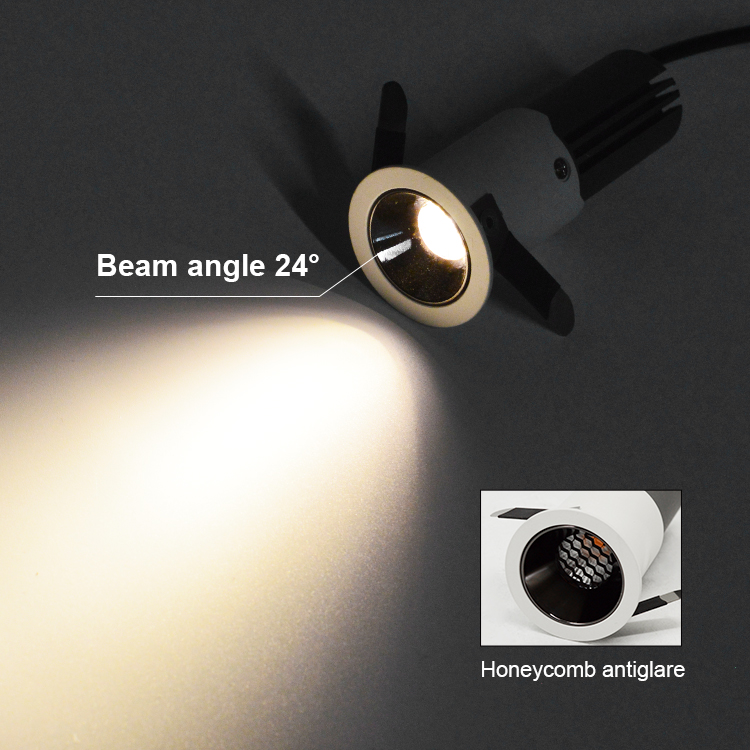
Downlights and spotlights: Retail and office environments
Track lights: Galleries, showrooms, and stores
Wall washers and window sill lights: Architectural effects
Knowing where and how the lighting will be used helps determine the type, quantity, and specifications of LED products required.
2. Energy Efficiency and Cost Savings
One of the primary reasons to choose LED lighting for large commercial projects is its energy-saving capability. Compared to traditional lighting, LED fixtures consume significantly less electricity while offering brighter and more consistent illumination.
Why It Matters:
Lower utility bills over the building's lifespan
Qualification for green building certifications (LEED, BREEAM)
Government incentives or tax breaks
Contractor Tips:
Choose high-lumen, low-wattage fixtures
Use daylight sensors, motion detectors, and dimmers
Compare efficacy (lumens per watt) before purchasing
3. Product Lifespan and Maintenance
LED lighting offers impressive longevity, often exceeding 50,000 hours of use. For large commercial projects, this translates to fewer replacements, reduced maintenance, and less downtime.
What Contractors Should Consider:
Choose LEDs with high thermal management and heat sinks
Look for warranty periods of 5 years or more
Select fixtures with easy-access housings for future maintenance
4. Lighting Design and Aesthetic Impact
LED lighting can significantly influence the visual appeal of a commercial space. Proper design supports brand identity, enhances customer experience, and increases employee productivity.
Contractor Considerations:
Use track lights and spotlights to highlight merchandise or displays
Choose color temperature based on room function (e.g., 3000K for warm atmospheres, 5000K for productivity)
Include wall washers and window sill lights for ambient or accent lighting
Consider working with a lighting designer or using simulation software to visualize results before installation.
5. Compliance and Certification Requirements
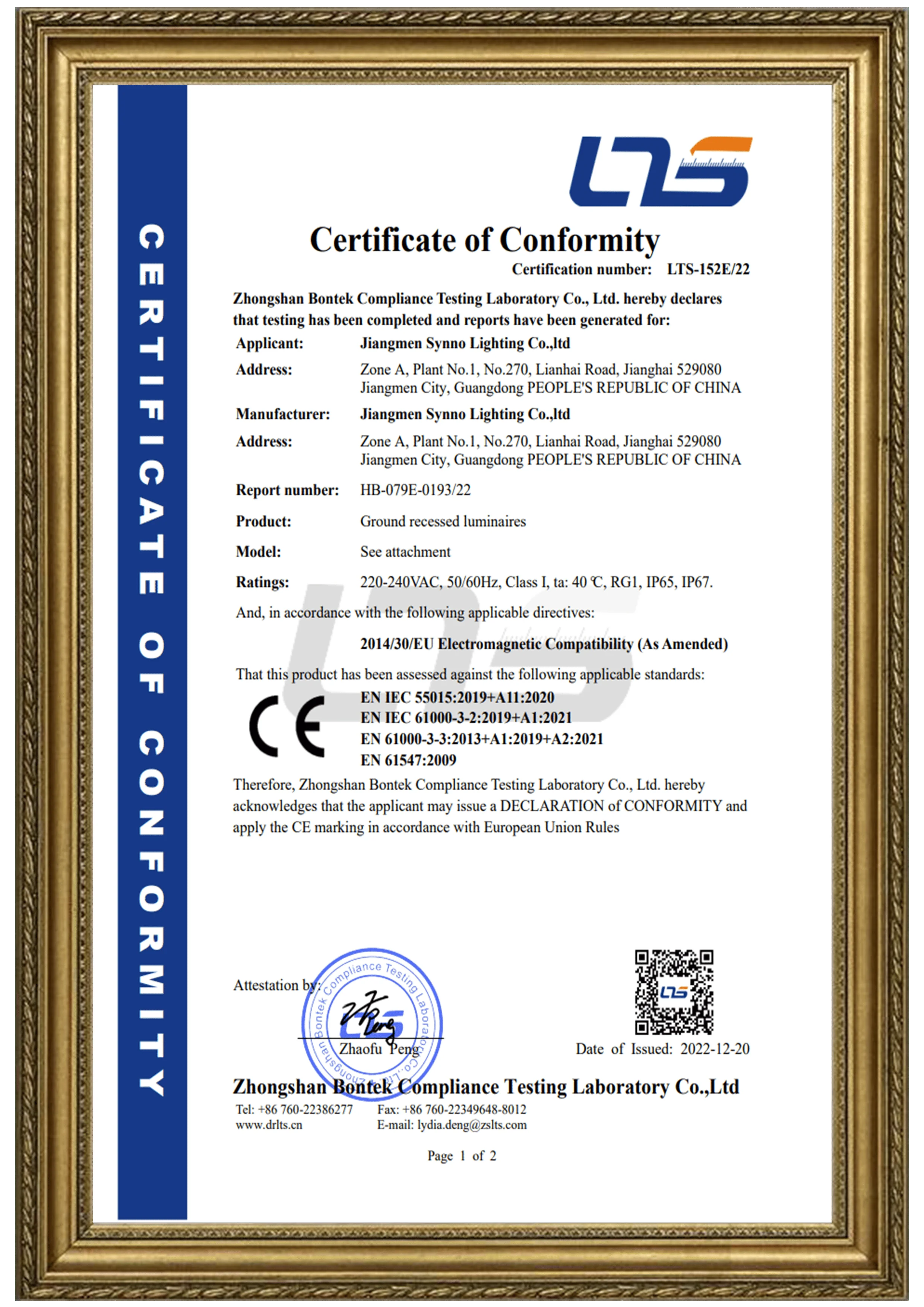
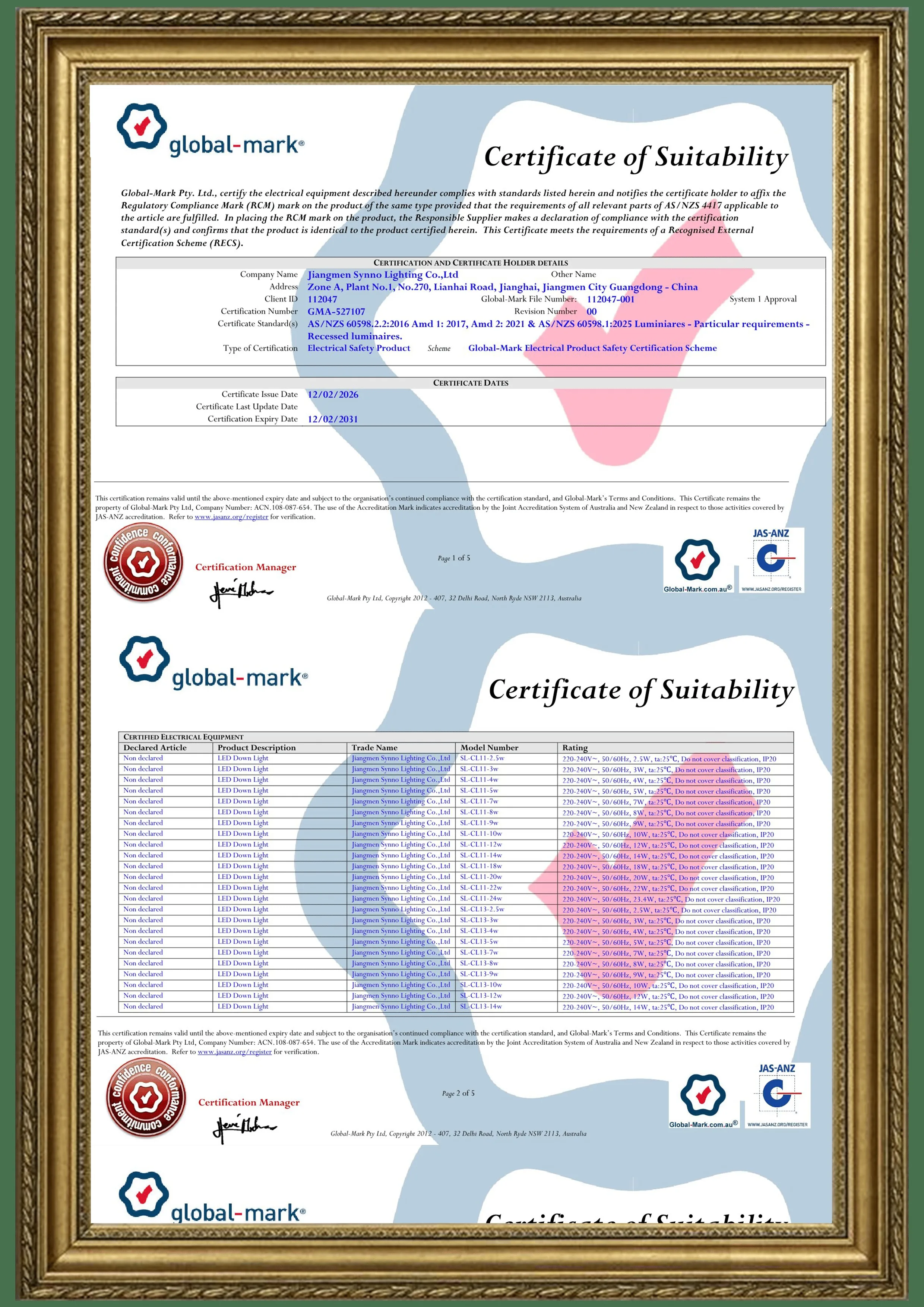
Safety and legal compliance are essential for commercial construction projects. All lighting fixtures must meet local and international certification standards.
Look for Products with:
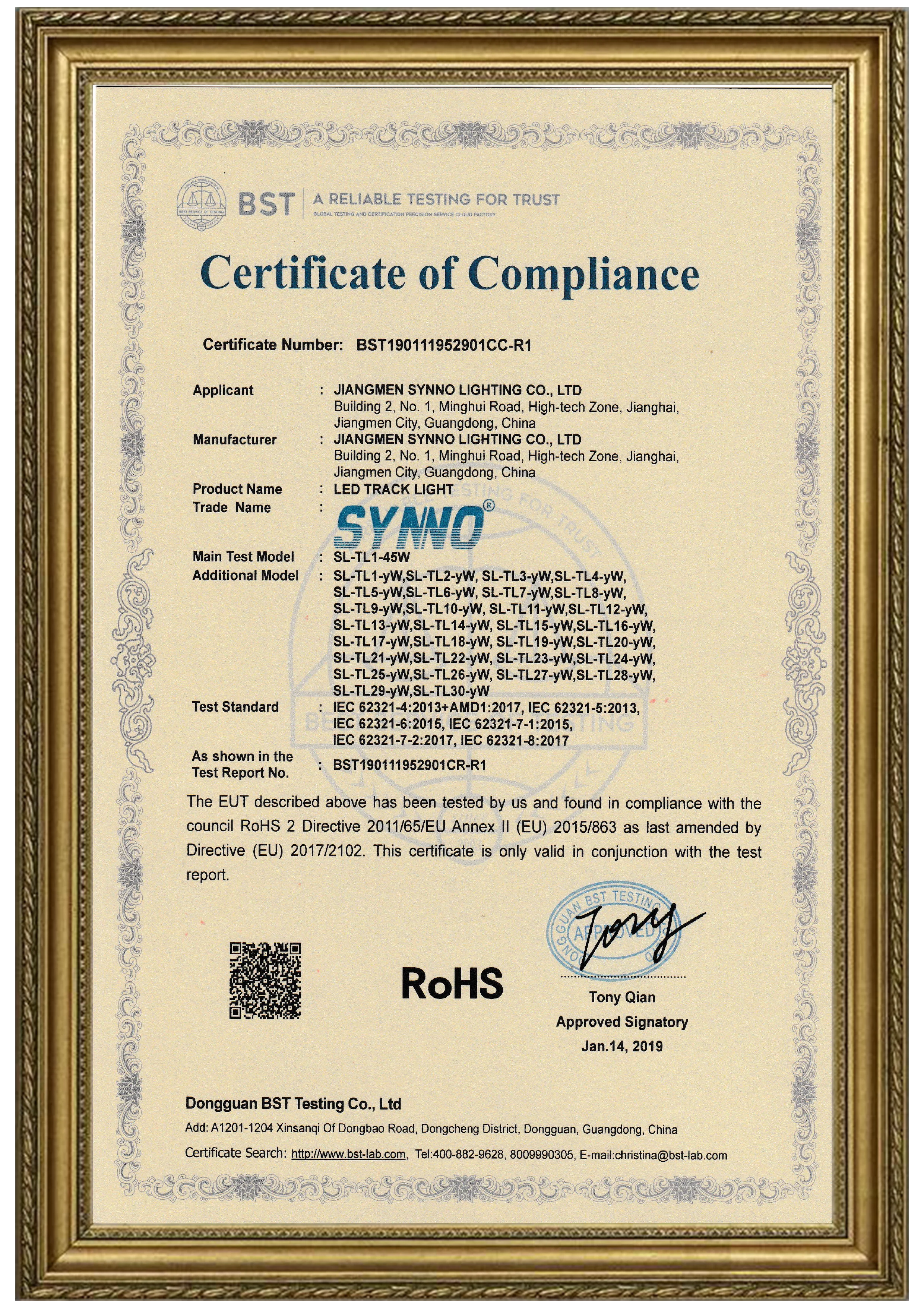
CE and RoHS (Europe)
UL or ETL (North America)
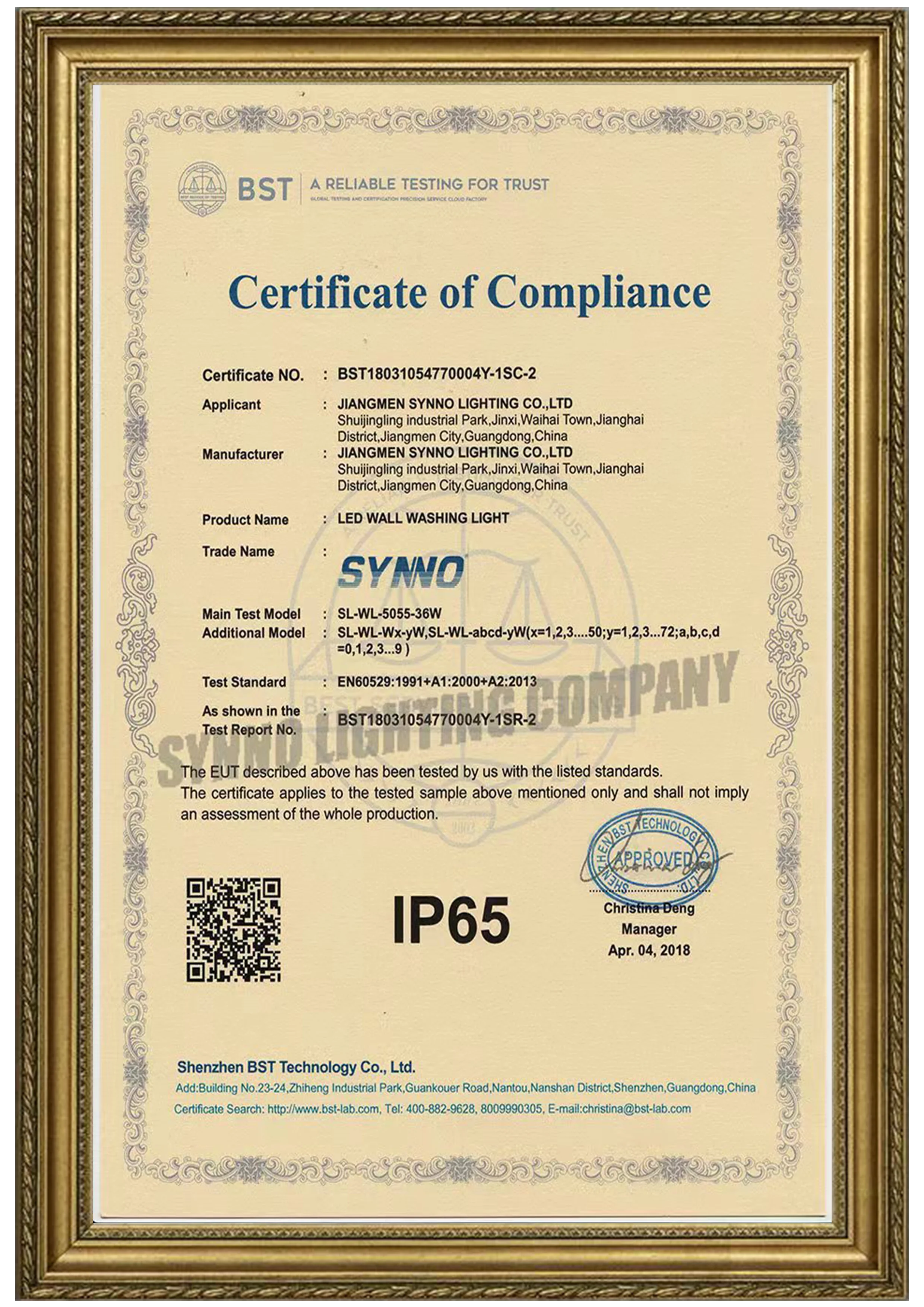
IP Ratings for water/dust resistance (especially for outdoor lighting)
IK Ratings for impact resistance in high-traffic areas
Ensure the lighting manufacturer provides full documentation and compliance reports.
6. Smart Lighting and Automation
Modern commercial projects often require smart lighting integration for energy optimization and automation. Contractors should plan for systems that can:
Integrate with building management systems (BMS)
Utilize motion sensors, timers, and wireless controls
Enable remote monitoring and control via mobile apps
Recommended Applications:
Motion-sensing downlights in corridors and restrooms
Scheduled floodlights for outdoor security
Zoned track lighting for dynamic retail displays
7. Environmental Conditions and Fixture Durability
For outdoor and industrial applications, LED lighting must withstand harsh weather, dust, and mechanical impact.
Key Features to Look For:
High IP rating (e.g., IP65 or higher for garden and wall lights)
Corrosion-resistant materials (aluminum, stainless steel)
Tempered glass or polycarbonate lenses
Fixtures such as underground lights, outdoor wall lights, and floodlights must be selected with durability in mind.
8. Manufacturer Reliability and OEM/ODM Capabilities
Choosing the right LED lighting manufacturer can make or break a project’s success. Work with a factory that provides:
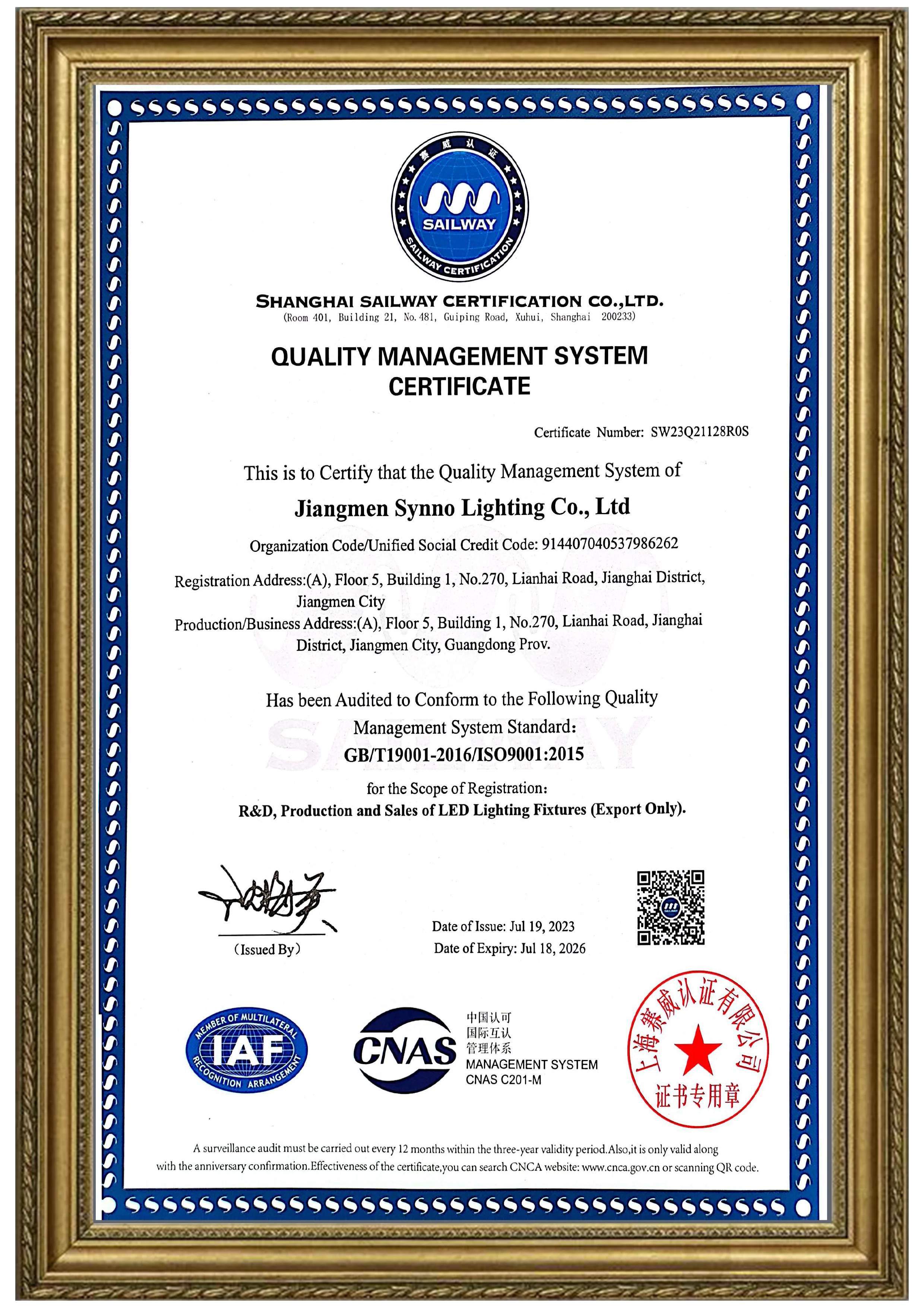
High-quality, certified products
Full technical support and customization
OEM/ODM services for branded or tailored designs
Contractor Questions:
Can the manufacturer provide tailored beam angles or mounting options?
Do they offer on-time delivery and installation support?
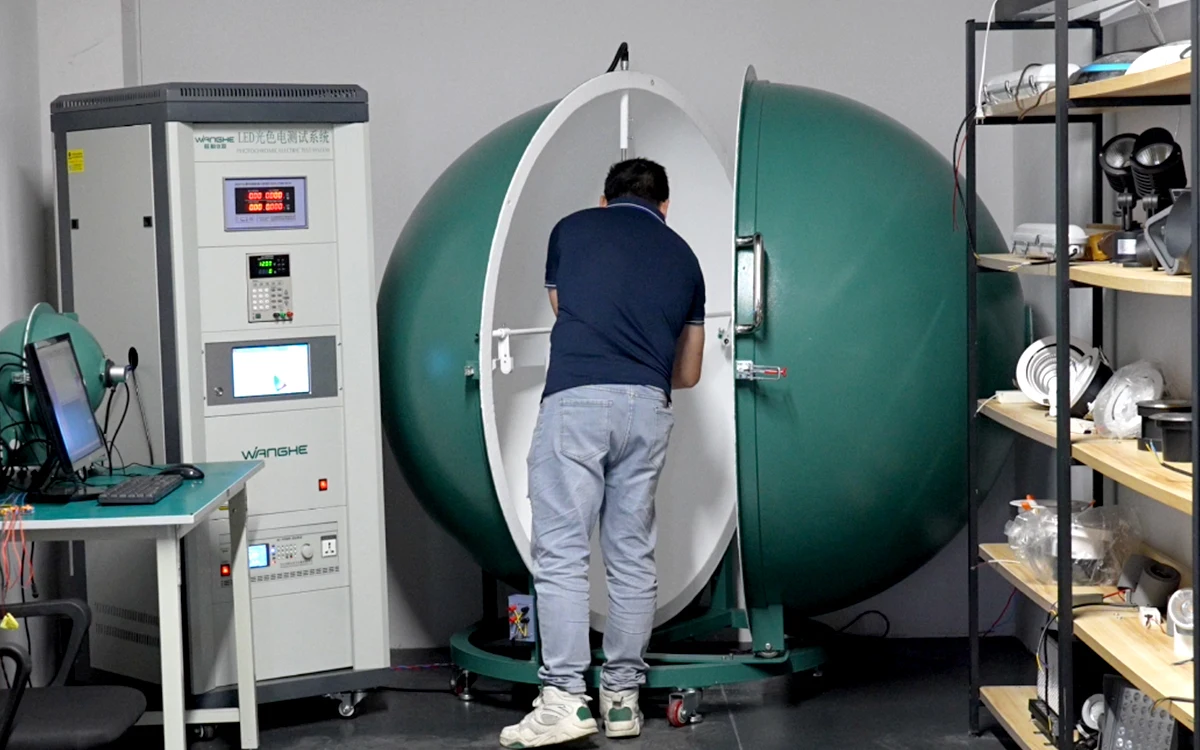
Are test reports and certifications available?
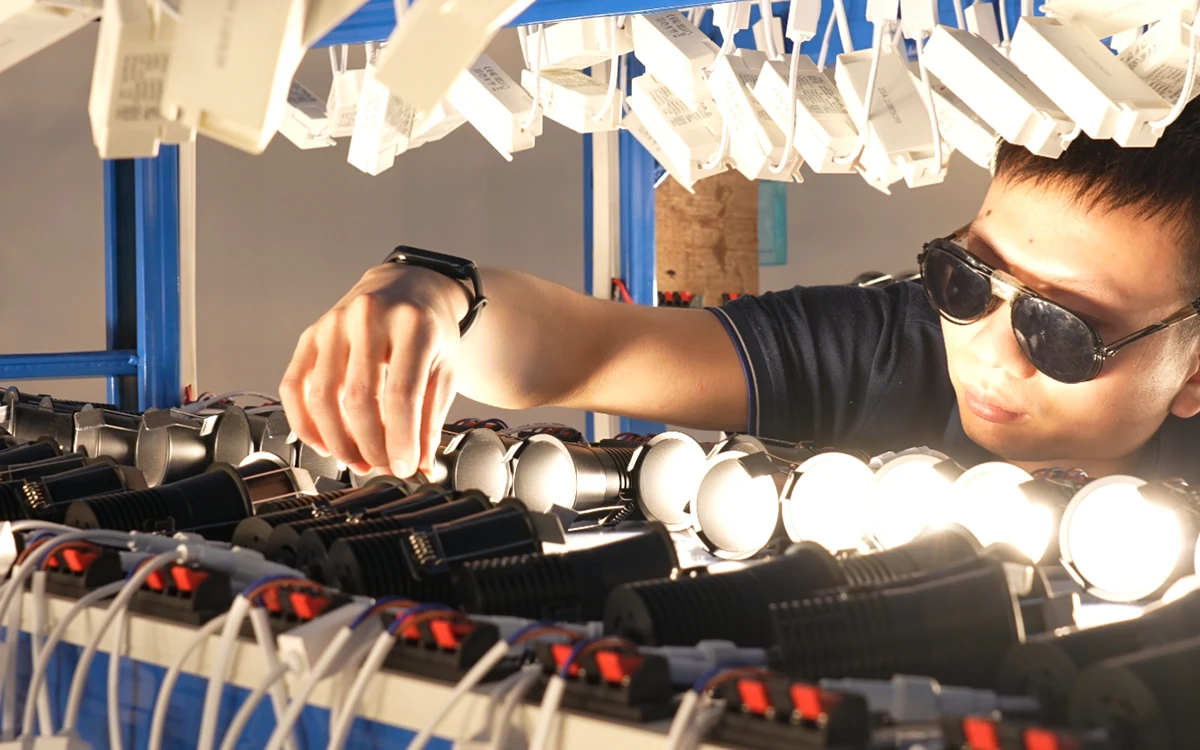
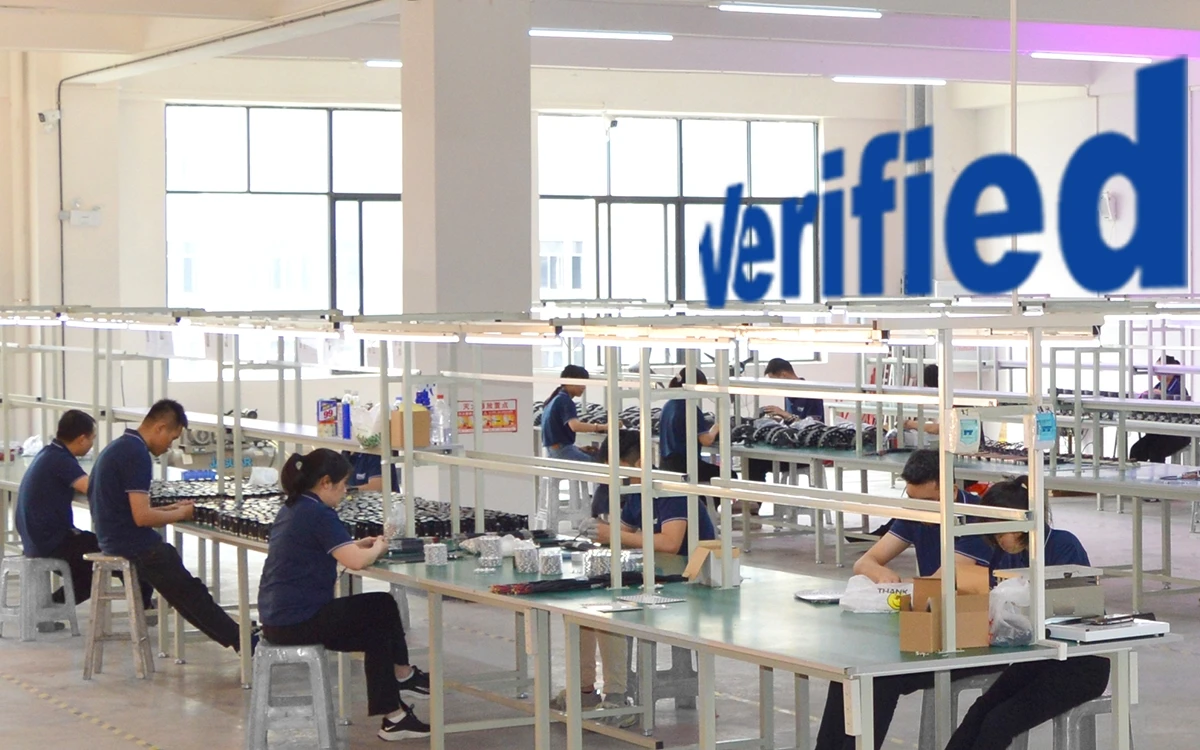
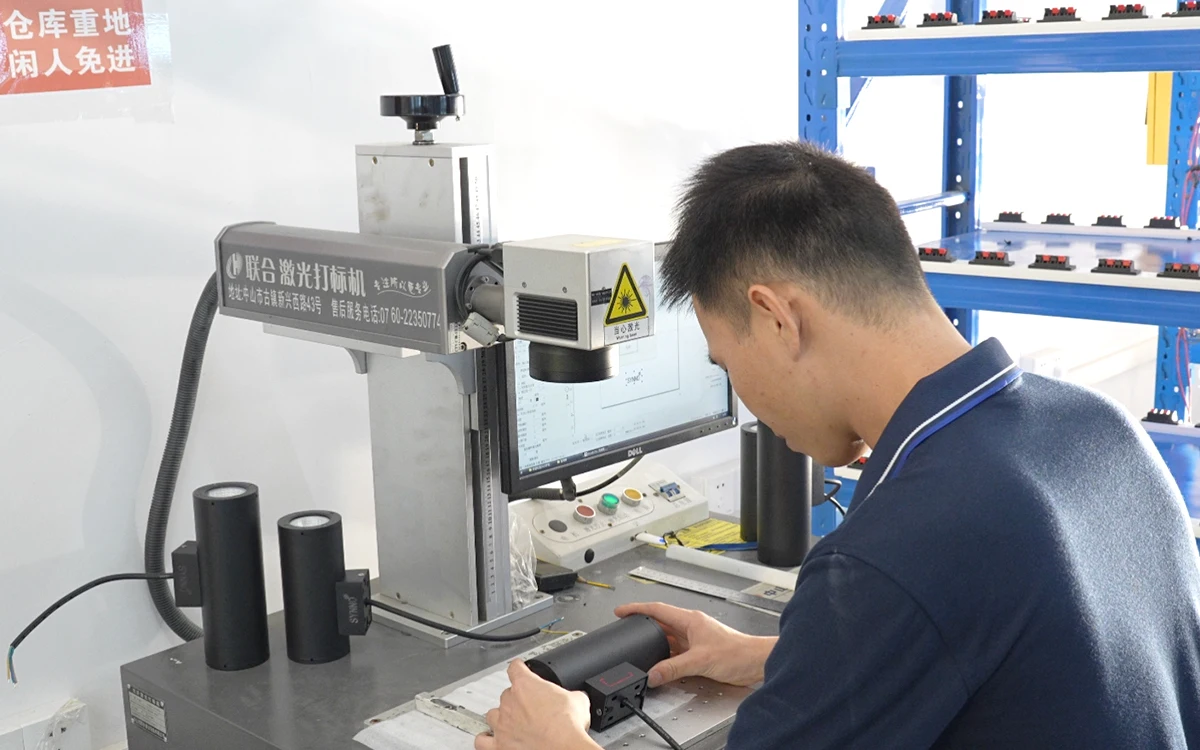
As a professional LED factory, we specialize in outdoor, indoor, and commercial lighting products, offering complete OEM/ODM solutions.
9. Logistics, Lead Times, and Inventory Planning
Large projects require large quantities. Delays in delivery can disrupt construction schedules and increase costs. Work with manufacturers who offer:
Short and reliable lead times
Efficient global shipping
Inventory management or stocking support
Plan lighting needs ahead of time and confirm all technical specifications before production.
10. After-Sales Service and Warranty Support
Reliable after-sales service ensures peace of mind and continuity for commercial clients. Choose manufacturers who provide:
At least 3–5 years warranty
Fast replacement or repair process
Technical support for installation and troubleshooting
Document all purchases, product models, and installation locations to streamline service if needed.
Conclusion: Making Commercial LED Projects Shine
In large-scale commercial projects, the right LED lighting plays a vital role in energy savings, operational performance, and long-term reliability. From garden lights and underground lights for landscape design to downlights, track lights, and wall washers for interior ambiance, each product must be chosen with care.
Contractors must consider a wide array of factors including energy efficiency, product lifespan, certifications, smart capabilities, manufacturer reliability, and post-installation support.
Our LED factory offers full product lines for outdoor and indoor commercial applications, including:Garden lights/Outdoor wall lights/Underground lights/Floodlights/Downlights/Spotlights/Track lights/Wall washers/Window sill lights
We welcome collaboration with contractors, designers, and developers to create energy-efficient, modern lighting solutions tailored to your project’s exact needs.
Get in touch with us today to learn how we can support your commercial lighting project.