In today’s modern world, LED lighting has become the gold standard for both residential and commercial lighting solutions. While LEDs are widely known for their energy efficiency, long lifespan, and environmental benefits, there are key differences between indoor and outdoor LED lighting that must be understood when planning a lighting strategy.
Whether you're outfitting a home, retail space, hotel, office, or a public outdoor environment, understanding these distinctions will help you choose the right fixtures—ensuring safety, durability, aesthetics, and optimal performance.
In this comprehensive guide, we’ll explore the critical differences between indoor and outdoor LED lighting, their specific use cases, technical requirements, and how to select the right products such as garden lights, outdoor wall lights, underground lights, floodlights, window sill lights, wall washers, downlights, spotlights, and track lights.
1. Purpose and Application
Indoor LED Lighting
Indoor lighting is primarily used to enhance visibility, ambiance, and comfort within enclosed spaces. These fixtures are tailored to:
Provide general, task, and accent lighting
Improve mood and aesthetics
Complement interior design and architectural elements
Typical spaces include:
Living rooms, kitchens, bedrooms
Offices, conference rooms
Shopping malls and retail stores
Hotels, restaurants, and healthcare facilities
Outdoor LED Lighting
Outdoor lighting is primarily used for security, safety, and landscape enhancement. Outdoor LED fixtures are built to withstand weather, temperature fluctuations, and external impacts.
Common applications include:
Gardens, patios, pathways
Building exteriors and facades
Commercial parking lots and entrances
Public spaces, parks, and monuments
2. Design and Build Quality
Indoor LEDs
Indoor fixtures are designed with aesthetics and functionality in mind. They often feature:
Sleek, minimalist designs
Lightweight materials
High CRI (Color Rendering Index) for natural color reproduction
Recessed or surface-mounted forms
Examples:
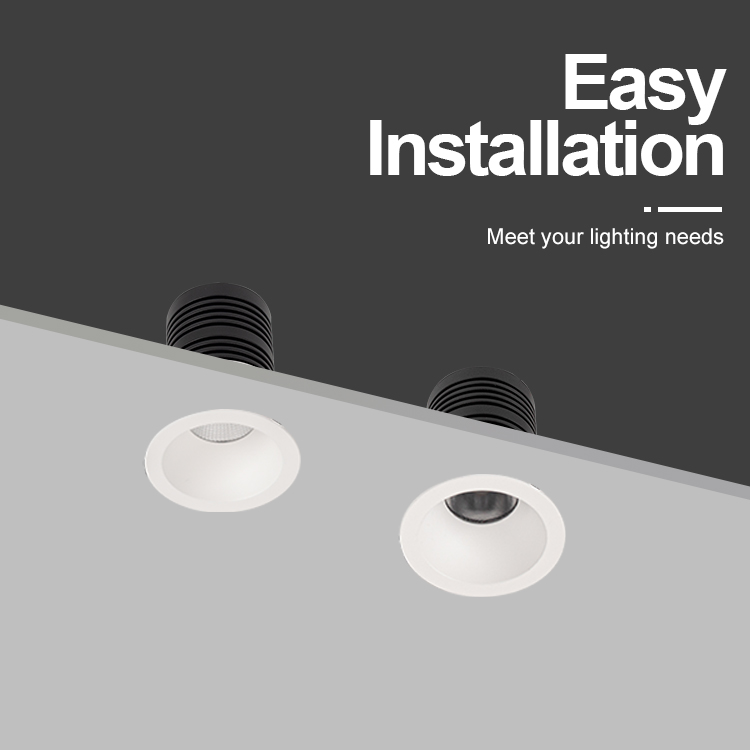
LED downlights for general ceiling lighting
LED track lights for adjustable directional lighting
LED spotlights for highlighting art or retail displays
Outdoor LEDs
Outdoor LED lighting must be rugged and weatherproof. Key features include:
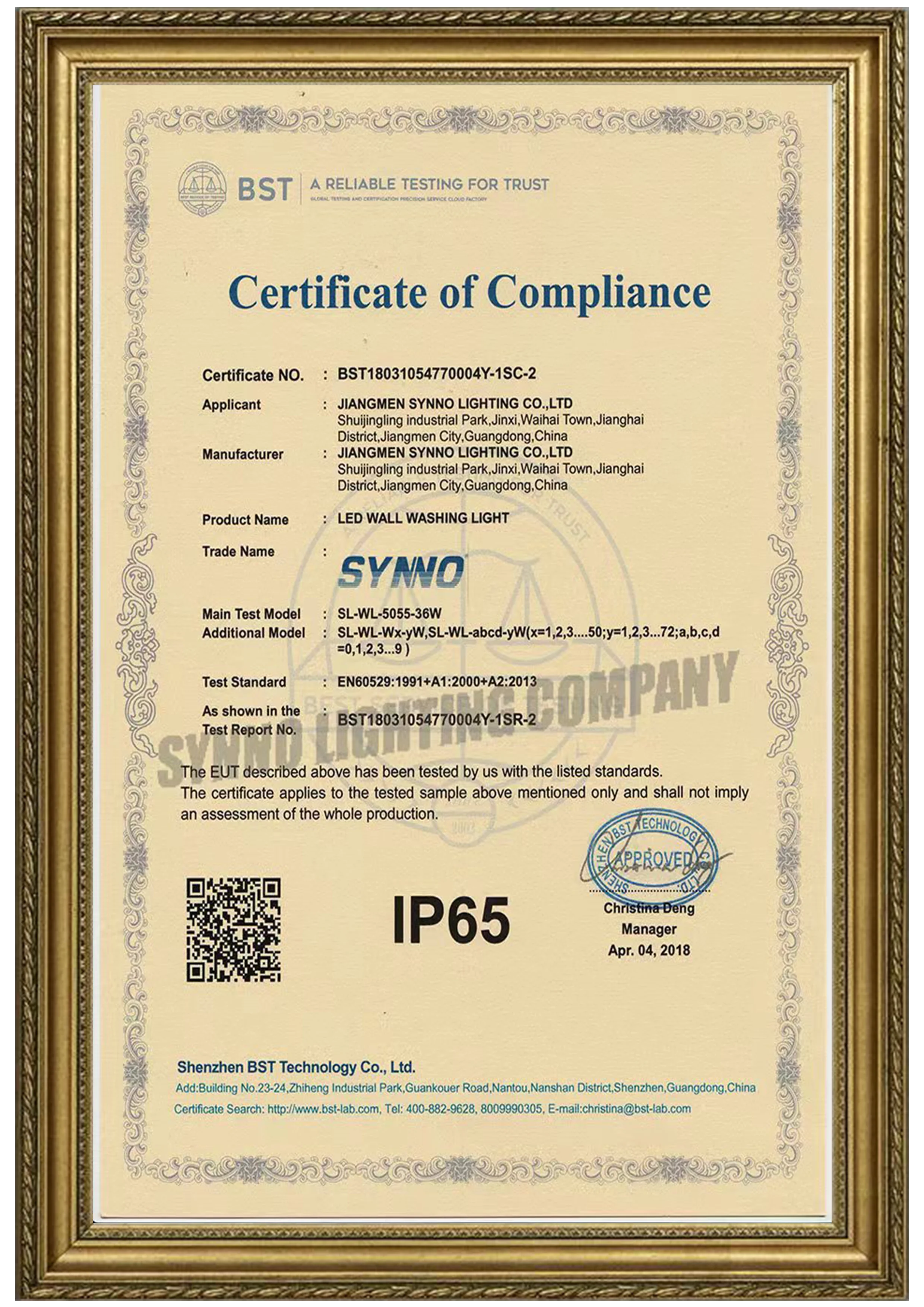
IP65 or higher waterproof ratings
UV-resistant housings
Corrosion-resistant materials like aluminum or stainless steel
Tempered glass or polycarbonate lenses
Examples:
Garden lights to illuminate pathways or landscaping
Floodlights for wide-area lighting and security
Underground lights for driveway and architectural uplighting
Outdoor wall lights for exterior building facades and entrances
3. Environmental Resistance
Indoor Fixtures:
Typically rated at IP20–IP40, offering basic protection from dust
Not built to resist rain, humidity, or extreme temperatures
Designed for stable indoor environments
Outdoor Fixtures:
Must meet IP65+, IK08+ standards
Can resist rain, dust, humidity, frost, and impacts
Designed for variable temperatures and harsh weather conditions
Using indoor-rated fixtures outdoors can lead to premature failure, short circuits, and potential safety hazards.
4. Light Output and Performance
Indoor LED Lighting
Offers softer, diffused lighting for comfort
Can be customized with color temperatures (2700K to 4000K)
High CRI for natural color rendering (CRI 80–90+)
Often includes dimmable functionality
Outdoor LED Lighting
Requires higher lumen output to cover large areas
Prioritizes visibility, security, and directional control
Designed with wide or narrow beam angles depending on use
Often includes motion sensors or photocells for automation
5. Power Requirements and Heat Management
Indoor LEDs
Lower power consumption
Integrated or external drivers
Adequate ventilation for heat dissipation is usually sufficient
Outdoor LEDs
Higher wattage options (especially for floodlights and wall washers)
Advanced heat sinks for thermal regulation
Efficient drivers to handle voltage fluctuation in external environments
6. Installation and Safety Compliance
Indoor Lighting:
Easier and quicker to install
Usually plug-and-play or surface-mounted
Certified for low-voltage, safe indoor use
Outdoor Lighting:
Requires proper sealing, waterproof connectors, and safe outdoor power sources
Often involves in-ground mounting, pole mounting, or facade integration
Must meet local regulations for exterior electrical installations
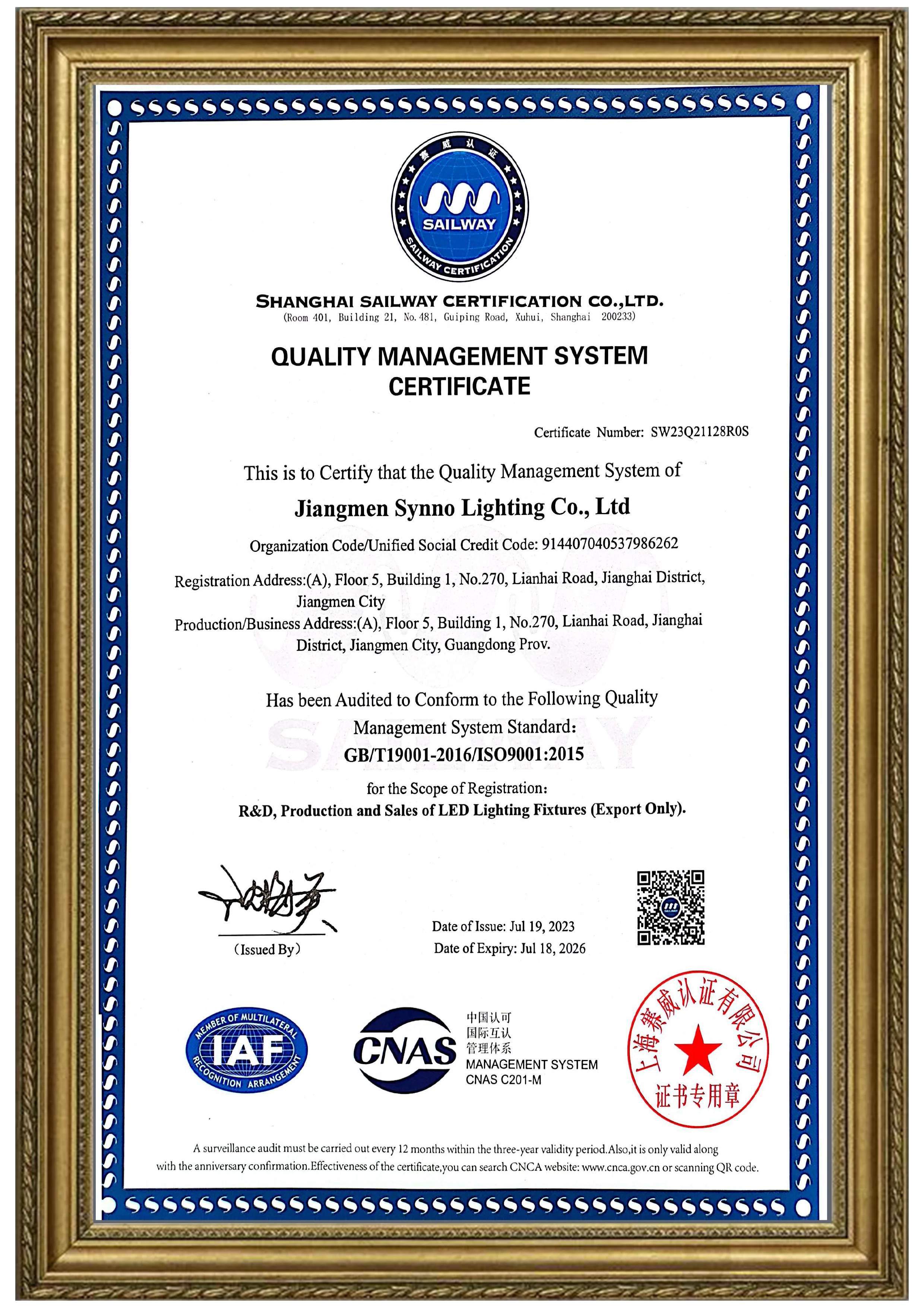
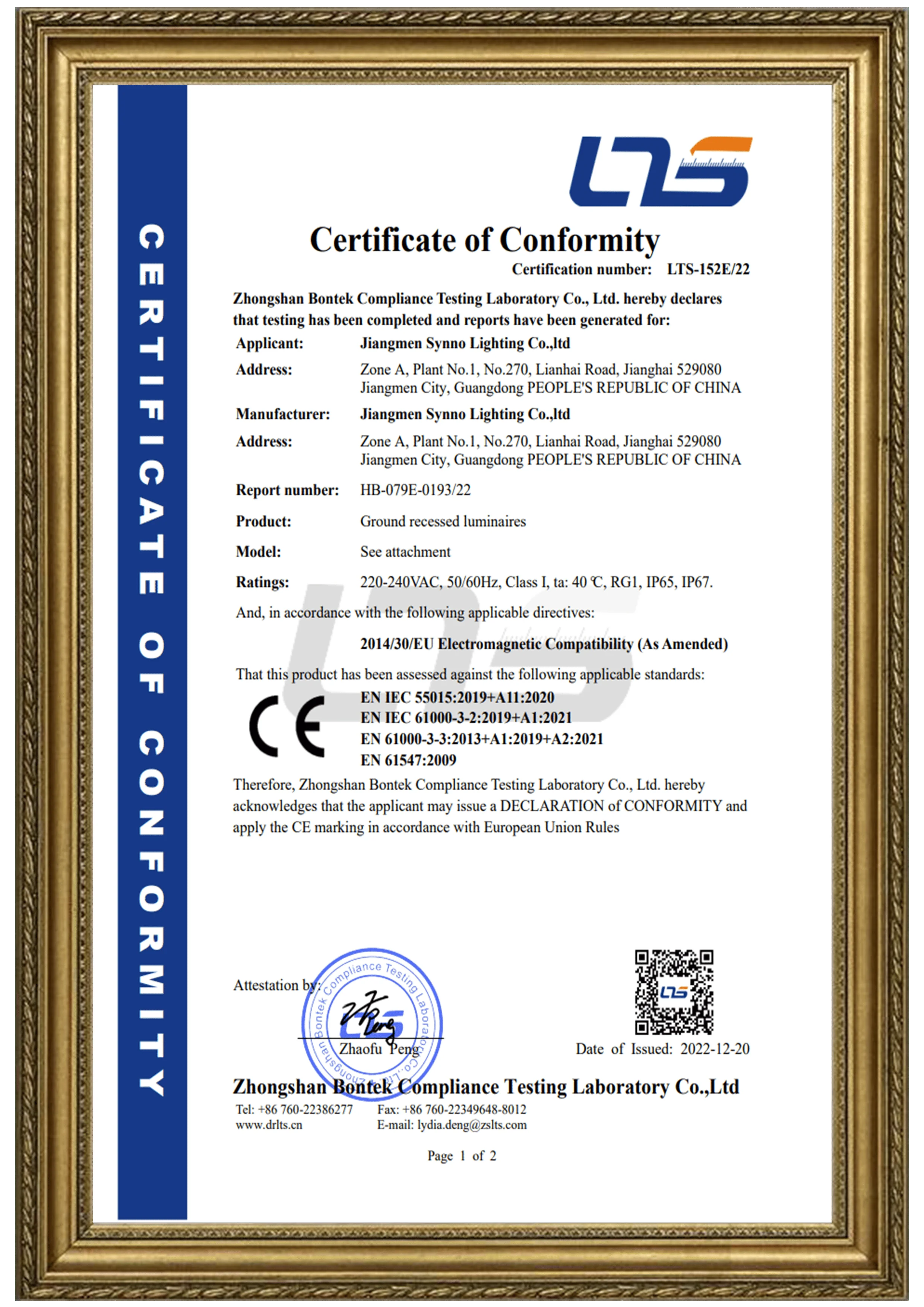
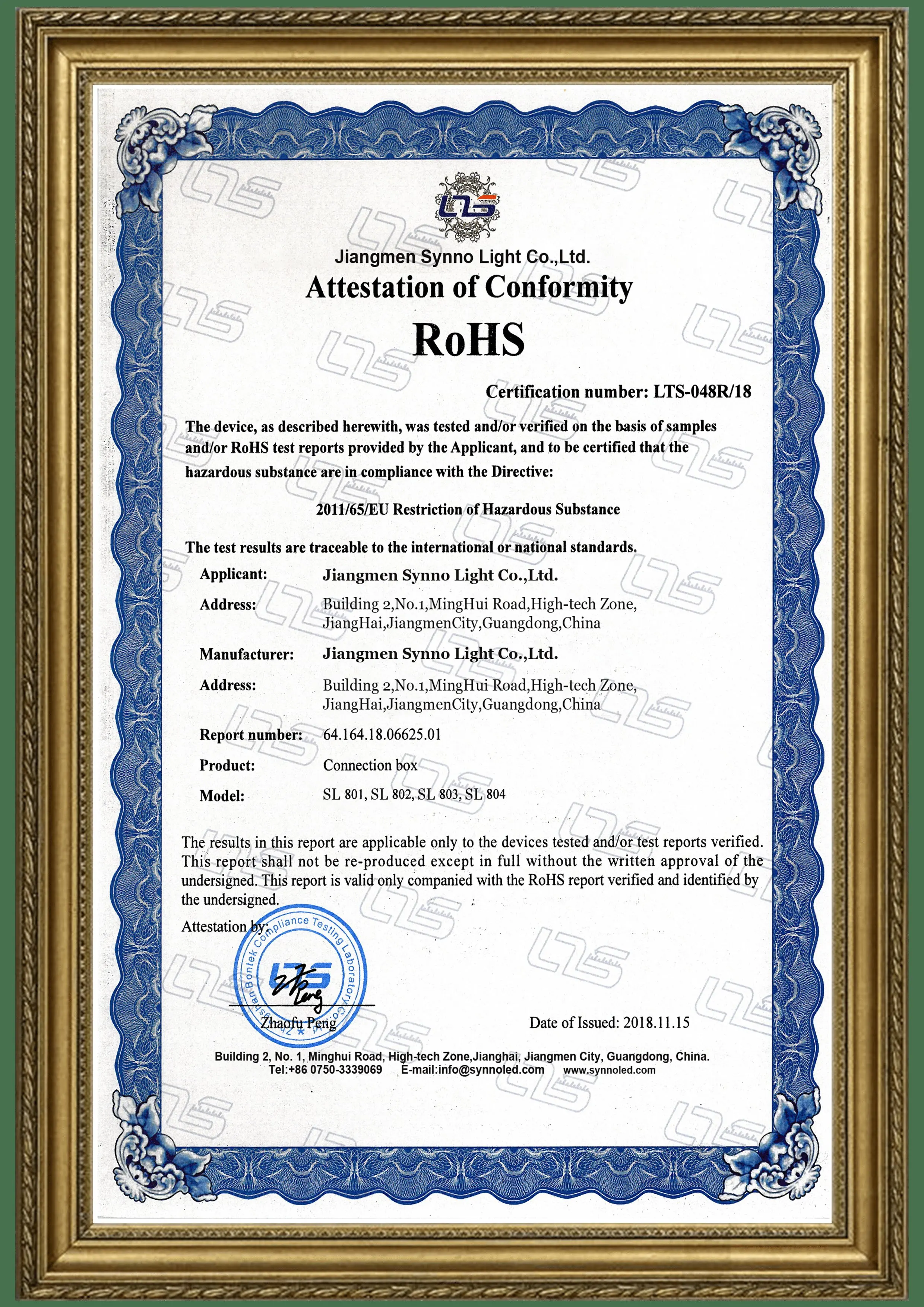
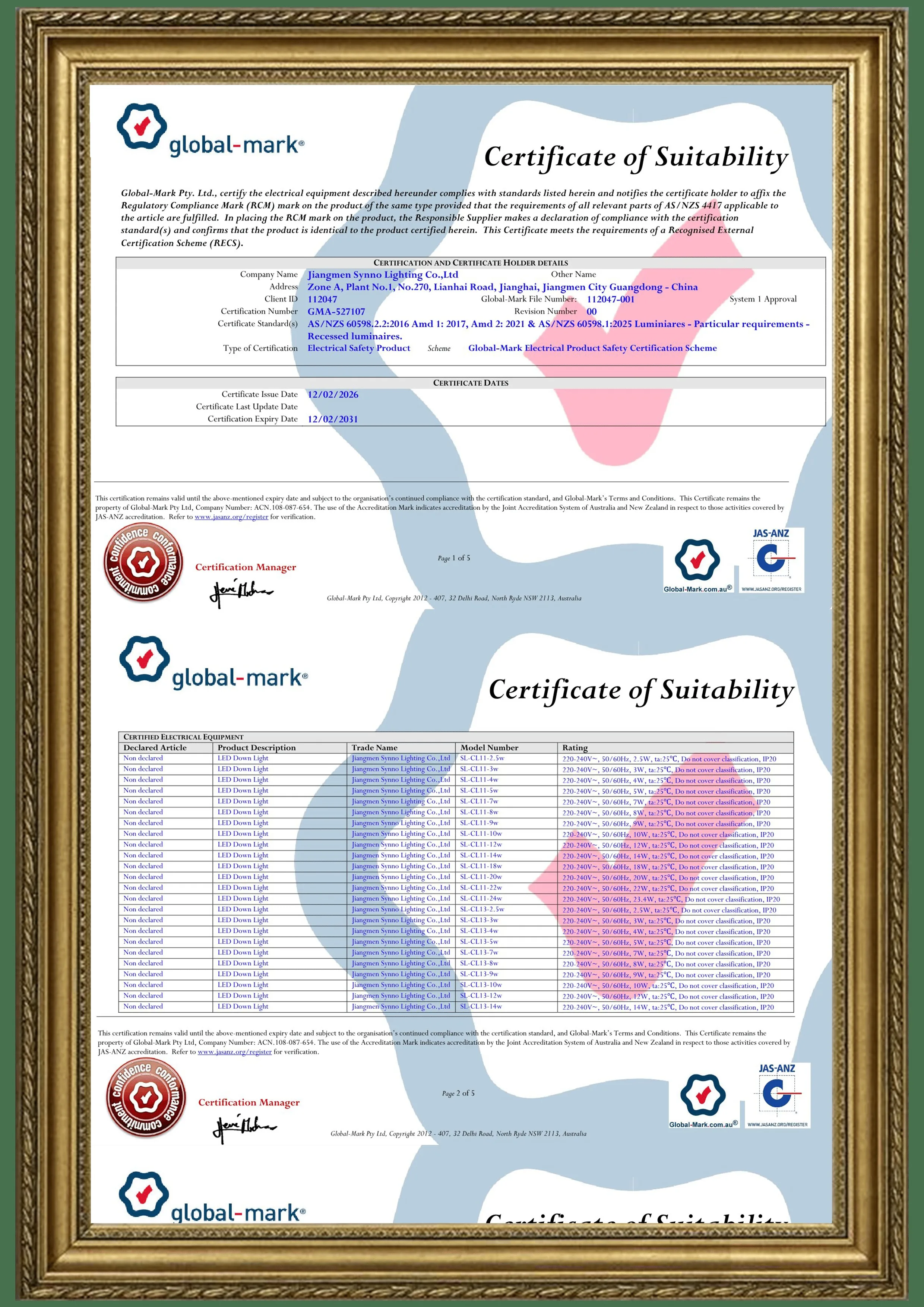
Always look for CE, RoHS, and UL certifications to ensure compliance and safety.
7. Product Examples from Our LED Range
For Indoor Spaces:
Downlights: Flush-mounted fixtures perfect for kitchens, hallways, and lobbies
Spotlights: Ideal for highlighting retail displays and wall decor
Track Lights: Flexible solutions for art galleries, showrooms, and modern offices
For Outdoor Areas:
Garden Lights: Enhance landscape design and safe navigation
Floodlights: Provide bright, wide-area illumination for large premises
Outdoor Wall Lights: Add architectural flair while increasing perimeter security
Underground Lights: Perfect for pathway marking and decorative uplighting
Wall Washers: Showcase facades and public installations with uniform light spreads
Window Sill Lights: Subtle fixtures for highlighting architectural lines and shadows
8. Key Factors to Consider When Choosing Indoor vs Outdoor LEDs
Environment: Is the area exposed to weather, dust, or water?
Function: Do you need ambiance, task lighting, or high-intensity security lighting?
Design Aesthetic: Does the fixture match the décor or outdoor landscape?
Power Source: Are power outlets available, and is wiring practical?
Maintenance: Outdoor fixtures must be low-maintenance and durable
Certifications: Always check for region-specific safety and efficiency marks
9. Common Mistakes to Avoid
Using indoor lights outdoors: Even covered patios or semi-enclosed balconies require IP-rated fixtures
Ignoring beam angle: Choosing the wrong angle can lead to over-lighting or dark spots
Mixing color temperatures: Consistency in temperature (e.g., all 3000K) avoids visual discomfort
Underestimating lumen needs outdoors: Especially important for safety and security areas
10. Future Trends in Indoor and Outdoor LED Lighting
The LED industry is rapidly evolving. Here are a few trends to keep an eye on:
Smart lighting integration (motion sensors, Bluetooth, Wi-Fi controls)
Solar-powered outdoor LEDs for energy independence
Tunable white lighting indoors for circadian rhythm support
Architectural-grade fixtures blending function with minimalism
Dark sky compliant lighting to reduce light pollution outdoors
Conclusion: Making the Right Choice
Indoor and outdoor LED lighting serve very different purposes, face different environmental challenges, and require different technical specifications. Whether you are illuminating a cozy living space or securing a commercial exterior, selecting the correct lighting type is critical to long-term performance, safety, and satisfaction.
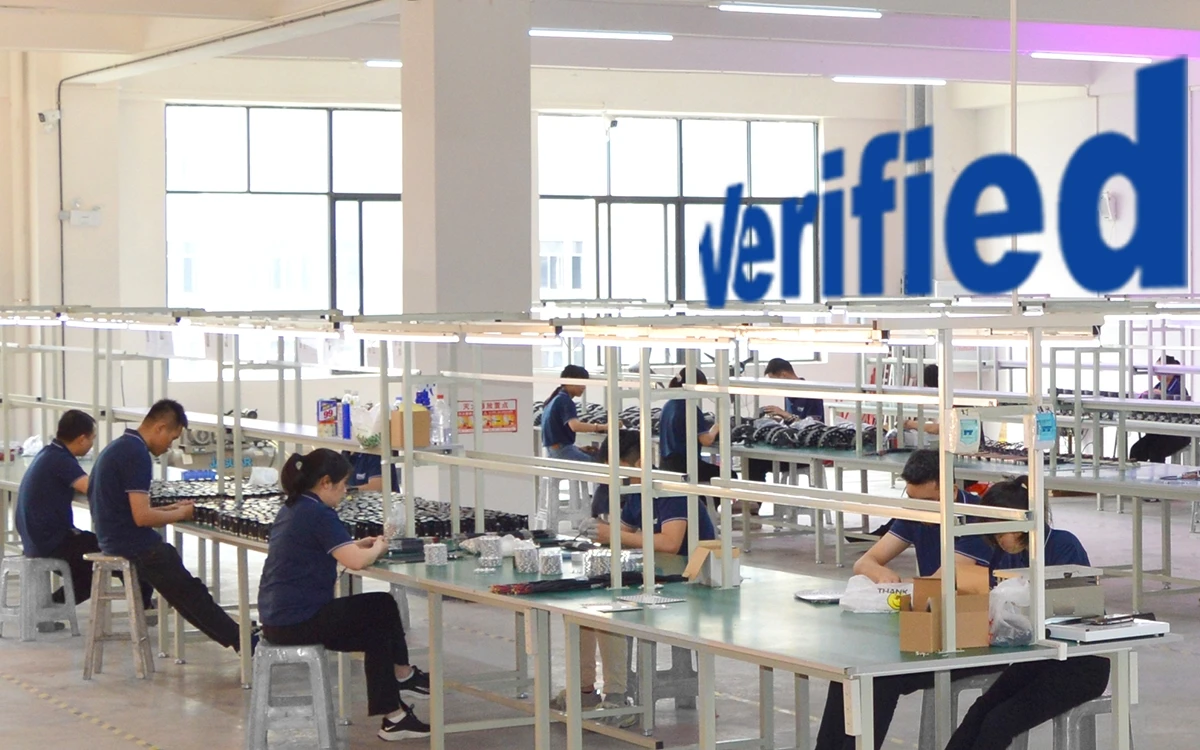
As a professional LED lighting factory, we specialize in both indoor and outdoor lighting solutions. Our full range includes downlights, spotlights, track lights, garden lights, outdoor wall lights, floodlights, underground lights, wall washers, and window sill lights—all designed with quality, durability, and energy efficiency in mind.
Let us help you build a lighting system that looks beautiful, performs reliably, and saves energy for years to come.
Contact us today to discuss your project needs or learn more about our indoor and outdoor LED lighting solutions.