In this guide, we will break down everything you need to know about LED downlights and how to choose the right one for your specific needs. Whether you're upgrading your home’s lighting system, outfitting an office, or designing a commercial space, this article will help you make an informed decision.
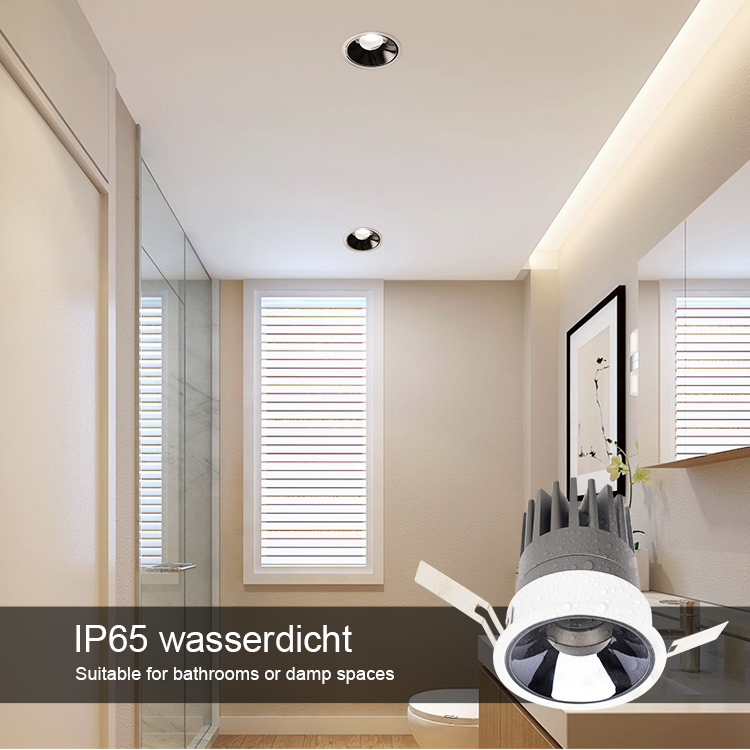
1. Understanding LED Downlights
LED downlights are recessed lighting fixtures that are mounted into a ceiling. These fixtures are designed to provide focused, directional lighting while being compact and energy-efficient. LED downlights can be used in a variety of applications, including task lighting, accent lighting, and ambient lighting.
Key Features of LED Downlights:
2. Determine Your Lighting Needs
Before choosing the right LED downlight, it’s essential to determine your specific lighting needs. Do you need bright task lighting, soft ambient lighting, or accent lighting? Here are a few considerations:
Ambient Lighting:
If you're looking for general illumination, you’ll want an LED downlight that provides even, diffused light throughout the room. Choose a downlight with a wider beam angle for broader coverage.
Task Lighting:
For areas where focused, bright light is needed (such as kitchens, offices, or reading areas), look for downlights with higher lumens and a more concentrated beam angle.
Accent Lighting:
To highlight artwork, architectural features, or create mood lighting, choose downlights that are adjustable or can be angled to direct light on specific objects or areas.
3. Key Factors to Consider When Choosing an LED Downlight
a) Brightness (Lumens)
The brightness of an LED downlight is measured in lumens, which indicates the amount of light emitted by the bulb. The higher the lumen output, the brighter the light. When choosing your LED downlight, consider the following:
b) Color Temperature (Kelvins)
Color temperature is measured in Kelvins (K) and defines the warmth or coolness of the light. The right color temperature can influence the mood and functionality of a space.
c) Beam Angle
The beam angle refers to how wide or narrow the light is distributed. A narrow beam angle (15-30 degrees) creates focused, directional lighting, while a wider beam angle (60-120 degrees) offers more diffused, ambient light.
Narrow Beam (15-30 degrees): Ideal for accent lighting or highlighting specific features in the room.
Wide Beam (60-120 degrees): Perfect for general or ambient lighting, ensuring even light distribution across a large area.
d) Dimming Capability
If you want the ability to control the light intensity in your space, consider LED downlights that are dimmable. Dimmable LED downlights allow you to adjust the light output depending on the time of day or your needs, helping you set the perfect mood or optimize energy consumption.
e) Energy Efficiency
One of the main reasons people choose LED lighting is its energy efficiency. LED downlights consume significantly less energy than traditional halogen or incandescent bulbs, which reduces both energy bills and environmental impact. When selecting an LED downlight, ensure that it is labeled with energy ratings, such as Energy Star or similar certifications.
4. Where to Use LED Downlights
LED downlights can be used in a wide range of applications, both residential and commercial. Here are some common areas where LED downlights are perfect:
Residential Use
Commercial Use
5. Different Types of LED Downlights
LED downlights come in various styles and configurations to suit different needs. Here are a few common types to consider:
Fixed LED Downlights
These downlights are designed to stay in one fixed position. They are often used in areas where general, even illumination is needed.
Adjustable LED Downlights
Adjustable downlights allow you to direct the light in a specific direction, making them ideal for highlighting particular areas or features.
Slim LED Downlights
Slim or ultra-thin downlights are perfect for spaces with limited ceiling depth. They offer the same functionality as traditional downlights but in a more compact design.
Fire-Rated LED Downlights
Fire-rated downlights are designed to meet fire safety regulations, making them ideal for commercial and residential properties where safety is a priority.
6. Installation Tips for LED Downlights
Proper installation is crucial to ensuring your LED downlights function efficiently and provide the desired lighting effect. Here are some tips to help you install your LED downlights correctly:
a) Plan the Layout Carefully
Before installing downlights, plan the layout to ensure even distribution of light. Avoid clustering too many lights in one area.
b) Choose the Right Mounting Depth
Ensure that the mounting depth is suitable for the type of downlight you're installing, especially for slim models or those requiring fire-rated compliance.
c) Check Compatibility
If you're using dimmable downlights, ensure that your dimmer switch is compatible with LED lighting to avoid flickering or poor performance.
7. Conclusion: Choosing the Right LED Downlight
Choosing the right LED downlight for your needs involves careful consideration of factors like brightness, color temperature, beam angle, energy efficiency, and installation requirements. Whether you’re lighting up a cozy living room, a modern office, or a retail display, the right LED downlight can make a significant impact on the overall ambiance and functionality of the space.
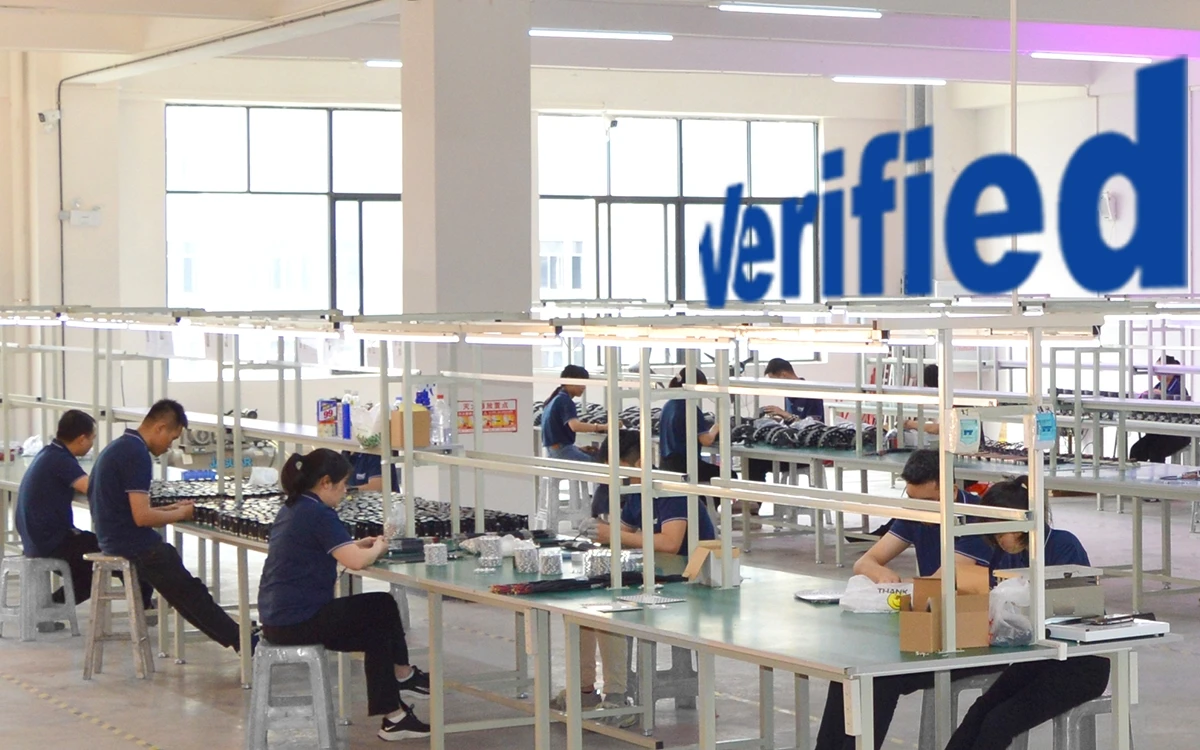
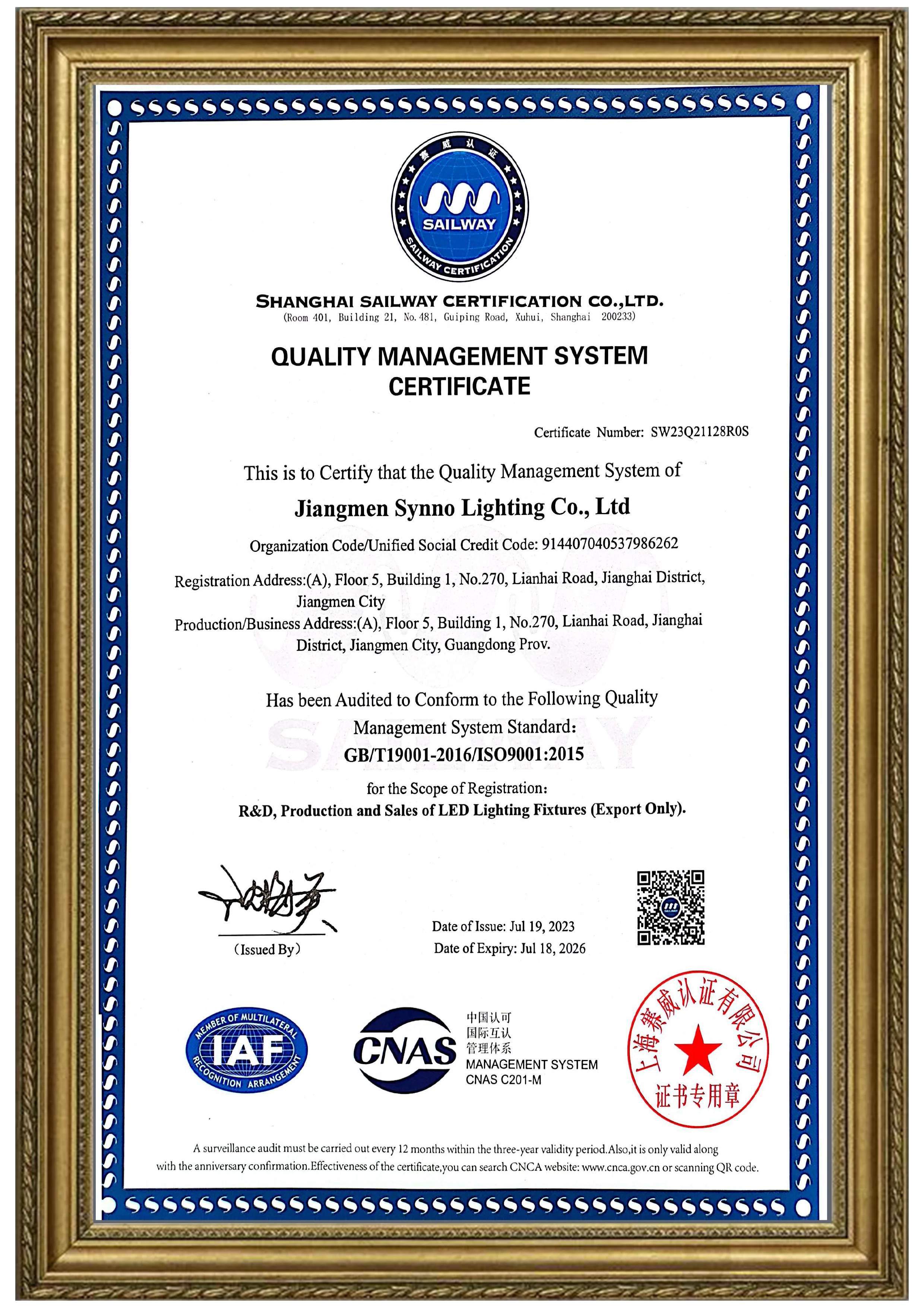
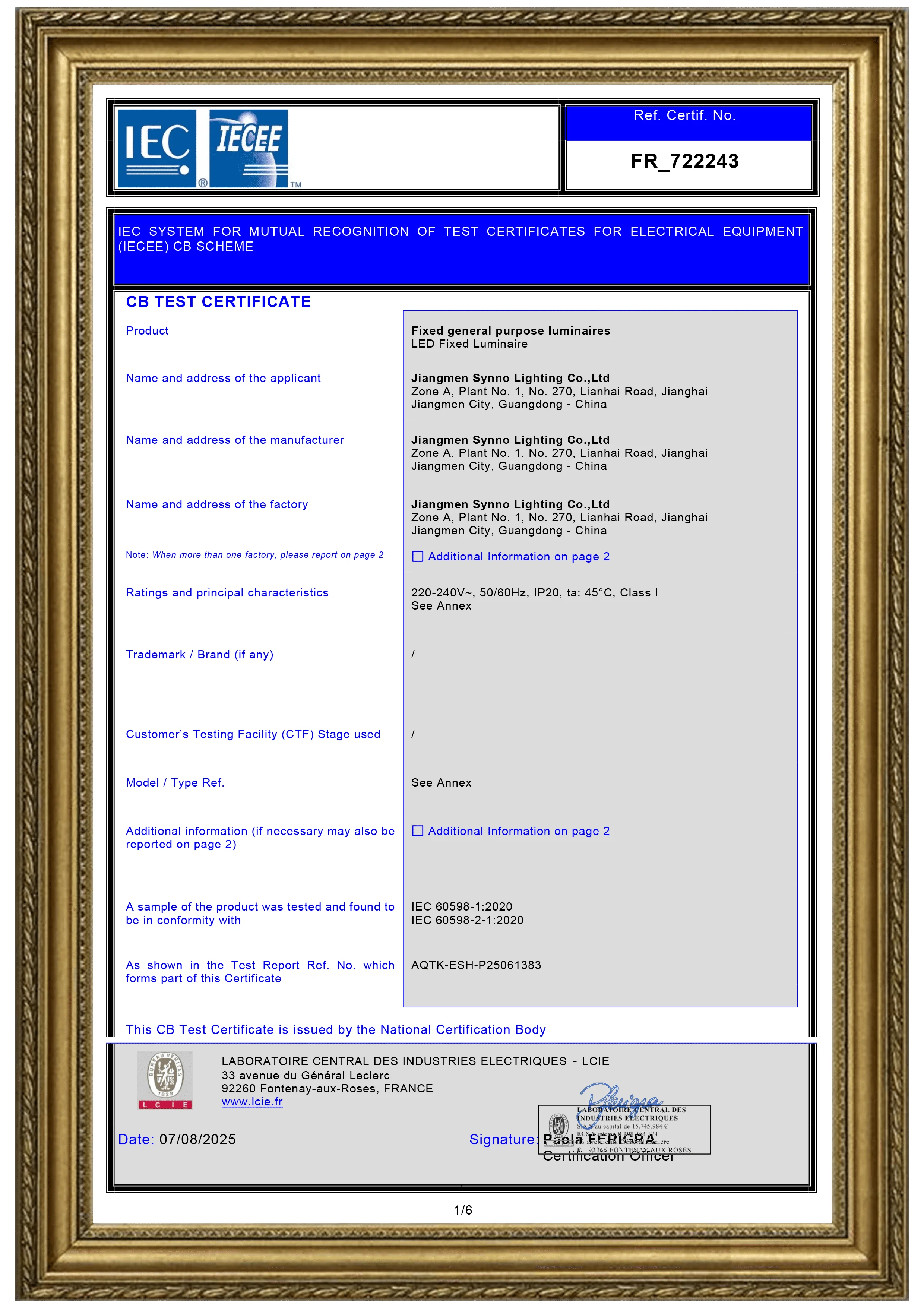
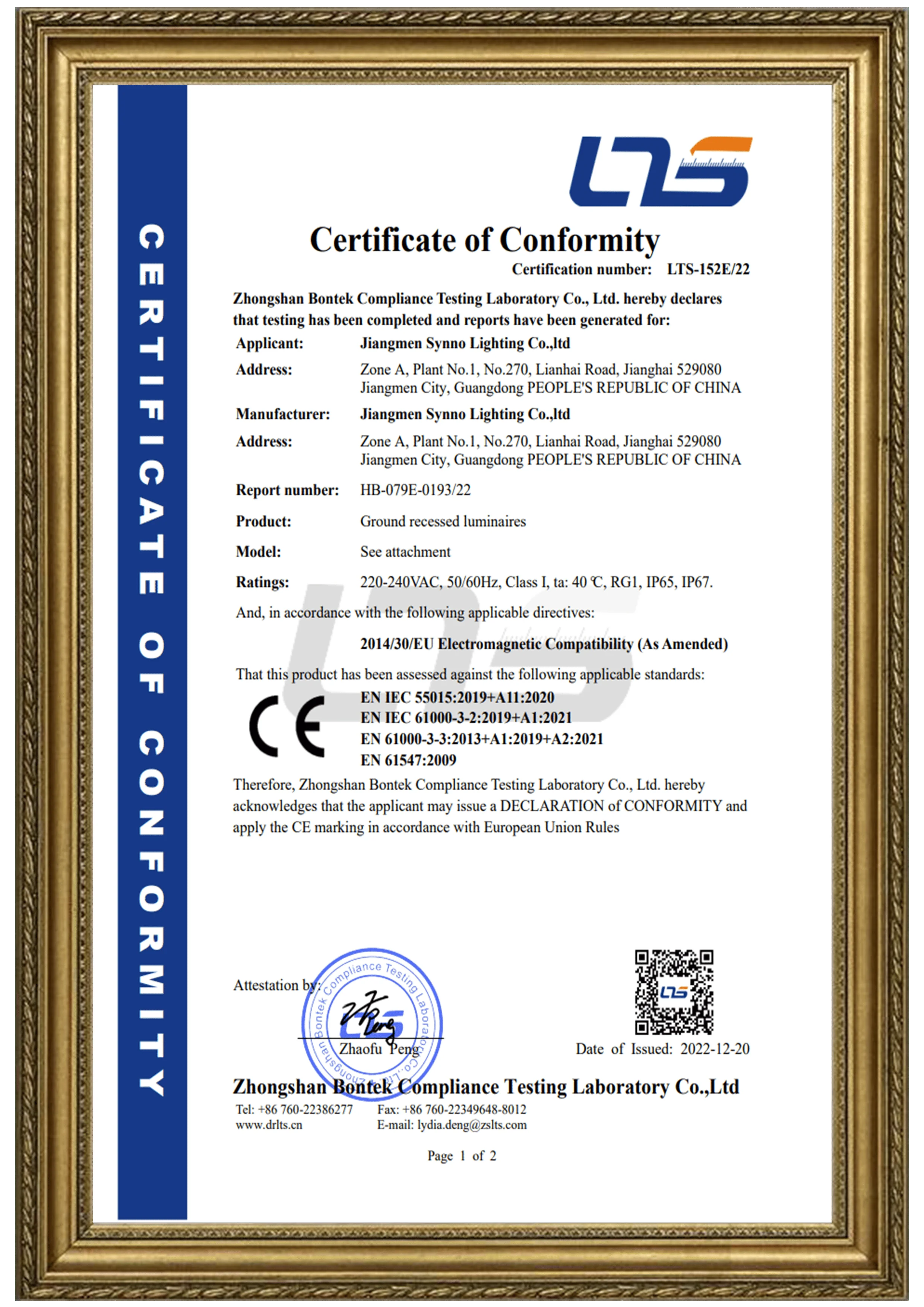
At Jiangmen Synno Lighting Company, we offer a wide range of LED downlights designed for various applications, from energy-efficient models to stylish adjustable fixtures. If you’re unsure which LED downlight is best for your needs, don’t hesitate to contact our expert team for guidance.
By choosing the right LED downlight, you’ll not only enhance your space but also benefit from reduced energy consumption and longer-lasting performance.
For more information on our LED downlight offerings, browse our product catalog or contact us today to get personalized recommendations for your project.