LED Lifespan Myths Busted: How to Ensure 50,000+ Hours of Operation
Introduction
The promise of "50,000+ hours of operation" is a cornerstone of LED marketing, yet real-world performance often falls short due to misunderstandings about what drives longevity. While LEDs are inherently durable, achieving their full lifespan potential requires dispelling pervasive myths and adopting science-backed practices.
This guide debunks 5 common misconceptions and provides actionable strategies to ensure your LEDs deliver on their longevity claims—whether you’re an importer, contractor, or facility manager.
Myth 1: “All LEDs Last Exactly 50,000 Hours”
The Reality
The 50,000-hour claim (≈5.7 years at 24/7 use) is a laboratory estimate under ideal conditions:
-
LM-80 Testing: Measures lumen depreciation at fixed temperatures (e.g., 25°C).
-
TM-21 Extrapolation: Predicts lifespan based on LM-80 data, assuming L70 (70% of initial brightness) as the endpoint.
Real-World Factors That Shorten Lifespan:
-
Heat Buildup: Every 10°C above rated temps halves LED lifespan (DOE, 2023).
-
Electrical Surges: Poor grid stability can fry drivers prematurely.
-
Humidity/Corrosion: Non-IP-rated fixtures in damp environments.
Case Study:
A warehouse using cheap LEDs saw 30% failure at 15,000 hours due to poor thermal design, while high-quality equivalents hit 60,000 hours.
Myth 2: “LEDs Don’t Produce Heat”
The Thermal Management Imperative
While LEDs emit less radiant heat than incandescents, 20–30% of their energy still converts to heat at the diode junction. Without dissipation:
-
Chip Degradation: Heat accelerates phosphor decay, causing color shift.
-
Driver Failure: Electrolytic capacitors dry out faster in high temps.
Solutions:
✔ Heat Sinks: Opt for 6063 aluminum alloy (thermal conductivity: 201 W/m·K).
✔ PCB Design: Use metal-core PCBs (MCPCBs) vs. standard FR4.
✔ Derating: Run LEDs at <90% max rated current to reduce thermal stress.
Pro Tip: For high-heat environments (e.g., industrial kitchens), specify IP65-rated fixtures with potting gel-protected drivers.
Myth 3: “Higher Price = Longer Lifespan”
The Cost-Quality Paradox
Premium brands (e.g., Philips, Cree) justify prices with LM-80 reports and branded components, but some mid-tier suppliers offer comparable quality at lower costs by:
-
Using Same Chips: Samsung LM301B (horticultural) or Nichia 757 (high CRI).
-
Skipping Markups: Direct-to-factory pricing.
Red Flags in Cheap LEDs:
-
Unbranded Drivers: No-name drivers fail 3x faster than Mean Well (LEDInside, 2024).
-
Fake Certifications: Counterfeit UL marks or doctored LM-80 reports.
Verification Checklist:
-
Demand LM-80/TM-21 reports for the exact LED model.
-
Check driver certifications (UL 8750, IEC 61347).
Myth 4: “LEDs Never Need Maintenance”
The 3 Maintenance Musts
-
Dust Removal: Accumulated dust on heatsinks reduces cooling efficiency by 15–25%.
-
Surge Protection: Install TVSS devices (Transient Voltage Surge Suppressors) in areas with unstable grids.
-
Driver Monitoring: Replace drivers showing flicker or start-up delays.
Predictive Maintenance Tech:
-
Smart LEDs: Use built-in sensors to alert via IoT platforms when temps or output degrade.
-
Thermal Imaging: Spot overheating fixtures during routine inspections.
Myth 5: “All LED Failures Are Irreversible”
Modular Repairs Save Costs
Many modern LEDs allow component replacement:
-
Plug-and-Play Drivers: Swappable without soldering (e.g., Inventronics EUD series).
-
Replaceable Light Engines: Brands like Lumileds offer LED modules to retrofit old fixtures.
Circular Economy Bonus: Modularity aligns with EU’s Right-to-Repair Directive, avoiding landfill penalties.
How to Guarantee 50,000+ Hours: 5 Science-Backed Strategies
1. Prioritize Thermal Design Over Aesthetics
-
Heat Sink Surface Area: ≥15 cm² per watt for passive cooling.
-
Natural Convection: Ensure ≥2 inches clearance around fixtures.
Industrial Example:
High-bay LEDs with stacked-fin aluminum heatsinks lasted 72,000 hours in a 40°C factory vs. 28,000 hours for sleek, low-mass designs.
2. Use Driver derating
-
Rule: Operate drivers at ≤80% max load to extend lifespan.
-
Example: A 100W driver powering 80W LEDs reduces thermal stress.
3. Opt for Linear Lifespan Drivers
-
Standard Drivers: Electrolytic capacitors last 30,000–50,000 hours.
-
Long-Life Drivers: Use solid-state capacitors (100,000+ hours) despite 20% higher cost.
4. Implement Surge Protection
-
ANSI/IEEE C62.41-Compliant SPDs (Surge Protective Devices) handle 6kV/3kA surges.
-
Cost: 10–20 per fixture prevents $100+ driver replacements.
5. Avoid Rapid Cycling
-
Issue: Frequent on/off switching strains drivers.
-
Fix: Use motion sensors with 10-minute delay settings in high-traffic areas.
The Certification Checklist for Longevity
-
LM-80 + TM-21 Reports: Verify lumen maintenance (e.g., L90 @ 50,000 hours).
-
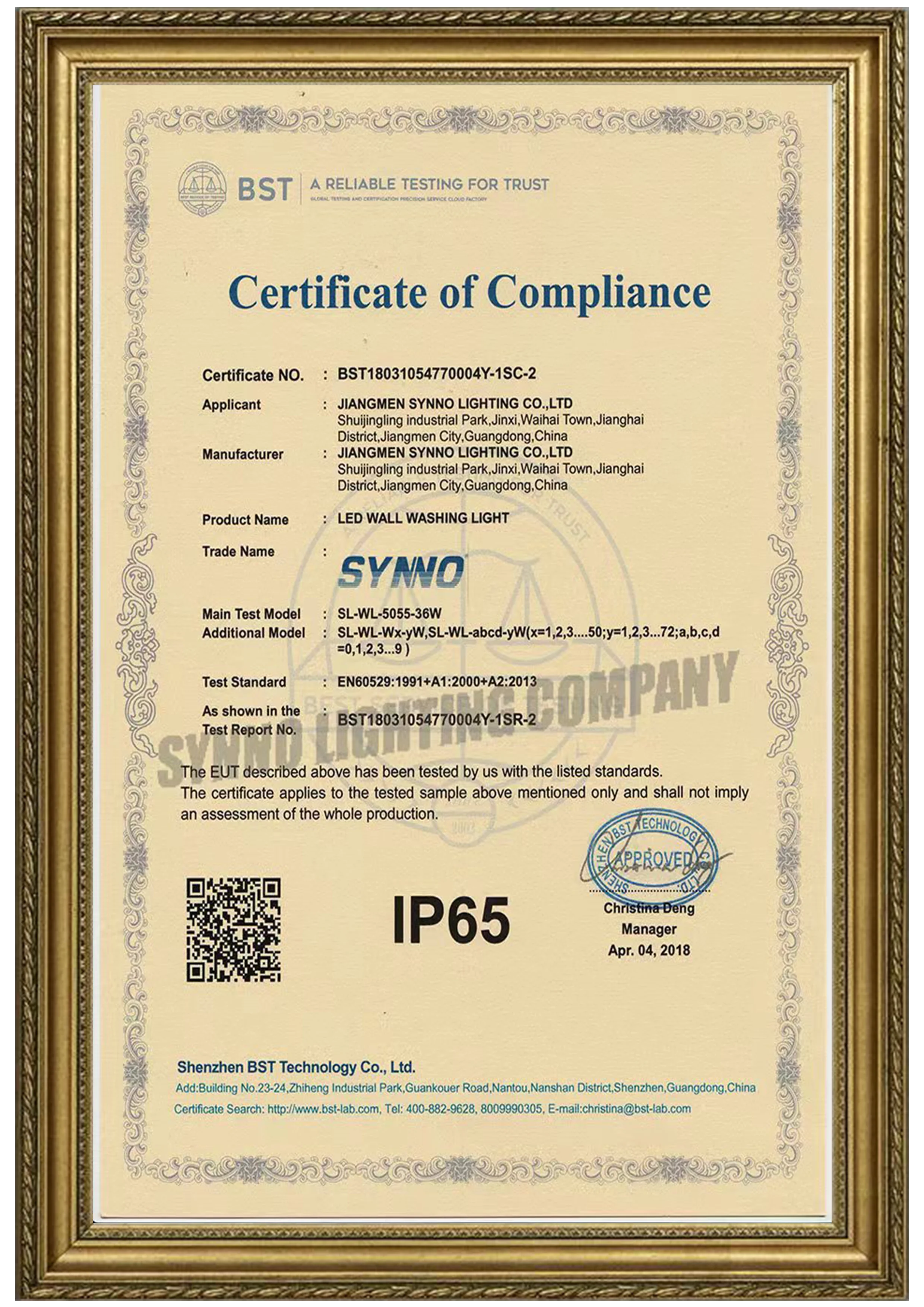
IP Rating: IP65 for damp environments, IP67 for submersion-prone areas.
-
Surge Immunity: IEC 61000-4-5 (withstands 1kV line surges).
Case Study: Airport Hangar Lighting
Challenge: Harsh conditions (jet fuel fumes, vibrations) caused LEDs to fail at 22,000 hours.
Solution:
-
Potting-Gel Encapsulated Drivers (IP69K).
-
Stainless Steel Fixtures (corrosion-resistant).
-
4-in-1 Tuned Spectrum LEDs (minimize maintenance frequency).
Result: 62,000-hour lifespan with 95% lumen retention.
Conclusion: Beyond the Hype
True LED longevity hinges on:
-
Thermal Management: Invest in robust heatsinks and derating.
-
Quality Drivers: Prioritize UL-listed, surge-protected models.
-
Proactive Maintenance: Monitor and replace components preemptively.